Top 7 Mic Preamps Decoded: Finding Your Perfect Signal Chain

By Gear Experts

By Gear Experts
Table of Contents

Equipboard
Equipboard is the world's largest community of artists and their gear. Read our review process.
We are reader-supported. When you buy through links on our site, we may earn an affiliate commission. Learn more.
Our Picks
-l.webp?v=1784818711)
The Focusrite ISA One is a professional-grade single-channel preamp that brings the renowned sound quality of Rupert Neve's ISA 110 module to home studios, offering exceptional clarity, versatile impedance options, and robust build quality at a competitive price point.
Read more


-l.webp?v=1784818679)
The Avalon VT-737SP is a high-end channel strip combining a tube preamp, optical compressor, and parametric EQ in one unit, renowned for delivering professional-grade vocal recordings with exceptional clarity and harmonic richness, though its comprehensive features come with a steep learning curve and price tag.
Read more


The ART TubeMP is an entry-level tube preamp that provides an affordable introduction to tube coloration, offering usable warmth and character for home recording despite its budget-oriented build quality and higher noise floor.
Read more
The PreSonus BlueTube DP V2 is a dual-channel preamp that offers both solid-state and tube circuits in a budget-friendly package, providing flexible sound options from clean to colorful through its combination of transparent solid-state amplification and adjustable tube saturation.
Read more
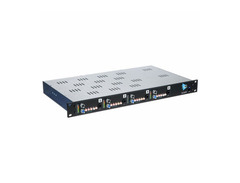
The API 3124V is a high-end four-channel preamp renowned for drum recording, featuring API's signature punchy sound and exceptional transient response, with professional-grade build quality and high headroom that justifies its premium price point despite running warm and having a distinctly colored sound.
Read more
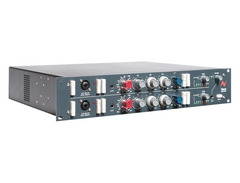
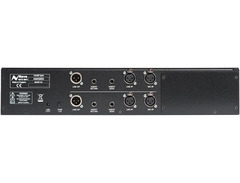
AMS Neve 1073DPX Dual Mic Preamp / EQ
The Neve 1073DPX is a premium dual-channel preamp and EQ that delivers the classic Neve sound through high-end Marinair transformers and Class A circuitry, offering rich harmonic coloration and exceptional build quality, though its distinctive character and heat generation may not suit all applications.
Read more
The Grace Design m101 is a high-end single-channel preamp focused on absolute transparency and precision, featuring exceptional build quality and ultralow noise for critical recording applications, though its neutral character may not suit those seeking tonal coloration.
Read moreA microphone preamp might be the most underappreciated hero in the recording chain. While musicians obsess over microphones and engineers debate the merits of various plugins, this crucial piece of equipment quietly shapes the foundation of every professional recording you've ever heard. Whether you're capturing the delicate nuances of a jazz vocalist, the thunderous impact of a drum kit, or the intimate details of a storytelling podcast, your mic preamp is silently working to transform those weak microphone signals into robust, recording-ready audio.
Think of a mic preamp as the translator between your microphone and your recording system. Without it, even the most expensive microphone in the world would struggle to produce a usable signal. But a preamp doesn't just make your signal louder – it can define the character of your sound, add warmth or clarity, and even help mask minor imperfections in your recording chain.
In today's recording landscape, where home studios sit alongside professional facilities and bedroom producers compete with veteran engineers, understanding mic preamps isn't just about gear knowledge – it's about making informed decisions that directly impact your sound. Whether you're working with a modest home setup or managing a professional studio, the choice and proper use of preamps can mean the difference between a amateur-sounding recording and a polished, professional product.
Focusrite ISA One
5.0 (21)
Professional Sound for the Home Studio
-s.webp?v=1784818711)









- Excellent noise threshold, recording clarity, and presence
- Offers warmth and granular control over amplitude level
- Versatile, combining DI and preamp, suitable for various instruments
- Enhances detail and clarity without excessive EQ
- See 6 more
- Too clean for some, lacking desired saturation for specific tastes
- Bulkier size compared to competitors, challenging to stack or place
- Plastic buttons may feel cheap to some users
- Limited to one channel, which might restrict stereo recording setups
The Focusrite ISA One delivers professional-grade sound derived from the legendary Rupert Neve-designed ISA 110 console module, making it a top choice for home studio owners seeking exceptional audio quality without the high-end price tag. This single-channel preamp offers remarkable versatility, handling everything from delicate acoustic instruments to powerful vocals with clarity and precision.
Key Features:
- Lundahl LL1538 Input Transformer: Provides a classic, smooth tone with subtle saturation when driven.
- Variable Input Impedance (600Ω, 1.4kΩ, 2.4kΩ, 6.8kΩ): Optimizes the preamp for various microphone types and offers tonal shaping options.
- Dedicated DI Input with Independent Gain: Effectively provides two input channels, ideal for recording guitar/bass alongside vocals or other instruments.
- Switchable VU Metering: Provides visual monitoring of signal levels.
- Wide Gain Range (0-60dB): Suitable for a wide range of microphones and sources.
- Extended Frequency Response (10Hz-120kHz): Captures the full sonic spectrum with detail and accuracy.
- Optional 192kHz A-D Conversion Card: Adds digital connectivity for direct recording.
The ISA One's robust metal chassis, smooth controls, and professional connectors reflect its high-quality construction. The intuitive front panel layout ensures easy operation, even for those new to external preamps.
The ISA One delivers a remarkably open and detailed sound with a subtle low-frequency warmth that enhances most sources. The Lundahl transformer plays a key role, adding gentle saturation when pushed while maintaining clarity at normal levels.
Ideal Applications:
- Vocals: Captures intimate details and handles dynamic performances with ease. Variable impedance allows for fine-tuning the tone.
- Acoustic Instruments: Reproduces the natural air and detail of instruments with tight, controlled low-end response.
- Ribbon Microphones: Provides ample clean gain and appropriate impedance for optimal ribbon mic performance.
The ISA One offers exceptional value in its price range, competing with preamps costing significantly more. The inclusion of a dedicated DI input further enhances its versatility.
While it excels in most situations, the ISA One might not be the best choice for extremely high-SPL sources requiring maximum headroom, or for those seeking extreme vintage-style coloration. The optional digital card adds to the cost, but provides valuable digital connectivity.
The Focusrite ISA One is a highly versatile and professional-sounding preamp that offers exceptional value for home studio owners. Its heritage, build quality, and sonic performance make it a worthwhile investment for anyone serious about recording quality audio.
See how artists use this










Avalon VT-737SP
5.0 (27)
The Iconic Vocal Channel Strip
-s.webp?v=1784818679)

- Provides very clean tone, great for vocals and guitar
- Dynamics and EQ section extremely helpful for vocal shaping
- High gain function allows for warm tube saturation
- Versatile across genres, from pop/rock to jazz and classical
- See 6 more
- Heavy, may be cumbersome for some setups
- High demand makes it hard to find
- Pricey, especially at its usual $2000 tag
- Plastic buttons may resonate when placed near speakers
- See 2 more
The Avalon VT-737SP, often hailed as the "Vocal Channel Strip," has shaped the sound of countless hit records. This professional-grade unit combines a Class A tube preamp, optical compressor, and sweepable EQ into a single, powerful tool, offering a streamlined workflow and exceptional sonic results. While a significant investment, its enduring presence in top studios underscores its value as a benchmark for vocal recording.
Key Features:
- Class A Vacuum Tube Preamplifier: Provides a smooth, harmonically rich tone with exceptional clarity.
- Optical Compressor: Offers transparent dynamic control with variable threshold and release.
- Passive High-Voltage Discrete Transistor EQ: Provides precise tonal shaping with high/low shelving and fully parametric mid bands.
- Twin Vacuum Tube Tone Section: Adds further harmonic richness and depth.
- Variable Input Impedance: Optimizes the preamp for different microphone types.
- VU Metering with Switchable Modes: Provides accurate visual monitoring.
The VT-737SP's robust 3U chassis and meticulously designed circuitry reflect its professional-grade construction. The intuitive front panel layout, despite the unit's complexity, allows for efficient workflow. Precise, reliable controls ensure a long-term studio investment.
Unlike some tube preamps that prioritize warmth over clarity, the VT-737SP delivers a detailed, three-dimensional sound with just the right amount of harmonic enhancement. The preamp offers a smooth high-frequency response and a subtle low-midrange thickness that flatters most voices without becoming muddy.
Applications:
- Vocals: Excels at capturing the nuances of any vocal performance, adding authority to male vocals and preserving the airiness of female vocals. The integrated compressor and EQ allow for complete vocal processing during tracking.
- Acoustic Instruments: The preamp's high headroom and natural reproduction make it ideal for recording acoustic instruments like guitar, piano, and strings. The EQ and compressor offer further tonal shaping and dynamic control.
While the VT-737SP's price places it in the high-end category, its ability to replace separate preamp, EQ, and compressor units makes it a cost-effective solution for professional studios, particularly those focused on vocal recording. Many users achieve release-ready vocals directly from the unit, saving valuable time in post-production.
Mastering the VT-737SP's comprehensive features requires some learning due to the interaction between its different sections. Its size and weight make it less suitable for mobile recording, and the tube circuitry requires warm-up time.
The Avalon VT-737SP is an iconic vocal channel strip that delivers exceptional sonic quality and a streamlined workflow. Its integrated design, combined with its renowned sound, makes it a valuable investment for professional studios seeking the ultimate in vocal recording.
See how artists use this



ART Tube MP Studio Mic Preamp
3.5 (13)
Affordable Tube Warmth for Home Studios

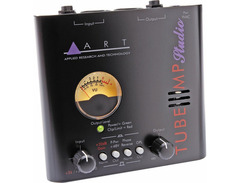
The ART TubeMP is a popular entry point into the world of tube preamps, offering home recordists an affordable way to add warmth and character to their recordings. While not a replacement for high-end units, it delivers genuinely musical results and serves as an excellent learning tool.
Key Features:
- 12AX7A Tube Stage: Provides authentic tube warmth and saturation.
- Dual Input Gain Control: Offers flexible gain staging for varying degrees of tube coloration.
- LED Input/Output Metering: Provides basic visual monitoring of signal levels.
- Switchable Phantom Power: Compatible with condenser microphones.
- XLR and 1/4" Inputs and Outputs: Offers versatile connectivity.
- Compact Desktop Format: Fits easily into any home studio setup.
The TubeMP's metal chassis provides decent protection, though the plastic knobs and switches reflect its budget-friendly price. The straightforward layout and clear labeling make it easy to use.
The TubeMP offers two distinct sonic flavors. At moderate gain settings, it adds subtle tube warmth, softening digital recordings. Pushing the input gain while adjusting the output control introduces more pronounced tube saturation. While not as refined as high-end preamps, the sound is musical and useful for adding character to sterile sources.
Ideal Applications:
- Vocals: Adds body and smooths out harsh frequencies on bright or thin vocals.
- Electric Instruments (DI): Adds pleasing harmonics and gentle compression to electric bass and guitar. The ability to blend clean and saturated signals offers versatility for various playing styles.
Priced under $100, the TubeMP offers exceptional value. It provides a genuine tube stage and useful features at an accessible price, making it an excellent first preamp for beginners. Even after upgrading, it can remain a valuable tool for adding specific character to certain tracks.
The TubeMP has a higher noise floor than more expensive preamps, especially at higher gain settings. Its phantom power implementation is basic, so caution is advised with high-end condenser microphones. The build quality is adequate for home use but not designed for rigorous professional environments.
The ART TubeMP is a great entry-level tube preamp that provides a taste of tube warmth and saturation without breaking the bank. It's a valuable learning tool and a useful addition to any home studio, especially for adding character to digital recordings and DI'ing instruments.
PreSonus BlueTube DP v2
4.0 (1)
Dual-Path Versatility for Home Studios


- Adds tube warmth to vocals and instruments effectively
- Features multiple outputs for versatile DI functionality
- Provides clean and quiet amplification for low output mics
- Offers built-in phantom power, phase, 10db pad & 80Hz low cut
- See 4 more
- Overdrive channel quality may not impress some users
- Lacks an easily accessible on-off switch when rack mounted
- Some may find it no better than built-in interface preamps
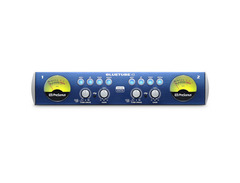
The PreSonus BlueTube DP V2 offers a unique approach in the budget preamp market: dual signal paths with both solid-state and tube circuits. This versatility makes it an excellent choice for home studio owners seeking to upgrade from interface preamps and explore different sonic textures without breaking the bank.
Key Features:
- Dual-Channel Design with Independent Controls: Allows simultaneous recording of two sources with independent tonal shaping.
- 12AX7 Tube Stage with Drive Control: Provides a range of tube tones, from subtle warmth to moderate saturation.
- Solid-State Input Stage: Offers clean, transparent amplification for detailed recordings.
- -20dB Pad per Channel: Handles high-output sources without clipping.
- 80Hz High-Pass Filter: Reduces unwanted low-frequency rumble and proximity effect.
- VU Metering per Channel: Provides visual monitoring of signal levels.
- 48V Phantom Power: Compatible with condenser microphones.
- Front-Panel Instrument Inputs: Convenient for direct recording of guitars and basses.
The BlueTube DP V2 packs impressive functionality into a sturdy 1U rack chassis. The metal faceplate and chassis offer good durability, and the controls feel more substantial than typical budget gear.
The BlueTube's key strength is its sonic versatility. The solid-state path delivers clean, neutral amplification, while the tube circuit offers adjustable warmth and saturation via the drive control. This allows users to dial in the perfect amount of tube coloration for any source.
Ideal Applications:
- Stereo Sources/Multiple Instruments: The dual-channel design is perfect for recording stereo instruments like keyboards or overhead drums, or for simultaneously recording two different instruments with independent tonal shaping.
- Instruments (DI): The front-panel instrument inputs and tube drive control are ideal for direct recording of guitars and basses, offering everything from clean tones to vintage overdrive.
- Vocals: The tube circuit adds body to thin voices and tames harshness in bright condenser microphones. The high-pass filter effectively manages low-frequency issues.
Priced under $300, the BlueTube DP V2 offers exceptional value by providing four distinct preamp options (two clean, two tube). Its feature set and versatility compete with preamps in higher price brackets.
While the noise floor is acceptable for its price, it's not as low as professional-grade preamps. The tube coloration, while musical, may not have the same complexity as high-end tube designs. The VU meters, while helpful, may not be perfectly accurate for precise gain staging.
The PreSonus BlueTube DP V2 is a highly versatile and affordable dual-path preamp that provides a range of sonic options for home studio owners. Its combination of solid-state and tube circuits, along with its comprehensive feature set, makes it a compelling upgrade from interface preamps.
API 3124V
The Drum Recording Powerhouse

- Enhances gain with a clear, noticeable difference in sound quality
- Versatile across various instruments, especially drums and electric guitars
- Provides tonal options with gain and output trim controls
- Adds character to signals with the 3:1 feature
- See 3 more
- High price point can be a barrier for some budgets
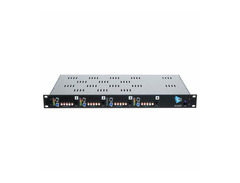
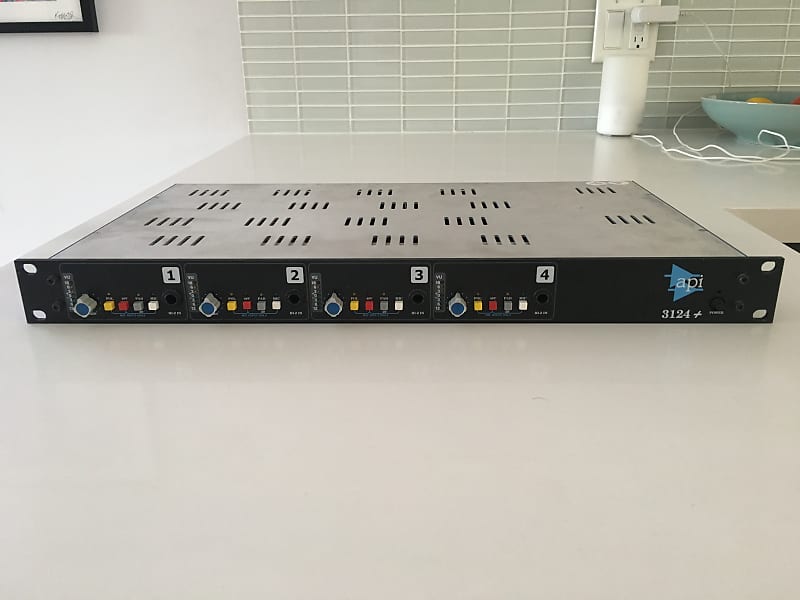
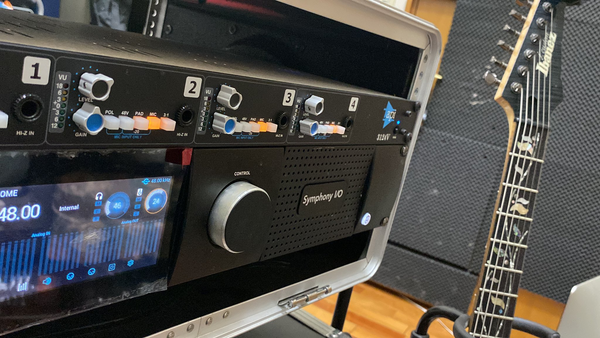
The API 3124V is a benchmark for drum recording, renowned for its exceptional transient response and headroom. Built on the legendary API 312 circuit, this four-channel preamp brings the iconic API console sound to a modern rack format, consistently appearing in professional drum recording setups.
Key Features:
- Four Channels of API 312 Preamp Design: Delivers the classic API sound with punch and clarity.
- API Input and Output Transformers: Contribute to the signature API tone and harmonic enhancement.
- +66dB Maximum Gain: Provides ample gain for various microphones.
- Switchable 20dB Pad: Handles high-SPL sources without distortion.
- LED VU Metering per Channel: Offers visual monitoring of signal levels.
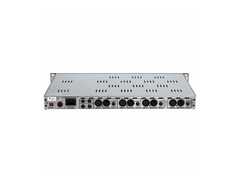
- Balanced XLR Inputs and Outputs: Ensures professional connectivity.
- Individual 48V Phantom Power Switches: Provides independent power for each channel.
- API 2520 Op-Amp: A key component in the API sound.
The 3124V's robust 1U rack chassis and military-grade construction reflect its professional heritage. The straightforward front panel layout prioritizes quick operation, with durable controls designed for demanding use.
The 3124V delivers the classic API sound: punchy, slightly forward, and incredibly dynamic. It adds a moderate coloration that enhances excitement without being overbearing. The transformers and discrete op-amps create the recognizable "API aggression"—a subtle harmonic enhancement that helps instruments cut through mixes while maintaining clarity.
Ideal Applications:
- Drum Recording: Excels at capturing the nuances of drums with authority and precision. The high headroom handles explosive dynamics, and the midrange push helps drums maintain impact in dense mixes. Four channels are ideal for standard drum mic setups.
- Live Sound: The robust build, high headroom, and ease of use make it perfect for live recording scenarios.
- Other Instruments: The fast transient response and musical coloration also benefit bass guitar (punchy low end), electric guitars (added presence), and percussion (enhanced three-dimensionality).
While a significant investment (typically $2,500+), the 3124V provides four channels of genuine API preamps in a single unit, offering excellent value compared to purchasing individual channels. Its build quality ensures a long lifespan.
The distinct API sound might be too colored for applications requiring absolute transparency. The unit generates heat and requires adequate ventilation. Some users prefer traditional VU meters over the LED meters for gain staging.
The Verdict:
The API 3124V is a legendary drum recording preamp that delivers the iconic API sound with exceptional transient response and headroom. Its robust build and versatile applications make it a worthwhile investment for professional studios and serious recording engineers.
See how artists use this





AMS Neve 1073DPX Dual Mic Preamp / EQ
5.0 (1)
The Legendary Sound, Reimagined

Average Price: $3,336
High-end/Boutique
$599
$2000+
Budget
Standard
High-end
- Captures instruments with natural, lifelike quality
- Offers a wide range of musicality with its EQ knobs
- Provides immediate warmth and presence to recordings
- Versatile sound shaping with pre/post EQ insert options
- See 6 more
- EQ cannot be used with other preamps
- Expensive compared to some alternatives
- Lacks a digital output option
The Neve 1073 is arguably the most revered preamp design in audio history, and the 1073DPX carries that legacy forward in a modern, dual-channel format. This isn't just a preamp; it's a piece of recording history, offering the iconic Neve sound for today's workflows.
Key Features:
- Classic Neve Class A Design: Delivers the unmistakable Neve tone with rich harmonics and warmth.
- Marinair Input and Output Transformers (Hand-Wound to Original Specs): Essential to the 1073's signature sound, adding subtle saturation and depth.
- Three-Band EQ with High-Pass Filter: Provides precise tonal shaping capabilities.
- Switchable Impedance Settings: Optimizes the preamp for various microphone types.
- Dedicated DI Input with Independent Gain Stage: Offers a dedicated input for instruments.
- Stepped Gain Controls: Allows for precise and repeatable gain settings.
- Output Level Monitoring with LED Meters: Provides visual monitoring of signal levels.
The 1073DPX lives up to Neve's reputation for exceptional build quality. The robust 2U rack chassis, substantial metal switches, and iconic red, gray, and blue knobs exude quality and durability. Extensive internal shielding ensures a pristine signal path.
The 1073DPX's sonic signature is instantly recognizable: a rich, thick midrange combined with a subtly enhanced top end that adds a touch of "magic" to any source. The input transformer adds subtle harmonics that become more pronounced when driven, creating a musical coloration even at extreme settings.
Ideal Applications:
- Vocals: Adds body, dimension, and presence to vocals, helping them sit perfectly in a mix. The transformer saturation provides everything from subtle warmth to more aggressive character.
- Bass and Drums: Adds weight, authority, and impact to low-end sources, creating a larger-than-life sound characteristic of classic rock and pop productions.
- Electric Guitars: Complements electric guitars with its harmonically rich character, adding size and dimension for a massive sound.
As a premium product, the 1073DPX is a significant investment. However, its combined preamp and EQ functionality, ability to enhance virtually any source, and strong resale value make it a worthwhile investment for professional studios and serious engineers.
The distinct Neve coloration may not be suitable for applications requiring absolute transparency. The unit generates heat and requires proper ventilation. Mastering the EQ section takes time and experience.
The Neve 1073DPX delivers the legendary Neve sound in a modern and reliable package. Its rich sonic character, versatile features, and exceptional build quality make it a prized tool for any studio seeking the classic sound of recording history.
See how artists use this

.jpg?v=1784733418)





Grace Design m101
5.0 (2)
Best Transparent Preamp


- Offers clean, low-noise amplification
- Transparent sound without coloration
- Features both balanced and unbalanced outputs
- Includes a ribbon microphone mode
- See 6 more
- Lacks the characteristic color of some other preamps
- Not rack-mountable without additional accessories
- No detailed gain meter, only a clip LED
- Lightweight design may require securing to prevent movement
In a market saturated with preamps designed to impart character, the Grace Design m101 stands apart in its unwavering pursuit of absolute transparency. This single-channel preamp is the purist's choice, offering an unparalleled level of sonic accuracy and detail. It has become a gold standard for classical recordists, mastering engineers, and anyone seeking to capture sound without coloration.
Key Features:
- Transimpedance Amplifier Design: Ensures exceptionally clean and accurate signal amplification.
- Ultra-Wide Bandwidth Circuit: Captures the full sonic spectrum with detail and precision.
- Dedicated Ribbon Mic Mode (74dB Max Gain) with High-Current Option: Optimizes performance with low-output ribbon microphones.
- Precision Stepped Gain Control: Provides precise and repeatable gain settings.
- Gold Contact Relay Switching: Ensures pristine signal transfer.
- Optional 130V Remote Power Supply: Further enhances performance (not standard).
- High-Resolution LED Metering: Provides accurate visual monitoring.
Grace Design's meticulous attention to detail is evident in every aspect of the m101's construction. The robust aluminum chassis offers exceptional RF shielding, and the precise controls, especially the stepped gain switch, inspire confidence. The understated design belies the high-quality components and military-grade circuit board assembly.
The m101's defining characteristic is its absolute transparency. It doesn't add coloration, phase shift, or any discernible degradation to the original signal. The noise floor is virtually nonexistent, and the frequency response extends far beyond the audible range while maintaining perfect phase coherence. It doesn't impose a sonic signature; it reveals the true nature of the source.
Ideal Applications:
- Classical/Acoustic Recording: Captures the natural acoustics and subtle dynamics of acoustic instruments with exceptional fidelity.
- Ribbon Microphones: The dedicated ribbon mode and high-current option ensure optimal performance with these delicate microphones.
- Reference Recording/Mastering: Ideal for archival recording, audio restoration, and any application requiring absolute sonic accuracy.
The m101's neutrality means it won't add any inherent character to recordings. Its single-channel format might be limiting for multi-mic setups. Its revealing nature can expose weaknesses in other parts of the recording chain.
The Grace Design m101 is the ultimate tool for capturing sound with absolute purity and precision. Its unparalleled transparency, meticulous design, and dedicated features make it a benchmark for those who demand the highest level of sonic accuracy.


What is a Mic Preamp?
At its core, a microphone preamplifier (preamp) is a specialized electronic amplifier designed to perform one crucial task: boosting the weak electrical signal from a microphone to a level suitable for further processing and recording. But describing a preamp solely by this basic function would be like describing a Ferrari just as a means of transportation – technically accurate, but missing the essence of what makes it special.
The Fundamental Role
When you speak into a microphone, it converts acoustic energy (sound waves) into electrical energy. However, this electrical signal is incredibly weak, typically measuring in millivolts (mV) – far too low for your recording equipment to work with effectively. A mic preamp amplifies this microscopic signal to "line level" (typically around 1 volt), increasing it by anywhere from 30 to 70 decibels or more.
Beyond Simple Amplification
Modern mic preamps do much more than just boost signals. They serve as the first and perhaps most critical stage of sound shaping in your recording chain:
Tonal Character: Each preamp imparts its own subtle (or sometimes not-so-subtle) sonic signature to the sound. This can range from clinical transparency to rich harmonic enhancement.
Dynamic Response: The way a preamp handles transients and responds to changes in input level can significantly affect the "feel" of a recording.
Headroom Management: Quality preamps provide adequate headroom to handle sudden peaks without distortion while maintaining the quietest passages above the noise floor.
Historical Evolution
The story of mic preamps parallels the entire history of professional audio recording. The earliest preamps were built using vacuum tubes, which naturally added harmonics and compression characteristics that engineers came to love. The invention of solid-state technology in the 1960s brought cleaner, more reliable preamps, leading to the legendary designs like the Neve 1073 and API 512.
Modern preamps can be broadly categorized into several technological approaches:
- Vacuum Tube: Favored for their warm, harmonically rich sound
- Solid-State: Known for reliability and clean amplification
- Hybrid: Combining both technologies for versatility
- Digital: Incorporating modern features like digital outputs and remote control
Industry Note: Many of today's most sought-after preamp designs are actually recreations or refinements of circuits from the 1960s and 1970s, testament to the enduring quality of those early innovations.
Technical Specifications
Key specifications that define a preamp's capabilities include:
- Maximum Gain: Typically ranging from 60-80dB
- Equivalent Input Noise (EIN): Usually -125dB to -130dB or better
- Frequency Response: Often 10Hz to 50kHz or wider
- Total Harmonic Distortion (THD): From less than 0.001% to intentionally higher in some designs
The impact of these specifications on your recording can range from subtle to dramatic, depending on the source material and your specific recording needs.
How Does a Mic Preamp Work?
At the heart of every recording studio lies the mic preamp, a device that transforms whisper-quiet microphone signals into robust audio suitable for recording. Understanding its operation isn't just technical knowledge - it's essential for making informed recording decisions.
The Basic Signal Flow
When your microphone captures sound, it converts acoustic energy into an electrical signal measuring just a few millivolts. This signal is far too weak for recording equipment to process effectively. The preamp's job is to boost this tiny signal to "line level" (approximately 1 volt), but it must do so while preserving the sound's integrity.
Input Stage and Impedance Matching
The first critical interaction happens at the input stage, where impedance matching plays a vital role. A microphone's output impedance must be properly matched with the preamp's input impedance for optimal performance. Professional preamps typically offer input impedance between 1.5kΩ and 2kΩ, striking a careful balance between preserving high-frequency detail and minimizing noise susceptibility. Some modern preamps even offer variable impedance settings, allowing engineers to shape the tone by intentionally altering this relationship.
The Gain Stage: Where the Magic Happens
The gain stage is where your signal gets its much-needed boost, and different preamp designs approach this challenge in distinct ways. Traditional vacuum tubes provide amplification while naturally introducing pleasing harmonic content. They tend to compress subtly when pushed, creating the "warmth" many engineers prize, though they require proper maintenance and can introduce more noise than modern designs.
In contrast, modern solid-state circuits offer clean, reliable amplification with excellent technical specifications. These transistor-based designs typically provide a lower noise floor, more consistent performance, and greater reliability than their tube counterparts. Many contemporary preamps combine both approaches, offering the best of both worlds.
Managing Noise and Dynamic Range
One of the biggest challenges in preamp design is maintaining signal quality while minimizing noise during amplification. Professional preamps employ multiple gain stages working in concert rather than one high-gain stage, using premium components selected specifically for their low-noise performance. Careful circuit board layout and proper shielding from external electromagnetic interference also play crucial roles in maintaining signal integrity.
The Output Stage
The final stage prepares your amplified signal for its journey to the next device. Transformer-coupled outputs provide electrical isolation and can add subtle harmonic enhancement, while also offering additional impedance matching capabilities. However, they may slightly color the frequency response. Electronic balanced outputs, on the other hand, typically offer more transparent sound reproduction and better technical specifications, though they may lack the character some engineers desire.
Practical Applications
Understanding these principles helps inform real-world decisions. When recording quiet sources like acoustic guitar, you'll want a high-gain, low-noise preamp that can provide clean amplification without adding unwanted noise. For sources that could benefit from subtle saturation, a transformer-coupled design might be ideal. When working with multiple microphone types, variable impedance models offer valuable flexibility. And when absolute clarity is the goal, solid-state designs often prove the best choice.
Types of Mic Preamps
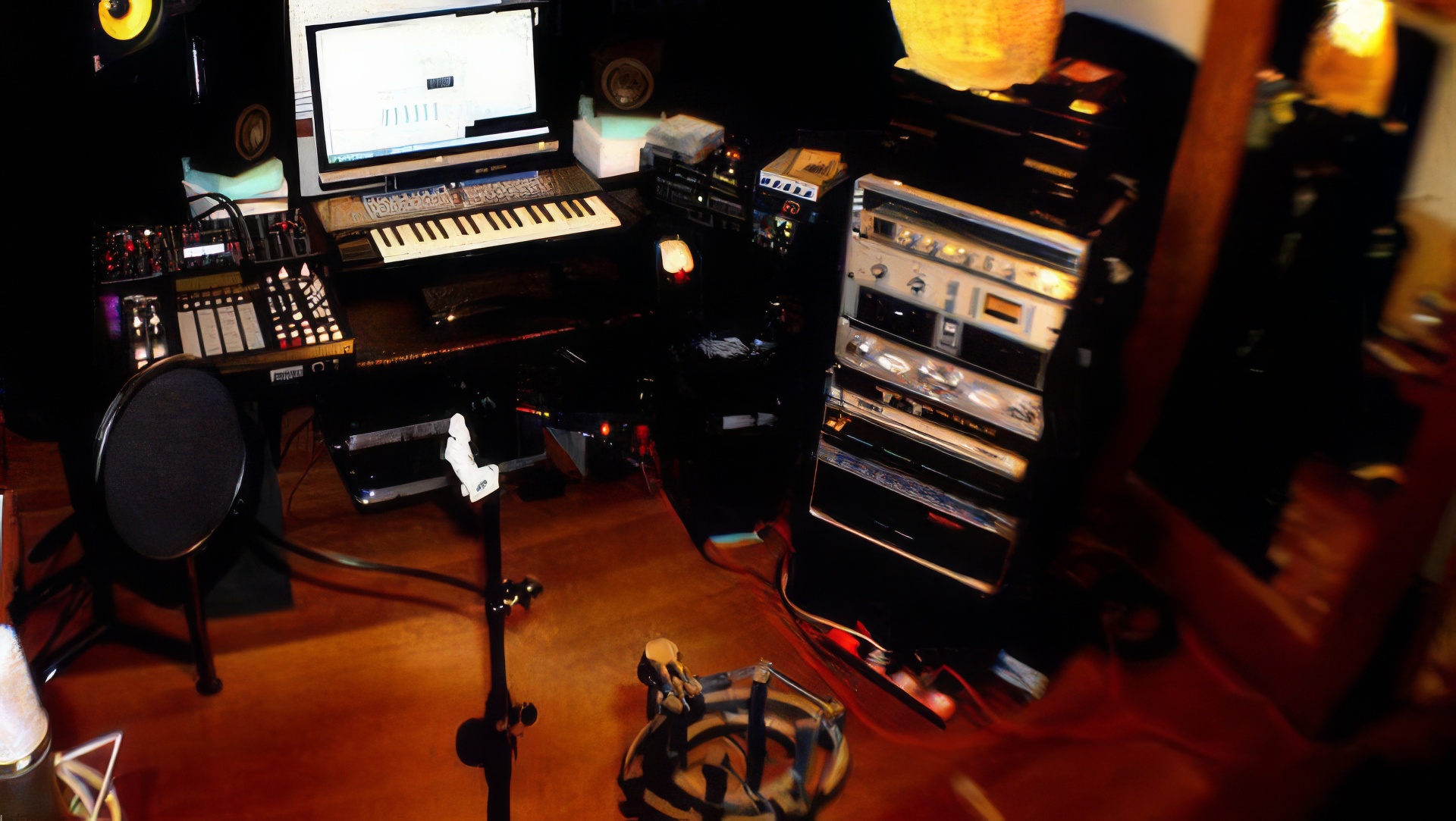
The world of mic preamps is remarkably diverse, with each type offering distinct advantages for different recording scenarios. Understanding these differences is crucial for making informed decisions about your recording chain.
Built-In Preamps
Most modern audio interfaces and mixing consoles come with built-in preamps, representing many musicians' first experience with preamp technology. These integrated preamps have come a long way in recent years, offering surprisingly good quality at affordable price points. Companies like Audient and RME have particularly excelled at incorporating high-quality preamp circuits into their interfaces.
Built-in preamps typically aim for clean, transparent sound reproduction, making them versatile choices for home studios. While they may lack the character of boutique standalone units, they often provide features like digital connectivity and computer control that can streamline your workflow. Their primary advantage lies in convenience and cost-effectiveness, though they may lack the headroom and extremely low noise floor of higher-end options.
Standalone Preamps
Dedicated external preamps represent a significant step up in both quality and flexibility. These units focus solely on preamplification, allowing manufacturers to optimize every aspect of their design without compromising for space or budget constraints. They typically offer more headroom, lower noise floors, and often, more character than their built-in counterparts.
Tube vs. Solid-State
The choice between tube and solid-state preamps often defines the character of your recordings. Tube preamps, which use vacuum tubes in their amplification stage, are celebrated for their warm, harmonically rich sound. When pushed, they introduce subtle compression and even-order harmonics that can flatter many sources, particularly vocals and acoustic instruments. However, they require regular maintenance, warm-up time, and may add more noise than solid-state designs.
Solid-state preamps, using transistors or integrated circuits, typically offer cleaner, more transparent amplification. They're more reliable, consistent, and often provide better technical specifications than tube designs. Modern solid-state preamps can range from utterly transparent to characterful, with some designs deliberately engineered to emulate the desirable characteristics of classic tube circuits.
Hybrid Designs
Hybrid preamps combine tube and solid-state technologies, aiming to offer the best of both worlds. They might use a tube in the input or output stage while employing solid-state components elsewhere in the circuit. This approach can provide the warmth and character of tubes with the reliability and lower noise floor of solid-state designs. Companies like Universal Audio and Avalon have made their names with sophisticated hybrid designs that deliver exceptional sound quality.
Single-Channel vs. Multi-Channel
Single-channel preamps excel in specialized applications where ultimate sound quality is paramount. Often found in high-end vocal chains, they allow engineers to invest in one exceptional preamp for critical recording tasks. These units frequently offer additional features like DI inputs, variable impedance, and extensive metering. The Neve 1073 and API 512, for instance, have become industry standards for their distinctive sonic signatures.
Multi-channel preamps offer several channels in one unit, making them ideal for recording drums, live performances, or any situation requiring multiple microphones. They provide consistent sound across all channels and often come at a lower per-channel cost than equivalent single-channel units. While they might not offer the same level of control per channel as dedicated single-channel units, high-quality multi-channel preamps like the API 3124V or Focusrite ISA828 deliver professional results for ensemble recording.
Colorful vs. Transparent Preamps
The distinction between colorful and transparent preamps represents one of the most important choices in preamp selection. Colorful preamps intentionally impart their own character to the sound, often through transformer coupling, tube circuits, or specific solid-state designs. Engineers might choose these preamps to:
- Add warmth or thickness to digital recordings
- Introduce subtle compression or saturation
- Create a specific vintage character
- Compensate for overly sterile-sounding sources
Transparent preamps aim to amplify the signal with minimal coloration, letting the source shine through unaltered. These preamps focus on technical excellence: extremely low noise, minimal distortion, and ruler-flat frequency response. They excel in situations where capturing the pure sound of the source is crucial, such as classical recording or when working with high-end microphones that already have desirable sonic characteristics.
Modern Innovations
The preamp market has seen significant innovation in recent years. Digital control of analog circuits allows for preset recall and remote operation. Some manufacturers have introduced modeling technology that can emulate various classic preamp designs within a single unit. USB connectivity enables direct recording to computers while maintaining analog signal paths for traditional studio integration.
These developments haven't changed the fundamental role of the preamp, but they've made high-quality preamps more versatile and accessible than ever before. For instance, companies like Slate Digital and Antelope Audio have introduced variable impedance modeling preamps that can emulate the behavior of classic units while offering modern conveniences.
In Summary
| Preamp Type | Characteristics | Best For |
|---|---|---|
| Built-In | Clean, transparent sound; Digital connectivity; Cost-effective; Convenient integration | Home studios; Budget setups; Digital workflows |
| Tube | Warm sound; Harmonic richness; Natural compression; Requires maintenance | Vocals; Acoustic instruments; Warming up digital recordings |
| Solid-State | Clean amplification; Low noise; Reliable; Consistent performance | Transparent recording; Technical precision; High SPL sources |
| Hybrid | Combines tube warmth with solid-state reliability; Versatile sound options | Professional studios; Versatile applications; Best of both worlds |
| Single-Channel | Maximum control; High-end features; Premium components | Critical vocal recordings; High-priority single sources |
| Multi-Channel | Multiple inputs; Consistent sound across channels; Cost-effective per channel | Drum recording; Live recording; Ensemble recording |
| Colorful | Distinctive character; Transformer/tube coloration; Vintage emulation | Creative sound shaping; Adding character; Vintage style recording |
| Transparent | Minimal coloration; Ultra-low noise; Flat frequency response | Classical recording; High-end mics; Pure source capture |
Key Features to Consider
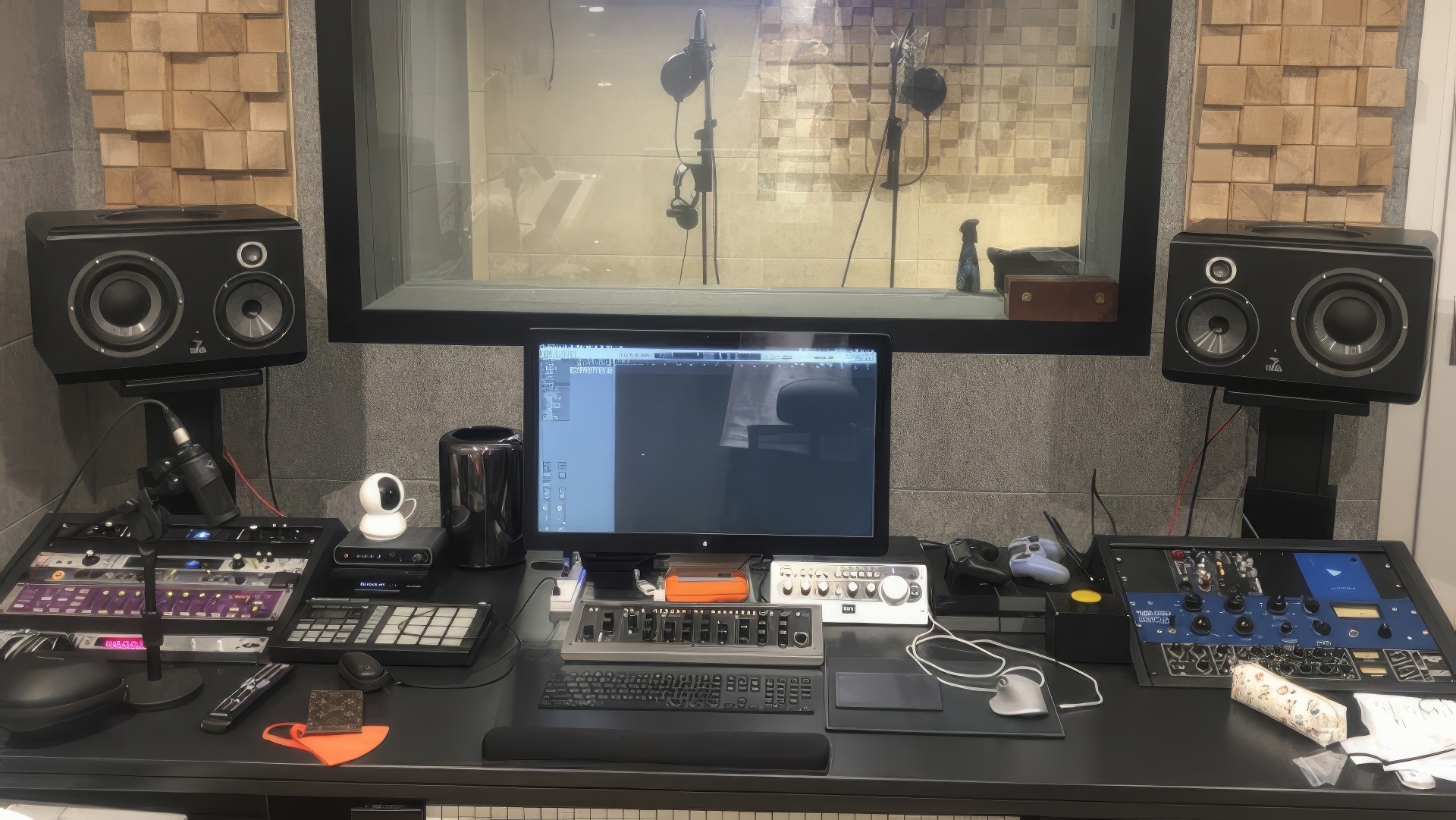
When evaluating mic preamps, understanding certain key features will help you make an informed decision that matches your recording needs. Let's explore the essential characteristics that define a preamp's performance and functionality.
Gain Range and Headroom
The gain range of a preamp represents its ability to boost weak signals to usable levels, while headroom defines its capacity to handle strong signals without distortion. This delicate balance becomes particularly crucial when working with various microphone types and sound sources.
Professional preamps distinguish themselves by how they handle this gain. Budget preamps might provide sufficient gain on paper, but introduce unwanted noise or coloration at higher gain settings. High-end preamps maintain clarity and detail even when pushing significant amounts of gain, preserving the natural character of the source.
Headroom, equally important, determines how well the preamp handles signal peaks without unwanted distortion. A preamp with adequate headroom allows for dynamic performances without forcing you to back off the input gain excessively. This becomes especially important when recording drums, brass instruments, or powerful vocalists where sudden peaks can push the preamp into unintended distortion.
Additional gain-control features include:
- Stepped gain controls for precise recall of settings
- Input padding (-10dB to -20dB) for hot signals
- Gain bypass options for line-level sources
- Clip indicators for visual feedback
Phantom Power (48V)
Phantom power, while seemingly straightforward, can significantly impact recording quality, particularly with sensitive condenser microphones. The implementation of phantom power goes far beyond simply providing 48 volts to the microphone.
Professional preamps employ regulated power supplies that maintain steady voltage even when multiple microphones draw power simultaneously. This stability is crucial for consistent performance and protecting expensive microphones. Lower-quality phantom power implementations can fluctuate under load, potentially causing subtle degradation in microphone performance or, in worst cases, damage to sensitive components.
- Clean, well-regulated 48V supply
- Individual switching per channel
- Soft-start circuitry to protect sensitive microphones
- Clear status indicators
Impedance
Impedance matching, while often overlooked, plays a fundamental role in shaping your recorded sound. This electrical characteristic affects not just the signal level, but also the frequency response and overall behavior of your microphone. Professional preamps typically offer input impedance between 1.5kΩ and 2kΩ, but understanding the relationship between your microphone's output impedance and your preamp's input impedance opens up creative possibilities.
The traditional rule suggests preamp input impedance should be roughly 10 times the microphone's output impedance. This ratio, known as "bridging impedance," ensures optimal power transfer and frequency response. However, intentionally deviating from this ratio can create desirable tonal variations. Some vintage preamps, for instance, had relatively low input impedance, contributing to their characteristic sound. Modern variable-impedance preamps capitalize on this principle, offering multiple impedance settings to shape your sound.
Specific applications might require different impedance relationships:
- Ribbon microphones often perform best with higher impedance loads (>1.5kΩ)
- Dynamic microphones can benefit from variable impedance for tonal shaping
- Modern condensers generally work well across a wide impedance range
- Vintage microphones might have specific impedance requirements for optimal performance
Filters and EQ Options
Professional preamps often incorporate filtering options that solve common recording challenges before they become problems in mixing. The most common and essential of these is the high-pass filter (HPF), also known as a low-cut filter.
High-pass filters in professional preamps are typically implemented in the analog domain, preserving signal integrity better than digital filtering later in the chain. Quality preamps offer multiple corner frequencies, often ranging from 40Hz to 100Hz or higher, with slopes typically between 6dB and 12dB per octave. This flexibility allows you to address different recording scenarios effectively.
The presence of an HPF becomes crucial when recording sources like vocals, where removing unwanted low-frequency rumble can dramatically improve the clarity of your recording. Similarly, when recording acoustic instruments in less-than-perfect acoustic spaces, these filters help eliminate HVAC noise and other low-frequency interference without affecting the fundamental frequencies of your source.
Some high-end preamps also offer additional EQ options or tone-shaping controls:
- Selectable input transformer characteristics
- Switchable harmonic enhancement
- Mid-frequency presence controls
- Air band EQ for high-frequency enhancement
Connectivity
The connectivity options of a preamp determine not just its immediate functionality but also its long-term versatility in your studio setup. Modern recording environments demand flexible integration capabilities that go beyond simple microphone inputs and line outputs.
Professional preamps typically feature balanced XLR inputs for microphones, a standard that ensures optimal noise rejection and signal integrity over long cable runs. Many units also incorporate TRS (quarter-inch) connections for line-level sources. The quality of these physical connections matters significantly - gold-plated connectors resist corrosion and maintain reliable contact, while robust chassis-mounted jacks prevent wear and tear from frequent cable changes.
Digital connectivity has become increasingly important in contemporary studios. Many high-end preamps now offer:
- AES/EBU digital outputs for professional digital recording
- ADAT optical connections for multi-channel integration
- USB interfaces for direct computer recording
- Word clock inputs for digital synchronization
- Remote control capabilities via Ethernet or MIDI
Build Quality and Portability
The physical construction of a preamp affects both its durability and sound quality. Professional-grade preamps employ several key construction elements that contribute to their performance and longevity.
Power supply design proves particularly crucial. High-end preamps often feature overspec'd toroidal transformers or switch-mode supplies with extensive filtering. This ensures clean, stable power delivery even under demanding conditions. Internal shielding and component layout also play vital roles in preventing interference and maintaining signal integrity.
Physical considerations include:
- Chassis thickness and material choice
- Quality of potentiometers and switches
- Internal component spacing and heat management
- Rack-mounting capabilities
- Portability features for location recording
Monitoring and Metering
Accurate signal monitoring becomes essential for optimal gain staging and preventing unwanted distortion. Professional preamps offer sophisticated metering systems that provide detailed insight into your signal levels.
Traditional VU meters, while beloved for their musical response, actually show an average level that lags slightly behind peaks. This can be perfect for setting general recording levels but might miss fast transients. LED meters, in contrast, can display instantaneous peaks but might not represent the perceived loudness as intuitively.
The most capable preamps combine multiple metering approaches:
- Detailed LED ladders for precise peak monitoring
- Traditional VU meters for average level visualization
- Peak hold functions for catching transients
- Over-range indicators for clip warning
- Input and output level monitoring
How to Choose the Right Mic Preamp
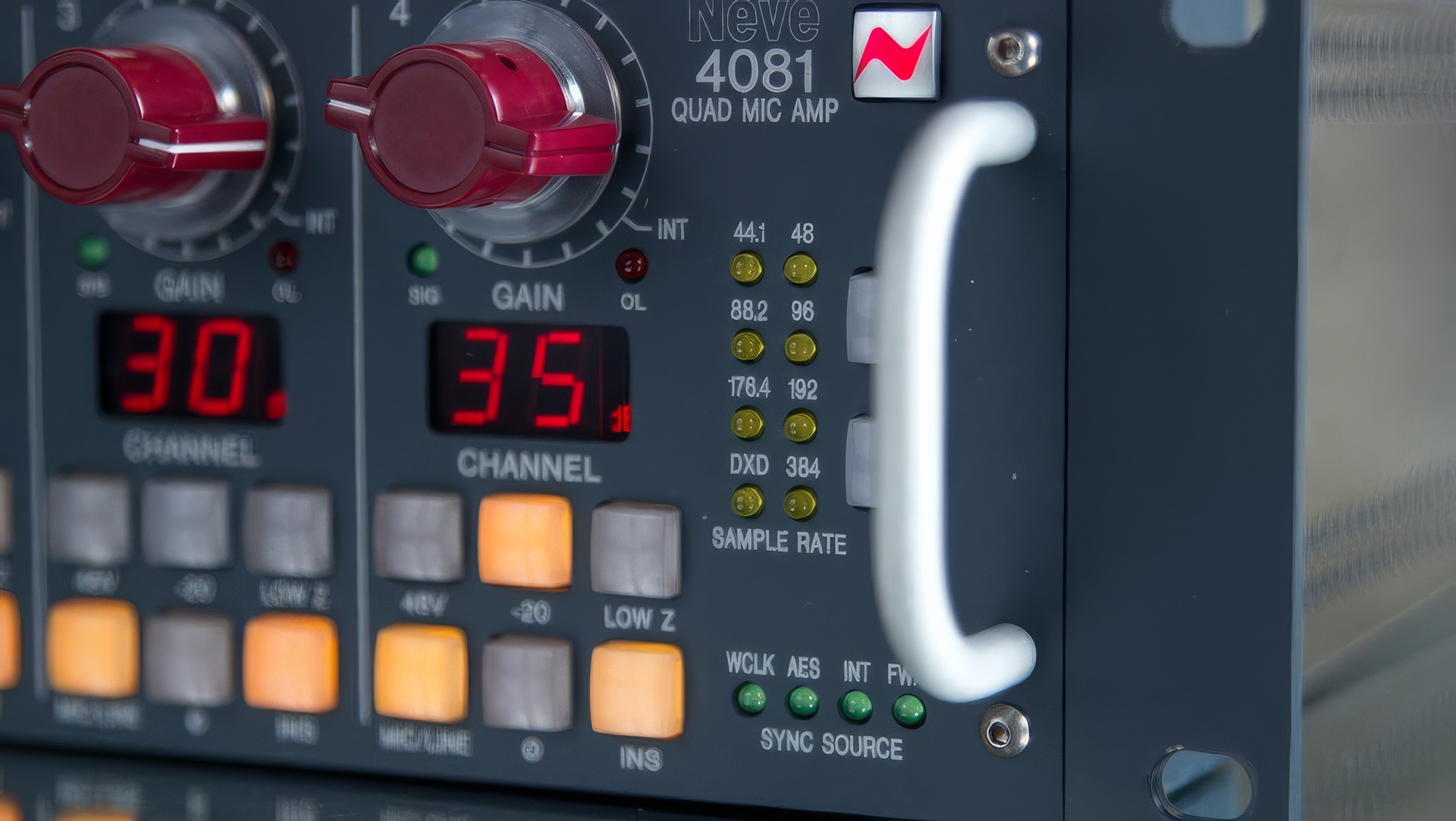
Selecting the perfect mic preamp involves balancing multiple factors against your specific recording needs and budget. Let's break down this decision-making process into practical considerations.
Assessing Your Recording Needs
Before exploring specific models, take stock of your recording requirements. The type of content you typically record should heavily influence your choice. For instance, vocal-heavy productions might benefit more from a characterful tube preamp, while classical recording often demands the utmost transparency.
Recording Environment Considerations:
- Home studios might need preamps with better noise rejection
- Professional facilities can accommodate more specialized units
- Mobile recording setups require durability and portability
- Multi-room studios benefit from digital connectivity options
Source Material Impact: Vocals demand different characteristics than drums or acoustic instruments. If you primarily record acoustic guitar, you'll want a preamp that excels at capturing transients and natural dynamics. For vocals, you might prefer something that adds subtle compression and harmonics.
Budget Considerations
Professional preamps range from a few hundred to several thousand dollars per channel. However, price alone doesn't determine value – it's about finding the right tool for your needs.
Entry-Level ($200-500): Often provide clean gain with basic features. Many modern interfaces in this range offer surprisingly good preamp sections. Look for units that focus on clean gain rather than trying to include too many features.
Mid-Range ($500-1,500): This sweet spot often provides the best value, offering professional features without extreme boutique pricing. You'll find quality transformers, variable impedance, and robust construction.
High-End ($1,500+): Represents the pinnacle of preamp design, offering:
- Premium components throughout
- Extensive features and connectivity
- Exceptional headroom and noise performance
- Distinctive sonic characteristics
Matching Preamps to Microphones
The synergy between your microphones and preamp can make or break your recording chain. Different microphone types have specific requirements:
Dynamic Microphones: Need substantial clean gain and often benefit from variable impedance options. The preamp should provide at least 60dB of gain without introducing noise.
Ribbon Microphones: Demand even more clean gain (often 70dB or more) and prefer higher input impedance. The preamp must also handle phantom power safely to protect these sensitive microphones.
Condenser Microphones: While generally easier to drive, they rely on quality phantom power and might benefit from pad switches for high-output situations.
Tonal Coloration vs. Transparency
Understanding your desired sound helps narrow down preamp choices. This choice extends beyond simple "clean vs. colored" decisions and into specific types of coloration that might benefit your recordings.
Transparent Preamps: These units aim to amplify without adding character, making them ideal for:
- Documentary or broadcast recording where authenticity is crucial
- Classical music recording where natural sound is paramount
- Situations where you're already happy with your microphone's character
- Multi-tracking scenarios where you need consistency across tracks
Colored Preamps: These add their own flavor to the sound through various means:
- Tube saturation for warmth and harmonic richness
- Transformer coloration for subtle compression and low-end enhancement
- Solid-state circuitry designed to emulate classic console characteristics
- Variable input impedance for tonal shaping
Common Myths About Mic Preamps
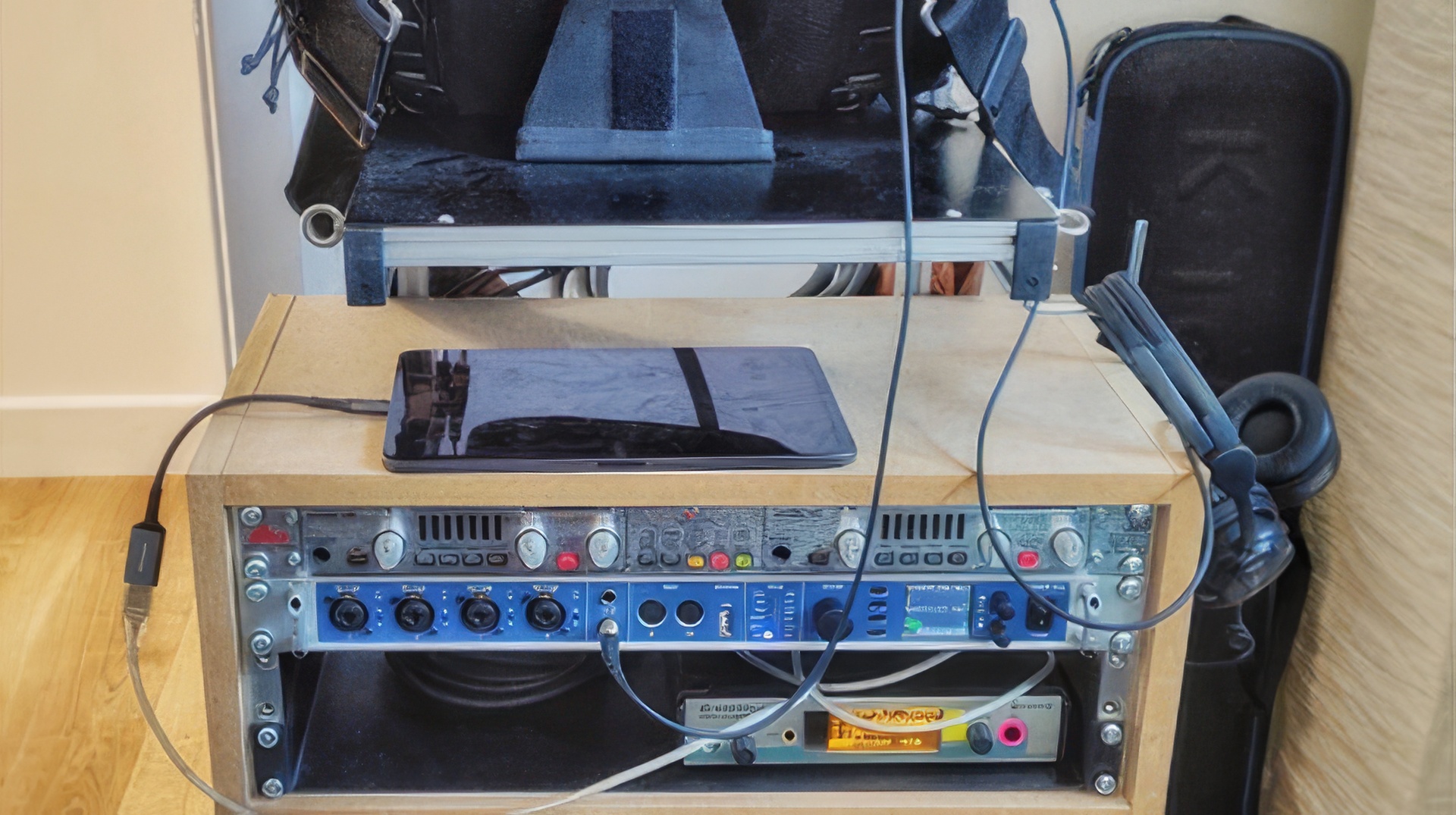
Let's address some persistent misconceptions that often confuse both beginners and experienced engineers when it comes to mic preamps.
"All Preamps Sound the Same"
This might be the most common myth in the preamp world. While modern preamps may have similar technical specifications, their sonic characteristics can vary significantly. These differences come from:
- Circuit design philosophies (Class A, Class AB, transformerless)
- Component choices (transformers, capacitors, operational amplifiers)
- Implementation of gain stages
- Quality of power supplies
Even subtle variations in these elements create distinct sonic signatures that become more apparent as you gain experience. However, these differences are often more subtle than marketing might suggest, and their impact varies depending on the source material.
"More Expensive Always Means Better"
Price doesn't always correlate directly with quality or suitability for your needs. Many mid-priced preamps today offer excellent performance thanks to:
- Modern manufacturing techniques
- Improved component quality
- Advanced circuit design
A $500 preamp might be perfect for your application, while a $3000 unit could be overkill or even inappropriate for your needs. The key is matching the preamp to your specific requirements rather than focusing solely on price point.
"You Must Have Outboard Preamps"
Built-in interface preamps have improved dramatically in recent years. While dedicated preamps often offer advantages, they're not always necessary. Modern interface preamps can deliver professional results, especially when:
- Recording at moderate gain levels
- Working with high-output microphones
- Recording less demanding sources
- Operating in well-controlled acoustic environments
"Vintage Preamps Are Always Better"
While classic preamps earned their reputation through decades of hit records, modern units often offer: - Lower noise floors - Greater reliability - More consistent performance - Better serviceability - Additional useful features
Vintage preamps can sound fantastic, but they aren't automatically superior to well-designed modern alternatives.
"More Features Mean Better Preamp"
A preamp's primary job is to amplify the signal cleanly and musically. Additional features like EQ, compression, or digital outputs can be useful but aren't necessarily indicators of better preamp performance. Sometimes, simpler designs focusing on the core amplification task deliver superior results.
"Tube Preamps Always Sound Warmer"
While tube preamps often impart pleasing harmonics, not all tube preamps sound warm, and not all solid-state preamps sound clinical. The actual sound depends more on: - Overall circuit design - Quality of components - Implementation of the tube stage - User operation and gain staging
Frequently Asked Questions About Preamps
Do I need a dedicated preamp if my interface has built-in preamps?
Not necessarily. Modern audio interfaces often include high-quality preamps that are perfectly suitable for many recording situations. Consider upgrading to a dedicated preamp when you need more coloration or character in your recordings, when working with low-output microphones like ribbons, when looking for a specific sonic signature, or when you need more gain than your interface provides. Many professional studios use both interface preamps and dedicated preamps depending on the source and desired result.
What's the difference between a preamp and a channel strip?
A preamp focuses solely on amplifying the microphone signal, while a channel strip combines multiple processing elements. A channel strip typically includes a microphone preamplifier, equalizer, compressor, and sometimes additional processing like de-essers or saturators. Choose a channel strip if you want an all-in-one solution for recording and basic processing. Choose a dedicated preamp if you prefer separate components or prioritize preamp quality.
Can I use a mic preamp for instruments like electric guitars or keyboards?
Yes, many preamps include DI (Direct Input) capabilities specifically for instruments. However, there are some considerations. For electric guitars, look for preamps with high-impedance (Hi-Z) inputs. Tube preamps can provide pleasing harmonic content, and you should consider if you need speaker simulation or dedicated guitar preamp features. For keyboards and synthesizers, line-level inputs are often more appropriate, and some preamps offer specific line-level inputs. Consider if the coloration is desired for your sound.
How does a preamp affect mixing and mastering?
A preamp's impact on mixing and mastering occurs at the recording stage but affects the entire production process. During mixing, clean preamps provide more flexibility, colored preamps can reduce the need for processing, and good gain staging from the preamp stage means less noise to deal with. During mastering, high-quality preamp recordings require less corrective EQ, better headroom from proper preamp use gives more mastering options, and preamp character becomes part of the overall sound signature. The key is making intentional choices during recording that support your end goals.
Conclusion
The world of microphone preamps represents a fascinating intersection of engineering precision and artistic expression. While the technical role of a preamp might seem straightforward its impact on your recording chain can be profound and far-reaching.
Remember that building your preamp collection is a journey, not a destination. Start with versatile, high-quality units that meet your immediate needs, and expand thoughtfully based on your experiences and requirements. Don't be afraid to experiment with different combinations of microphones and preamps, and always trust your ears over specifications.
Whether you're tracking vocals in a professional studio or recording acoustic guitar in your home setup, the right preamp – properly used – can help turn a good recording into a great one.
Keep exploring, keep experimenting, and most importantly, keep recording.
Top Ranked Preamps on Equipboard
-m.webp?v=1784818679)


-m.webp?v=1784818711)
About the authors
Juan Spinelli is a multi-instrumentalist musician, but more of a guitarist than anything else. Based in Buenos Aires, Argentina, he started playing at a very early age and learned various instruments such as flute, clarinet, percussion, didjeridoo, cavaquinho, bass and more. Today, he also works as a music producer and sound engineer, collaborating in several projects in his city and with artists from all over the world. Read more