


Pricing and availability
We compare 600+ stores and found this item at 1 store. Prices updated .
Store
Reviews
Price




Average Price: $3,537
High-end/Boutique
$399
$900+
Price Tier
Budget
Standard
High-end
* Product prices and availability are updated by Equipboard every 24hrs and are subject to change. Equipboard may receive compensation for purchases made at participating retailers linked on this site. This compensation does not affect what products or prices are displayed, or the order of prices listed. For more information, please refer to our affiliate disclosure.
Description
Introducing the Akai MPC60, a groundbreaking innovation that revolutionized the music production landscape. Born from the collaboration between Akai and the legendary engineer Roger Linn, this Music Production Center is celebrated for its distinctive blend of powerful drum machine capabilities and intuitive interface. The MPC60's legacy is rooted in its pioneering approach to sampling and MIDI sequencing, drawing inspiration from iconic predecessors like the Linn 9000 and Sequential Circuits Inc. Studio 440.
Designed to meet the needs of both classic and contemporary music producers, the MPC60 offers a robust platform for crafting beats and sequences. Its 16 touch-sensitive pads provide an interactive, tactile experience, empowering musicians to express their creativity with precision. The unit's sampling prowess, facilitated by its 750 kB memory and 40 kHz sampling rate, allows for detailed and high-quality sound capture, making it a favorite among hip-hop and rap producers.
With its 16 voice polyphony, the MPC60 ensures rich, layered compositions, while the dual MIDI inputs and four MIDI outputs offer extensive connectivity for integrating with other gear. This versatility has made it a staple in the studios of artists like Trent Reznor, The xx, and DiViNCi, who have harnessed its capabilities to shape their unique soundscapes.
Whether you're a seasoned producer or an aspiring beat-maker, the Akai MPC60 stands as a testament to innovation and musical expression, offering a timeless tool to elevate your production game.
Key Features:
- Developed in collaboration with Roger Linn
- 16 touch-sensitive pads for dynamic interaction
- 750 kB sampling memory with 40 kHz sampling rate
- 16 voice polyphony for rich compositions
- Dual MIDI inputs and four MIDI outputs for extensive connectivity
- Influenced by Linn 9000 and Studio 440 design principles
Product specs
| Brand | Akai |
| Model | MPC60 Integrated MIDI Sequencer and Drum Sampler |
| Finish | Grey |
| Year | 1988 - 1991 |
| Categories | Drum Machines, Samplers |
| Analog / Digital | Digital |
| MIDI I/O | MIDI Input, MIDI Output, USB MIDI |
| Number of Pads | 16 Pads |
| Polyphony | 16 Voices |
FAQs
-
What are the standout features of the Akai MPC60's sound engine?
-
The Akai MPC60 features a 12-bit sampling engine known for its warm, punchy sound, which is particularly favored in hip-hop and electronic music production.
-
Is the Akai MPC60 suitable for live performances?
-
Yes, the Akai MPC60 is equipped with 16 velocity-sensitive pads and robust MIDI sequencing, making it a reliable choice for live performances.
-
Does the Akai MPC60 integrate well with modern DAWs?
-
While the MPC60 is a classic piece of gear, it uses MIDI I/O for integration, which can be adapted to modern DAWs with appropriate interfaces, though it lacks direct USB connectivity.
-
How does the Akai MPC60 handle sample editing?
-
The MPC60 offers basic sample editing capabilities, allowing users to trim, loop, and assign samples to its pads, though its interface is more limited compared to modern samplers.
-
What is the polyphony of the Akai MPC60, and how does it affect production?
-
The Akai MPC60 has a polyphony of 16 voices, which allows for complex layering of sounds but may require careful management in dense compositions.
Videos

dvdborn
Akai MPC60 Section 1: Introduction
Akai MPC60 Section 1: Introduction
dvdborn
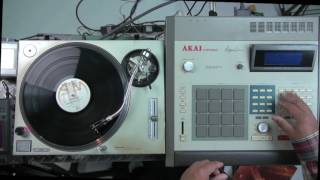
MPC 60 Beat 1 in 60 Beats

Beats By Spiveys Creations

Akai MPC60 Section 2: The Basics
dvdborn
Akai MPC60 Section 3A: Recording Sequences
dvdborn
Akai MPC60 Section 6 Sampling
dvdborn
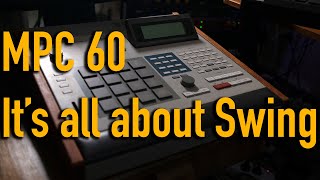
AKAI MPC 60 - It's all about Swing!

100 Things I Do
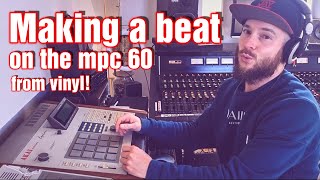
Making a beat from vinyl on the mpc 60 - Boombap Hiphop

Tommy Vamoz
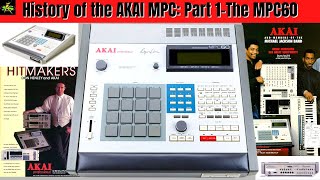
The History of The AKAI MPC: Part 1 The MPC 60

SampleKings
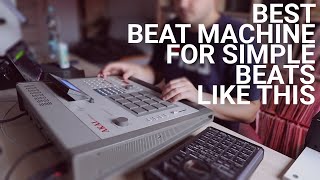
Making Beat on Akai MPC 60 mk1 | #mpc60 |

vubeatz
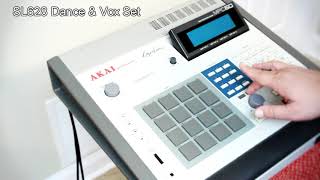
A few classic AKAI MPC disks

SynthMania
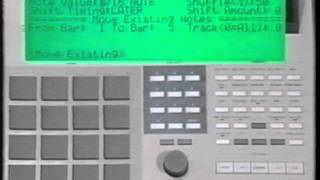
Akai MPC60 Section 3B Quantizing
dvdborn
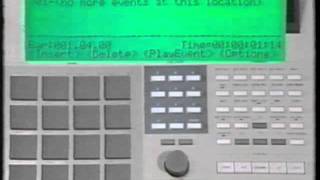
Akai MPC60 Section 4 Editing Sequences
dvdborn
A QUICK MPC 60 REVIEW. WAS IT WORTH IT?

PPIC
Akai MPC60 Section 8: MIDI and Sync
dvdborn
Akai MPC60 Section 5 Song Mode
dvdborn
Akai MPC60 Section 7: Disk
dvdborn
Reviews
Owner Insights
We analyzed real musician discussions from forums and Reddit to find what players love, question, and tweak about Akai MPC60.
Setup and maintenance
-
Turntables without built-in preamps need a mixer with at least a 3-band EQ for optimal sample adjustment before connecting to the MPC60.
Source
Use cases and applications
-
The MPC60's limitations, like 12-bit sampling, foster creativity and can help develop a unique gritty sound style.
Source
Comparisons
-
The MPC60's 12-bit sound is favored by some for its distinctiveness over newer models, but it lacks modern features like sidechain compression and quick sample processing.
Source -
MPC Live's sound is described as too clean compared to the MPC60's sought-after lofi crush sound.
Source -
Users express curiosity about how the MPC60 compares with the MPC3000 in terms of sound characteristics.
Source
User experience
-
Vintage gear enthusiasts often recommend starting with an MPC2000XL for a balance of vintage feel and manageable learning curve.
Source
Features and functionality
Other
-
Vintage MPCs may require frequent maintenance due to potential issues with pads, buttons, and audio connections, emphasizing the need for technical readiness.
Source
Critic Reviews
5.0 out of 5
Based on 1 Review and 14 Ratings

Used for
Very limiting yet a full package for some nice boom bap. Perfect pair with akai s900 or s950. Make sure to update to 3.1 or 3.15 OS (doubles the memory, improved workflow within the machine)
Artist usage
Add artist
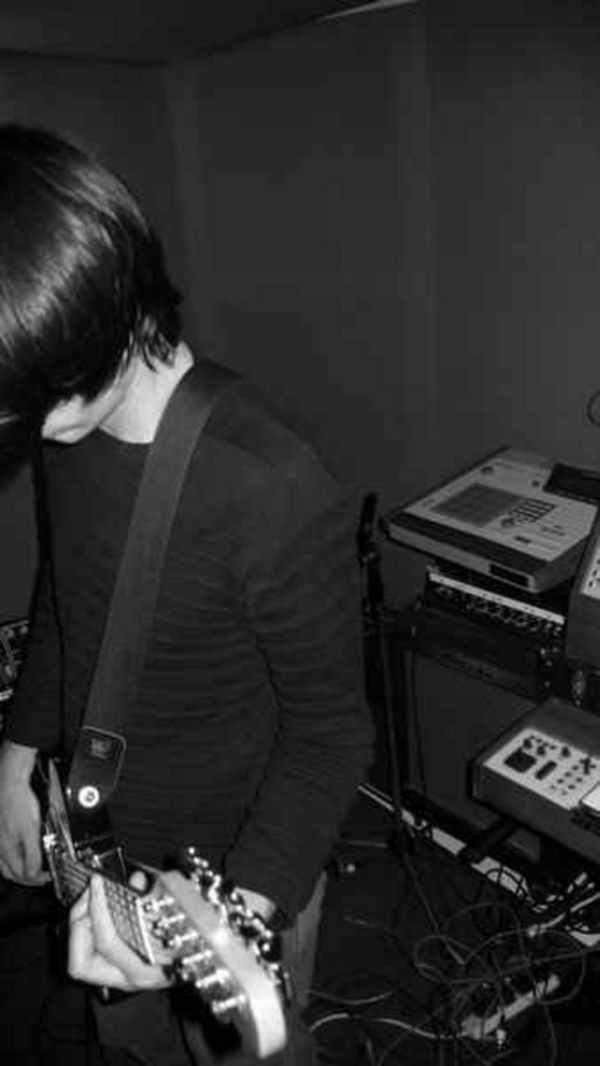
A photograph taken during the recording of Radiohead's "In Rainbows" at their studio "Butts Furlong" shows Jonny Greenwood utilizing an Akai MPC60.


the Akai MPC60 is listed in this blog

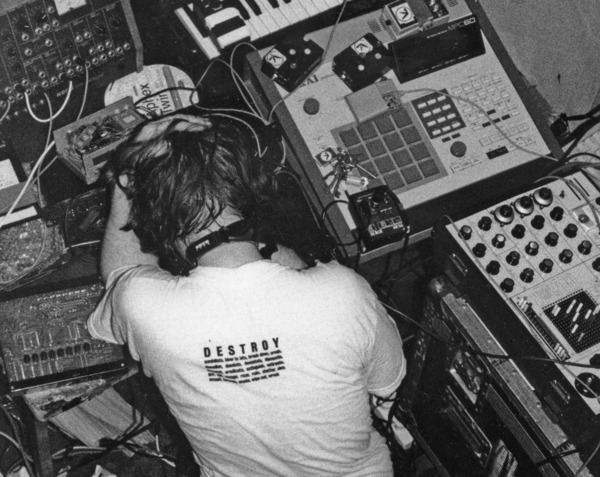
In this photo, Aphex Twin looms over his equipment, including the MPC60 towards the upper-right-hand corner. The drum pads and MPC60 logo can be spotted beneath other equipment, all adorned with Aphex Twin stickers.

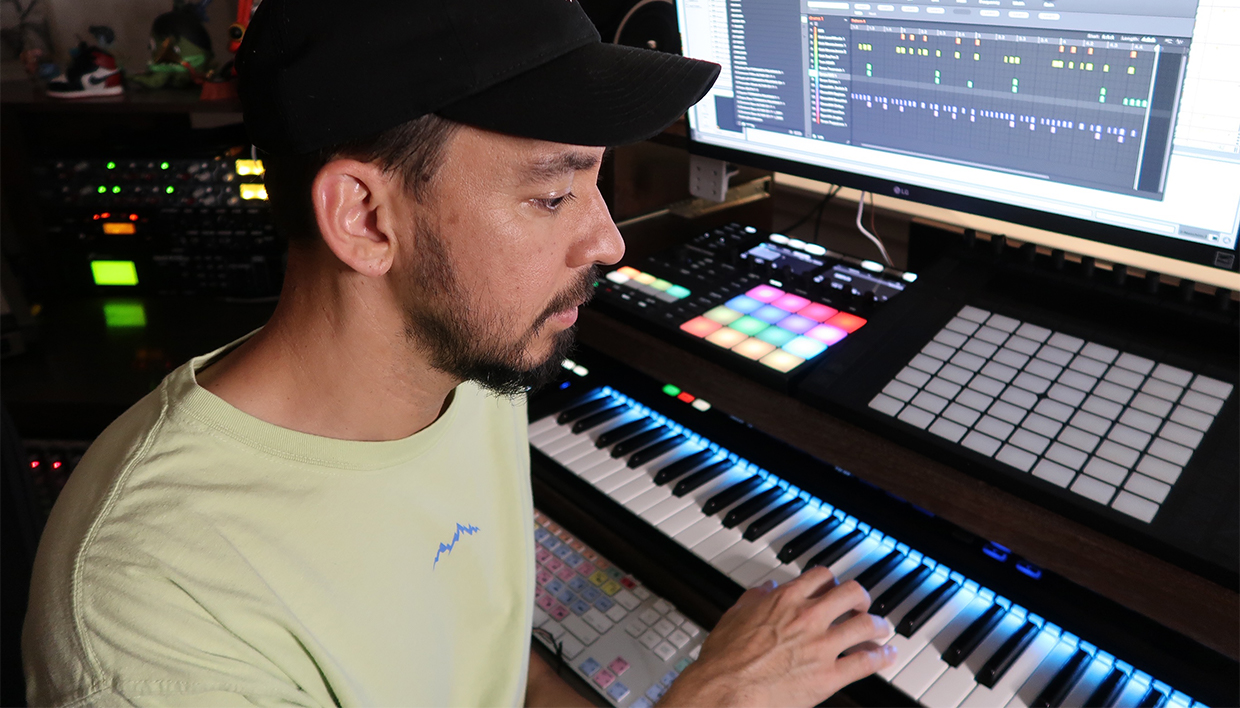
In a feature on the Native Instruments Blog, Mike Shinoda is shown using an Akai MPC60 in his studio, highlighting his innovative approach to blending Bollywood, hip hop, and metal.


In a 1992 performance on "Tato de América," Gustavo Cerati used the Akai MPC60, an electronic instrument known for its innovative use of MIDI sampling. This device, popular among early '90s hip hop artists in the United States, allowed for advanced sound manipulation, highlighting Cerati's forward-thinking approach to music production.


Nodfactor re-publishes an article from a February 2006 edition of Scratch magazine where Alvin “Aqua Boogie” Blanco interviews J-Dilla. Aqua Boogie asks what equipment did J-Dilla start with, to which he replies “I started with the SP-12 then moved to the SP-1200 and then shortly after that the MPC-60, then the MPC-62, then the MPC3000 and I’ve been on the MPC 3000 ever since then. I’ve tried other samplers but the 3000 is best for me for what I like to do.”


Albums which use AKAI MPC-60 : • Revolutions
• Chronologie


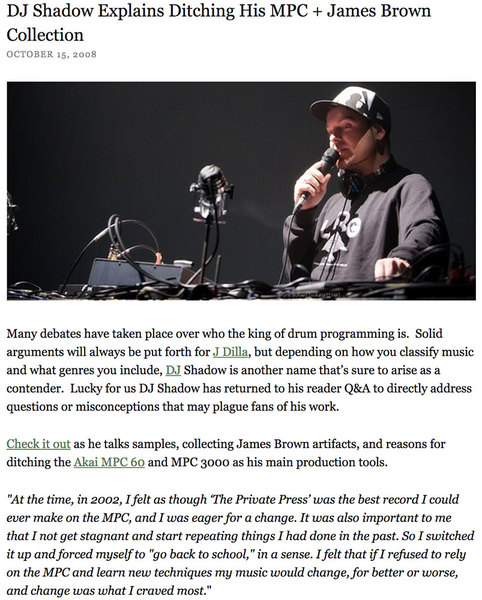
This clip from a 2008 Crate Kings article talks about how DJ Shadow ditched the Akai MPC 60 and MPC 3000 as his main production tools. Shadow said:
"At the time, in 2002, I felt as though ‘The Private Press’ was the best record I could ever make on the MPC, and I was eager for a change. It was also important to me that I not get stagnant and start repeating things I had done in the past. So I switched it up and forced myself to "go back to school," in a sense. I felt that if I refused to rely on the MPC and learn new techniques my music would change, for better or worse, and change was what I craved most."

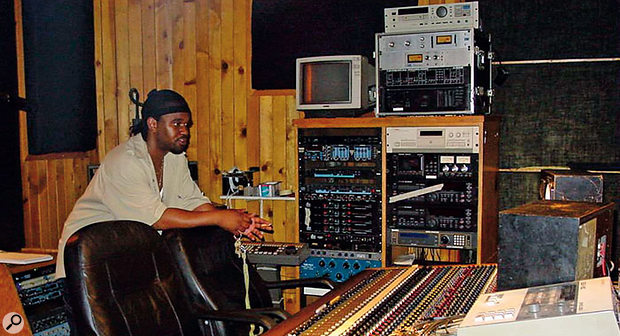
Following the meeting with Large Professor in the late '80s that led Preem to switch to the Emu SP12, he also used an Alesis drum machine, and eventually settled on the Akai MPC60.


In the makeshift living room somewhere round the back of the Odeon, Vince has a few home comforts. TV, video, fridge full of cold drinks, and something which says more about his musical standpoint than anything else I can think of. Whereas a guitarist might have a trusty old acoustic propped up against the sofa, Vince has got a small workstation consisting of Mini-Moog, Akai Linn MPC-60 and Roland MC-4 sequencer, handy for those moments of inspiration and last-minute adjustments to the live set. He points enthusiastically to the Akai Linn.
"This is really good. We use this for all the drum sounds live. All the drum sounds on the last album were generated from synths, so I had to regenerate them for the tour. Obviously I couldn't take an ARP 2600 on the road and start messing about with bass drum sounds for every song, and there's lots and lots of percussion sounds, so they were regenerated and sampled into that thing. I must admit it was a real life-saver, it's so simple. You just hit Record, press the pad and it's down. Only 16-bit recording inside, but the resolution's quite high. Eight outs, 32 drum sounds. So it's in my tank!"


Album Usage
The Akai MPC60 has been featured on the following albums:
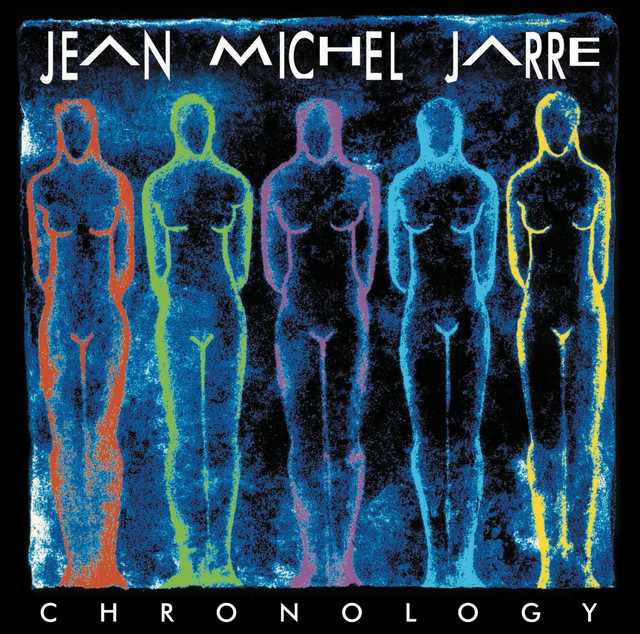
Chronology
Jean Michel Jarre (2015)

Passion
Para One (2012)
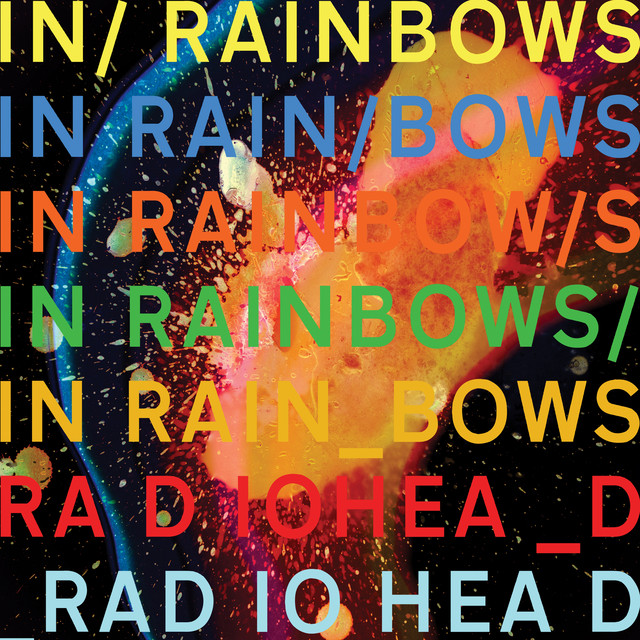
In Rainbows
Radiohead (2007)
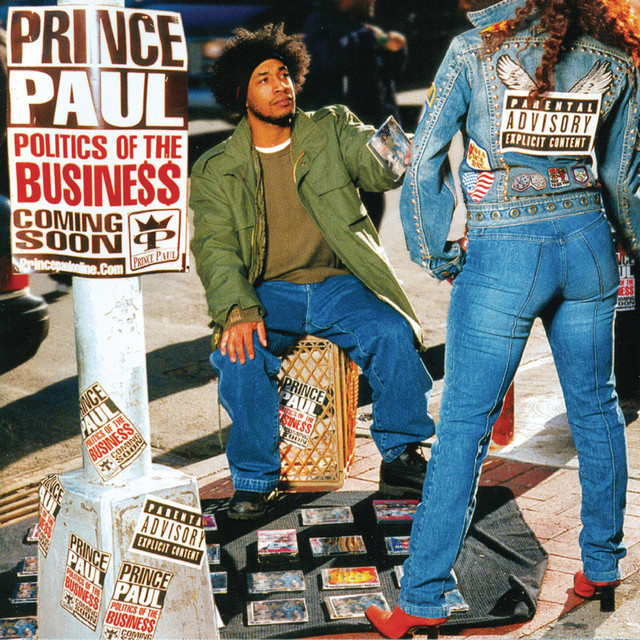
Politics Of The Business
Prince Paul (2003)

The Private Press
DJ Shadow (2002)

Feminist Sweepstakes
Le Tigre (2001)
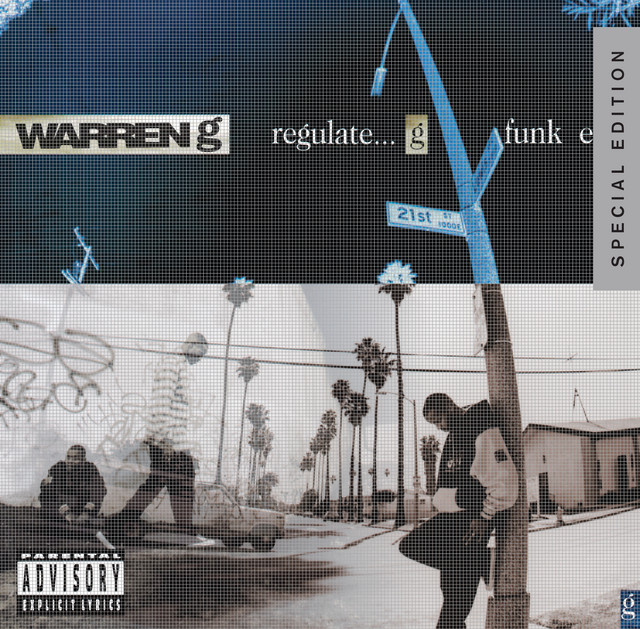
Regulate… G Funk Era
Warren G (1994)
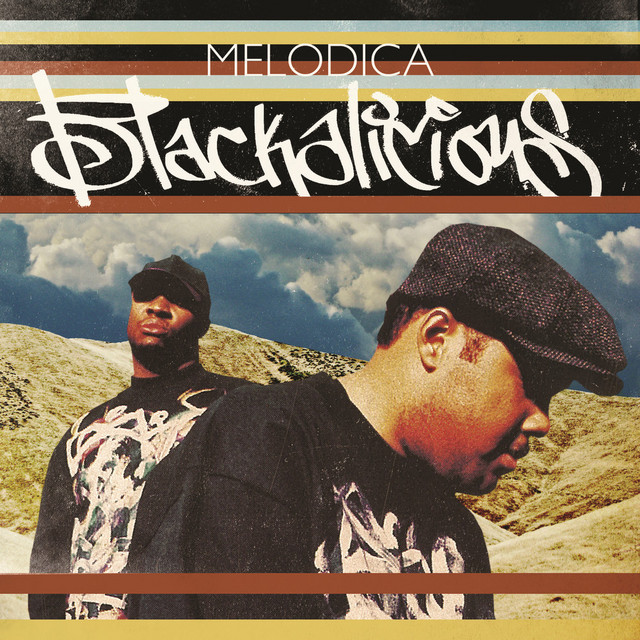
Melodica
Blackalicious (1994)
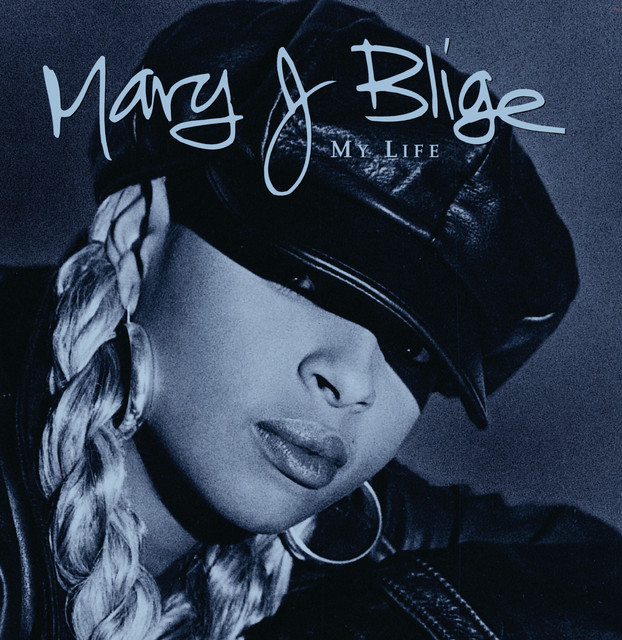
My Life
Mary J. Blige (1994)
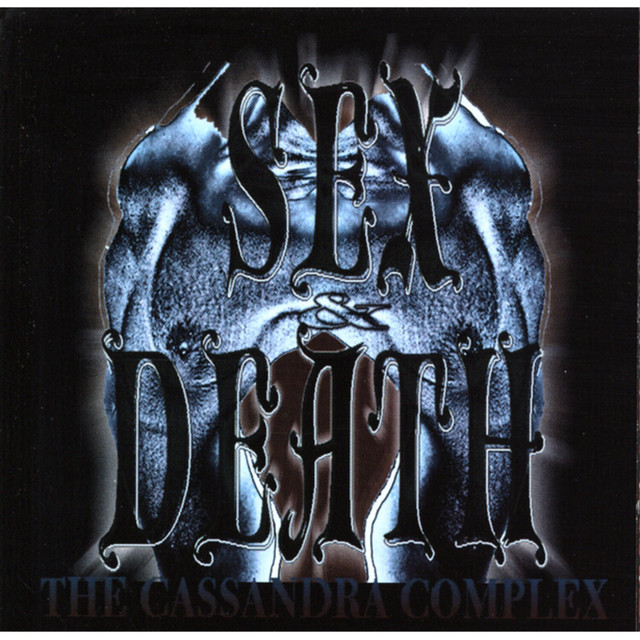
Sex & Death
The Cassandra Complex (1993)
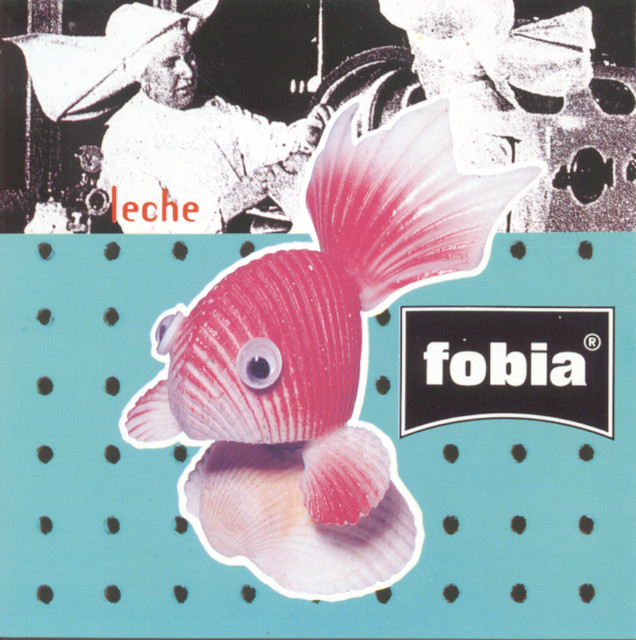
Leche
Fobia (1993)

Check Your Head (Deluxe Edition/Remastered/2009)
Beastie Boys (1992)
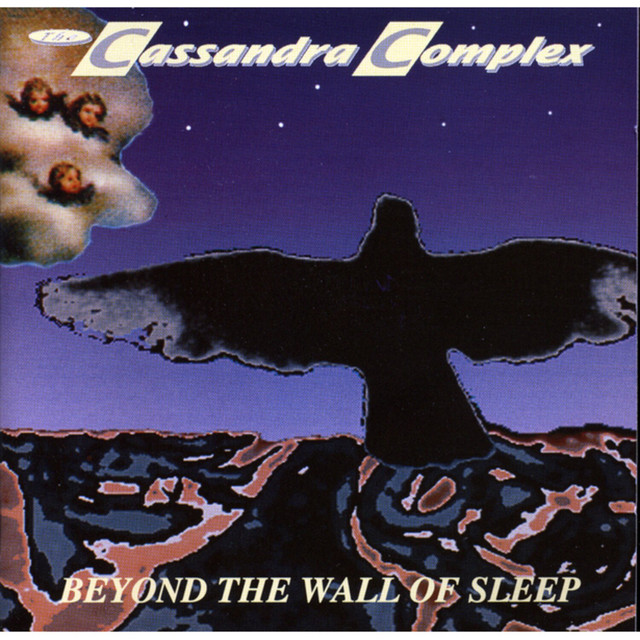
Beyond the Wall of Sleep
The Cassandra Complex (1992)
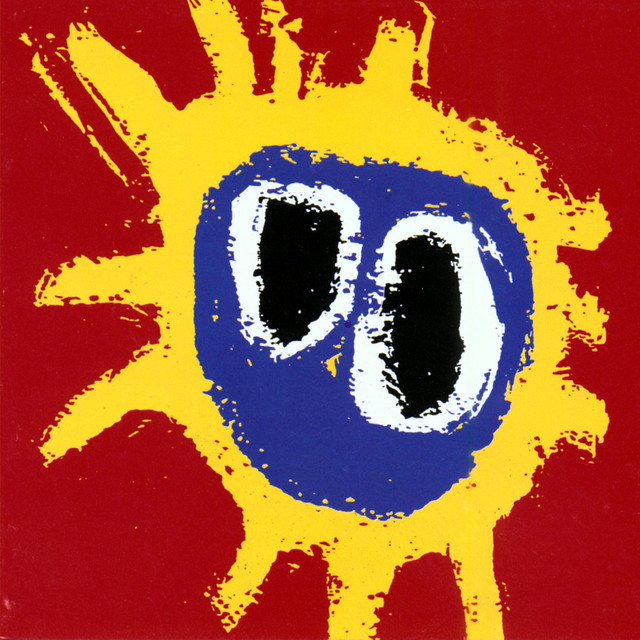
Screamadelica
Primal Scream (1991)
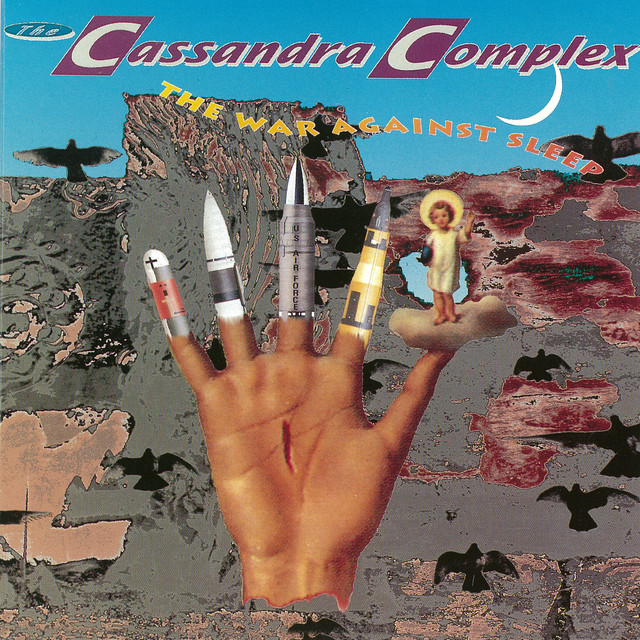
The War Against Sleep
The Cassandra Complex (1991)
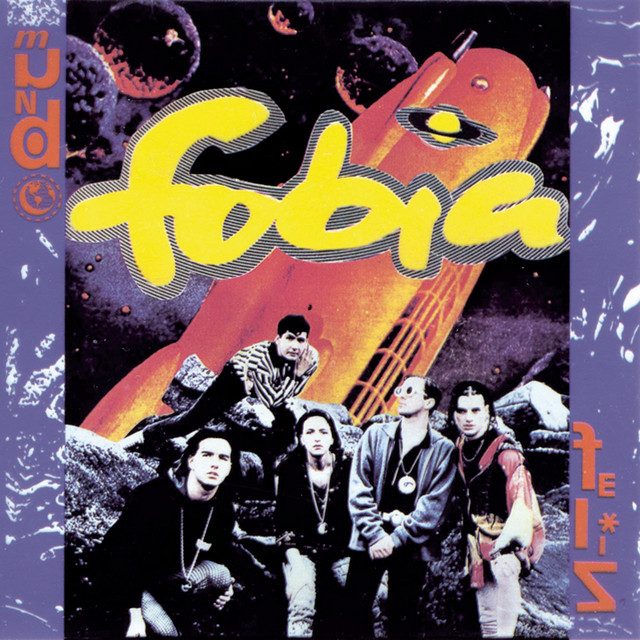
Mundo Feliz
Fobia (1991)
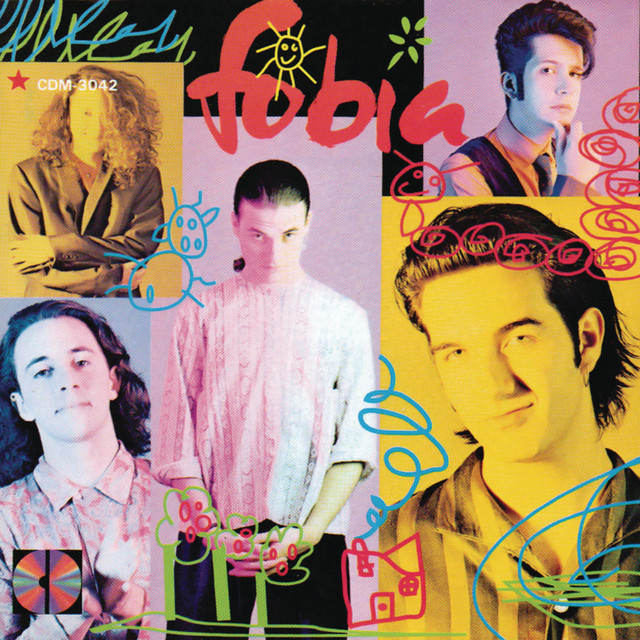
Fobia
Fobia (1990)
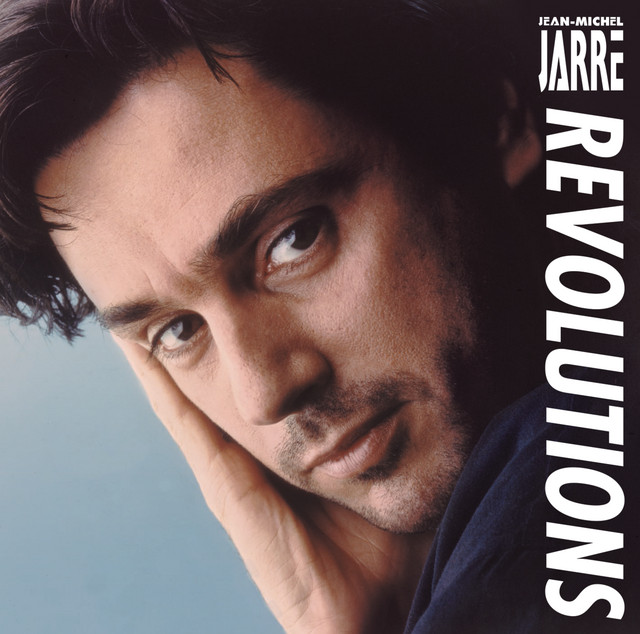
Revolutions
Jean Michel Jarre (1988)
Genre Usage
Based on how artists on Equipboard use this gear, it is most commonly found in the following genres.
Used With
Based on how musicians on Equipboard use Akai MPC60, it is most commonly used with the following gear.
-s.webp?v=1783582448)


-s.webp?v=1783609041)


-s.webp?v=1783609045)


Community setups
Show yours

Similar
Add recommendation1 alternative for Akai MPC60, curated by the Equipboard community.

$3,200.00
More Akai Production & Groove

$935.00 - $999.99
in Production & Groove Rank

$1,499.00 - $1,899.99
in Production & Groove Rank

.jpg?v=1783548432)


$458.51 - $1,299.00
in Production & Groove Rank


-m.webp?v=1783522757)
$475.00
in Production & Groove Rank


$395.00 - $728.00
in Production & Groove Rank


$470.00
in Production & Groove Rank


$149.00 - $285.82
in Production & Groove Rank
.jpg?v=1783447610)


$1,488.65 - $2,299.00
in Production & Groove Rank


$321.72 - $899.00
in Production & Groove Rank

.jpeg?v=1783583688)


$699.00 - $1,299.00
in Production & Groove Rank


$152.30
in Production & Groove Rank


$85.30 - $119.00
in Production & Groove Rank

.jpg?v=1783461221)


$178.64
in Production & Groove Rank


$225.00
in Production & Groove Rank


$3,991.00
in Production & Groove Rank


$657.06 - $899.00
in Production & Groove Rank


$535.92
in Production & Groove Rank


$575.00
in Production & Groove Rank


$972.98 - $1,499.00
in Production & Groove Rank


$1,199.99 - $1,499.00
in Production & Groove Rank


$3,200.00
in Production & Groove Rank


$185.00 - $428.00
in Production & Groove Rank


in Production & Groove Rank


$139.99 - $278.00
in Production & Groove Rank


-m.webp?v=1783603779)
$568.00 - $699.00
in Production & Groove Rank
.jpg?v=1783617749)

$801.00
in Production & Groove Rank


$149.00 - $199.00
in Production & Groove Rank

$835.00
in Production & Groove Rank


-m.webp?v=1783609860)
$449.00
in Production & Groove Rank


$138.33
in Production & Groove Rank


$199.00 - $399.00
in Production & Groove Rank
![Akai MPC 4000 [Blue]](https://images.equipboard.com/uploads/item/image/42853/akai-mpc-4000-blue-m.webp?v=1783609400)
$535.92
in Production & Groove Rank


$1,050.00 - $2,599.00
in Production & Groove Rank


$100.00
in Production & Groove Rank


$475.00
in Production & Groove Rank


Accessories & Related Items


-s.webp?v=1783603779)

Gear Guides



Most Popular Production & Groove
Most Popular Brands
-
Added to Equipboard on by
 simfonik
Gear IQ 2532
-


