Stan Lynch
Role
Credits
Role
Credits
Stan Lynch's Drum Hardware


Mentioned by Lynch in this February 1984 Modern Drummer Magazine interview. He opposes his Pinstripes to his other, white coated Remo drum heads, evincing their status as clear versions.
RF: Would you detail your setups, both live and recording?
SL: They might not always be different. They’re different now because of Jimmy and Tommy. They really like that Damn the Torpedos-esque sound.
RF: What comprises that sound?
SL: That is an older Tama drumset, the Imperial Star, which is a thin composite shell. They’re all stock sizes, a set you can buy off the rack, with a 14 x 24 kick drum, 8 x 12, 9 x 13, and 10 x 14 rack toms, and 16x 16 and 18x 18 floor toms. I never use all those drums at one time. They’re there in case they want to hear specific sizes. The most toms that I use is in a drum fill in the middle of “Don’t Do Me Like That.” I used four tom-toms. Usually Jimmy and Shelly like to hear two rack tom-toms, the 9×13 and the 10 x 14 on top of the kick drum along with the 16 x 16 floor tom. The snare drum I use is an old Ludwig Superphonic. [sic]
RF: You mentioned the “Refugee” snare. Is that the same one?
SL: That’s the one. I have a whole slew of snare drums, but that one snare cuts the majority of records. Occasionally I‘ll get an old brass snare on there. We’ll always use a white coated Diplomat bottom head, and depending on the song, we’ll use Pinstripes or white coated Ambassadors on the top. If we want a more live sound, I go with the white coated heads. I’ve taken all the mufflers out of the drums and I have any new ones made without mufflers. I never put any tape on any of the surfaces. That makes me very honest. I either tune my drum correctly or it sounds terrible.
My cymbal setup is Zildjian. Depending on the song, if you want a little less noise, go to bigger cymbals because they don’t ring as much. If you want things to sound real bright, go to smaller cymbals. Live, last tour I used a smaller set than I record with. I used a 22" bass drum, a 9 x 13 rack tom, a 16 x 16 floor tom and a duplicate of the studio snare.
RF: Why the smaller set live?
SL: I think the smaller set is more fun to play. It’s all part of the growth process too. I was trying to do something different. I just wanted to play a different setup because I thought maybe it would make me play differently. I t did too. Live, I use a 21" ride, a 22" swish, an 18" crash and 13" New Beat hi-hats, which are kind of unusual but they feel great. They’re a lot more fun. The 13" are a little more responsive for live stuff.
In a live show you vary your tempos from song to song like crazy. One song is really fast and the next song is a funeral dirge, so you have to have a kit that will respond to all of that and will work in extremes. Then it will work everything else in the middle. In the studio, you might spend two days working on one song, so you can tailor your setup to make that one song really work. Live you have to go for instant satisfaction.
RF: What about your heads for live playing?
SL: I’m using white coated Ambassadors on top and Diplomats on the bottom, and the same with the snare. The kick drum has the white coated Emperor on the live kit and in the studio I use an Ambassador, white coated. On the live kit I needed a little thicker head just for the security of it.
Find it on:


Mentioned by Lynch in this February 1984 Modern Drummer Magazine interview.
RF: Would you detail your setups, both live and recording?
SL: They might not always be different. They’re different now because of Jimmy and Tommy. They really like that Damn the Torpedos-esque sound.
RF: What comprises that sound?
SL: That is an older Tama drumset, the Imperial Star, which is a thin composite shell. They’re all stock sizes, a set you can buy off the rack, with a 14 x 24 kick drum, 8 x 12, 9 x 13, and 10 x 14 rack toms, and 16x 16 and 18x 18 floor toms. I never use all those drums at one time. They’re there in case they want to hear specific sizes. The most toms that I use is in a drum fill in the middle of “Don’t Do Me Like That.” I used four tom-toms. Usually Jimmy and Shelly like to hear two rack tom-toms, the 9×13 and the 10 x 14 on top of the kick drum along with the 16 x 16 floor tom. The snare drum I use is an old Ludwig Superphonic. [sic]
RF: You mentioned the “Refugee” snare. Is that the same one?
SL: That’s the one. I have a whole slew of snare drums, but that one snare cuts the majority of records. Occasionally I‘ll get an old brass snare on there. We’ll always use a white coated Diplomat bottom head, and depending on the song, we’ll use Pinstripes or white coated Ambassadors on the top. If we want a more live sound, I go with the white coated heads. I’ve taken all the mufflers out of the drums and I have any new ones made without mufflers. I never put any tape on any of the surfaces. That makes me very honest. I either tune my drum correctly or it sounds terrible.
My cymbal setup is Zildjian. Depending on the song, if you want a little less noise, go to bigger cymbals because they don’t ring as much. If you want things to sound real bright, go to smaller cymbals. Live, last tour I used a smaller set than I record with. I used a 22" bass drum, a 9 x 13 rack tom, a 16 x 16 floor tom and a duplicate of the studio snare.
RF: Why the smaller set live?
SL: I think the smaller set is more fun to play. It’s all part of the growth process too. I was trying to do something different. I just wanted to play a different setup because I thought maybe it would make me play differently. I t did too. Live, I use a 21" ride, a 22" swish, an 18" crash and 13" New Beat hi-hats, which are kind of unusual but they feel great. They’re a lot more fun. The 13" are a little more responsive for live stuff.
In a live show you vary your tempos from song to song like crazy. One song is really fast and the next song is a funeral dirge, so you have to have a kit that will respond to all of that and will work in extremes. Then it will work everything else in the middle. In the studio, you might spend two days working on one song, so you can tailor your setup to make that one song really work. Live you have to go for instant satisfaction.
RF: What about your heads for live playing?
SL: I’m using white coated Ambassadors on top and Diplomats on the bottom, and the same with the snare. The kick drum has the white coated Emperor on the live kit and in the studio I use an Ambassador, white coated. On the live kit I needed a little thicker head just for the security of it.
Find it on:

Mentioned by Lynch in this February 1984 Modern Drummer Magazine interview.
RF: Would you detail your setups, both live and recording?
SL: They might not always be different. They’re different now because of Jimmy and Tommy. They really like that Damn the Torpedos-esque sound.
RF: What comprises that sound?
SL: That is an older Tama drumset, the Imperial Star, which is a thin composite shell. They’re all stock sizes, a set you can buy off the rack, with a 14 x 24 kick drum, 8 x 12, 9 x 13, and 10 x 14 rack toms, and 16x 16 and 18x 18 floor toms. I never use all those drums at one time. They’re there in case they want to hear specific sizes. The most toms that I use is in a drum fill in the middle of “Don’t Do Me Like That.” I used four tom-toms. Usually Jimmy and Shelly like to hear two rack tom-toms, the 9×13 and the 10 x 14 on top of the kick drum along with the 16 x 16 floor tom. The snare drum I use is an old Ludwig Superphonic. [sic]
RF: You mentioned the “Refugee” snare. Is that the same one?
SL: That’s the one. I have a whole slew of snare drums, but that one snare cuts the majority of records. Occasionally I‘ll get an old brass snare on there. We’ll always use a white coated Diplomat bottom head, and depending on the song, we’ll use Pinstripes or white coated Ambassadors on the top. If we want a more live sound, I go with the white coated heads. I’ve taken all the mufflers out of the drums and I have any new ones made without mufflers. I never put any tape on any of the surfaces. That makes me very honest. I either tune my drum correctly or it sounds terrible.
My cymbal setup is Zildjian. Depending on the song, if you want a little less noise, go to bigger cymbals because they don’t ring as much. If you want things to sound real bright, go to smaller cymbals. Live, last tour I used a smaller set than I record with. I used a 22" bass drum, a 9 x 13 rack tom, a 16 x 16 floor tom and a duplicate of the studio snare.
RF: Why the smaller set live?
SL: I think the smaller set is more fun to play. It’s all part of the growth process too. I was trying to do something different. I just wanted to play a different setup because I thought maybe it would make me play differently. I t did too. Live, I use a 21" ride, a 22" swish, an 18" crash and 13" New Beat hi-hats, which are kind of unusual but they feel great. They’re a lot more fun. The 13" are a little more responsive for live stuff.
In a live show you vary your tempos from song to song like crazy. One song is really fast and the next song is a funeral dirge, so you have to have a kit that will respond to all of that and will work in extremes. Then it will work everything else in the middle. In the studio, you might spend two days working on one song, so you can tailor your setup to make that one song really work. Live you have to go for instant satisfaction.
RF: What about your heads for live playing?
SL: I’m using white coated Ambassadors on top and Diplomats on the bottom, and the same with the snare. The kick drum has the white coated Emperor on the live kit and in the studio I use an Ambassador, white coated. On the live kit I needed a little thicker head just for the security of it.
Find it on:

Mentioned by Lynch in this February 1984 Modern Drummer Magazine interview.
RF: Would you detail your setups, both live and recording?
SL: They might not always be different. They’re different now because of Jimmy and Tommy. They really like that Damn the Torpedos-esque sound.
RF: What comprises that sound?
SL: That is an older Tama drumset, the Imperial Star, which is a thin composite shell. They’re all stock sizes, a set you can buy off the rack, with a 14 x 24 kick drum, 8 x 12, 9 x 13, and 10 x 14 rack toms, and 16x 16 and 18x 18 floor toms. I never use all those drums at one time. They’re there in case they want to hear specific sizes. The most toms that I use is in a drum fill in the middle of “Don’t Do Me Like That.” I used four tom-toms. Usually Jimmy and Shelly like to hear two rack tom-toms, the 9×13 and the 10 x 14 on top of the kick drum along with the 16 x 16 floor tom. The snare drum I use is an old Ludwig Superphonic. [sic]
RF: You mentioned the “Refugee” snare. Is that the same one?
SL: That’s the one. I have a whole slew of snare drums, but that one snare cuts the majority of records. Occasionally I‘ll get an old brass snare on there. We’ll always use a white coated Diplomat bottom head, and depending on the song, we’ll use Pinstripes or white coated Ambassadors on the top. If we want a more live sound, I go with the white coated heads. I’ve taken all the mufflers out of the drums and I have any new ones made without mufflers. I never put any tape on any of the surfaces. That makes me very honest. I either tune my drum correctly or it sounds terrible.
My cymbal setup is Zildjian. Depending on the song, if you want a little less noise, go to bigger cymbals because they don’t ring as much. If you want things to sound real bright, go to smaller cymbals. Live, last tour I used a smaller set than I record with. I used a 22" bass drum, a 9 x 13 rack tom, a 16 x 16 floor tom and a duplicate of the studio snare.
RF: Why the smaller set live?
SL: I think the smaller set is more fun to play. It’s all part of the growth process too. I was trying to do something different. I just wanted to play a different setup because I thought maybe it would make me play differently. I t did too. Live, I use a 21" ride, a 22" swish, an 18" crash and 13" New Beat hi-hats, which are kind of unusual but they feel great. They’re a lot more fun. The 13" are a little more responsive for live stuff.
In a live show you vary your tempos from song to song like crazy. One song is really fast and the next song is a funeral dirge, so you have to have a kit that will respond to all of that and will work in extremes. Then it will work everything else in the middle. In the studio, you might spend two days working on one song, so you can tailor your setup to make that one song really work. Live you have to go for instant satisfaction.
RF: What about your heads for live playing?
SL: I’m using white coated Ambassadors on top and Diplomats on the bottom, and the same with the snare. The kick drum has the white coated Emperor on the live kit and in the studio I use an Ambassador, white coated. On the live kit I needed a little thicker head just for the security of it.
Find it on:


Mentioned by Lynch in this May 2008 Modern Drummer Magazine interview. It is visible under Lynch's snare.
"This is one of my vintage Tama kits, circa the late 1970s," Stan Lynch says. "It was used on almost every Tom Petty & The Heartbreakers session I did, as well as on recordings by Bob Dylan, Jackson Browne, Don Henley, John Mellencamp, Aretha Franklin, The Eurythmics, Brian Wilson, Roger McGuinn, Stevie Nicks, Del Shannon, T-Bone Burnett, The Byrds, Belinda Carlisle, Freedy Johnston, and many others.
"It features a 14x24 kick, 8x12 and 9x13 rack toms, and a 16x16 floor tom. As for the snare drums, at that time I used a 6½x14 Ludwig Black Beauty, 5x14 and 6½x14 Ludwig Supraphonics, and a 5x14 Ludwig Acrolite. Not shown, but included with this kit, were 6x6, 8x8, and 10x14 tom-toms.
"Besides the drums, I have always used Zildjian cymbals, Pro-Mark drumsticks, Remo heads, and DW pedals."
Find it on:
This is a community-built gear list for Stan Lynch.
- Find relevant music gear like Drum Sets, Cymbals, Snare Drums, Drumsticks, Studio Equipment, Software Plugins and VSTs, Headphones, and other instruments and add it to Stan Lynch.
- The best places to look for gear usage are typically on the artist's social media, YouTube, live performance images, and interviews.
- To receive email updates when Stan Lynch is seen with new gear, follow the artist.
Album Credits
-
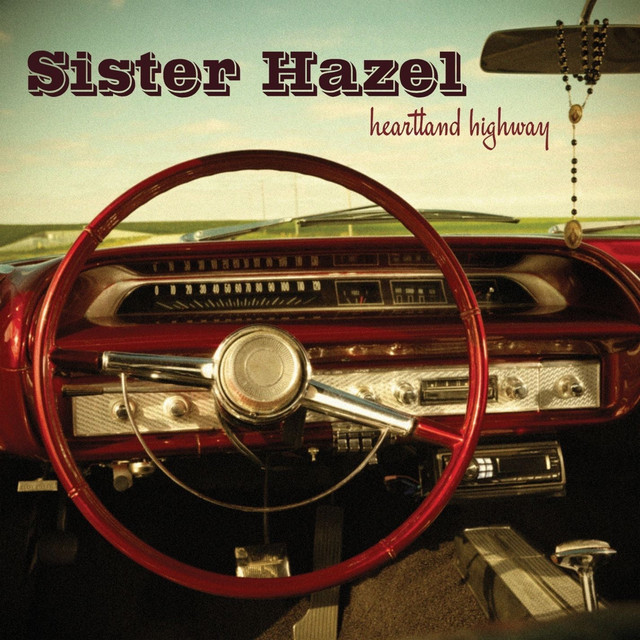
Sister Hazel · 2010
Producer -
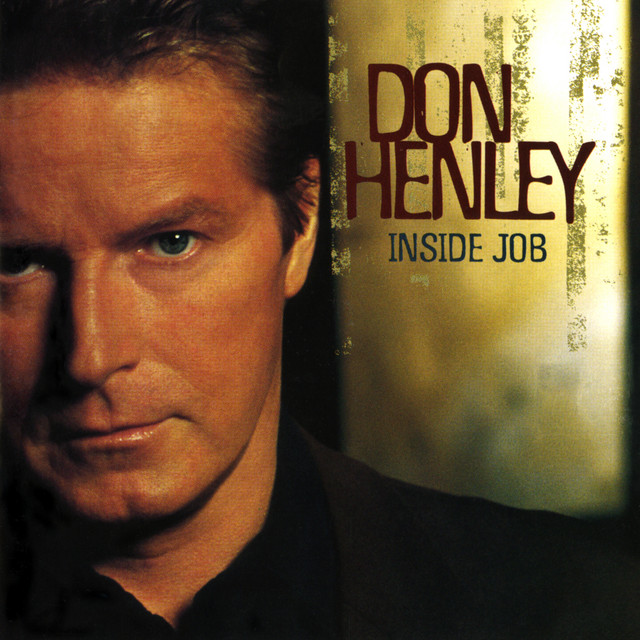
Don Henley · 2000
Producer



.webp)