Table of Contents

Equipboard
Equipboard is the world's largest community of artists and their gear. Read our review process.
We are reader-supported. When you buy through links on our site, we may earn an affiliate commission. Learn more.
Our Picks

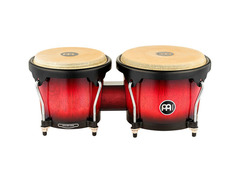
Meinl Percussion Headliner Series Bongos - Wine Red Burst
Beginner Bongo Option 1: Meinl Percussion Headliner Series bongos deliver exceptional value with professional-inspired features at an entry-level price point. Their balanced tone and comfortable design make them ideal for beginners developing proper technique.
Read more


Beginner Bongo Option 2: LP Aspire Wood Bongos combine Latin Percussion's legendary craftsmanship with accessible pricing for serious beginners. Their superior projection and authentic tone make them suitable for both practice and recording situations.
Read more
Intermediate Bongo Option 1: Latin Percussion Matador Wood Bongos blend professional-grade construction with stunning aesthetics for serious players. Their powerfully resonant tone and rock-solid tuning stability make them ideal for demanding performance environments.
Read more

Gon Bops Mariano Bongos With Chrome Hardware 7 and 8.5 in.
Intermediate Bongo Option 2: Gon Bops Mariano Bongos deliver genuine Cuban tones with their traditional construction and premium materials. Their exceptional dynamic range and authentic voice make them the perfect choice for players focusing on traditional Latin percussion styles.
Read more

LP LP793X Giovanni Galaxy Series Bongos Chrome
Professional Bongo Option 1: LP Giovanni Galaxy Series Bongos represent the pinnacle of bongo craftsmanship with their premium materials and signature design details. Their articulate voice and exceptional build quality make them the ultimate choice for professional performers.
Read more
Pearl Elite Series Oak Bongos - 7" and 9"
Professional Bongo Option 2: Pearl Elite Series Oak Bongos deliver exceptional tonal depth and premium craftsmanship for the most demanding players. Their oversized configuration and meticulous construction create instruments that excel in both traditional and contemporary settings.
Read moreThe crisp, resonant pop of bongos can instantly transform any musical setting with their unmistakable voice. These twin drums hold the power to drive rhythms, add subtle accents, or take center stage with fiery solos. Whether you're looking to add Latin flair to your music, dive into Afro-Cuban traditions, or simply expand your percussive palette, the right pair of bongos can become an extension of your musical expression for years to come.
How Bongos Differ From Other Hand Drums
Unlike their larger cousins, the congas, bongos are played primarily with the fingertips and palms rather than full hand slaps. This technique produces their characteristic bright, articulate sound. While congas typically stand on the floor during play, bongos are traditionally held between the knees or mounted on stands. Their smaller size creates higher pitches and sharper attacks than most other hand drums, making them perfect for cutting through dense musical arrangements with clarity and precision.
Why Choosing the Right Bongos Matters
The quality and construction of your bongos directly impact three crucial factors: sound quality, playability, and durability. Professional-grade bongos offer richer tones, better tuning stability, and more nuanced dynamic response than entry-level models. The right pair should feel comfortable in your hands and inspire you to play, not fight against you. When selecting bongos, consider not just your current skill level but also your growth trajectory - quality instruments can accommodate your developing technique for years to come.
Portability – The Percussionist's Companion
One of the bongo's greatest strengths is its exceptional portability. Unlike drum kits or even congas, a pair of bongos can easily fit into a compact carrying case no larger than a small backpack. This makes them ideal for spontaneous jam sessions, acoustic performances, and traveling musicians. Their modest space requirements allow percussionists to bring authentic hand drum sounds to settings where larger percussion would be impractical.
The Rich History of Bongos
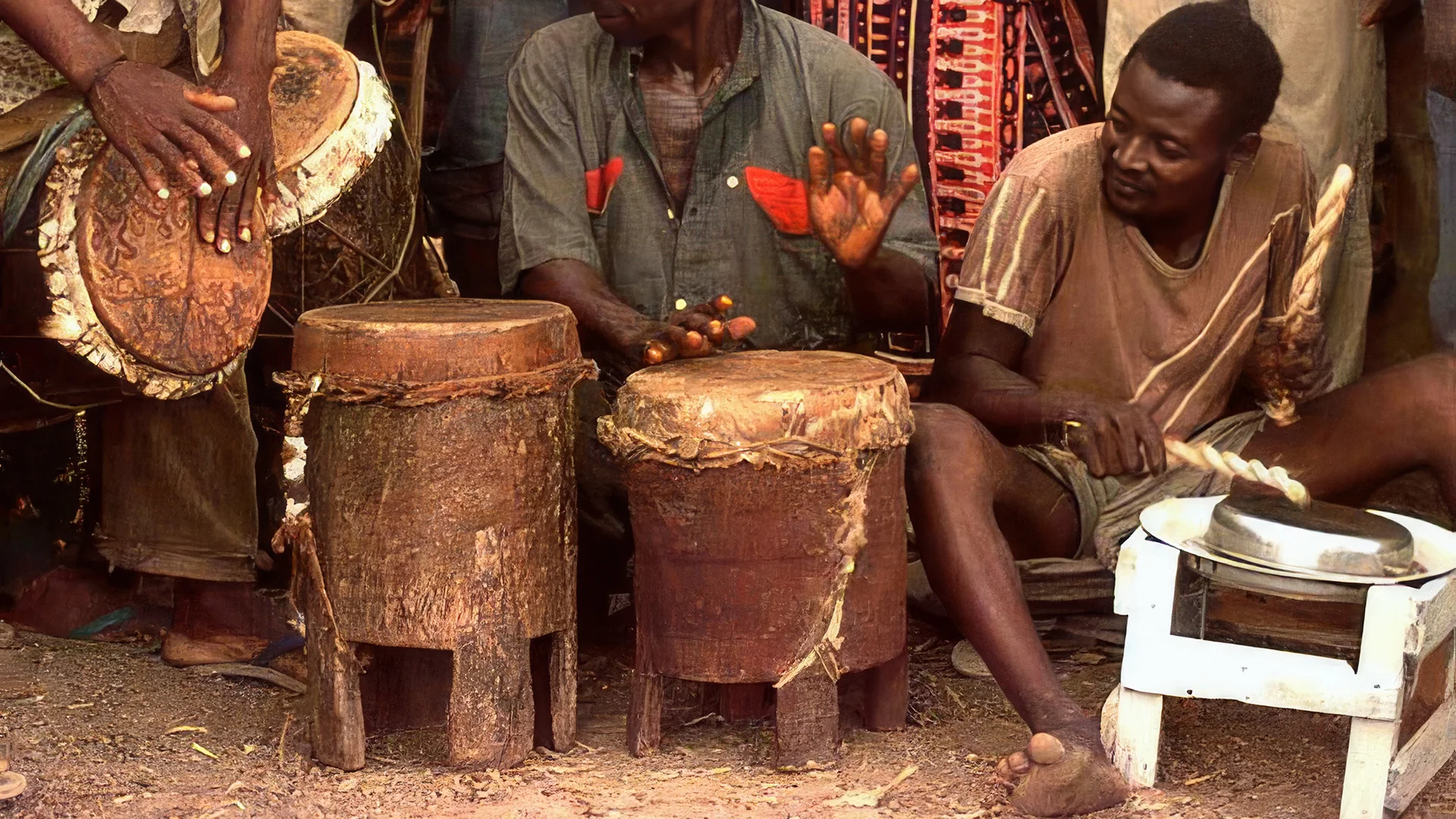
The distinctive voice of bongos has shaped numerous musical traditions and continues to influence contemporary genres worldwide. Understanding the historical journey of these drums provides valuable context for appreciating their cultural significance and versatility.
Afro-Cuban Origins
Bongos emerged in eastern Cuba in the late 19th century through the cultural fusion of African drum traditions and Spanish musical influences. Their development is closely tied to the birth of son cubano, one of Cuba's foundational musical forms. The earliest bongos were made from hollow logs with natural animal skins stretched across the openings and secured with nails or tacks. These primitive instruments lacked the tuning mechanisms found on modern bongos but established the characteristic paired-drum format.
The african roots are evident in both the playing techniques and the responsive role bongos play in traditional ensembles. West African talking drum traditions influenced the conversational quality of bongo playing, where skilled performers can produce remarkably speech-like patterns through varying pitch and tone.
Traditional Cuban Music and the Bongo's Role
In traditional son cubano, the bongocero (bongo player) serves as both rhythmic foundation and improvising voice. Masters like Mongo Santamaria embodied this dual role, developing techniques that would influence generations of players. The martillo ("hammer") pattern forms the core of traditional bongo technique, creating a continuous flow between the two drums that drives the ensemble forward. During montunos (improvised sections), the bongocero often switches to the larger campana (cowbell), marking a shift in energy and texture.
By the 1930s, as son evolved and merged with other styles to create mambo and early salsa forms, bongos became firmly established as essential components of Latin dance orchestras. This period saw the first significant innovations in bongo construction, including the development of reliable tuning systems that allowed players to maintain specific pitches throughout performances.
Diaspora and Global Spread
The middle of the 20th century witnessed bongos traveling beyond Cuba as Latin music gained international popularity. In New York City, the mambo craze of the 1950s brought Cuban percussion traditions into direct contact with jazz and R&B. Innovative players like Willie Bobo and Armando Peraza began incorporating bongos into these styles, expanding the instrument's technical vocabulary and musical applications.
Puerto Rican and Dominican musicians adapted bongo techniques to their own traditional styles, including bomba, plena, and merengue. Each tradition developed unique approaches to the instrument, from the aggressive palm techniques of Dominican merengue to the syncopated patterns of Puerto Rican styles.
The Pop Culture Boom
The 1950s and 1960s saw bongos enter mainstream American consciousness through television, film, and pop music. The beatnik movement embraced bongos as symbols of artistic expression, though often divorced from their authentic cultural context. Despite this sometimes superficial adoption, this period significantly increased public awareness of the instrument.
Rock and pop musicians began incorporating bongos to add textural elements to their arrangements. Bands like Santana, with percussionists including the legendary Armando Peraza, brought Latin percussion into rock contexts with greater authenticity, helping bridge cultural divides while introducing the instruments to new audiences. The funk and disco movements of the 1970s further integrated bongo patterns into popular dance music, though often using the instruments in ways quite different from their traditional applications.
Jazz Innovations
In jazz contexts, pioneering percussionists like Jack Costanzo (known as "Mr. Bongo") developed sophisticated approaches that respected the instrument's cultural origins while adapting it to new harmonic environments. Costanzo's virtuosic technique and musical versatility earned him work with stars ranging from Nat King Cole to Frank Sinatra, bringing bongo artistry to mainstream audiences. The hard bop and Latin jazz movements created particularly fertile ground for bongo innovation, with players developing extended techniques to complement the complex harmonic language of modern jazz.
Multi-percussionist setups became increasingly common, with performers incorporating bongos alongside congas, timbales, and conventional drum sets. This integration allowed for more fluid transitions between different textural elements and expanded the timbral palette available to rhythm sections.
Contemporary Applications and Fusion
Today's bongo players benefit from both traditional knowledge and modern innovations. Contemporary virtuosos like Giovanni Hidalgo have taken the technical possibilities of the instrument to unprecedented levels, combining blazing speed with extraordinary musicality. Electronic music producers sample and process bongo sounds, creating new contexts for these ancient timbres. Hip-hop producers have mined Latin percussion for distinctive rhythmic elements, bringing bongo patterns to new generations of listeners.
In world fusion settings, bongos frequently appear alongside percussion instruments from around the globe, creating cross-cultural dialogues that extend their expressive range. Contemporary Latin jazz continues to evolve with virtuoso performers pushing technical boundaries while honoring traditional foundations.
The Digital Age and Beyond
Modern recording techniques have transformed how bongos are captured and presented. Close-miking allows for unprecedented detail in bongo recordings, revealing subtle nuances previously lost in ensemble settings. Digital sampling and virtual instruments have made bongo sounds available to producers without access to physical instruments or trained players, for better or worse.
Despite these technological advances, the fundamental appeal of bongos remains rooted in their direct, physical connection between player and sound. The responsive nature of the instrument and its capacity for nuanced expression ensure its continued relevance across musical contexts, from the most traditional to the most experimental.
As global musical cultures continue to blend and evolve, bongos remain vibrant voices in the percussive conversation, carrying centuries of tradition forward while remaining open to new applications and innovations. The remarkable adaptability, combined with their accessibility to beginners and depth for advanced players, guarantees these humble drums will continue shaping rhythmic expression for generations to come.
Understanding Bongo Drum Sizes & Their Sound Differences

The unique character of bongos comes from the complementary relationship between the two drums that make up a pair. Each drum contributes its distinct voice to create the dynamic range that makes bongos so expressive. Understanding these differences is key to selecting instruments that match your playing style and musical needs.
Macho and Hembra: The Perfect Pair
Every set of bongos consists of two drums: the smaller "macho" (male) drum and the larger "hembra" (female) drum. The macho produces higher-pitched, sharper tones that cut through musical arrangements with clarity and precision. Its crisp attack makes it ideal for accents and intricate patterns. The hembra offers deeper, warmer tones with more resonance and body. Together, they provide a versatile range of sounds that skilled players can exploit for everything from subtle texture to commanding solos.
Standard Sizes and Sound Characteristics
Traditional bongo sizes typically feature a 7-inch macho paired with an 8.5-inch hembra, measured by the diameter of the drumhead. However, modern manufacturers offer various size combinations to suit different preferences:
Smaller macho drums (6 to 6.5 inches) deliver extremely bright, cutting tones with minimal sustain, perfect for fast, articulate playing. Standard macho drums (7 to 7.5 inches) balance sharpness with some tonal depth, offering versatility across styles.
For the hembra, standard sizes (8 to 8.5 inches) provide the classic warm, resonant sound most players expect. Larger hembras (9 inches) produce notably deeper tones with extended sustain, creating a wider sonic gap between the two drums.
Professional players often select sizes based on the specific musical contexts where they'll be performing, sometimes owning multiple sets for different applications.
How Drum Depth and Shape Affect Tone
While diameter receives the most attention, the depth of bongo shells significantly impacts their voice. Deeper shells generally produce richer tones with more bass response and sustain. Shallower shells offer quicker decay and sharper articulation. The internal shape matters too: straight-sided shells provide consistent resonance, while contoured interiors can enhance specific frequencies.
Some manufacturers use slight variations in shell thickness around different parts of the drum to control unwanted overtones and focus the fundamental pitch. These subtle design elements can make a dramatic difference in how the bongos project in both live and recorded settings.
Hand Size and Playability
Comfort during play drastically affects your ability to produce your best sound. Larger hands often benefit from slightly bigger drums that provide more playing surface. Smaller hands may find standard or compact bongos allow for better control and less fatigue during extended playing sessions.
The height difference between the two drums also influences playability. Traditional bongos feature drums of the same height despite their different diameters, while some modern designs vary the heights to create a more ergonomic playing position. When testing bongos, pay attention to how your hands naturally fall onto the playing surfaces and whether you can comfortably reach all areas of both heads without straining.
Bongo Drum Materials: The Resonance of Choice
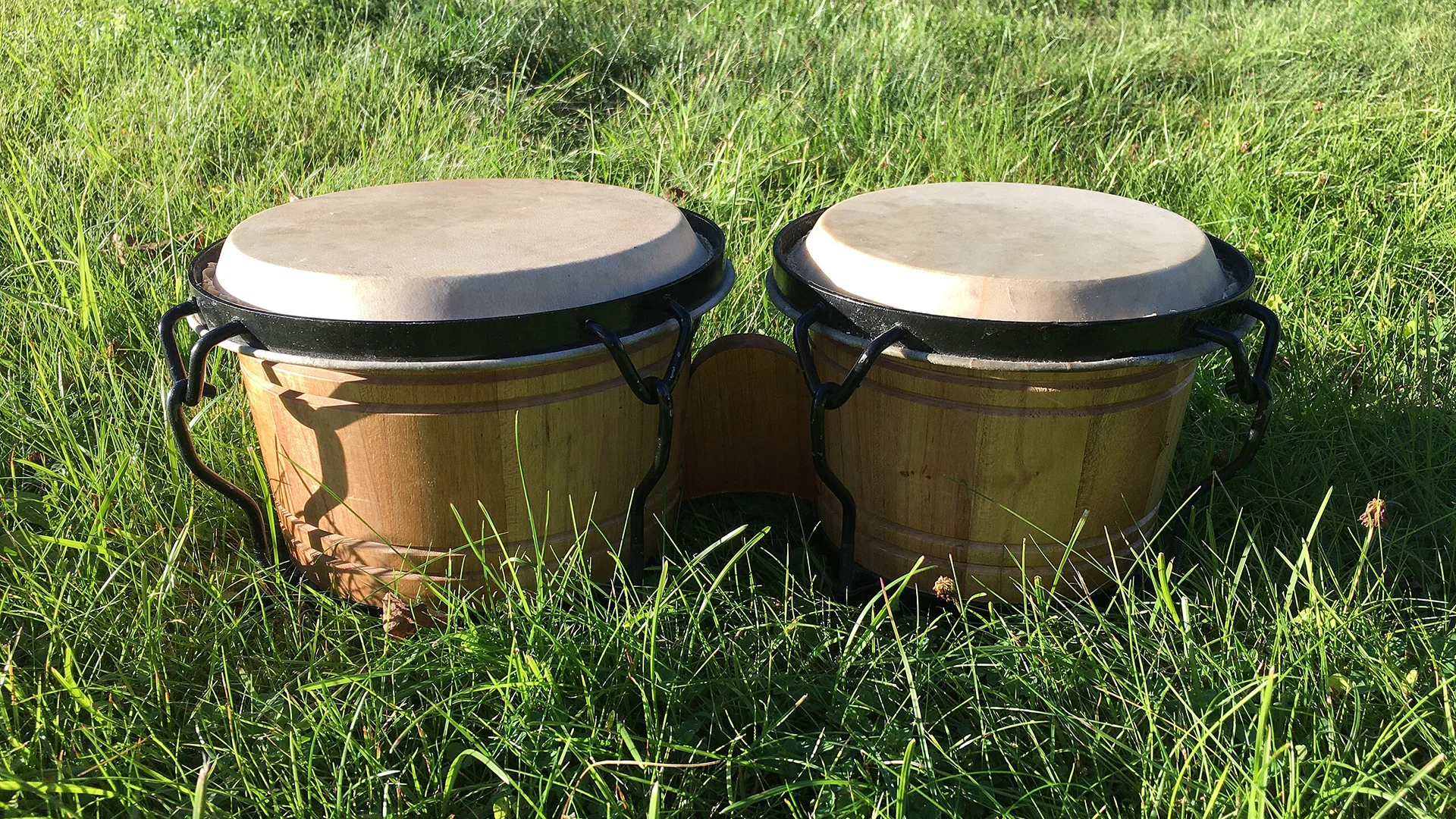
The materials used to craft bongos play a crucial role in defining their voice, durability, and visual appeal. From traditional woods to modern synthetic options, each material brings distinct qualities to the instrument that directly impact your playing experience and sound.
Wood Bongos: Traditional Tonal Character
Wood remains the most popular choice for quality bongos, prized for its natural resonance and warm response. Different wood species produce noticeably different tonal characteristics:
Mahogany delivers a rich, warm sound with pronounced mid-range frequencies and excellent projection. This traditional choice offers balanced resonance that works well across genres and is particularly suited for authentic Latin styles.
Oak provides exceptional durability with a brighter, more focused tone. The dense grain structure contributes to clear articulation and enhanced volume, making oak bongos stand out in live performance situations without amplification.
Ash produces crisp, defined tones with plenty of attack and moderate sustain. The distinctive grain patterns also make ash bongos visually striking, with many players appreciating the natural beauty alongside the sound qualities.
Maple offers bright, articulate tones with excellent clarity. Its relatively lightweight nature makes maple bongos responsive to subtle playing techniques, allowing for expressive dynamic range from whisper-quiet to commanding volume.
The thickness of wooden shells further influences their sound character, with thicker shells generally providing more focused, fundamental tones while thinner shells can enhance overtones and resonance.
Fiberglass Bongos: Modern Reliability
Fiberglass has become increasingly popular for bongos intended for demanding live performances and outdoor use. Unlike wood, fiberglass is unaffected by humidity and temperature changes, maintaining consistent tuning in challenging environments.
The sound character tends toward bright, projecting tones with impressive volume and cutting power. These bongos typically produce less warmth than wooden models but compensate with exceptional clarity that carries well through amplified bands.
Professional touring musicians often prefer fiberglass bongos for their road-worthy durability and resistance to damage. The molded construction eliminates concerns about cracking or warping that can affect wooden drums over time, particularly when traveling between different climate zones.
Hybrid Bongos: The Best of Both Worlds
Some manufacturers now offer hybrid bongos that combine wood and synthetic materials to balance traditional sound with modern reliability. These innovative designs typically feature wooden shells reinforced with fiberglass or other composites.
The result is instruments that capture much of the warm resonance of wood while gaining significant durability advantages. Hybrid bongos often feature reinforced bearing edges where the head meets the shell, preventing the wear that can occur in high-tension areas of all-wood drums.
For players who want authentic tone but need instruments that can withstand demanding performance schedules or variable environmental conditions, these hybrid options represent a practical compromise that sacrifices little in sound quality.
The Critical Surface: Understanding Bongo Heads
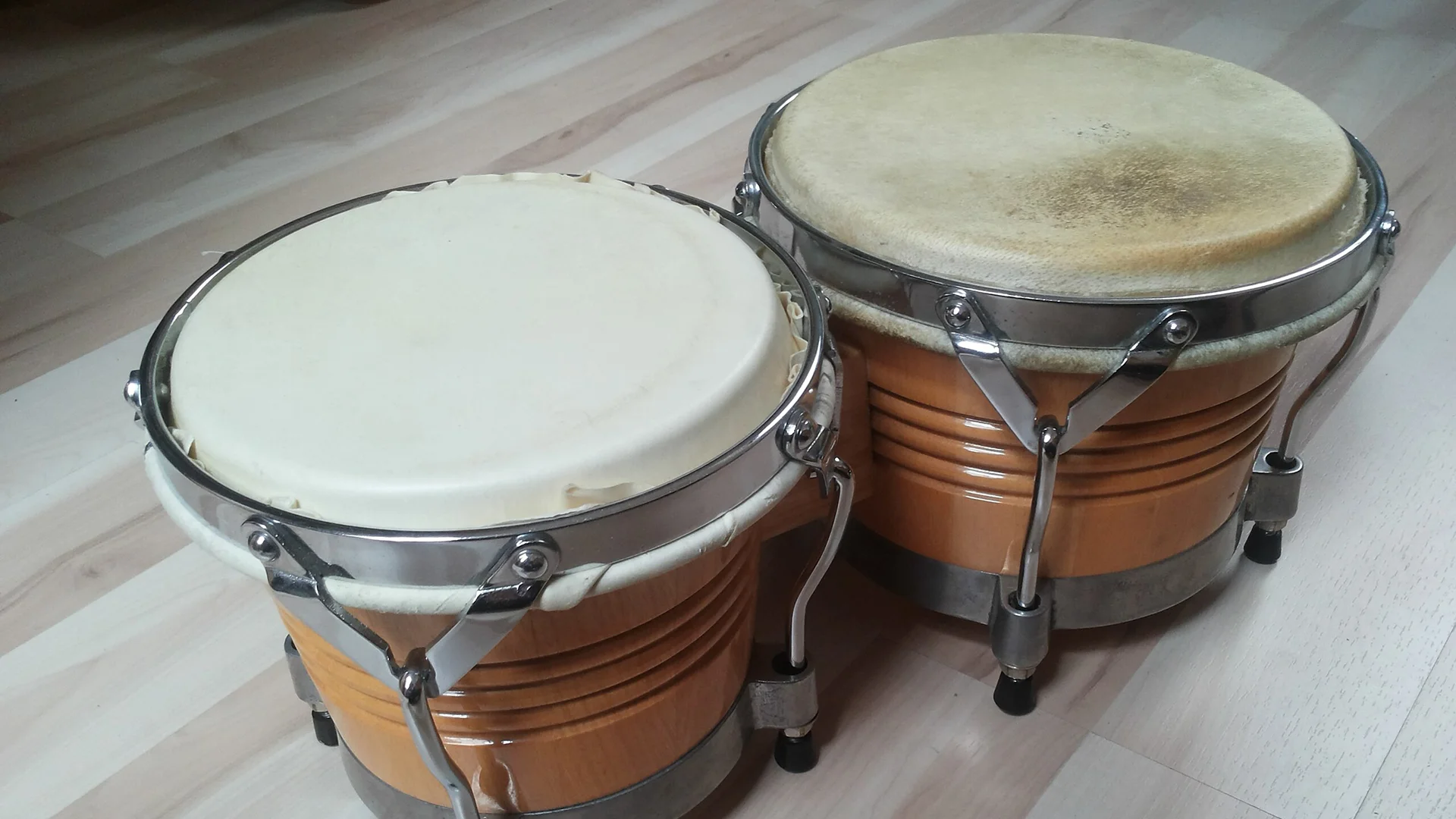
While the shell material forms the foundation of a bongo's voice, the drumhead is where your hands directly interact with the instrument. The type of head you choose dramatically affects playability, sound character, and maintenance requirements, making this an essential consideration for any bongo player.
Natural Rawhide Heads: Traditional Touch and Tone
Traditional bongos feature heads made from animal hide, typically water buffalo or cow skin. These natural materials produce a complex tonal palette with rich overtones and organic warmth that many percussionists find irreplaceable. When struck, rawhide responds with a distinctive combination of fundamental tone and harmonics that gives traditional Latin music its characteristic sound.
The thickness of rawhide heads varies considerably, affecting both sound and feel. Thinner hides produce brighter tones with quick response but less durability. Thicker hides offer enhanced durability and deeper fundamental tones but require more force to achieve full volume and articulation.
The primary drawback of natural heads is their sensitivity to environmental conditions. Humidity changes cause rawhide to expand and contract, necessitating frequent tuning adjustments. In extremely dry conditions, natural heads may require occasional moistening to prevent cracking, while in high humidity, they can become too slack to produce good tone.
Professional percussionists who choose rawhide heads typically develop a maintenance routine to keep their instruments in optimal playing condition, considering this additional care worthwhile for the superior sound quality and authentic feel.
Synthetic Heads: Consistent Performance
Modern synthetic heads offer remarkable stability across changing environmental conditions, making them ideal for touring musicians or players who want low-maintenance instruments. Made from materials like Fiberskyn or other engineered films, these heads maintain consistent tension regardless of humidity levels.
The sound character tends toward crisp articulation with pronounced attack and more focused fundamental tones. While they may lack some of the complex overtones of natural hide, high-quality synthetic heads have improved dramatically in recent years, with many professionals now using them for both live and recording applications.
For outdoor performances, rainy environments, or venues with variable climate control, synthetic heads provide peace of mind and reliable performance without constant tuning adjustments. They also offer enhanced durability, often lasting significantly longer than natural alternatives.
Head Tension and Tuning
Proper head tension is crucial for achieving optimal bongo sound. Too loose, and the drums produce dull, unresponsive tones lacking projection. Too tight, and they lose warmth while risking damage to both heads and shells.
Most quality bongos feature tunable heads with multiple lugs that allow for precise tension adjustment. Balanced tuning across all lugs ensures even response and true pitch. Experienced players typically tune the hembra to a comfortably low-mid pitch and the macho approximately a fourth or fifth higher, creating complementary voices that work together musically.
The relationship between the two drums matters as much as their individual tuning. The interval between macho and hembra should be wide enough to create distinct voices but harmonically related enough to sound cohesive when played together in patterns.
Popular Head Brands and Models
Several manufacturers specialize in quality bongo heads that can significantly improve the sound of even mid-range instruments. Remo's Fiberskyn series combines synthetic stability with a more natural-like sound and feel. Evans' synthetic heads are known for exceptional durability and consistent response across their playing surface.
Latin Percussion (LP) offers both premium rawhide heads and synthetic alternatives, with many professionals considering their natural hide heads among the industry's best for authentic sound. Some heads feature reinforced playing areas that extend lifespan without significantly altering tone, representing a practical compromise for active players.
Construction & Hardware: The Build Matters
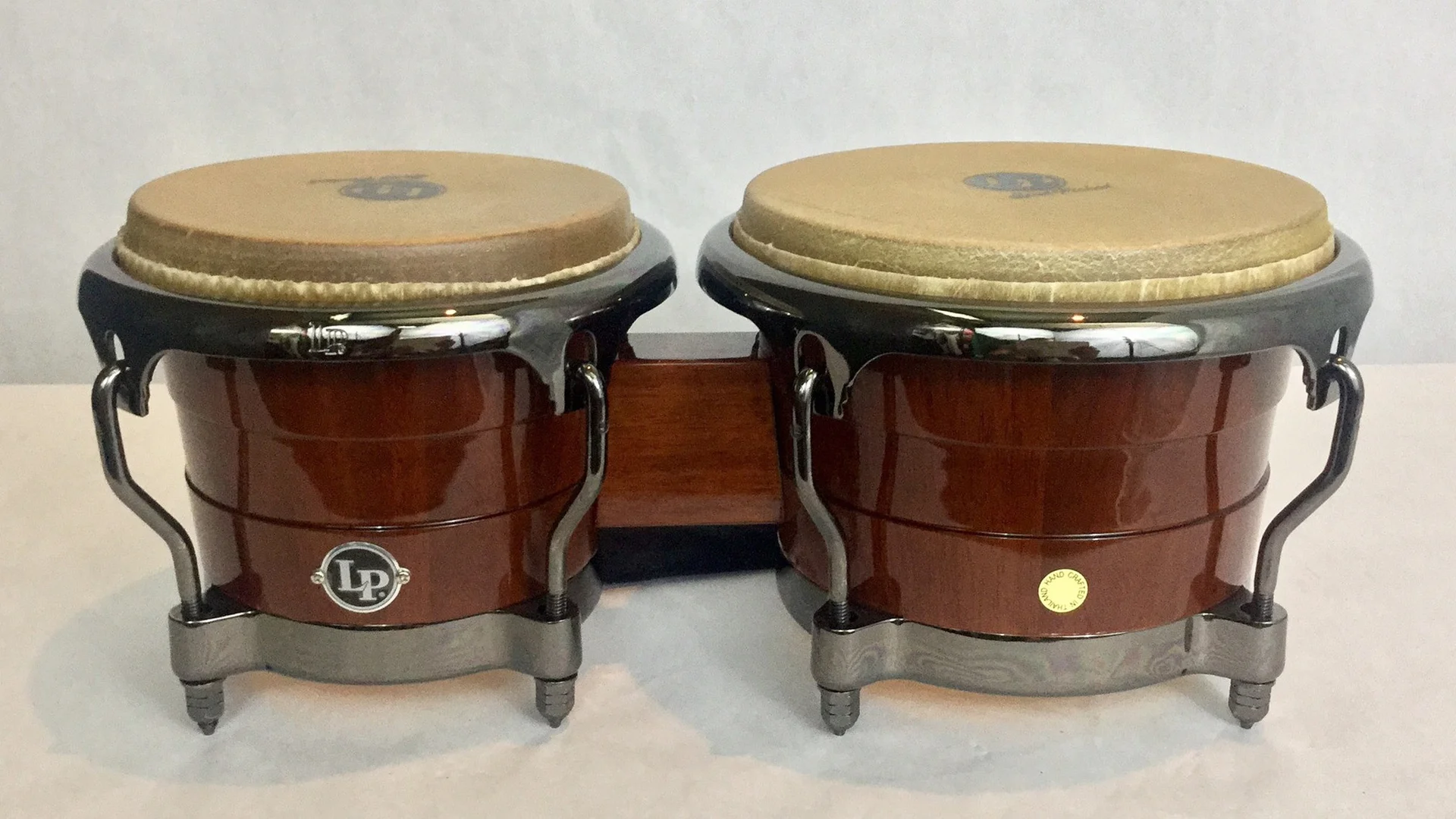
When you pick up a pair of bongos, what you're feeling is the result of countless design decisions that affect how they sound and how long they'll last. Let's break down what's happening beneath the surface and why it matters for your playing.
Shell Thickness and Internal Bracing
Thicker shells generally give you a more focused sound that carries further, while thinner ones tend to be warmer with more natural resonance. Many top-end bongos aren't just uniformly thick or thin – manufacturers actually vary the thickness in different areas to get the best sound possible.
Inside those shells, you'll find bracing that helps the drums hold their shape when you crank up the tension on the heads. Good bongos have reinforcement in the spots that take the most stress, especially around the edges where the head sits. Without solid internal support, bongos can warp over time, making them nearly impossible to tune properly.
Some craftsmen get really picky about which pieces of wood they use for different parts of the drum. They'll hand-select pieces based on density and grain pattern, almost like choosing the right ingredients for a recipe. You might not see this craftsmanship, but you'll definitely hear it in the drum's voice.
Tuning Lugs and Rims
Count the number of tuning lugs on a bongo drum and you'll get a quick clue about its quality. Basic models usually have 4-6 lugs per drum, but professional versions often pack in 8 or more. More lugs mean more even tension across the whole head, which translates to cleaner, more consistent sound.
The hardware itself matters too. When you're turning those lugs, they should feel smooth and stay exactly where you set them. Cheaper hardware tends to slip during playing, forcing you to retune constantly. For players in humid places, stainless steel hardware is worth the extra cost – it won't corrode like chrome-plated parts often do.
As for the rims, you've basically got two main choices: traditional rounded rims or newer comfort-curve designs. Traditional rims give you that authentic feel, but they can be tough on your hands during long playing sessions. Comfort-curve rims have a more ergonomic shape that's easier on your hands. Many serious players have strong preferences based on their particular techniques, with some willing to endure a bit of discomfort for what they feel is better control.
Bearing Edge Design
The bearing edge is where the drumhead meets the shell – and it's absolutely critical to getting a good sound. This edge needs to be perfectly even all the way around for the head to sit correctly. It's like how a guitar's saddle needs to be just right for the strings to sound their best.
The shape of this edge affects your sound too. Sharper edges typically give you brighter tones with more attack, while rounder, more gradual edges produce warmer sounds that sustain longer. On high-end bongos, craftsmen often shape these edges by hand to match the specific wood and playing style the drums are designed for.
Mounting Hardware
Traditional center blocks are usually made of wood or composite materials and are designed to let each drum vibrate independently. This separation is key – you want each drum to have its own distinct voice.
Modern mounts often let you adjust the angle between the drums, which is great for finding your most comfortable playing position. Some pro models even let you quickly separate the drums for special setups or techniques.
If you're using a stand, pay attention to how the bongos attach to it. Good mounting systems spread the pressure evenly to prevent damage to your drums and let you make quick adjustments without needing tools. Some even have special isolation features that keep stand vibrations from interfering with your drums' sound – a small detail that makes a big difference when you're recording or playing amplified gigs.
Choosing Bongos Based on Playing Style & Use Case
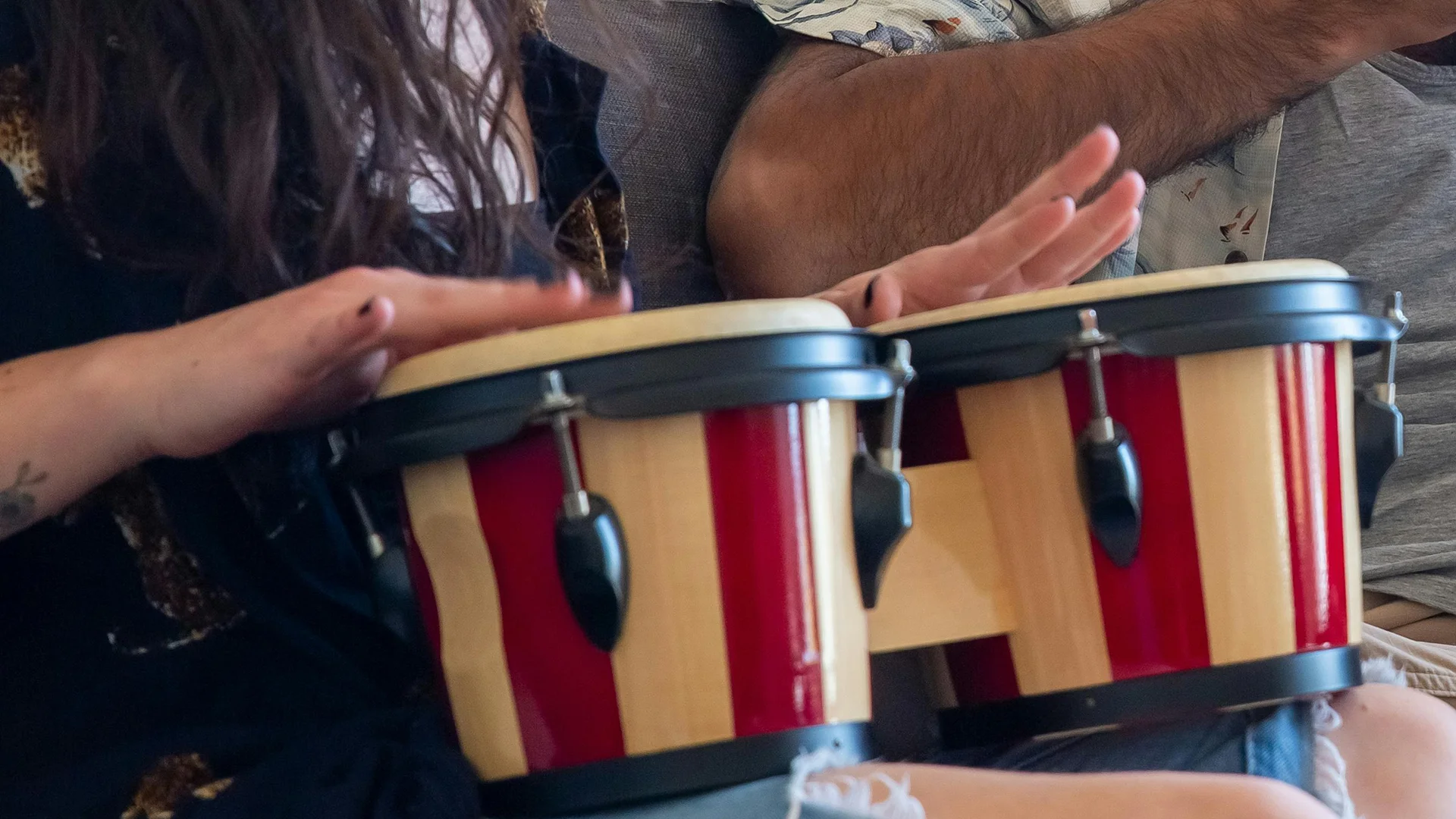
Not all bongos are created equal, and the perfect pair for one player might be completely wrong for another. Your musical style, where you'll be playing, and your personal technique all influence which bongos will serve you best.
Finding Your Sound Across Musical Genres
Traditional Latin and Afro-Cuban styles typically benefit from bongos with warm, organic tones that complement their historical context. For these genres, wooden shells with natural rawhide heads often provide the authentic sound character that connects players to the roots of bongo tradition. Mahogany and oak bongos with medium-thick rawhide heads have become the standard for traditional applications, offering the right balance of warmth and articulation.
If you're playing contemporary fusion, rock, or pop, you might prefer bongos with brighter projection and more attack. Maple or ash shells paired with synthetic heads can cut through dense musical arrangements with clarity. These combinations offer consistent performance in modern stage environments where traditional bongos might struggle to be heard.
Jazz and acoustic settings often call for more nuanced instruments with rich overtones and dynamic sensitivity. Here, premium wooden shells with carefully selected rawhide heads allow for the expressive playing that these contexts demand. The ability to produce subtle variations in tone through different playing techniques becomes particularly valuable in these more intimate musical settings.
Practical Considerations for Different Venues
Live performers face different challenges than studio players. On stage, durability and projection become crucial factors. Fiberglass shells with synthetic heads provide remarkable reliability under stage lights and changing environmental conditions. These materials maintain consistent tuning and can withstand the inevitable bumps and humidity changes that come with gigging life.
For studio recording, tonal richness often takes priority over durability concerns. In controlled environments, wooden bongos with natural heads can deliver the complex harmonics and organic response that sound engineers love. Many studio percussionists keep multiple sets of bongos to achieve different sound characters for various recording projects.
Travelers and teachers often prioritize portability and resilience. Lightweight shells with synthetic heads offer practical advantages for musicians who frequently transport their instruments. Hybrid construction methods can provide a good compromise, delivering acceptable sound quality in a more durable, travel-friendly package.
Technique and Ergonomics
Your playing technique and physical dimensions influence which bongos will work best for you. Traditional playing involves holding the bongos between your knees, which requires consideration of the overall width and weight of the connected drums. Stand-mounted playing allows for greater flexibility but introduces other ergonomic factors related to height and angle adjustments.
Players with larger hands may prefer slightly larger drums with more playing surface, while those with smaller hands might find standard or smaller bongos more comfortable to play. The distance between the drums also matters for techniques that involve moving quickly between macho and hembra.
Proper posture prevents hand and wrist fatigue regardless of which bongos you choose. When playing seated, keep your back straight and position the bongos so your hands can reach both drums comfortably without hunching forward. For stand-mounted playing, adjust the height so your elbows can maintain a natural, slightly bent position during play.
Sound Reinforcement Considerations
If you'll be playing amplified shows, consider how your bongos will interact with microphones. Synthetic heads generally produce fewer problematic overtones when miked, making sound engineers' jobs easier. Wooden shells typically provide warmer sounds through PA systems than fiberglass alternatives.
For recording situations, microphone placement dramatically affects captured sound. Position mics about 6-8 inches above the heads, angled slightly toward the center for balanced tone. Some engineers prefer using two microphones – one for each drum – to maintain greater control during mixing.
Room acoustics significantly impact bongo projection in live settings. In larger venues with reflective surfaces, brighter, more focused bongos might cut through better. In smaller, more intimate spaces, warmer instruments with richer overtones can create a more immersive percussive experience for listeners.
Recommended Bongos: Expert Picks
Finding the perfect pair of bongos can feel overwhelming with so many options available across different price points and designs. This selection of standout models represents the best options for players at every level, from beginners looking for their first quality instrument to professionals seeking specialized tools for performance and recording. Each recommendation balances sound quality, construction, and value to help players make confident investments in instruments that will serve them well for years to come.
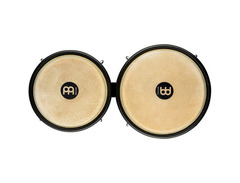
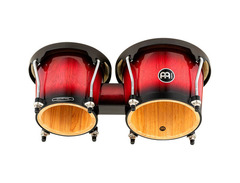
Meinl Percussion Headliner Series Bongos - Wine Red Burst
The Beginner's Gateway to Quality Sound






- Mellow, resonant tone that's great for various music settings
- Flawless finish and construction; visually impressive
- Durable and robust build suitable for hand and stick playing
- Responsive sound for both high and low volume playing
- See 5 more
- Heavier than expected, might be cumbersome for some
- Quieter than anticipated without additional muffling
- No included bag or cover for transport and protection
The Meinl Headliner Series bongos have established themselves as the benchmark for percussionists who are starting out and want quality construction without breaking the bank. These bongos feature 6.75-inch and 8-inch drum sizes built with natural buffalo hide heads that deliver surprisingly warm tones for instruments in this category.
Build Quality
The shells are made from Siam Oak, offering impressive resonance and robust projection while maintaining structural integrity. The 8mm strong tuning lugs provide reliable tension control, allowing players to dial in specific pitches with relative ease. The black powder-coated hardware shows attention to detail with smooth-turning lugs that maintain tuning stability during enthusiastic playing sessions.
Sound Characteristics
What distinguishes the Headliner Series from other beginner options is its balanced tonal profile that works across musical styles. The macho drum produces clear, defined high tones without the harsh overtones common in budget models. The hembra offers warm low tones with decent sustain, creating a complementary pair that sounds cohesive in patterns and fills.
While professional ears will detect the difference between these and high-end models, the Headliners produce authentic bongo sounds that record well and cut through acoustic jams with clarity. The hand-selected buffalo hide heads respond better to traditional playing techniques than the synthetic alternatives often found at similar price points.
Playability
The built-in connector ensures the drums maintain their proper relationship to each other, creating an ergonomic playing surface that helps beginners establish proper technique from the start. The wine red burst finish not only looks professional but adds to the overall experience of playing a quality instrument.
The overall weight balances stability with portability, making these ideal for students who need to transport their instruments to lessons. The included tuning wrench ensures players can make adjustments whenever needed to maintain optimal sound quality.
Durability
Meinl has reinforced the critical stress points where many beginner bongos eventually fail. The sturdy Siam Oak construction prevents warping even with frequent tuning changes. The beautiful wine red burst finish resists scratches and maintains its appearance through years of use.
The natural buffalo hide heads require some basic maintenance awareness regarding humidity, but with minimal care, these bongos maintain their playability and sound quality far longer than their price point would suggest. For students committed to developing their skills, the Headliner Series represents an investment that will serve them well through their formative years of playing.
LP Aspire Wood Bongos
Studio-Ready Performance in an Affordable Package


- Affordable yet high-quality sound and construction
- Easy to tune for optimal sound
- Durable build, suitable for frequent transport
- Attractive design options, including unique patterns
- See 6 more
- Heavier than expected, not ideal for lap playing
- May require a stand for comfortable play
- Cowhide heads have a mellow tone, limiting high-pitch notes
The Latin Percussion Aspire Wood Bongos represent the sweet spot where professional design meets beginner-friendly pricing. These bongos feature 6-3/4" and 8" natural rawhide heads that deliver impressive sound quality far beyond what most expect at this price point.
Build Quality
The Aspire series features kiln-dried, environmentally harvested Siam oak shells with a beautiful natural wood finish that balances resonance with durability. The traditional EZ Curve rims provide comfort during extended playing while maintaining the authentic feel percussionists expect. With 9/32" diameter tuning lugs, these bongos offer reliable tuning precision, allowing players to fine-tune their sound for different musical contexts.
Sound Characteristics
What sets the Aspire bongos apart is their remarkably open, resonant voice that projects clearly in both acoustic and amplified settings. The macho drum delivers crisp, cutting slap tones with well-defined pitch, while the hembra produces warm bass tones with surprising depth for drums in this category. The natural rawhide heads provide responsive feel and authentic tone that helps players develop proper technique.
The overall sound character strikes a pleasant balance between warmth and clarity, making these bongos suitable for a wide range of musical styles. The Cuban-style steel bottoms enhance projection without sacrificing tonal quality, ensuring these drums can be heard clearly in group playing situations.
Playability
The black powder-coated hardware operates smoothly and holds tension reliably, eliminating the frustration of constant retuning that plagues many entry-level instruments. The ergonomic EZ Curve rims provide excellent stability and playing comfort, reducing hand fatigue during extended practice sessions.
LP's attention to the relationship between shell depth and diameter creates instruments that respond predictably to different hand techniques, making these ideal for students working on developing proper playing form. The consistent response encourages players to explore the full range of traditional bongo sounds without fighting against the instrument.
Durability
Latin Percussion's decades of experience building percussion instruments for professional use is evident in the Aspire's construction. The Cuban-style steel bottoms protect the shells from damage when played on hard surfaces, and the premium hardware resists corrosion even with regular exposure to hand oils and moisture from playing.
The kiln-dried Siam oak construction ensures these bongos will maintain their structural integrity through years of use, making them an excellent investment for developing players. With reasonable care for the natural rawhide heads, these instruments will continue to sound good and operate smoothly for many years, growing with the player's developing skills.
LP Matador Wood Bongos
Masterful Craftsmanship for the Advancing Player

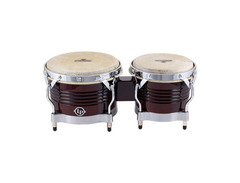


The Latin Percussion Matador series represents a significant step up in quality and performance for intermediate players ready to invest in instruments that will serve them through years of musical growth. These bongos showcase LP's dedication to craftsmanship while maintaining accessibility for advancing percussionists.
Build Quality
The Matador bongos feature premium Siam oak shells carefully selected for their excellent tonal properties and visual appeal. The shell construction strikes an ideal balance between weight and resonance, providing substantial projection without becoming cumbersome during extended playing sessions. The 5/16-inch diameter tuning lugs offer superior stability during intense performances, preventing the mid-gig detuning that can plague lesser instruments.
Sound Characteristics
What immediately distinguishes these bongos is their exceptionally balanced voice across both drums. The shells produce a rich, fundamental tone with controlled overtones that blend harmoniously in any mix. The natural rawhide heads contribute warm, organic texture while remaining responsive to subtle playing techniques.
The Matador series delivers impressive projection that cuts through dense musical arrangements without sounding harsh or thin. This makes them particularly well-suited for stage performances where clarity and presence are essential. The macho and hembra drums complement each other perfectly, creating a cohesive sound palette that works across traditional and contemporary musical contexts.
Playability
The traditional rims provide an authentic playing experience that serious percussionists will appreciate. The relationship between the two drums creates a comfortable playing position that reduces strain during extended performances. The responsive rawhide heads allow for nuanced expression, rewarding players who have developed more sophisticated techniques.
The exclusively designed chrome hardware not only enhances the visual appeal but also contributes to the overall playing experience through improved structural integrity. Players can focus entirely on their performance without worrying about hardware issues or instrument stability.
Durability
LP's professional-grade construction ensures these bongos will withstand the rigors of regular gigging and rehearsals. The robust tuning lugs maintain tension even during aggressive playing, significantly reducing the need for mid-performance adjustments. The chrome hardware resists corrosion and wear, maintaining both function and appearance through years of use.
The premium Siam oak shells resist warping and cracking, even when subjected to the temperature and humidity variations common in performance environments. While the natural rawhide heads require some basic maintenance awareness, they reward this care with improved tone and response over time, making these bongos an investment that actually improves with age.


Gon Bops Mariano Bongos With Chrome Hardware 7 and 8.5 in.
Authentic Cuban Sound from a Historic Brand


The Gon Bops Mariano Bongos carry forward a prestigious legacy dating back to 1954 when founder Mariano Bobadilla began crafting premium percussion instruments. These 7"/8.5" bongos represent a direct connection to authentic Cuban playing traditions while incorporating subtle modernizations that enhance reliability.
Build Quality
The Mariano bongos feature shells crafted from select lightweight Durian wood, chosen specifically for its superior resonance and tonal properties. This traditional wood choice contributes significantly to their authentic Cuban sound character. The classic chrome hardware provides both visual appeal and functional durability, with attention to detail evident in every component.
Sound Characteristics
What truly sets the Mariano bongos apart is their remarkably full-bodied tone that captures the essence of traditional Cuban percussion. The genuine calfskin heads deliver exceptional tonal complexity with a warm fundamental note complemented by rich, musical overtones. The dynamic range is particularly impressive, allowing for expressive playing from whisper-quiet accents to commanding slaps.
The relationship between the macho and hembra drums creates a perfect harmonic pairing that responds beautifully to traditional playing techniques. The open tones resonate with impressive depth, the slaps cut through with pristine clarity, and bass tones provide solid foundation. This tonal palette makes these bongos especially well-suited for traditional son cubano, salsa, and other Latin styles where authentic sound is paramount.
Playability
The traditional sizing and configuration create a familiar, comfortable playing experience for percussionists versed in Cuban techniques. The responsive calfskin heads reward proper technique, offering nuanced control over tone production through different hand positions and striking methods. The shells' lightweight construction reduces fatigue during extended playing sessions without compromising sound projection.
The 7"/8.5" pairing represents the classic bongo dimensions that have defined the instrument's role in Latin music for generations. This traditional sizing ensures these instruments will feel immediately familiar to experienced players while guiding developing percussionists toward authentic technique.
Durability
Despite their traditional construction, these bongos incorporate modern manufacturing standards that enhance longevity without compromising their authentic character. The chrome hardware resists corrosion from hand oils and environmental moisture, maintaining both functionality and appearance through years of use.
The selected Durian wood offers excellent stability in varying climate conditions, an important consideration for instruments that may be used in humid performance environments. While the calfskin heads require somewhat more attention to maintenance than synthetic alternatives, this care is rewarded with a living, responsive instrument that develops more character and depth with proper use over time.
LP LP793X Giovanni Galaxy Series Bongos Chrome
The Master's Choice for Uncompromising Performance

- Giovanni Galaxy Series Bongos offer incredible sound quality with crisp highs and deep lows
- Consistent sound projection aligns seamlessly with other Giovanni percussion instruments
- High-quality natural skins provide sharp, clear tones without needing replacement
- Solid, well-made construction ensures durability and longevity
- See 3 more
- Price point is considered high for a pair of bongos
Designed in collaboration with legendary percussionist Giovanni Hidalgo, these bongos embody decades of performance experience and Latin Percussion's commitment to excellence. The Galaxy Giovanni Series has earned its reputation as the instrument of choice for professionals who demand the absolute best in sound and reliability.
Build Quality
The Galaxy Giovanni bongos feature premium 3-ply North American ash shells that have been kiln-dried to ensure exceptional stability and tonal consistency. This meticulous drying process removes moisture content during manufacturing, significantly reducing the risk of cracking while enhancing the shells' natural resonance. The slightly oversized 7-1/4" and 8-5/8" dimensions offer expanded playing surfaces without compromising traditional feel.
The precision-engineered hardware showcases LP's attention to detail, with specially heat-treated, high-carbon steel tuning lugs featuring precision-cut threads for smooth operation and exceptional durability. The sideplates are intelligently designed with a wider top section that distributes tension over a larger surface area, preventing warping and ensuring tuning stability even under extreme playing conditions.
Sound Characteristics
What truly distinguishes these bongos is their remarkably detailed and articulate voice that works beautifully across musical genres. The premium ash shells provide exceptional projection with a balanced tonal character that combines warmth and clarity. The natural rawhide heads deliver responsive dynamics and complex overtones that reveal subtle playing nuances.
The slightly larger dimensions create a rich harmonic spectrum with impressive low-end response from the hembra and crystalline highs from the macho. This expanded tonal range makes these bongos equally at home in traditional Latin ensembles and contemporary fusion settings. Studio engineers particularly appreciate their clean articulation and controlled resonance, which require minimal processing in recordings.
Playability
The signature Comfort Curve II rims represent a significant ergonomic advancement, reducing hand fatigue during extended performances while maintaining the authentic feel professionals demand. The relationship between the two drums creates an intuitive playing experience that facilitates both traditional techniques and innovative approaches.
The natural finish showcases the beautiful ash grain pattern while providing a comfortable tactile experience against the player's legs in traditional playing position. Every aspect of these bongos reflects Giovanni Hidalgo's performance philosophy, creating instruments that respond instantly to the player's intentions without imposing limitations.
Durability
These bongos are built to withstand the rigors of professional touring and constant use. The premium kiln-dried ash construction maintains its structural integrity across different environmental conditions, from dry climate-controlled studios to humid outdoor festivals. The chrome hardware resists corrosion while maintaining its striking appearance through years of intense use.
Latin Percussion's reputation for building road-worthy percussion is fully evident in these signature instruments. The reinforced bearing edges resist wear even with frequent head replacements, and the precision hardware maintains smooth operation through countless tuning adjustments. For the serious professional, these bongos represent not just an instrument but a long-term investment in consistent, reliable performance.
.jpg?v=1775608278)

Pearl Elite Series Oak Bongos - 7" and 9"
The Ultimate Bongos for Discerning Professionals

Pearl's Elite Series represents the culmination of decades of percussion innovation, created by master craftsmen with an unwavering commitment to excellence. These bongos have earned their place in professional studios and concert stages worldwide through their remarkable combination of traditional warmth and modern reliability.
Build Quality
The Elite Series features premium Thai Oak shells selected for their superior tonal properties and natural beauty. This exceptional hardwood provides the perfect balance between warmth and projection that professional players demand. The slightly oversized configuration with 7" macho and 9" hembra drums creates an expanded tonal palette while maintaining traditional playability.
The polished steel hardware not only enhances the visual appeal but also provides exceptional durability for professional touring demands. Pearl's innovative Self-aligning Washer System represents a significant advancement in tuning technology, ensuring even tension distribution across the entire head surface while making adjustments remarkably straightforward.
Sound Characteristics
What immediately stands out about these bongos is their extraordinary tonal depth and complexity. The Thai Oak shells produce warm, rounded fundamental tones complemented by rich, musical overtones that blend beautifully in any mix. The genuine buffalo skin heads contribute a responsive, organic character that rewards nuanced playing techniques.
The oversized 9" hembra delivers exceptional bass response that extends the bongos' usable range into territory normally reserved for larger drums. This expanded low-end capability makes these bongos particularly versatile across musical genres, from traditional Latin styles to contemporary fusion and beyond. The 7" macho provides perfect tonal balance with articulate high frequencies that cut through without harshness.
Playability
Pearl's Contour Crown rims represent a significant ergonomic advancement, with their lower profile design reducing hand fatigue during extended playing sessions. This thoughtful feature allows players to focus entirely on their performance without the discomfort that can come from traditional high-profile rims.
The relationship between the two drums creates an intuitive playing experience that facilitates both traditional techniques and innovative approaches. The natural finish not only showcases the beautiful grain pattern of the Thai Oak but also provides a comfortable feel against the player's legs in traditional playing positions.
Durability
These bongos are built to professional standards that ensure years of reliable performance in demanding situations. The premium Thai Oak construction maintains structural integrity through varying environmental conditions, from climate-controlled studios to outdoor festivals. The polished steel hardware resists corrosion while maintaining its striking appearance through intensive use.
Pearl's reputation for building road-worthy percussion is fully evident in the Elite Series. The reinforced bearing edges resist wear even with frequent head replacements, and the precision Self-aligning Washer System maintains smooth operation through countless tuning adjustments. For serious professionals seeking instruments that combine traditional sound with modern reliability, these bongos represent an investment that will continue delivering exceptional performance for years to come.
Additional Insights for the Discerning Buyer
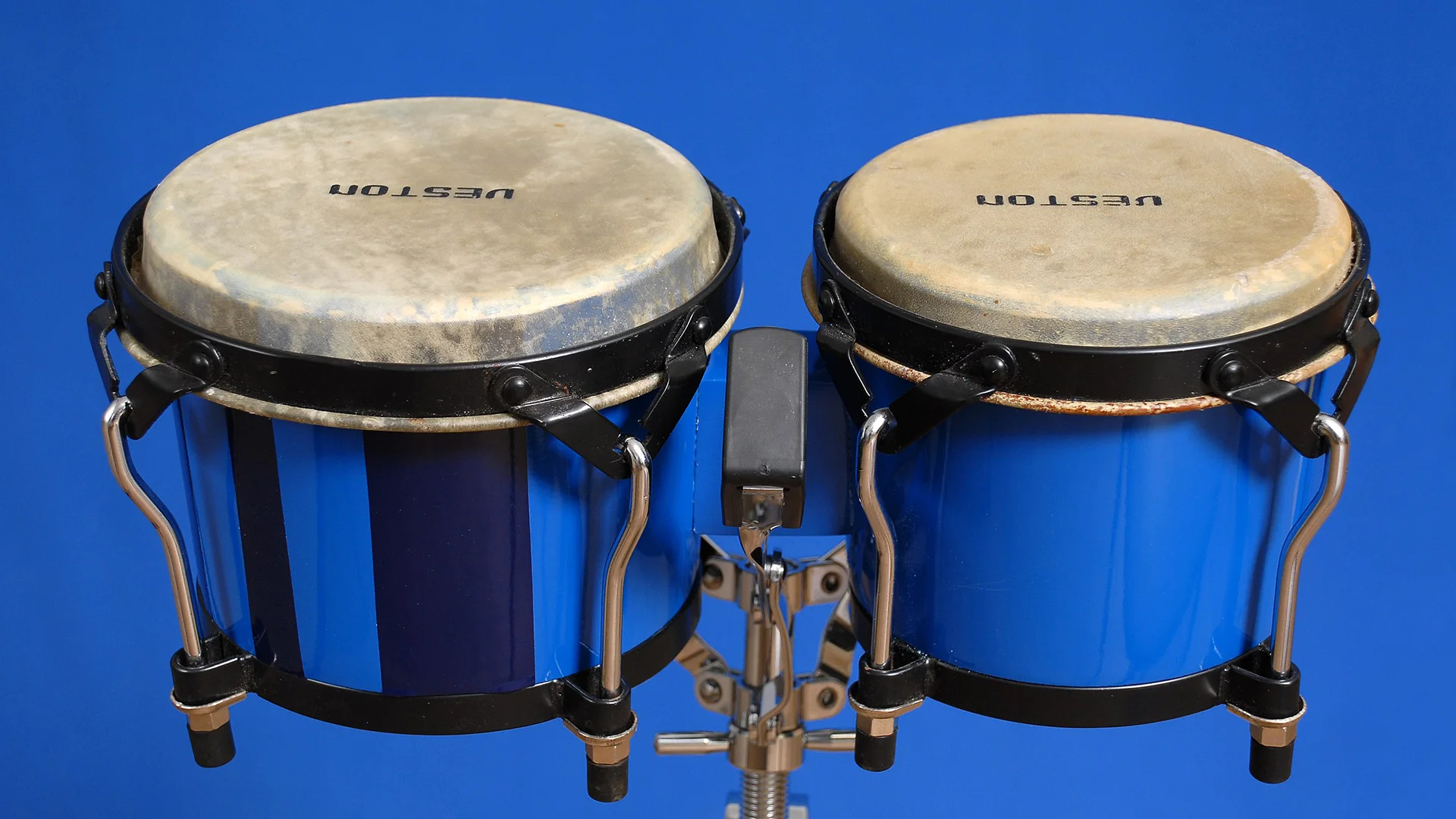
Understanding the broader context around bongo brands and manufacturing can help you make a more informed purchase decision. Beyond the immediate specs and sound qualities, these factors influence both performance and long-term value.
Brand Heritage and Reputation
Latin Percussion (LP) stands as perhaps the most recognized name in Western percussion, founded in 1964 by Martin Cohen who began creating instruments when trade embargoes limited access to Cuban percussion. Today, LP represents the gold standard for many percussionists, with their professional lines still setting industry benchmarks for quality and innovation. Their extensive artist roster includes legendary players like Giovanni Hidalgo and Tito Puente, whose feedback continues to refine their designs.
Meinl emerged from Germany in 1951, originally focusing on cymbals before expanding into hand percussion. Their methodical German engineering approach brings precision and consistency to traditional designs. While newer to the bongo market than LP, Meinl has quickly established a reputation for reliability and value, particularly in their entry and mid-level instruments.
Gon Bops carries perhaps the most authentic Cuban lineage, founded by Mariano Bobadilla in 1954 in California. Their instruments are renowned for maintaining traditional construction methods while incorporating subtle modern improvements. After changing ownership several times, the brand has returned to its roots of handcrafted quality focused on authentic sound.
Toca began in 1993 as part of the Kaman Music Corporation (now part of Fender), specifically targeting the growing market for affordable quality percussion. While younger than other major brands, they've carved out a niche with durable instruments that balance traditional designs with modern manufacturing efficiencies.
Pearl, primarily known for drum sets, brings their precision manufacturing expertise to their hand percussion line. Their approach tends toward innovation and modern construction techniques while respecting traditional tonal goals.
Resale Value Considerations
Professional-grade bongos from established manufacturers generally retain value remarkably well compared to many musical instruments. Latin Percussion's signature series and higher-end models like the Giovanni Galaxy line typically hold 60-70% of their value even after years of use, assuming reasonable condition. Similarly, Gon Bops Mariano models maintain strong resale value due to their traditional construction and authentic sound.
Limited editions, discontinued lines, and signature models often appreciate over time, sometimes selling for more than their original price. Vintage instruments from the 1960s through 1980s by major manufacturers can command premium prices from collectors and players seeking specific "old-school" sounds.
Entry-level bongos depreciate more quickly, but quality beginner models from respected brands like Meinl's Headliner series still maintain reasonable resale value, often selling used for 40-50% of original cost. This makes upgrading more financially feasible for advancing players.
Manufacturing Origin and Quality
The question of country of manufacture proves more nuanced than many assume. While traditional wisdom held that USA-made percussion was superior, the global nature of modern manufacturing has changed this calculus significantly.
Many premium bongos now utilize components from multiple countries, with final assembly occurring in North America. The wood might be sourced from one region, hardware manufactured in another, and final construction and quality control performed in a third location.
Asian manufacturing has improved dramatically over the past two decades, with factories in Thailand now producing instruments that rival or exceed the quality of many North American-made drums from previous eras. The key factor is no longer simply where an instrument is made, but the quality control standards and design specifications it must meet.
That said, certain high-end instruments still benefit from the hand-craftsmanship available in traditional centers of percussion manufacturing. Custom shops in the USA often provide attention to detail that's difficult to replicate in mass production, particularly in bearing edge work and shell finishing.
Rather than focusing exclusively on country of origin, consider the overall reputation of the specific model and the quality control standards of the manufacturer.
Additional Accessories & Setup Tips: Enhancing Your Bongo Experience
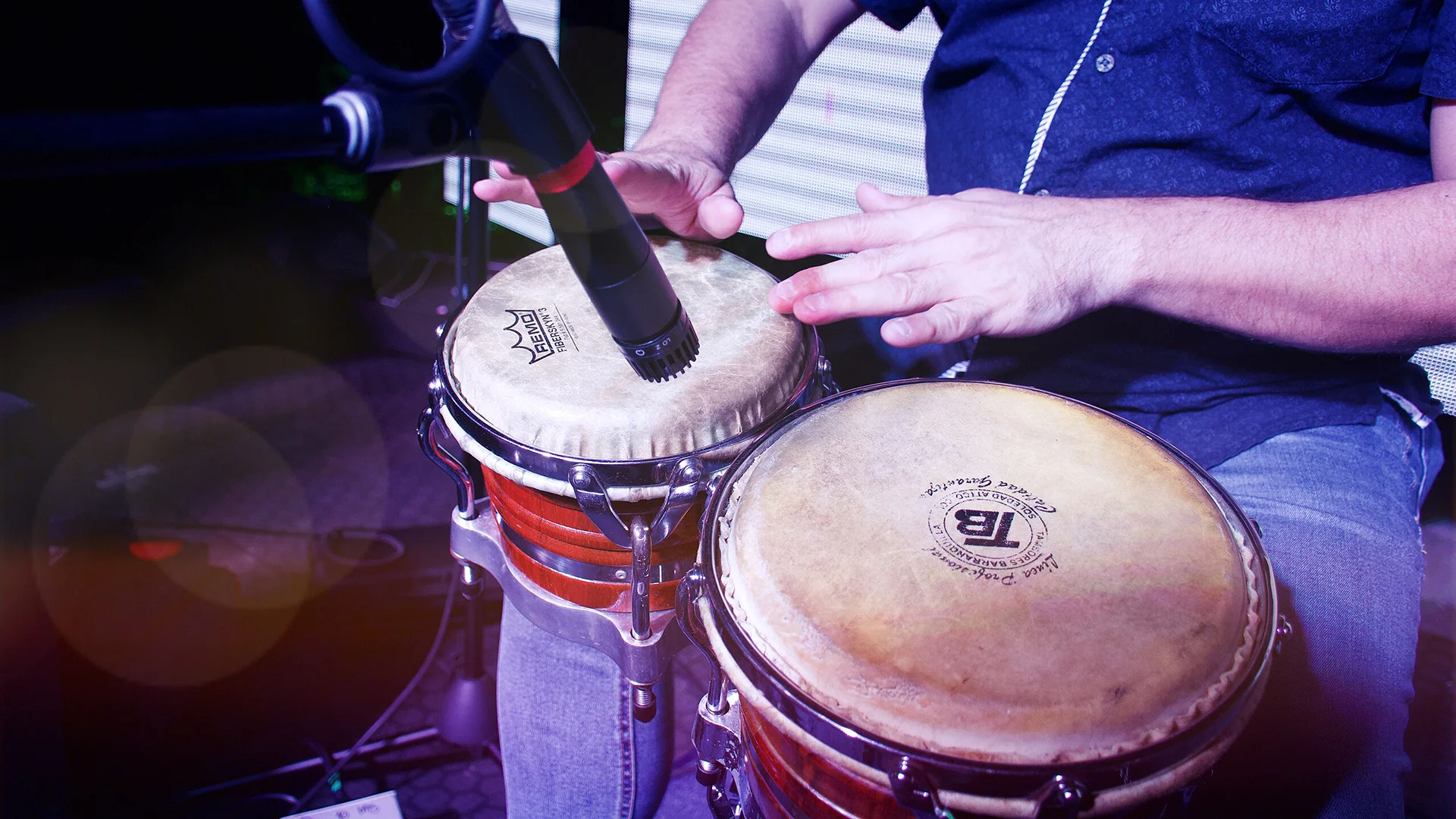
Getting the most from your bongos requires more than just the drums themselves. The right accessories can dramatically improve both sound quality and playing comfort while extending the life of your instruments.
Essential Bongo Stands: Playing Position Matters
Traditional bongo playing involves holding the drums between your knees while seated, but many contemporary players prefer using stands that offer consistent positioning and free up body movement. Modern bongo stands fall into two main categories:
Traditional basket-style stands cradle the bongos in a manner similar to holding them between your knees. These maintain much of the traditional feel and sound transmission while providing stability. They typically allow for angle adjustments to match your natural playing position and often fold compactly for transportation.
Mounting systems that attach directly to the shells offer maximum stability for aggressive playing styles. These systems typically feature memory locks that maintain your preferred position even when the stands are disassembled for transport. Many professional setups include multi-percussion mounting systems that allow bongos to be positioned alongside congas, timbales, or other percussion within easy reach.
When selecting a stand, consider both height and angle adjustability. Your arms should maintain a natural, slightly bent position while playing, with your hands falling comfortably onto the heads without straining your wrists or shoulders. The playing surface should typically be positioned between mid-thigh and waist height for most players.
Protective Cases: Safeguarding Your Investment
Quality bongos deserve protection during transport and storage. Soft cases provide sufficient protection for local gigs and rehearsals while adding minimal weight and bulk. Look for cases with at least 10mm of padding and reinforced stitching at stress points. Water-resistant external materials help protect against light rain and accidental spills.
Hard cases offer superior protection for air travel or shipping but add considerable weight and bulk. For professional touring, the additional investment can prevent costly damage. Some manufacturers offer custom-fitted hard cases designed specifically for their high-end bongo models, providing maximum protection while minimizing unnecessary space and weight.
Regardless of case type, ensure the interior dimensions accommodate your specific bongos comfortably without excessive movement. Cases that are too large allow drums to shift during transport, potentially causing damage, while those that are too small can place stress on the shells and hardware.
Bongo Mallets: Expanding Your Sound Palette
While bongos are primarily played with the hands, specialty mallets can create unique sounds for specific musical contexts. Soft felt mallets produce warm, sustained tones that blend beautifully in jazz and contemporary settings. These are particularly useful for creating gentle, rolling patterns that would be difficult to sustain with hand techniques.
Multi-percussion players often employ rattan or wooden timbale sticks for quick accents on bongos during complex arrangements. These produce bright, cutting tones that project clearly through dense musical textures. When using sticks, synthetic heads generally prove more durable than natural skins, which can be damaged by repeated stick impacts.
For recording and sound design applications, unconventional implements like brushes, bundle sticks, or even household items can produce fascinating textures on bongo surfaces. Experimenting with different implements can uncover unique sounds that distinguish your playing from others.
Maintenance Tips: Caring for Your Bongos
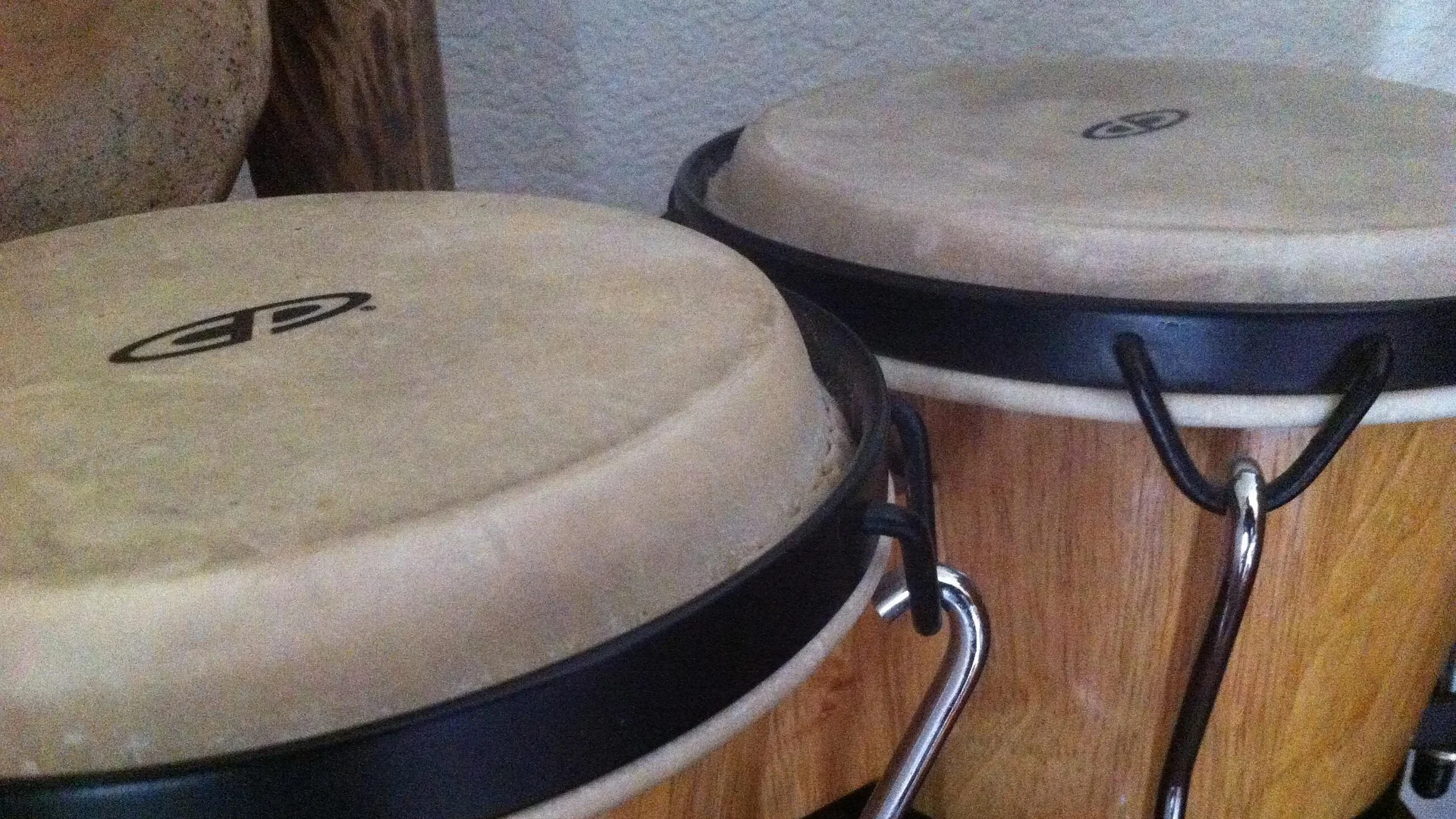
Proper maintenance not only prolongs the life of your bongos but also ensures they continue to produce their optimal sound. Different components require specific care approaches to maintain their integrity and performance.
Caring for Natural Rawhide Heads
Natural skin heads require specific care to maintain optimal sound and longevity. In dry environments, occasional light application of unscented lanolin or specialized drum head oil prevents cracking and maintains proper flexibility. Apply sparingly with a clean cloth, focusing on areas that appear dry or stiff.
In humid conditions, natural heads often require the opposite treatment. A light dusting with talcum powder can absorb excess moisture that would otherwise cause heads to become too loose. Some players use carefully directed low heat from a hair dryer to temporarily tighten overly slack heads just before performance.
Regular cleaning with a slightly damp cloth removes hand oils and dirt that can degrade head material over time. Avoid chemical cleaners or household products, which can damage natural materials. After cleaning, allow heads to dry completely before storage or case transport.
Shell and Hardware Maintenance
Wooden shells benefit from occasional treatment with appropriate wood oils or conditioners to prevent drying and cracking. Use products specifically designed for musical instruments rather than general furniture polishes, which may contain silicones or other compounds that affect acoustics. Apply sparingly to a soft cloth rather than directly to the shell, and buff thoroughly to remove any excess.
Hardware requires minimal maintenance beyond occasional cleaning and checking for loose components. Wipe chrome or steel parts with a soft, dry cloth after playing to remove fingerprints and moisture that could lead to corrosion. For stubborn tarnish, a cloth slightly dampened with plain water usually suffices—avoid chemical metal polishes that might affect nearby wood or heads.
Periodically inspect and gently tighten mounting hardware that may loosen through regular playing. Be careful not to over-tighten, which can strip threads or damage shells. A drop of blue (medium-strength) threadlocker on tuning lug screws can prevent unwanted loosening while still allowing future adjustments.
Proper Storage Practices
Proper storage significantly extends the life of your bongos. Store instruments in a climate-controlled environment whenever possible, avoiding extremes of temperature and humidity. Rapid environmental changes cause expansion and contraction that can stress both shells and heads.
When storing for extended periods, maintain moderate tension on heads rather than loosening completely. Extremely loose heads allow the bearing edge to lose contact with the head, potentially causing warping or uneven response when returned to playing tension.
Position bongos upright on their rims or suspended in appropriate stands rather than laying them on their sides. This prevents uneven pressure on shells that could lead to structural issues over time.
Finding a qualified bongo teacher – Why mentorship matters
While online tutorials provide valuable starting points, working with a qualified teacher accelerates development and prevents technical problems that can limit progress. A good teacher tailors instruction to your specific goals and physical attributes while providing immediate feedback impossible to obtain from recorded lessons.
When seeking a teacher, look for someone with performance experience in your preferred musical styles rather than focusing solely on teaching credentials. The best teachers combine technical mastery with the ability to communicate concepts clearly and adapt their approach to different learning styles. Many professional percussionists offer lessons both in-person and online, making quality instruction accessible regardless of location.
Group classes provide additional benefits through community learning and ensemble experience, allowing you to develop the crucial skill of playing with others.
FAQs
Are fiberglass bongos good for traditional playing?
Fiberglass bongos can certainly be used for traditional playing styles, though they typically produce brighter, more focused tones than wooden drums. Many professional players use fiberglass bongos in situations where traditional wooden drums might be compromised by environmental factors. For purely traditional sound, wooden bongos with natural heads remain the standard, but modern fiberglass instruments have improved significantly in tonal quality. The best approach is to select instruments based on your specific musical contexts rather than adhering strictly to either traditional or modern materials.
How often should I tune my bongos?
Bongos with natural heads typically require tuning before each performance or practice session, particularly if stored in environments with varying humidity. Synthetic heads maintain more consistent tension but still benefit from occasional checking and adjustment. Regular tuning not only ensures optimal sound but also extends head life by maintaining even tension across the playing surface. Many professionals consider tuning part of their warm-up routine, using this time to connect with their instruments before playing.
Can I use drumsticks on bongos?
While bongos are primarily designed for hand techniques, lightweight sticks, rods, or brushes can create interesting textures for specific musical situations. Synthetic heads generally tolerate stick play better than natural skins, which can be damaged by repeated impacts. If you plan to incorporate extensive stick techniques, consider using bongos specifically designed for this purpose or accept that you may need to replace heads more frequently. Many percussionists reserve one set of bongos for experimental techniques while maintaining another for traditional hand playing.
What's the difference between bongos and congas?
Bongos and congas differ in size, playing position, and musical role. Bongos consist of two small drums played together, typically producing higher pitches with more articulate attack. They're traditionally held between the knees or mounted on stands. Congas are larger single drums played in sets of two or more, producing deeper tones with more sustain. They stand on the floor or are mounted individually. While sharing some basic hand techniques, each instrument has developed specialized playing approaches optimized for its particular voice and musical role.
The Rhythmic Journey Continues
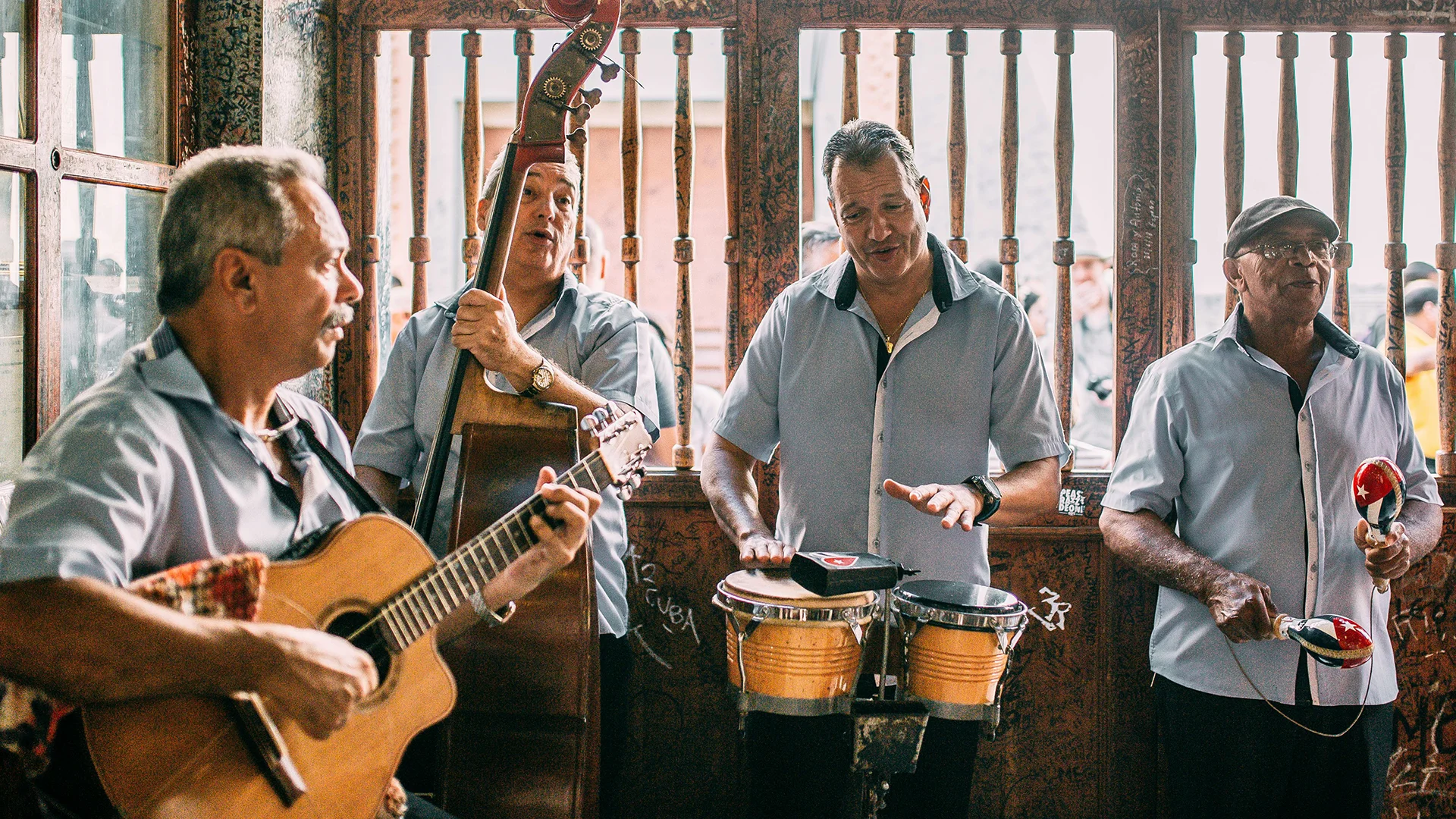
Selecting the right bongos marks just the beginning of a lifelong rhythmic exploration. These deceptively simple drums offer endless possibilities for expression, from the most traditional Cuban patterns to cutting-edge fusion applications. As you develop your relationship with your chosen instruments, you'll discover how slight variations in playing position, hand technique, and even the moisture in your palms can transform the sound in subtle but meaningful ways.
Whether you're starting with beginner-friendly options like the Meinl Percussion Headliner Series or the reliable LP Aspire Wood Bongos, advancing to intermediate models like the Latin Percussion Matador Wood Bongos or the traditional Gon Bops Mariano, or investing in professional instruments like the LP Giovanni Galaxy Series or Pearl Elite Series Oak Bongos, quality instruments reward your dedication with improved sound and response over time.
Remember that bongos, perhaps more than many instruments, truly improve with playing. The heads respond to consistent use by developing character and voice unique to your particular touch. Wooden shells mature as they vibrate over years of performance, often sounding warmer and more resonant with age. Even the hardware develops a certain seasoned reliability through regular, careful adjustment.
The perfect bongos provide more than just pleasing sounds they offer an intimate connection to centuries of musical tradition while simultaneously opening doors to new creative possibilities. Whether you're a beginning student drawn to their accessibility, a working professional requiring reliable performance tools, or a passionate hobbyist seeking authentic self-expression, quality bongos reward your investment with both immediate satisfaction and long-term growth.
As you continue your percussive journey, allow yourself to be guided both by technical considerations and by that indefinable feeling when an instrument simply feels right in your hands. Trust your ears, consult experienced players when possible, and remember that the best bongos for you are ultimately the ones that inspire you to play more often, more joyfully, and more creatively.
Top Ranked Bongos on Equipboard


About the authors

S. Jino is an accomplished multi-instrumentalist and music producer based in Kolkata, India, distinguished by his self-taught mastery and unique blend of technical acumen and musical performance. His extensive experience was forged through hands-on dedication, starting with the full restoration of a broken guitar. Jino's capabilities span keyboards, pedals, and advanced digital production, reflecting a comprehensive skill set developed independently. As a significant contributor to the music scene, Jino regularly performs with worship bands and college ensembles. He has also established himself as a reliable and authoritative professional in freelance mixing, mastering, and original music creation. Inspired by the innovative sounds of Brian May and David Gilmour, and influenced by Kolkata's vibrant metal community, Jino is committed to the intricate art of vintage gear restoration and the continuous exploration of music and technology fusion. His current professional setup, featuring a meticulously restored nameless guitar, a Fender Player Strat, and a Boss Katana 50. Read more


.webp)
.webp)
.webp)
.webp)