Table of Contents

Equipboard
Equipboard is the world's largest community of artists and their gear. Read our review process.
We are reader-supported. When you buy through links on our site, we may earn an affiliate commission. Learn more.
Our Picks

Overall Best: The DW 9002XF represents decades of pedal evolution refined into one exceptional instrument. This pedal delivers the smooth, responsive feel that made DW famous while incorporating modern features that today's drummers demand.
Read more


Trick Pro 1-V Double Bass Pedal
Best for Speed: The Trick Pro 1-V Bigfoot throws conventional pedal design out the window in pursuit of pure, unadulterated speed. This direct drive masterpiece uses aerospace-grade materials and radical engineering to create what many consider the fastest pedal on the market.
Read more
Tama Iron Cobra Power Glide Double Bass Drum Pedal
Best for Power: The Tama Iron Cobra 900 has earned its reputation through decades of punishment from the world's hardest-hitting drummers. This chain drive workhorse delivers devastating power while maintaining the control needed for precise playing.
Read more
Mapex p500tw Double Bass Drum Pedal
Best Budget Option: The Mapex P500TW proves that limited funds don't have to mean limited performance. This affordable double pedal delivers surprising quality and features typically found on models costing significantly more.
Read more

Pearl P932 Chain Drive Double Pedal
Best for Beginners: The Pearl P932 Demonator combines user-friendly features with Pearl's renowned build quality to create an ideal entry point into double bass drumming. This pedal removes barriers to learning while providing room to grow as skills develop.
Read more
DW DWCPMCD2XF MCD Machined Chain Drive Double Bass Drum Pedal with Extended Footboard - Polished
Best High-End: The DW DWCPMCD2XF MCD represents the absolute pinnacle of double bass pedal engineering. This machined chain drive masterpiece incorporates every advancement from DW's decades of pedal innovation into one extraordinary instrument.
Read more
Best for E-Kits: The Roland RDH-102 acknowledges that electronic drums require different pedal characteristics than acoustic sets. This purpose-built design optimizes every aspect for triggering accuracy and playing comfort during extended electronic sessions.
Read moreThe right double bass pedal can transform your drumming from good to extraordinary. Whether you're blazing through metal blast beats or laying down intricate fusion patterns, your pedals serve as the critical connection between your musical ideas and the kick drum that drives your rhythm section. Yet with dozens of models flooding the market, each promising superior speed, power, and feel, finding the perfect match for your playing style and budget can feel overwhelming.
This comprehensive guide cuts through the marketing hype to deliver real insights about what makes a great double bass pedal. We'll explore the mechanics behind different drive systems, decode the features that actually matter, and review the standout models across every price range and playing style.
Double Bass Pedal Anatomy 101
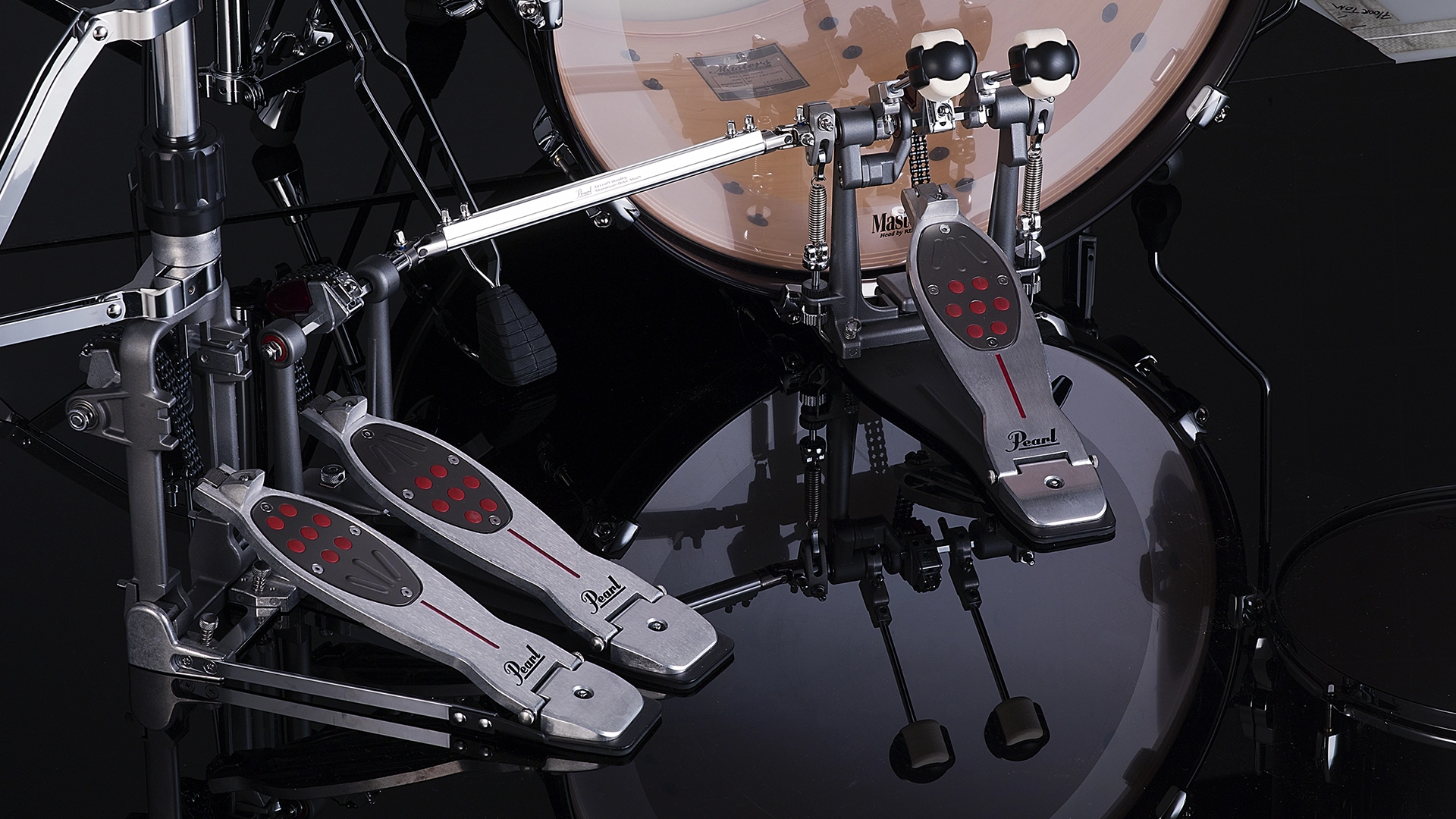
Understanding the components of your double bass pedal helps you make smarter buying decisions and optimize your setup for peak performance. While manufacturers love to tout proprietary technologies and fancy names, the fundamentals remain consistent across all quality pedals.
The Footboard
The footboard is where your foot makes contact with the pedal, and its design directly affects your playing comfort and technique. Longboards offer more surface area and leverage, making them ideal for heel-toe techniques and players who prefer a smoother, more controlled feel. Standard boards provide a more traditional response that many drummers find familiar and predictable.
Drive Types: Chain, Direct, and Belt
The drive mechanism translates your foot motion into beater movement, and each type offers distinct characteristics that suit different playing styles.
Chain drive pedals remain the industry standard for good reason. They deliver consistent power and a familiar feel that most drummers grew up playing. The slight flex in the chain creates a natural acceleration curve that many players find musical and expressive.
Direct drive systems eliminate the middleman by connecting the footboard directly to the cam via a solid linkage. This creates an immediate, precise response that speed demons and technical players often prefer. The lack of flex means every subtle foot movement translates instantly to the beater.
Belt drive pedals split the difference, using industrial-grade straps to create a smooth, quiet action. The belt's slight elasticity provides a unique feel that some describe as "buttery" or "organic."
Cam Design
The cam is the rotating piece that converts linear pedal motion into the arc of your beater swing. Round cams provide linear acceleration, meaning the beater moves at a consistent rate throughout its travel. Eccentric or offset cams create variable acceleration, typically providing more power at the end of the stroke. Many modern pedals feature interchangeable cams, letting you customize the feel to match your technique.
Beaters
Often overlooked but critically important, beaters come in various weights and materials that dramatically affect your sound and feel. Felt beaters produce a warm, punchy tone ideal for most musical contexts. Plastic or wood beaters deliver more attack and volume, perfect for cutting through dense metal mixes. The beater's weight affects both the pedal's response and the effort required to play rapid patterns.
Spring Tension
The spring returns your footboard to its resting position after each stroke. Proper tension balancing is crucial: too loose and the pedal feels sluggish; too tight and you'll fatigue quickly during extended playing. Most quality pedals offer precise tension adjustment, often with visual indicators to help you match settings between your primary and secondary pedals.
Linkage Shaft
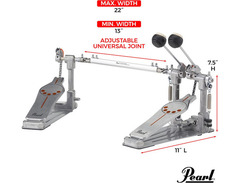
The shaft connecting your primary and secondary pedals needs to be both rigid and adjustable. Modern universal joints accommodate various drum configurations while maintaining consistent feel between both pedals.
Mounting Clamps and Base Stability
A pedal that moves around while you play is worse than useless. Quality clamps should grip your bass drum hoop securely without damaging it, while the base plate should provide a stable platform that doesn't flex under aggressive playing. Many high-end pedals now feature extended base plates that improve stability and allow for more adjustment options.
What to Consider When Buying
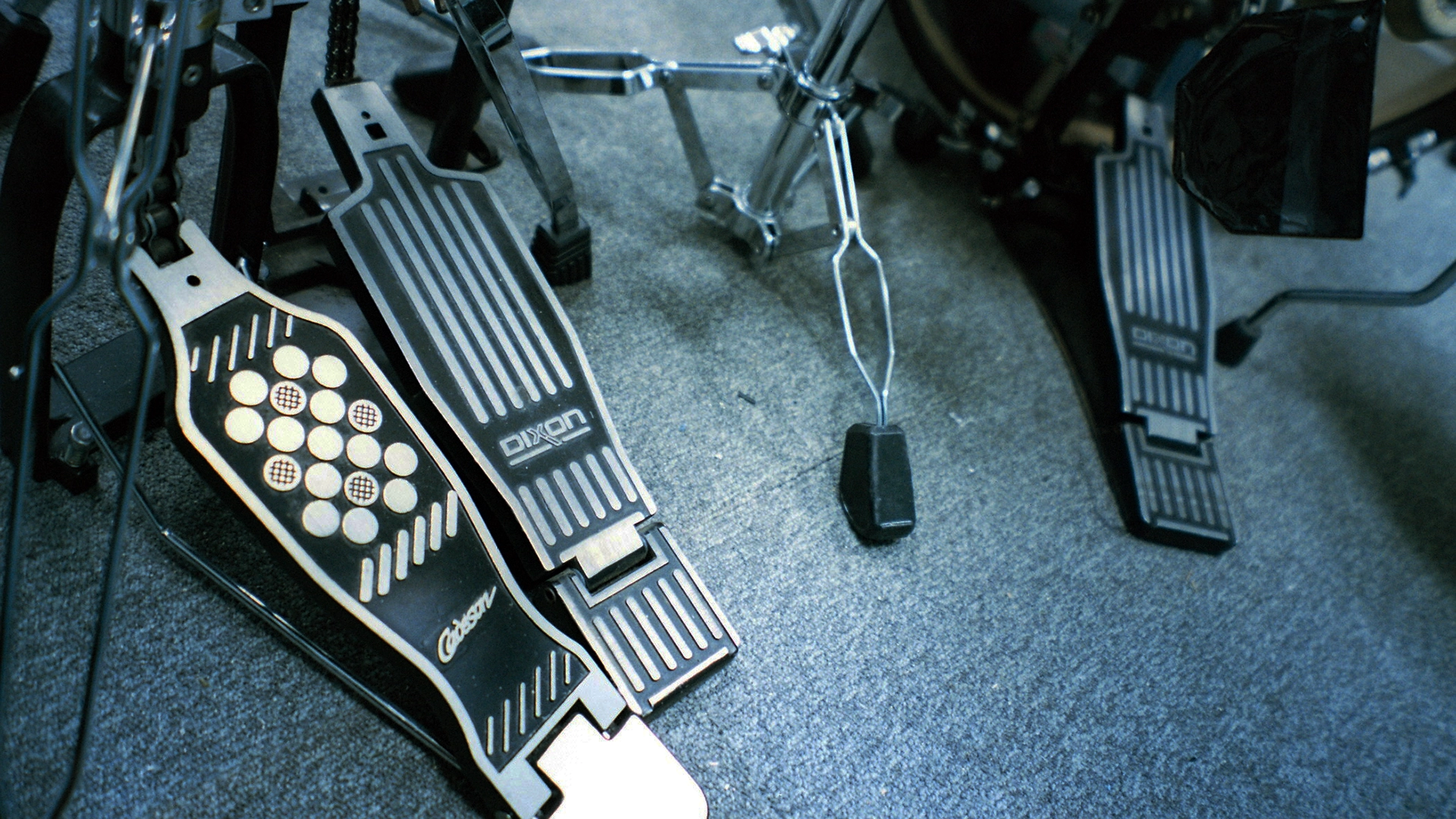
Choosing the right double bass pedal involves balancing multiple factors beyond just price and appearance. Your playing style, physical preferences, and musical goals all play crucial roles in finding the perfect match.
Budget Ranges
Entry-level pedals typically run under $300 and offer solid performance for beginners and intermediate players. These models might lack some refinements but deliver reliable function for practice and smaller gigs. Mid-range options between $300-600 provide professional features like better bearings, more adjustment options, and improved build quality. Premium pedals above $600 represent the pinnacle of engineering, with exotic materials, extreme precision, and features designed for touring professionals.
Genre-Specific Needs
Your musical style heavily influences pedal choice. Metal drummers often prioritize speed and power, gravitating toward direct drive systems or chain drives with aggressive cams. The ability to execute rapid-fire double bass patterns without fatigue becomes paramount. Jazz and fusion players might prefer pedals with more nuanced response and dynamic range, often choosing models with moderate spring tension and rounded cams for better ghost note articulation.
Rock drummers typically want a balance of power and control, making chain drive pedals with offset cams popular choices. The pedal should deliver solid single strokes while still allowing for occasional double bass flourishes. Progressive and technical drummers often invest in highly adjustable pedals that can be fine-tuned for specific techniques and odd time signatures.
Adjustability and Build Quality
The best pedal in the world won't help if you can't adjust it to fit your body and playing style. Look for models offering independent adjustment of spring tension, beater angle, footboard height, and cam position. Build quality shows in the details: smooth bearings, tight tolerances, and robust construction that survives years of abuse.
Portability for Gigs vs Studio Use
Gigging drummers face different challenges than studio players. If you're constantly loading in and out, consider pedals that pack down compactly and set up quickly. Some models feature memory locks that preserve your settings between uses. Studio drummers might prioritize ultimate adjustability and feel over portability, choosing heavier pedals with more complex adjustment mechanisms.
Best Double Bass Drum Pedals
We've categorized our top picks to help you quickly identify models that match your specific needs and budget. Each pedal earned its spot through a combination of performance, reliability, and value within its category. Whether you're chasing speed, power, or simply the best bang for your buck, these pedals represent the current best of double bass pedal design.
DW 9002 XF Double Pedal
4.5 (4)
Where Innovation Meets Tradition










Average Price: $825
High-end/Boutique
$199
$500+
Budget
Standard
High-end
- Exceptionally smooth and quick action enhances drumming precision and speed
- Highly adjustable settings for personalized use and comfort
- Wide footplate offers ample space for versatile footwork
- Durable construction with a sturdy, appealing design
- See 4 more
- Driveshaft quality can be subpar, may require aftermarket replacements
- High price point may deter budget-conscious buyers
- Extensive adjustment options can be overwhelming and confusing
- Heel-toe technique may be challenging for users with certain shoe sizes
Engineering Excellence
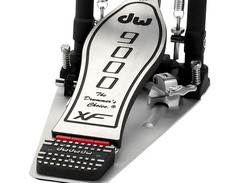
DW's Floating Rotor technology creates an incredibly smooth action by minimizing friction between moving parts. The pedal uses precision bearings throughout, resulting in a feel so smooth that many drummers describe it as "playing itself." The extended footboard provides extra leverage for heel-toe techniques while maintaining balance for traditional playing styles.
The 9002XF features DW's Tri-Pivot Toe Clamp, which grips your bass drum hoop from multiple angles without requiring excessive pressure. This design prevents the common issue of pedals loosening during intense playing sessions. The base plate extends far enough back to accommodate different playing positions without compromising stability.
Customization Options
The Infinitely Adjustable Cam allows you to fine-tune the acceleration curve to match your exact preferences, not just choose between preset options. Combined with the adjustable footboard angle and beater position, you can dial in a feel that perfectly complements your technique.
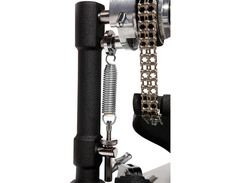
The pedal ships with multiple beater options, including felt and plastic heads of different weights. This lets you optimize both feel and sound without purchasing aftermarket accessories. The spring assembly features visual indicators that make matching tension between primary and secondary pedals straightforward.
Real-World Performance
Professional drummers across genres rely on the 9002XF for its consistency night after night. The pedal maintains its settings through temperature changes and heavy use, crucial for touring musicians who can't spend time readjusting their gear at every venue. While some players initially find the extensive adjustability overwhelming, most discover their ideal settings within a few practice sessions and rarely need to change them again.
The 9002XF excels at both thunderous single strokes and lightning-fast doubles. Jazz drummers appreciate its dynamic sensitivity, while metal players love how it maintains clarity during blast beats. This versatility, combined with bulletproof construction, justifies its position as our overall top pick.
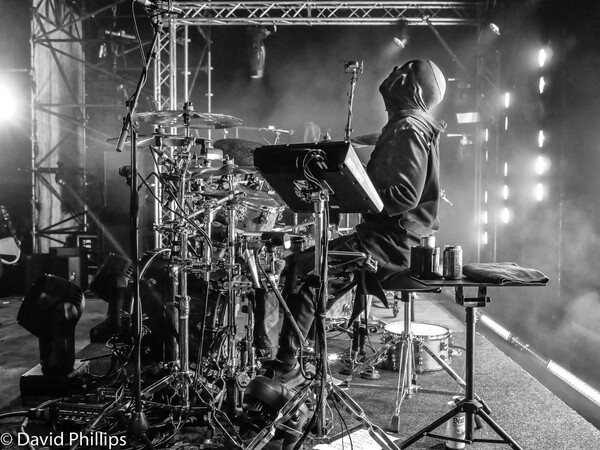
See how artists use this






.jpg)
Trick Pro 1-V Double Bass Pedal
Engineering Precision for Ultimate Speed

Average Price: $1,142
High-end/Boutique
$199
$500+
Budget
Standard
High-end
- Extremely high build quality ensures durability and longevity
- Direct drive offers unparalleled speed and precision
- Endless customization allows for personalized setups
- Modularity between single and double pedal setups provides versatility
- See 4 more
- Delivery times can be lengthy and unpredictable
- No case included, requiring extra purchase for protection
- Customization options can be overwhelming for some users
Revolutionary Design
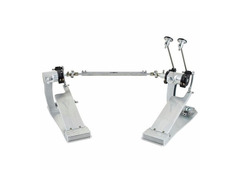
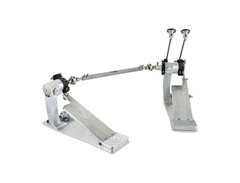
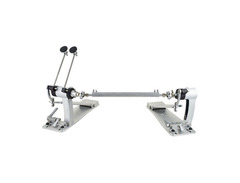
The Pro 1-V's most striking feature is its compression spring system, which completely eliminates the traditional extension spring. This design provides consistent tension throughout the pedal's range of motion, reducing the effort required for rapid playing. The footboard sits incredibly low to the ground, minimizing the distance your foot needs to travel for each stroke.
Trick manufactures every component in-house using CNC machines typically reserved for aerospace applications. The result is tolerances so tight that the pedal feels more like a precision instrument than traditional drum hardware. The aluminum construction keeps weight minimal while maintaining exceptional rigidity.
Speed-Focused Features
The pedal's split footboard design might look unusual, but it serves a specific purpose. By reducing the footboard's mass, Trick minimized the inertia you need to overcome with each stroke. Combined with the ultra-light beaters and frictionless pivot points, the Pro 1-V responds to the slightest foot movements instantly.
The adjustment system uses micro-fine threads that allow incredibly precise setup. Every parameter can be tweaked in tiny increments, letting you find the exact sweet spot for your technique. The pedal includes multiple cam options, though most speed players prefer the aggressive acceleration of the default configuration.
Learning Curve and Rewards
Transitioning to the Pro 1-V requires dedication. The pedal's ultra-responsive nature means sloppy technique becomes immediately apparent. Many drummers report a frustrating adjustment period where their playing actually gets worse before improving dramatically. However, those who persist often achieve speed and control they never thought possible.
The Pro 1-V particularly shines for drummers playing extreme metal genres where sustained high-speed patterns are essential. Bands like Meshuggah and Infant Annihilator feature drummers who've mastered similar ultra-responsive pedals to achieve their inhuman tempos. While not ideal for every style, the Pro 1-V remains unmatched for pure speed potential.
See how artists use this


Tama Iron Cobra Power Glide Double Bass Drum Pedal
5.0 (16)
The Power Player's Choice

Average Price: $499
Standard/Professional
$199
$500+
Budget
Standard
High-end
- Significantly lighter feel without sacrificing durability or mechanical integrity
- Smooth and fast action enhances double strokes and precision
- Provides a perfect balance of smoothness, resistance, weight, and speed
- Improved beater design offers better sound definition and volume
- See 6 more
- Some units have occasional quality control issues, like noisy bearings or stiff joints
- Beaters are not reversible, requiring additional purchases for electronic drum use
- Made in China, raising some concerns about long-term durability
Built for Battle
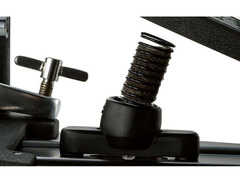
Tama designed the Iron Cobra specifically for drummers who play with authority. The pedal features an extra-wide base plate that provides rock-solid stability even during the most aggressive performances. The Power Glide cam creates increasing acceleration through the stroke, culminating in maximum impact at the beater's contact point.
The Cobra Coil spring returns the footboard quickly without feeling overly stiff, allowing for rapid successive strokes while maintaining power. The bearings used throughout are sealed units designed to survive years of heavy use without maintenance. Even the adjustment bolts feature extra-deep threads to prevent stripping under high tension.
Power-Enhancing Features
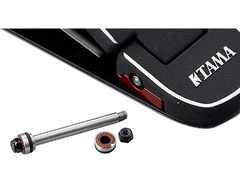
The Iron Cobra's chain uses specially shaped links that reduce friction while maintaining strength. This design creates a smooth yet positive feel that many drummers describe as "connected" or "mechanical" in the best sense. The pedal includes Tama's Speedo-Ring, a unique bearing system that eliminates side-to-side motion in the chain assembly.
The stock beaters feature additional weight concentrated at the striking surface, increasing impact without requiring extra effort from the player. The beater angle can be adjusted independently from the footboard angle, allowing you to optimize power transfer for your specific technique.
Professional Reliability
What truly distinguishes the Iron Cobra is its legendary reliability. Touring drummers report using the same pedal for years without any component failures. The design prioritizes function over flash, with every feature serving a specific purpose. While some pedals require constant tweaking, the Iron Cobra tends to stay where you set it.
Metal and hard rock drummers particularly appreciate how the Iron Cobra maintains clarity and punch even when tuning bass drums low. Artists like Lars Ulrich and Chris Adler have relied on Iron Cobras to deliver their signature powerful sounds night after night. For drummers who prioritize impact and reliability over ultimate speed, the Iron Cobra 900 remains an unbeatable choice.
See how artists use this


.jpg?v=1784796217)






Mapex p500tw Double Bass Drum Pedal
4.5 (4)
Budget Excellence Without Compromise

- Budget-friendly option for beginners and intermediate drummers
- Durable construction with a sturdy metal base
- Easy to assemble and adjust, with standard drum key included
- Smooth and fast pedal response for its price range
- See 5 more
- Single chain drive may cause slight lag on left pedal
- Lugs and connectors can loosen over time
- Paint may chip and chains may rust in humid environments
- Limited leverage and pedal angle adjustments
- See 1 more
Smart Design Choices
Mapex focused their budget on components that directly affect playability while simplifying areas that don't. The pedal uses a traditional chain drive system with quality bearings at all pivot points. While the base plate might not feature the exotic cutouts of premium pedals, it provides stable support for energetic playing.
The dual-surface beaters included with the P500TW offer felt on one side and plastic on the other, effectively giving you two sound options without purchasing additional beaters. The spring assembly, while basic, provides smooth action and consistent tension. Most importantly, the universal joint connecting the pedals uses the same design as Mapex's professional models.
Practical Features
Despite its affordable price, the P500TW includes independent spring tension adjustment for each pedal, crucial for achieving balanced feel. The beater angle and footboard height can be adjusted to accommodate different playing positions. While the adjustment mechanisms might not offer the micro-precision of expensive pedals, they provide enough range for most drummers to find comfortable settings.
The pedal's straightforward design actually becomes an advantage for beginners. Without overwhelming adjustment options, new players can focus on developing technique rather than endlessly tweaking settings. The instruction manual clearly explains each adjustment, making initial setup painless.
Value Proposition
Where the P500TW truly shines is reliability relative to its price point. While it might not survive decades of professional touring, it handles practice room duties and weekend gigs without complaint. Many drum teachers recommend it as an ideal first double pedal that won't limit student progress.
The P500TW works particularly well for drummers exploring double bass techniques without committing to a specific style. Its balanced response accommodates everything from basic rock patterns to more adventurous metal experiments. For students, weekend warriors, or anyone needing a reliable backup pedal, the Mapex P500TW delivers exceptional value.
Pearl P932 Chain Drive Double Pedal
4.5 (4)
The Beginner's Best Friend

Average Price: $315
Standard/Professional
$199
$500+
Budget
Standard
High-end
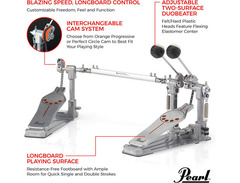
- Highly adjustable beaters and footboards
- Smooth, responsive pedal action
- Great build durability and solid construction
- Affordable price for the quality
- See 6 more
- Some side-to-side play in the pedal
- Drive shaft can be too tight on one end
- Plastic spring tension adjusters might not be as durable as metal ones
- Pedal linkage rod may be too long for some setups
- See 1 more
Beginner-Focused Design
Pearl designed the Demonator with new double bass players in mind. The pedal features a medium footboard length that accommodates various foot sizes and techniques without overwhelming newcomers. The chain drive system provides familiar feel for drummers upgrading from single pedals, while the moderate cam profile delivers predictable response across the entire stroke.
Setup simplicity sets the Demonator apart from more complex pedals. The instruction manual uses clear diagrams and plain language to guide first-time users through assembly and basic adjustments. Color-coded adjustment points help beginners understand which settings affect which aspects of pedal feel.
Learning-Friendly Features
The P932's Eliminator-style cam can be reversed to provide two different feel options: a round profile for linear response or an offset profile for increased power. This lets developing drummers experiment with different feels without purchasing multiple pedals. The beater height adjustment uses a simple collar system that maintains settings reliably.
The pedal includes Pearl's Dual-Side Beater with felt and plastic surfaces, allowing beginners to explore different sounds. The base plate features etched guides showing optimal positioning for various bass drum sizes, eliminating guesswork during setup. Even the spring tension indicators use clear markings that make matching settings between pedals straightforward.
Growth Potential
While marketed toward beginners, the Demonator doesn't impose artificial limitations on developing players. The pedal responds well to improving technique, revealing subtleties as players progress. Many drummers who started with a Demonator continue using it for practice or rehearsals even after upgrading to premium pedals for performance.
The P932 handles various musical styles competently, from basic rock beats to more complex patterns. Its forgiving nature helps beginners build confidence while learning proper technique. For drum instructors, the Demonator's consistency makes it easy to diagnose student technical issues without pedal quirks interfering. At its price point, the P932 Demonator offers the perfect balance of quality, features, and ease of use for aspiring double bass drummers.
See how artists use this


DW DWCPMCD2XF MCD Machined Chain Drive Double Bass Drum Pedal with Extended Footboard - Polished
The Pinnacle of Precision

Precision Manufacturing
Every component of the MCD undergoes precision machining from solid aluminum or steel billets. This manufacturing process, typically reserved for aerospace components, creates parts with tolerances measured in thousandths of an inch. The result is a pedal with absolutely zero play or unwanted movement in any component.
The machined chain itself represents a revolutionary advancement. Unlike traditional stamped chains, each link is individually crafted and hand-assembled. This creates a drive system with the positive feel of chain drive but smoothness approaching direct drive. The pivot points use aircraft-grade bearings that maintain their precision through years of heavy use.
Ultimate Adjustability
The MCD takes DW's already extensive adjustability to extremes. Beyond the standard adjustments, this pedal features micro-adjustable beater weights, allowing you to fine-tune the mass distribution for your exact preferences. The spring assembly includes not just tension adjustment but also preload settings that affect how the spring engages at different points in the stroke.
The Infinitely Adjustable Cam on the MCD goes beyond the standard 9002XF version, offering even finer control over acceleration curves. Combined with adjustable chain length and multiple footboard positions, the customization possibilities become almost overwhelming. DW includes a detailed setup guide that helps players navigate these options systematically.
Professional Performance
What justifies the MCD's premium price is its absolute consistency and refinement. Every stroke feels identical, whether you're playing pianissimo ghost notes or fortissimo accents. The pedal maintains its feel across temperature extremes and never develops the slight looseness that affects even quality pedals over time.
Professional drummers who've invested in the MCD report it feeling less like using a pedal and more like having a direct neural connection to their bass drum. Artists like Terry Bozzio and Thomas Lang, known for their technical precision, choose similar ultra-high-end pedals for their ability to faithfully reproduce every nuance of foot technique. For drummers who demand the absolute best and have the skill to appreciate such refinement, the MCD stands alone.

Roland RDH-102
Digital Precision

Average Price: $498
Standard/Professional
$199
$500+
Budget
Standard
High-end
Electronic Optimization
Traditional acoustic pedals often struggle with electronic kits due to trigger sensitivity issues and noise concerns. The RDH-102 addresses these challenges through purpose-built design. The beater uses a specially formulated rubber compound that provides consistent trigger response without the harsh impact of felt or plastic beaters. This material also operates nearly silently, crucial for apartment practice.
The pedal mechanism itself emphasizes smooth, consistent motion over raw power. Since electronic bass drums don't require physical impact to produce volume, Roland optimized the action for comfort and precision. The noise-dampening base reduces vibration transmission to floors, keeping neighbors happy during late-night practice sessions.
Trigger-Friendly Features
Roland designed the RDH-102 to work seamlessly with their electronic drum modules. The beater motion creates an ideal trigger velocity curve that translates foot dynamics accurately into MIDI data. This means ghost notes register reliably while strong accents don't cause unwanted double triggers.
The spring tension range accommodates the lighter touch typically used with electronic kits. Players can achieve rapid doubles and complex patterns without the fatigue associated with acoustic pedals set for maximum volume. The footboard angle adjustment helps players find the sweet spot for both comfort and trigger accuracy.
Practice and Performance
Beyond its electronic optimization, the RDH-102 serves as an excellent practice tool. The quiet operation allows drummers to work on technique at any hour without disturbing others. The consistent feel helps develop muscle memory that translates well to acoustic playing, though some adjustment is needed when switching between electronic and acoustic setups.
For electronic drummers performing live or recording, the RDH-102's reliability becomes crucial. The pedal maintains consistent trigger response across different modules and software, eliminating the frustration of constantly adjusting velocity curves. While it might not satisfy drummers who primarily play acoustic kits, the RDH-102 remains the smart choice for dedicated electronic players.


Setup Tips
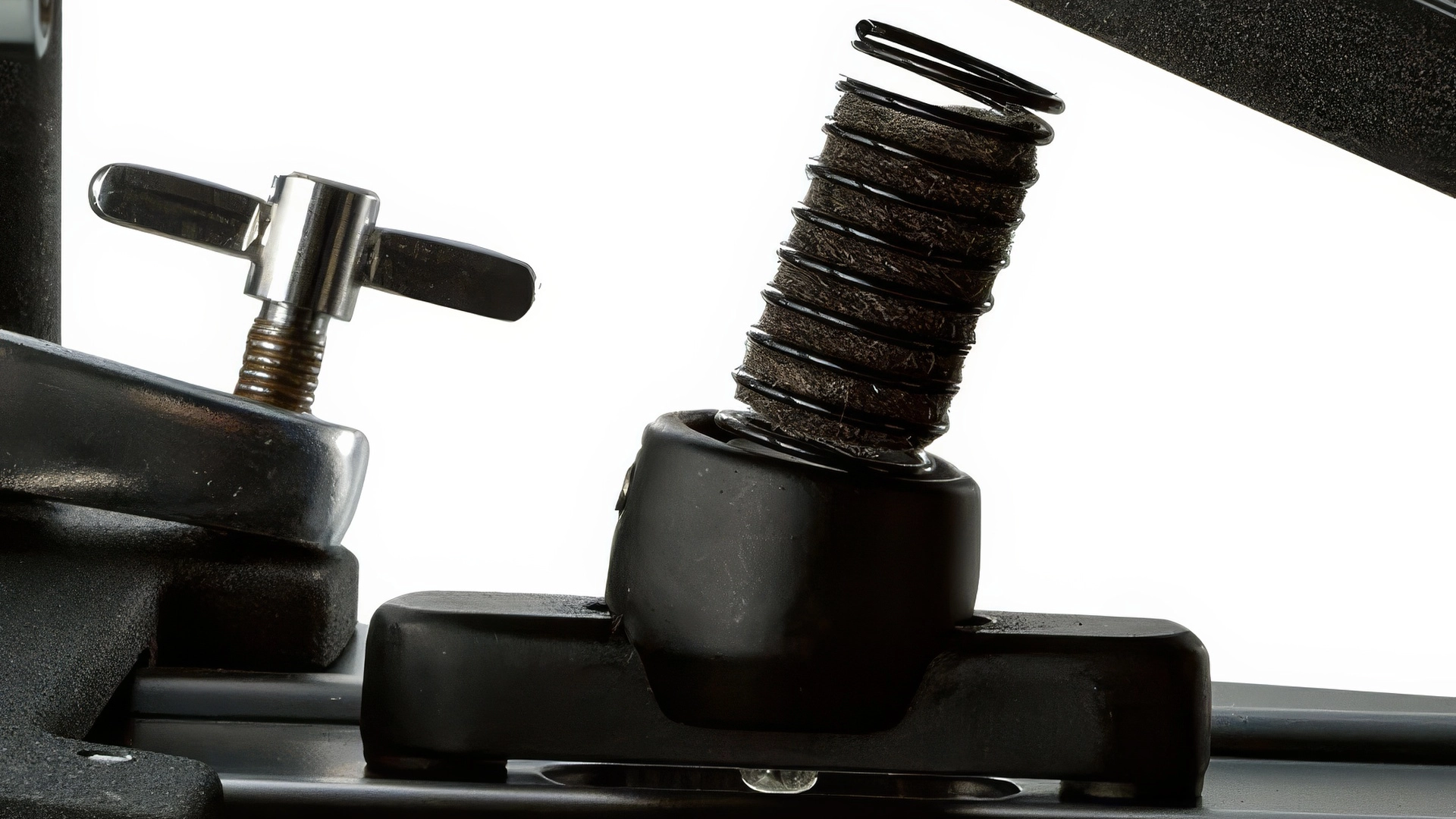
Proper setup transforms even modest pedals into responsive extensions of your musical vision. Taking time to dial in your settings pays dividends in comfort, speed, and injury prevention.
Adjusting Tension, Angle, and Spacing
Start with spring tension adjusted to barely return the footboard to resting position. This provides a baseline from which to increase tension based on your playing style and tempo requirements. Faster playing generally requires slightly higher tension to ensure quick return, but excessive tension causes premature fatigue and reduces dynamic control.
Footboard angle dramatically affects both power and endurance. A flatter angle (parallel to the floor) favors ankle technique and speed, while a steeper angle engages more leg muscles for power. Most players find their sweet spot between 45 and 60 degrees, though this varies with individual anatomy and technique.
Pedal spacing often gets overlooked but significantly impacts playing comfort. Your feet should sit naturally without splaying outward or cramping inward.
Matching Feel Between Pedals
Achieving identical feel between primary and secondary pedals requires methodical adjustment. Start by matching spring tensions using visual indicators or counting adjustment turns. Next, ensure both beaters strike at the same angle and height. Even small discrepancies create an uneven feel that disrupts timing and technique.
The linkage shaft must be perfectly level to ensure equal power transmission. Use a small level or visual reference to check alignment.
Common Setup Frustrations
Many drummers struggle with pedals that feel great individually but fight each other when connected. This usually stems from mismatched beater angles or uneven base plate heights. Ensure both pedals sit on the same plane, using thin washers or felt strips to level them if necessary.
Lateral movement during playing often indicates insufficient hoop clamp pressure or worn rubber grips. Before cranking clamps dangerously tight, clean both the clamp and hoop surfaces. A small amount of rubber conditioner on the clamp grips can restore their grabbing power without over-tightening.
Squeaking and unwanted noise typically originate from dry pivot points or loose components. While modern sealed bearings require no maintenance, traditional bearing surfaces benefit from occasional light oil. Check all adjustment bolts periodically, as vibration can loosen them over time.
Maintenance Advice
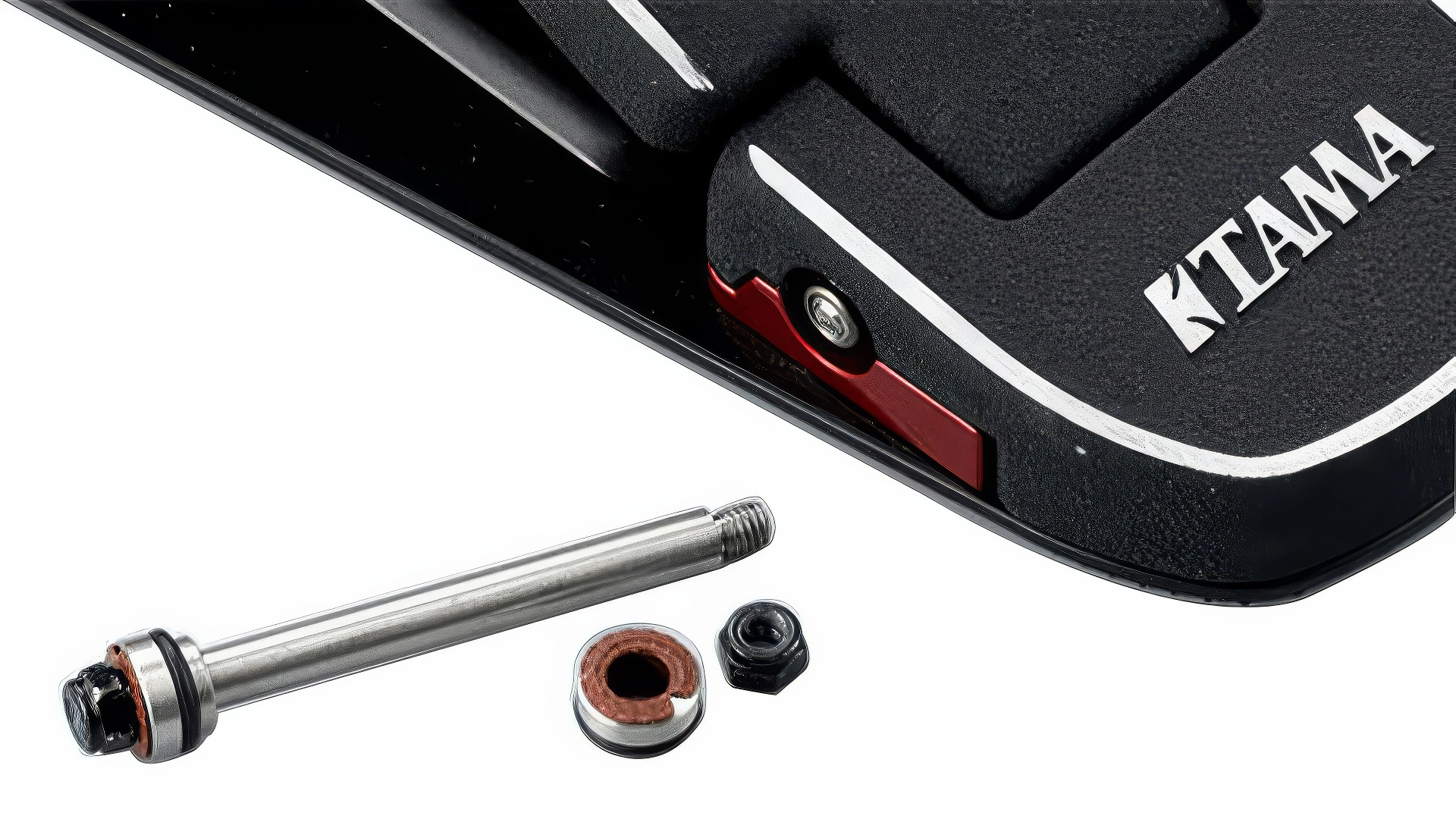
Regular maintenance extends pedal life dramatically while ensuring consistent performance. A few minutes of care after every few gigs prevents major repairs and frustrating failures during crucial moments.
Lubrication Schedule
Modern sealed bearings theoretically require no maintenance, but reality proves otherwise. Every three months, place a tiny drop of light machine oil where shafts enter bearings. Work the pedal to distribute the lubricant, then wipe away excess to prevent dust accumulation. This simple step prevents the grinding feel that develops in neglected pedals.
Chain drives benefit from monthly light lubrication using dry chain lube designed for bicycles. Avoid heavy oils that attract dirt and gum up the mechanism. Direct drive linkages typically need only cleaning, though a tiny amount of dry lubricant on sliding surfaces reduces friction. Belt drives should be kept clean and dry, checking periodically for fraying or stretching.
Cleaning Linkages and Cams
Dust and debris accumulate in pedal mechanisms, particularly in club environments. Monthly cleaning with compressed air removes most buildup. For stubborn grime, use isopropyl alcohol on a cloth, avoiding excessive moisture around bearings. Pay special attention to spring assemblies where dust can create uneven tension.
Cams develop a buildup of rubber residue from beater impacts. Clean this quarterly using alcohol or specialized rubber cleaner. This maintains the designed feel and prevents the cam profile from changing over time.
Inspecting Wear and Tear
Regular inspection catches problems before they cause failures. Check universal joints for play by grasping each pedal and attempting to move them independently. Any looseness indicates worn joints requiring replacement. Examine chains for stretched or damaged links, particularly where they attach to the footboard and cam.
Spring condition affects feel more than most drummers realize. Look for corrosion, permanent bending, or coil separation. Even quality springs eventually lose tension, making periodic replacement worthwhile for maintaining consistent feel. Beater shafts can develop slight bends from repeated impacts, causing wobbling or uneven strikes. Rolling the shaft on a flat surface reveals any warping requiring attention.
Base plates sometimes crack around mounting holes after years of stress. These hairline fractures might not cause immediate failure but will eventually sideline your pedal at the worst possible moment. Finally, inspect rubber components like hoop clamp grips and base plate cushions.
FAQs
Direct vs Chain drive double bass pedals?
Direct drive pedals offer immediate response and maximum precision since there's no flex in the drive system. They excel for technical playing requiring subtle control and extreme speed. Chain drives provide a more traditional feel with slight elasticity that many drummers find musical and forgiving. Neither is inherently superior; the choice depends on your playing style and preferences.
Can I convert a single pedal kit to a double bass pedal?
Most manufacturers offer conversion kits to transform single pedals into double setups. However, buying a matched double pedal set usually provides better value and consistency. Conversion kits work well for drummers who already own a high-end single pedal and want to experiment with double bass techniques without major investment.
Are expensive pedals worth double bass pedals?
Premium pedals offer refinements in smoothness, adjustability, and durability that professionals appreciate. However, mid-range pedals from reputable manufacturers provide excellent performance for most players. Expensive pedals become worthwhile when you've developed technique sophisticated enough to appreciate their subtleties or need absolute reliability for professional use.
How often should I tune/service double bass pedals?
Basic maintenance like cleaning and lubrication should happen monthly for regular players. Full servicing, including bearing inspection and spring replacement, makes sense annually or after heavy tour schedules. Listen to your pedal: developing squeaks, uneven feel, or loose components indicate immediate attention needed regardless of schedule.
Conclusion
Choosing the perfect double bass pedal ultimately comes down to matching equipment to your musical goals and physical preferences. The DW 9002XF remains our overall top choice for its exceptional adjustability and consistent performance across all genres. Speed demons will find their match in the Trick Pro 1-V Bigfoot, while power players can't go wrong with the Tama Iron Cobra 900.
Budget-conscious drummers should seriously consider the Mapex P500TW, which delivers surprising quality at an accessible price point. Beginners will appreciate the user-friendly design of the Pearl P932 Demonator, while those seeking ultimate refinement can invest in the extraordinary DW DWCPMCD2XF MCD. Electronic drummers will find the Roland RDH-102 perfectly optimized for their needs.
Remember that even the finest pedal requires proper setup and maintenance to perform its best. Take time to experiment with adjustments, develop consistent maintenance habits, and most importantly, practice regularly. Your perfect pedal is out there waiting to help you express your musical vision.
Top Ranked Bass Drum Pedals on Equipboard


$99.00 - $599.99
5.0 (16)
5.0 (16)


About the authors

S. Jino is an accomplished multi-instrumentalist and music producer based in Kolkata, India, distinguished by his self-taught mastery and unique blend of technical acumen and musical performance. His extensive experience was forged through hands-on dedication, starting with the full restoration of a broken guitar. Jino's capabilities span keyboards, pedals, and advanced digital production, reflecting a comprehensive skill set developed independently. As a significant contributor to the music scene, Jino regularly performs with worship bands and college ensembles. He has also established himself as a reliable and authoritative professional in freelance mixing, mastering, and original music creation. Inspired by the innovative sounds of Brian May and David Gilmour, and influenced by Kolkata's vibrant metal community, Jino is committed to the intricate art of vintage gear restoration and the continuous exploration of music and technology fusion. His current professional setup, featuring a meticulously restored nameless guitar, a Fender Player Strat, and a Boss Katana 50. Read more
New in Drum Pedals

$324.00 - $399.99


$294.00 - $314.99
in Bass Drum Pedals Rank


$247.10 - $269.99
in Bass Drum Pedals Rank




.webp)
.webp)