Sting
singer, songwriter & member of The Police
Credits
Credits
Sting's Keyboards and Synthesizers


Sting utilizes one or two Moog Taurus I bass pedals to enhance the sound of The Police, particularly allowing him to play bass lines or fill notes with his feet. This setup is evident in performances of "Don't Stand So Close to Me." The source photo from Retrosound shows the gear in use. Andy Summers is also noted to use the Moog Taurus II.
Find it on:


Sting regularly performed "Invisible Sun" on an Oberheim OB-Xa synthesizer live with The Police during the early 80s, for instance in this video of the Gateshead concert on 31 July 1982 at around the 59:30 mark. The Oberheim was Sting's main synthesizer both on tour and in the studio for both the Ghost In The Machine and Synchronicity albums, before it was replaced with the Synclavier.
According to Hugh Padgham in an interview featured in the March 1984 issue of Studio Sound magazine, Sting never liked spending ages programming a synth (the Oberheim OB-Xa in this case) to get particular sounds he wanted. Instead he'd say he wants roughly such-and-such and runs through the different presets available on the synth until he found something. "Walking In Your Footsteps" is an example of this.
Find it on:

In this photo from a concert in Paris on 3 May 1986, Sting can be seen playing a Yamaha DX7 synthesizer.
Find it on:

In a live performance of "We Work the Black Seam Together," Sting uses the NED Synclavier II, showcasing its role in the pre-production phase of his solo career. This is documented in a YouTube video by bedz2big.
Find it on:
-m.webp?v=1783346542)
Sting is photographed (by Andy Summers and Lynn Goldsmith) playing a Prophet-10 synthesizer in the studio during the Ghost In The Machine sessions. So the Prophet-10 possibly appears on the album in places.
Find it on:


The Casio was Sting's main writing tools around the time of the Ghost In The Machine album in 1981. For instance, he wrote the main riff to "Spirits In The Material World" on the Casio in the back of a tour bus somewhere.
In photos from the Montserrat sessions, the band can be seen fiddling around with the Casiotone M-10. In footage of the Jools Holland interview, the Casio is visible in front of the Portastudio near the 3:00 mark.
Plus, Stewart Copeland remembers in a Songfacts interview that the mallet line in "King Of Pain" originated as a set of chords played by Sting on a Casio keyboard, with a rather "clinky sound". But it was decided that the riff be played on a Xylophone instead to make it sound more organic.
Find it on:

One of Sting's onstage instruments during the Regatta De Blanc and Zenyatta Mondatta tours between 1979 and 1981, before it was replaced with the Oberheim OB-Xa polyphonic synth. He dabbled with the Minimoog occasionally during the setlist, in particular "Walking On The Moon" at around the 5:15 mark in the video above.
Find it on:


This is a community-built gear list for Sting.
- Find relevant music gear like Microphones, Guitars, Amplifiers, Effects Pedals, Bass Guitars, Software Plugins and VSTs, Keyboards and Synthesizers, Instruments, and other instruments and add it to Sting.
- The best places to look for gear usage are typically on the artist's social media, YouTube, live performance images, and interviews.
- To receive email updates when Sting is seen with new gear, follow the artist.
Discography
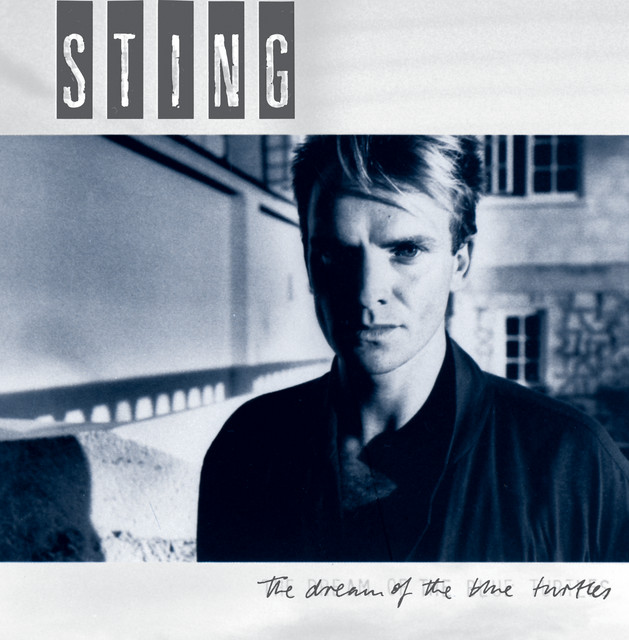
The Dream Of The Blue Turtles
1985
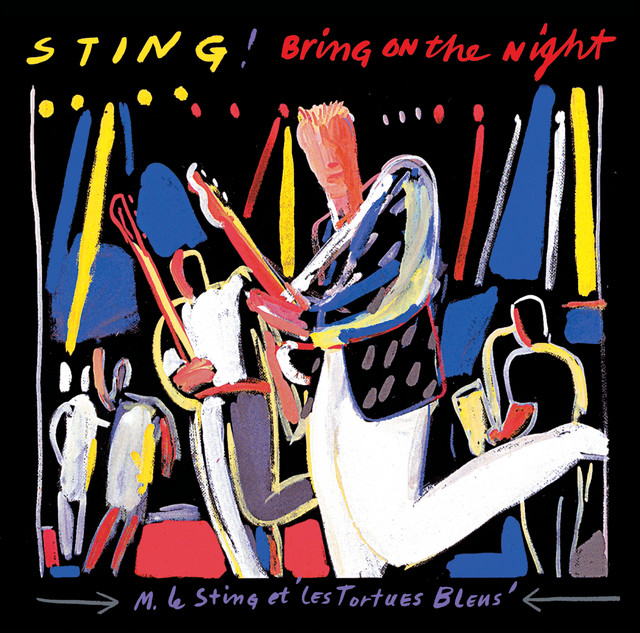
Bring On The Night (Live)
1986
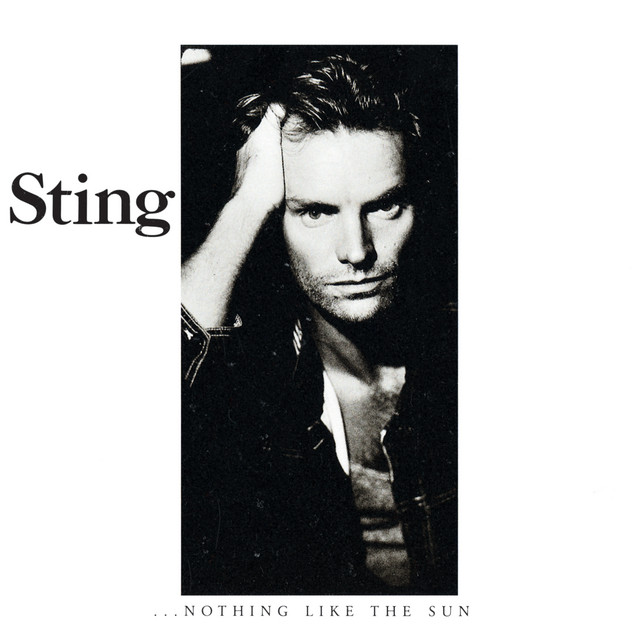
...Nothing Like The Sun
1987
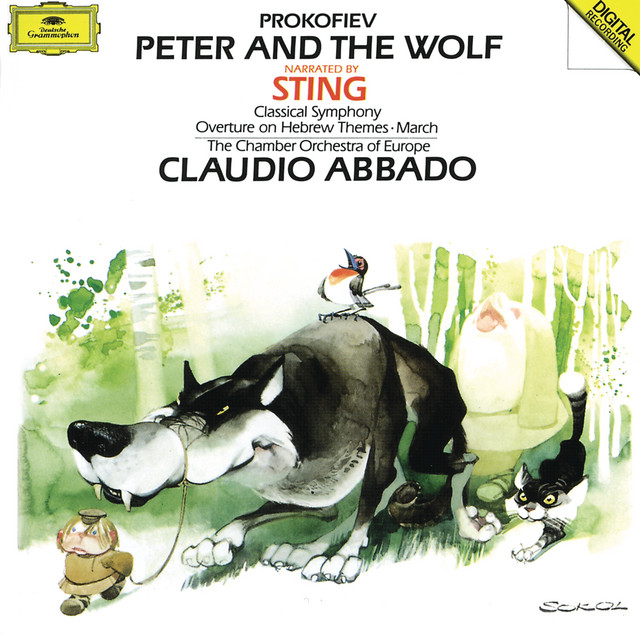
Prokofiev: Peter and the Wolf; Classical Symphony Op.25; March Op.99; Overture Op.34
1990
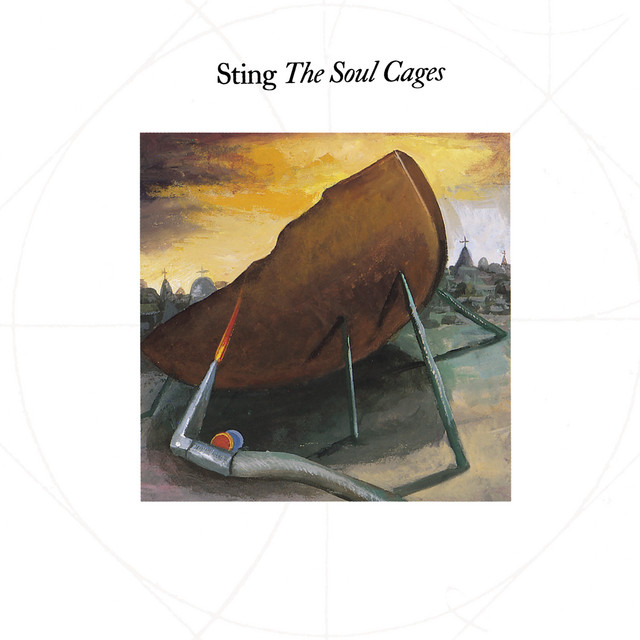
The Soul Cages
1991
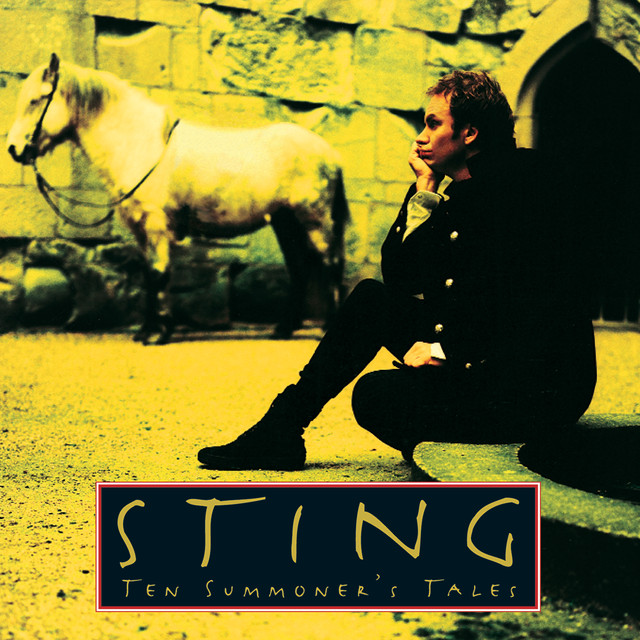
Ten Summoner's Tales
1993
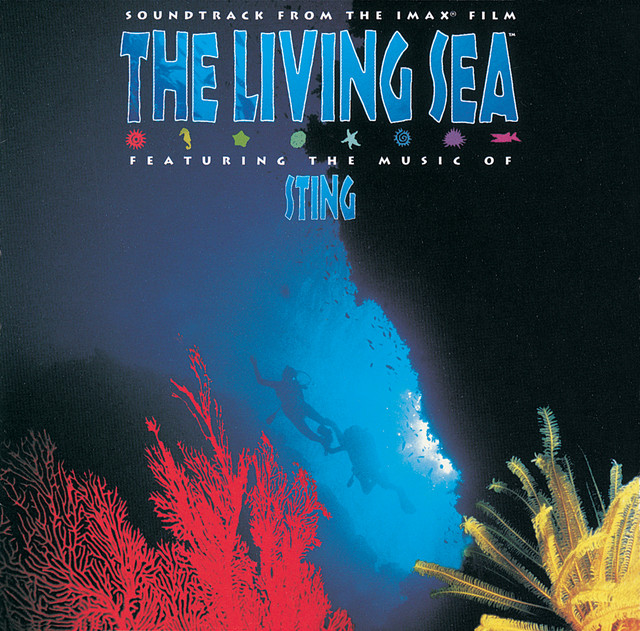
The Living Sea
1995
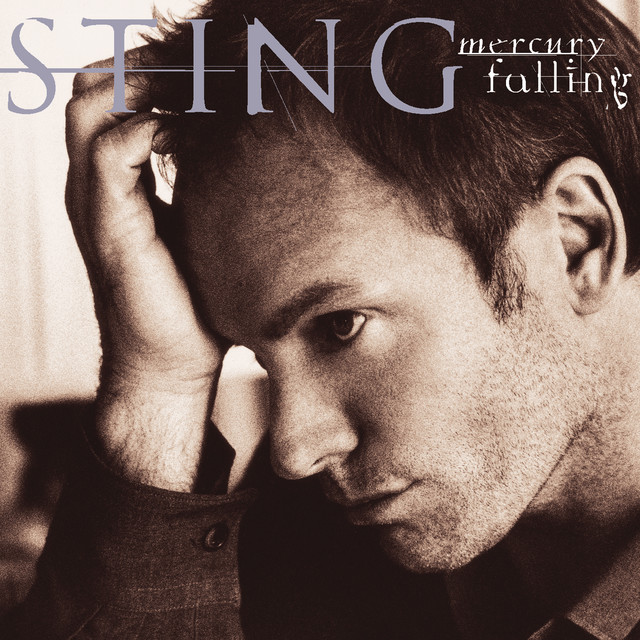
Mercury Falling
1996
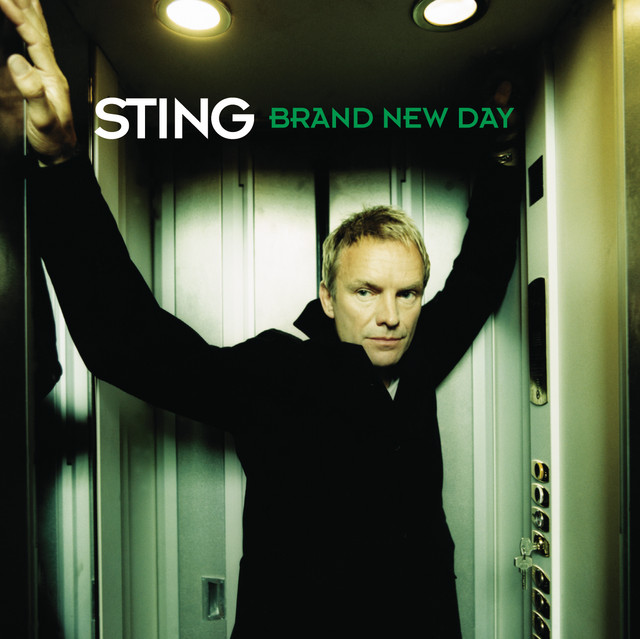
Brand New Day
1999
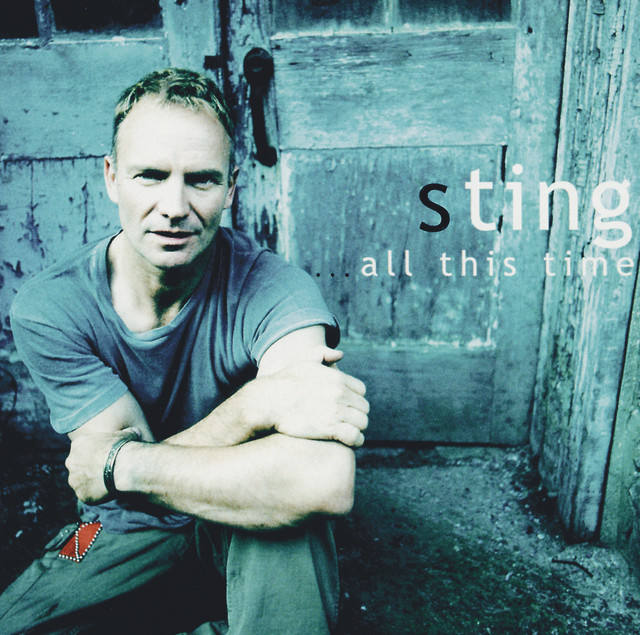
...All This Time
2001

Still Be Love In The World
2001

Sacred Love
2003
Album Credits
-

Tiziano Ferro · 2023
Producer