Top Studio Headphones for Music Production


By Gear Experts

By Gear Experts
Table of Contents

Equipboard
Equipboard is the world's largest community of artists and their gear. Read our review process.
We are reader-supported. When you buy through links on our site, we may earn an affiliate commission. Learn more.
Our Picks

Beyerdynamic DT 770 PRO-80 Closed Studio Headphones
Closed-back, over-ear. Nice warm sound, great sub-bass. Very comfortable.
Read more


Closed-back, over-ear. Flat, honest & present. Great value.
Read more
Audio-Technica ATH-M50x Professional Monitor Headphones
Best studio headphones for most people not because they're perfect - they're not the most comfortable - but for the money, you'll hear your mixes in stunning detail. Great build quality too.
Read more

Closed-back, on-ear. Great on-the-go studio headphones that double as reliable DJ headphones.
Read more
Sony MDR-7506 Professional Headphones
Closed-back, over-ear. Hardworking headphone whose excellent sound reproduction makes up for flimsy build quality. Great value.
Read more
KRK KNS 8400 Studio Headphones
Closed-back, over-ear. Extremely neutral sound, these can compete with headphones well beyond their price range. Great value.
Read more

AIAIAI TMA-2 Wireless+ Headphones
Worth the high price if you can't stand wires, move around a lot in your studio, and do live work that requires low latency. Their comfort and modular design is great, too.
Read more
Semi-open-back, over-ear. Not the most suitable for bass-heavy music, but a solid entry point into the world of open-back headphones.
Read more
Open-back, over-ear. The best overall open-back headphones for the money.
Read more
Open-back, over-ear. Extremely comfortable, high-end open-back headphones that provide supreme clarity and detail. Pricey.
Read more
Semi-open-back, over-ear. Budget version of the AKG K240. Amazing value.
Read more
Studio headphones are one of those purchases you ideally get right the first time, simply because the more you get to know the headphones and the more you break them in, the better your results will be in the studio. When it comes to dropping $100, $200, maybe even $300+ on a shiny new pair, there are a lot of things you need to understand and consider.
We went to work to bring you a guide to the best studio headphones - what they are, what you need to know, and our top recommended models.
What Are Studio Headphones?
Studio headphones are mostly used for creating, recording, mixing, and mastering music - things commonly done within the context of a music studio. Of course these days, a proper studio space is hardly necessary. With little more than a laptop and some software, you can record and produce anywhere at any time.
Basically, you want studio headphones when critical listening is important, as opposed to more entertainment uses (like when listening to music in your living room, gaming, watching movies, working out, etc.).
Let’s say you’re an electronic music producer or a recording artist, and your goal is to produce a track or demo. You’re going to want headphones that have a flat frequency response, meaning they don’t “color” the sound by artificially boosting the bass or treble.
Consumer headphones (i.e. headphones & earbuds meant primarily for causal and entertainment use) typically alter the frequency response. When the bass and treble are artificially boosted, everything just magically sounds better to us.
As an artist who is recording or creating - and more importantly mixing - tracks, you need more professional headphones that are honest; you don’t want any frequencies to be under- or overrepresented. Why? If you can get your music to sound nice and balanced on flat/honest studio headphones, your music is going to “translate” well to wherever people listen to it - laptop speakers, cheap earbuds, car stereos, etc.
What to Look for When Choosing Your Studio Headphones
Variety is the spice of life, but the staggering amount of headphones out there labeled as "studio headphones" can make shopping for a pair frustrating.
You have to be careful of marketing deception. Think of it this way - when a food says “low fat” on the box it doesn’t necessarily make it good for you, the same as if a headphone slaps the word “studio” on the box doesn’t necessarily make it suited for studio work.
Well, fear not, we’re here to cut through the hype and clear up any confusion. The following are the important things to understand and decide on when you’re ready to get yourself some great studio headphones:
» Closed-Back vs. Open-Back
In your search you will encounter closed-back, semi-open, and open-back headphones. This is very important, because they're pretty different from each other.
Closed-back headphones have ear cups that are completely closed off, and since the soft foam (or leather) pad forms a seal with your head around your ear, the sound has nowhere to go so it stays inside the ear cup. The majority of headphones out there are closed-back.
Open-back headphones have ear cups that are not closed off. The part of the ear cup opposite your ear - the one that faces the outside world - is open, meaning that instead of sound staying contained within the ear cup, it can travel outwards.
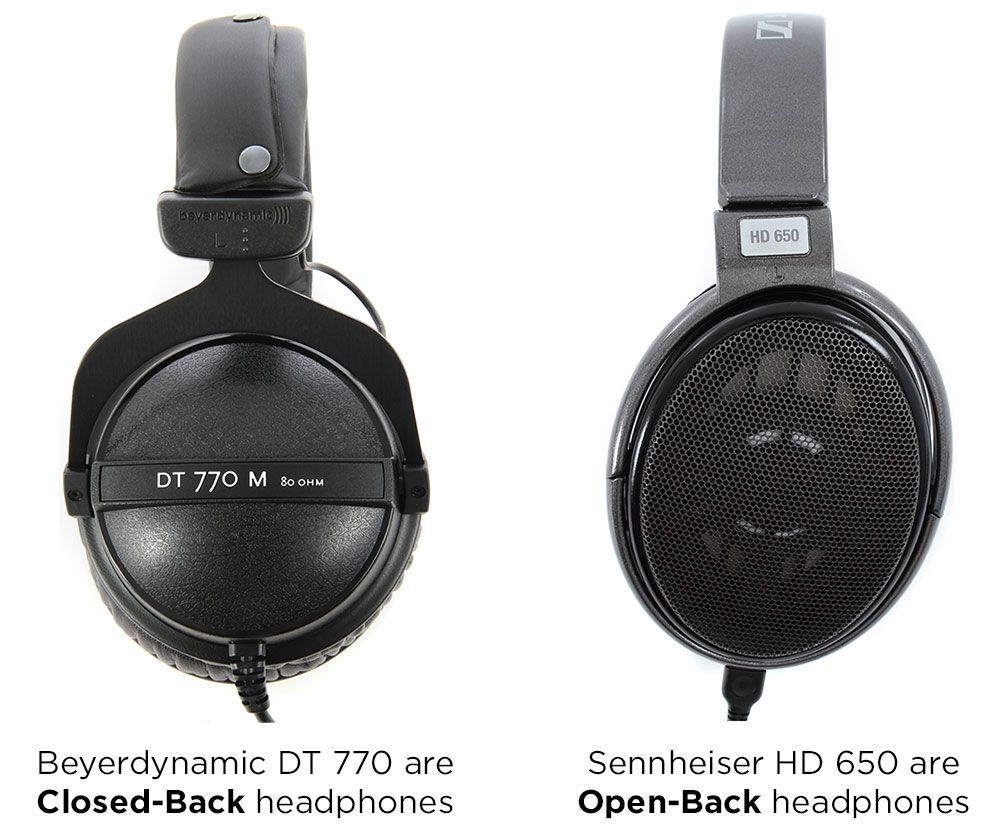
This has great implications on what the headphones are going to sound like. Closed-back headphones are great for isolation. If you’re producing in a noisy environment, outside noise will be kept out, and people won’t be able to hear what you’re listening to. The sound is tighter and more focused, and as a result the bass frequencies might be slightly exaggerated. Furthermore, the soundstage and stereo separation doesn’t sound as wide and open. In other words, it feels more like you have headphones on.
Open-back headphones are just the opposite. Sound will easily leak in and out, so if you’re in a noisy environment, forget about using open-back headphones. If you are in a quiet environment, open-back headphones can actually sound significantly better. That’s because everything will sound more airy and natural, and the sound space can seem like it’s huge.
Semi-open headphones are somewhere in the middle, and we would not recommend them for noisy environments because of the sound leak.
In short, think about what you want to do with your studio headphones. If you’re always working in a quiet space and you want to produce and mix as accurately as possible, consider open-back. If you’re in noisy spaces, or you want to record live instruments like guitar and vocals, closed-back is better since sound leakage would be a big issue.
One last note - if your primary goal is mixing, hopefully you can do that in a quiet studio space, since open-back headphones tend to be much more accurate and suitable for that.
» On-Ear vs. Over-Ear
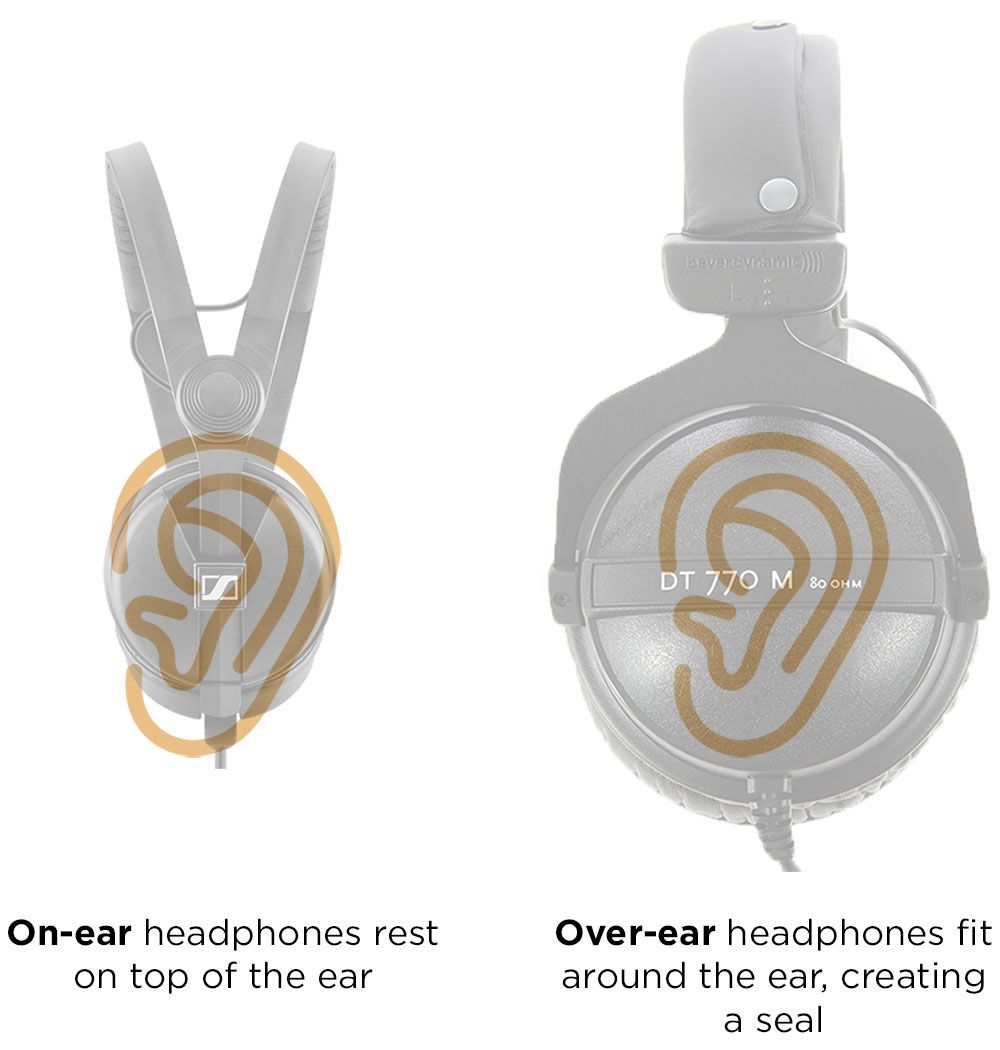
On-ear vs. over-ear is a pretty easy concept to grasp. An on-ear (or supra-aural if you want to sound fancy) headphone rests on top of your ear, and over-ear (a.k.a. circumaural) goes over and surrounds your entire ear. On-ear headphones tend to be more compact since the ear cups aren’t as large, although the main problems are that 1) the pressure applied directly to the ear can be uncomfortable, and 2) the sound isolation isn’t as good, since there’s no tight seal created.
An over-ear headphone has the advantage of sound isolation. That makes them better suited for recording, and working in loud environments. They also provide a more immersive listening experience. Because the ear cup needs to fit around your ear, these types of headphones tend to be a little bit larger - not an issue in the studio, but it might be for portability. The majority of studio headphones are over-ear.
» Budget
Often budget ends up being the deciding factor when selecting the best studio headphones for you. If this is your first pair of quality headphones, it doesn't make sense to jump straight to a $400 pair.
Generally speaking, there's a noticeable jump in quality every $100 or so. If you’re currently producing on cheap earbuds, $150 Audio-Technica ATH-M50x are going to change your life. If you’re already using something in the price range of the ATH-M50x and want to upgrade, you’ll want to look at something in the $250-300+ range to make a significant difference.
Luckily a few of the headphones we recommend hit way above their weight class when it comes to price vs. quality.
» Intended Use - Recording, Mixing, or Both?
Your intended use of the headphones, as well as your level of experience, kind of ties everything together. If you produce electronic dance music on your laptop, and you frequently travel and produce on the go, delicate open-back headphones don’t make much sense for you. A nice durable pair of closed-back cans is what you should aim to get.
If instead you have a nice quiet home studio and you work on perfecting your mixes late at night and can’t use speakers for fear of waking up your housemates, open-back headphones would be a good bet.
Ideally, it would be great to own a great pair of closed-back headphones for producing and recording, open-back headphones for mixing, and a few other pairs to test your mixes on. However, owning that many headphones is not only pricey, but also not necessarily practical. Prioritize what’s most important to you, and make your decision that way.
» Frequency Response
You could read entire books on audio frequency, so we’ll stick with the very simple explanation. Frequency is measured in hertz (Hz). Humans can generally hear from 20Hz all the way to 20,000 Hz. Every headphone advertises their frequency response, which is the effective range they can reproduce of bass, mids, and treble. Some headphones have a frequency response that spans beyond that which humans can hear (5 to 35,000 Hz for example). This does not make their sound quality better.
Make a note of the frequency response, but don’t base your buying decision on it. What's more important is the headphone's frequency response curve. Since no headphone has a completely flat response, the curve shows where on the spectrum they have any peaks or dips you need to be aware of.
» Comfort
A headphone’s comfort is important, no matter how you feel about any of the other criteria. If a pair feels like a head vice after 30 minutes, you’ll never be able to focus, get in the zone, and truly enjoy your music production.
How We Tested Studio Headphones
We ordered all of the headphones ourselves and put them through extensive testing over several weeks before reviewing them in this guide.
We plugged all of them into an RME Fireface 800 audio interface (as well as our laptop and phone's headphone jacks for our causal listening test). We used each headphone both in our quiet home studios, and noisy office environment to test isolation.
We played with software synths, and pulled up unmixed projects (with and without vocals) all in the context of Logic Pro. We also used the headphones with our Casio Privia digital piano and solid state guitar amps.
Review Methodology
It's not fair to compare a $70 pair of closed-back headphones to a $300 open-back pair. For this reason, we decided the best thing to do would be to split the list into:
- Closed-back studio headphone reviews
- Semi-open and open-back studio headphone reviews
To further keep things on a more level playing field, for each headphone we break down the review into:
- Unboxing & First Impressions - Quality of packaging and what's included in the box.
- Fit & Finish - Build quality, aesthetics, design details.
- Comfort - Comfort level over long sessions wearing the headphones.
- Sound: Studio Production & Mixing - How does it sound when producing and mixing various genres within a DAW? Does a rough mix translate well on flat studio monitors?
- Sound: Casual Listening - How well suited are the headphones for listening to music, movies, and gaming? None of these headphones here are suitable for gym or active outdoor use, so we won't comment on that.
- Bottom Line - Summary of our impressions.
Beyerdynamic DT 770 PRO-80 Closed Studio Headphones
5.0 (254)









Average Price: $172
Standard/Professional
$100
$301+
Budget
Standard
High-end
- Exceptional comfort for long sessions
- Clear and detailed sound across various music genres
- Durable build with replaceable parts available
- Tight and clear low tones without overshadowing others
- See 6 more
- Non-detachable cable limits flexibility and portability
- Some models may have less durable plugs prone to bending
- Reports of right speaker failures in some units
- Sound signature changes in newer models may not suit all (e.g., +8 db at 100 Hz)
- See 3 more
| Fit Style | circumaural (around the ear) |
| Impedance | 80 ohms |
| Frequency Response | 5hz-35khz |
| Open/Closed | closed |
| Weight | 0.6 lbs. |
Unboxing & First Impressions
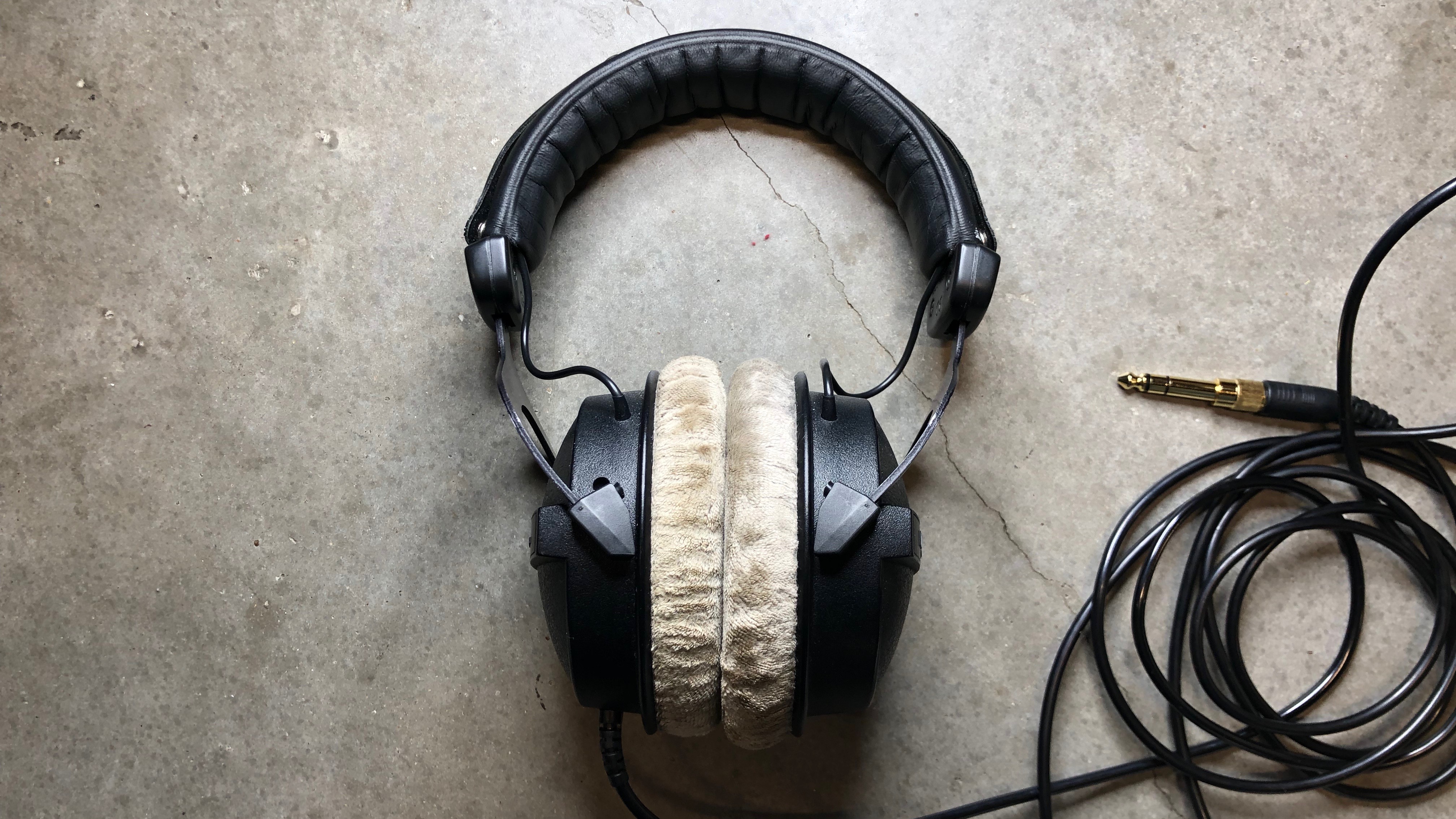
We've owned the Beyerdynamic DT 770 Pro 80 headphones for many years, so while we don't quite remember the unboxing, here's what you can expect to find in the box:
- 9.8 ft. straight connecting cable (non-detachable)
- 1/4" adapter
- drawstring storage bag
Fit & Finish
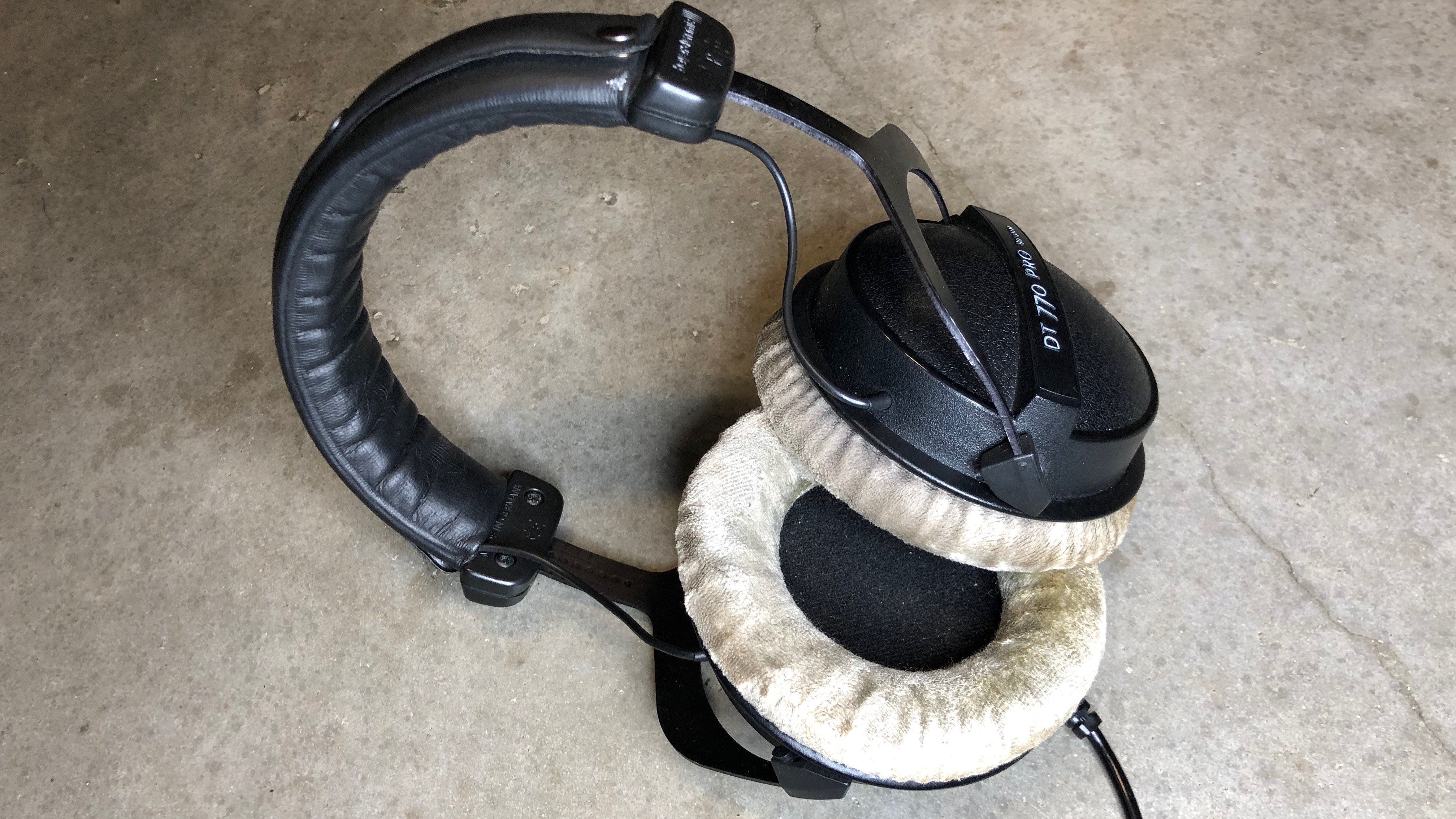
These German-made headphones have a very utilitarian look and feel. The rounded ear cups make them look relatively bulky - we wouldn't call these stylish - but they're made very well. We've owned them for years, and they are 100% intact with not a single piece of material deteriorating. We've dropped them plenty of times and their thick metal frame has ensured no damage.
Comfort
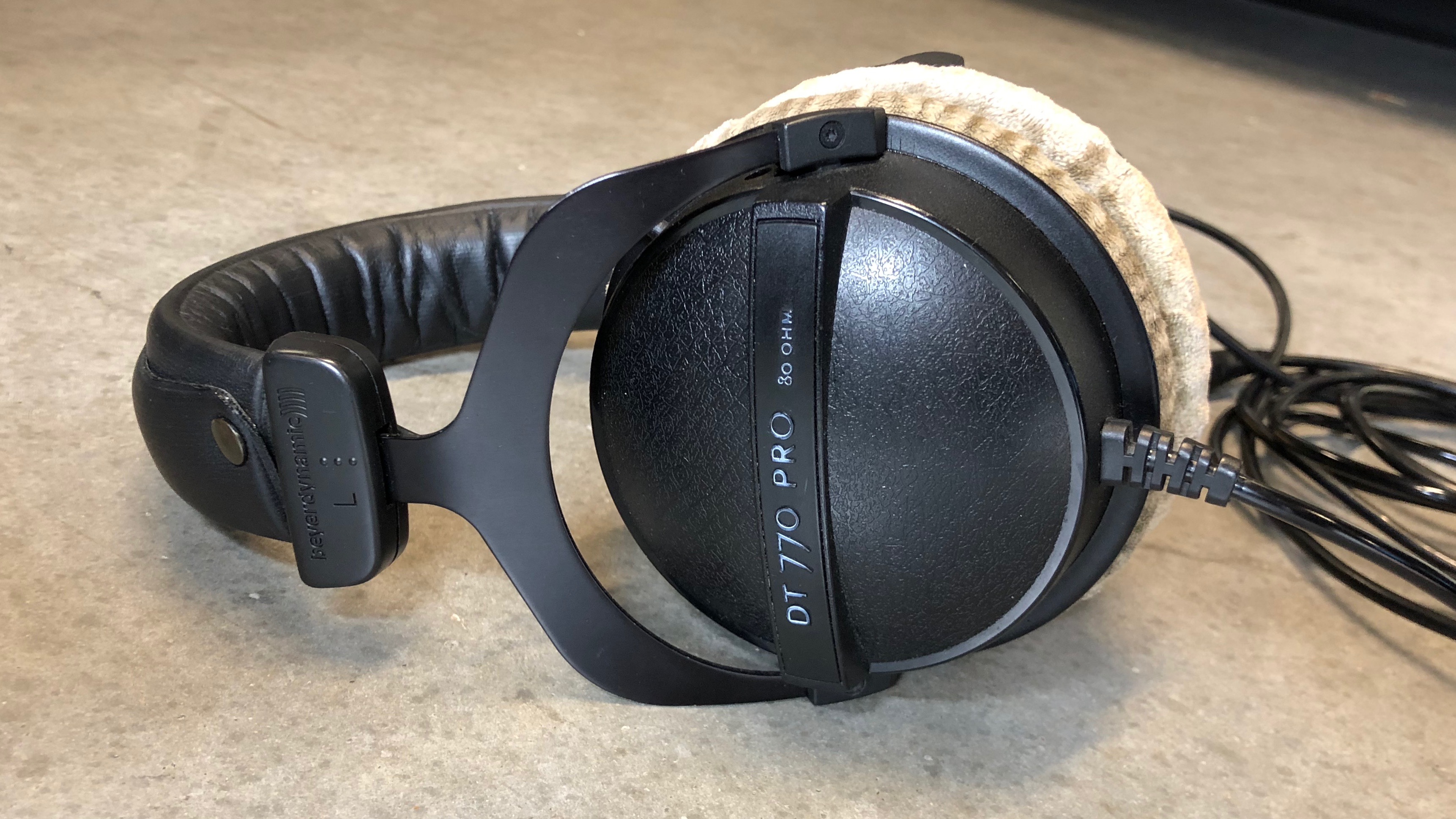
The velour ear pads are amazingly comfortable. In fact, it'll make you want to replace any other headphones' leather pads with this microfiber fabric.
The pressure they place on the head is relatively light, and we find them comfortable to wear for hours on end with no breaks. The velour ear pads have a lot to do with that, but the ear cup surface is also quite large and the pressure is distributed evenly.
Sound: Studio Production & Mixing
The DT 770 are outstanding for music production. Everything we listened to sounded warm and punchy, and they are remarkably even, especially from sub-bass all the way to the upper mids. In fact, the sub-bass response makes these especially well suited for electronic music production.
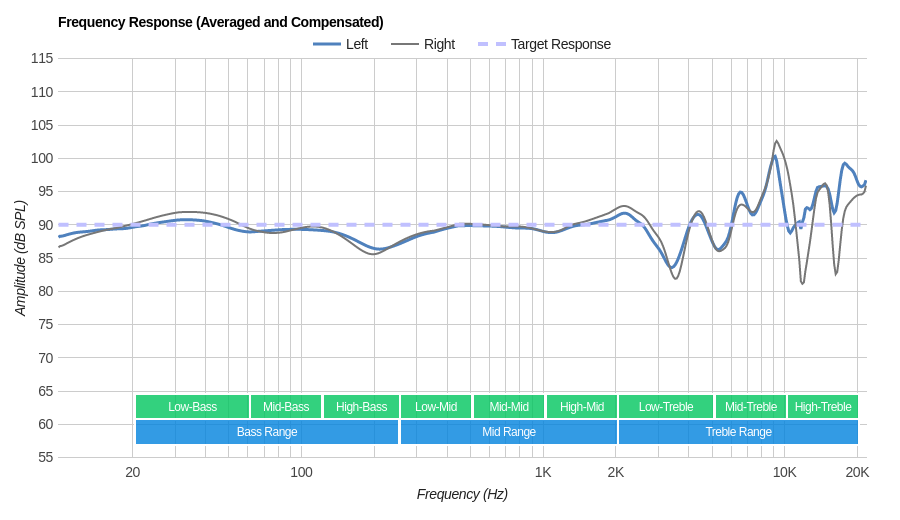
When it comes to the highs they can be a little bright, but for us a lot of that depended on the source material.
Sound: Casual Listening
The DT 770 excel for casual listening mostly due to their comfort, light pressure, and excellent bass response. No question, movies and music will sound great, and the nearly 10 ft. cord gives you some flexibility.
The isolation is moderate; in a quiet office a little sound leaked out of them, enough to be a minor distraction if that's the only audible thing.
Bottom Line
Considering how good they are, the Beyerdynamic DT 770 PRO headphones are priced remarkably well. For the music producer on the go or in the studio looking for closed-back headphones, there's really not much bad to say about them. You'll be able to wear them for hours with no discomfort, and while they might slightly over-represent the bass, for the most part your mixes will be in a good place when it comes time to test them on other systems.
See how artists use this








Sennheiser HD 280 Pro
4.5 (188)


Average Price: $80
Budget/Beginner
$100
$301+
Budget
Standard
High-end
- Excellent noise isolation, comparable to industrial earplugs
- Durable construction, withstands rough handling and long-term use
- Parts are user-serviceable, making repairs simple and cost-effective
- Good value for money, offering professional features at a moderate price
- See 6 more
- Ear cups can make ears hot and sweaty over time
- Sensitive to the type of headphone amp used, affecting sound quality with poorer sources
- Can be fatiguing during long listening sessions due to sound profile and isolation
- Constrained soundstage, which may affect spatial audio perception
- See 3 more
| Fit Style | circumaural (around the ear) |
| Impedance | 64 ohms |
| Frequency Response | 8hz-25khz |
| Open/Closed | closed |
| Weight | 0.49 lbs. |
Unboxing & First Impressions
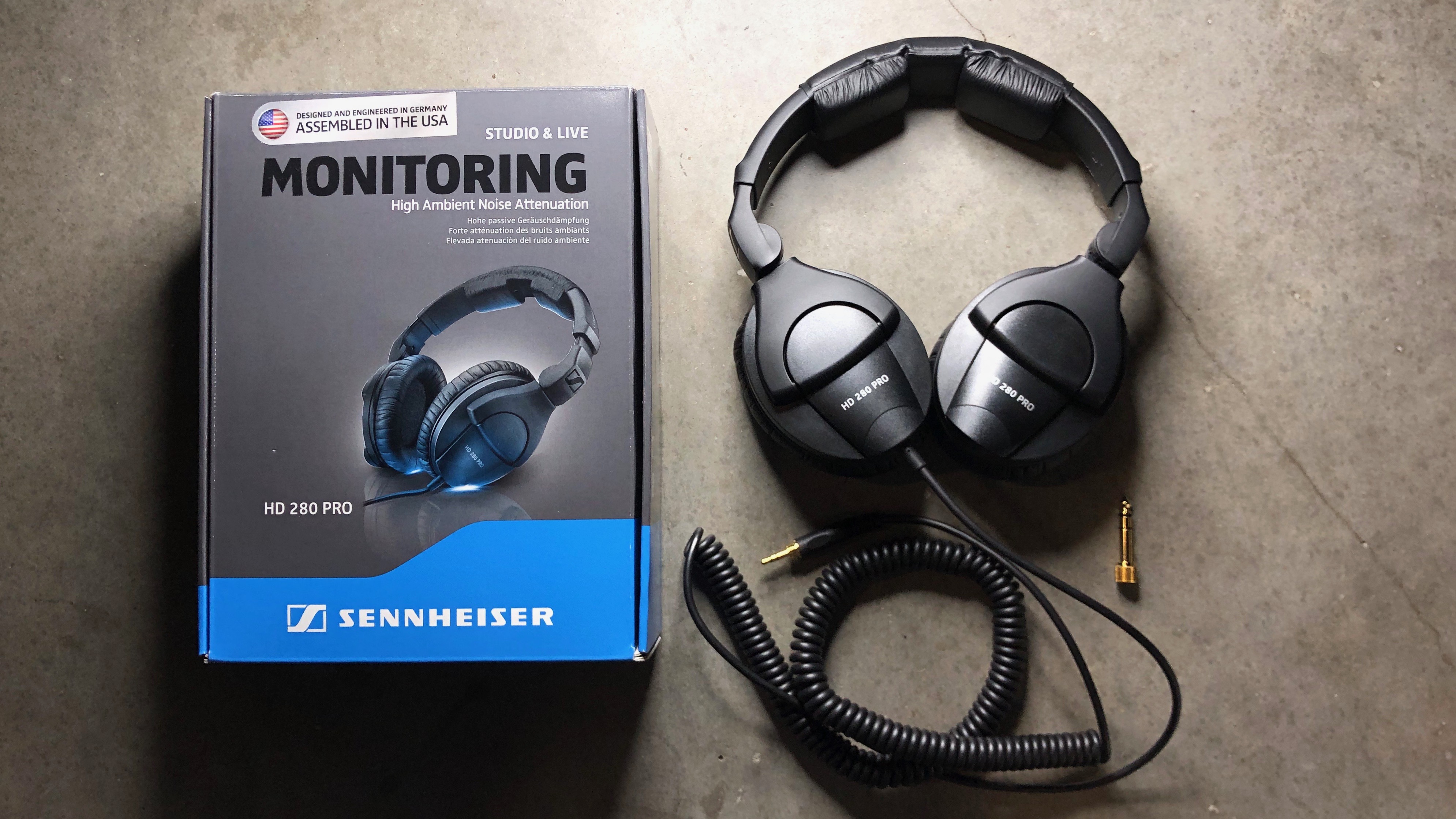
These are sub-$100 headphones, and the no-frills packaging reflects this. Opening up the small and simple box reveals the folded-up headphones, a non-detachable 1.3 m coiled cable with 1/8" connector, and 1/4" adapter. There is no case or carrying pouch.
Fit & Finish
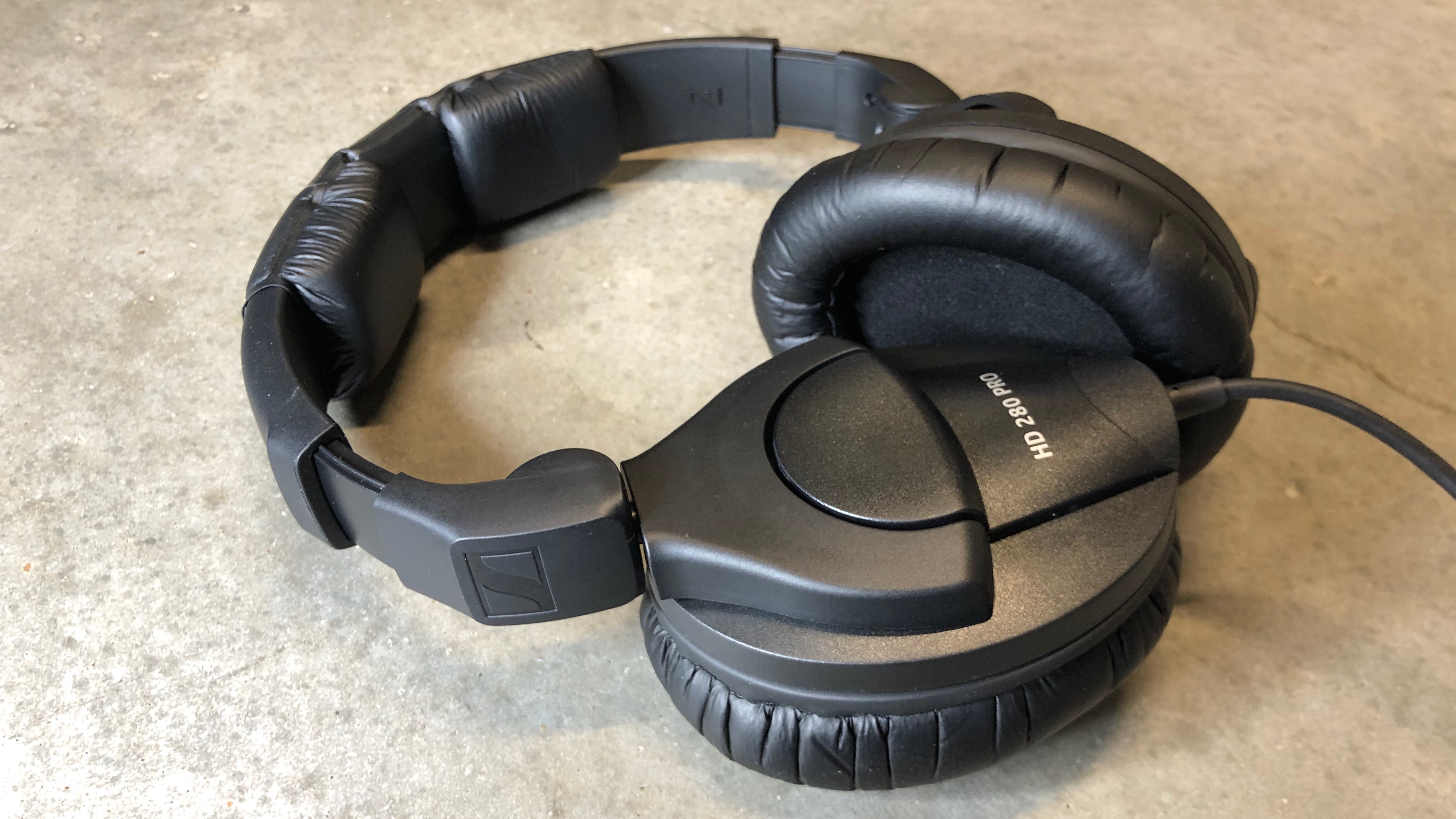
The HD 280 PRO are pretty attractive with a sleek matte black finish. They're mostly plastic but feel pretty durable. The ear pieces fold up and in for portability, and the ear cups swivel out in one direction.
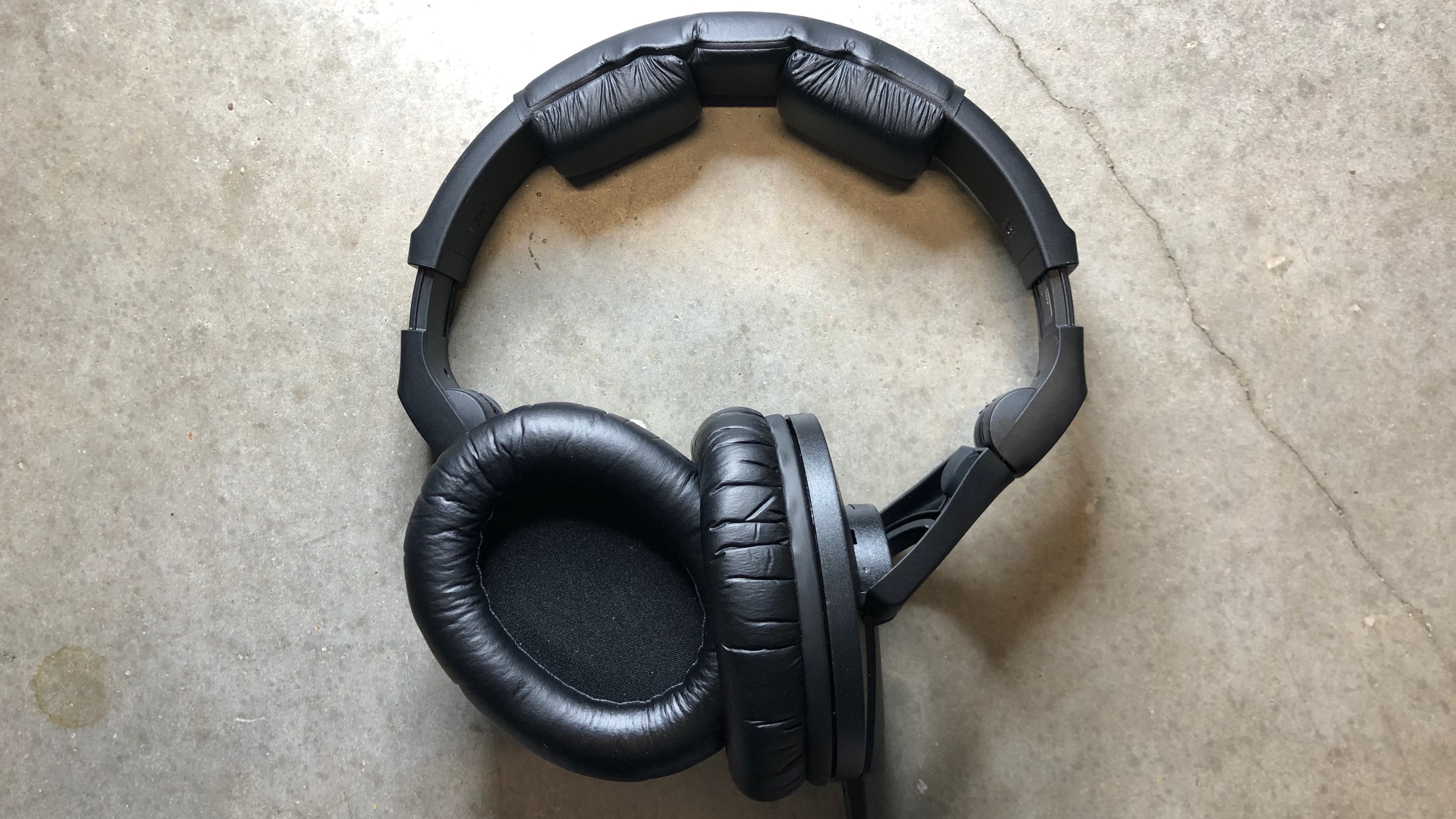
The ear pads are a thin soft cushioned material. From experience having owned a pair of these a few years back, the material will eventually crumble and need replacing.

Comfort
These headphones suffer a little in the comfort department. We found them to be more comfortable over long sessions than the Audio-Technica ATH-M50x, but that's not saying a whole lot. If the tightness doesn't get you, the ear cups - which are decently comfortable - start feeling a little warm and stuffy after some time.
Sound: Studio Production & Mixing
These closed-back headphones are favorites of producers worldwide, which is an amazing considering they are sub-$100. The simple reason is that they sound great, and faithfully reproduce frequencies across the spectrum.
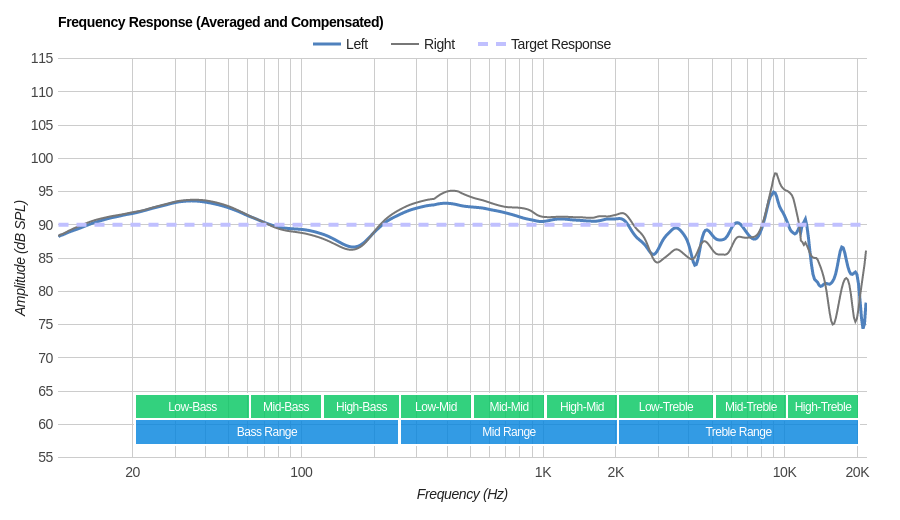
The bass is excellent - very punchy and tight. Mids are crystal clear and not over- or under-represented, and the treble behaves well also.
The HD 280 PRO don't have an especially wide soundstage - which is understandable, since they are closed-back headphones - but their sound is remarkably present. Listen to a track like Alison Wonderland's "High ft. Trippie Redd" and you'll see what we mean. The vocals are balanced, the synths that live in the midrange are very distinguishable, the percussion is crisp and when the bass kicks in it's very punchy.
Sound: Casual Listening
The HD 280 PRO work well for casual listening, though the comfort issues (heat and tightness) might necessitate that you take some breaks. The coiled cable might be annoying if you need to stretch it over a long distance.
Isolation is pretty solid. The ear cup forms a tight seal, and while not quite noise-cancelling quality, they isolate well in noisy environments with minimal leakage in or out.

Bottom Line
The Sennheiser HD 280 PRO have become a sub-$100 industry standard. They're durable (engineered in Germany and USA-made), but not fancy by any means. Our biggest gripe is that we wish they were more comfortable and breathable.
For music production and studio use, they are great where it counts - they reproduce sound extremely well across the spectrum.
See how artists use this











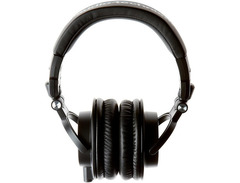
Audio-Technica ATH-M50x Professional Monitor Headphones
5.0 (439)



Average Price: $147
Standard/Professional
$100
$301+
Budget
Standard
High-end
- Exceptional sound quality with great detail in mixes
- Durable build, can withstand daily use and minor accidents
- Excellent for tracking and monitoring with clear mids and bass
- Comfortable for long sessions, even with glasses
- See 6 more
- Headband comfort decreases after a few hours
- Plastic construction in some parts feels cheap
- Earpads may need replacement for optimal comfort
- Cable placement can be inconvenient for some setups
- See 6 more
| Fit Style | circumaural (around the ear) |
| Impedance | 38 ohms |
| Frequency Response | 15hz-28khz |
| Open/Closed | closed |
| Weight | 0.62 lbs. (without cable and connector) |

Unboxing & First Impressions
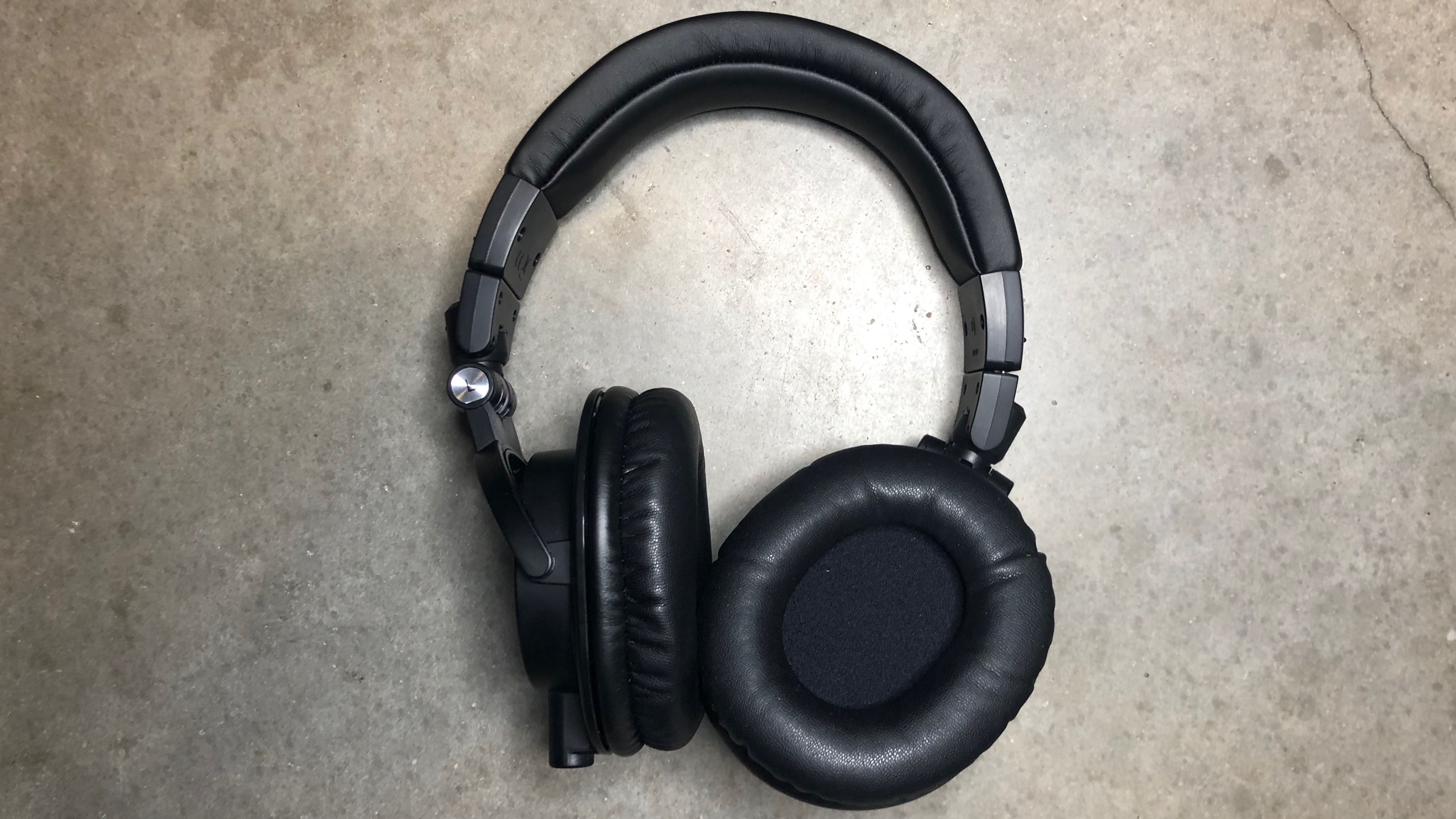
Opening the box of the Audio-Technica ATH-M50x reveals some thoughtful details. A very nice leather carrying pouch is included, as is a 1/4" adapter and 3 detachable cables:
- 3.9-9.8 ft. coiled cable
- 3.9 ft. straight cable
- 9.8 ft. straight cable

Fit & Finish
The ATH-M50x are designed very well, and are one of the more attractive studio headphones around. They're mostly plastic but feel very sturdy and well-built. The brushed aluminum touches are nice and offer some visual contrast to the matte black.
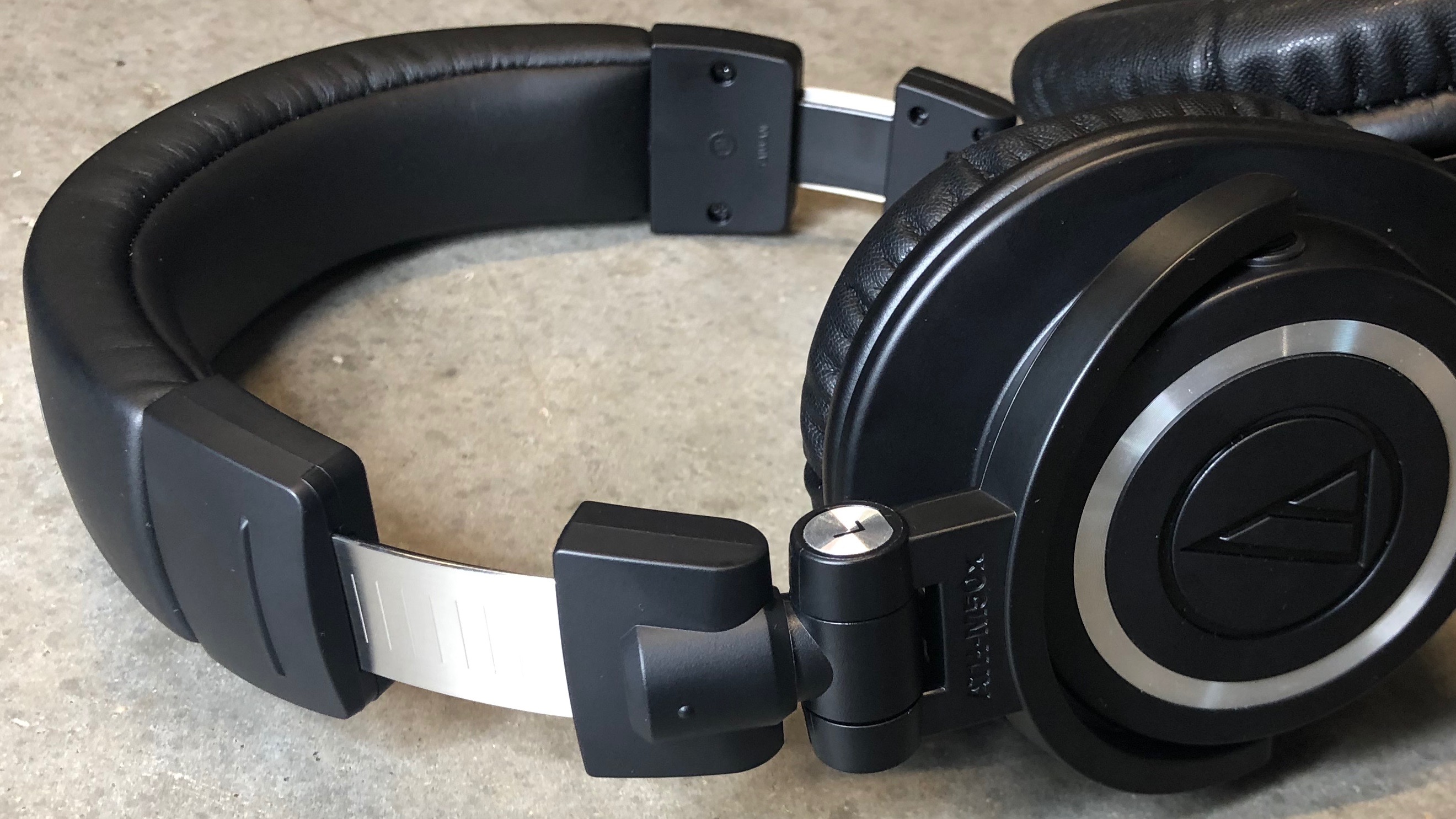
The ear pads are leather (or leather-like) and feel soft and cushioned. The ear cups fold up for portability, and they also swivel in both directions. The headband is also leather and looks nicely stitched together.
Comfort
The ATH-M50x are one of the most popular and lauded studio headphones out there, but sadly comfort is where they miss the mark. The ear pads are soft, so it's more of an issue with the distribution of pressure and the headband.
More so than any other pair, we found ourselves having to take breaks every hour or so. They're not the lightest set of cans around (0.63 lbs) which might contribute to the discomfort.
Sound: Studio Production & Mixing
When it comes to price-per-performance ratio, the Audio-Technica ATH-M50x are nearly unbeatable (the Beyerdynamic DT770 PRO come very close). For studio use, whether you're producing hip-hop or electronic music, tracking vocals, recording guitar, etc. these deliver outstanding results.
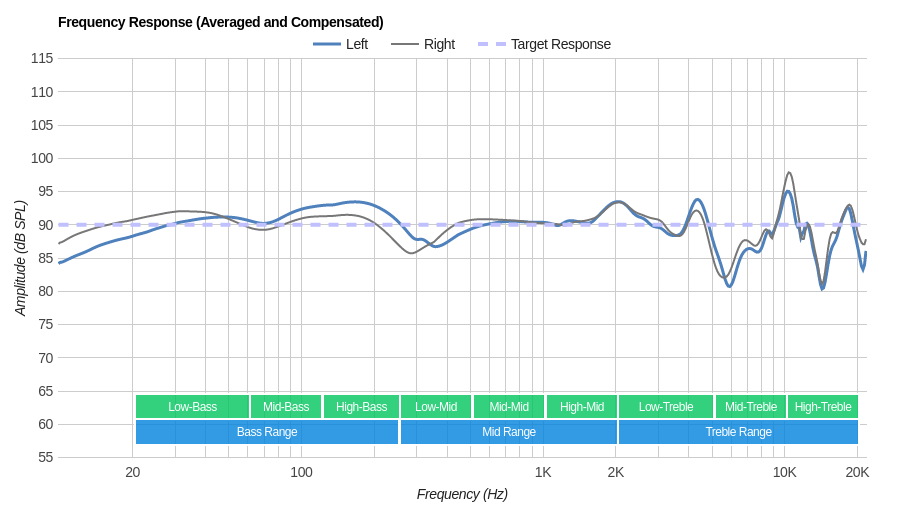
As you can see in the graph, the frequency response is amazing. The bass isn't thumping but it's punchy and solid. The mids are one of the first things that wowed us when we put these on; amazingly detailed for headphones in this price range. Despite what the treble looks like in the graph, in practice it sounds great and it was hard to find flaw in it.
Sound: Casual Listening
Audio-wise the ATH-M50x are outstanding headphones for movies, music, and gaming. They're attractive and sleek so have no fear rocking these in public. The 3 included cords are handy, and you can switch them out depending on your use-case.
The downside is their low comfort level, so unless aesthetics are very important for you, we recommend the Beyerdynamic DT770 PRO for casual listening over the Audio-Technica.
Bottom Line
Without going to the $250 price-point and beyond, the ATH-M50x are definitely some of the very best studio headphones for the money.
So much so that they almost risk being over-hyped by producers and audiophiles. The fact is that they're popular for good reason - they're are a great choice for people who want closed-back, over-ear headphones that can be used for just about any type of studio work.
See how artists use this



.jpg)


Sennheiser HD 25 Headphones
5.0 (312)


Average Price: $138
Standard/Professional
$100
$301+
Budget
Standard
High-end
- Exceptional sound quality across genres, especially for DJing
- Durable design with modular components for easy replacement
- Lightweight and portable, ideal for traveling
- Good isolation and minimal sound leakage
- See 6 more
- Not as comfortable for extended periods, especially for glasses wearers
- Some reviews note a difference in sound signature compared to older models
- On-ear design may not be as comfortable for all users
- Highs may be too bright for some preferences
- See 3 more
| Fit Style | supra-aural (on ear) |
| Impedance | 70 ohms |
| Frequency Response | 16hz-22khz |
| Open/Closed | closed |
| Weight | 0.3 lbs. |

Unboxing & First Impressions
A simple cardboard box gives way to some no-frills packaging. The Sennheiser HD-25 headphones come with a non-detachable 4.9 ft. cord and 1/4" adapter. It's a similar package to the HD 280 PRO headphones, though we expected a little more here due to the HD 25's higher price point.

Fit & Finish
These headphones are light, coming in at 140g (0.3 lbs)! The HD 25 are marketed as industry standard DJ headphones, which means they can withstand the rigors of touring and continue functioning. You wouldn't think this from feeling them for the first time - they're fully made of plastic and rather thin.
But apparently our concerns are misguided, as they are the most used DJ headphones in the world partially due to their durability and every component being easily replaceable.
They have a nice minimal design and look good when worn. The ear cups have a similar feel to those on the HD 280 PRO (though remember these sit on the ear as opposed to over the ear). There is a small amount of swivel in the ear cups, but they can actually twist a long way due to how they're constructed.
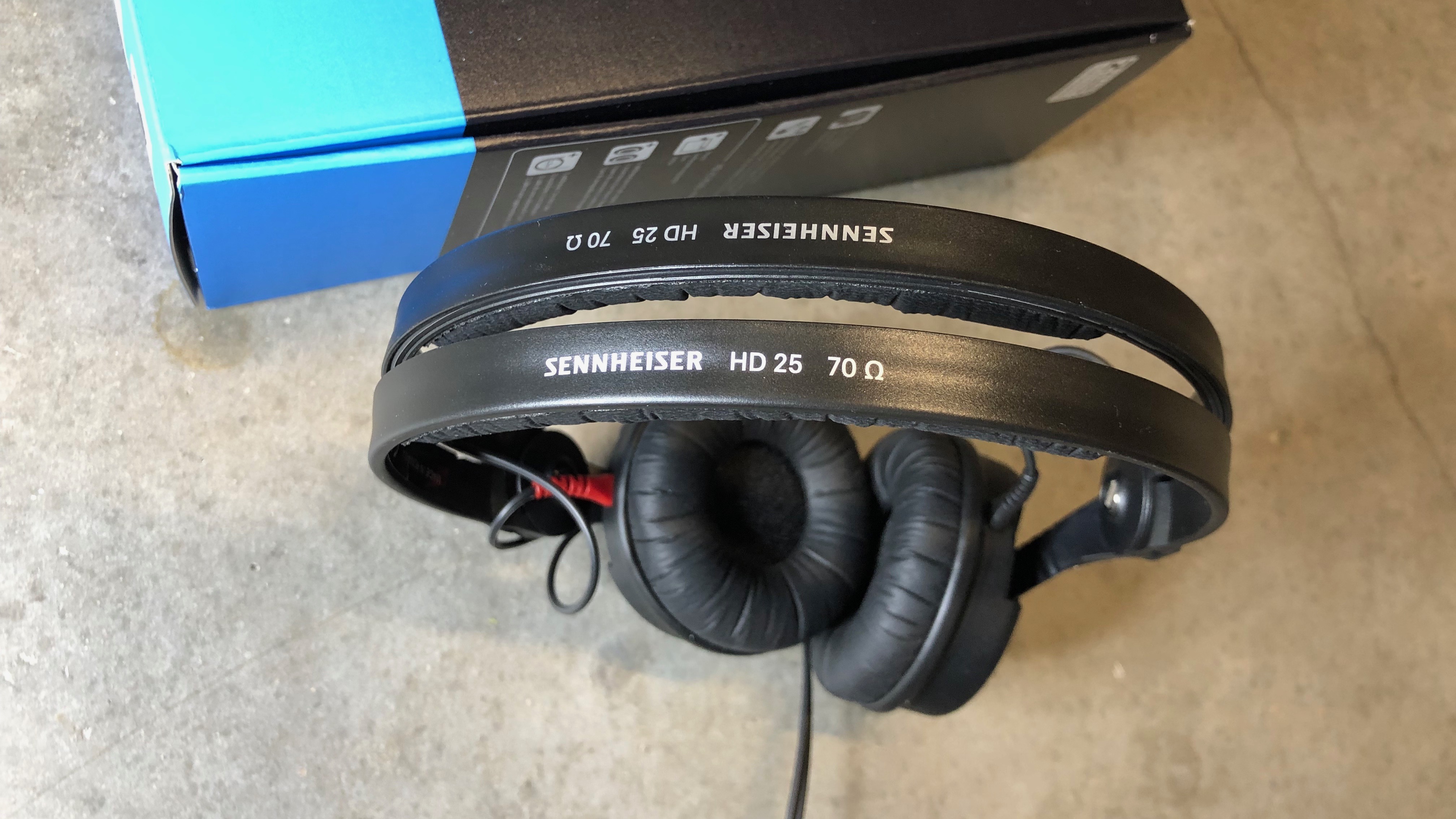
Comfort
The HD 25 are very light and minimal, which makes them quite comfortable to wear. You might be a little more aware of them being around your head due to the on-ear design, but thankfully they don't apply any vice-like pressure to your head. We were able to wear them for many hours continuously.
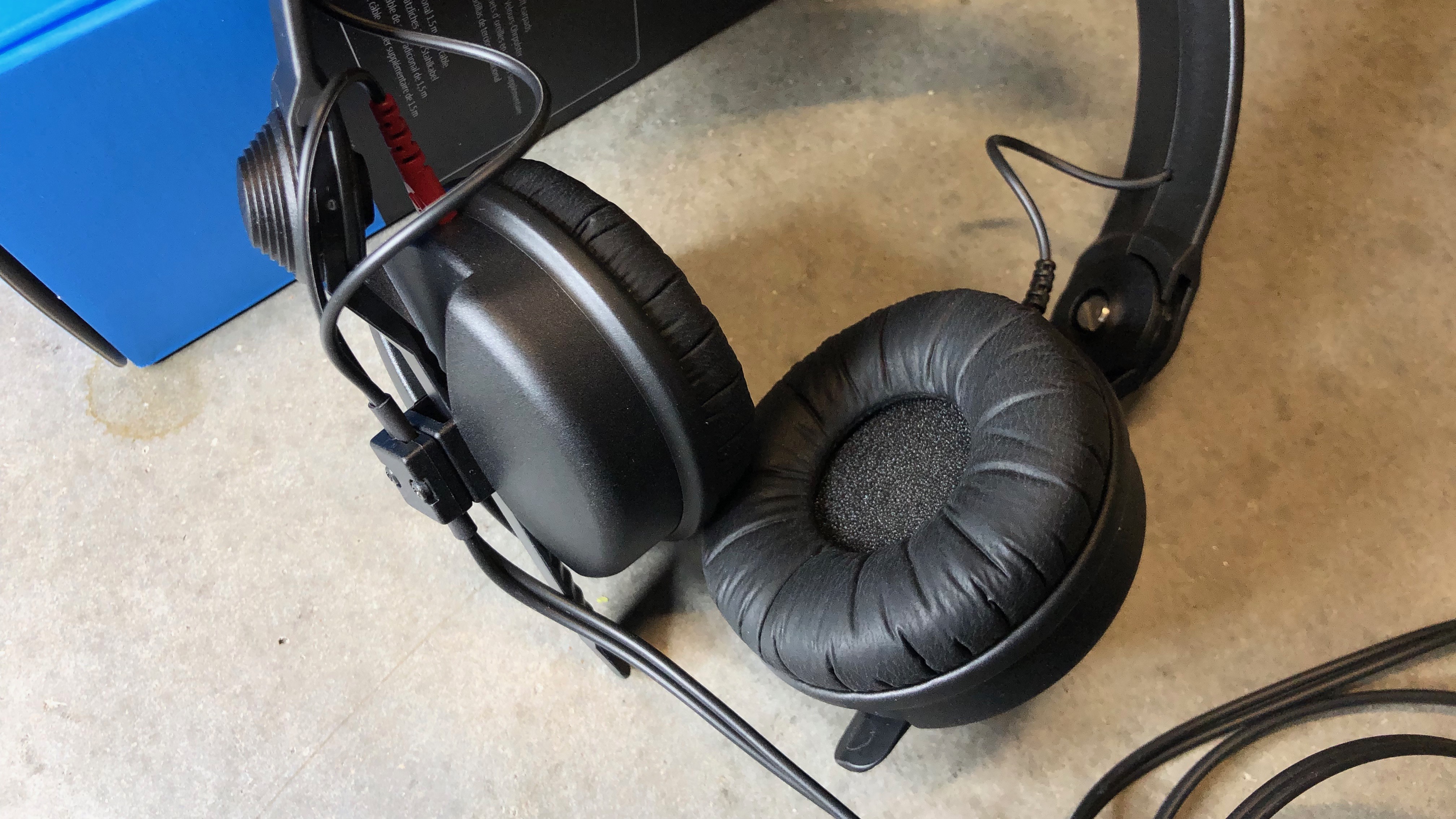
Sound: Studio Production & Mixing
If you're familiar with the HD 25, you might be thinking, "why are they in a studio headphone guide?" It turns out that while they are industry standard DJ headphones, they're surprisingly capable studio and production headphones.

The bass is very good, and there's a gentle roll-off past 50Hz so the sub-bass is also pretty decent. The mids and highs are incredibly crisp - percussion and vocals sound very detailed. A test mixdown we did using the Sennheiser HD 25 sounded more or less how we expected coming out of Yamaha studio monitors.
Sound: Casual Listening
Because of how lightweight they are and their crisp sound, the HD 25 make for good casual listening headphones. The relatively short 4.9 ft. cord might be a limiting factor though, since it's only enough length to reach your phone or laptop.
The isolation on these is surprisingly good considering they are not an over-ear headphone.
Bottom Line
While the Sennheiser HD 25 might be known to most as a DJ headphone, it's no slouch in the studio. This is great news if you need a headphone that's extremely durable and pulls double duty (as is the case for world famous music producers Axwell, Steve Angello, Dirty South, Deorro, and Deniz Koyu).
See how artists use this








Sony MDR-7506 Professional Headphones
4.5 (218)


Average Price: $110
Standard/Professional
$100
$301+
Budget
Standard
High-end
- Exceptional clarity in sound, revealing subtle nuances
- Durable, with some users reporting over a decade of use
- Comfortable for long sessions, even with glasses
- Good noise isolation for focused listening
- See 6 more
- Ear pads may wear out and are costly to replace
- Non-detachable cable can be cumbersome
- Highs can be harsh over long periods
- Some users experience discomfort after extended use
- See 1 more
| Fit Style | circumaural (around the ear) |
| Impedance | 63 ohms |
| Frequency Response | 10hz-20khz |
| Open/Closed | closed |
| Weight | .5 lbs. |

Unboxing & First Impressions
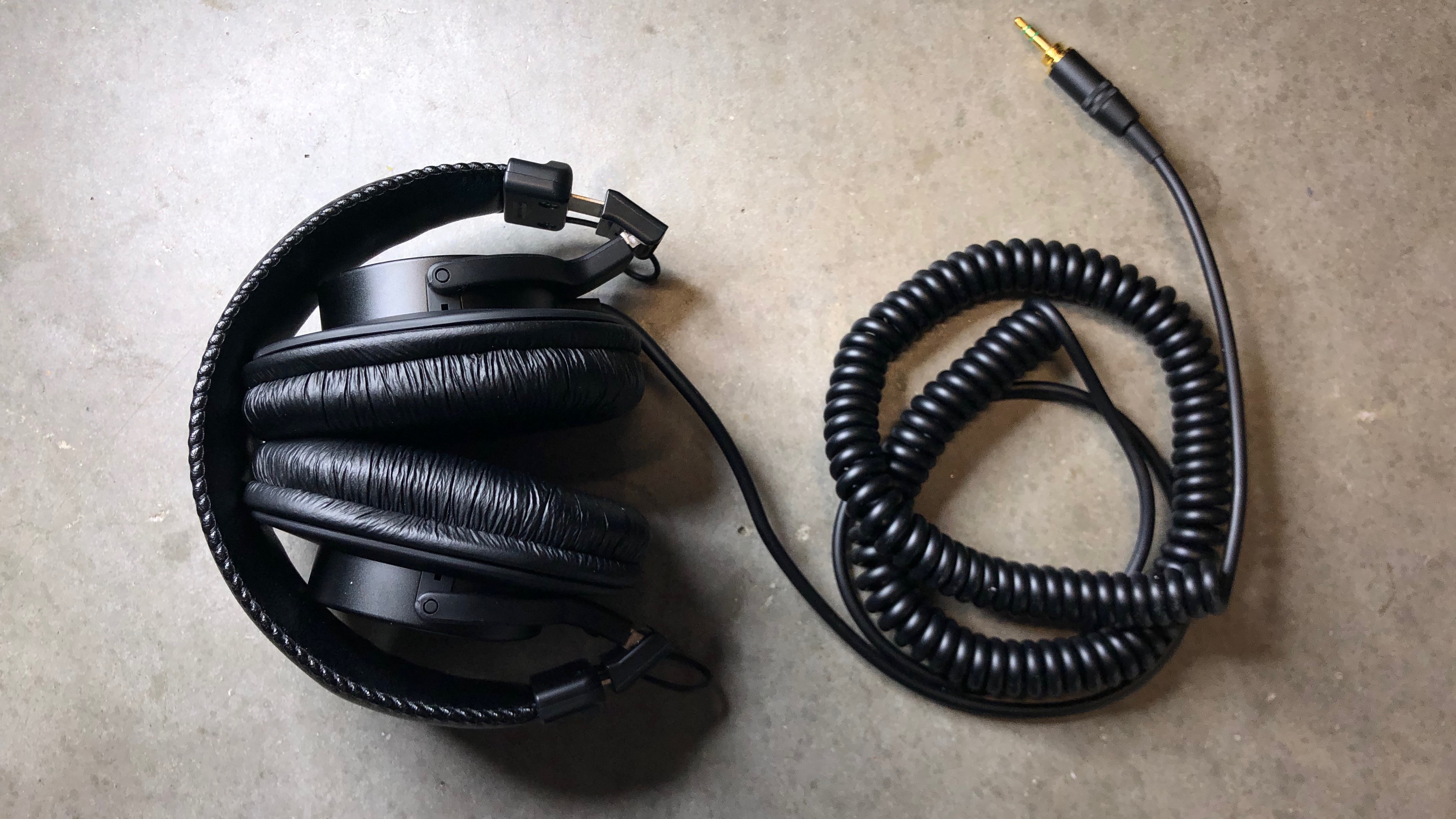
Inside the box you'll find the MDR-7506 headphones with a non-detachable coiled cable that is 9.8 ft long at full stretch. There's also a 1/4" adapter, and a soft carrying pouch. Not a bad package for a sub-$100 headphone.
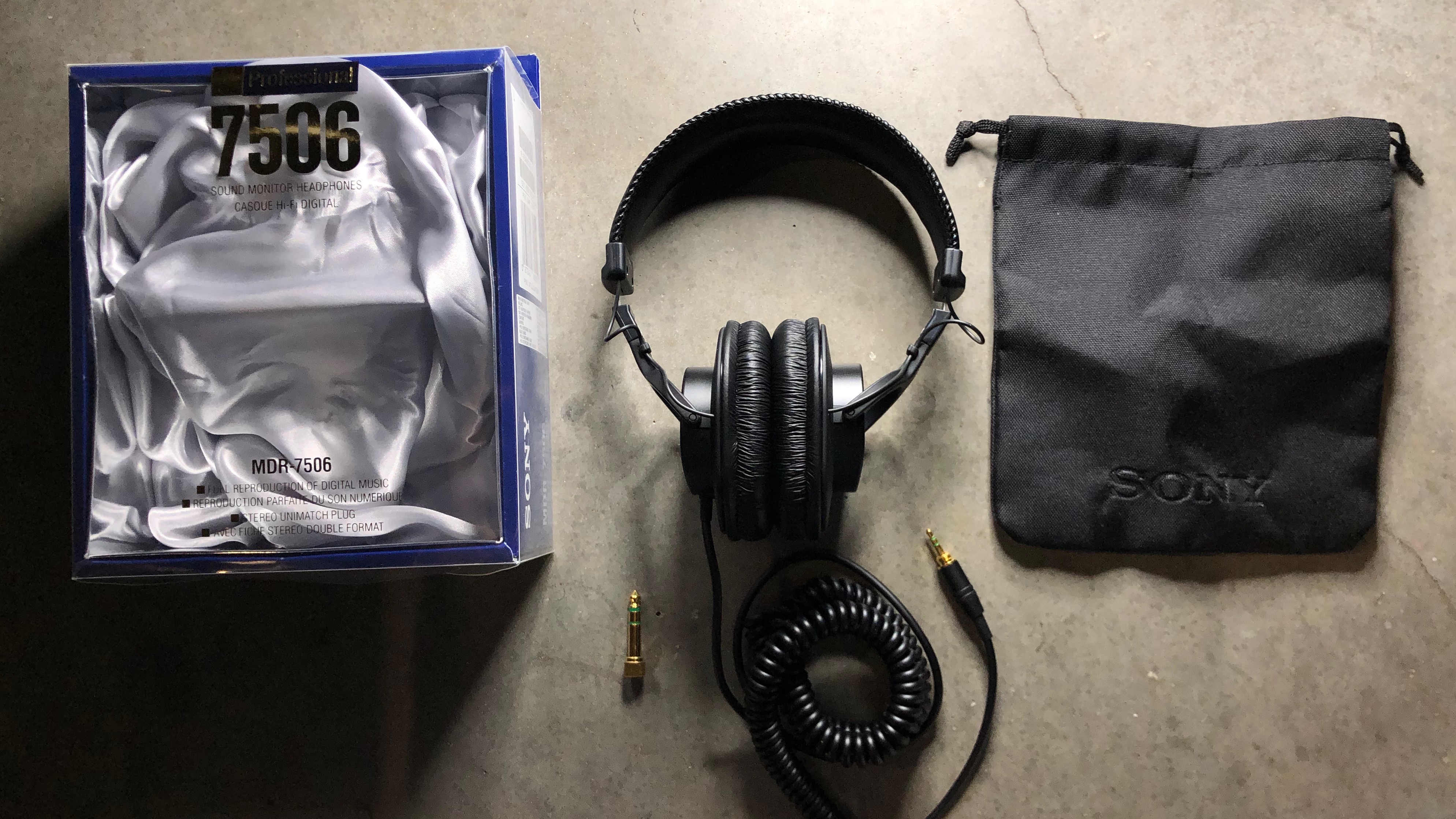
Fit & Finish
The Sony MDR-7506 are legendary studio headphones, but fit & finish is not where they shine. They feel flimsy and thin, and rattle a lot. They are mostly plastic, with the actual band being metal. That said, it's definitely a stretch to expect a luxurious build at this price.

Their design is fairly sleek and not too offensive. The ear pad material looks as if it will flake off and eventually need replacing.

Comfort
The Sony MDR-7506 are very comfortable. They're light and the pressure is distributed very evenly which did not cause us any aches and pains during prolonged periods of wearing them. The ear pads are soft and comfortable.

Sound: Studio Production & Mixing
Being such a legendary studio workhorse, it's hard to not go into it with some expectations of good performance. We're happy to report the MDR-7506 exceeded our lofty expectations.
In short, they sound fantastic. The excellent bass response means working on a sub-bass-heavy electronic track in our DAW was a pleasure. The mids sounded sparkling clear on a vocal and acoustic guitar recording, and the highs are well-behaved and not overly sibilant.
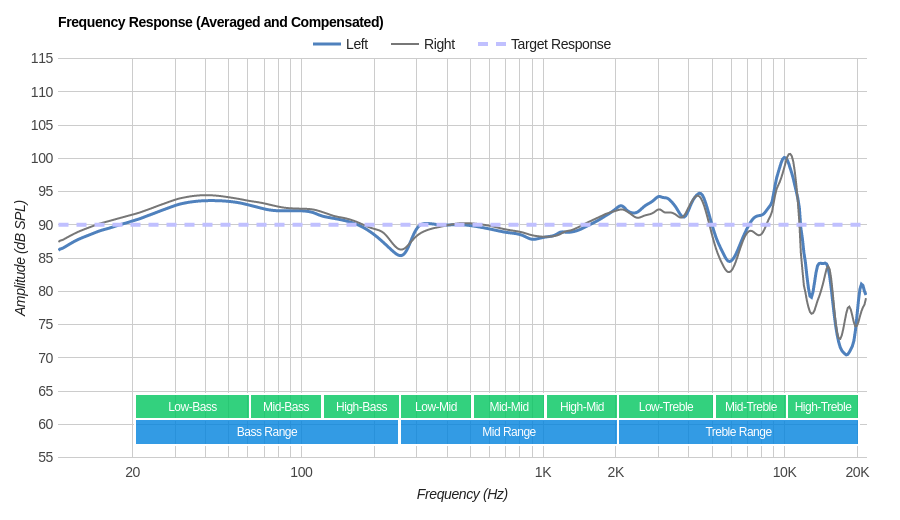
Sound: Casual Listening
The MDR-7506 are well suited for movies, music, and gaming due to their excellent sound and comfort. The coiled cable might make things difficult if you're not close to the headphone output, and unfortunately it's not detachable.
Bottom Line
These studio stalwarts don't disappoint. It's great that over the years they have remained virtually unchanged, and the price has remained steady as well. They're not the best headphones in the looks, fit, and finish department - for that, the Audio-Technica ATH-M50x pretty much demolish these - but in terms of audio quality and reproduction, the MDR-7506 and ATH-M50x are very evenly matched. That's saying a lot considering the Sonys are quite a bit cheaper!
See how artists use this





KRK KNS 8400 Studio Headphones
4.5 (48)


Average Price: $72
Budget/Beginner
$100
$301+
Budget
Standard
High-end
- Brilliant sound quality with noticeable noise cancellation
- Comfortable for long periods of use
- Flat frequency response ideal for mixing and producing
- Good value for beginners and professionals alike
- See 3 more
- Replacement pads are expensive and hard to find
- Some may prefer other brands for longevity
- Not the top choice for every professional
| Fit Style | circumaural (around the ear) |
| Impedance | 36 ohms |
| Frequency Response | 5hz-23khz |
| Open/Closed | closed |
| Weight | 0.54 lbs. |
Unboxing & First Impressions
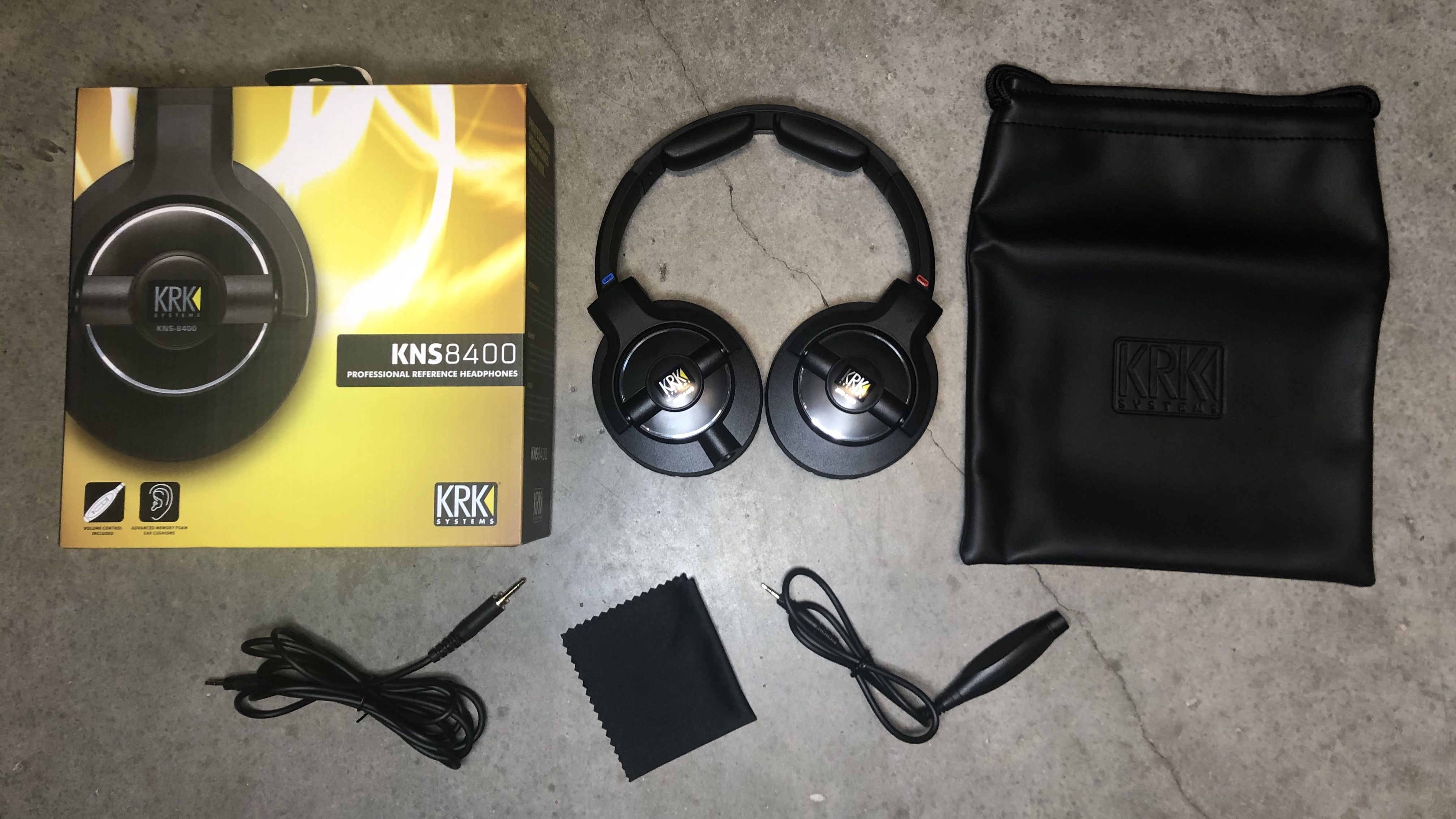
Considering how affordable the KRK KNS8400 headphones are, the contents of the box is impressive:
- Protective soft bag
- Cleaning cloth
- 8.2 ft. straight cable (detachable)
- In-line volume control
The cable locks into the left ear cup and is detachable which is something we appreciate. There's an optional in-line volume control if that's something you need.
Fit & Finish
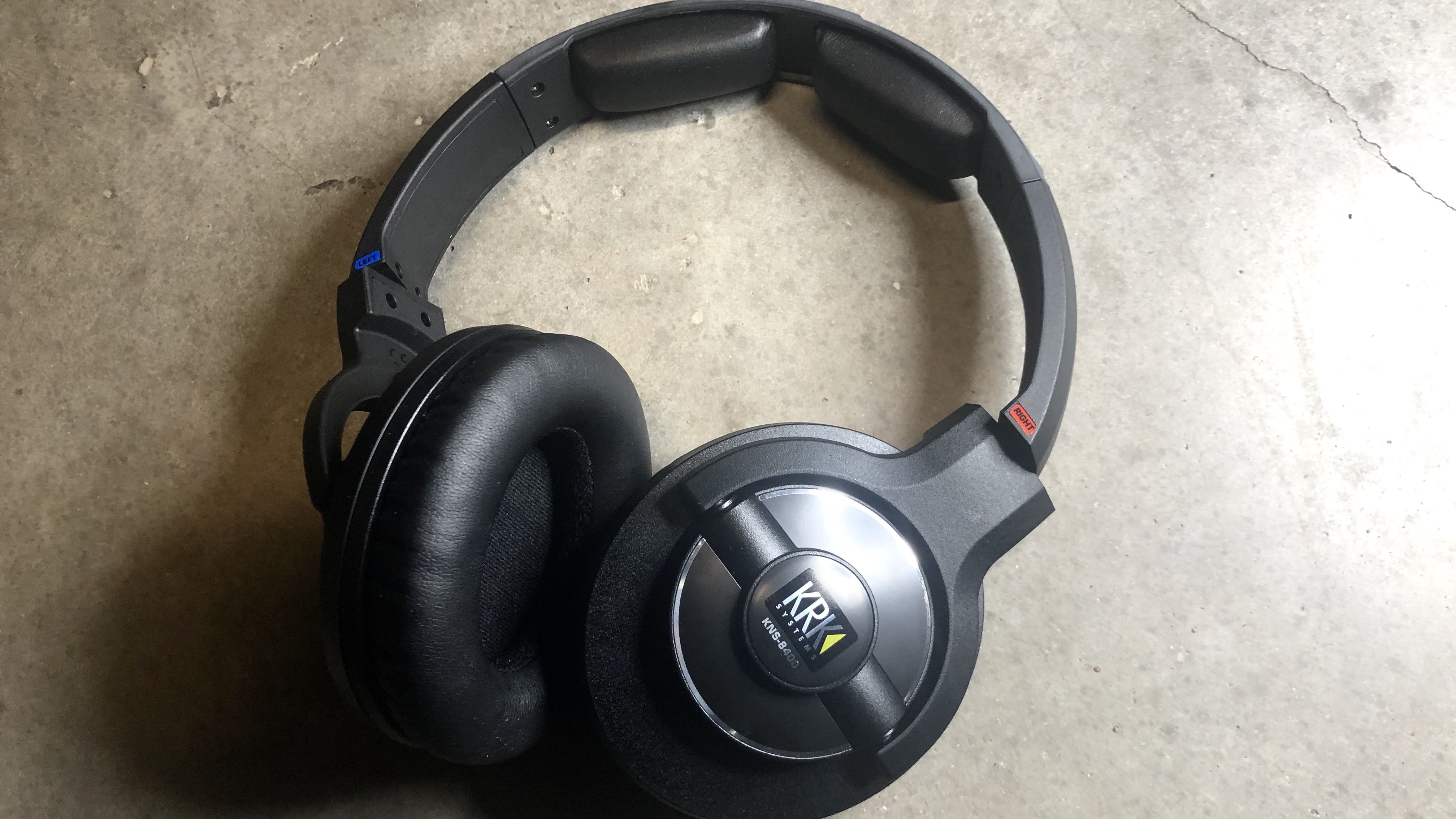
Featuring a mostly plastic build, the first impression is that the finish and build quality of the KNS8400 is inferior, but a closer inspection reveals quite the opposite.
The plastic build keeps the weight down which contributes to their comfort, but it's not your typical cheap plastic build - the plastic has an attractive textured/brushed look to it, and all the moving parts feel very tight with no squeaks or creaks. The interior of the headband is reinforced with steel.
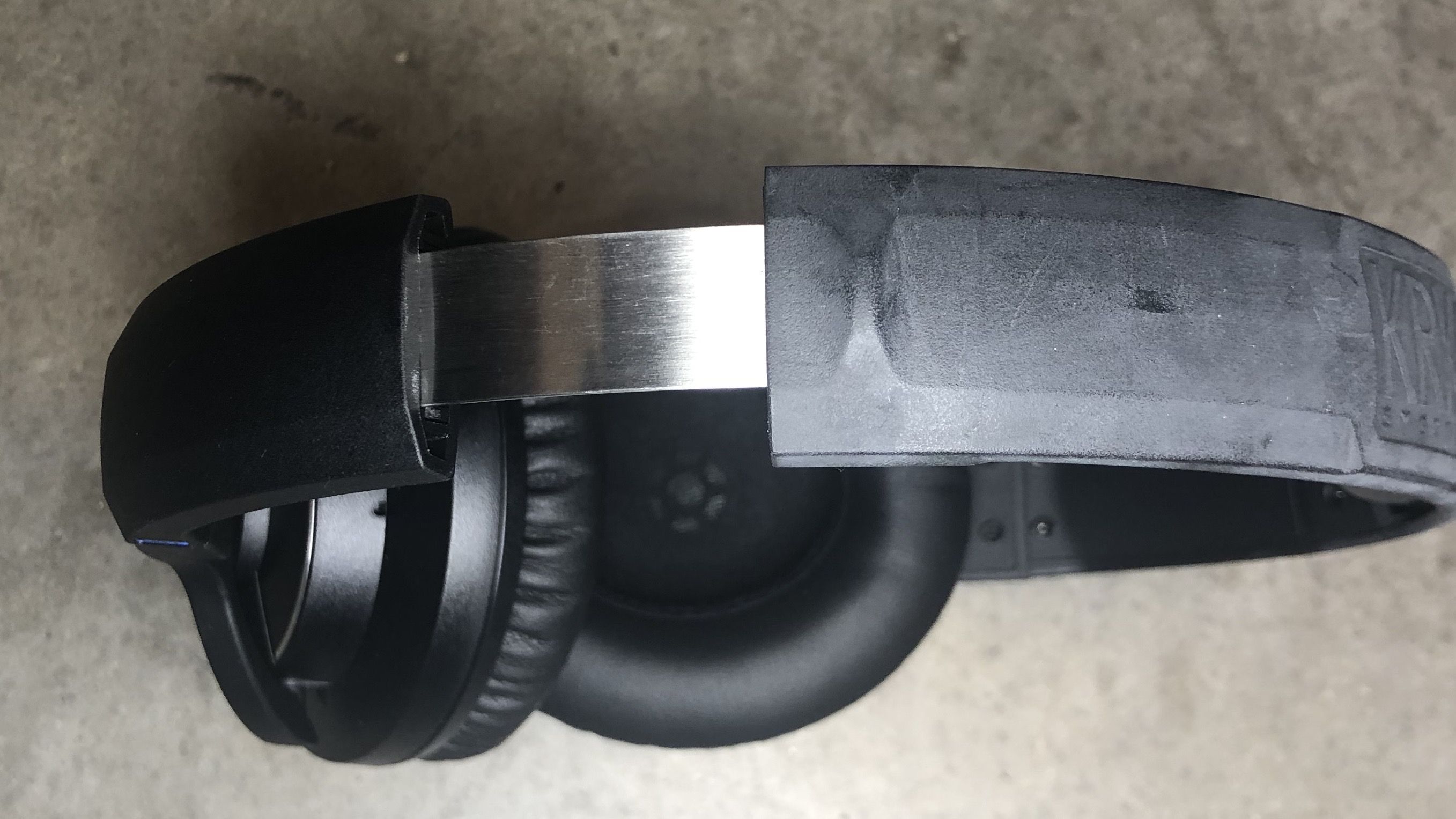
Comfort
Comfort is where the KNS8400 shine brightly. Like we mentioned, the plastic construction makes these headphones very light (0.51 lbs), and we found them to be extremely comfortable even during long production sessions.
The headband and ear cushions are made of a leatherette memory foam (fully replaceable) which is very soft, and provides a good seal to keep out most ambient noise.
At no point did we feel these were too tight.
Sound: Studio Production & Mixing
Describing the KRK KNS8400 for production and mixing use proved tricky, because it's hard to pinpoint where any frequencies are exaggerated or diminished. It's impossible to have a truly flat response, but these sound very close to it.
There's a lot of clarity and definition in the mids and highs, and the bass sounds extremely even. It's not exactly warm or thumping; we'd describe it as very clinical. Mixes done on the KNS8400 translated very well to our studio monitors.
Sound: Casual Listening
The KNS8400 are suitable for casual listening mostly because of how comfortable they are. For long gaming sessions or movie marathons, you won't feel much ear fatigue.
Without a headphone amp to drive them, the sound is a little underwhelming for entertainment applications.
Bottom Line
We love KRK's studio monitors, so it's no surprise that their headphones perform well in the studio.
The best thing about the KRK KNS8400 is that their ability to sound neutral exceeds all expectations considering their low price.
See how artists use this



.jpg)

.jpg)


AIAIAI TMA-2 Wireless+ Headphones
5.0 (1)

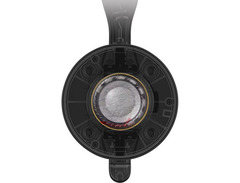
Average Price: $280
Standard/Professional
$100
$301+
Budget
Standard
High-end
- Ultra long battery life
- Supports 2.4GHz, Bluetooth, and cable transmission
- Low latency 2.4GHz transmission ideal for live music creation
- Modular design for easy part replacement
- See 6 more
- Noticeable hiss in wireless mode
- Annoying controls: Long press required to boot/shut down
- Shuts down after ~5 minutes without Bluetooth transmission
- Low voltage input results in one speaker being too quiet
- See 4 more
| Impedance | 32 ohms |
| Frequency Response | 10hz-40khz |

Unboxing & First Impressions
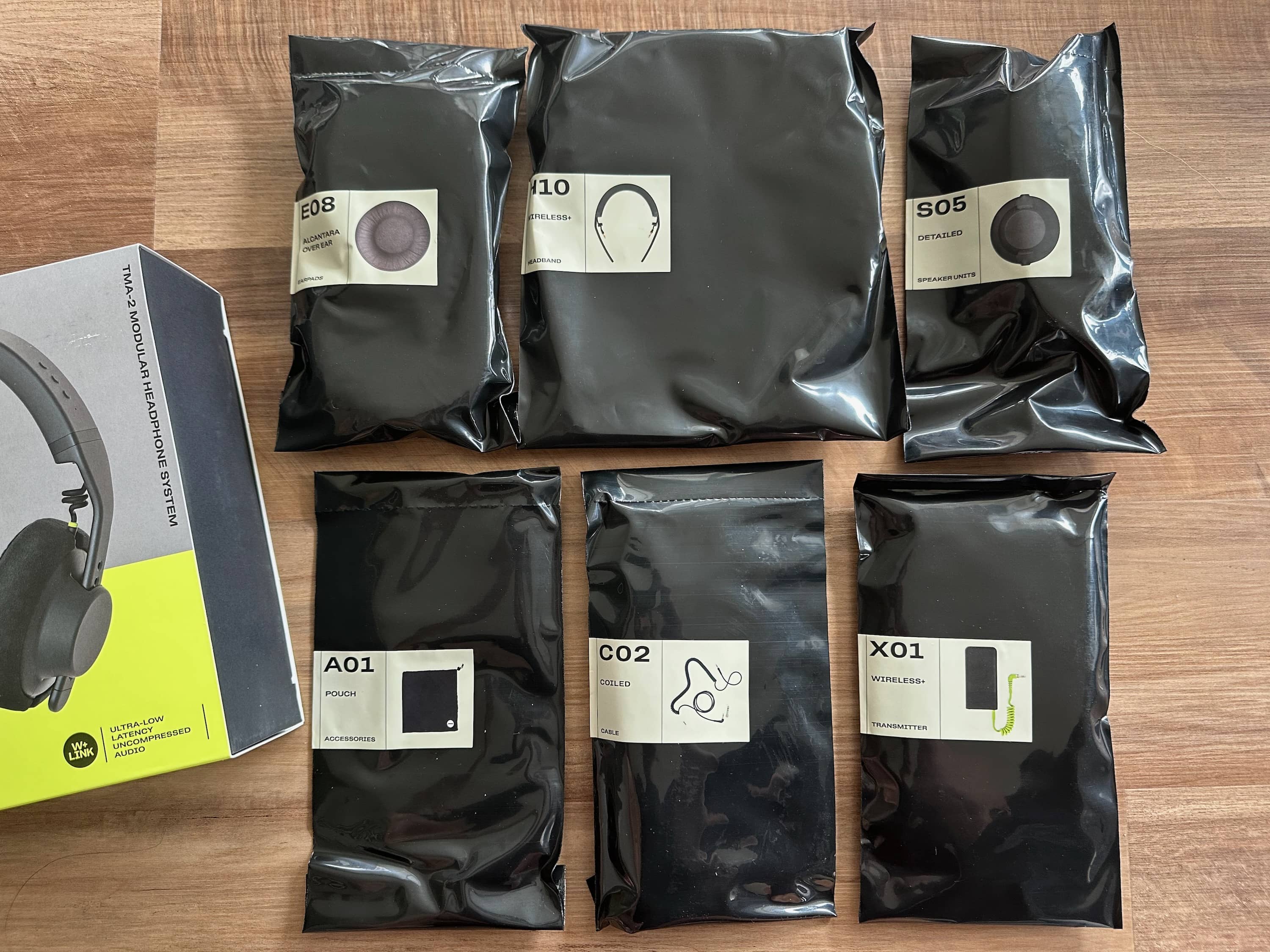
The unboxing of the AIAIAI TMA-2 Studio Wireless+ Headphones made us chuckle a little bit (in a good way!). Each component, from the headband to the ear cups, is neatly packaged and labeled in its own little envelope. There's actually a lot of attention to detail in the packaging, and it’s clear AIAIAI takes pride in the presentation, with minimal waste and a design that feels thoughtful and deliberate. Each package has a perforation you satisfyingly tear to reveal what's inside. You get:
- Headband
- Speaker units
- Earpads
- Pouch
- Cable
- Wireless transmitter
...and yes, you have to put them together before you get the pleasure of using them. Luckily it's easy and sort of fun.
Fit & Finish
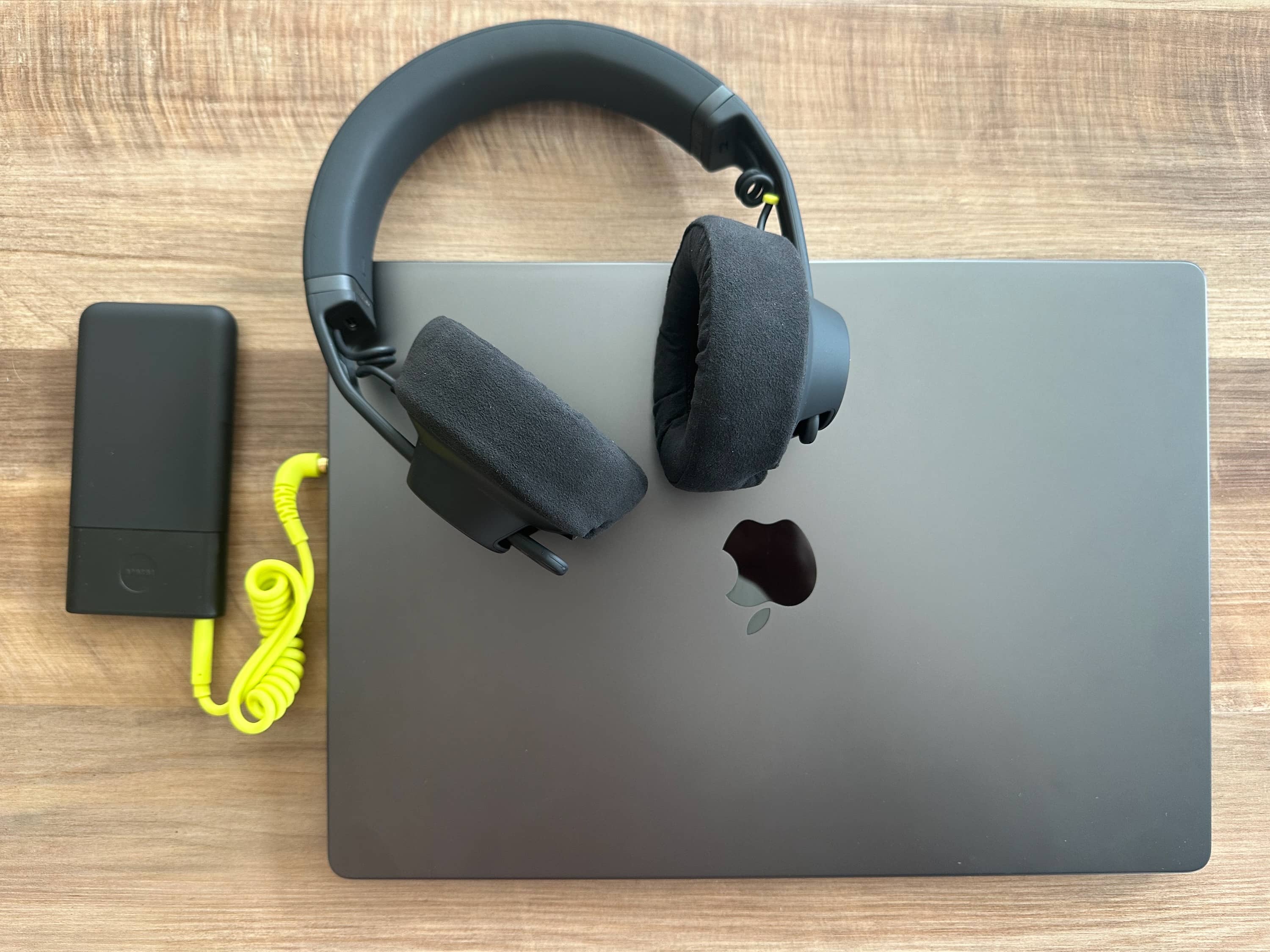
The modular design is one of the standout features of the TMA-2 Studio Wireless+. The ability to replace parts individually not only extends the lifespan of the headphones (in case any part breaks or is simply worn) but also adds a level of customization. Everything is lightweight, but somehow doesn't feel cheap. We would say the overall build quality (and just the fact that AIAIAI has been around for a while now) inspires confidence in the product’s durability.
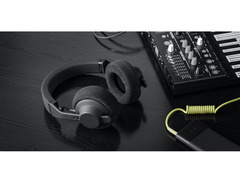
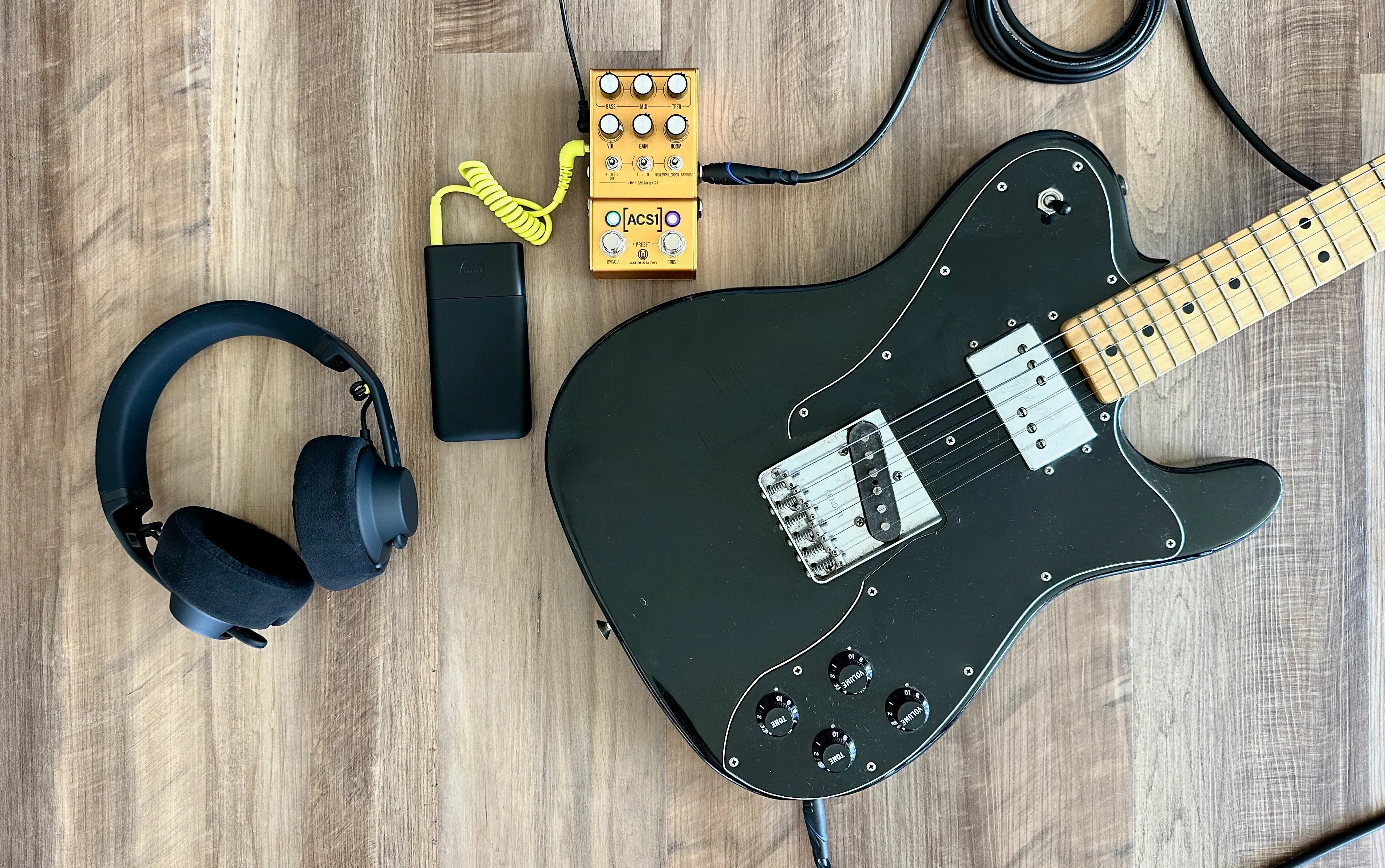
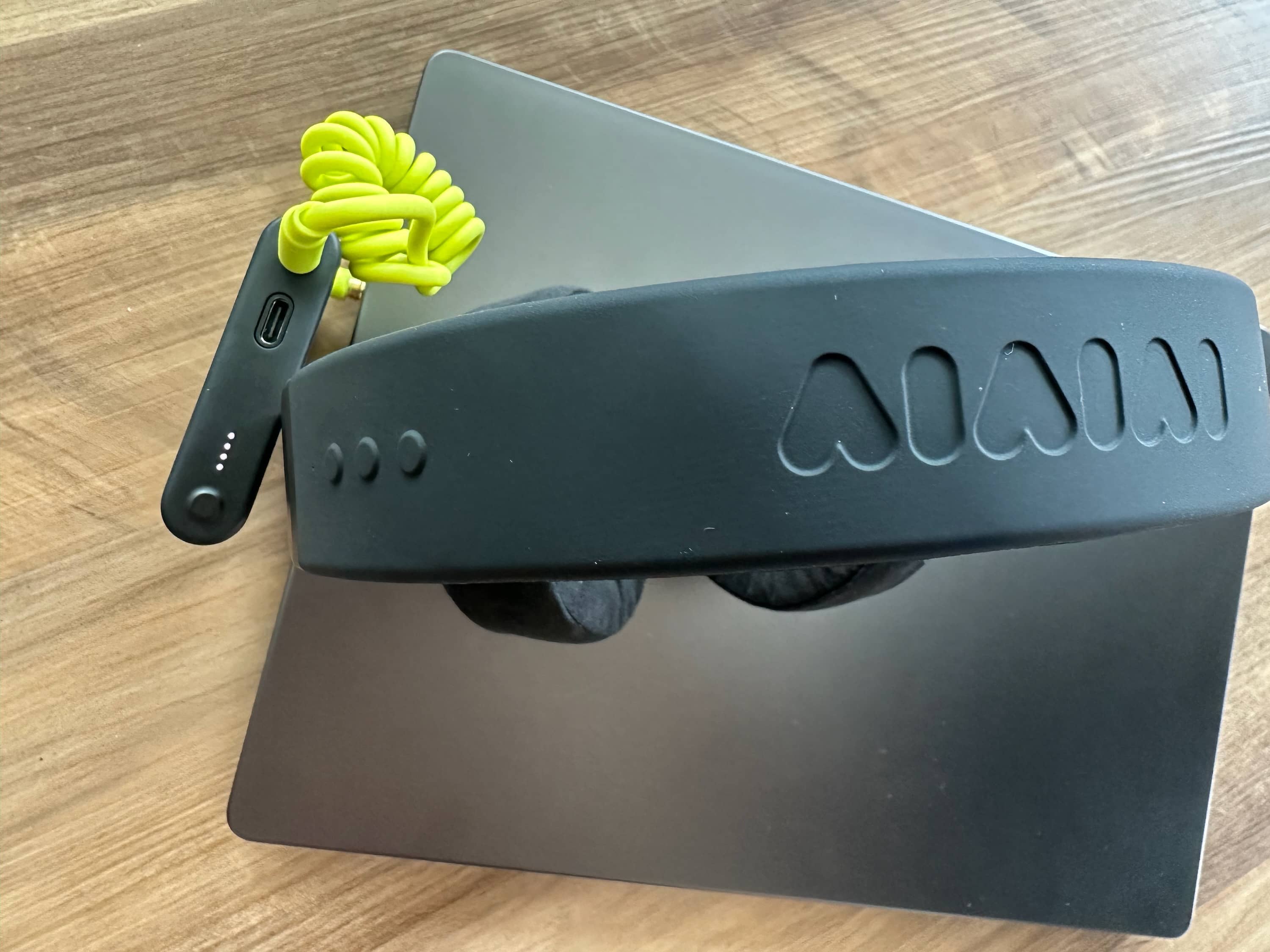
The Wireless+ Transmitter looks and feels cool, with its bright yellow cable (which includes a 1/4" adapter).
Comfort
These headphones excel in the comfort department. The Alcantara ear cushions are incredibly soft, and the headphones themselves are lightweight and balanced. Even after long sessions, they remain comfortable and don’t cause fatigue. The design ensures they sit securely on the head without feeling tight. While they don’t fold for compact storage, removing the ear cups is easy enough, making them relatively portable. Users with smaller heads might find the fit less than perfect, but for most, the comfort level will be outstanding.
Features
With most studio headphones we don't really need to talk about "features" since they really only need to do one thing - sound good! The AIAIAI TMA-2 Studio Wireless+ are a little different. If you use the included cable and simply use them like that, then yes, they are like any other studio headphones.
However, these are in a pretty unique category - they can be used as normal Bluetooth wireless headphones, OR by using the included Wireless+ Transmitter, you enter a 2.4GHz low latency mode which reduces the latency to a stable 16ms. This is pretty awesome, because most wireless headphones have a perceptable latency that makes them ill-suited for studio and live work, where you need to hear sounds immediately as they occur (think about hitting a drum pad, or strumming a guitar string - you need to hear the result of that instantly).
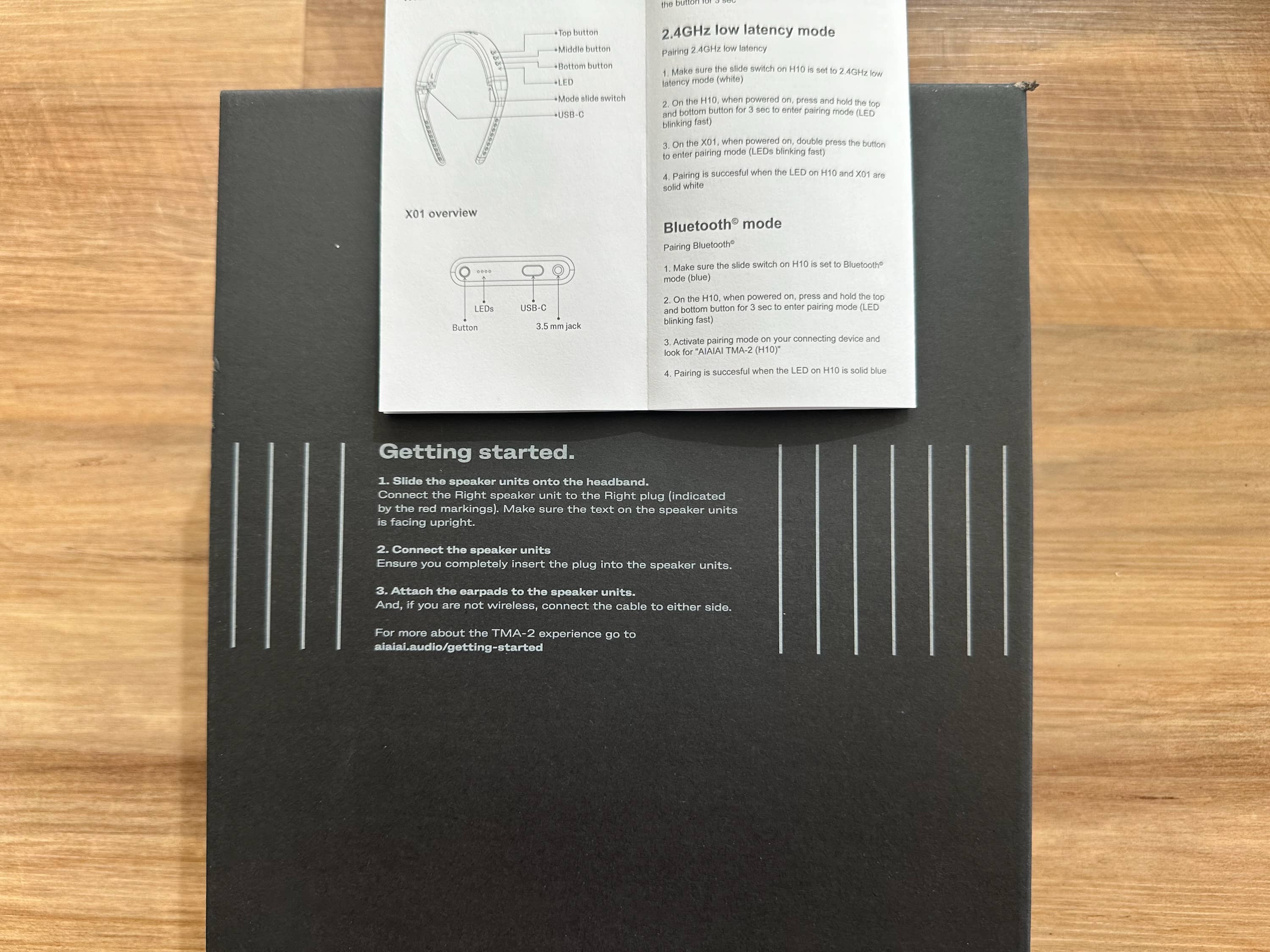
Getting the connection going is pretty easy - slide the mode switch on the headband to either low latency or Bluetooth, and hold down a couple buttons on the headbands to pair.
So, how useful are these in low latency mode? Most people start to notice latency around 10ms. The 16ms latency of the TMA-2 Studio Wireless+ is barely perceptible. It can be a problem if you're using these for DJing, and while you're mixing there's a booth monitor feeding you a signal. In this test, the latency was bothersome enough to where we had to ditch the wireless feature and use the hard-wired cable.
Playing guitar wirelessly, however, was a great experience. We plugged a guitar into an amp simulator pedal, and the Wireless+ Transmitter into the headphone output of the pedal. We did not percieve any lag while playing, which is awesome.
Sound: Studio Production & Mixing
When it comes to studio production and mixing, the TMA-2 Studio Wireless+ headphones deliver a super balanced sound. The detail is impressive, with a full low-end and a flat response that makes them suitable for reference mixing. However, the sound isolation could be better, as the included ear pads allow some environmental noise to seep in.
In low latency mode, there’s a noticeable hiss at higher volumes, which can be distracting. The way around that is to keep the headphones volume as low as possible, and turn up your output source like your instrument, audio interface, laptop, etc. We do wish they were a tad louder, but for most studio work, they perform admirably.
Sound: Casual Listening
For casual listening, these headphones are solid. To save battery you should switch them into Bluetooth mode. The sound is even and representative, making them a good all-around choice for various genres of music. Would we outright recommend them for casual listening? It's hard to say. If you were dead set on having a single headphone that goes from the studio to the gym with you, and it had to be wireless, then yeah these fit the bill. Keep in mind they are not noise canceling, and in fact let in a good amount of ambient sound.
Bottom Line
The AIAIAI TMA-2 Studio Wireless+ Headphones are a versatile and innovative option for both professional and casual use. Their modular design, excellent comfort, and balanced sound make them a strong contender in the studio headphones market.
They are pricey! You're certainly spending more than you would for a closed-back industry standard studio headphone with a wired connection. So, are they worth it? It depends. If you hate wires, move around a lot in your studio space, and do some live work where low latency is a must, then the TMA-2 Studio Wireless+ are worth the investment. Especially so because they transition easily to normal Bluetooth headphones.
While they have some drawbacks, such as the hiss in low latency mode and the need for separate charging of the transmitter and headphones, the positives outweigh the negatives. For musicians and audiophiles alike, these headphones are worth considering for their unique blend of low latency wireless performance and outstanding sound quality.
See how artists use this







AKG K240 MKII Headphones
4.5 (94)


Average Price: $103
Standard/Professional
$100
$301+
Budget
Standard
High-end
- Neutral sound ideal for critical listening and mixing
- Comes with both coiled and straight cords, enhancing versatility
- Lightweight design contributes to long-wearing comfort
- Durable, with users reporting years of use without degradation in quality
- See 6 more
- Some users desire more low-end response
- Semi-open design may leak sound, possibly disturbing others
- Occasional reports of internal wire issues requiring soldering repair
- Ear pads may harden over time, necessitating replacements
- See 3 more
| Fit Style | circumaural (around the ear) |
| Impedance | 55 ohms |
| Frequency Response | 15hz-25khz |
| Open/Closed | semi-open |
| Weight | .53 lbs. |
Unboxing & First Impressions
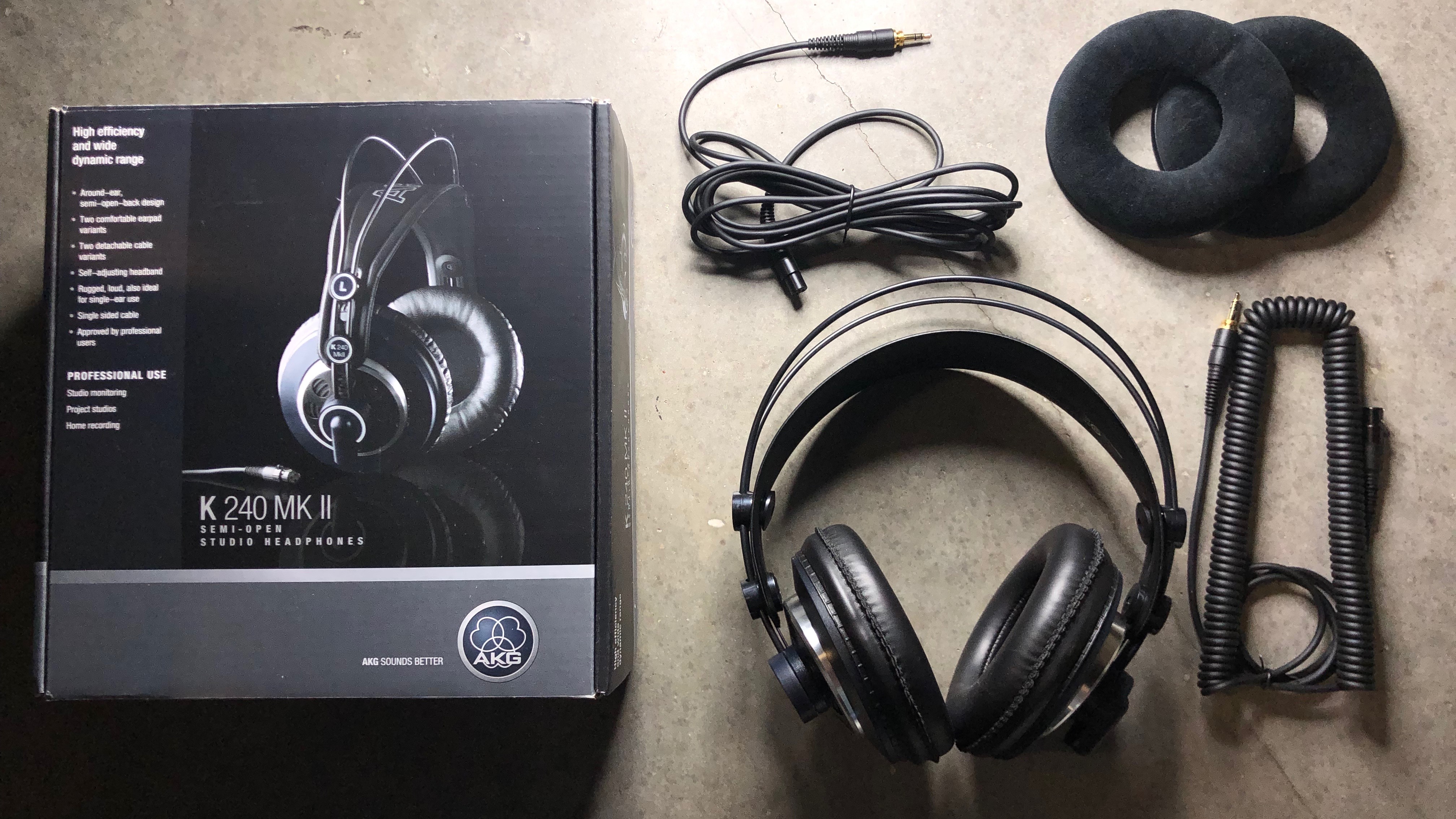
Opening the box reveals the following:
- 9.8 ft straight cable
- Coiled cable
- Velvet ear pads
- 1/4" adapter
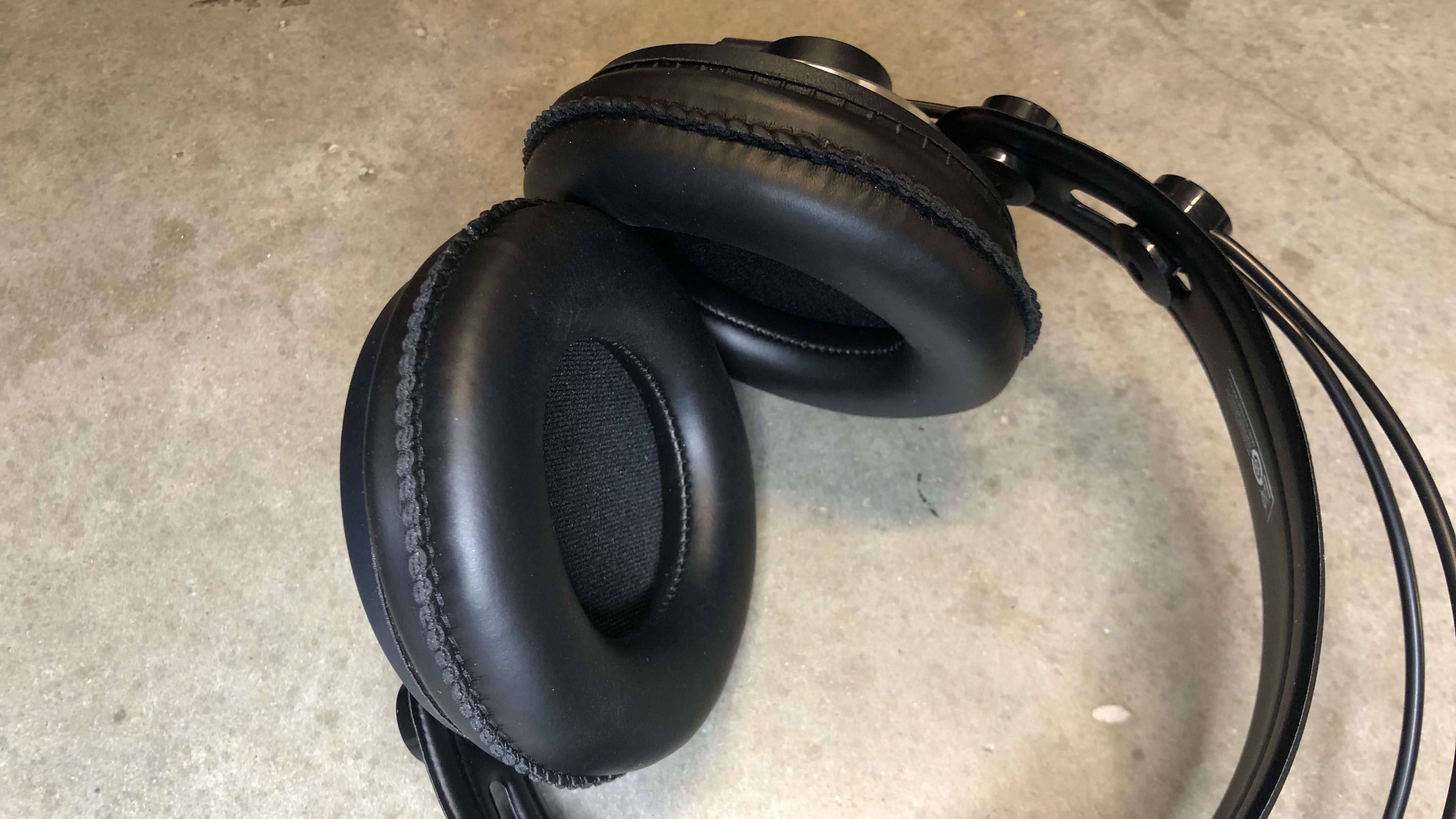
It's nice of AKG to include velvet ear pads as a replacement to the default leatherette, just in case you prefer the velvet feel or the leatherette deteriorates.
Fit & Finish
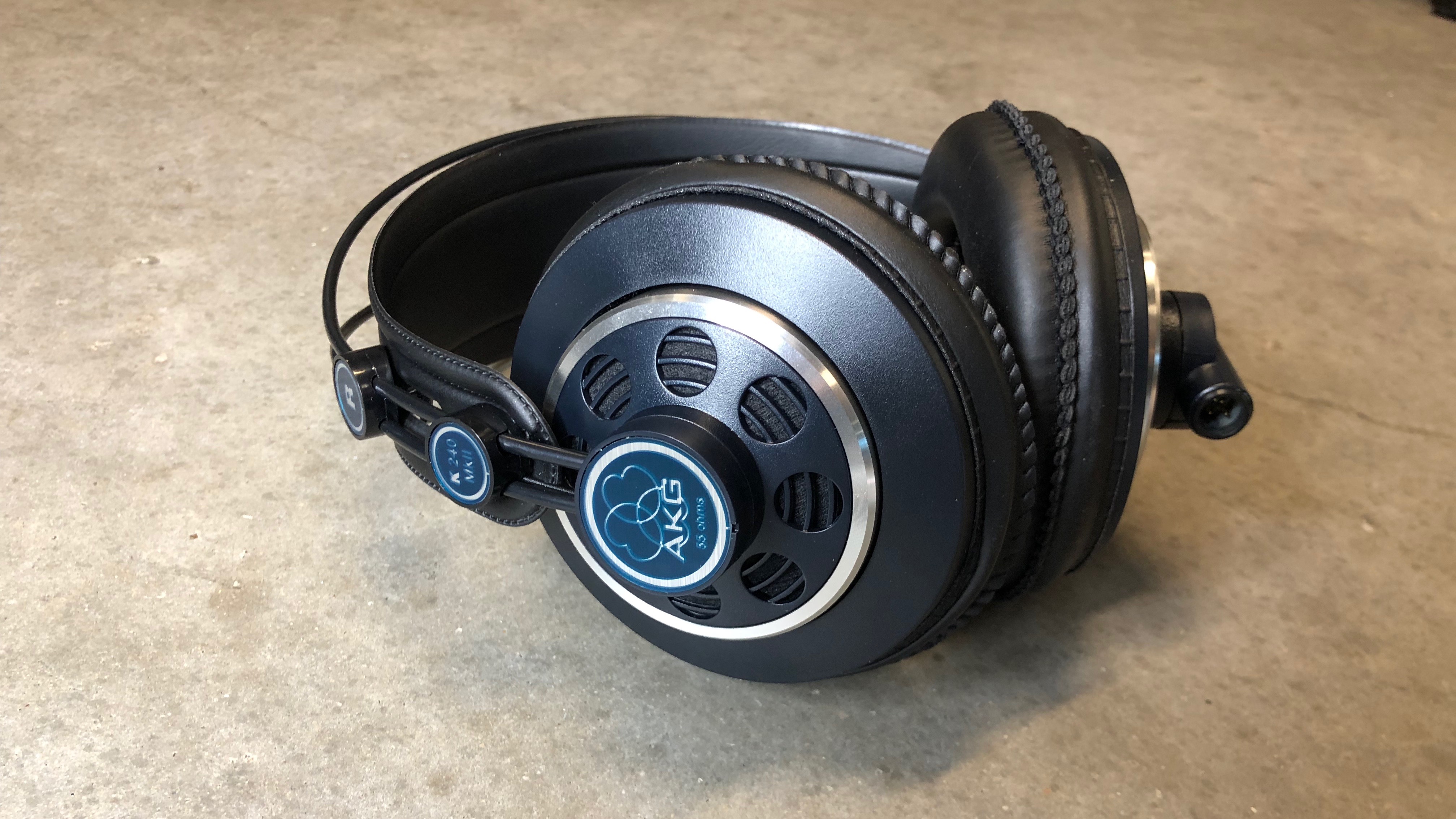
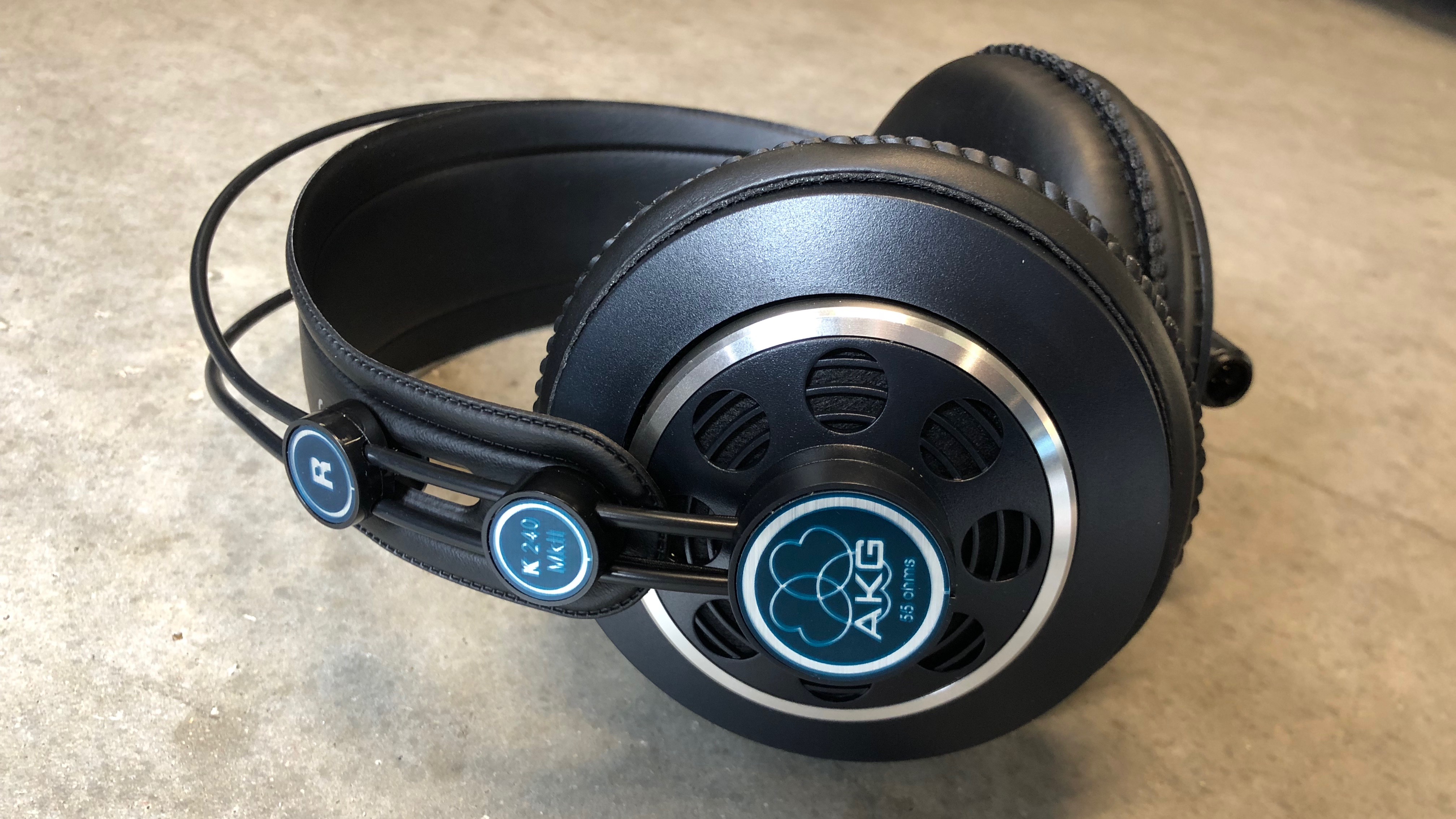
The AKG K240 MKII are well-designed headphones with retro styling. They're very light and the build quality feels decent. The headband is not reinforced with plastic or steel like on other headphones, but rather has a 2-prong outer frame for support.
Comfort
These are some of the most comfortable headphones around. They're extremely light and comfortable over long periods, with no harsh pressure or tightness.
Sound: Studio Production & Mixing
The AKG K240 MKII deliver a very pleasing and balanced sound. Being semi-open, you should expect the bass to not sound as deep and full as closed-back headphones, but unfortunately with these headphones it suffers a bit more than we'd like. It's probably not the best headphone for producing or mixing bass-heavy genres.
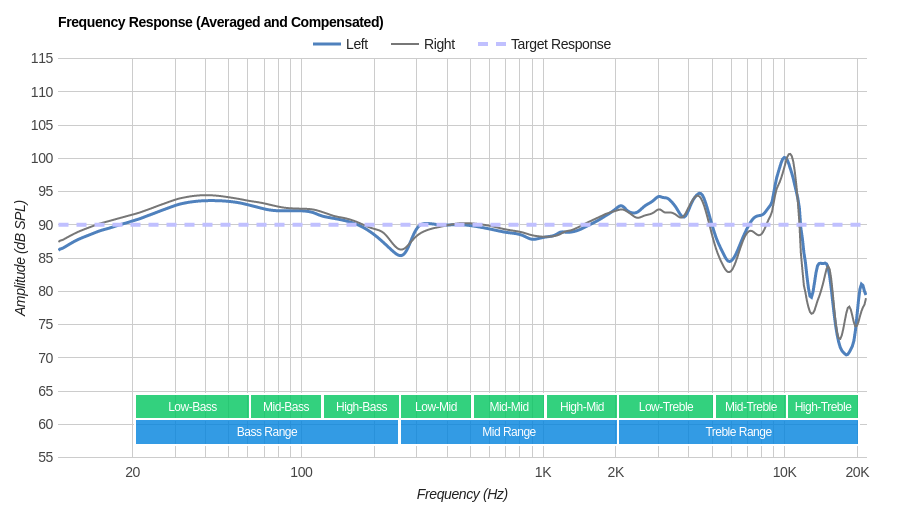
To compensate, the mid-range and treble sound great; very even and honest. The soundstage is nice and wide, which combined with their lightness on the head makes them very good for working on mixdowns on all but the most bass-heavy of tracks.
Sound: Casual Listening
The K240 MKII are not great for casual listening. The lack of low-end is a bit underwhelming for entertainment purposes, which is a shame because these headphones are super comfortable to wear. Without a dedicated headphone amp, they also lack a bit of volume when driven by a phone or laptop.
Being a semi-open back, there is substantial sound leakage so they are not suitable for any noisy environments.
Bottom Line
The K240 MKII are a quality set of semi-open back headphones, and come at a cost that doesn't break the bank. They're a fantastic value, and we would recommend them to any producer or mixing engineer who wants open-backs in their arsenal and works with genres that don't need a lot of sub-bass.
See how artists use this






Beyerdynamic DT 990 PRO
5.0 (151)


Average Price: $174
Standard/Professional
$100
$301+
Budget
Standard
High-end
- Comfortable for long sessions, even with glasses
- Open-back design provides a more natural listening experience
- Exceptional sound accuracy ideal for studio applications
- Excellent soundstage and frequency response for the price
- See 6 more
- Requires an amp for optimal performance, not suitable for all devices
- Treble can be overly sharp or harsh for some users
- Open-back design leads to poor sound isolation
- Fixed cable design limits portability and flexibility
- See 5 more
| Impedance | 250 ohms |
| Frequency Response | 5hz-35khz |
| Weight | .55 lbs. |
Unboxing & First Impressions
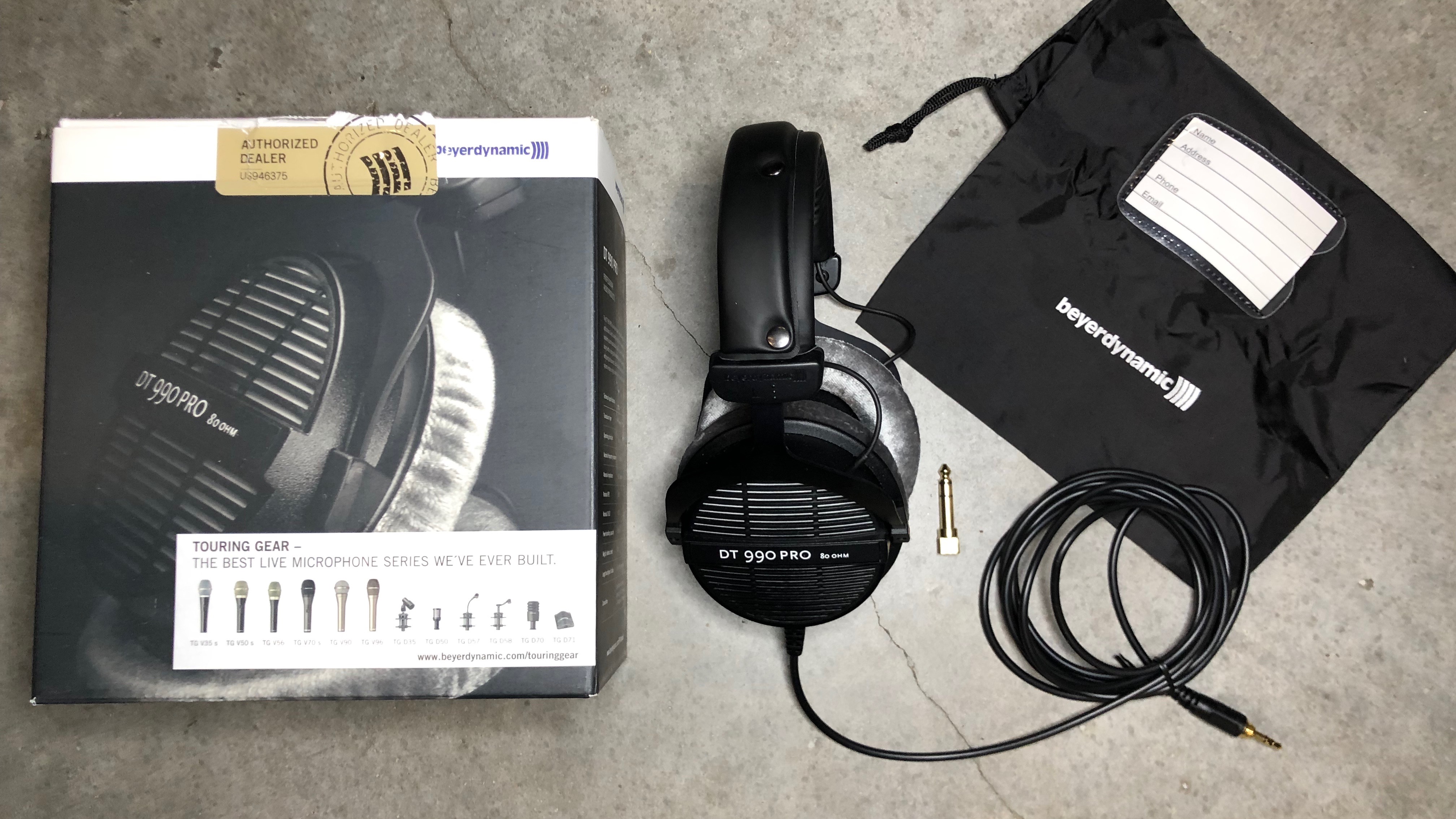
The German-made Beyerdynamic DT 990 PRO come in a box with the headphones, carrying pouch, non-detachable 9.8 ft. cord, and 1/4" adapter.
Fit & Finish
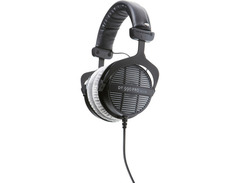
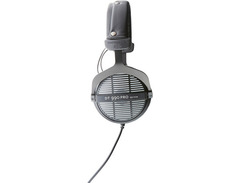
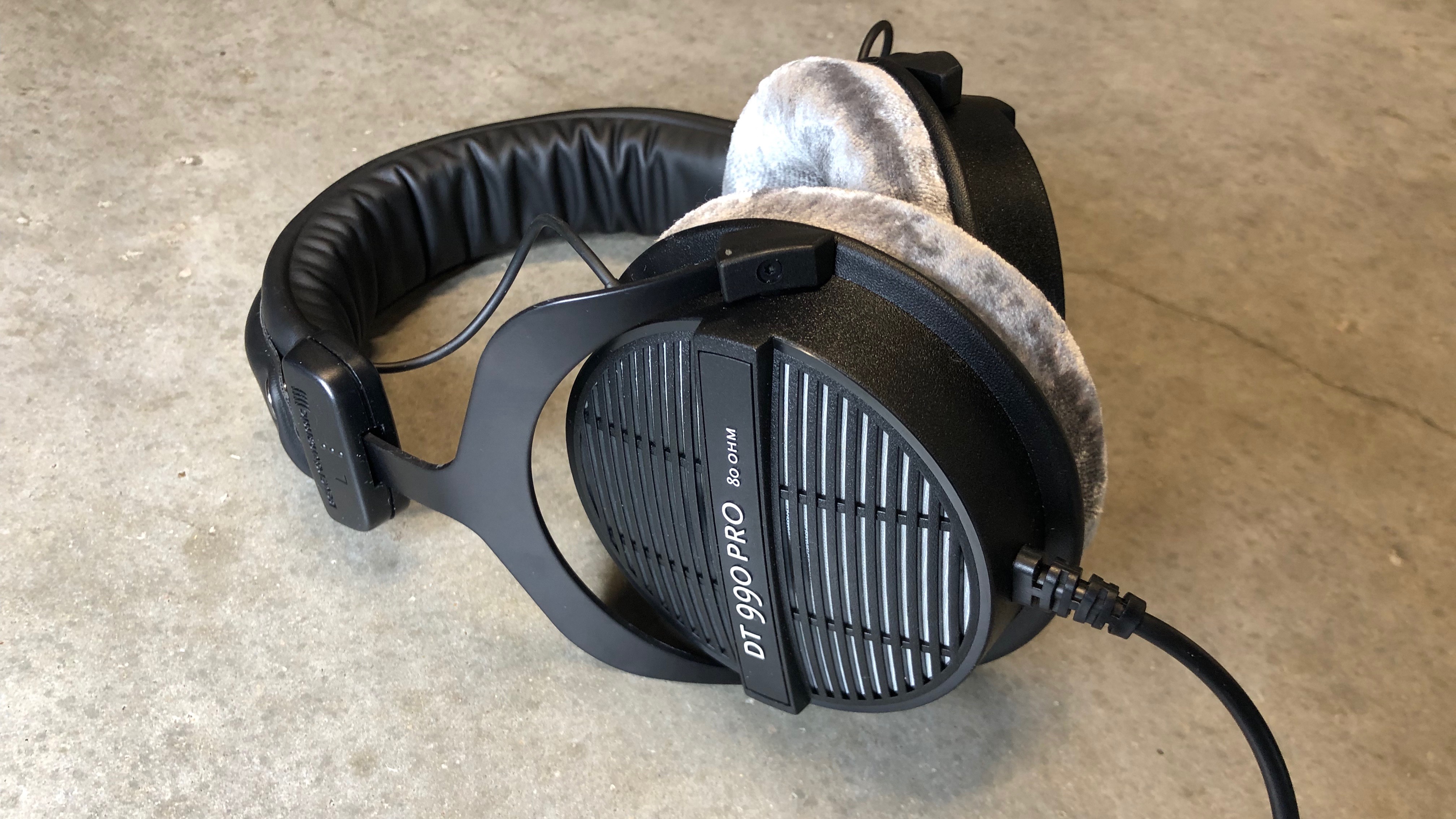
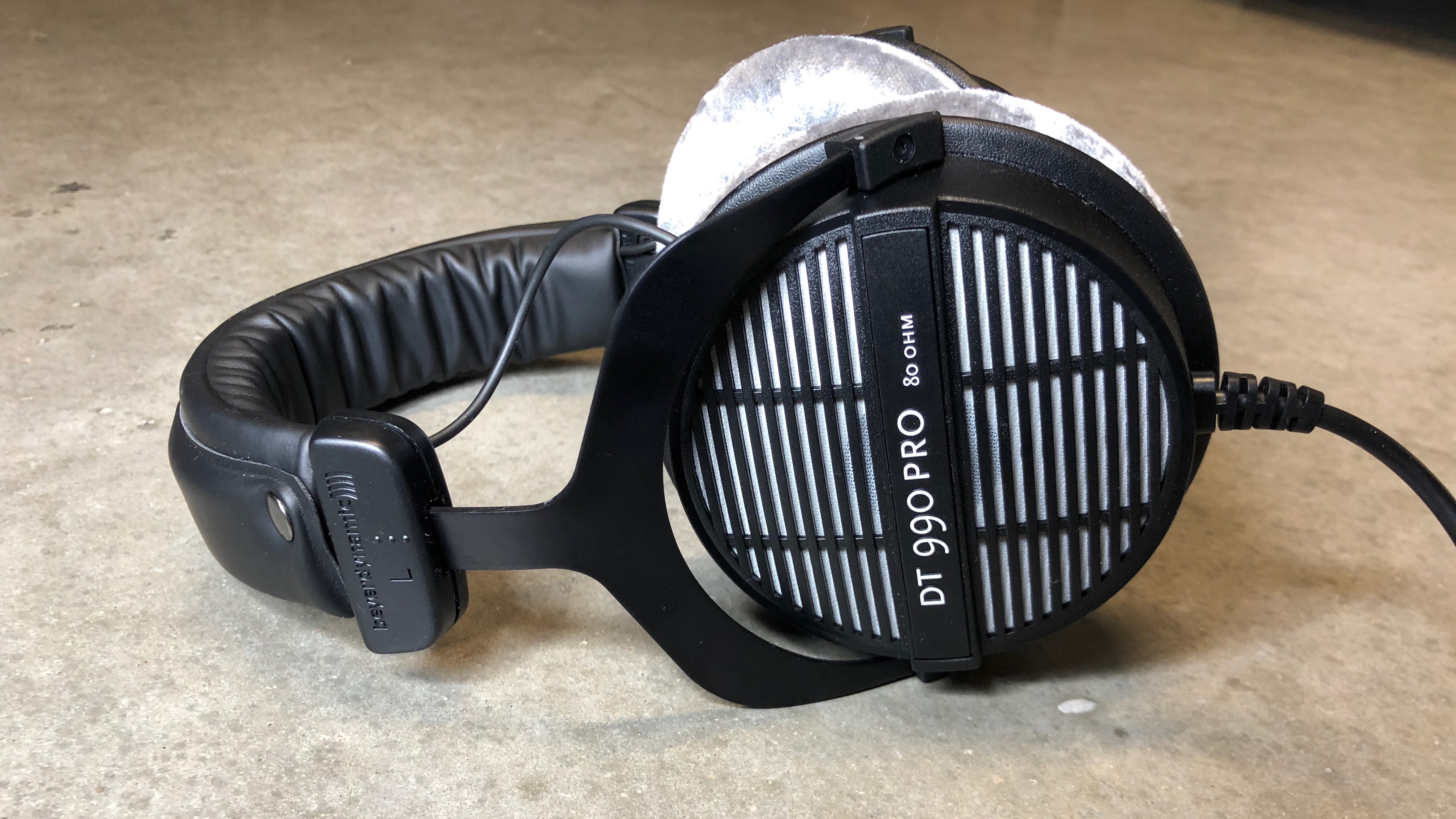
These are basically the open-back version of the Beyerdynamic DT 770 PRO headphones, and share a lot of design elements with them. They're not the most stylish headphones around, and sport more of a utilitarian look and feel. The grille on the outside of the ear cups adds some visual interest.
The DT 990 feel extremely durable and well-built, with a metal frame and no loose or noisy joints. The leather around the headband can easily be removed and replaced if needed.
Comfort
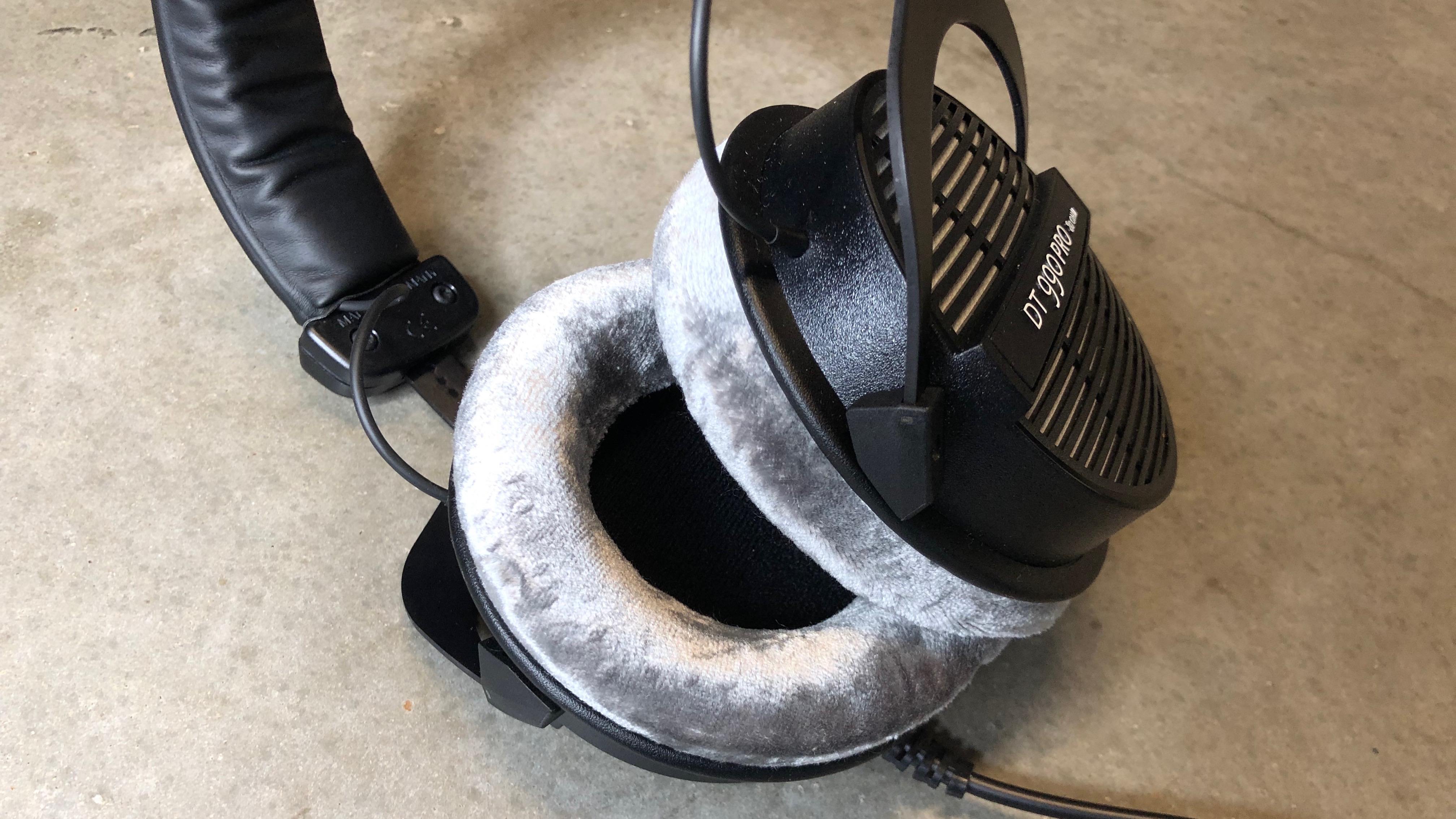
The plush velour ear pads are supremely comfortable. Like the DT 770, these can be worn for hours without much discomfort. Pressure is distributed evenly, and the padded headband provides additional comfort.
Sound: Studio Production & Mixing
In this price range, the Beyerdynamic DT 990 PRO are a gold standard when it comes to sound quality in an open-back headphone. They are extremely balanced, have a fairly wide soundstage and great stereo separation.
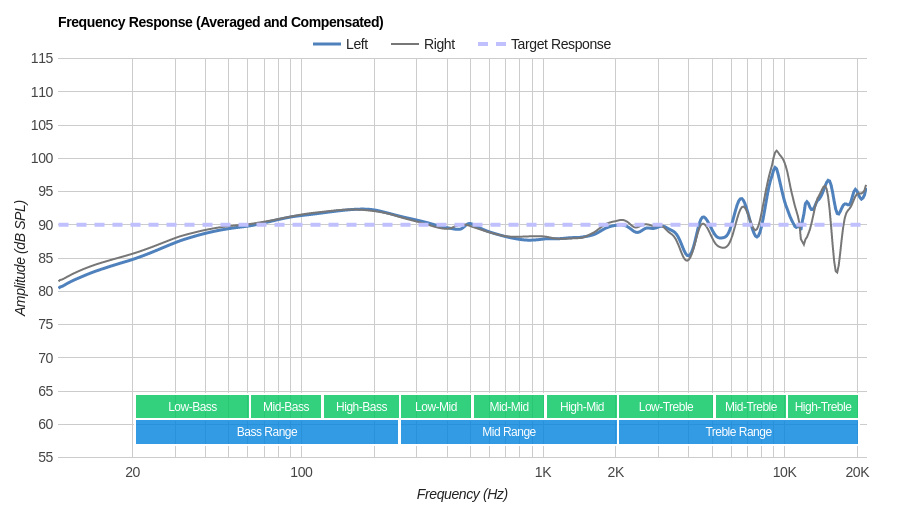
They lack a little sub-bass, as can be expected of open-back headphones, but the mid- and high-bass sounds great. Composing and mixing bass heavy genres is not a problem on the DT 990.
The mids are very flat and honest, and the highs are detailed despite a spike around 8 kHz, which wasn't a bother in our tests.
The sound stage isn't the widest we've heard in an open-back headphone, but still very respectable.
Sound: Casual Listening
The usual open-back headphone limitations apply when recommending the DT 990 for casual use. They are extremely comfortable, and if you'll be using them by yourself, the sound leakage won't be a problem. However due to the lack of isolation and high impedance, we're more inclined to recommend the Beyerdynamic DT 770 PRO for casual listening.
Bottom Line
Beyerdynamic's DT line of headphones delivers amazing results for the money, and the DT 990 Pro are no exception. Their sound signature is very flat and honest, and the velour ear pads offer unparalleled comfort, making them ideal for mixing sessions in the studio. If you're looking for an open-back headphone to be your workhorse without busting the bank, look no further.
See how artists use this









Sennheiser HD 650
5.0 (55)


Average Price: $389
High-end/Boutique
$100
$301+
Budget
Standard
High-end
- Incredible detail and accuracy for mixing and monitoring
- Comfortable for long listening sessions
- Durable and sturdy build quality
- Balanced sound with less hype in upper mids/highs
- See 6 more
- Initial sound may seem dull or dark compared to other headphones
- Bass not as punchy as some may prefer
- Cable connection can get loose or is cumbersome for some users
- High impedance requires a good amp for best performance
- See 6 more
| Fit Style | circumaural (around the ear) |
| Impedance | 300 ohms |
| Frequency Response | 10hz-41khz |
| Open/Closed | open |
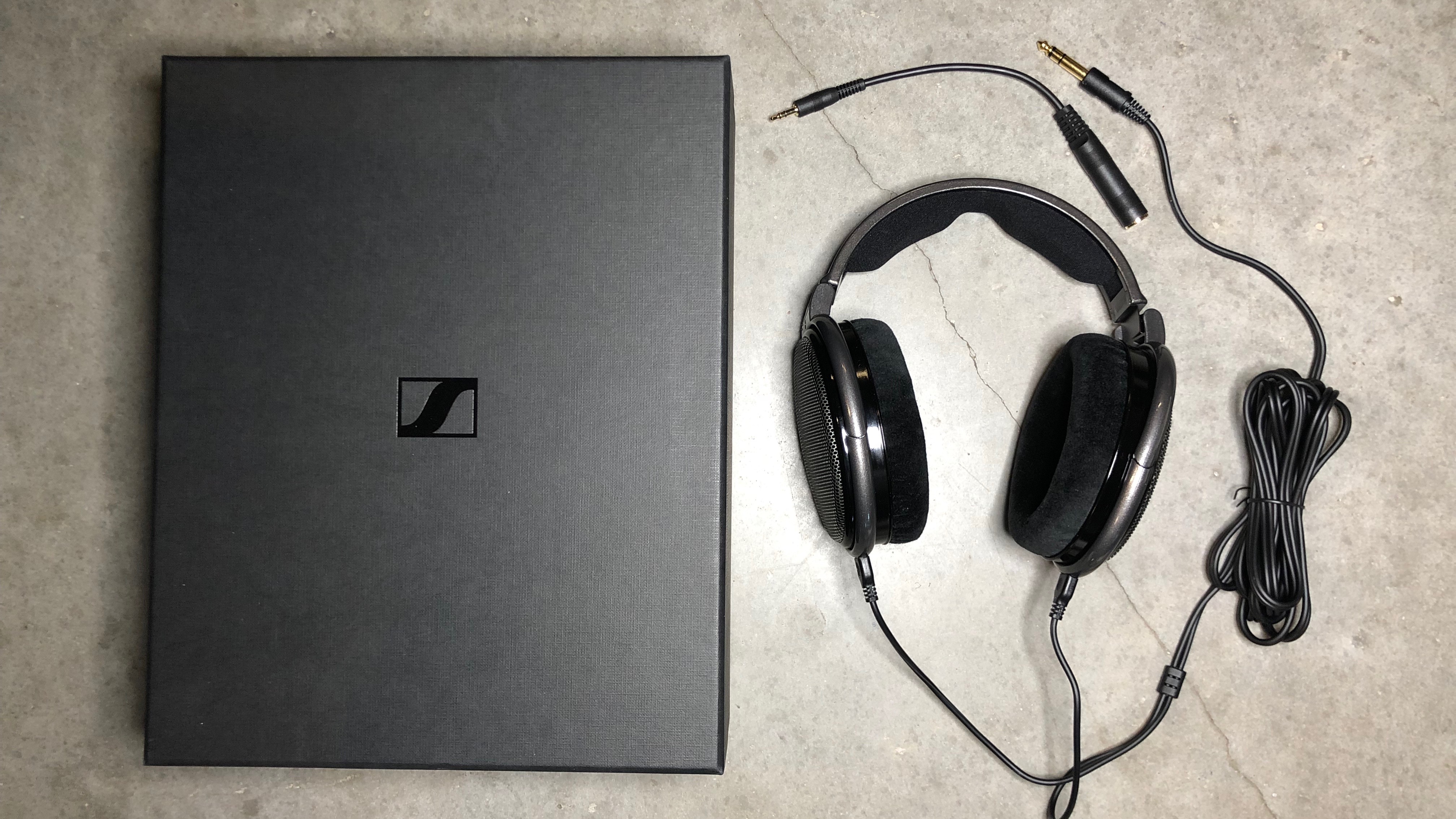
Unboxing & First Impressions
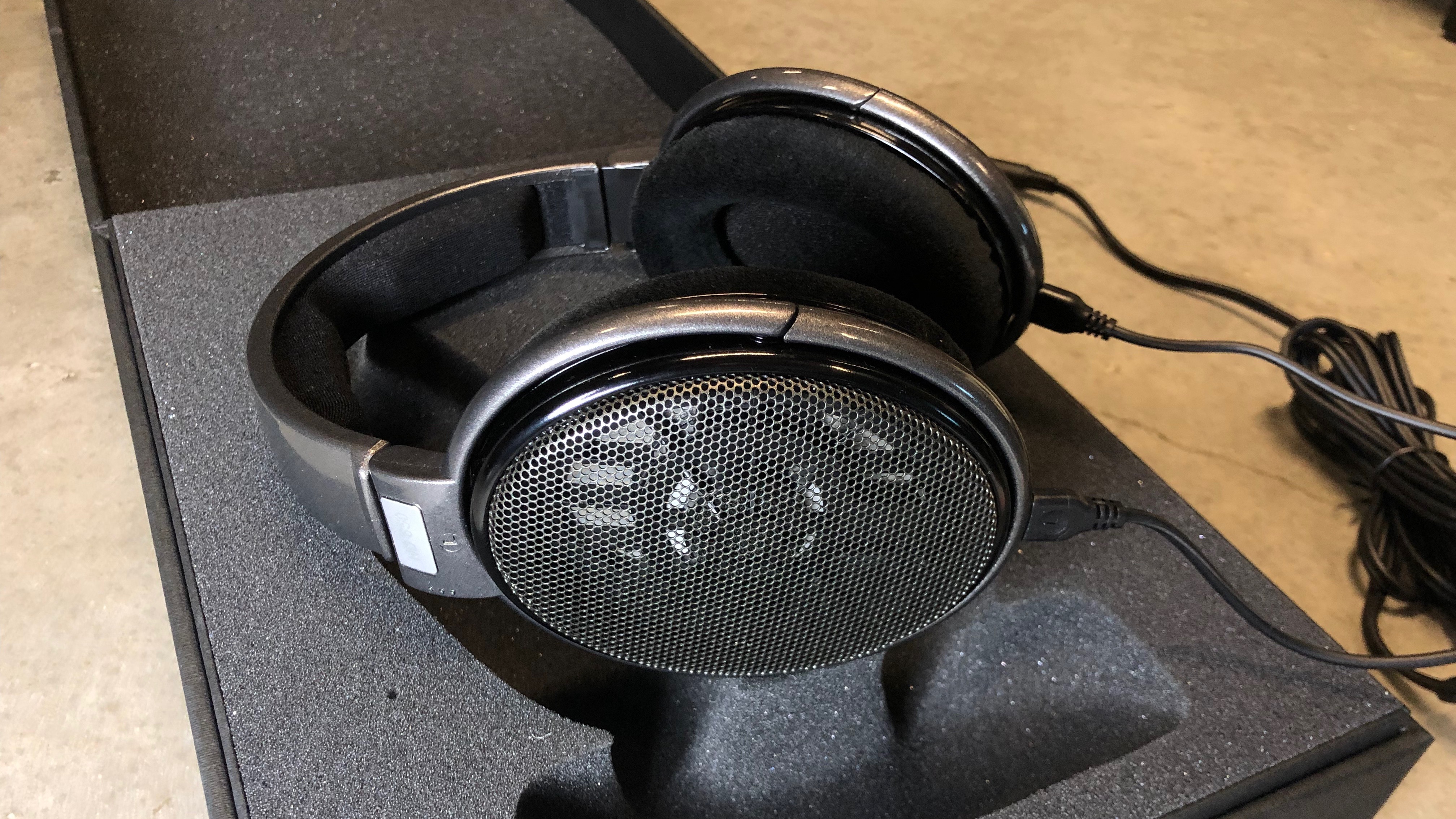
The Sennheiser HD 650 are premium headphones, and the unboxing reflects that. They come in a beautiful box with a hinged lid, and the headphones are resting in custom-cut foam inserts. It's reminiscent of unboxing a high-end pair of sneakers, which is a nice touch after you've spend this kind of money on a headphone.
In the box you'll find the headphones with a detachable 9.8 ft. cable, and a short adapter cord to convert the 1/4" connection to 1/8". Strangely there is no carrying pouch, but the solid case compensates for that.
Unlike most headphones where the cord attaches to just the left ear cup, the detachable cords hook up to both ear cups. It's not a nuisance, just something to be aware of.
Fit & Finish
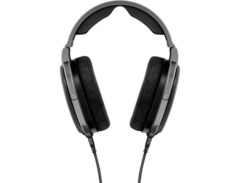
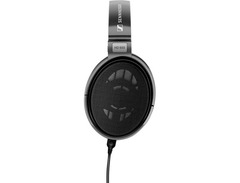
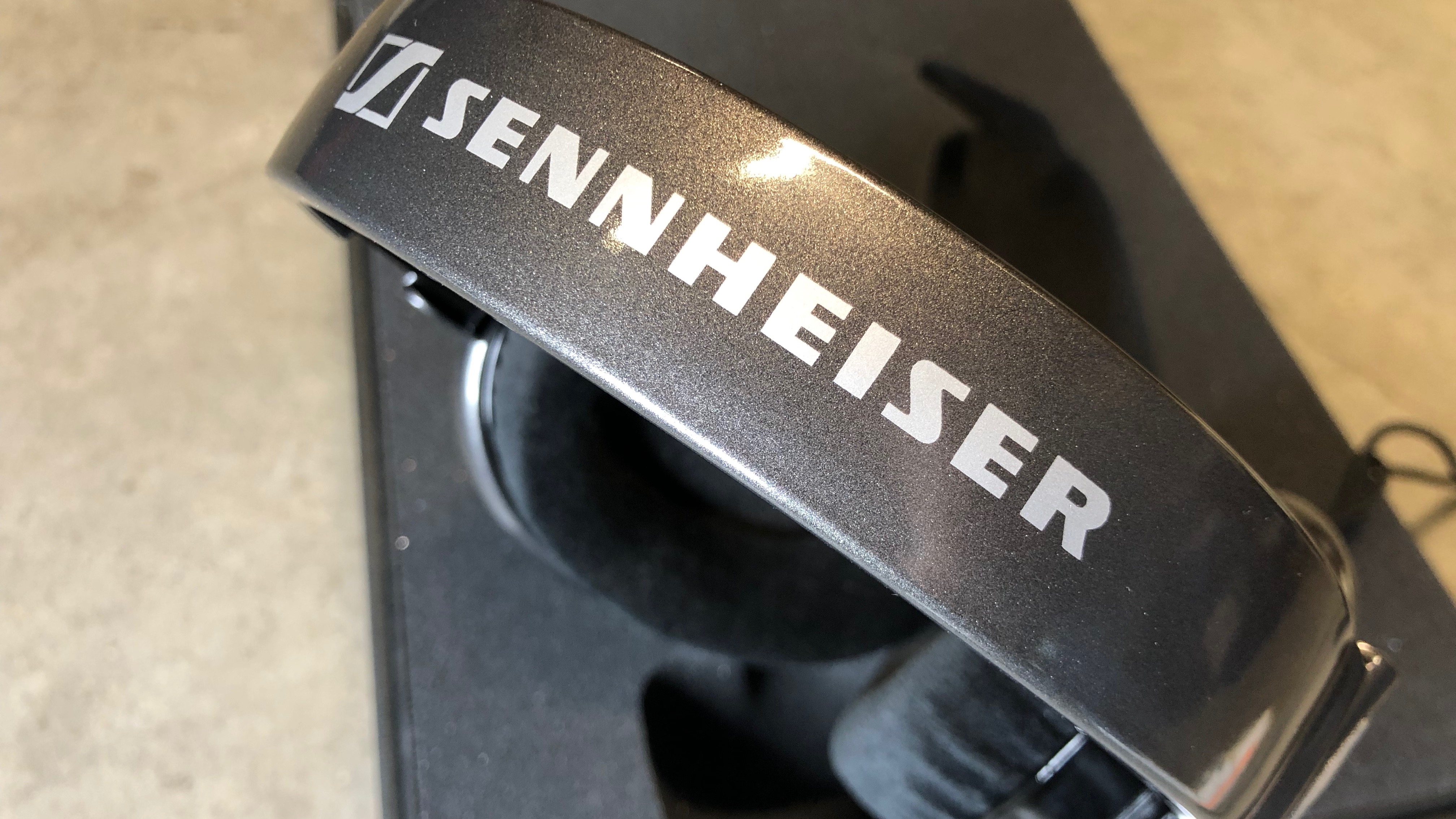
The HD 650 are bulky due to the ear cups being a tall oval shape. Aside from that, the design is very nice and the fit & finish is excellent. There's a mix of metal and plastic, and the color scheme is an attractive metallic gunmetal gray.
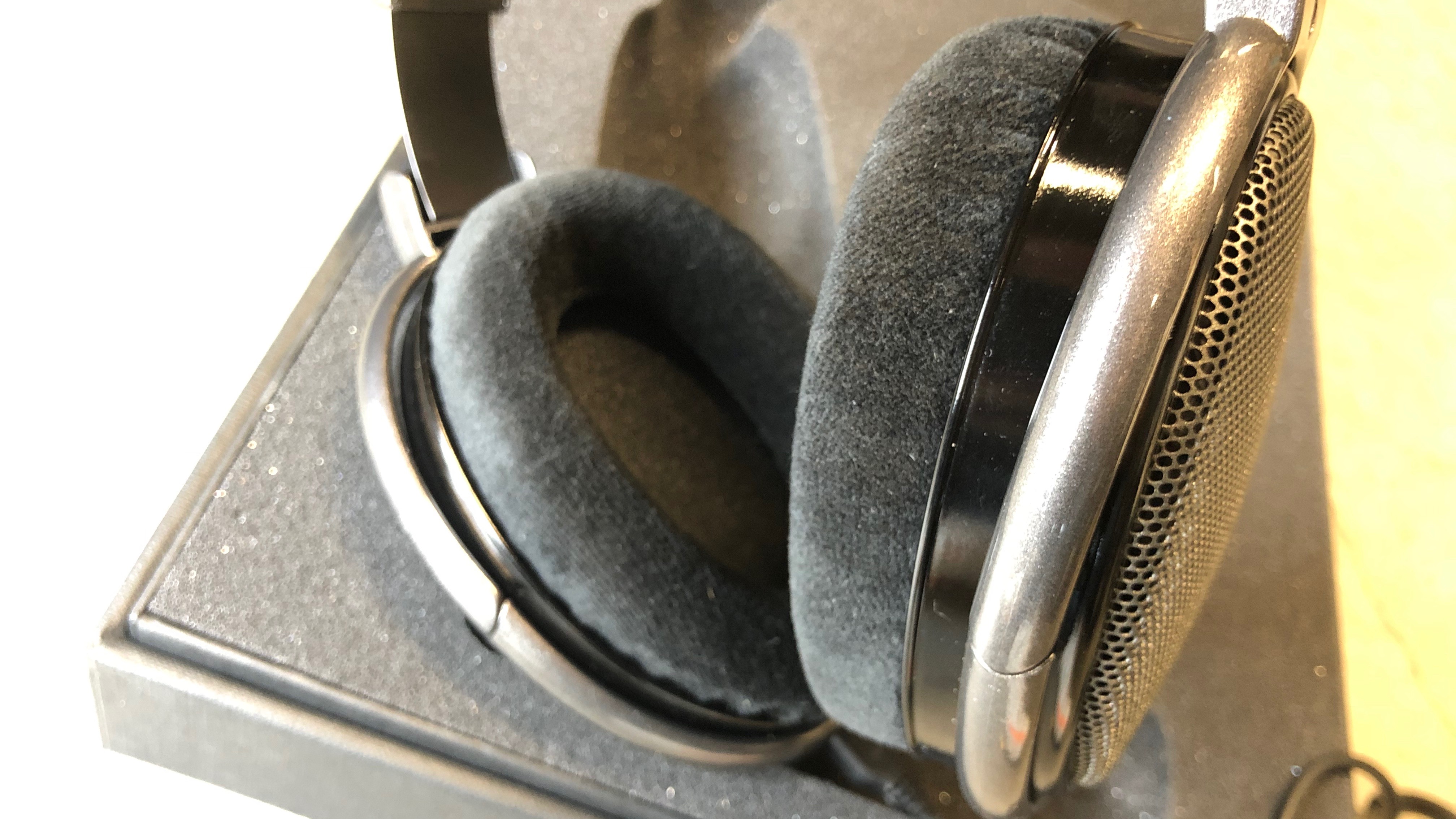
The outside of the ear cup has a cool looking grille, and the ear cup padding is amazingly soft and plush.
Comfort
Even after hours of using the HD 650, it barely feels like you're wearing headphones. They're a little bulky, but that's only because the ear cups are large. The headphones themselves are light, and the soft ear cup padding distributes weight very evenly. The headband is also nicely padded with foam. The fact that they are open-back also makes them more breathable.
Sound: Studio Production & Mixing
The big question is, are the Sennheiser HD 650 worth the high cost of admission when it comes to sound quality for studio use? In a word, yes.
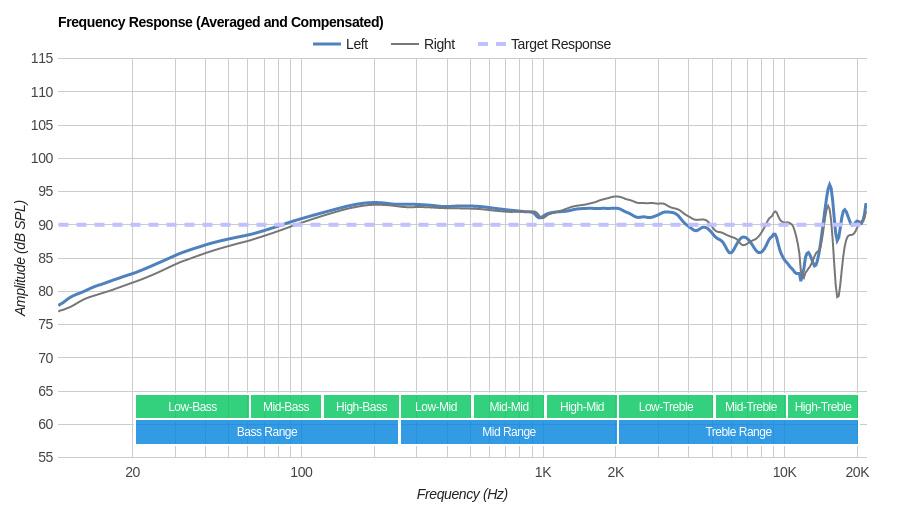
They are very warm and neutral through the entire spectrum. In typical open-back fashion they're a little short on sub-bass, but the bass is very detailed and punchy, the mids are fantastic, and the highs are crisp and detailed.
Compared to the Beyerdynamic DT 990 PRO, the treble on the HD 650 is a little less pronounced. That's not necessarily better or worse, just different. When played on another system, a mixdown done on the HD 650 tends to sound a little brighter, but otherwise translates very consistently.
The imaging is outstanding, and the sense of space of the various instruments in a mix need to be heard to be believed, especially when upgrading to these headphones from a more budget pair.
Sound: Casual Listening
This is a luxurious high-end headphone, and being open-back we have some reservations about calling it ideal for casual listening. If you already have multiple headphones and have the cash to add another to the collection, the HD 650 has an awesome soundstage for movies and music. They're also very comfortable, so provided you're in a quiet environment they could certainly work. Just make sure you have a headphone amp to get the most out of them, due to their high impedance.
At the end of the day the HD 650 are very tempting to use for causal listening because of how nice they are, but in practical terms their price tag and open-back design are pretty big deterrents.
Bottom Line
The Sennheiser HD 650 are superb open-back studio headphones. In and of themselves, they look and feel very polished, and deliver a very warm, flat, and honest sound with superior imaging. They cost twice as much as the Beyerdynamic DT 990 PRO, but it's hard to say that they are twice as good. If you're looking for the best value for the money, we'd suggest skipping these. If you insist on the best and the money is no issue, it's hard to argue against the Sennheiser HD 650.
See how artists use this





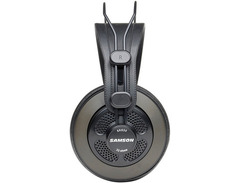
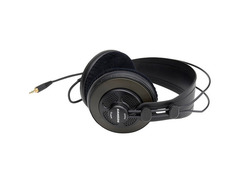
Samson SR850 Headphones
4.5 (36)

Average Price: $39
Budget/Beginner
$100
$301+
Budget
Standard
High-end
- Excellent value for money, great for budget-conscious users
- Flat response suitable for mixing and accurate sound reproduction
- Comfortable for long listening sessions
- Open-back design offers a spacious soundstage
- See 4 more
- Build quality feels cheap, despite durability
- Original ear pads may need replacing for optimal comfort
- Cord is non-detachable and only enters one side
- Lack of low-end emphasis might not suit all listeners
- See 1 more
| Fit Style | circumaural (around the ear) |
| Impedance | 32 ohms |
| Frequency Response | 10hz-30khz |
| Open/Closed | semi-open |
Unboxing & First Impressions
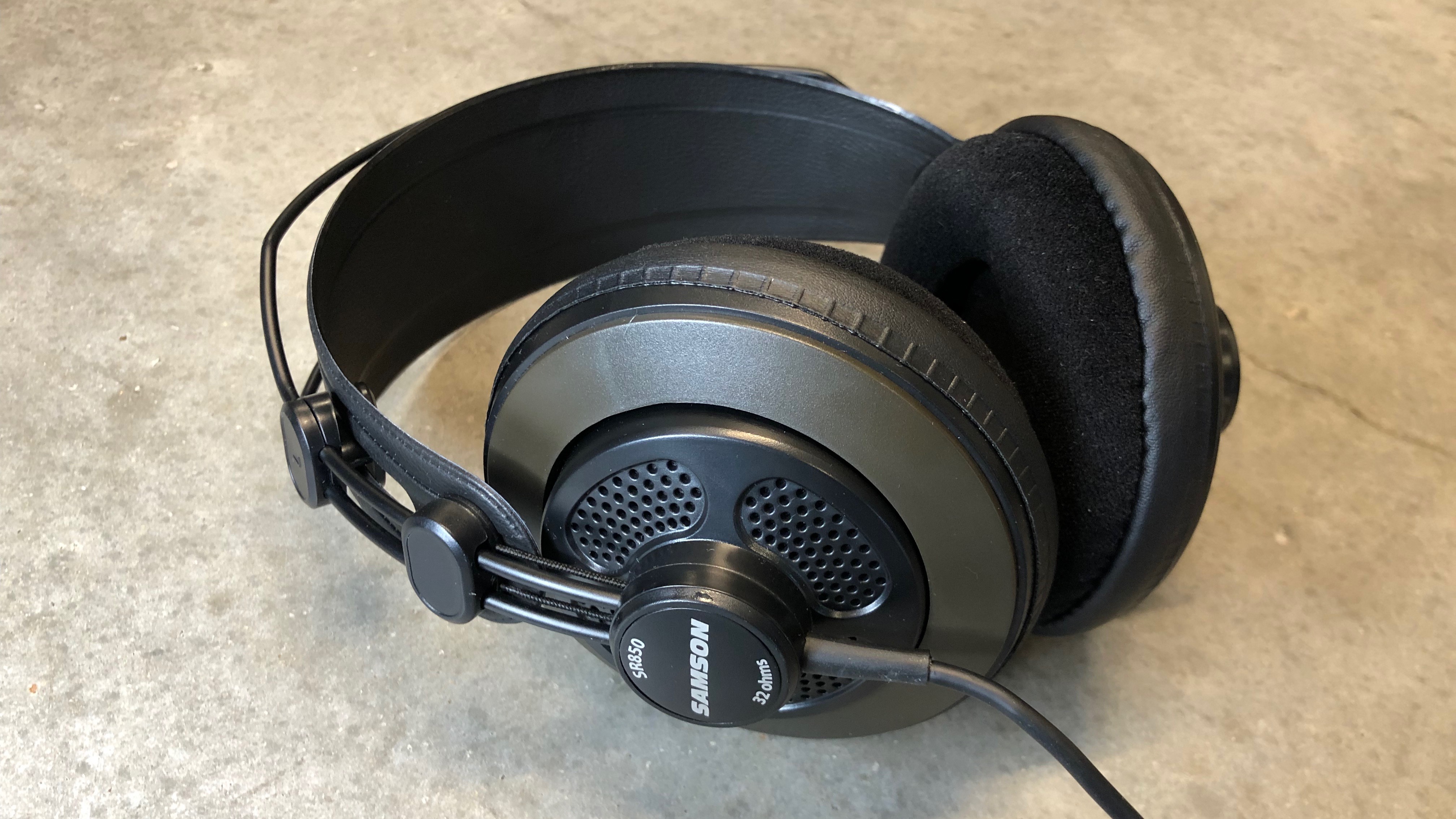
In the cardboard box you'll find the headphones, with a non-detachable 8.3 ft. cord and 1/4" adapter. Nothing of note here.
Fit & Finish
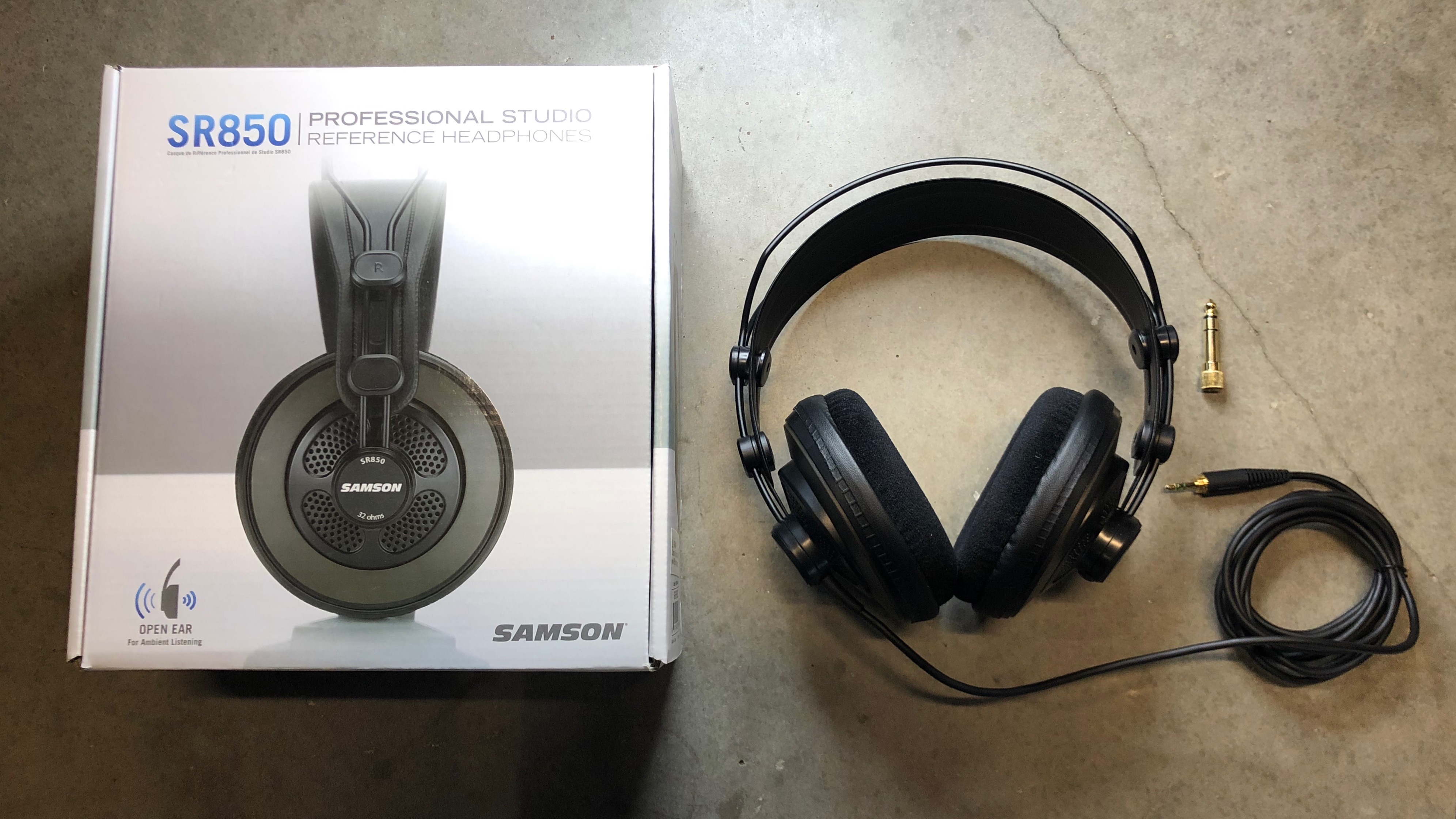
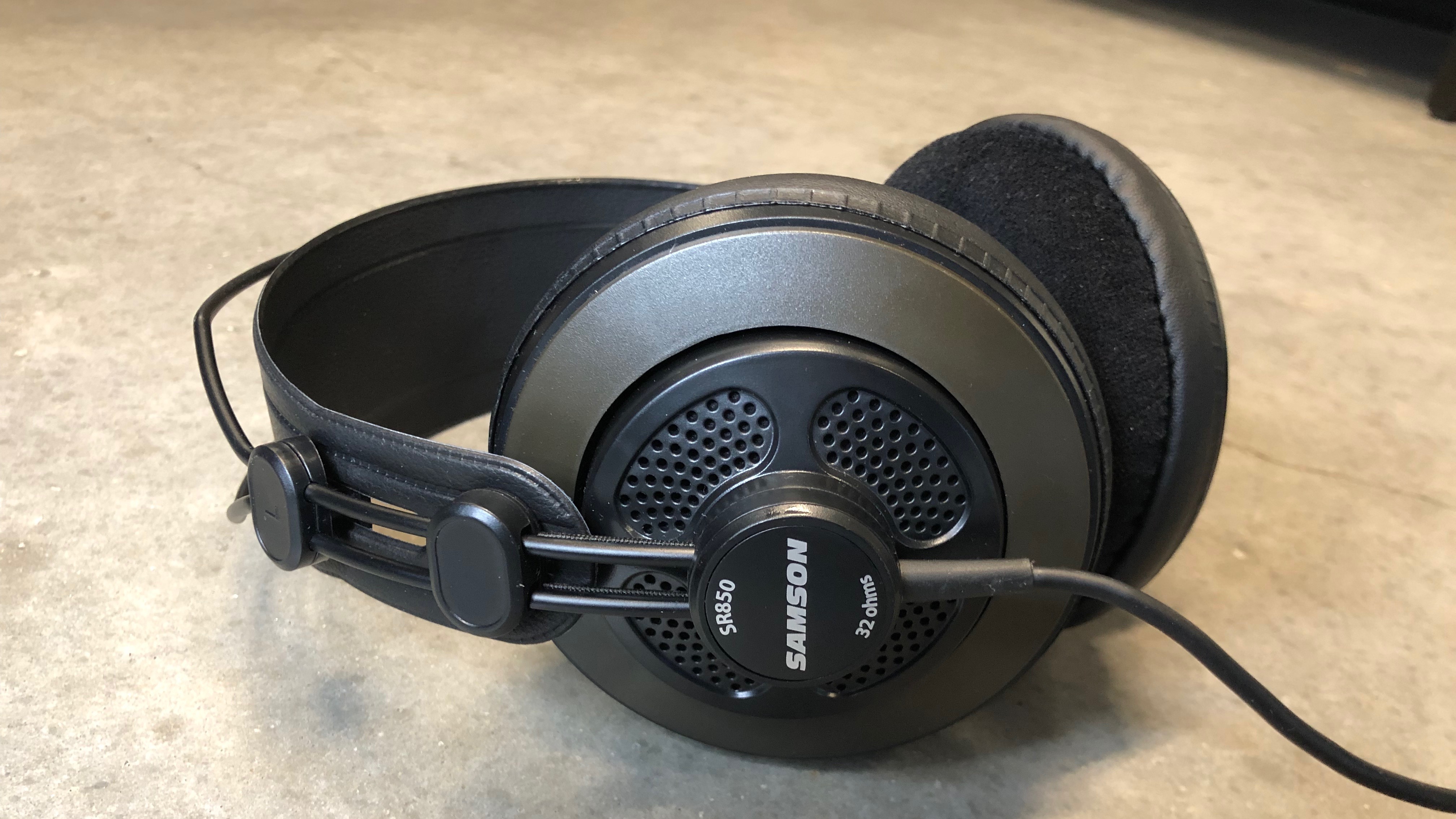
The Samson SR850 is a budget headphone, and the first sign of that is the build quality. It feels a little flimsy. It borrows a lot of its styling from the AKG K240 headphones, albeit slightly less polished without any silver accents.
Like the AKG headphones, the headband is self-adjusting. The SR850 have all plastic components, and the ear pad cushions are velour.
Comfort
Fortunately, like the AKG K240, the Samson SR850 are very light and comfortable. They don't apply strong pressure to your head, and the ear pad cushions are comfortable and soft to the touch. No problems here over long listening sessions.

Sound: Studio Production & Mixing
With budget packaging and build quality, you'd expect budget sound quality... and you'd be wrong! The Samson SR850 are on our list of best studio headphones for good reason; they sound fantastic.
Are they perfect? Certainly not. The highs in particular seem a little too harsh and pronounced (a glance at the frequency response graph confirms this).

The bass - and even some sub-bass - has surprising punch and sounds well-rounded, likely due to the 50mm drivers. The mids have nice detail as well.
The soundstage is decently wide for semi-open-back headphones, but not as good as the pricier options.
Sound: Casual Listening
The Samson SR850 makes a pretty solid headphone for movies, music, and gaming. The semi-open design causes sound to leak both ways, but that's by design. They're comfortable to wear and breathable, which is a big plus. While the exaggerated bass and treble isn't desirable for studio use, for casual listening it enhances the experience.
With an impedance of 32 ohms, they are also easy to drive without the use of a headphone amp.
Bottom Line
We wouldn't say the Samson SR850 surpass other open and semi-open back headphones in this list like the AKG K240 MKII or Beyerdynamic DT990 PRO, but they come close as far as sound quality is concerned.
More than anything, the value for the money is outrageous. If you can live with the over-emphasized bass and treble, this price of admission for a capable semi-open back studio headphone is almost too good to be true.
See how artists use this





Best Studio Headphones Under $100
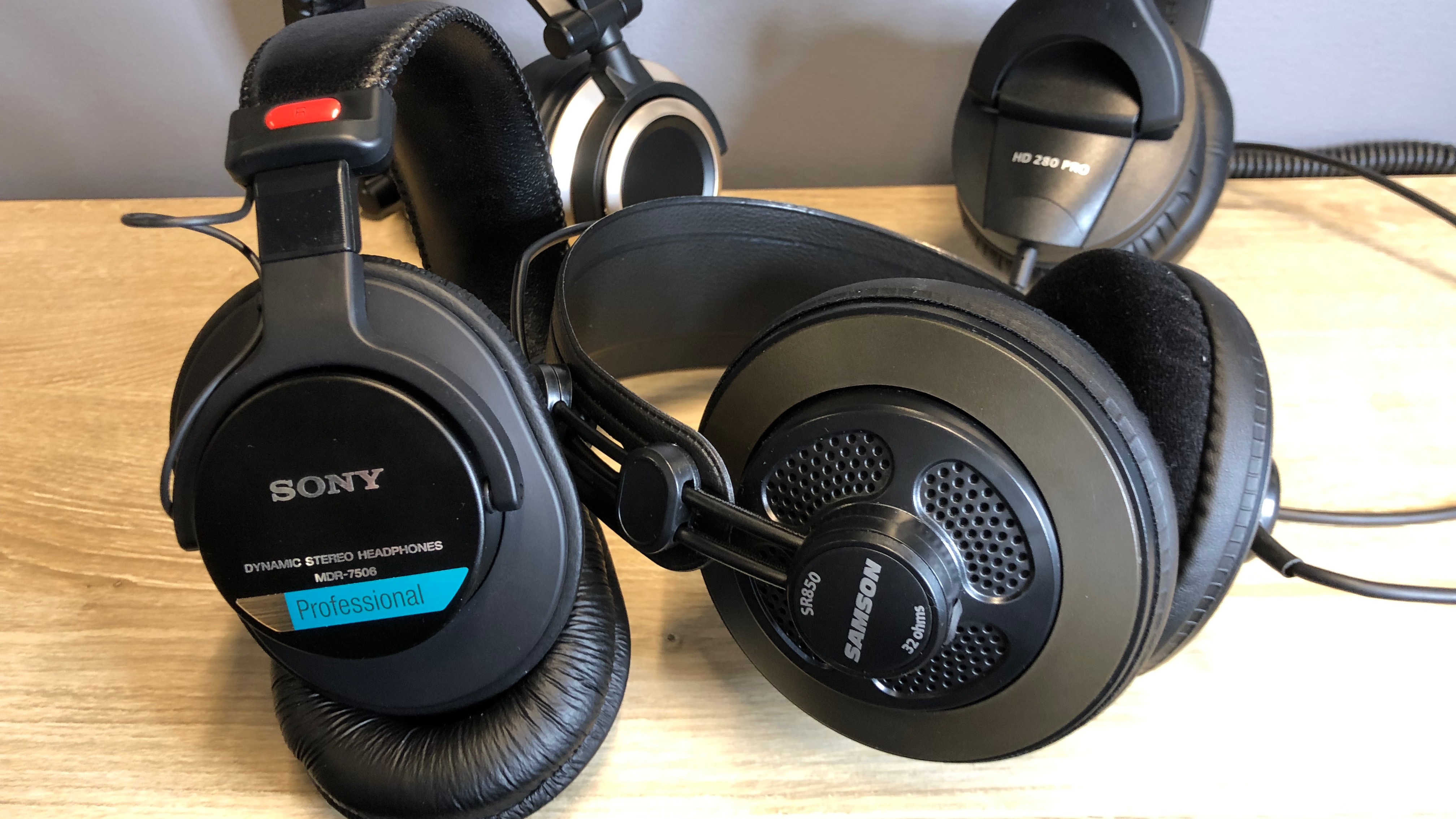
The best closed-back studio headphones under $100 are the Sony MDR-7506. At or under $100 you have a few options, and we debated this quite a bit since the Sennheiser HD 280 PRO are perfectly capable as well. In the end, it's hard to beat the sound quality and well-roundedness of the Sony MDR-7506. They are classics, and there's a reason they have been virtually unchanged since their release in the early 1990s.
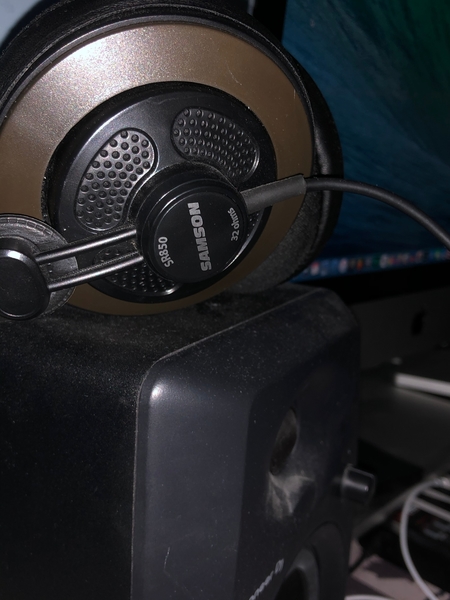
The best open-back studio headphones under $100 are the Samson SR850. There just aren't that many sub-$100 options in the open-back headphone world, and the Samson SR850 are very capable workhorses. The price of the AKG K240 MKII varies quite a bit depending on where you look, and we have seen them for just over $100, though not consitently enough to recommend them here.
Best Studio Headphones Under $200
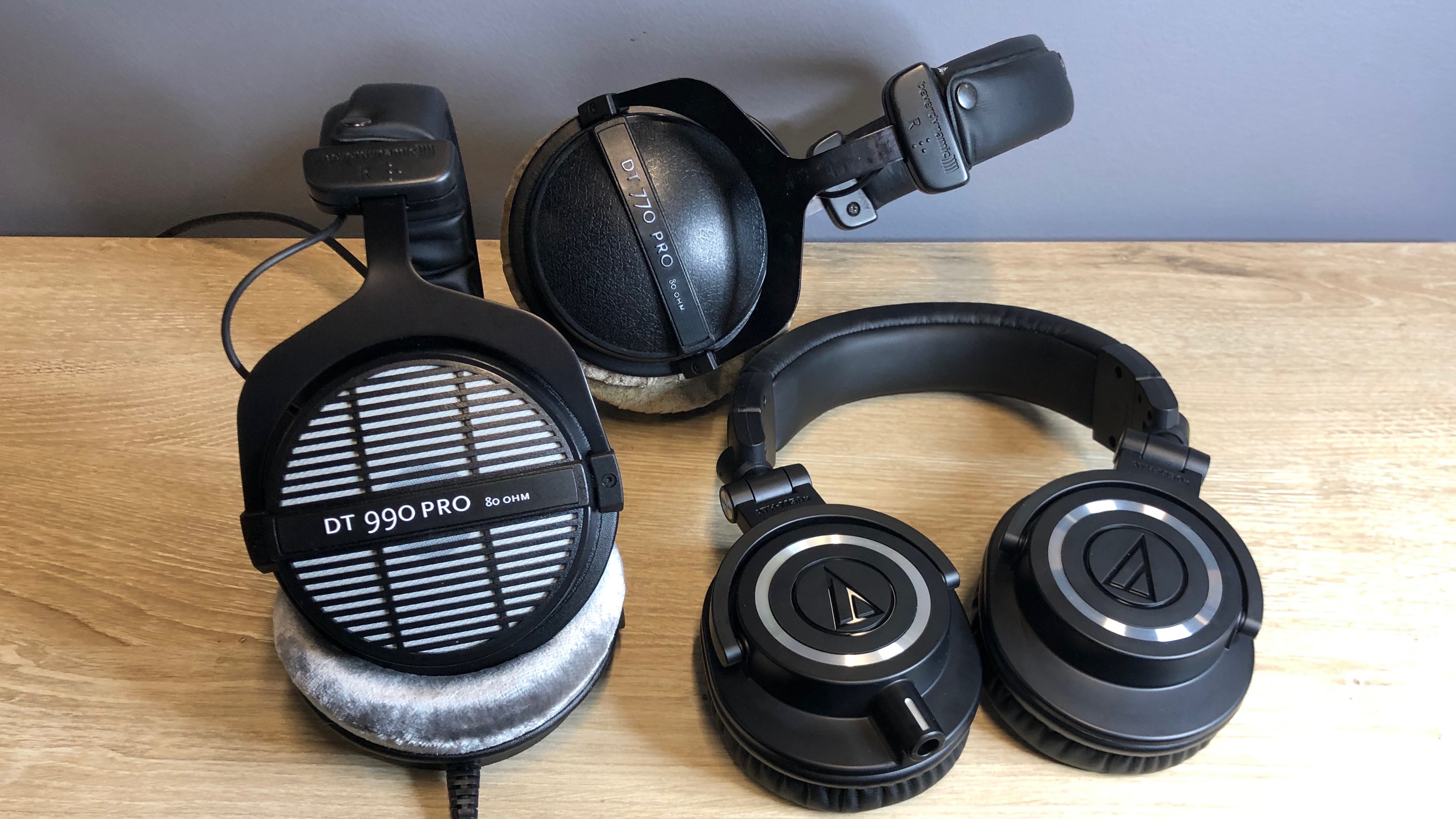
The best closed-back studio headphones under $200 are the Audio-Technica ATH-M50x AND the Beyerdynamic DT 770 PRO. It's too close to call between these two, they are both fantastic. The Audio-Technica are a bit more honest, they look sleeker, but the comfort isn't great. The Beyerdynamic have a warmer and more pronounced low-end, look more rugged, and are extremely comfortable.
The best open-back studio headphones under $200 are the Beyerdynamic DT 990 PRO. No question here, if you have a $200 budget and need open-back studio headphones nothing nails that sweet spot quite like the DT 990.
Best Studio Headphones Under $300
Same as the Best Studio Headphones Under $200 above. We think you would need to spend $400 or more before you saw a big enough quality jump to justify the investment over the ones we recommend under $200.
Best Studio Headphones for Mixing and Mastering
The best studio headphones for mixing and mastering are the best OPEN-BACK headphones you can afford. It's hard to recommend a specific model without knowing your budget. But in general, mixing and mastering a track is a more technical skill that requires more detailed critical listening, as opposed to producing or recording where you might be in a more creative state of mind.
For this reason, open-back headphones don't exaggerate bass frequencies like closed-back headphones do, and they create a more wide open soundstage so you can more accurately place instruments in the stereo field. Mixing and mastering should preferably be done on studio monitors, and open-back headphones get closer to that experience than closed-back headphones do.
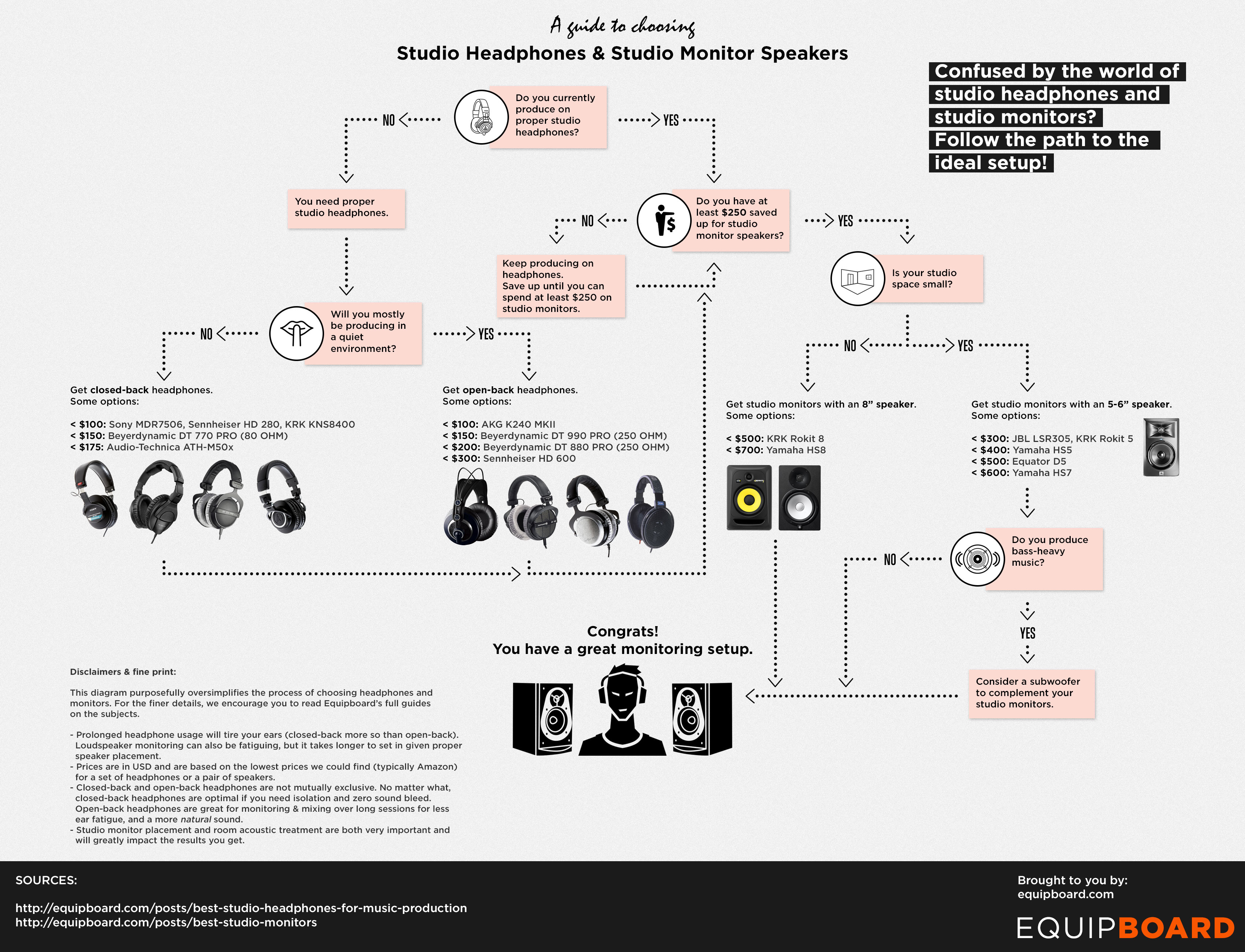
If the world of studio headphones and studio monitor speakers makes your head spin, we created this infographic to help you decide what to get! Click the preview below to see the full version.
Top Ranked Headphones & In-Ear Monitors on Equipboard


$146.00 - $179.99
5.0 (244)
5.0 (244)


Recent updates
Jun 18, 2024
Replaced the Status SM-CB1 Headphones with the AIAIAI TMA-2 Wireless+ Headphones as the Status headphones appear to be unavailable, and the TMA-2 Wireless+ are a unique offering. Also made minor revisions to text for accuracy.
About the authors
Michael R. Pierce is the co-founder of Equipboard and a lifelong musician with over 25 years of experience as a guitarist and gear enthusiast. He blends solid music theory chops (thanks to formal training in guitar, piano, and trumpet) with real-world experience, always exploring and experimenting across genres like rock, blues, and hip-hop. Michael launched Equipboard in 2013 after graduating from The University of Texas at Austin, leveraging his unique blend of musical passion, technological acumen, and community building. His current go-to rig features a Fender American Original ‘50s Telecaster, Analogman King of Tone, Strymon Flint, and a Fender ‘57 Custom Champ. Read more
Giulio Chiarenza is the co-founder of Equipboard and a lifelong multi-instrumentalist with a deep passion for music gear. Born in Italy and raised in the U.S., he holds a Computer Science degree from The University of Texas at Austin and blends technical acumen with decades of hands-on experience across guitar, piano, drums, and electronic production. Early in his career, Giulio was signed to a San Francisco-based EDM label, releasing both remixes and original tracks. These days, he helps steer Equipboard’s vision while personally testing and reviewing gear. He's never too far from his go-to guitar: a vintage 1978 Fender Telecaster Custom. Read more
Comments
Sign Up or Log In to add comments

627
I own a pair of Audio Technica ATH-M50 and I can tell you that it sounds amazing, very detailed and sharp. Considering in Beyerdynamic DT 880 Pro for a semi-closed experience.

This awesome! I personally bought Sennheiser HD 280 Pro and it was worth every penny, this article helped me out to choose the headphones I bought

Thank you equipboard for sifting through the chaff and bring the best of the studio headphones.
Useful for the beginner and those thinking about buying a new bass headphone.
627
I want to come back after a year and tell you that, after having the ATH-M50 then Beyerdynamic DT770 Pro and then ATH-M50, the best headphones for mixing and mastering from my opinion are the Sony MDR-7506. I had the chance to find them in a very good shape and I was blown away.
.jpg?v=1785238054)
37855
@andrei_tuduran That's really helpful feedback. It's not often someone has experience with 3 out of our 5 best studio headphones! Glad you came back to report on it. I'm assuming what you like best about the Sony MDR-7506 is that they are the most neutral and honest? It's certainly hard to argue with their price tag...
627
@gchiaren , Yes, are more neutral than both ATH-M50 and DT770 Pro. The highs are a bit hyped but not too much. They are more light than both, the low end is excellent and the midrange is what you need. If your mix sounds good on them, be sure that will sound good on everything. I am sure that DT880 Pro are good but I wanted closed back because I don't want to bother anybody and don't want to be bothered too by others. A really good pair of headphones that I start my mixes when I am not home are the Apple Earpods (..and yes, I am serious) . These sound so good and translate very well on my Sony MDR-7506. Happy mixing!

I can agree that those ATH-M50X's are some good cans.However, do yourself a favor and buy a spare cable for them with the 1/4" connection. They short out like nobodies business after about a year of use. Been through 2 cables already... Other than that, these will give you some outstanding sound quality in the studio for tracking/monitoring and for just listening to music too.

47
bueno bueno

Great article

285
Iam curious about the Beyerdynamic DT 990 PRO Open Studio Headphones and I wish the Beyerdynamic DT 770 PRO-80 Closed Studio Headphones Some of this should came with a silent colloing system
104
clearing out that i'm a massvie Sennheiser fan.. i absolutely love my BeyerDynamics DT990 pros, as much as i love my AKG K712's.. pleasently surprised from the AudioTechnica's a nice purchase. a bit lacking on sound insultino for being a closed back, but the sound.. oh boi it rolls
30
Still have my AKG K701 that I bought in 2013, back when they were still made in Austria. I find that the AKG characteristics in this article are very similar to mine. The bass is there, and everything, but there isn't alot of impact behind them. Some DSP tuning seems to help the issue, but my God! What a Soundstage! I hooked them up to the headphone circuit on a Pioneer sx-750, wrapped them in a couple of towels, and let them play FM static for the better part of a week. I went back to almost 100% 2.1 listening, so they don't see alot of use, these days

27315
@gchiaren & @michael this has to be the single best Gear Guide on the whole site... like many of the headphones you cover, this article features outstanding depth and clarity across the entire spectrum. :)
3 suggestions for the next update:
Show me which artists use which headphones. There are so many studio headphone guides on the internet already. Your guide is head and shoulders above most already, but without the artist-usage context, it doesn't feel like Equipboard-specific content. You guys put in so much work to build this great database, why not leverage it here?
Explain the importance of impedance and intended output source in the "Things to Consider..." section up top. My first pair of studio headphones was a gorgeous pair of AKG K240DFs back in the late 90s. I learned the hard way that some headphones really need a pro-grade output source/preamp if you want to hear anything in the low end. Especially with some manufacturers offering the same phones at different Ohm ratings, it would be good to make sure readers understand why this rating matters, even though this one number doesn't tell the whole story as to whether or not they will play well with every headphone output jack out there.
Folding/portability matters! I can cram a folded pair of M-50xs or HD-280s into a snug bag without much concern, but non-folders like my K240s (or the DT-770, presumably) will take up more room and may be more likely to get damaged if they get compressed while packed in a bag. Given headphones are so inherently portable in nature, an extra line of consideration for this factor might be helpful if readers intend to go everywhere with their new phones... even though we all love to pretend that studio-focused headphones will never leave our studio...

4934
Replaced the Status SM-CB1 Headphones with the AIAIAI TMA-2 Wireless+ Headphones as the Status headphones appear to be unavailable, and the TMA-2 Wireless+ are a unique offering. Also made minor revisions to text for accuracy.
New in Headphones


$2,699.00 - $2,999.00


$419.00 - $439.00
in Headphones & In-Ear Monitors Rank


$379.00 - $399.00
in Headphones & In-Ear Monitors Rank


$95.00 - $189.95
in Headphones & In-Ear Monitors Rank