

By Gear Experts
Table of Contents

Equipboard
Equipboard is the world's largest community of artists and their gear. Read our review process.
We are reader-supported. When you buy through links on our site, we may earn an affiliate commission. Learn more.
Our Picks





I often see professional producers and DJs asked questions like "What's you mixing process like?", "How do you get your drums sounding so crisp?", and "How do you know what sounds to pick for a track?". More often than not, their answer is "I just do what sounds good" - which is great for them, and indicates they just have an ear for it. Well, unfortunately not all of us have the gift of a perfect ear to lead us in the direction of a #1 hit track!
I'm partly joking of course, no doubt every producer who is succeeding has put in several years, countless hours, and late nights of frustrations and trial & error. The bottom line is we could all use some guidance in the fundamentals as we home our craft. If you take the time to educate yourself on synthesis, the principles of mixing and mastering, music theory, and song writing, your time spent practicing will take you much further. Here's a list of essential reading to take your knowledge to the next level.
Dance Music Manual: Tools, Toys, and Techniques by Rick Snoman
3.5 (3)







If you only buy one book, make it this one. Dance Music Manual: Tools, Toys, and Techniques is an amazing reference, regardless if you're only starting out in the world of computer music and digital recording, or if you're a veteran. The chapters cover a variety of topics - intro to synthesis, effects (you'd be surprised at the number of pros that don't really know what compression actually does), sampling, recording vocals, understanding the different dance music genres, all the way to mixing, mastering, and promotion. The section on mixing alone is well worth the price of the book, as this is the area most aspiring producers struggle in.
Mastering Audio: The Art and the Science by Bob Katz
4.5 (7)
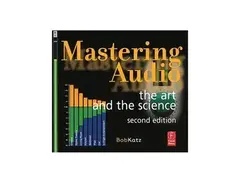


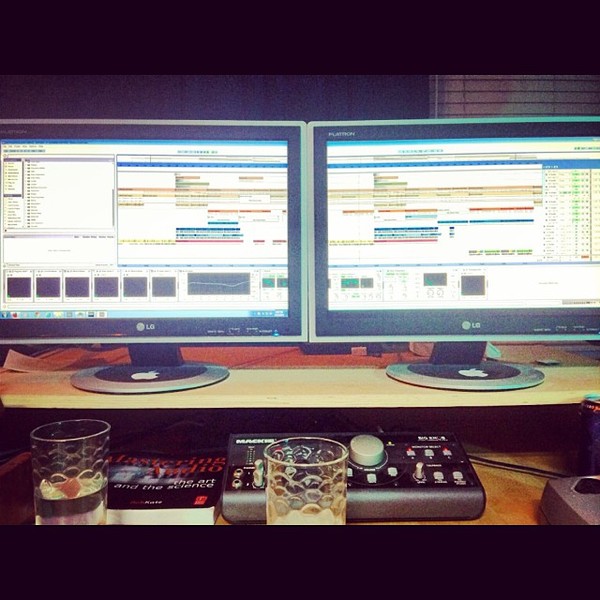
Mastering your tracks can be a daunting thing to learn about. It is just as much of an art as it is a science, and everyone seems to have their own unique perspectives as to how it should and shouldn't be done. Bob Katz, the author of Mastering Audio: The Art and the Science fills 350 pages with his own deep knowledge on the subject. Be aware, it is not quite aimed at complete novices. But for someone with a basic working knowledge of mastering, this book can really help fill the gaps. Even if by the end of it you decide to not do your own mastering, it's important to be armed with the knowledge so that you and you mastering engineer can speak the same language.
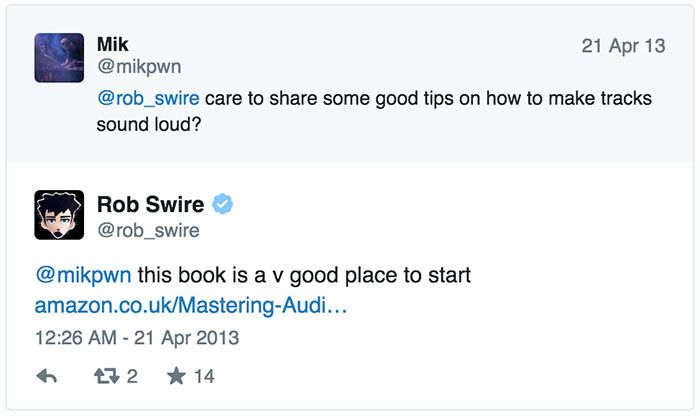
And if our recommendation isn't enough, take Rob Swire's word for it!


Mixing Secrets for the Small Studio by Mike Senior
4.0 (2)

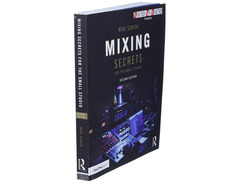
Mixing your tracks well is arguably the biggest differentiator between a beginning electronic musician and someone progressing up the ladder. It is a skill you will spend a lifetime improving, yet never completely mastering. To make matters more complicated, mixing techniques are probably some of the most hotly debated topics on forums. Trust us - cut through all the noise and give this book a try. It's easy to read, engaging, and really aims to teach you the whys and whens of different mixing principles. It isn't specifically aimed at electronic/house/dance, but the principles are very universal. Remember, before you can break the rules you must first understand them, and this book is a perfect way to get there!
Music Theory for Computer Musicians by Michael Hewitt
3.0 (1)

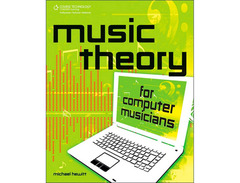
Of all the topics that stump aspiring producers, music theory is a big one. Perhaps you've never played a musical instrument, and would like to get into composing electronic music. Or perhaps you have a good feel for what sounds good, but you have no idea why. If either of those sound like you, this is the book to dive into. It's a very friendly read, and does a great job of demystifying music theory. Music Theory for Computer Musicians is also unique in that it is centered around using your DAW (Digital Audio Workstation, e.g. FL Studio, Ableton, Logic, Cubase, Pro Tools).
The Mixing Engineer's Handbook 5th Edition

The great thing about The Mixing Engineer's Handbook is that it received a 5th edition update in 2022, which means you get tips and techniques that stay up to date as technology changes. There is little this book doesn't cover - "various mixing styles, the six elements of a mix, the rules for arrangement and how they impact your mix, where to build your mix from, and mixing tips and tricks for every genre of music." Highly recommended as a cover-to-cover read, or to keep handy in the studio as reference.
How Music Works by David Byrne
3.5 (2)

It's difficult to describe this one in a few words. A departure from the more technical and practical books in this article, How Music Works is more of a look at the "patterns in how music is written, recorded, distributed, and received." More than just a very attractive coffee table book, it will help you gain insights into the inner workings of the music industry, as well as dive into the relationship between people and music. This one also makes a fantastic gift for any music lover, no matter their connection with the subject matter.


The Artist's Way by Julia Cameron
5.0 (1)

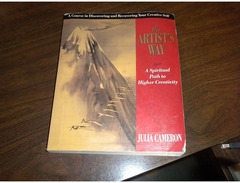
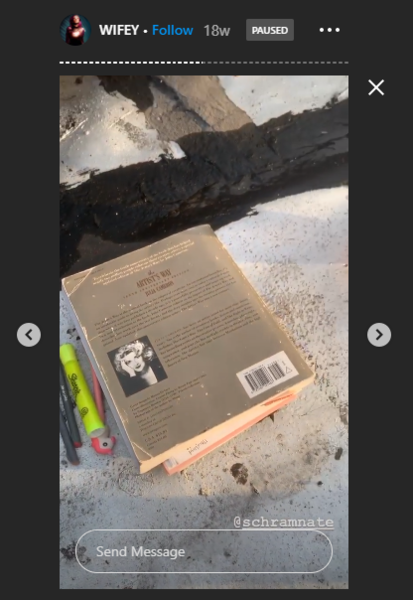
If you've ever asked yourself "how will I ever get over this mental block?", this one's for you! This international bestseller is an essential and interesting read, no matter your skill level or background. It deals with the subject of creativity, specifically overcoming your mental blocks, fears, and reservations. The best way to improve your music making skills it to press on and finish tracks, even if you're not completely satisfied with them. The Artist's Way leads you through a "twelve-week program to recover your creativity from a variety of blocks, including limiting beliefs, fear, self-sabotage, jealousy, guilt, addictions, and other inhibiting forces, replacing them with artistic confidence and productivity." Some of the book is a bit abstract, and the lessons in it may be hit or miss for your particular situation, but we think you'll find it quite valuable in the end.

Top Ranked Music Lessons and Instruction on Equipboard


$10.42 - $24.99
4.5 (2)
4.5 (2)


$25.19 - $34.99
4.5 (3)
4.5 (3)
About the authors
Michael R. Pierce is the co-founder of Equipboard and a lifelong musician with over 25 years of experience as a guitarist and gear enthusiast. He blends solid music theory chops (thanks to formal training in guitar, piano, and trumpet) with real-world experience, always exploring and experimenting across genres like rock, blues, and hip-hop. Michael launched Equipboard in 2013 after graduating from The University of Texas at Austin, leveraging his unique blend of musical passion, technological acumen, and community building. His current go-to rig features a Fender American Original ‘50s Telecaster, Analogman King of Tone, Strymon Flint, and a Fender ‘57 Custom Champ. Read more
Giulio Chiarenza is the co-founder of Equipboard and a lifelong multi-instrumentalist with a deep passion for music gear. Born in Italy and raised in the U.S., he holds a Computer Science degree from The University of Texas at Austin and blends technical acumen with decades of hands-on experience across guitar, piano, drums, and electronic production. Early in his career, Giulio was signed to a San Francisco-based EDM label, releasing both remixes and original tracks. These days, he helps steer Equipboard’s vision while personally testing and reviewing gear. He's never too far from his go-to guitar: a vintage 1978 Fender Telecaster Custom. Read more