.webp)
Table of Contents

Equipboard
Equipboard is the world's largest community of artists and their gear. Read our review process.
We are reader-supported. When you buy through links on our site, we may earn an affiliate commission. Learn more.
Our Picks

LP LPA646 Aspire Conga Set with Double Stand
The ideal starter set that doesn't sound like a compromise. These congas deliver authentic tone without breaking the bank.
Read more


Toca Percussion Synergy Wood Congas
Environmentally conscious drums that don't sacrifice sound quality. These congas prove sustainability and performance can go hand in hand.
Read more

Meinl Marathon Classic Series Conga 11 3/4" Conga
Professional-grade durability in a working musician's package. These congas stand up to the demands of regular gigging without compromising on sound quality.
Read more

LP Giovanni Palladium Wood Conga
Professional-grade congas with historical inspiration and uncompromising quality. These drums combine Giovanni Hidalgo's playing expertise with LP's legendary craftsmanship.
Read more
Gon Bops Mariano Tumba with Chrome Hardware - 12.25 inch Natural
A premium tumba that delivers thunderous bass with authentic character. This drum honors traditional craftsmanship while delivering professional-grade performance.
Read more
Shorter drums with full-sized sound and professional features. These congas prove that height isn't everything when it comes to quality percussion.
Read moreLet's talk congas - those amazing barrel-shaped drums that have taken over the world's music scene. What started in the streets of Cuba has blown up into something huge that you'll hear everywhere from Latin jazz and salsa to rock, pop, and just about every genre that needs some genuine groove. When someone really knows how to play these drums, something magical happens - they just make you want to move.
Unlike many drums that use sticks or mallets, congas are played exclusively with bare hands, allowing for an incredible range of tones and textures. From deep open tones to sharp slaps and muted bass notes, these drums offer a rich vocabulary of sounds. The direct contact between hands and drum creates an intimate connection between player and instrument that's central to the conga experience.
Most percussionists play multiple congas at once, usually two or three mounted on stands and tuned to different pitches. This setup allows for melodic patterns and complex rhythmic conversations between the drums. In professional settings, you'll often see congas integrated with other percussion instruments like bongos, timbales, and cowbells to create a complete rhythm section.
Congas have a pretty incredible backstory, with roots tracing back to African drums that made their way to Cuba. Over the years, they've evolved through all kinds of cultural mixing.
The Big Three: Acoustic, Synthetic, and Electronic
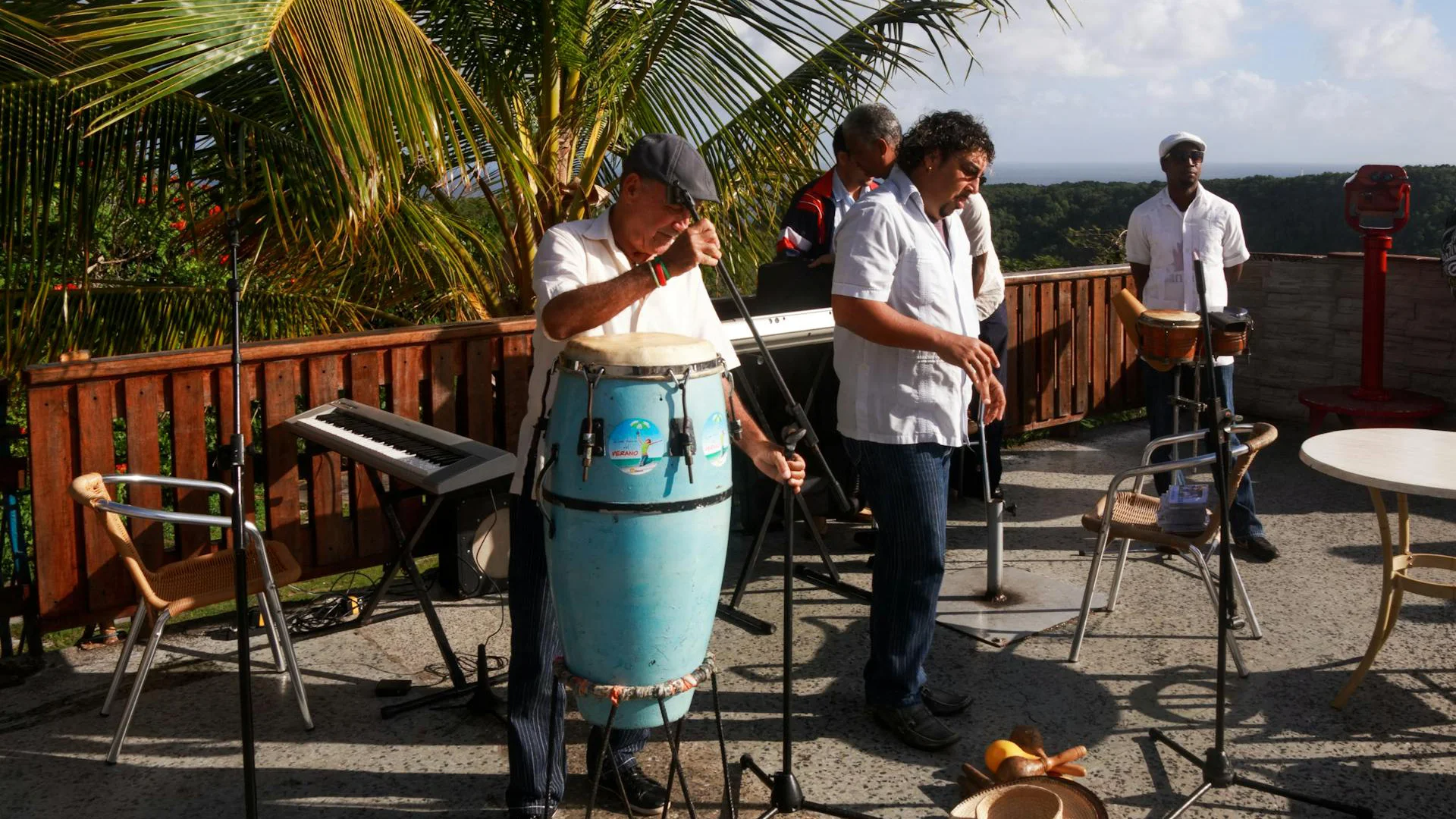
When it comes to congas, the traditional wooden ones are still what most players dream about. They give you this organic warmth and responsiveness that's hard to beat. They connect with your hands in a way that feels alive, responding to every nuance of your technique. The downside? They need more TLC and can act up when the weather changes.
Fiberglass congas have come a long way. They're super consistent and can take a beating, which is great if you're touring or playing outdoors. They don't freak out with humidity changes like wooden drums do. Some old-school players might tell you they don't sound as rich as wood, but honestly, the good ones these days come really close.
Then there are electronic congas, which have their place too - especially in the studio or when you need to control your volume.
The Soul of the Rhythm
When shopping for congas, remember you're really shopping for your sound. These aren't just drums - they're how your musical voice will come through for years to come. They're what gets people moving on dance floors and adds that special something to recordings.
Understanding Conga Drum Sizes: A Sonic Spectrum
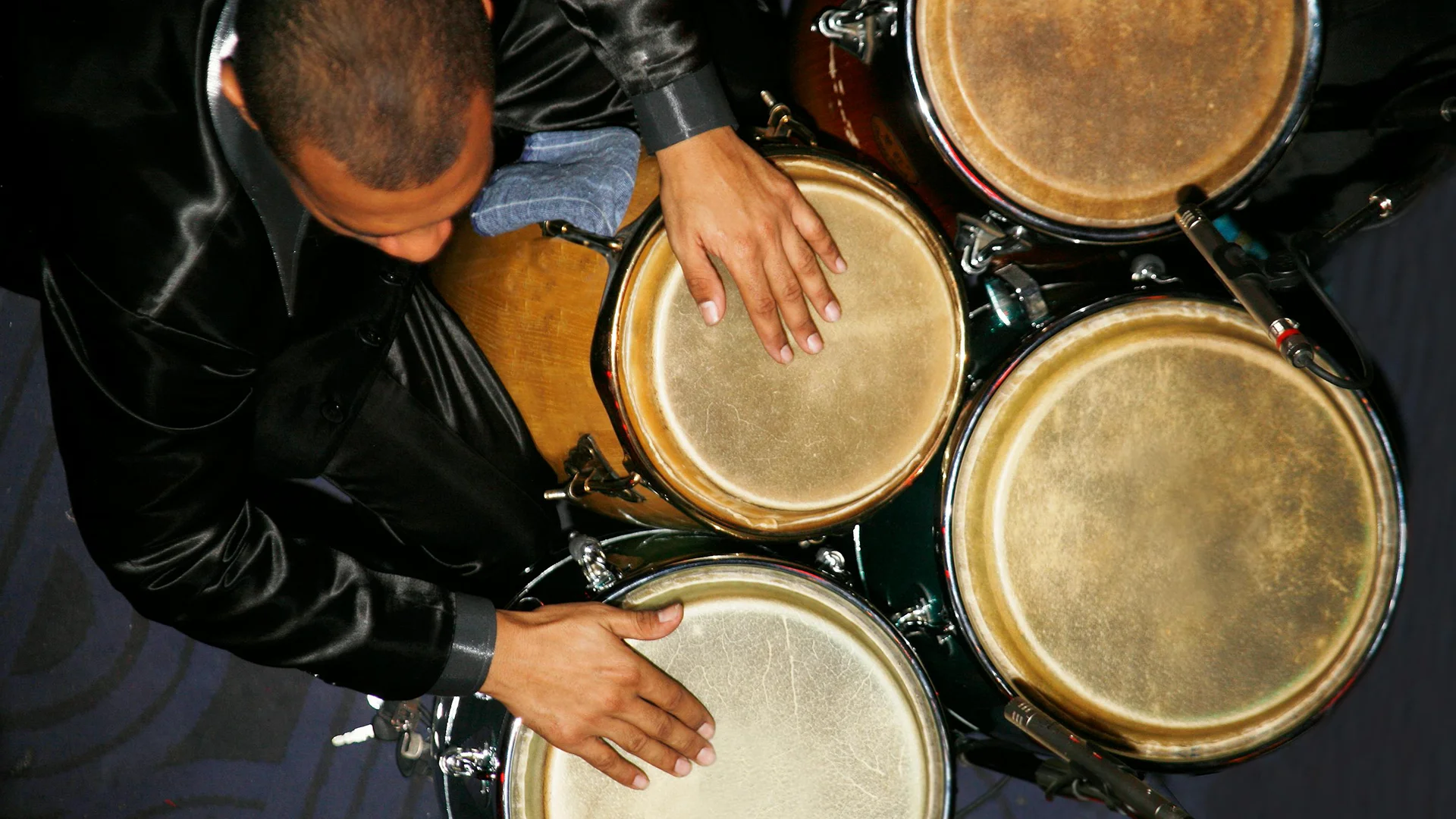
The conga family spans a range of sizes, each with distinct tonal characteristics that serve specific musical roles. Understanding this sonic spectrum helps you make informed choices that will enhance your rhythmic palette.
The Conga Family: From High to Low
The traditional conga family consists of several drums, each with its own name, size, and musical function:
Quinto - The smallest and highest-pitched member of the family, typically measuring 10-11 inches in diameter. The quinto sings with a sharp, cutting voice that slices through any musical texture. This drum often plays the lead role, handling improvised solos and complex rhythmic patterns. Its bright, articulate sound makes it perfect for those flashy fills that turn heads. Players who focus on speed and intricate finger techniques will find the quinto especially responsive.
Segundo - The mid-sized drum, usually about 11.5-12 inches across. This versatile drum bridges the gap between high and low, providing rich mid-range tones that form the backbone of many traditional patterns. The conga balances articulation with warmth, making it an excellent choice for players who need just one drum that can handle a bit of everything. If you're just starting out and can only buy one drum, the segundo offers the most flexibility. This is why the Segundo is often referred to as the Conga.
Tumba - The deep voice in the family, measuring around 12.5-13 inches in diameter. The tumba speaks with authority, providing the foundational bass tones that give conga music its grounding force. Playing the tumba is like laying down the rhythmic law - its deep, resonant voice establishes the fundamental pulse while creating harmonic richness. When played with an open tone, a good tumba will make the air vibrate around it.
Super Tumba - Found in some extended setups, these extra-large drums (14+ inches) produce cavernous bass tones that can be felt as much as heard. They're less common but offer unique textural possibilities for players seeking maximum low-end presence.
How Head Size Shapes Your Sound
The diameter of a conga drum directly impacts its pitch range and tonal character. Generally speaking:
Smaller heads (10-11 inches) offer faster response and articulation, higher fundamental pitches, and more cutting presence in a mix. They're also easier to play for people with small hands and produce more defined slap tones.
Larger heads (12+ inches) provide deeper fundamental tones with greater resonance and sustain. They project more powerfully and deliver richer bass frequencies. They also tend to be more physically demanding to play, requiring slightly more strength to achieve optimal tones.
The Impact of Shell Height
While diameter gets most of the attention, the height of the conga shell affects its voice too. Taller shells allow for extended sustain and resonance with more complex overtones. They provide greater projection and volume along with a deeper fundamental pitch.
Shorter shells tend to produce a more focused, controlled sound with faster decay. They offer easier portability and sometimes create a more comfortable playing position, especially for shorter players.
Traditional Cuban-style congas typically feature taller shells, while some modern designs have shortened the height for portability and focused tone. Neither approach is inherently better - it's about matching the shell height to your playing style and sonic goals.
Size and Player Ergonomics
The physical dimensions of your congas don't just determine their sound - they also affect how comfortable you'll be during long playing sessions. Consider these ergonomic factors:
Players with smaller hands might find quinto and conga sizes more manageable for achieving clean tones, especially when executing technical slap techniques.
Taller players might prefer higher stands or taller drums for comfortable playing posture, while shorter players might find standard-height drums positioned lower work better for them.
When playing multiple drums, the height differential between them affects your hand movement patterns. Too much difference can cause awkward reaching, while properly matched heights allow for smooth transitions across drums.
Conga Drum Materials: A Matter of Resonance
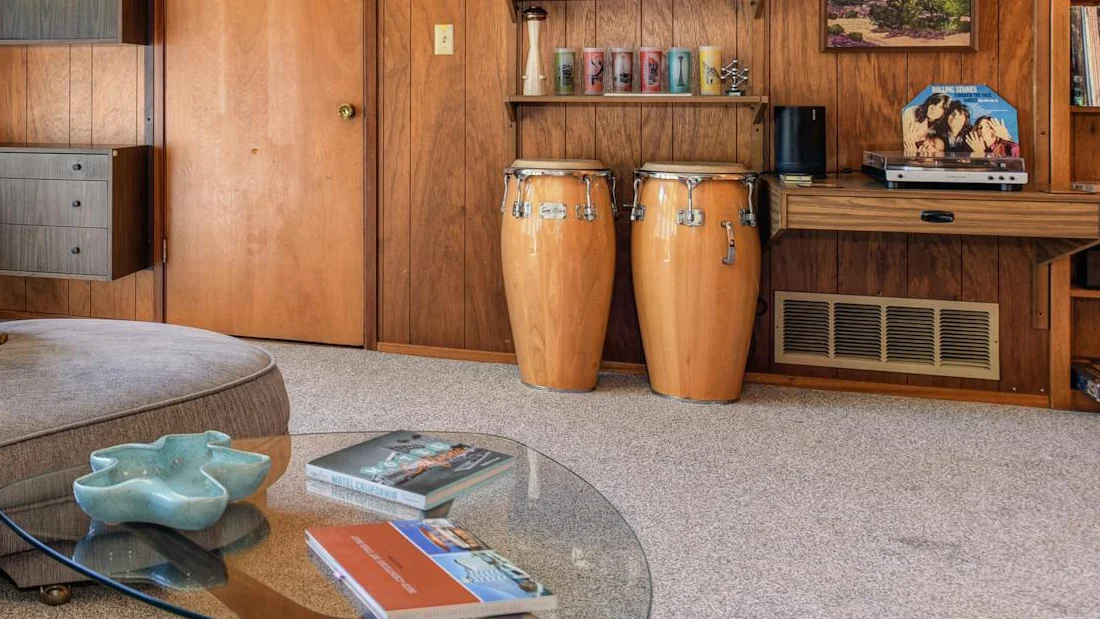
The material your conga is made from shapes its voice just as much as its size. Each type of wood and synthetic material brings unique tonal qualities that can make or break your sound. While there's no "perfect" material for everyone, understanding these differences helps you find drums that match your musical needs and practical considerations.
The Classic Woods: Nature's Acoustic Gifts
Traditional conga construction relies on several key wood types, each with distinctive sonic properties:
Oak: This dense, heavyweight wood produces bright, cutting tones with excellent projection. Oak congas deliver strong attack and focused fundamental pitches that cut through dense mixes. Many professional players choose oak for its consistency and ability to be heard in loud ensembles. The distinctive brightness of oak makes it especially popular for recording situations where definition matters. While some find oak slightly lacking in warmth compared to other woods, its durability and reliable tuning stability make it a practical choice for working musicians.
Mahogany: Considered by many to be the gold standard of conga materials, mahogany offers a perfect balance of warmth and clarity. These drums produce rich mid-range tones with complex overtones that give them a singing quality. Traditional Cuban congas were typically made from mahogany, and that warm, resonant sound defines what many consider the authentic conga voice. Mahogany varies considerably in density and figure depending on its specific variety and origin. The famed Cuban mahogany creates tones so rich you can almost taste them, while African and Philippine varieties each bring slightly different tonal characteristics to the table.
Ash: This versatile wood creates drums with bright attack and warm sustain. Ash congas tend to be lighter in weight than oak while offering similar projection. The open grain structure of ash creates a slightly more diffused sound with enhanced overtones.
Wood Grain Patterns: More Than Just Looks
Straight-grain wood offers more focused tone and consistent response across the drum head. These drums tend to project well and deliver reliable performance in various contexts.
Figured woods with wavy, flamed, or birdseye patterns create more complex overtones and sometimes a slightly softer attack. Beyond their striking visual appeal, these grain patterns diffuse sound waves in interesting ways that add character to the drum's voice.
Quarter-sawn wood (cut perpendicular to the growth rings) provides superior stability and often creates drums that resist changes in humidity better than flat-sawn options. This construction method also tends to produce more consistent tone around the entire circumference of the drum.
Fiberglass: Modern Reliability
Fiberglass congas have evolved dramatically since their introduction and now represent a legitimate alternative to wood rather than just a budget option. Modern fiberglass drums offer several distinct advantages:
Fiberglass provides exceptional consistency from drum to drum, making it easier to find matched sets with complementary voices. Since they're molded rather than built from natural materials, you get predictable results every time.
These drums handle environmental challenges like a champion. Humidity, temperature changes, and even light rain won't cause the tuning problems or potential damage that wood drums face.
The sound of quality fiberglass congas features sharp attack and focused fundamental tones. While they may lack some of the complex overtones of premium wood drums, high-end fiberglass congas can deliver professional results that satisfy even discriminating ears. Many manufacturers now offer different grades of fiberglass with varying thickness and composition to achieve different tonal characteristics.
Hybrid Construction: Best of Both Worlds
Some innovative manufacturers have developed hybrid designs that combine wood and fiberglass elements:
These drums typically feature wooden inner shells for warmth and character with fiberglass outer layers for durability and weather resistance. This construction method aims to capture the complex overtones of wood while adding the stability of synthetic materials.
Other approaches include fiberglass shells with wooden reinforcement rings that help warm up the typically bright fiberglass sound.
Material Considerations Beyond Sound
Your choice of conga material should factor in more than just sound:
Weight becomes a significant consideration for gigging musicians. Oak and some dense mahogany drums can be surprisingly heavy, potentially making transportation more challenging. Fiberglass and ash tend to be lighter options.
Appearance matters too. Beautiful wood grain or striking colored fiberglass can enhance your visual presence on stage. Many manufacturers offer various finish options from natural satin to high-gloss lacquers and even custom colors.
Budget realities often influence material choices. Premium wood congas, especially those made from increasingly rare traditional Cuban mahogany, command high prices. Fiberglass and some sustainable wood options provide more accessible entry points without completely sacrificing quality.
The material you choose will be your constant companion in creating rhythm, so it deserves careful consideration.
Drumheads: The Voice of the Conga
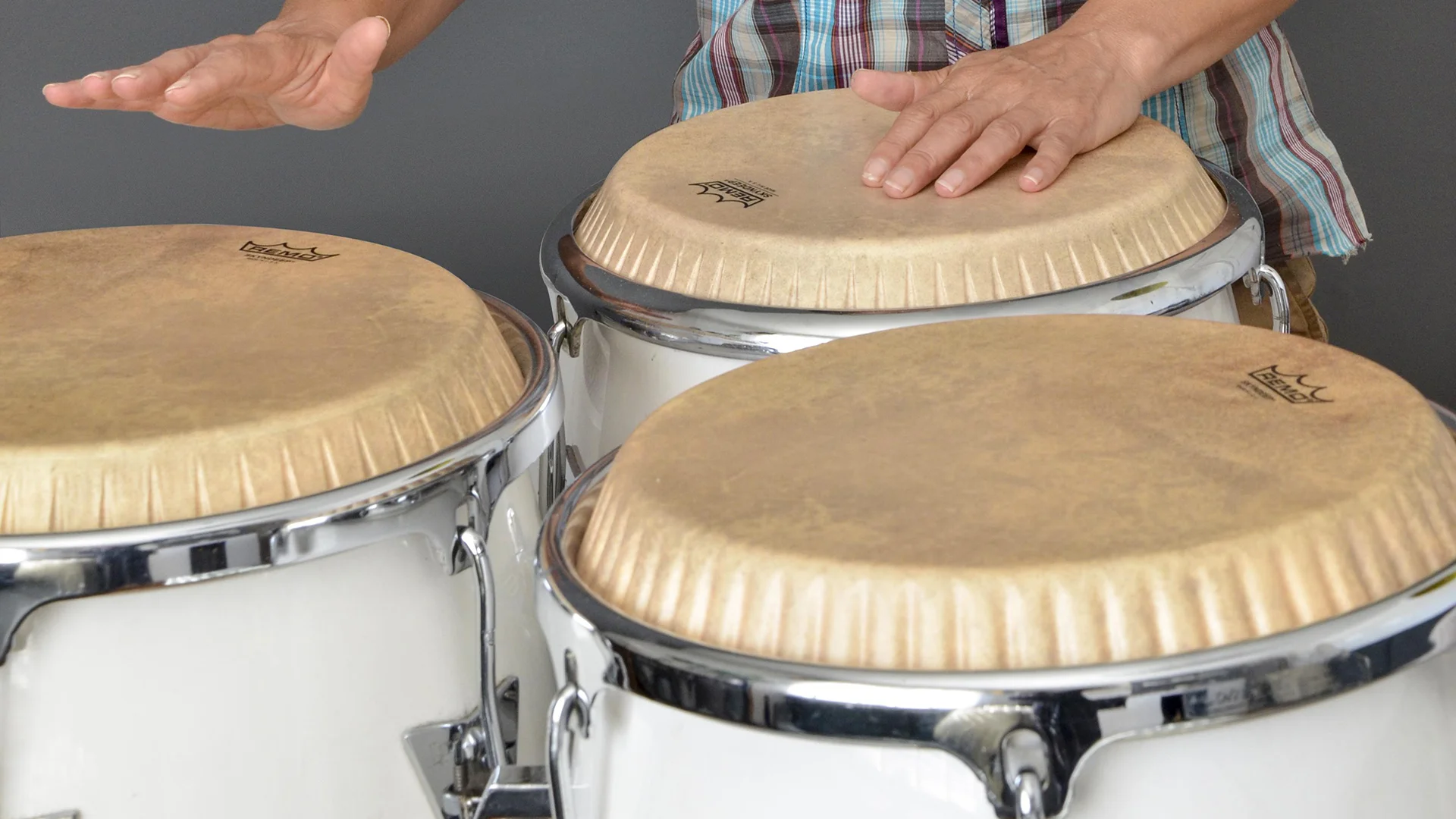
The shell might be the body of your conga, but the drumhead? That's where the real magic happens. This is what your hands actually touch, and it makes all the difference in both sound and feel. Let's break down your options.
Natural Rawhide: The Traditional Touch
Old-school rawhide heads have been the go-to for generations, and plenty of players won't touch anything else. There's something about that natural warmth that just feels right.
Water buffalo hide tops the list for serious players. These skins are tough as nails while giving you those warm, round tones that make congas sound like, well, congas. When you hit a quality buffalo hide, you get this cascade of harmonics that synthetic heads just can't quite match. They're super responsive too - slight changes in how you hit them produce totally different sounds.
Cow hide is the more budget-friendly cousin. Not quite as durable, but honestly, many players actually prefer how these feel. They're a bit softer under your hands and respond more quickly, which is great if you're playing faster patterns rather than hammering out power slaps.
Thickness is a big deal with natural hides. The thick ones (the chunky 1/16" to 3/32" stuff) give you deeper, more controlled sounds. They take forever to break in properly, but once they do? Pure gold for those deep bass tones and crisp slaps. If you're into traditional Cuban or salsa playing, these thicker heads deliver that authentic sound.
Thinner hides wake up faster under lighter touches. They're more sensitive and break in quicker, though they won't last as long.
Synthetic Heads: Modern Reliability
Synthetic heads have come a long way from the plastic-y sounding things they used to be:
Remo Fiberskyn heads try to give you the best of both worlds - synthetic materials reinforced with fibers to feel and sound more like animal skin. They're way more consistent than natural heads since every part of the surface is exactly the same thickness. No weird thin or thick spots to mess with your sound.
Evans Tri-Center heads are pretty clever - they're actually designed with different thickness zones across the surface. This gives you distinct sounds depending on where you hit them. Slap tones come through crystal clear without sacrificing those warm open tones.
LP's Comfort Curve II heads are a godsend if you play marathon gigs. The playing surface is slightly cushioned to be easier on your hands. Even hardcore hide loyalists have been known to switch after experiencing hand pain from too many long sets.
The Feel Factor: Finding Your Connection
Beyond just the sound, how the head feels under your hands is super important:
Natural hides have this organic, slightly textured feel that many players swear by. There's a subtle friction between your hand and the hide that gives you amazing control over tone. As natural hide warms up during playing, it almost feels alive under your hands - something synthetic materials haven't quite figured out how to copy.
Synthetic heads feel smooth and consistent. They don't change much regardless of temperature, humidity, or how long you've been playing. Some players, especially those with sensitive skin, find these much more comfortable during long sessions.
How tight you tune your heads makes a huge difference in feel too. Cranked up tight, they feel harder but give you clearer, higher tones that really project.
Weather Considerations: Reliability Under Pressure
Let's talk about the elephant in the room - how environmental stuff affects your drumheads:
Natural hides and weather changes don't always play nice together. When humidity goes up, they absorb moisture and loosen, sometimes right in the middle of a song. In dry conditions, they tighten up and pitch rises. Real connection to the environment? Yes. Convenient? Not always.
Temperature is another headache with natural heads. Cold tightens them, heat loosens them. Moving between an air-conditioned club and a hot outdoor stage can throw your carefully tuned drums completely out of whack.
Synthetic heads couldn't care less about most of this stuff. They stay pretty much the same regardless of the weather, which is why touring musicians often prefer them. Recording engineers love them too - the sound stays consistent from take to take without mysterious tuning shifts.
Thickness Variations: Fine-Tuning Your Tone
The thickness of your head doesn't just affect how long it'll last:
Thicker heads push the fundamental tone forward and tame some of the overtones. This helps you cut through when playing with loud bands. The downside? You need to hit them a bit harder to get their full voice.
Medium-thickness heads try to do a bit of everything reasonably well. They respond to different techniques while holding up to regular playing. Most come standard with this "middle of the road" option that works for most situations.
Thinner heads pick up every nuance in your playing. They translate even your lightest touch into sound, though they won't be as loud or last as long. Studio players often prefer these for their detail and color.
Shell Construction & Hardware: The Foundation of Quality

When you're shopping for congas, it's easy to focus on the more obvious stuff like size and wood type. But the way these drums are actually built? That's what separates the truly great congas from the merely good ones. Let's dig into the construction details that really matter.
Stave vs. Molded Shells: Building Methods That Shape Sound
There are basically two ways to make a conga shell, and they create totally different instruments:
Stave construction is the traditional approach where the shell is built from separate pieces of wood (called staves) that are glued together like a barrel. The best stave-built congas use anywhere from 24-30 separate pieces of carefully matched wood. This construction method creates incredible structural integrity and beautiful tonal qualities. Each joint between staves adds its own sonic character to the drum, contributing to a complex voice rich with overtones.
The number of staves makes a real difference too. More staves generally means thinner pieces of wood, which allows for better vibration and resonance. Budget drums might use as few as 8-12 thicker staves, while high-end models use many more. When you tap the side of a quality stave-built conga, you can feel the whole shell come alive.
Molded shells take a completely different approach. Fiberglass congas are created using molds where the material is shaped in one seamless piece. Some wooden congas are also made this way, using bent plywood or compressed wood fibers. The result is a more uniform sound with fewer complex overtones but often with better projection and focus. These shells tend to emphasize the fundamental pitch rather than the colorful harmonics you get from stave construction.
Rim Designs: Where Comfort Meets Functionality
Traditional rims are simply the hardware that holds the head in place. They get the job done but can be rough on your hands during extended playing. These traditional designs are often found on more authentic, Cuban-style drums.
Comfort rims have become increasingly popular, featuring rounded or contoured edges that protect your hands during intense playing. LP's Comfort Curve rims pioneered this approach, and now most major manufacturers offer some version of an ergonomic rim design. For players who regularly perform long sets, these rims can be a career-saver, preventing the pain and potential injury that can come from repeatedly striking sharp metal edges.
Extended comfort rims take this concept further, with wider profiles that provide even more hand protection during rimshots and other techniques that contact the edge of the drum. The trade-off is a slightly different feel from traditional designs, which some purists find changes their technique.
Lug Quality: The Unsung Heroes of Tuning Stability
Traditional Cuban-style lugs use a simple design with fewer tension points. While authentic to the original conga concept, these systems can struggle to maintain even tension around the entire drumhead, especially during energetic playing. They do offer a certain vintage charm and slightly less hardware weight.
Modern lugs come in various designs, but the best ones share key features: smooth operation, secure locking to prevent loosening during play, and even distribution of tension across the head. The number of lugs affects both tuning precision and head stability. Professional drums typically feature 8-10 lugs per drum, allowing for precise tuning adjustments and rock-solid performance.
Hidden hardware designs have become popular, where the mechanical elements are partially concealed within the shell. This approach protects the tuning system while maintaining a cleaner aesthetic. It can also reduce unwanted rattles and vibrations that might occur with fully exposed hardware.
Hardware Finish: Durability Meets Design
Chrome plating offers the classic, shiny look associated with traditional congas. It's reasonably durable but can show wear over time, especially in humid environments or when exposed to salty sweat. Regular cleaning helps maintain its appearance, but gigging musicians often find it requires considerable maintenance.
Powder-coated hardware provides superior durability with a more matte appearance. This finish resists scratches, corrosion, and fingerprints better than chrome. Available in various colors, powder-coated hardware allows for more personalized aesthetic options while standing up better to the rigors of regular performance.
Nickel-plated options strike a middle ground, offering good durability with a slightly more subdued shine than chrome. Some players prefer how nickel develops a subtle patina over time, adding character to well-used instruments.
Finish Types: Protecting Your Investment
The finish on your conga shell isn't just about looks - it fundamentally affects sound and longevity:
Natural oil finishes allow the wood to "breathe" more freely, which many players believe enhances resonance and tonal complexity. These finishes highlight the natural grain patterns in the wood but offer less protection against humidity changes and potential damage. They require regular maintenance to keep the wood healthy and vibrant.
Satin finishes provide a thin protective layer while maintaining much of the wood's natural resonance. This middle-ground approach offers reasonable protection without heavily damping the shell's vibration. Many professional drums use this type of finish to balance sound quality with practical durability.
High-gloss lacquers create a beautiful, eye-catching appearance and provide excellent protection against moisture and wear. However, thicker finishes can slightly dampen the shell's vibration, potentially reducing some tonal complexity. For stage performers, the visual impact and durability often outweigh these subtle sonic considerations.
Custom finishes have become increasingly popular, from stunning bursts to exotic colors and even graphic wraps. These options allow for personal expression while providing excellent protection. Quality manufacturers ensure that even their most elaborate finishes don't compromise sound quality.
When evaluating congas, take time to knock on the shell, check the smoothness of the tuning hardware, and inspect the quality of the rim edges.
Choosing the Right Conga for Your Playing Style: A Tailored Approach

Not all conga setups work for all situations. Your perfect drums depend on what music you're making and where you're playing it. Let's get into what works best for different scenes.
Traditional Latin and Afro-Cuban Playing
Wooden congas with real animal skin heads are pretty much non-negotiable here. That combo of mahogany or oak with water buffalo hide gives you that warm, rich sound you hear on all the classic recordings. Most traditional players swear by the quinto-conga-tumba combo to cover all the voices needed for authentic rhythms.
Those drums built from vertical wooden staves (like a barrel) just sound more "right" for traditional styles. All those hand techniques like ghost notes and finger rolls come alive with the complex overtones these drums produce.
For head tension, you want that middle ground - tight enough for clean slaps but loose enough for warm open tones. Too tight and you lose the soul, too loose and you lose definition.
Live Performance Considerations
When you're constantly loading in and out of venues, durability becomes your best friend. Fiberglass congas can take a beating and won't freak out when the temperature changes between your car and the club. If you're a wood purist, look for thick stave construction with good reinforcement.
There's nothing worse than drums that won't stay in tune during a show. More lugs (like 8-10 per head) keep things stable when you're really digging in. Some road warriors slightly overtighten before the gig, knowing the heads will settle a bit once the playing gets hot.
Your back will thank you for considering weight. Ever carried congas up three flights of stairs to a gig? Then you know lighter woods like ash or hybrid designs can be a lifesaver. Good cases with backpack straps are worth every penny.
Studio Recording Setup
This is where those premium wooden stave congas really shine. All their tonal complexity gets captured beautifully by good microphones. In a treated room with quality mics, you can really hear the difference between good drums and great ones.
Natural skin heads often record like a dream, capturing all those warm overtones. That said, if you need consistent sound across multiple takes, high-end synthetic heads deliver reliability that temperamental natural skins sometimes don't.
Many players tune a bit lower in the studio than they would live. You can get away with this because you don't need to project to the back of the room, and that lower tension captures more warmth and body on the recording.
Beginner-Friendly Options
For learning the basics, you want drums that respond consistently and forgive your developing technique. A medium-sized conga (around 11") makes a great first drum because you can practice all the fundamental sounds without getting too specialized.
You don't need to spend a fortune to get started. The major brands all make decent student models that cut smart corners - maybe fewer lugs or simpler hardware - while still giving you an instrument that actually works. Just make sure it holds tune reasonably well.
Ironically, beginners often need more durable drums than pros. When you're still developing proper technique, you might accidentally be harder on the equipment. Synthetic heads and fiberglass shells can take the punishment while you learn.
Player Size and Physical Considerations
If you've got smaller hands, slightly smaller diameter drums might feel more comfortable and let you get cleaner slaps and tones. Bigger hands sometimes feel cramped on smaller drums and need standard or even slightly larger heads.
Your height matters too. Tall players often need higher stands to avoid hunching over, which kills both your technique and your back. Shorter players might find lower positioning gives them better leverage and control.
Raw strength isn't everything with congas, but it does matter when you're starting out. If you haven't built up hand strength yet, medium-tension heads give you more forgiveness while you develop those muscles.
Trying Before Buying: The Ultimate Test
Hit up music stores that carry several brands. Play the same patterns on different drums and pay attention to how they respond to your touch. Does one just feel "right" under your hands?
Test drums the way you'll actually use them. If you play standing, don't test while sitting. If you use stands, don't try them on the floor. The angle completely changes how they respond.
If possible, bring a friend who plays. Having someone else play while you listen gives you a whole different perspective on how the drums actually sound.
Recommended Congas: Expert Selections
Enough with the theory - let's talk about actual drums you can buy right now. The current market offers some incredible options across all price points. From budget-friendly starter sets to professional-grade instruments, there's never been a better time to find congas that match both your playing needs and your wallet.
The following drums stand out across different playing levels and musical styles. These aren't just the most expensive options - they're the drums that consistently deliver solid value and performance for their price range. Whether you're making your first purchase or adding to a collection of premium instruments, these recommendations will point you in the right direction.
LP LPA646 Aspire Conga Set with Double Stand
The Perfect Entry Point





- Superb sound quality, suitable for both beginners and advanced players
- Outstanding finish with deep woodgrain, especially in redwood and sunburst
- High-quality hardware that ensures durability and reliability
- Rawhide heads are easy to tune and responsive to touch
- See 3 more
- Rawhide heads are sensitive to temperature and humidity changes
When you're just getting started with congas, you need drums that won't fight you while you're learning but also won't need immediate replacement once you improve. The LP Aspire Havana Café set hits this sweet spot perfectly.
Build Quality
These congas are crafted from Siam oak, which gives them a surprisingly warm tone for drums in this price range. The wood is kiln-dried to prevent warping and cracking, so these drums are built to last through years of playing. The Havana Café finish looks gorgeous - much more premium than what you'd expect from beginner instruments.
The Aspire EZ Curve rims make a huge difference for new players. Unlike traditional rims that can be rough on your hands, these contoured edges provide comfort during long practice sessions. It's a thoughtful touch that shows LP understands what beginners actually need.
Brushed nickel hardware adds both style and durability. This finish resists fingerprints and sweat marks better than chrome, keeping the drums looking clean even after heavy use. The hardware is substantial without adding unnecessary weight.
Sound Quality
The 10" and 11" combo gives you two distinct voices that complement each other beautifully. The 10" quinto delivers bright, cutting tones for accents and fills, while the 11" conga provides warm mid-range sounds perfect for maintaining groove patterns.
The natural rawhide heads are a standout feature at this price point. Many entry-level congas come with synthetic heads, but LP includes genuine rawhide that delivers more authentic tone and response. These heads break in beautifully over time, actually improving as you play them more.
Tuning stability is impressive for drums in this category. The tension rods hold their position well, requiring only occasional adjustments rather than constant re-tuning. This lets you focus on your playing instead of constantly tweaking the drums.
Practicality
The included LPA653 double conga stand is a massive value-add. This sturdy stand holds both drums at the perfect playing height and angle. The stand's design prevents unwanted movement during energetic playing, and its height adjustability accommodates players of different statures.
Portability is another strength of this set. At a manageable weight, these congas can be transported to lessons or jam sessions without throwing out your back. The stand also folds easily for transport and storage.
For beginners and intermediate players, the LP Aspire Havana Café set delivers everything needed to develop proper technique and sound good doing it. These aren't toys - they're legitimate instruments that happen to be priced for entry-level budgets. The combination of quality construction, comfortable design features, and authentic sound makes this set a standout option for anyone starting their conga journey.


Toca Percussion Synergy Wood Congas
Eco-Friendly Excellence

- Vibrant color and beautiful finish enhance visual appeal
- Rich, resonant sound suitable for various musical styles
- Top-notch craftsmanship ensures durability and aesthetic appeal
- Warm, expressive tone responds well to different playing techniques
- See 4 more
- Skins are of a cheaper grade and somewhat rough
For players who care about both their music and the planet, the Toca Synergy Wood Congas offer a compelling package that checks all the right boxes. These drums blend environmental responsibility with solid performance at a price point that won't make your wallet weep.
Sustainable Construction
Made from responsibly sourced Asian oak, these congas represent Toca's commitment to environmental stewardship. The 2-ply shells measure 28 inches in height, providing excellent resonance and projection. The wood comes from managed forests where replanting ensures these drums don't contribute to deforestation - something more players are rightfully concerned about these days.
The black powder-coated hardware not only looks sleek but also provides superior durability compared to traditional chrome finishes. This coating resists corrosion and scratching, maintaining its appearance through years of use. With 5 tuning lugs per drum, you get reliable tuning stability without excess weight.
The combination of 10-inch quinto and 11-inch conga gives you the classic pairing that covers a wide range of traditional patterns. This size selection provides complementary voices that work well together while allowing distinct tonal separation between the drums.
Player-Friendly Design
Toca's EasyPlay Hoops deserve special mention. These ergonomically designed rims reduce hand fatigue during extended playing sessions, making these drums particularly friendly for beginners still building hand strength. The smooth, rounded edges prevent the pain and callusing that can discourage new players working on their technique.
The natural rawhide heads deliver authentic conga sound with warm open tones and crisp slaps. While they require some break-in time, these heads reward patience with increasingly rich voice as they mature. Unlike many entry-level congas that use synthetic heads to cut costs, Toca includes genuine rawhide that delivers more authentic tone and response.
Shell construction utilizes traditional stave design with carefully selected wood pieces joined with precision. This approach creates drums with excellent structural integrity and proper tonal development. The assembly quality impresses even when examining internal components, showing attention to detail that extends beyond just visible surfaces.
Practical Performance
The included double-braced, height-adjustable stand adds tremendous value to this package. Sturdy enough to handle energetic playing without wobbling, this stand securely positions both drums at your preferred height. The ability to adjust for different players makes these drums versatile for households where multiple people might use them.
Sound-wise, these congas deliver a pleasant surprise given their price point. The oak shells produce balanced tones with good projection and adequate warmth. While they may lack some of the tonal complexity of premium hardwoods, they provide more than enough voice for beginners and intermediate players to develop proper technique and musical expression.
Portability ranks among the Synergy's strengths. Despite their full-size shells, these drums remain manageable to transport to lessons, jam sessions, or small gigs. The stand folds easily for storage in tight spaces - a practical consideration for apartment dwellers or anyone with limited storage.
The Toca Synergy Wood Congas represent an excellent value proposition for beginners and environmentally conscious intermediate players. They deliver respectable sound quality and genuine playability while maintaining ecological principles. For anyone looking to start their percussion journey with a clear conscience, these drums offer a beautiful solution that serves both musical and environmental values.
Meinl Marathon Classic Series Conga 11 3/4" Conga
5.0 (2)
Road-Ready Reliability

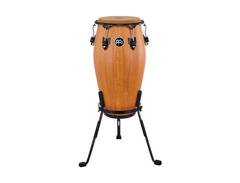
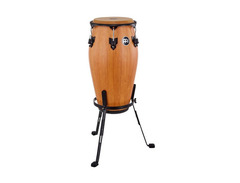

- Stunning natural wood finish makes it a visual standout
- Exceptionally well-made with high-quality hardware
- Offers great sound quality, admired by experienced drummers
- Easily adjustable tuning allows for diverse sound range
- See 3 more
- Heavy weight may require strength for frequent transport
- Higher price point compared to other congas
If you're hitting the road for gigs or jam sessions regularly, you need congas that can handle the grind while still sounding great night after night. Meinl's Marathon Classic Series delivers exactly that kind of dependable performance that working musicians need.
Built for the Long Haul
The Marathon Classics earn their name through construction that's designed to withstand the rigors of consistent use. Crafted from rubber tree wood, these congas offer an eco-friendly alternative to traditional hardwoods while delivering impressive tonal properties. The dense, resonant shells stand 30 inches tall, providing excellent projection and a full-bodied sound that carries well in live settings.
The Super Natural finish with matte lacquer lets the wood's natural beauty shine through while providing essential protection against the elements. This practical finish resists fingerprints and minor scratches that inevitably occur during transport and setup, maintaining a professional appearance with minimal maintenance.
The 2.6mm rounded SSR (Super Sound Ring) rims represent a significant upgrade from standard rims. These thicker, rounded edges protect your hands during intense playing sessions while adding structural stability to the drums. For performers who play multiple sets a night, this thoughtful design makes marathon playing sessions much more comfortable.
Professional Sound Quality
The 11 3/4" true skin buffalo drum heads deliver the authentic, warm tone that defines traditional conga sound. These premium natural skins respond beautifully to different hand techniques, allowing for clear distinction between open tones, slaps, bass notes, and touches. While synthetic heads might offer more consistency in changing environments, these natural skins provide the tonal complexity and dynamic range that serious players demand.
Tuning range impresses on these drums. From low, booming tones to tight, crisp sounds, the Marathon Classics maintain their voice quality across the entire tuning spectrum. The black hardware not only looks professional but offers superior durability compared to chrome options. The 8mm long tuning lugs provide exceptional strength and tuning stability - crucial for drums that will see regular transport and setup.
The included L-shaped tuning key and screw oil make maintenance simple and accessible, ensuring these drums always perform at their best. This attention to maintenance details shows Meinl understands the practical needs of working percussionists.
Made for the Stage
The included "Steely 2" conga stands solve the stability problem that plagues many performing percussionists. These sturdy stands lock the drums securely in place, preventing the annoying "walking" that can occur during energetic playing. Their height works well for both seated and standing performance positions, providing flexibility for different performance contexts.
Despite their substantial build quality, these congas remain manageable for regular transport to gigs. The hardware and shell construction withstand the inevitable bumps and jostles of life on the road without compromising structural integrity. For performers who can't afford equipment failures during shows, this reliability alone justifies the investment.
For intermediate to advanced players who need reliable workhorse drums, the Meinl Marathon Classic Series represents an excellent investment. They deliver professional-level sound and construction at a mid-range price point, making them particularly appealing for working musicians who need dependable instruments that can handle the demands of regular performance.


LP Giovanni Palladium Wood Conga
Vintage Elegance Meets Modern Performance

- Warm, resonant sound with a powerful tonal range
- Extra 2 inches in length enhances playability and sound projection
- High-quality hardware ensures durability and stability
- Classic throwback look with beautiful silver trim and veined ash wood
- See 4 more
- Edge sound lacks tonal variation and richness compared to some competitors
- Some assembly adjustments needed upon delivery, like tightening internal nuts
When one of the world's greatest congueros designs a drum with one of the most respected percussion manufacturers, the result is something special. The LP Giovanni Palladium congas blend historical homage with cutting-edge performance in a package that serious players will appreciate.
Heritage-Inspired Excellence
These stunning drums pay tribute to NYC's famous Palladium Ballroom, the epicenter of Latin music in the mid-20th century. The vintage aesthetic isn't just for show - it connects players to the rich history of conga playing while delivering thoroughly modern performance. The chrome belly bands don't just look cool, they actually enhance shell stability and projection, creating a visual and sonic link to the golden era of Latin percussion.
Constructed from 3-ply North American ash, these shells offer exceptional resonance and tonal clarity. The 32-inch height provides deep, mature resonance while the satin finish lets the natural beauty of the wood shine through. This carefully selected wood delivers the perfect balance of bright attack and warm sustain that professional players demand.
The 11.75-inch playing surface hits the sweet spot between the quinto and tumba sizes, making it incredibly versatile whether you're playing traditional patterns or contemporary styles. The shell's voice carries both power and nuance, allowing for everything from thundering bass tones to whisper-quiet touches.
Player-Focused Features
The extended collar Comfort Curve II rims show LP's understanding of the physical demands of conga playing. These ergonomically designed rims protect your hands during intense playing sessions, preventing the pain and injuries that can plague percussionists. For professionals who play for hours at a time, this feature alone justifies the investment.
Traditional rawhide heads provide authentic tone and unmatched responsiveness. These premium skins respond beautifully to different hand techniques, allowing the full vocabulary of conga sounds to shine through. From crisp slaps to resonant open tones, these heads translate your technique into expressive musical voice.
The thoughtful inclusion of LP ProCare Shell Protectors demonstrates attention to detail. These protective features prevent surface scratches from adjacent drums - a common issue in multi-drum setups. The heart-shaped side plates with 3/8" diameter tuning lugs aren't just visually distinctive; they provide rock-solid tuning stability even during the most energetic performances.
Professional Performance
Tuning precision is exceptional with these drums. The included tuning wrench and quality hardware make adjustments quick and reliable. These congas hold their tuning remarkably well through temperature and humidity changes - a crucial feature for professional performances.
The tonal palette available from these drums is extraordinarily wide. From traditional Afro-Cuban rhythms to contemporary fusion styles, the Giovanni Palladium congas deliver authentic voice with character and projection. Their sonic versatility makes them suitable for virtually any musical context from intimate jazz settings to high-volume Latin ensembles.
For serious players seeking instruments that honor tradition while embracing modern innovation, the LP Giovanni Palladium congas represent a premium choice worth every penny. These drums aren't just tools; they're professional instruments designed to inspire and elevate your playing for years to come.
See how artists use this

.jpg)


.jpg)
Gon Bops Mariano Tumba with Chrome Hardware - 12.25 inch Natural
Authentic Deep Voice of Tradition

When you need that deep, resonant foundation that anchors traditional rhythms, the Gon Bops Mariano Tumba delivers with undeniable authority. This single drum represents percussion craftsmanship at its finest, created for players who understand that quality never goes out of style.
Traditional Excellence
Crafted from durian wood, this tumba offers a distinctive tonal character that's becoming increasingly rare in the percussion world. This exotic hardwood provides exceptional density and resonance, creating a deep voice with complex overtones. The natural finish not only showcases the wood's beautiful grain pattern but also allows the shell to vibrate freely, maximizing tonal development and projection.
The generous 12.25" diameter puts this drum squarely in the tumba category, delivering the low-end foundation that supports entire percussion ensembles. At 30" tall, this drum provides ample resonance chamber for developing rich, mature bass tones that you feel as much as hear. The combination of width and height creates the perfect acoustic environment for traditional tumba patterns.
Traditional chrome hardware completes the classic aesthetic while providing reliable functionality. These time-tested components hold tension evenly around the drumhead, ensuring consistent tuning and response. The classic look pairs beautifully with the natural wood finish, creating a drum that's as visually striking as it is sonically impressive.
Authentic Voice
The premium cowhide head provides the warm, organic sound that defines traditional conga playing. This natural skin responds beautifully to the full range of hand techniques, from powerful open tones to subtle finger work. While it requires more maintenance than synthetic alternatives, the authentic voice and responsive feel make this extra care worthwhile for serious players.
Tuning range impresses even veteran players. From loose, boomy bass notes to tighter, more focused tones, this tumba maintains its essential character across various tension settings. This versatility allows the drum to adapt to different musical contexts while always providing that crucial low-end foundation.
The projection cuts through acoustic ensembles with authority. Even in traditional settings with multiple percussion instruments, this tumba makes its voice heard without requiring excessive force. The combination of quality materials and expert construction ensures that every nuance of your playing translates into clear, defined sound.
Professional Performance
The Gon Bops Mariano Tumba excels in professional performance contexts. Its reliable tuning stability means less adjustment between songs, while its balanced weight provides a solid feel without becoming unwieldy. The drum's focused fundamental pitch pairs beautifully with other congas, making it an excellent addition to existing setups.
Recording engineers appreciate this tumba's clean, defined voice. In studio settings, the drum's controlled overtones and strong fundamental pitch require minimal EQ or processing. This natural clarity saves time during mixing and ensures authentic percussion sound in the final production.
For players committed to traditional styles and sounds, the Gon Bops Mariano Tumba represents an investment in authentic musical expression. Its combination of premium materials, expert craftsmanship, and thunderous voice makes it a standout choice for professional percussionists. This isn't just a drum – it's a direct connection to the deep roots of Afro-Cuban percussion tradition.
Pearl Primero Congas
5.0 (1)
Compact Powerhouse

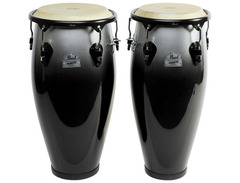
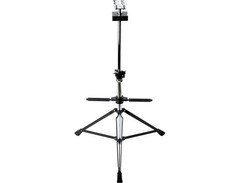
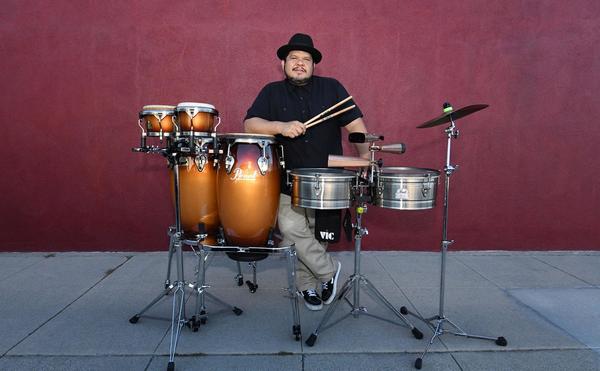
Pearl may be better known for their drum kits, but their Primero Pro congas show they understand hand percussion just as well. These compact yet powerful drums offer a player-friendly alternative to traditional taller congas without compromising on sound quality.
Thoughtful Design Innovation
The first thing you'll notice about these drums is their 28-inch height - noticeably shorter than standard congas. Don't let that fool you though. This thoughtful design choice creates drums that are specifically optimized for seated playing positions, reducing shoulder strain during long sessions. For players who perform seated or have limited space, this design solves real problems.
Thai oak shells provide the foundation for these drums' impressive sound. This sustainable hardwood delivers warm, articulate tones with excellent projection. Pearl's shell construction creates drums that speak clearly even at lower volumes - a valuable trait for acoustic performances and recording situations where nuance matters.
The 11 3/4" and 12 1/2" paired sizes give you complementary voices that work beautifully together. The smaller drum delivers clear mid-range tones while the larger one offers deeper, more resonant bass notes. Together, they cover extensive tonal territory for traditional patterns and contemporary playing styles.
Premium Components
The buffalo heads on these drums deliver authentic, traditional conga sound that synthetic alternatives simply can't match. These natural skins provide the warm open tones and crisp slaps that define classic conga voice. While they require more careful maintenance than synthetics, they reward that care with rich, complex tones that improve with age and playing.
Pearl's Contour Crown Hoops deserve special attention. These ergonomically designed rims reduce hand fatigue during extended playing by eliminating sharp edges and pressure points. For developing players still building hand strength and calluses, this feature prevents the pain that can derail practice sessions.
Polished steel hardware adds both visual appeal and functional durability. The tuning system operates smoothly and holds tension reliably, minimizing the need for constant adjustments. This hardware strikes the right balance between lightweight design and sturdy construction.
Versatile Performance
Tuning range impresses on these drums despite their more compact size. From loose, warm tones to tight, articulate sounds, the Primero Pros maintain their voice quality across various tension settings. This versatility makes them suitable for diverse musical contexts from traditional Latin to contemporary fusion.
The shorter design offers surprising benefits beyond ergonomics. These drums fit more easily into crowded stage setups and vehicles during transport. Storage in homes and apartments becomes simpler with their reduced vertical footprint - a practical consideration for many modern musicians.
Sound projection remains excellent despite the compact design. Pearl's shell construction and quality components ensure these drums can be heard clearly in ensemble settings without becoming overpowering. Their focused tone cuts through without requiring excessive force or volume.
For players who prioritize comfortable playing position, space efficiency, and quality sound, the Pearl Primero Pro congas deliver exceptional value. Their innovative design and premium components create professional-grade instruments that prove good things do come in slightly smaller packages.
See how artists use this



Which Conga Is Right for You?
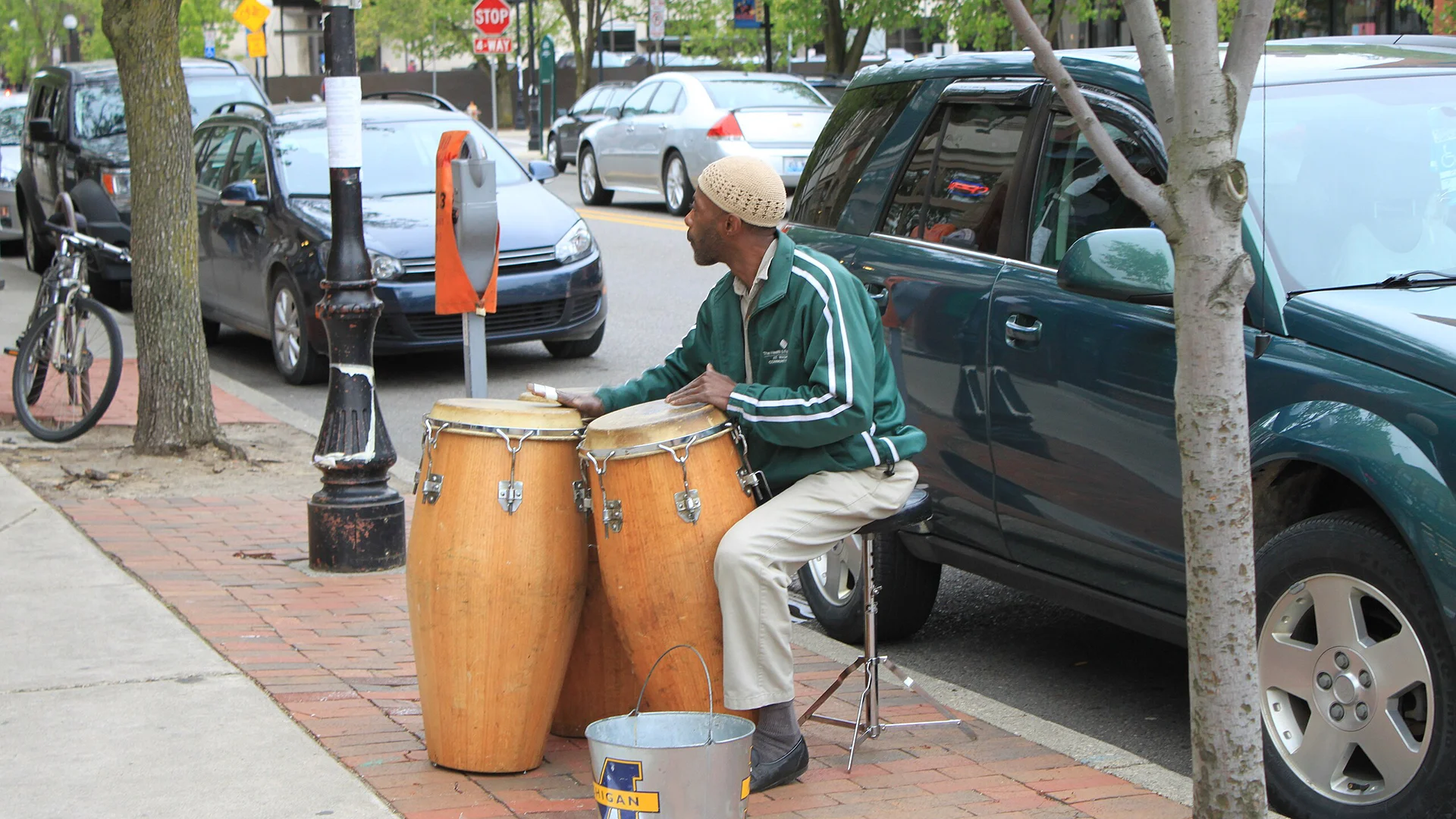
With so many excellent options available, selecting the perfect congas for your specific needs can feel overwhelming. Let's break down which of our reviewed models best suit different players and situations to help you narrow down your choices.
For Beginners and Students
If you're just starting your conga journey, you need drums that are forgiving, durable, and won't break the bank while you develop your skills.
Best Overall Beginner Set: The LP Aspire Havana Café Conga Set strikes the perfect balance of quality and affordability. The included stand, natural heads, and comfortable EZ Curve rims create an ideal learning environment. These drums will grow with you as your skills develop, preventing the need for an immediate upgrade once you advance.
Best Budget-Friendly Option: Toca Percussion Synergy Wood Congas deliver remarkable value for their price point. Their EasyPlay Hoops protect developing hands while the responsibly sourced materials make them an environmentally conscious choice. The natural rawhide heads provide authentic sound at a surprisingly accessible price.
For Gigging Musicians
Working percussionists need reliable drums that maintain their sound and tuning through regular setup, teardown, and transport to diverse venues.
Most Durable Road Companion: The Meinl Marathon Classic Congas were designed specifically for the demands of regular gigging. Their rubber tree wood construction and robust hardware withstand the rigors of constant transportation. The rounded SSR rims prevent hand fatigue during long sets, making them ideal for working musicians who play multiple gigs per week.
Best for Cramped Stages: Pearl Primero Pro Congas shine in tight performance spaces thanks to their compact 28-inch height. Their shorter design doesn't compromise sound quality but makes them significantly easier to integrate into crowded stage setups. The seated-playing optimization makes them perfect for drummers who double on percussion.
For Professional and Studio Players
Serious players need instruments that deliver nuanced response, tonal complexity, and premium craftsmanship for recording and high-level performance.
Studio Excellence: The LP Giovanni Palladium Wood Congas provide the tonal depth and expressive range that recording demands. Designed with input from legendary conguero Giovanni Hidalgo, these drums capture every nuance of your playing technique. Their 3-ply North American ash shells produce balanced tones that sit beautifully in mixes.
Best for Traditional Latin Music: The Meinl Marathon Classic Congas deliver authentic Afro-Cuban sound with their true skin buffalo heads and traditional construction. Their full 30-inch height provides the resonance and projection needed for traditional Latin ensembles.
For Specialized Needs
Some players have specific requirements that certain models address particularly well.
Best for Small Spaces: Pearl Primero Pro Congas are the clear winners for apartments, small practice rooms, or crowded home studios. Their reduced height creates a smaller footprint without sacrificing professional sound quality.
Most Environmentally Friendly: Toca Percussion Synergy Wood Congas stand out for their commitment to sustainable materials and responsible manufacturing. Their responsibly sourced Asian oak comes from managed forests with replanting programs.
Most Comfortable for Extended Playing: The LP Giovanni Palladium Wood Congas with their extended collar Comfort Curve II rims provide superior hand protection during marathon playing sessions. These ergonomic features prevent pain and potential injury during intense or lengthy performances.
Additional Accessories & Setup Tips: Fine-Tuning Your Setup
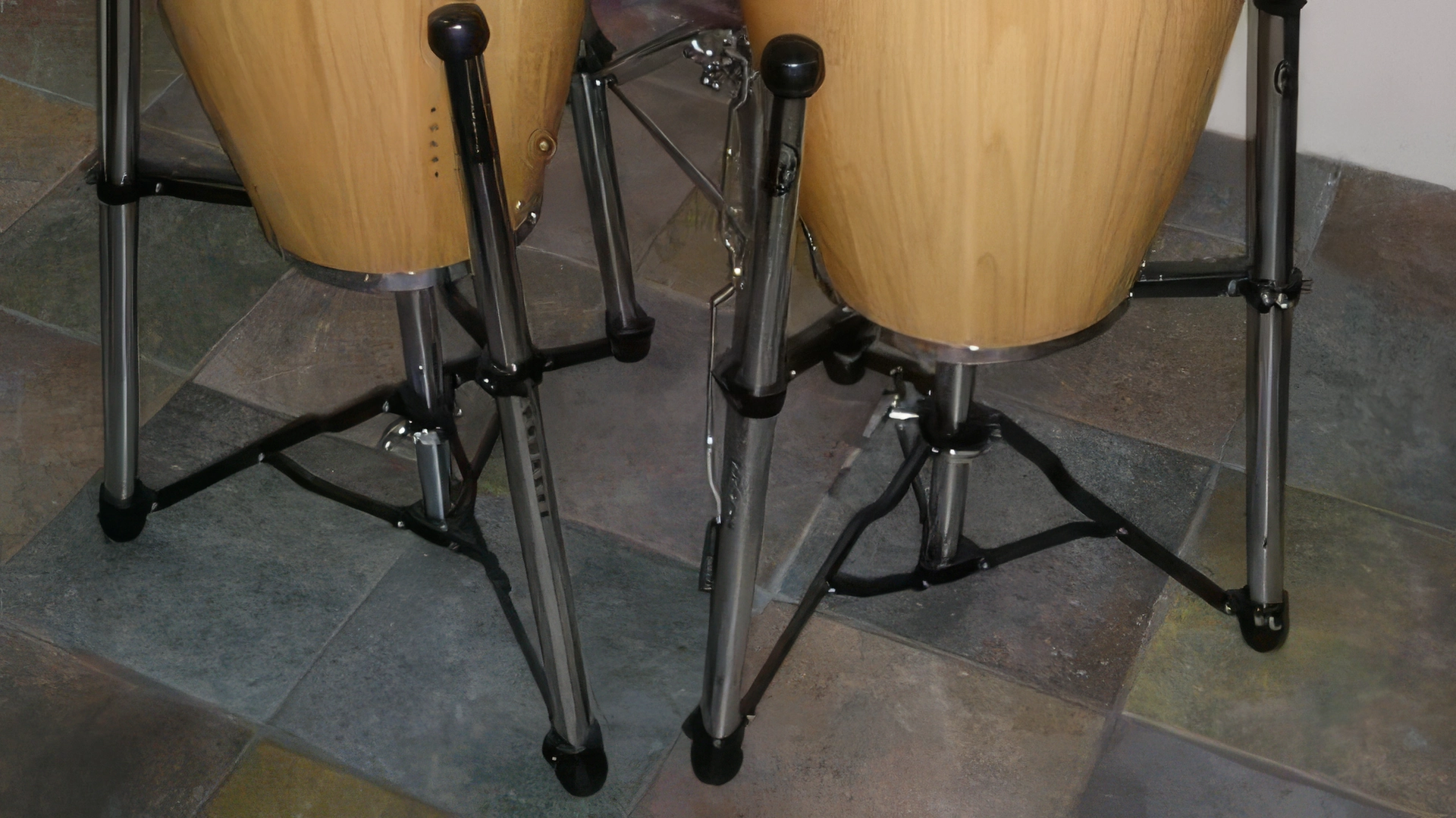
Getting great congas is just the beginning. The right accessories and proper setup can dramatically improve your playing experience and help protect your investment. Let's look at the essential add-ons and setup knowledge that will take your conga playing to the next level.
Stands: The Foundation of Your Setup
Basket stands cradle your congas from below, allowing the shells to resonate more freely than other mounting systems. These stands create minimal contact with the drum, preserving more of its natural voice. The downside? They sometimes allow a bit more movement during energetic playing. They're generally preferred by traditional players seeking maximum resonance.
Tripod stands offer rock-solid stability that prevents drums from "walking" during intense performances. These stands make direct contact with the shell through mounting brackets, which can slightly dampen resonance but provides unmatched stability. For performers who move around while playing or hit particularly hard, this stability makes tripods worth the minor tonal trade-off.
Double and triple stands let you mount multiple congas on a single base, ensuring consistent spacing and height between drums. This fixed relationship between the drums creates more efficient hand movements as you play across multiple congas. For beginners, these stands eliminate guesswork about proper drum positioning.
Height adjustment is crucial for ergonomics. Your congas should position the head at approximately waist height when standing or slightly above knee height when seated.
Protective Gear: Safeguarding Your Investment
Soft cases provide lightweight, affordable protection against dust, light impacts, and weather. These padded bags work well for local transportation and storage but offer limited protection against serious impacts. Look for cases with shoulder straps for easier carrying and exterior pockets for accessories.
Hard cases offer maximum protection for valuable instruments. Though heavier and more expensive than soft cases, they provide insurance against the potentially catastrophic damage that can occur during shipping or rough handling. Professional players consider hard cases essential insurance for high-end drums, especially when air travel is involved.
Shell protectors prevent the common problem of drums damaging each other when placed side by side. These simple rubber or fabric buffers attach to lugs or shell surfaces, preventing direct contact between drums. This inexpensive accessory can prevent hundreds of dollars in cosmetic damage.
Head protectors extend the life of natural skin heads when drums aren't in use. These covers prevent dust accumulation and protect against accidental damage.
Tuning Tools: The Secret to Great Sound
A quality tuning wrench should be considered essential equipment. The L-shaped wrenches included with most congas work fine, but professional drum keys with cushioned handles reduce hand strain during tuning sessions. Keep one in each conga bag so you're never caught without one.
Lug lubricant prevents seized lugs and stripped threading. A small investment in proper lubricant prevents frustrating tuning problems and potential hardware damage. Apply a tiny amount to each lug during head changes or whenever tuning becomes stiff.
Tuning techniques matter as much as tools. For even tension, always work in a star pattern rather than going around the drum in a circle. Make small, incremental adjustments to each lug rather than fully tightening one before moving to the next. This methodical approach ensures even head tension and optimal sound quality.
Digital tuners designed for drums help achieve consistent pitches between playing sessions. While experienced players develop a good ear for their preferred tuning, these devices provide objective confirmation that can be especially helpful for beginners or when preparing for recording sessions.
Maintenance Essentials: Long-Term Care
Shell cleaning varies by material and finish. For wood congas with natural finishes, furniture-grade wood oils restore luster and protect against drying. Fiberglass and heavily lacquered drums can be cleaned with a damp cloth followed by a dry polish. Always check manufacturer recommendations for your specific drums.
Head maintenance for natural skins includes occasional light applications of specially formulated hide oils. These products prevent excessive drying that can lead to cracking. Apply sparingly and only when heads show signs of drying out - over-oiling can be worse than no oil at all.
Hardware care prevents corrosion and ensures smooth operation. Periodically check and tighten all hardware, cleaning chrome or coated surfaces with appropriate metal cleaners. A light application of appropriate lubricant keeps moving parts functioning smoothly.
Storage considerations include temperature and humidity control. Extreme conditions can damage both shells and heads. Store drums in climate-controlled environments when possible, using humidifiers in extremely dry climates and dehumidifiers in tropical conditions. Keep drums off concrete floors, which can transfer damaging moisture.
Recording Your Congas: Capturing Their Voice
Dynamic microphones like the Shure SM57 provide reliable results for most recording situations. Their durability and focused pickup pattern work well in both live and studio environments. Position them 3-6 inches above the head, aimed at the area between the center and edge for balanced tone.
Condenser microphones capture more detail and overtones, making them popular for studio recording. Large-diaphragm condensers positioned 8-12 inches above the heads capture the full richness of the drums, while small-diaphragm pencil condensers excel at capturing attack and definition.
For multiple congas, individual miking provides maximum control during mixing. This approach allows for precise EQ, compression, and effects tailored to each drum's specific voice. For simpler setups, a stereo pair of overheads can capture a more natural overall sound at the expense of individual control.
Room acoustics significantly impact conga recordings. Some natural reverb enhances the drums' sound, but too much creates muddy, unfocused recordings. Experiment with room treatment or positioning to find the sweet spot where your congas sound full but defined.
FAQs: Common Questions About Congas
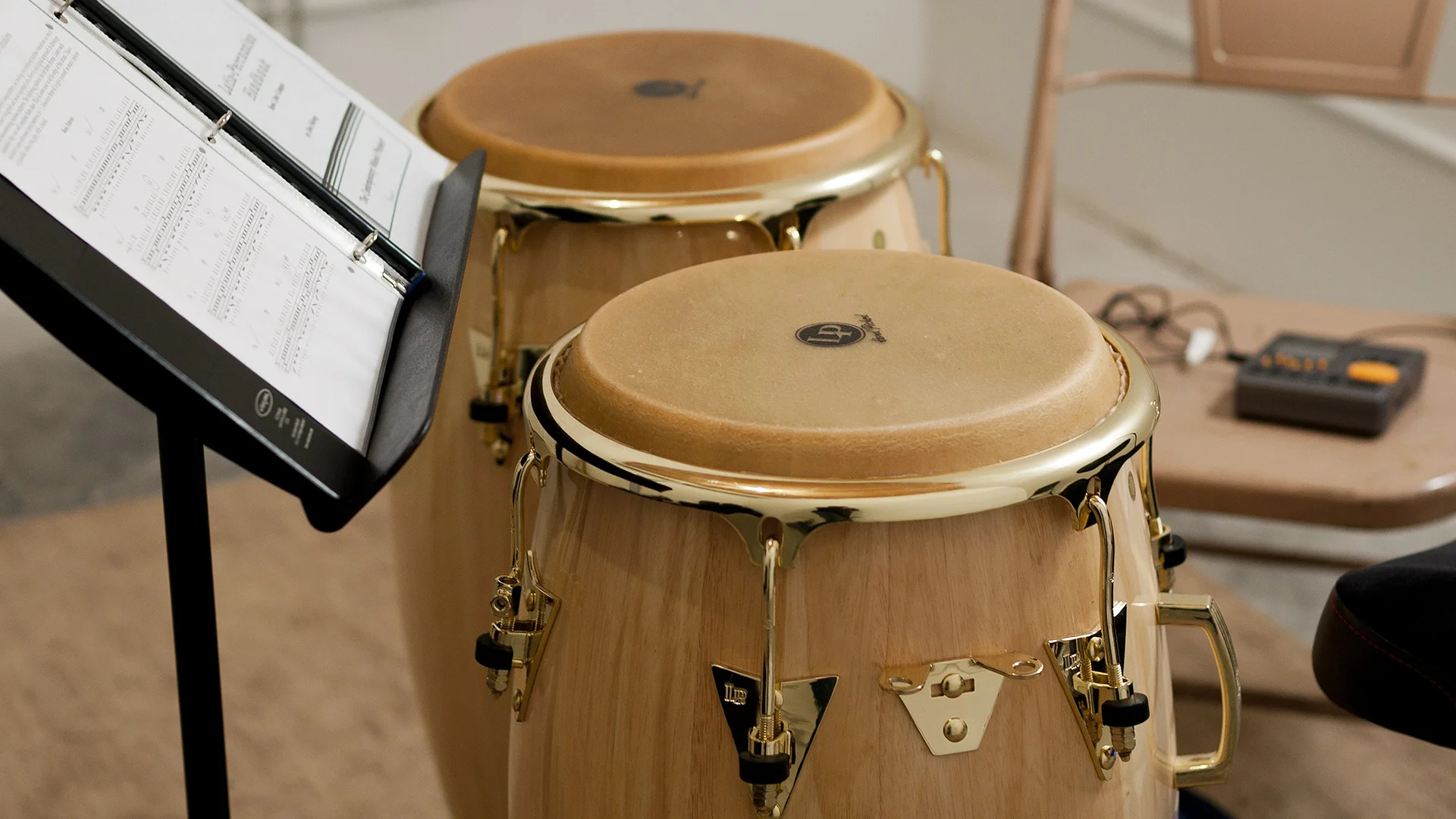
What's the difference between congas and bongos?
Congas and bongos are both Afro-Cuban hand drums, but they differ significantly in size, sound, and playing technique. Congas are larger, barrel-shaped drums typically standing 28-30 inches tall with head diameters ranging from 10-14 inches. They're played individually or in sets of two to three drums and produce deeper tones. Bongos consist of a paired set of small drums (about 7-8.5 inches in diameter) attached to each other, producing higher-pitched sounds. While congas are typically played with the full hand, bongos often involve more fingertip techniques and are traditionally played between the knees.
How many congas do I need to start playing?
For beginners, a single conga (typically the mid-sized "conga" drum around 11-12 inches) provides enough to start learning fundamental techniques. This allows you to develop proper hand positions and basic sounds before worrying about transitioning between multiple drums. However, most players eventually move to a two-conga setup (usually a quinto and conga or a conga and tumba) as this allows for more traditional rhythmic patterns. Professional players often use three or more drums for the full range of traditional patterns and maximum tonal variety.
How do I care for natural rawhide conga heads?
Natural rawhide heads require careful maintenance to prevent drying, cracking, and excessive stretching. Keep drums away from direct sunlight, heating vents, and air conditioners, which can rapidly dry out the skins. In very dry environments, occasional light applications of specialized hide oils help maintain proper moisture content. Wipe down heads after playing to remove oils and salts from your hands. When not in use for extended periods, slightly loosen the tension to reduce strain on both the head and hardware. Store drums in cases or covers to protect heads from dust and accidental damage.
What's the difference between Cuban and Puerto Rican conga playing styles?
Cuban (specifically Afro-Cuban) and Puerto Rican styles represent distinct approaches to conga playing, though they share common roots. Cuban styles like rumba, guaguancó, and son montuno emphasize specific traditional patterns with codified techniques and sounds. The Cuban approach typically employs more muting techniques and complex hand combinations. Puerto Rican styles, particularly in bomba and plena traditions, often feature different rhythmic emphases and hand positions. These styles sometimes incorporate techniques adapted from indigenous Taíno traditions. Both approaches influenced modern salsa conga playing, which often blends elements from both traditions.
How long does it take to learn to play congas well?
Learning basic conga techniques (open tones, bass tones, slaps, and touches) typically takes several months of regular practice. Developing consistent tone production and basic independence between hands might require 6-12 months of dedicated practice. Mastering more advanced techniques like proper finger control, heel-toe movements, and complex traditional patterns generally takes years of study and practice. Like any instrument, the learning curve depends on practice consistency, quality of instruction, musical background, and natural aptitude. Working with a qualified teacher can significantly accelerate progress compared to self-teaching through videos or books.
Are fiberglass congas as good as wooden congas?
Fiberglass congas aren't inherently better or worse than wooden ones - they simply offer different characteristics. High-quality fiberglass congas produce excellent, consistent sound with outstanding durability and weather resistance. They typically deliver focused fundamental tones with clear projection, making them popular for amplified performance settings. Wooden congas generally provide richer overtones and more complex resonance, which many traditionalists prefer. Modern manufacturing has narrowed the gap between these materials, with premium fiberglass congas rivaling wooden drums in tonal quality. The "better" option depends entirely on your playing style, musical context, and practical considerations.
Final Thoughts: Mastering the Conga
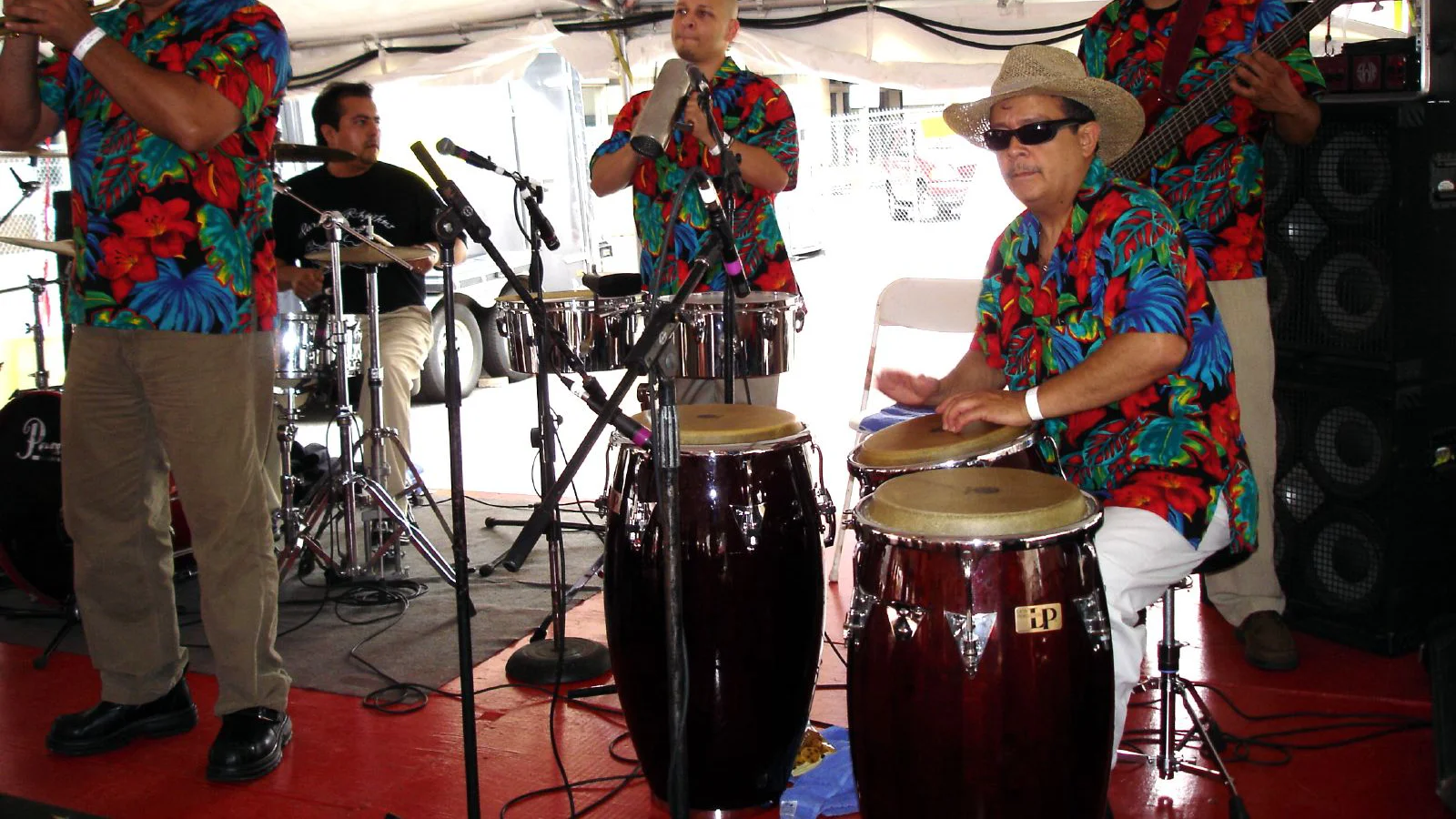
Choosing the perfect congas is about finding drums that speak to your hands, your ears, and your musical soul. Whether you go with the beginner-friendly LP Aspires, the eco-conscious Toca Synergys, the road-warrior Meinl Marathons, the premium LP Giovanni Palladiums, or the compact Pearl Primeros, what matters most is the connection you develop with your instruments.
Remember that great congas are just the beginning. Proper technique, regular practice, and immersion in the rich traditions behind these drums will take your playing from simply making noise to creating music that moves both body and spirit. Invest in quality stands and cases, learn proper tuning and maintenance, and most importantly, find opportunities to play with others who share your passion.
The journey from first slap to flowing solos takes time, but every hour spent with these magnificent drums enriches your life through rhythm. The perfect congas aren't necessarily the most expensive ones – they're the ones that inspire you to play every day.
So choose wisely, play often, and let your congas become the voice through which your musical spirit speaks.
Top Ranked Congas, Quintos & Tumbas on Equipboard


$345.00 - $449.99
5.0 (2)
5.0 (2)

About the authors

S. Jino is an accomplished multi-instrumentalist and music producer based in Kolkata, India, distinguished by his self-taught mastery and unique blend of technical acumen and musical performance. His extensive experience was forged through hands-on dedication, starting with the full restoration of a broken guitar. Jino's capabilities span keyboards, pedals, and advanced digital production, reflecting a comprehensive skill set developed independently. As a significant contributor to the music scene, Jino regularly performs with worship bands and college ensembles. He has also established himself as a reliable and authoritative professional in freelance mixing, mastering, and original music creation. Inspired by the innovative sounds of Brian May and David Gilmour, and influenced by Kolkata's vibrant metal community, Jino is committed to the intricate art of vintage gear restoration and the continuous exploration of music and technology fusion. His current professional setup, featuring a meticulously restored nameless guitar, a Fender Player Strat, and a Boss Katana 50. Read more
New in Congas, Quintos & Tumbas


$369.99 - $469.99
in Congas, Quintos & Tumbas Rank

$399.99 - $429.99
in Congas, Quintos & Tumbas Rank


$533.70 - $879.99
in Congas, Quintos & Tumbas Rank


$599.00 - $779.99
in Congas, Quintos & Tumbas Rank

$614.00 - $799.99
in Congas, Quintos & Tumbas Rank


$929.00 - $979.99
in Congas, Quintos & Tumbas Rank


$399.00 - $471.00
in Congas, Quintos & Tumbas Rank












.webp)