Marimba Magic: The Ultimate Guide to 2026's Top 8 Models


By Gear Experts
.webp)
By Gear Experts
Table of Contents

Equipboard
Equipboard is the world's largest community of artists and their gear. Read our review process.
We are reader-supported. When you buy through links on our site, we may earn an affiliate commission. Learn more.
Our Picks

The Adams Academy Series Marimba offers outstanding educational value, combining reliable sound quality, practical design, and exceptional durability at an accessible price.
Read more


Yamaha YM-5100A 5.0-octave Professional Rosewood Marimba
Yamaha YM-5100 delivers incredible tonal richness and response that captures even the subtlest playing nuances. This instrument sounds amazing in both solo recitals and when playing with an orchestra.
Read more

Adams 4.6-octave Artist Series Rosewood Marimba with Field Frame
Adams Artist Series Rosewood Marimba combines excellent sound quality with practical design features that make it perfect for working percussionists who need reliability across different performance venues.
Read more
Majestic M6543D Deluxe Series 4.3-octave Marimba with Padauk Bars
Majestic M6543D Deluxe Series delivers impressive sound quality and professional features at a price that makes it the perfect stepping stone for serious students and advancing percussionists.
Read more

Musser MSPM550 Studio Series 5.0-octave Padauk Marimba
Musser MSPM550 offers the full 5-octave experience in an intermediate package, making it ideal for schools and studios where players need access to an extended range without a professional price tag.
Read more
Malletech Mtech 4.3-octave Padauk Concert Marimba
Malletech Mtech 4.3-octave Padauk Concert Marimba combines thoughtful educational design with surprisingly good sound quality, making it ideal for serious beginners and school programs.
Read more
Yamaha YM1430 4.3-octave Standard Padauk Marimba
Yamaha YM-1430 offers exceptional durability and consistent performance in educational settings, with the backing of Yamaha's renowned quality control and support.
Read more
Marimba One 3.0-octave Educational Marimba
Marimba One 3.0 delivers authentic concert marimba feel in a home-friendly package, making it the ideal practice instrument for serious players with space constraints.
Read moreThe marimba is one of the most versatile and expressive instruments in the percussion family. With its rich, warm tones and wide dynamic range, it's become an important part of classical orchestras, contemporary ensembles, jazz groups, and world music performances. Originally from Africa and later developed in Central America, today's modern concert marimba has evolved into a sophisticated instrument that can handle complex musical pieces.
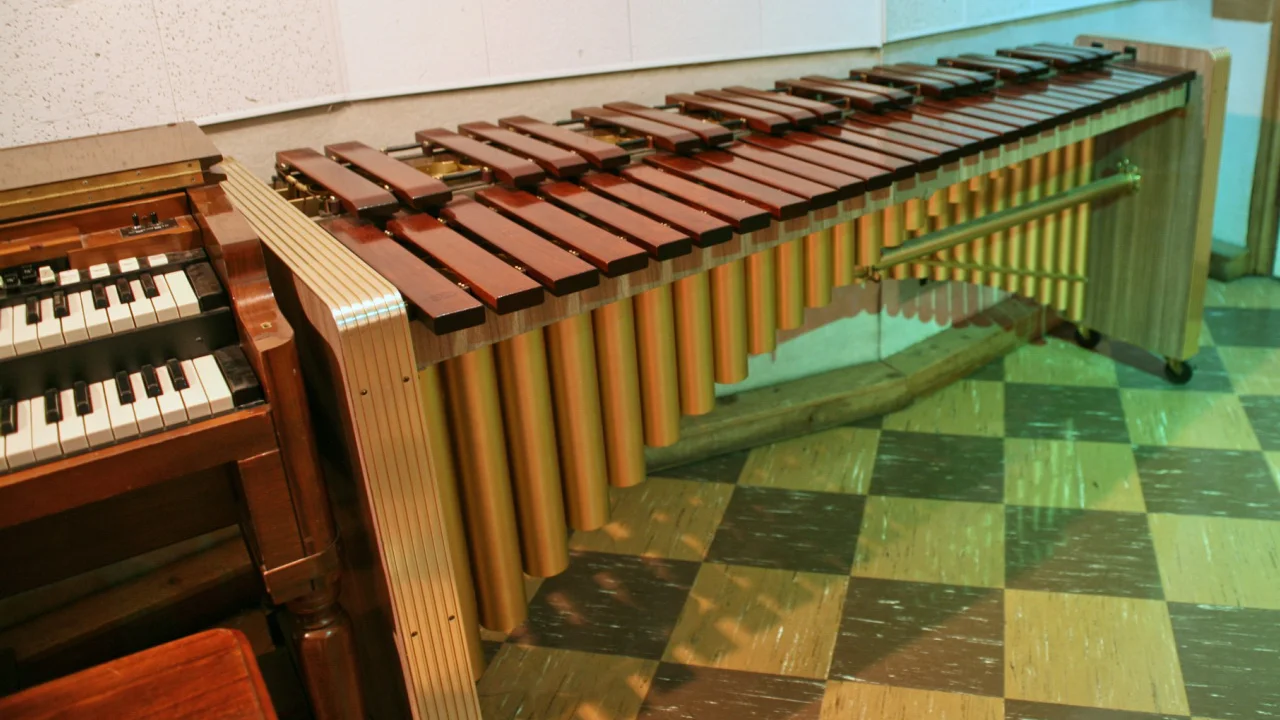
Before we talk about specific recommendations, let's quickly go over what makes up a marimba. At its core, a marimba features wooden or synthetic bars arranged similar to a piano keyboard. Beneath these bars hang resonator tubes that amplify the sound. When you strike the bars with mallets, they vibrate and create that distinctive marimba sound we all love.
Essential Factors When Choosing a Marimba
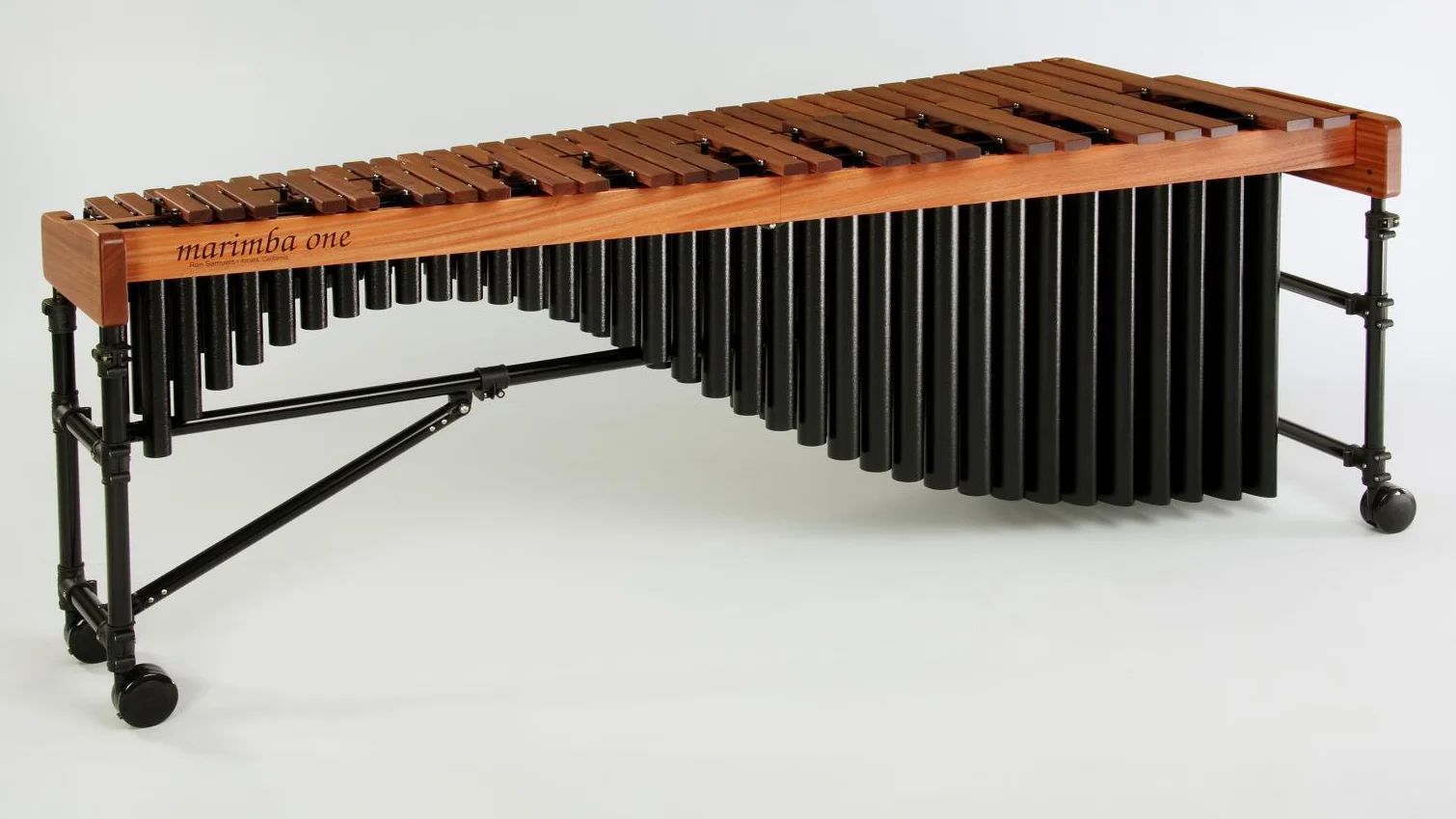
Selecting the right marimba involves weighing several important factors that affect both playability and sound quality. Let's explore what you should consider before making your purchase.
Range and Size Considerations
When shopping for marimbas, you'll notice they come in different octave ranges, typically 4.0, 4.3, 4.6, and 5.0 octaves. The more octaves you have, the more music you can play without needing to change or simplify pieces.
If you're just starting out or buying for a student, a 4.0 or 4.3-octave marimba will cover most educational pieces and beginner music. Intermediate players should look at 4.3-octave models at minimum, while serious performers and professionals will want a full 5.0-octave instrument to handle pretty much any piece in the modern marimba repertoire.
Remember that more range means a bigger physical instrument.
Bar Material and Tone Quality
The material used for the bars has a huge impact on how your marimba sounds. You'll mainly find two options:
Rosewood bars, especially Honduran Rosewood, give you that classic warm, rich sound that marimbas are known for. The natural density and grain pattern of rosewood create complex overtones and longer sustain that many professionals love. The downside? Due to environmental regulations (CITES) and sustainability concerns, rosewood marimbas cost more these days, and you might need special permits if you plan to travel internationally with them.
Synthetic bars or treated woods like padauk offer great alternatives that won't break the bank and still last a long time. These materials have gotten much better in recent years, with many producing bright, clear tones that carry well in performance spaces. They're also less sensitive to humidity and temperature changes and need less maintenance, making them perfect for schools or musicians who travel a lot.
Frame Construction and Portability
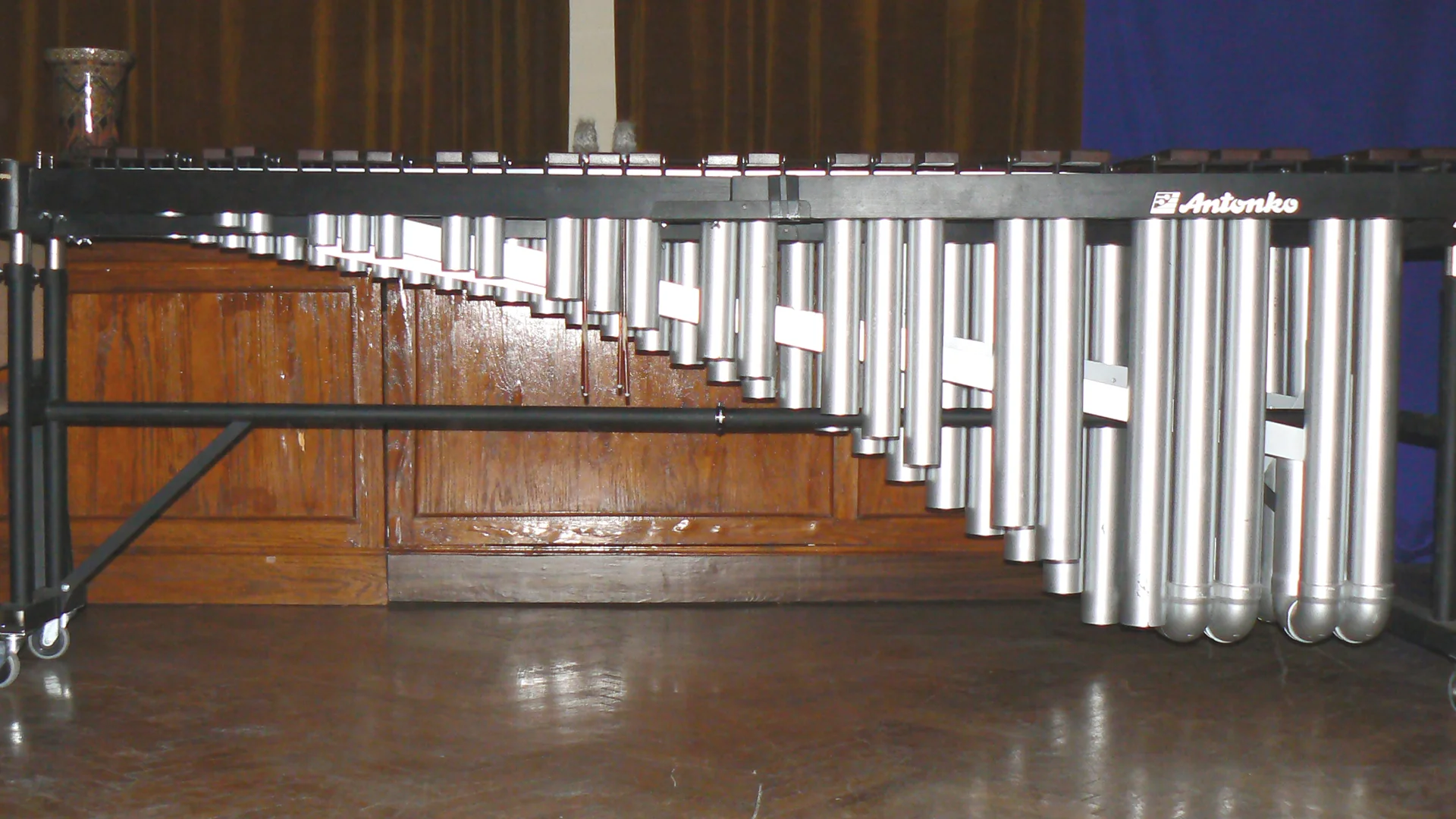
Good quality frames offer several important features. First, they keep the instrument stable so it doesn't wobble when you're playing energetically. Quality frames also have smooth height adjustment systems that work for players of different heights, which is especially important in schools where multiple students might use the same instrument.
Portability matters too, particularly if you need to move your instrument around. Many professional marimbas now come with designs that you can take apart and put back together relatively quickly.
Resonator Quality and Tuning
Those tubes hanging below each bar aren't just for show—they're resonators that amplify and enrich your marimba's sound. Good resonators give you better projection and fuller sound, so your playing can fill larger venues without you having to work as hard.
Most higher-end marimbas come with aluminum resonators, although some use brass or other materials. What really matters is how well they're tuned to match each bar's pitch and overtones. Some fancier models even have adjustable resonators you can fine-tune yourself to adapt to different environments, super helpful if you perform in places with varying humidity levels.
When it comes to tuning, there's no room for compromise. Great marimbas stay in tune through environmental changes and over time.
Budget Considerations
Let's talk money - marimbas aren't cheap, but thinking of them as long-term investments helps put the cost in perspective. Student models obviously cost less than professional concert instruments.
Setting a realistic budget based on your needs is important. For students or beginners, it might make more sense to start with a good mid-range instrument rather than spending top dollar right away. Schools often do better buying durable instruments that can handle years of use by multiple players.
Don't forget that beyond the initial purchase, you'll need to factor in accessories like mallets, covers, and maybe transportation equipment if you'll be moving the instrument frequently. Some retailers offer financing options or educational discounts that can make better instruments more affordable.
Top Recommended Marimbas
From beginners to touring professionals, these marimbas offer remarkable quality at their respective price points.
Adams Academy Series Marimba
5.0 (1)
Best Value Educational Marimba





- Excellent portability for small spaces and easy storage
- High-quality construction ensures durability
- Quick and straightforward assembly process
- Produces a rich, smooth sound with a mellow tone
- See 4 more
- Some assembly challenges noted, requiring additional adjustments
- Requires effort to eliminate unwanted vibrations
- Inconsistencies in sound volume across tone bars
- Occasional missing or damaged parts during delivery
Adams Academy Series Marimba
A Versatile Entry-Level Performer
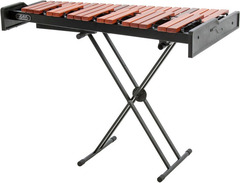
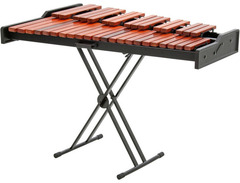
The Adams Academy Series Marimba is thoughtfully designed to cater to beginners, students, and educational institutions seeking reliable quality without exceeding budget limitations. With a compact and approachable 3.0-octave range, the Academy Marimba effectively accommodates essential beginner repertoire, scales, and technical exercises while remaining manageable in terms of space and portability.
Sound and Playability
The Academy Series features padauk bars, carefully tuned and voiced to provide a clear and bright sound profile. Although padauk may not offer the rich depth of premium rosewood, Adams has successfully optimized the resonance and sustain, offering remarkable tone clarity and consistent pitch definition across the entire range. The bars respond well to a variety of mallets, allowing beginners and intermediate players to experiment and refine their technique effectively.
Design and Durability
Built with educational settings in mind, the Adams Academy Series Marimba boasts a durable and practical frame design. The height-adjustable feature ensures comfortable playing positions for performers of various ages and sizes, promoting correct posture and technique from early learning stages. Robust construction with solid bracing and reliable casters supports easy transport between practice spaces and classrooms, making it an ideal choice for school music programs.
Practicality and Value
Perhaps one of the strongest aspects of the Adams Academy Marimba is its exceptional value. Combining excellent sound quality, user-friendly features, and impressive durability, it significantly exceeds expectations for instruments within its price category. The marimba offers students and educators a dependable musical tool that will withstand regular use and facilitate skill development over multiple years.
Ideal For:
- Educational institutions
- Beginning percussionists
- Players with limited space or budget
Overall, the Adams Academy Series Marimba provides an ideal starting point for aspiring percussionists, combining practicality, durability, and impressive sound quality at an accessible price point. It stands out as a smart investment for schools and learners aiming for effective musical growth and development.


Yamaha YM-5100A 5.0-octave Professional Rosewood Marimba
The Sound Sculptor's Canvas

Sound Quality
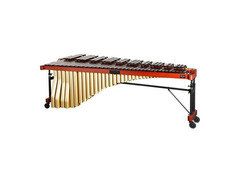
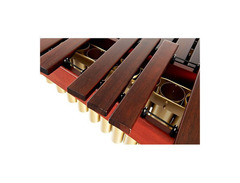
The Yamaha YM-5100 has earned its reputation as one of the most respected concert marimbas among professionals. This 5.0-octave marimba covers a range of C16-C76, letting performers play virtually any piece in the modern repertoire without compromise. The extended range in both directions provides access to the deepest bass notes and highest melodic passages required by contemporary compositions.
What really makes the YM-5100 stand out is the exceptional quality of its rosewood bars. Each bar is carefully selected and graduated to ensure perfect balance across the entire range. The natural density variations in the wood are meticulously compensated for, creating an instrument with remarkable consistency. The rosewood gives you that classic warm, rich tone that sounds great in concert halls, with a projection that carries to the back row without becoming harsh or brittle.
Yamaha's exclusive tuning method ensures amazing accuracy not just in the main tones but also in the overtones, creating a complex and satisfying sound that professional musicians want. The harmonic tuning is particularly noticeable in the crucial middle register, where much solo literature is centered. Many performers comment that the YM-5100 continues to reveal tonal subtleties even after years of playing, marking it as a truly exceptional instrument.
Design Features
The YM-5100 features precisely engineered dense-alloy welded resonators with a cutaway design that makes the instrument lighter while maintaining excellent projection. These resonators contribute significantly to the instrument's characteristic voice, enhancing the fundamental tone while allowing the complex overtone structure to develop fully. The three-position tracking system lets players customize the relationship between the bars and resonators, effectively giving you three different instruments in one by allowing you to adjust the instrument's voice for different performance situations or acoustical environments.
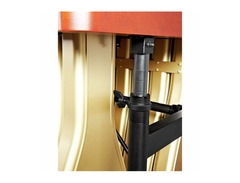
Yamaha's innovative frame design includes pneumatic struts for easy height adjustment that one person can handle, eliminating the need for assistance when setting up. This practical feature makes the instrument more adaptable to different players and performance settings. The oversized 4-inch casters with dual locks ensure you can both move it easily and keep it stable during performances, solving a common problem for professional percussionists. The hinged resonators and rails, along with a two-piece crossbar design, make disassembly straightforward when needed for transportation between venues.


Adams 4.6-octave Artist Series Rosewood Marimba with Field Frame
The Artist's Companion

Sound Characteristics
The Adams Artist Series has built a loyal following among professional percussionists who value both great sound and practical design. With its 4.6-octave range from E2 to C7, this marimba covers most of the standard repertoire while having a slightly smaller footprint than a full 5.0-octave instrument. This strategic range selection allows the instrument to fit in more performance spaces while still accommodating the vast majority of concert literature.
The rosewood bars on the Adams Artist Series get meticulous attention during manufacturing. Each is carefully tuned and finished with a protective lacquer that doesn't interfere with the wood's natural resonance. The result is a dense, focused sound with excellent projection and great intonation, qualities that really shine in recording environments and acoustic performance spaces. The articulation clarity sets this instrument apart, allowing fast passages to remain distinct even in reverberant halls.
What many professionals particularly like about the Adams Artist Series is its consistent sound across the entire range. There are no weak spots or problem areas, just a smooth, reliable response that lets performers focus completely on their musicality rather than having to compensate for instrumental shortcomings. The bar thickness graduation is expertly calculated, creating a balanced resistance that feels natural under the mallets and promotes confident playing.
Touring Features
The resonator tubes are expertly designed for excellent amplification, creating a full, rich sound that carries well in various acoustic settings. The resonator positioning maximizes fundamental tones while allowing overtones to develop naturally, creating a complex sound that records beautifully. A particularly thoughtful feature is the individual tuning capability for tubes below A2, allowing players to adjust to different performance environments and climate conditions, incredibly valuable for touring musicians who perform in many different venues.
The Endurance Field Frame is a significant improvement in marimba portability. Its stable bracing and large locking wheels make moving the instrument much easier, while the removable rails that fold in half significantly reduce the space needed for transportation. The frame can be broken down into components that fit efficiently in most vehicles, yet it reassembles quickly with minimal tools. These seemingly small details make a huge difference for working musicians who regularly travel with their instruments.
Professional percussionists who tour frequently particularly appreciate the instrument's reliability under changing conditions. The frame remains stable on uneven stages, the tuning holds remarkably well through humidity and temperature changes, and the bar mounting system prevents buzzing or rattling even after repeated assembly and disassembly. For the working percussionist who needs an instrument that will perform consistently in any venue, the Adams Artist Series represents an ideal combination of sound quality and practical dependability.
Majestic M6543D Deluxe Series 4.3-octave Marimba with Padauk Bars
The Rising Star's Choice

Tonal Quality
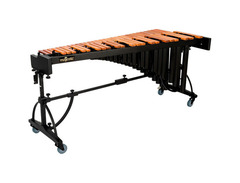
The Majestic M6543D Deluxe Series stands out in the intermediate category, offering many professional-level features without the professional-level price tag. With its 4.3-octave range from A2 to C7, it covers enough ground for most advanced repertoire while maintaining a more manageable size for educational settings.
The padauk bars on the M6543D produce a surprisingly responsive sound that's better than you'd expect for the price. The tone is warm with excellent clarity, particularly in the middle and upper registers. The bar graduation is expertly designed to provide consistent playability across the entire range, allowing students to develop proper technique without fighting against the instrument. The tonal balance between registers is particularly impressive, avoiding the harsh upper register that often plagues instruments in this price range.
Many teachers report that students progress more rapidly on the M6543D compared to other intermediate options because they can focus on their technique rather than compensating for instrumental limitations. The bars respond equally well to a variety of mallet types, from harder plastic to softer yarn mallets, making this an excellent instrument for students exploring different playing styles and repertoire.
Educational Benefits
The instrument's frame and resonator design contribute significantly to its educational value. The acoustical projection is well-suited to ensemble settings without overwhelming in small practice rooms, an important consideration for instruments that will be used in various educational contexts. The overall sound profile provides enough feedback for students to develop good tone production skills while remaining forgiving enough for beginners.
Many teachers specifically recommend this model because it doesn't force students to develop compensatory techniques that might become problematic later in their development. The responsive action and consistent bar weighting throughout the range help students build proper muscle memory and stroke techniques that will transfer well to professional instruments.
The height-adjustable crank-up system is smooth and reliable, an important feature in educational environments where players of different heights share the same instrument. Unlike some competitors, the adjustment mechanism maintains its settings even with frequent use, eliminating the need for constant readjustments. A particularly valuable feature is the re-leveling adjustment capability for the rails, which allows for periodic maintenance to keep the instrument in optimal playing condition over time, significantly extending its useful life in educational settings.
Musser MSPM550 Studio Series 5.0-octave Padauk Marimba
The Studio Workhorse

Range and Versatility
The Musser MSPM550 addresses a specific need in the market: musicians who need a full 5-octave range but don't yet need or can't yet afford a professional-grade instrument. With its full 5-octave spread, the MSPM550 allows players to tackle virtually any piece in the standard repertoire. The padauk bars are tuned to A=442Hz, matching modern orchestral standards, which provides invaluable experience for students preparing for professional environments.
The bar response is remarkably even across the range, with particularly good resonance in the lower register where some intermediate instruments struggle. This consistency is crucial for developing players who need to build technique across the full range without compensating for weak spots in the instrument. The upper register maintains good clarity without becoming too brittle or thin, creating a well-balanced overall sound profile that works well for both solo repertoire and ensemble playing.
Another standout quality of the MSPM550 is its tuning stability, which means less frequent maintenance compared to some competitors. This reliability makes it particularly valuable in institutional settings where regular professional tuning may not be feasible.
Practical Design
The aluminum resonators provide good projection while keeping the overall weight manageable, an important consideration for educational settings where the instrument may need to be moved from time to time. The resonator design also contributes to the instrument's clear articulation, allowing for precise technical passages to be heard distinctly even in less-than-ideal acoustic environments.
The frame construction strikes a good balance between stability and weight, with solid bracing that prevents unwanted vibrations. Even during more energetic playing, the frame remains steady, allowing students to develop confidence in their technique without worrying about instrument stability. The height adjustment mechanism operates smoothly and holds its position well, accommodating players of different heights without complicated adjustments.
The overall build quality is noticeably above average for its price point, with attention to details that enhance both durability and playability. The Studio Series designation accurately reflects where this instrument works best: it's perfect for practice rooms, teaching studios, and smaller performance venues where a full concert marimba might be overkill but quality sound and full range are still essential.

Malletech Mtech 4.3-octave Padauk Concert Marimba
The Student's Perfect First Step

Educational Value
The Malletech MTech has become a favorite among percussion educators for good reason. It gives students a genuine concert marimba experience at a more accessible price point, with a 4.3-octave range that works for a wide variety of educational music. This range allows students to tackle most beginner and intermediate repertoire without adaptation, providing a smooth learning curve as they progress.
Where many beginner instruments cut corners on bar quality, the MTech features warm and clear African padauk bars that provide truly professional-sounding resonance. The wide-bar low end is particularly impressive, delivering a rich and full-bodied bass tone that's often lacking in instruments at this level. This tonal advantage is critical for proper development, as it allows students to hear the fundamental pitches clearly and develop good intonation from the beginning of their studies.
Malletech's thoughtful approach to voicing the instrument creates an exceptionally even response across all registers. Teachers appreciate how the instrument rewards proper technique with immediate tonal improvements, helping students understand the relationship between their playing approach and the resulting sound. This immediate feedback accelerates the learning curve significantly compared to instruments with less responsive action.
Student-Friendly Features
The graduated keyboard design transitions smoothly from the lower to upper registers, with a glassy treble playability that makes even simple exercises sound musical and engaging. This encourages students to practice more frequently and develop their ear alongside their technical skills. The bars are also remarkably forgiving of developing technique, reducing student frustration while still providing the resistance needed to build proper muscle memory.
The solid wooden frame with dark red finish gives the instrument a professional appearance that students respond well to psychologically. This aesthetic quality shouldn't be underestimated—students tend to treat better-looking instruments with more respect and enthusiasm. More importantly, the nut-and-bolt resonator assembly is rivet-free and gold-finished, providing good durability for classroom settings while maintaining quality sound production.
The smooth height-adjustment system is particularly valuable in educational contexts, accommodating players of different heights easily and encouraging proper playing posture from the beginning. Unlike some competitors, this system remains stable even with frequent adjustments. The locking wheels allow for convenient transport between practice rooms or performance spaces while keeping the instrument stable during play. The overall construction quality ensures the instrument will withstand years of educational use while maintaining its playability and sound characteristics.
Yamaha YM1430 4.3-octave Standard Padauk Marimba
The Reliable Classroom Standard

Classroom Durability
The Yamaha YM-1430 has become an industry standard in school percussion programs nationwide, combining reasonable cost with reliable performance. With its 4.3-octave range, it provides enough scope for students to progress through several years of repertoire without outgrowing the instrument too quickly. This makes it an economical choice for schools that need their instruments to serve multiple students over many years.
The padauk bars produce a strong, balanced tone with particularly good definition in the upper register. This clarity helps beginning students hear and understand the relationship between their technique and the resulting sound, accelerating the learning process. The bars are also remarkably resistant to wear and tear, maintaining their tone quality even after years of use by students who are still developing proper mallet technique.
Yamaha's exclusive tuning method ensures true pitch from the moment the instrument arrives, particularly valuable in educational settings where regular retuning may not be feasible. The tuning stability even under varying climate conditions means that students consistently hear correct pitches, helping them develop accurate ears alongside their technical skills. This reliability extends to the instrument's overall construction, which holds up exceptionally well to the rigors of daily use in busy music programs.
The consistent sound quality across the entire range makes this an ideal teaching instrument, as instructors don't need to compensate for weak spots or explain away quirks in the instrument's response. Students can focus purely on developing their technique, confident that the instrument will respond predictably and musically.
Practical School Features
The design includes two resonator heights to accommodate different climate conditions, a thoughtful feature for schools in regions with significant seasonal humidity changes. This adaptability prevents the need for frequent adjustments and helps maintain consistent sound quality year-round, regardless of whether the heating system is running or windows are open for ventilation.
The adjustable angle supports add stability, while the height-adjustable frame makes the instrument accessible to students of various ages and heights. The adjustment mechanisms are straightforward and robust, designed to withstand frequent use without developing loose connections or alignment problems that might affect playability.
The locking wheels are a must-have feature for school instruments that might need to be moved frequently between classrooms or storage areas. They secure the marimba firmly in place during playing while allowing for easy transport when needed. The frame's overall design balances portability with stability, ensuring that even younger students can safely help move the instrument when supervised.
Yamaha's reputation for customer service and parts availability provides an additional layer of security for school music programs. Unlike some smaller manufacturers, Yamaha maintains extensive support for their instruments, meaning that if something does need repair, replacement parts and qualified technicians are readily available throughout the instrument's considerable lifespan.
Marimba One 3.0-octave Educational Marimba
The Practice Champion

Practice Efficiency
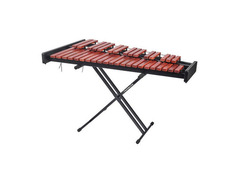
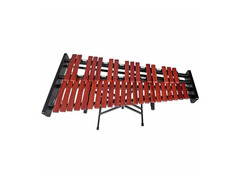
The Marimba One 3.0 addresses a specific need: a high-quality practice instrument that doesn't require dedicating an entire room to it. With its 3.0-octave range covering C4 to C7, it focuses on the most commonly used portion of the marimba range for efficient practice sessions. This strategic range selection allows players to work on the majority of technical passages and melodic material found in standard repertoire, making practice time highly productive despite the compact format.
Despite its compact size, this instrument doesn't compromise on bar quality. The full-size padauk bars deliver the authentic response and feel that players need for productive practice, with a rich, warm tone that makes even technical exercises sound musical. The tonal consistency between these bars and those found on larger concert instruments means that skills developed on the Marimba One 3.0 transfer directly to performance settings without adjustment.
The bar graduation and tuning are executed with the same attention to detail found in the company's larger concert instruments. The bars provide excellent rebound and response to various mallet types, allowing players to develop nuanced technique and dynamic control that will serve them well on any marimba they encounter.
Space-Saving Design
What's particularly impressive about this model is how faithfully it reproduces the playing experience of a full concert marimba in the registers it covers. The height-adjustable steel X-Stand provides stability while maintaining a minimal footprint, making the instrument suitable for bedrooms, small apartments, or shared practice spaces where a full-sized marimba simply wouldn't fit. The stand's design eliminates unnecessary bulk without compromising structural integrity, ensuring the instrument remains stable during even the most vigorous practice sessions.
Weighing significantly less than standard concert marimbas, the Marimba One 3.0 can be moved by a single person without assistance, yet it doesn't feel flimsy or compromised during play. The thoughtfully designed frame distributes weight evenly and anchors firmly to the floor, preventing the shifting and wobbling that can plague lesser portable instruments.
The included dust cover and pair of Round Sound mallets add value to the package, providing everything needed to begin practicing immediately. The mallets are specifically matched to the instrument's characteristics, producing an optimal tone that helps players develop good technique and sound production habits. While this isn't a full performance instrument, it serves its intended purpose beautifully, allowing serious players to maintain their skills at home between rehearsals or lessons, or during times when access to a full-sized instrument isn't possible.
Buying and Maintenance Tips
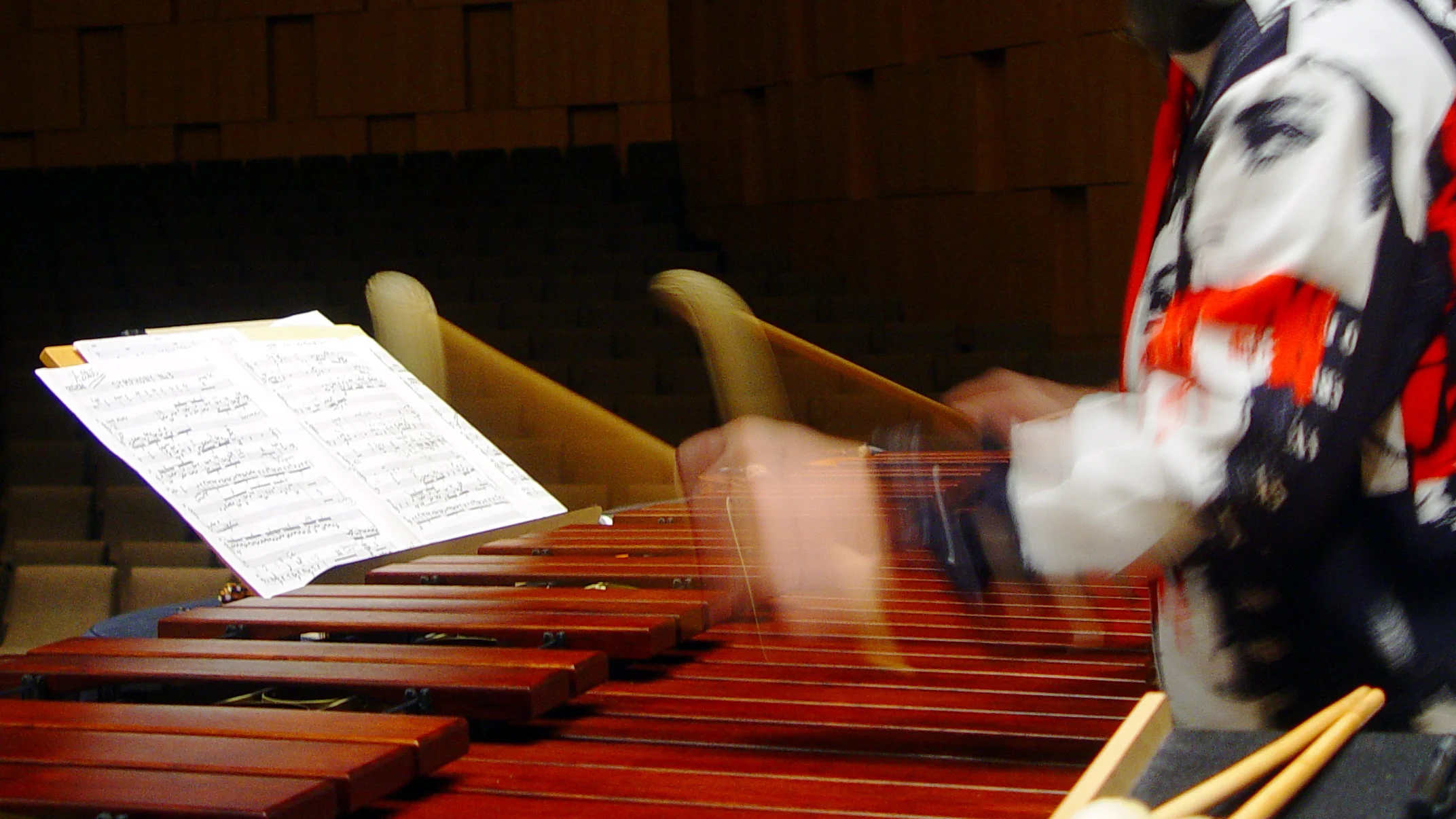
Purchasing a marimba represents a significant investment, and proper maintenance ensures that investment continues to pay dividends for years to come. Here are some practical tips to guide your buying decision and help you care for your instrument.
Selecting the Right Size and Range
The right marimba size depends primarily on your playing level and the music you intend to perform. Consider not just your current needs but where you'll be in 3-5 years as your skills develop. For adult beginners with serious intentions, a 4.3-octave instrument provides room to grow without overwhelming initial budgets. Intermediate players should consider 4.3 or 4.6-octave models, while advanced players and professionals typically require a full 5.0-octave range.
Beyond the octave specification, pay attention to the precise note range. Some 4.3-octave instruments start at A2, while others might start at F2. This difference of a few notes can significantly impact which pieces you can play without adaptation.
Material Considerations
Your choice of bar material should balance sound quality, durability, and practical considerations. While rosewood offers that classic marimba tone, synthetic or padauk bars may be more practical for educational settings or musicians who travel frequently. For professionals, the tonal benefits of rosewood often outweigh the additional maintenance requirements and potential travel restrictions.
Maintenance Best Practices
Proper maintenance is essential for preserving your marimba's sound quality and extending its lifespan. Regular cleaning with a soft, dry cloth prevents dust and debris from affecting resonance. Avoid chemical cleaners on bars, as these can damage finishes and affect sound quality.
For wooden bars, maintaining appropriate humidity levels is crucial. Many professional players invest in humidifiers or dehumidifiers for their practice spaces to protect their instruments. Consider purchasing a hygrometer to monitor humidity levels, aiming for a range between 40-60% relative humidity.
Resonators should be checked periodically for dust accumulation, which can dampen sound. A gentle cleaning with compressed air can help maintain optimal resonance without risking damage to the tubes.
Height adjustment mechanisms and frame components benefit from occasional lubrication with appropriate products recommended by the manufacturer. Wheels should be kept clean and checked regularly to ensure smooth operation and stable locking when in use.
Tuning stability is another maintenance consideration. While most quality marimbas maintain their tuning for years, environmental factors can cause subtle shifts over time.
Frequently Asked Questions
Is a 5-octave marimba necessary for all percussionists?
No, a 5-octave marimba isn't necessary for everyone. Beginners and intermediate players can work effectively with 4.0 or 4.3-octave instruments. However, if you're planning to perform advanced contemporary repertoire or pursue percussion at a collegiate or professional level, you'll eventually need access to a 5-octave instrument, as many modern compositions utilize the extended range.
How do rosewood and synthetic bars differ in sound and longevity?
Rosewood bars typically produce warmer, richer tones with more complex overtones and better sustain. They're often preferred for their traditional sound quality but require more maintenance and may be affected by environmental conditions. Synthetic or padauk bars generally produce brighter, more focused tones that project well. They tend to be more durable, require less maintenance, and are less affected by humidity and temperature changes. In terms of longevity, well-maintained synthetic bars may outlast rosewood, but high-quality rosewood with proper care can last for decades.
What are key maintenance practices to prolong marimba lifespan?
The most important maintenance practices include: keeping your instrument clean and dust-free; maintaining stable humidity levels (40-60%) for wooden instruments; using appropriate mallets to prevent unnecessary wear on bars; keeping the frame and mechanical components properly lubricated; covering the instrument when not in use to protect from dust and direct sunlight; and having any developing tuning issues addressed promptly by a professional.
How often should a marimba be professionally serviced?
This depends on usage and environment, but generally, a professional service check every 2-3 years is recommended for instruments in regular use. School instruments might benefit from annual servicing due to heavier use by multiple players. During these service checks, a technician can address tuning issues, check frame integrity, lubricate moving parts, and identify any developing problems before they become serious.
What should I look for when testing a marimba before purchase?
When testing a marimba, check for: consistent sound quality across all registers; good sustain and resonance in each bar; absence of buzzing or rattling when played at various dynamics; stable frame that doesn't wobble during energetic playing; smooth operation of height adjustment mechanisms; and comfortable playing position. Play scales and arpeggios across the range, as well as some musical passages that utilize different registers, to get a comprehensive sense of the instrument's sound and response.
Conclusion
Selecting the right marimba ultimately comes down to matching your needs with an instrument that delivers the right balance of sound quality, playability, and durability within your budget. The best choice will grow with your skills and support your musical development for years to come.
Whichever model you choose, investing in a quality instrument suited to your needs will support your musical development and provide years of playing enjoyment. Your journey might begin with the Malletech MTech or the reliable Yamaha YM-1430 as you develop your skills. As you advance, you might find yourself drawn to the Majestic M6543D or the full-range Musser MSPM550. Professional aspirations might eventually lead you to the concert-quality Yamaha YM-5100 or the touring-friendly Adams Artist Series. And for those tight on space, the Marimba One 3.0 offers exceptional quality in a compact package. These instruments represent the best options available in 2025 across all player levels.
Top Ranked Marimbas on Equipboard


About the authors
S. Jino is an accomplished multi-instrumentalist and music producer based in Kolkata, India, distinguished by his self-taught mastery and unique blend of technical acumen and musical performance. His extensive experience was forged through hands-on dedication, starting with the full restoration of a broken guitar. Jino's capabilities span keyboards, pedals, and advanced digital production, reflecting a comprehensive skill set developed independently. As a significant contributor to the music scene, Jino regularly performs with worship bands and college ensembles. He has also established himself as a reliable and authoritative professional in freelance mixing, mastering, and original music creation. Inspired by the innovative sounds of Brian May and David Gilmour, and influenced by Kolkata's vibrant metal community, Jino is committed to the intricate art of vintage gear restoration and the continuous exploration of music and technology fusion. His current professional setup, featuring a meticulously restored nameless guitar, a Fender Player Strat, and a Boss Katana 50. Read more
Michael R. Pierce is the co-founder of Equipboard and a lifelong musician with over 25 years of experience as a guitarist and gear enthusiast. He blends solid music theory chops (thanks to formal training in guitar, piano, and trumpet) with real-world experience, always exploring and experimenting across genres like rock, blues, and hip-hop. Michael launched Equipboard in 2013 after graduating from The University of Texas at Austin, leveraging his unique blend of musical passion, technological acumen, and community building. His current go-to rig features a Fender American Original ‘50s Telecaster, Analogman King of Tone, Strymon Flint, and a Fender ‘57 Custom Champ. Read more


.webp)
.webp)
.webp)