Table of Contents

Equipboard
Equipboard is the world's largest community of artists and their gear. Read our review process.
We are reader-supported. When you buy through links on our site, we may earn an affiliate commission. Learn more.
Our Picks

Quik Lok QL-742 Double Tier Double Braced Keyboard Stand
Best All-Around: A professional-grade dual-tier stand combining exceptional build quality with performance-focused adjustability. Built to handle the demands of serious multi-keyboard setups while maintaining streamlined portability.
Read more


Best for Studio Use: A rock-solid table-style stand that prioritizes absolute stability and precision adjustability. Perfect for permanent studio setups while maintaining the flexibility for occasional repositioning.
Read more

Best for Live Performances: A premium column-style stand that redefines stability and adaptability for live performance environments. Combines sophisticated design with practical features that make it invaluable for professional stage use.
Read more
Best for Multi-Keyboard Players: A precision-engineered stand that transforms multiple keyboards into an ergonomic command center. German-crafted excellence offering unmatched flexibility for complex keyboard rigs.
Read more

Yamaha PKBX2 X-Style Keyboard Stand
Best Budget Option: A straightforward, no-nonsense X-style stand that delivers reliable performance without complexity. Ideal for home users and beginners seeking professional-grade stability without unnecessary features.
Read moreA keyboard stand might seem like a simple accessory, but it's the foundation of any keyboard setup. Whether you're practicing at home, recording in the studio, or performing live, having the right stand makes a significant difference in your playing experience. The perfect stand not only provides stability for your instrument but also ensures proper playing posture and comfort during those long sessions.
Many players focus solely on their instrument while overlooking the importance of a quality stand. This oversight often leads to uncomfortable playing positions, unstable setups, or the frustration of a stand that doesn't meet their needs. Finding the right keyboard stand involves understanding your specific requirements and knowing which features matter most for your situation.
A well-chosen keyboard stand is like a great concert venue's acoustics - when it's doing its job perfectly, you won't even notice it's there. But pick the wrong one, and it becomes an constant irritation that can significantly impact your performance, whether it's an unstable wobble during intense passages or an awkward height that leaves you struggling with proper posture.
This guide will walk you through everything you need to know about choosing a keyboard stand that perfectly matches your playing style, environment, and instrument.
Understanding Different Stand Types
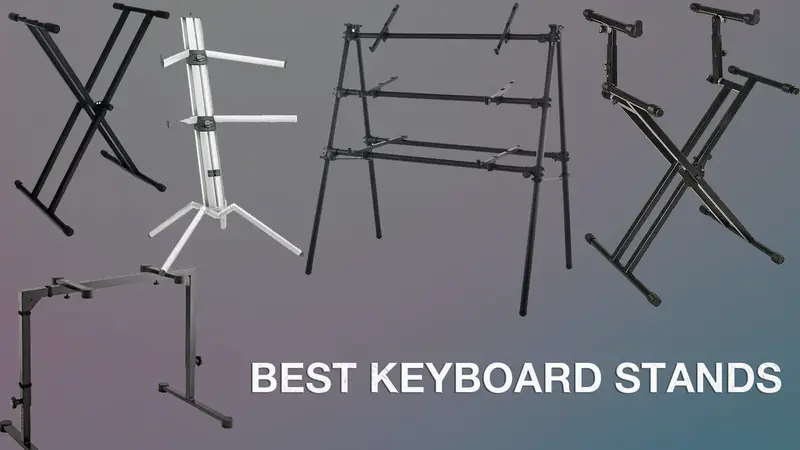
The keyboard stand market offers various designs, each engineered to address specific playing needs and environments. While they might all serve the basic function of holding your keyboard, their distinct characteristics can significantly impact your playing experience. Understanding these differences is crucial for making an informed choice that aligns with your specific requirements.
X-Style Stands
These single-braced or double-braced stands earned their name from their distinctive X-shaped profile. Their collapsible design makes them a popular choice among musicians who value portability. Single-braced variants offer basic support suitable for lighter keyboards, while double-braced versions provide enhanced stability through additional reinforcement points. The adjustable arms can accommodate keyboards of different widths, though they typically work best with standard-sized instruments.
Despite their popularity, X-style stands have notable limitations. The crossed design inherently creates some front-to-back wobble, particularly at higher height settings. They typically offer limited weight capacity, making them unsuitable for heavy workstations. The arms' contact points can also create pressure spots on longer keyboards, and stability decreases as you extend the width adjustment to its maximum.
Z-Style Stands
Taking their name from their Z-shaped side profile, these stands represent a step up in stability from X-style designs. Their wider base and vertical support column create a more solid foundation, making them ideal for heavier workstations and digital pianos. The vertical column design distributes weight more evenly, reducing wobble during intense playing sessions. Unlike X-stands, Z-style models maintain consistent stability regardless of height adjustment.
The main trade-offs with Z-style stands come in portability and space requirements. Their rigid construction means they take up more storage space even when folded, and their weight can make transport more challenging. Some models also have fixed width settings, limiting their versatility across different keyboard sizes.
Table-Style Stands
Built with a focus on maximum stability, table-style stands feature a rectangular frame with four vertical support posts. Their design prioritizes rock-solid support over portability, making them particularly well-suited for permanent studio setups and professional workstations. The platform-style surface provides comprehensive support across the entire width of your keyboard, eliminating potential stress points. Most models feature adjustable feet for perfect leveling on uneven surfaces.
The primary drawback of table-style stands is their bulk. They're often impractical for gigging musicians due to their size and assembly time. Most models don't fold flat, requiring significant storage space. Their fixed width can also be limiting if you need to accommodate different keyboard sizes.
A-Frame Stands
Designed specifically for multi-keyboard setups, A-frame stands feature a triangular profile that allows for multiple tiers of instruments. Their modular design enables customizable configurations, with adjustable height and angle settings for each tier. The sturdy base and reinforced support columns ensure stability even with multiple keyboards mounted. Professional performers particularly appreciate their ability to create ergonomic multi-instrument setups without sacrificing floor space.
These stands, however, come with several compromises. Their complex design often results in longer setup times, and the multiple adjustment points can loosen over time, requiring regular maintenance. The tiered design also means they need substantial floor space, and their weight makes them challenging to transport.
Column (Spider) Stands
These modern stands combine elegant design with practical functionality. Their central column supports adjustable arms that extend outward to cradle your keyboard. The minimal footprint makes them particularly valuable in cramped performance spaces, while their sophisticated appearance suits high-end performance venues. The best models feature quick-release mechanisms for rapid setup and breakdown, though they typically support lighter keyboards compared to other stand types.
While visually appealing, column stands have some limitations. Their weight capacity is typically lower than other designs, and stability can be compromised with heavier keyboards, especially during intense playing. The arms may not provide adequate support for longer keyboards, and some models have limited width adjustment range.
Essential Selection Factors
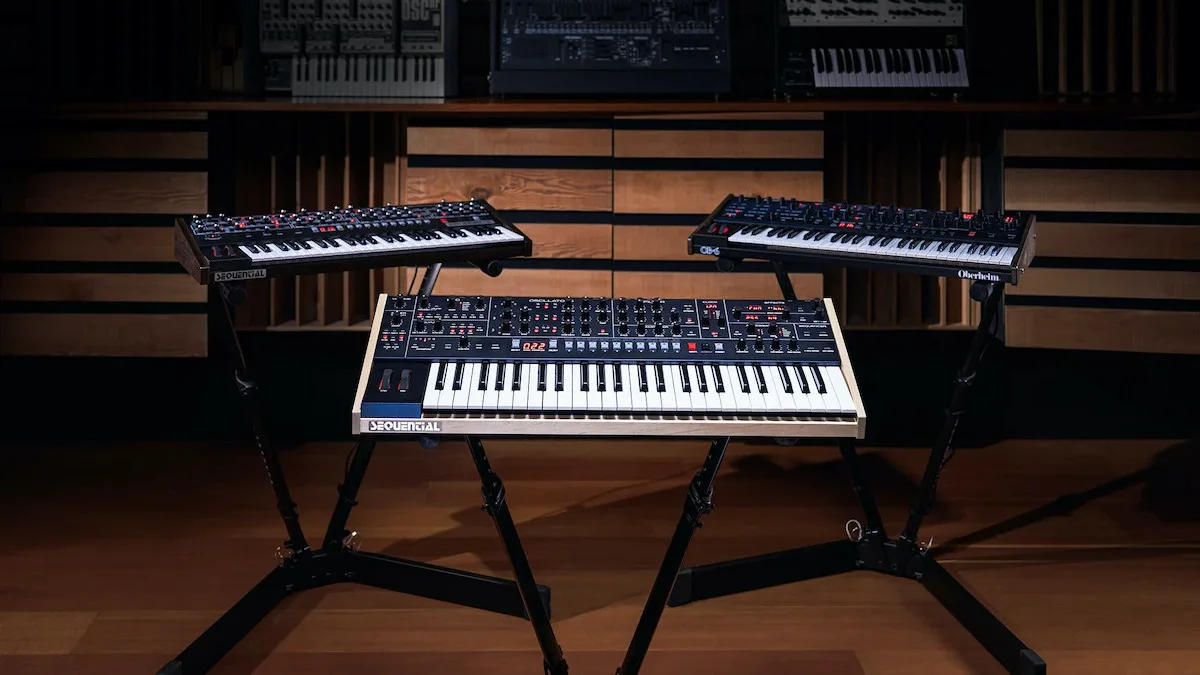
Selecting the right keyboard stand involves more than just choosing a style that catches your eye. Several critical factors determine whether a stand will meet your specific needs and provide reliable service over time. Understanding these elements helps you make a choice you won't regret.
Weight Capacity and Load Rating
One of the most crucial yet often overlooked specifications is weight capacity. Digital pianos and professional workstations can be surprisingly heavy, and exceeding a stand's weight rating compromises both stability and safety. Always factor in additional weight from accessories like music rests, laptops, or drum machines that might share the stand. Professional-grade stands typically provide detailed load ratings for both centered and offset weight distribution.
Height and Width Adjustability
Proper playing posture prevents fatigue and potential repetitive strain injuries. The ideal stand should adjust to position your keyboard at elbow height when seated or standing. Width adjustment becomes particularly important for compact keyboards or longer workstations, as proper support across the entire instrument prevents stress on the keyboard's casing. Quality stands offer smooth adjustment mechanisms that maintain stability at any setting.
Build Quality and Materials
Construction materials directly impact both durability and stability. Aircraft-grade aluminum offers an excellent balance of strength and weight, while steel provides maximum stability for permanent setups. Pay special attention to joint construction and locking mechanisms, as these are common failure points in lesser stands. Quality stands feature reinforced stress points and precision-engineered joints that eliminate wobble.
Portability Considerations
For gigging musicians, the ability to quickly set up, break down, and transport a stand is essential. Consider both folded dimensions and packed weight. Quick-release mechanisms and tool-free assembly can save valuable time during setup, but ensure these convenience features don't compromise stability. Some manufacturers include carrying bags or cases, which protect both the stand and your vehicle during transport.
Additional Features
Modern stands often incorporate thoughtful features that enhance functionality. Cable management systems keep power and audio cables organized and protected. Memory locks allow quick setup to your preferred height settings. Some models feature integrated music rests or tablet holders. While these extras shouldn't be the primary factor in your decision, they can significantly improve your playing experience.
Matching Stands to Playing Environments
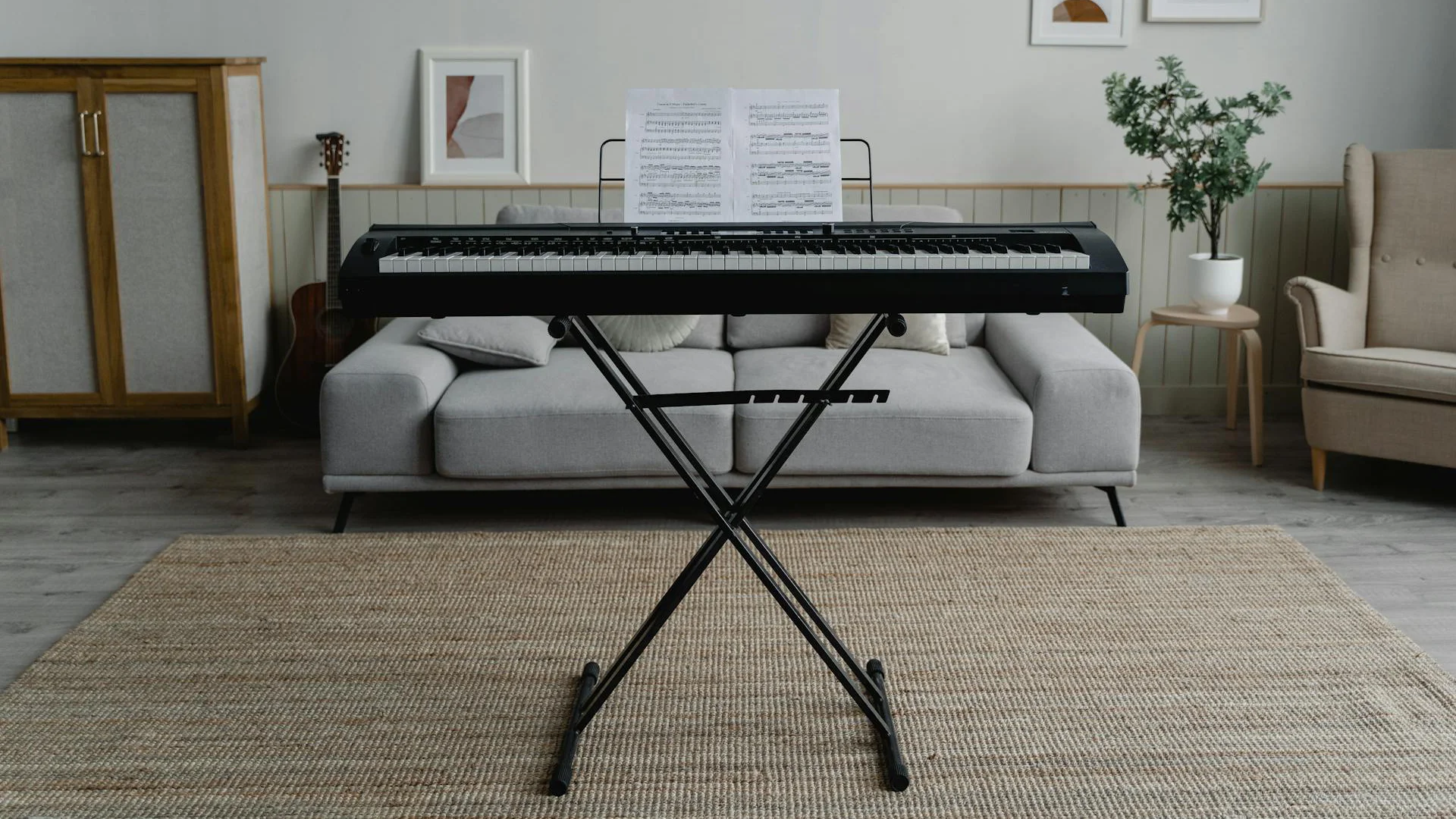
Different playing scenarios place unique demands on keyboard stands. Making the right choice requires understanding how your specific environment impacts stand performance and what features become crucial in each setting.
Home Practice Setups
The home environment typically demands a balance between stability and space efficiency. A stand for home use should accommodate your practice routine while integrating well with your living space. Fixed height settings can work well here since you'll likely maintain consistent playing positions. Consider the flooring type - carpet may require wider support bases, while hardwood floors benefit from non-marking rubber feet.
Studio Recording Requirements
Recording environments demand absolute stability and silence. Any stand movement or vibration can compromise your recording, making this perhaps the most demanding setting for stand performance. Studio stands need to accommodate various peripherals while maintaining cable organization. They should also provide easy access to your keyboard's connections and controls, as you'll likely be making frequent adjustments during sessions.
Live Performance Demands
Stage environments present unique challenges, from uneven surfaces to limited setup time. Your stand needs to adapt to varying stage conditions while enabling quick assembly and breakdown. Reliability becomes paramount - a stand failure during performance isn't just inconvenient, it's potentially catastrophic. Consider how the stand will handle stage vibrations, especially if you're performing near drum kits or powerful PA systems.
Multi-Keyboard Configurations
Running multiple keyboards requires careful consideration of ergonomics and accessibility. Your stand setup should allow smooth transitions between instruments without compromising playing comfort. Weight distribution becomes more complex with multiple instruments, and cable management grows increasingly important. The stand must provide stable support while keeping all instruments within comfortable reach.
Professional Workstation Needs
Professional setups often combine aspects of both studio and performance requirements. These configurations typically involve heavier equipment and longer usage sessions, demanding maximum stability and ergonomic optimization. Your stand needs to accommodate various accessories while providing easy access to all controls and connections. Consider maintenance access - you'll want a design that allows quick access to your keyboard's rear panel when needed.
Top Keyboard Stand Reviews for 2024
Your keyboard might cost thousands, yet it often sits on a stand that could compromise both your performance and your instrument's safety. A stand's true value reveals itself in crucial moments - when you're hitting dynamic chords during a performance, when you need to adjust height quickly between sets, or when you're trying to fit your setup in a cramped venue corner.
This selection focuses on stands that genuinely solve real problems musicians face every day. Each has proven itself in environments where mediocrity isn't acceptable. Some excel at touring durability, others at studio stability, and a few manage to nail both.
The difference between a great stand and a mediocre one becomes apparent in those small details that emerge only through extended use - the stability during intense playing, the reliability of adjustment mechanisms, and the thoughtful features that streamline setup and teardown.
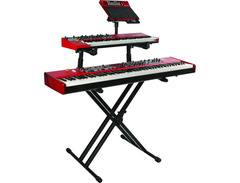
Quik Lok QL-742 Double Tier Double Braced Keyboard Stand
The Essential Professional Workhorse









- Fully assembled out of the box, quick setup
- Highly adjustable second tier for optimal keyboard placement
- Sturdy double X-brace provides excellent stability
- Durable construction, ideal for professional use
- See 6 more
- Price has significantly increased over time
- Some users report a wobble in the second tier
- Release mechanism can be finicky and potentially hazardous
- Limited height adjustment options for specific needs
- See 2 more
Construction and Design
The QuikLok QL742 demonstrates professional-grade engineering throughout its design. The 1.18-inch (30mm) square steel frame construction creates an exceptionally rigid foundation, supporting an impressive 200 lb (90 kg) total load capacity across both tiers. The steel tubing utilizes precision welding at critical junctures, ensuring long-term durability under professional use. The stand's innovative geometry eliminates common stress points while maintaining a clean, professional aesthetic.
Tier System Engineering
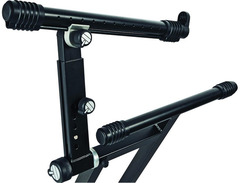
The dual-tier design showcases thoughtful attention to real-world performance needs. The main tier provides a generous 17.2-inch (43.5 cm) depth, with reinforced support arms that eliminate flex even with heavy workstations. The second tier, offering 16.5-inch (42 cm) depth, features an advanced angle adjustment mechanism with four precise positions (90°, 77°, 64°, and 51°). The tier support system uses oversized locking mechanisms that maintain position without creating pressure points on your instruments.
Precision Adjustment
Height customization proves impressively comprehensive through a three-position system ranging from 26.4 to 34.3 inches (67 to 87 cm). The second tier offers five distinct height positions, spanning 5.7 to 8.8 inches (14.5 to 22.5 cm) above the main tier. Each adjustment point features heavy-duty locking mechanisms with oversized knobs for secure operation even in low-light conditions. The stand's geometry maintains perfect stability across all height settings.
Stability Innovation
The QL742's stability system incorporates several advanced features. The 24-inch (61 cm) leg depth provides a wide support base while remaining stage-friendly. The frame design distributes weight evenly across multiple contact points, eliminating the rocking motion common in lesser stands. Strategic reinforcement at high-stress areas prevents the development of play in joints, even after years of regular adjustment.
Professional Integration
Beyond basic keyboard support, the QL742 serves as a comprehensive performance platform. The frame geometry provides ample space for pedal boards and cables, while the tiered design maintains easy access to rear panel connections. The support arms feature protective padding that secures instruments without marring their finish. The stand's design facilitates quick cable management without compromising structural integrity.
Portability Engineering
Despite its robust construction and 20.7 lb (9.3 kg) weight, the QL742 excels in mobility. The folding mechanism achieves a compact 39.8-inch (101 cm) profile through a precision-engineered collapsing system. The quick-release mechanisms maintain their accuracy even after thousands of cycles, ensuring consistent setup and teardown. Strategic protection points prevent damage during transport, while the balanced design makes carrying comfortable even through cramped backstage areas.
K&M 18810 Keyboard Stand
4.5 (3)
The Studio Professional's Choice



- Exceptionally sturdy, supports heavy keyboards without wobbling
- High-quality German craftsmanship, built to last
- Modular design allows for additional tiers and accessories
- Provides ample legroom, ideal for seated playing
- See 6 more
- Not very portable; bulky even when disassembled
- Pricey compared to competitors
- Some users report minor wobble with heavy pianos at high play intensity
- Instructions may initially appear in German
- See 1 more
Design and Engineering
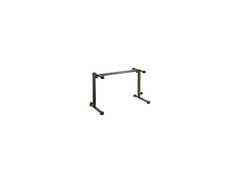
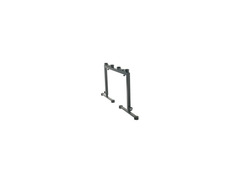
The Omega 18810 exemplifies K&M's uncompromising approach to stability. The robust steel frame creates a commanding 38.2 x 22.6 inch (970 x 575 mm) footprint, with precision-welded joints that eliminate any potential flex or movement. The stand's architecture focuses on maximum rigidity, utilizing oversized tubing and reinforced connection points that maintain perfect alignment even under heavy loads.
Stability Innovation
The stand's stability system starts from the ground up. Large round leveling end caps incorporate micro-adjustable feet that ensure perfect contact on any surface. The 176 lb (80 kg) load capacity is supported by an innovative weight distribution system that channels forces directly into the frame. The steel construction's mass and rigidity actively dampen vibrations, creating an ideal platform for recording environments where even minimal movement can compromise performance.
Precision Adjustment System
Height adjustment demonstrates exceptional engineering sophistication. Spring-loaded locking screws enable smooth transitions from 23.6 to 40.2 inches (600 to 1,020 mm), while the engraved height scale ensures repeatable positioning. The support arms traverse from 7.1 to 31.1 inches (180 to 790 mm) in width through a precision-guided expansion system that maintains stability at any position. The 13.6-inch (345 mm) support depth provides comprehensive keyboard support without compromising access to rear connections.
Professional Integration Features
Beyond its core stability, the stand incorporates thoughtful features for studio environments. The integrated cable management system, featuring four professional-grade clamps, transforms cable organization from an afterthought into a cornerstone of clean studio design. The frame geometry creates natural cable routing channels while maintaining easy access for maintenance and reconfiguration.
Expandability Engineering
The stand's modular design supports sophisticated studio setups. The mounting points for optional stackers utilize reinforced connection points that maintain the stand's fundamental stability. The universal holder integration system provides additional mounting options without compromising the stand's core strength. Each expansion point is engineered to maintain the stand's professional aesthetic while adding functionality.
Construction Quality
At 20.3 lb (9.2 kg), the Omega 18810 achieves an optimal balance between mass and maneuverability. The steel frame features precision manufacturing tolerances that eliminate common wear points. The powder coat finish provides both aesthetic appeal and functional protection, resisting scratches and maintaining its professional appearance even in high-use studio environments. The stand's construction focuses on longevity, with every component designed to maintain its performance characteristics over years of professional use.
K&M Spider Pro
5.0 (14)
The Performance Stage Specialist

- Quick setup and breakdown with mechanically attached parts for easy transport
- Handles heavy keyboards with extendable arms for added support and stability
- Built-in cable grips for neat cable management
- Stable design with ample pedal space underneath
- See 6 more
- Mic boom attachment is flimsy and vibrates during intense play
- Requires resetting levels when folding for transport
- Heavy and cumbersome to carry without a case
- Slight lateral movement leads to wobble during aggressive play
- See 3 more
Design and Engineering
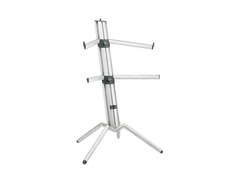
The Spider Pro represents a significant evolution in column-style design through its aircraft-grade aluminum construction. Supporting an impressive 231 lb (105 kg) total capacity while reaching a height of 51.6 inches (1,310 mm), this stand creates an optimal balance between stability and accessibility. The design ensures maximum leg room and pedal space, crucial for performance environments. The strategic use of aluminum alloys provides exceptional rigidity while keeping the stand's weight manageable for frequent transport.
Support System
Each tier demonstrates professional-grade engineering, supporting up to 77 lb (35 kg). The telescopic support arms offer extensive adjustability, ranging from 11.8 to 18.5 inches (300 to 470 mm) in depth and 26.4 to 37 inches (670 to 940 mm) in width. The additional pair of arms with a 15° tilt angle provides ergonomic positioning for your secondary keyboard, significantly improving playing comfort during extended performances. The stand's innovative arm design eliminates common stability issues found in traditional telescopic systems, maintaining rock-solid support even at maximum extension.
Professional Integration
Beyond keyboard support, the Spider Pro functions as a comprehensive stage solution. The integrated 3/8" and 5/8" threaded connectors enable direct mounting of microphone booms, reducing stage clutter. The built-in cable management system maintains clean, protected connections during both performance and transport. The stand's thoughtful design accommodates additional accessories without compromising its primary function or stability, making it a versatile hub for your stage setup.
Adjustment and Control
The height adjustment system utilizes precision-engineered clamping elements that maintain their grip without damaging the stand's finish. The enhanced column tilt offers improved keyboard accessibility in multi-tier setups, while the infinitely variable height adjustment system allows exact positioning without predetermined steps. The adjustment mechanisms feature oversized handles that are easy to operate even in low-light conditions, with clear indicators that prevent accidental loosening during performance.
Stability Innovation
K&M's engineering team has addressed common stability issues through several innovative features. The base design incorporates a wider footprint when needed while maintaining a compact profile. The stand's weight distribution system ensures maximum stability even when fully loaded, while the reinforced column design eliminates the flex that often plagues similar stands. The support arms feature enhanced bracing at critical stress points, preventing the gradual development of play in the joints.
Portability Engineering
Despite its robust construction and 24.1 lb (10.92 kg) weight, the Spider Pro excels in mobility. The specialized folding mechanism creates a compact form factor for transport, while quick-release levers speed up assembly and breakdown. The stand's components are engineered to maintain alignment even after repeated setup cycles, ensuring consistent performance night after night. The design includes thoughtful touches like protected contact points that prevent damage during transport and storage.
See how artists use this


.jpg)



Jaspers 3D-105B
The Multi-Keyboard Master

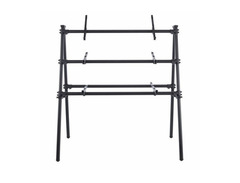
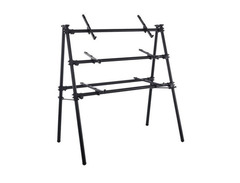
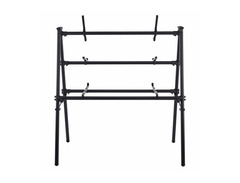
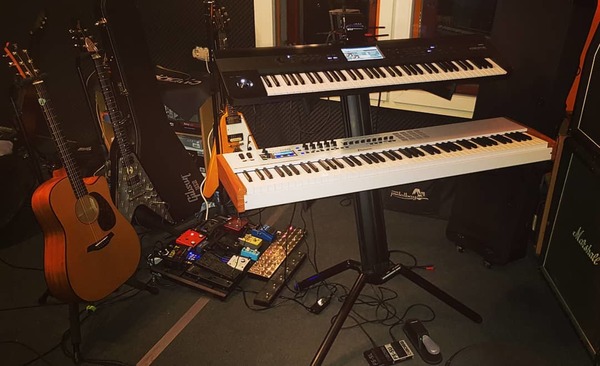
- Highly stable, even with heavy synths like the Polybrute
- Offers excellent modularity and flexibility for custom configurations
- Easy to disassemble and reconfigure elements as needed
- Facilitates efficient cable routing with included Velcro straps
- See 3 more
- Aligning holders can be challenging without a level meter
Construction Quality
The 3D-105B exemplifies precision German engineering with its black powder-coated aluminum frame. Standing at 55.1 inches (140 cm) with a 45.3-inch (115 cm) width and 41.3-inch (105 cm) inner width, the stand creates an imposing yet practical footprint for professional multi-keyboard setups. The dual-tube reinforcement in the lower section isn't just for show - it provides crucial stability for heavy workstations without compromising the stand's overall aesthetics.
Support Architecture
Each tier demonstrates meticulous attention to real-world playing needs. The lower section features extended 23.6-inch (60 cm) supports, specifically engineered to handle workstations up to 88 lb (40 kg). Upper tiers utilize 15.7-inch (40 cm) supports rated for 33 lb (15 kg), with optional reinforcement available for heavier equipment. The maximum 27.6-inch (70 cm) depth adjustment range ensures optimal positioning for keyboards of varying depths.
Precision Adjustment System
The hand wheel adjustment system sets new standards for precision control. Every tier offers independent height adjustment and tilt capabilities, with smooth operation that eliminates the usual trial and error of keyboard positioning. The robust locking mechanisms maintain their settings indefinitely, crucial for permanent installations and touring rigs alike. The adjustment points are strategically placed for easy access, even in cramped stage conditions.
Professional Integration Features
Beyond its core function, the 3D-105B serves as a comprehensive mounting platform. The stand's modular design accepts a wide range of accessories: monitor arms, microphone booms, music stands, and laptop shelves integrate seamlessly. The thoughtful design ensures added components don't compromise the stand's fundamental stability. Each mounting point is reinforced to maintain structural integrity regardless of configuration.
Transport Engineering
Despite its substantial build, the 3D-105B offers remarkable flexibility in transport. The stand can be either folded as a unit or quickly dismantled into manageable components without tools. The quick-release mechanisms are engineered for thousands of cycles, maintaining their precision and security over years of use. Even the powder coating is specifically formulated to resist the inevitable scuffs and scrapes of regular transport.
Performance Stability
In use, the 3D-105B showcases why German engineering commands respect. The reinforced lower section provides rock-solid support for heavy workstations, while the precisely machined joints eliminate movement entirely. The tiered design maintains perfect alignment even under aggressive playing, essential for complex performances requiring quick transitions between keyboards. The stand's stability remains consistent whether you're using its minimum or maximum adjustment ranges.
Yamaha PKBX2 X-Style Keyboard Stand
The Reliable Entry Point

- Lightweight and portable, ideal for traveling musicians
- Adjustable height makes it versatile for different playing setups
- Sturdy support for light to medium weight keyboards
- Good value for price, especially for lighter keyboards
- See 2 more
- Poorly written assembly instructions can cause significant frustration
- Not suitable for heavier keyboards over 40 lbs, may bend under weight
- Some units may arrive with missing parts, requiring extra purchases
- Initial setup can be time-consuming without external assistance or guidance
Design Fundamentals
The PKBX2 proves that fundamental design principles, when properly executed, can deliver professional results. The double-braced steel frame construction supports up to 64 lb (29 kg), while the five-position height adjustment system ranges from 27 to 39 inches (68.6 to 99 cm). At just 10 lb (4.5 kg), the stand achieves an impressive balance between sturdiness and portability.
Adjustment System
Width adjustment spans from 9 to 30 inches (22.9 to 76.2 cm), accommodating everything from compact MIDI controllers to full-size digital pianos. The five-position height adjustment system features robust locking mechanisms that maintain their security even during energetic playing. Each adjustment point utilizes heavy-duty knobs that are easy to grip and operate, providing confident locking without requiring excessive force.
Stability Engineering
The double-braced design significantly improves upon standard X-stands through strategic reinforcement. The additional bracing eliminates the front-to-back wobble that often plagues budget stands. Yamaha's engineering team has positioned the support arms to distribute weight evenly across the frame, maintaining stability even when the stand is fully extended. The rubber contact points provide secure grip while protecting your keyboard's finish.
Portability Features
Yamaha has refined the folding mechanism for both security and convenience. The stand achieves a remarkably flat profile when folded, fitting easily into keyboard bags or vehicle storage spaces. The streamlined design eliminates protruding parts that could snag or bend during transport. The locking mechanisms are positioned to prevent accidental release, while remaining easily accessible when needed.
Professional Integration
Despite its entry-level positioning, the PKBX2 includes thoughtful features for performance use. The height range accommodates both seated practice and standing performance positions. The frame geometry provides ample space for pedal boards and foot controllers, while the support arms are positioned to allow easy access to keyboard rear panels for quick cable management.
Construction Quality
The stand's construction reflects Yamaha's commitment to reliability. The steel tubing uses precise welding at all crucial joints, ensuring long-term durability. The powder coating provides both aesthetic appeal and scratch resistance, maintaining a professional appearance even with regular use. The adjustment mechanisms use heavy-gauge materials that resist wear and maintain smooth operation over years of use.
Finding Your Perfect Match

Choosing between these stands becomes clearer when you focus on your primary needs. Here's a comprehensive guide to help you identify which stand aligns best with your specific requirements:
| Category | Requirement | Recommended Stand |
|---|---|---|
| Professional Performers | ||
| Multiple Keyboards | 3+ keyboards | Jaspers 3D-105B |
| Multiple Keyboards | 2 keyboards with precise angle control | QuikLok QL742 |
| Single Keyboard Maximum Stability | Superior stability and height precision | K&M Omega 18810 |
| Single Keyboard Maximum Stability | Compact footprint and cable management | K&M Spider Pro |
| Home and Practice | ||
| Heavy Workstation | With additional gear/controllers | QuikLok QL742 |
| Heavy Workstation | Basic setup | Yamaha PKBX2 |
| Space Considerations | ||
| Permanent Setup | Large studio space | K&M Omega 18810 |
| Permanent Setup | Limited space | K&M Spider Pro |
| Need to Store Away | Professional gear | QuikLok QL742 |
| Need to Store Away | Standard keyboard | Yamaha PKBX2 |
| Playing Environment | ||
| Studio Recording | Primary focus on stability | K&M Omega 18810 |
| Studio Recording | Need for multiple tiers | Jaspers 3D-105B |
| Live Performance | Frequent gigging with multiple keyboards | K&M Spider Pro |
| Live Performance | Regular local gigs | QuikLok QL742 |
| Live Performance | Occasional performances | Yamaha PKBX2 |
| Budget Range | ||
| Professional Investment | Maximum versatility and durability | Jaspers 3D-105B |
| Professional Investment | Professional stability, single location | K&M Omega 18810 |
| Mid-Range Professional | Touring and live performance | K&M Spider Pro |
| Mid-Range Professional | Versatile dual-tier setup | QuikLok QL742 |
| Value-Focused | Quality without complexity | Yamaha PKBX2 |
Maintaining Your Keyboard Stand
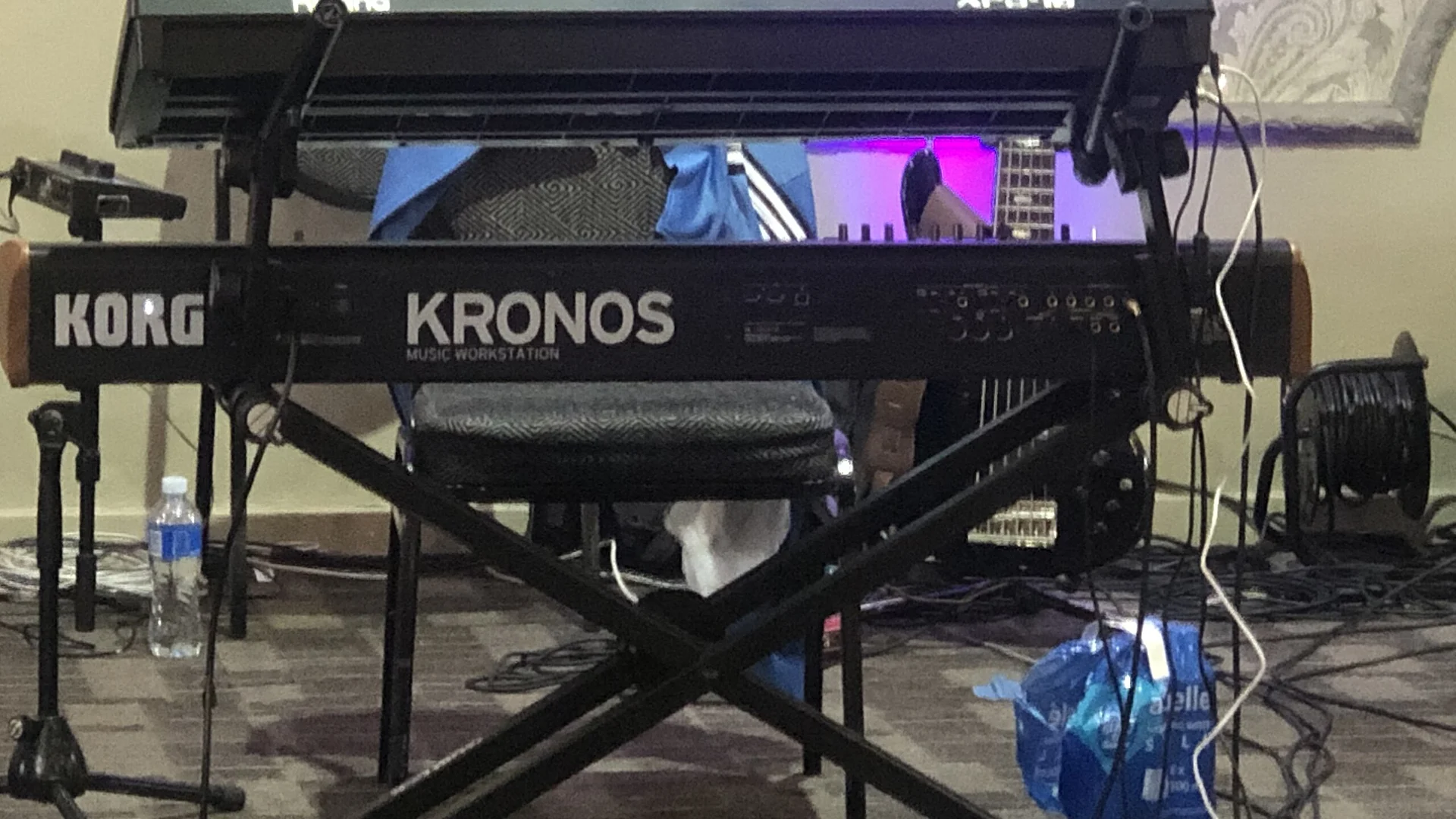
A quality keyboard stand can last for years with proper care. While these stands are built to endure regular use, proper maintenance ensures optimal performance and longevity.
Regular Maintenance
Keep adjustment points clean and functional by regularly removing dust and debris from sliding mechanisms and joints. For stands with telescoping tubes like the K&M Spider Pro, occasional application of dry PTFE lubricant helps maintain smooth operation.
Storage Considerations
Proper storage significantly extends stand life. Even foldable stands like the Yamaha PKBX2 should be stored fully supported rather than leaning against walls, which can stress joints over time. For permanent setups, periodic repositioning prevents uneven floor wear on support feet.
Transport Protection
Beyond using cases or bags, proper fold-down sequence matters. Following the manufacturer's specific folding order prevents strain on hinges and joints. This is particularly important for complex stands like the Jaspers 3D-105B with multiple adjustment points.
Long-Term Care
Monitor rubber feet and contact points for wear, as these affect both stability and keyboard protection. Check all bolts and adjustment knobs periodically - not just for tightness, but also for smooth operation.
Frequently Asked Questions
What's the best way to transport keyboard stands that don't come with a carrying bag?
Use high-quality padded bags designed for keyboard stands, or wrap the folded stand in thick moving blankets secured with bungee cords. This protects both the stand and your vehicle while preventing rattling during transport.
How often should I check and tighten the adjustment mechanisms?
Perform a quick check of all locking mechanisms and adjustment points before each performance or recording session. For stands used in permanent setups, monthly checks are usually sufficient.
Can I mix keyboards of different weights on multi-tier stands?
Yes, but always place the heaviest keyboard on the bottom tier. This maintains the stand's center of gravity and ensures maximum stability. Check the per-tier weight ratings rather than just the overall capacity.
What should I look for when checking the stability of a stand?
Test stability by applying pressure in different directions - front-to-back, side-to-side, and diagonally. A quality stand should feel solid with minimal movement in any direction, even when extended to its maximum height.
Is it worth getting larger end caps for stands used on carpet?
Larger end caps can significantly improve stability on soft surfaces by distributing weight over a larger area. However, ensure they're compatible with your specific stand model and don't compromise its folding mechanism.
How do I prevent cables from damaging the stand's finish?
Use proper cable management solutions like velcro ties or dedicated clips, and avoid letting cables wrap tightly around adjustment points or rub against moving parts. This protects both your cables and the stand's finish.
Final Thoughts
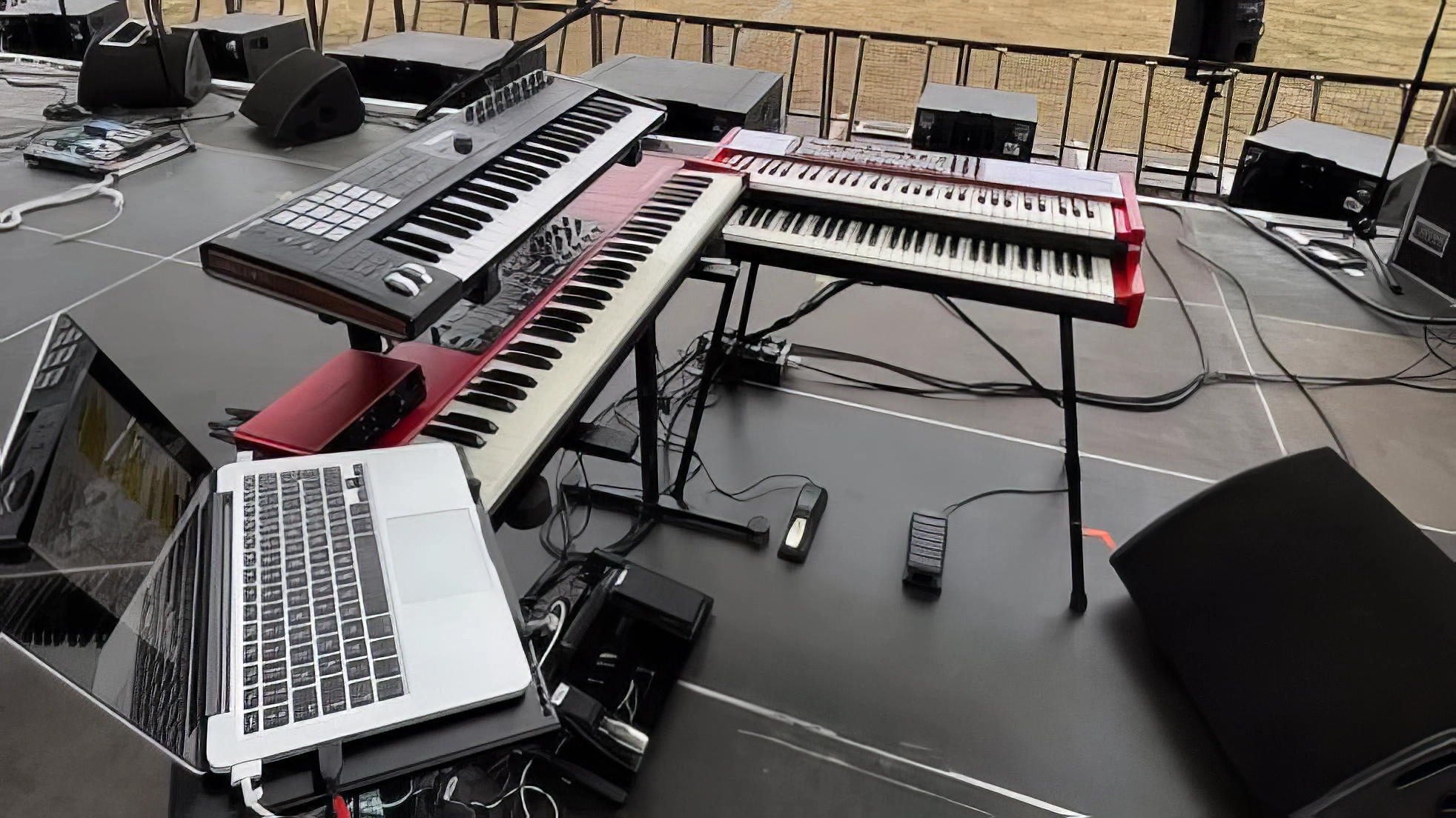
Choosing a keyboard stand might seem straightforward, but this decision significantly impacts your playing experience, setup convenience, and ultimately, your performance. The right stand becomes an invisible supporter of your music, while the wrong one can be a constant source of distraction.
Each stand reviewed here solves specific problems for different types of keyboard players. The QuikLok QL742 proves that versatility and professional-grade stability can coexist in one package. The K&M Omega 18810 shows how thoughtful engineering can eliminate common studio frustrations. The K&M Spider Pro demonstrates that complex requirements don't have to mean complicated solutions. The Jaspers 3D-105B sets new standards for multi-keyboard setups, while the Yamaha PKBX2 reminds us that quality doesn't always require a premium price tag.
What stands out across all these options is how each one prioritizes stability and usability in its own way. Whether you're a touring professional managing multiple keyboards or a home enthusiast seeking reliable support for your instrument, there's a stand here that will serve you well.
Top Ranked Keyboard Stands on Equipboard


$199.00 - $283.95
4.5 (4)
4.5 (4)

About the authors

S. Jino is an accomplished multi-instrumentalist and music producer based in Kolkata, India, distinguished by his self-taught mastery and unique blend of technical acumen and musical performance. His extensive experience was forged through hands-on dedication, starting with the full restoration of a broken guitar. Jino's capabilities span keyboards, pedals, and advanced digital production, reflecting a comprehensive skill set developed independently. As a significant contributor to the music scene, Jino regularly performs with worship bands and college ensembles. He has also established himself as a reliable and authoritative professional in freelance mixing, mastering, and original music creation. Inspired by the innovative sounds of Brian May and David Gilmour, and influenced by Kolkata's vibrant metal community, Jino is committed to the intricate art of vintage gear restoration and the continuous exploration of music and technology fusion. His current professional setup, featuring a meticulously restored nameless guitar, a Fender Player Strat, and a Boss Katana 50. Read more
New in Keyboard Stands

$64.99
in Keyboard Stands Rank

$1,333.00 - $1,495.00
in Keyboard Stands Rank

$89.00 - $111.00
in Keyboard Stands Rank


$129.99
in Keyboard Stands Rank


$59.00 - $119.99
in Keyboard Stands Rank


$36.00 - $65.99
in Keyboard Stands Rank