Table of Contents

Equipboard
Equipboard is the world's largest community of artists and their gear. Read our review process.
We are reader-supported. When you buy through links on our site, we may earn an affiliate commission. Learn more.
Our Picks

Celestion Vintage 30 12'' 60-watt
Best All-Around Guitar Speaker: The Celestion Vintage 30 has shaped modern guitar tone for over three decades, setting the benchmark for versatile, high-performance speakers.
Read more


Jensen® Vintage Ceramic, 12", C12N, 50W
Best Clean-Tone Speaker: The Jensen C12N delivers the quintessential American clean tone, embodying the sparkling highs and rich lows that defined the golden era of electric guitar.
Read more

Best Blues & Classic Rock Speaker: The Celestion Alnico Blue creates that unmistakable British chime and musical compression that has graced countless legendary recordings since the 1960s.
Read more
Best Speaker for Metal & High-Gain Tones: The Eminence Swamp Thang delivers earth-shaking low end and aggressive midrange that makes it the go-to choice for modern metal and high-gain applications.
Read more
Celestion Eight 15 Loudspeaker
Best Budget Guitar Speaker: The Celestion Eight 15 punches well above its price point, delivering articulate, dynamic tone in a compact package that's perfect for practice and recording.
Read more
Celestion G12 Neo Creamback 12 inch 60-watt Neodymium Guitar Speaker
Best Lightweight Speaker for Gigging & Modelers: The Celestion Neo Creamback combines vintage tone character with modern neodymium technology, creating an extraordinary lightweight speaker for the touring musician.
Read more
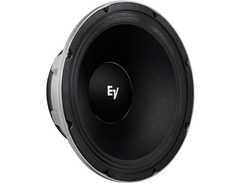
Electro-Voice EVM12L 12 inch 200-watt Guitar Speaker
Best High-Headroom Speaker for Pedals: The Electro-Voice EVM12L is the industry standard for pristine clean tones and exceptional power handling, making it the ultimate platform for pedal-based rigs.
Read more
Eminence Speakers Cannabis Rex
Best Jazz & Warm Tones Speaker: The Eminence Cannabis Rex delivers rich, full-bodied tone with exceptional warmth and clarity, making it the perfect choice for players seeking smooth, musical response.
Read moreYour guitar amp's speaker isn't just the final link in your signal chain - it's the voice that brings your musical vision to life. While guitarists often spend countless hours fine-tuning their pickups, tweaking pedals, and swapping preamp tubes, many overlook the profound impact a speaker swap can have on their tone. Whether you're trying to unlock the hidden potential of a tired vintage combo or refining a modern boutique head, the right speaker choice can be the difference between a good sound and one that inspires you to play for hours.
Think of a guitar speaker as an instrument in itself. Just as violinists select specific strings to achieve their desired tone, guitarists need to understand how different speaker characteristics influence their sound. A blues player seeking warm, vintage tones will need a very different speaker than a metal guitarist demanding tight, aggressive response.
This comprehensive guide will walk you through the essential aspects of guitar speakers - from understanding technical specifications to selecting the perfect match for your playing style. We'll explore how size, materials, and construction affect tone, decode common technical terms, and examine top speaker options for various musical genres.
Guitar Speaker Anatomy
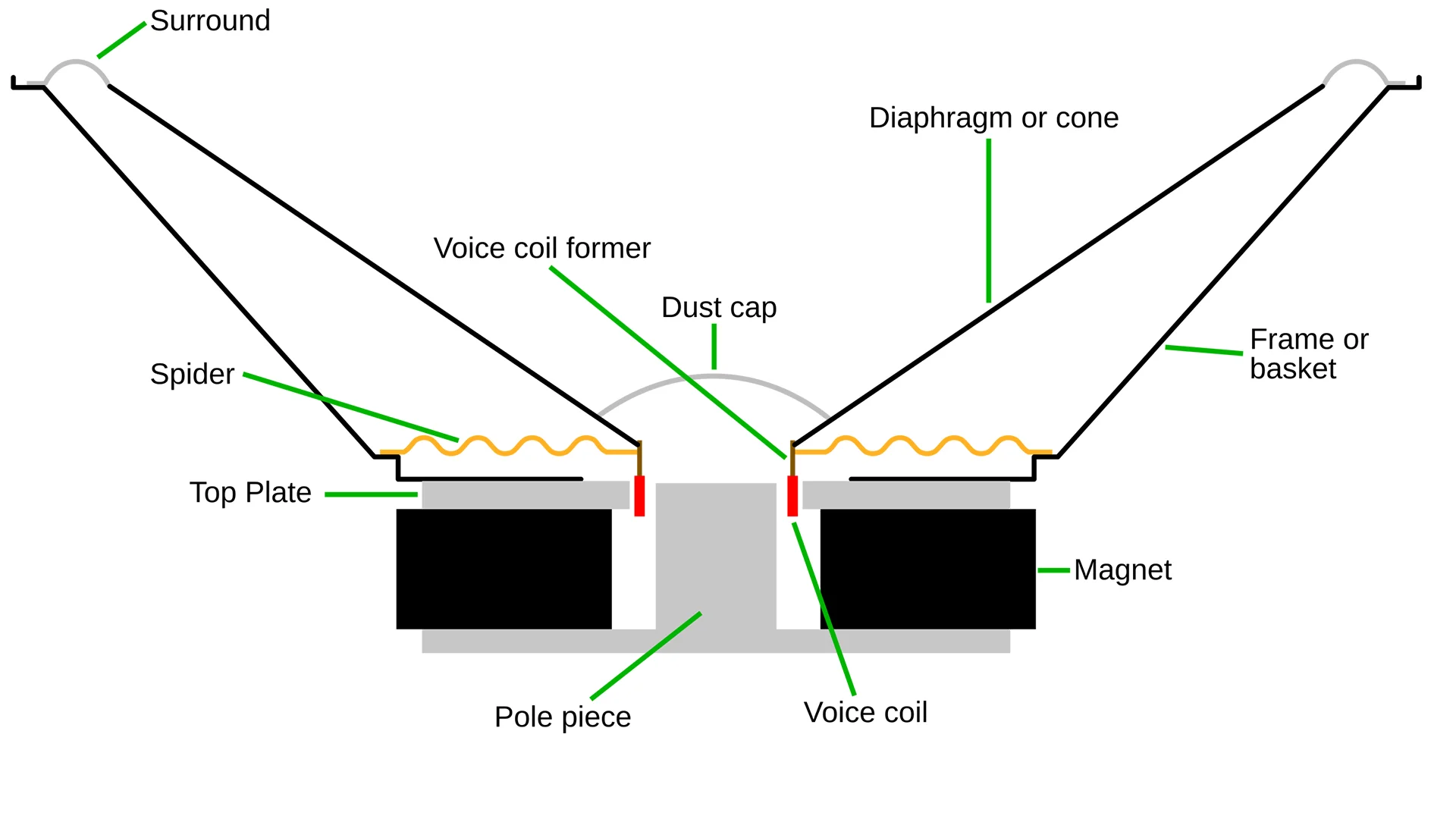
At first glance, a guitar speaker might look simple, but there's some serious engineering under the hood. Every part works together to create your tone, from the cone's subtle movements to the magnet's pull. Let's break down what makes these tone-shaping machines tick.
The Cone
The cone is your speaker's main voice. Also called the diaphragm, it's that distinctive paper-like component that actually moves air and creates sound. High-quality cones use materials like treated paper, hemp, or composite blends. The cone's weight and stiffness are crucial - they determine how fast it responds to your pick attack and how it handles different frequencies. A carefully designed cone edge (or surround) lets the cone move freely while keeping it under control.
Magnet Assembly
This is the powerhouse of your speaker. Guitar speakers typically use three types of magnets: Alnico, ceramic, and neodymium. Each brings its own character to the table. Alnico magnets are the vintage classics, giving you that sweet, musical compression when pushed. Ceramic magnets offer more headroom and punch, while neodymium provides similar power in a much lighter package.
Voice Coil
Think of the voice coil as the translator between your amp and the cone. It's a tightly wound coil of wire that rides in the magnet's field. When your amp sends electrical signals, the voice coil moves the cone back and forth. Larger voice coils generally handle more power and provide better control over the cone, but they can also add weight and affect how quickly the speaker responds.
Basket and Frame
The basket isn't just a fancy speaker stand - it's the backbone that keeps everything aligned. A rigid basket design maintains proper spacing between the voice coil and magnet, even when you're pushing serious volume. Some modern baskets use cast aluminum for strength without excess weight, while others stick with pressed steel for that classic feel and resonance.
Dust Cap
That dome in the center of the cone isn't just for show. The dust cap keeps debris out of the voice coil gap (where the magic happens) and adds its own flavor to the sound. Different dust cap materials and shapes can brighten or darken your tone, especially in the upper frequencies where guitar speakers do their most characteristic work.
[notebox:While each speaker component affects your tone, the cone and magnet have the most dramatic impact.
Understanding Speaker Specifications
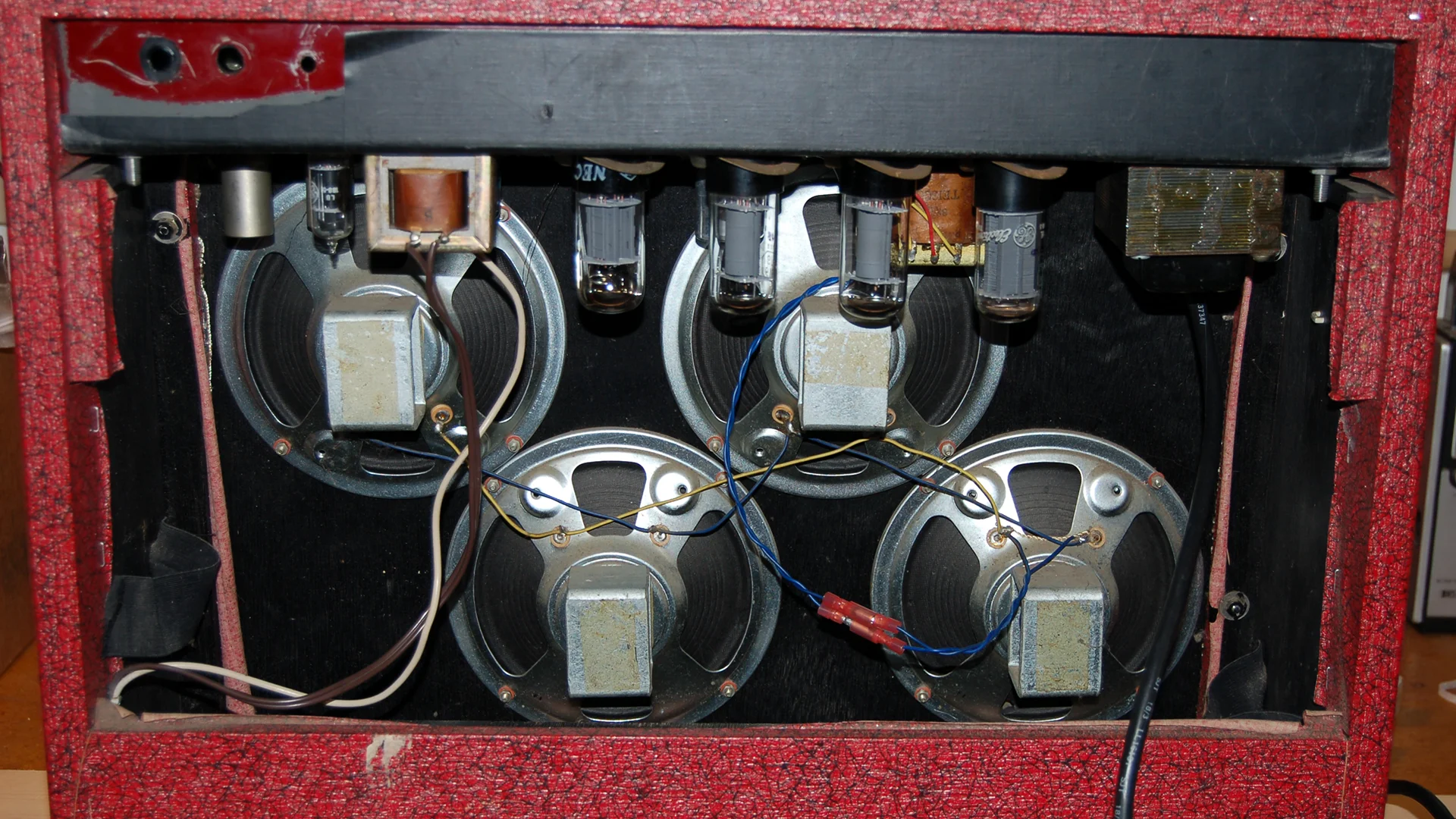
Next, let's decode the key specifications you'll encounter. These numbers and terms might seem daunting at first, but they're crucial for making informed decisions about your tone.
Impedance
This is the speaker's electrical resistance, measured in ohms (Ω). Most guitar speakers come in 4Ω, 8Ω, or 16Ω versions. Matching your speaker's impedance to your amp's output impedance is crucial for optimal performance and preventing damage. When speakers are wired in series or parallel, their total impedance changes - understanding this helps you configure multiple speaker setups safely.
Power Handling
Measured in watts, this tells you how much power the speaker can handle continuously without damage. A 100-watt speaker can safely handle a 100-watt amp at full volume. However, peak power handling is often higher, allowing the speaker to handle brief volume spikes. Always factor in some headroom - using a speaker rated higher than your amp's output often results in better overall sound.
Sensitivity
Also called SPL (Sound Pressure Level), this spec tells you how efficiently a speaker converts power into volume, measured in decibels (dB). A 98dB sensitivity rating means the speaker produces 98dB of sound when fed 1 watt of power at 1 meter distance. Higher sensitivity means more volume from the same power input - a 3dB increase represents roughly double the perceived volume.
Frequency Response
This range shows which frequencies the speaker reproduces effectively, measured in Hertz (Hz). Guitar speakers typically focus on frequencies between 75Hz and 5kHz. Unlike hi-fi speakers, guitar speakers intentionally limit certain frequencies to shape your tone. The frequency response graph shows how the speaker emphasizes or attenuates different frequency ranges.
Resonant Frequency
Often abbreviated as Fs, this is the frequency at which the cone naturally wants to vibrate. A lower resonant frequency (like 70Hz) generally means better bass response, while higher values (around 100Hz) might indicate tighter low end control. This characteristic significantly influences how the speaker handles your guitar's low notes.
Voice Coil Diameter
Measured in inches or millimeters, this affects power handling and tone. Larger voice coils (like 2 inches) generally handle more power and provide better control over the cone but can affect speed and sensitivity. Smaller voice coils might be more responsive but typically handle less power.
Magnet Weight
Usually measured in ounces, heavier magnets generally provide better cone control and power handling. However, magnet weight alone doesn't tell the whole story - magnet material and design play huge roles in how the speaker performs. A well-designed lighter magnet might outperform a heavier one in many applications.
Understanding Guitar Speaker Fundamentals

Ever wonder why your amp sounds completely different when connected to different cabs? It's all about the speaker. Guitar speakers aren't built like your home stereo - they're deliberately designed to color your tone, react to your playing, and compress in ways that make electric guitars sound magical.
The Science of Speaker Size
Size matters when it comes to guitar speakers. They tend to come in sizes such as 8 inches, 10 inches, 12 inches, and 15 inches. We’ll talk about them in-depth shortly.
Construction and Materials
The stuff your speaker's made of shapes your sound in a big way. Light cones jump to attention fast but might not have the muscle for deep bass. Heavier materials give you that authoritative thump but might not dance as quickly with your picking. Think about how the edge of the cone is suspended too - it's like the difference between wearing hiking boots and running shoes, each letting you move differently.
Speaker Voicing Fundamentals
Every speaker has its own personality. British-voiced speakers have that aggressive upper-mid growl that'll slice through any mix like a hot knife. American designs tend to be more scooped, with chunky lows and airy highs. When pushed hard, some speakers break up smooth as butter, while others get nasty in the best way - that's the breakup character that gives each model its mojo.
Speaker Size and Sound Profile
Let's look at how speaker size shapes your sound. Each dimension brings distinct tonal characteristics that can dramatically impact your guitar's voice. Understanding these differences is crucial for matching your speaker to your playing style and sonic goals.
8-inch Speakers
Often overlooked but invaluable in certain contexts, 8-inch speakers deliver unique tonal characteristics. Their smaller cone size produces exceptionally fast transient response and tight, controlled low end. Found in practice amps like the Fender Champ and boutique low-wattage combos, these compact speakers excel at recording where their focused sound captures beautifully on microphone.
The reduced cone mass means they compress earlier than larger speakers, creating that sought-after "small amp" saturation at lower volumes. This natural compression, combined with their distinctive midrange character, makes them particularly popular for home recording and studio work where controlled volume and quick response are priorities. While they might not fill a large room like their bigger siblings, their articulate voice has earned them a dedicated following among recording engineers and players who need detailed response at modest volumes.
10-inch Speakers
Ten-inch speakers are tone-shaping powerhouses in a compact package. Their fast cone response produces tighter bass and more immediate dynamics compared to larger speakers. The smaller cone mass means they reach their sweet spot at lower volumes, making them ideal for recording and small venues. Most 10-inch speakers have a sensitivity rating between 95-98dB, delivering exceptional clarity in the 2kHz-5kHz range where guitar articulation lives.
The smaller cone area also means they compress differently than larger speakers. This natural compression helps control transients and creates that distinctive "small amp" character found in classics like the Fender Champ. When pushed hard, they break up earlier than their larger counterparts, producing rich harmonics that recording engineers prize for their ability to sit perfectly in a mix without requiring excessive EQ.
12-inch Speakers
The 12-inch speaker has become the industry standard by striking an optimal balance of frequency response, power handling, and projection. They typically offer usable frequency response from 75Hz to 5kHz, with most models emphasizing the crucial midrange frequencies between 800Hz and 3kHz where guitar tone really lives. The cone size provides enough surface area for authentic low-end reproduction while maintaining the speed necessary for accurate transient response.
Most 12-inch guitar speakers feature sensitivity ratings between 97-101dB and power handling from 30 to 100 watts. This combination allows them to produce the full spectrum of guitar tones, from pristine cleans to saturated overdrive. Their larger cone area also means they move more air than 10-inch models, creating greater stage presence and filling larger spaces more effectively.
15-inch Speakers
Fifteen-inch speakers excel at reproducing low frequencies, typically extending down to 60Hz or lower while maintaining usable response up to about 4kHz. Their larger cone surface area creates higher sound pressure levels with less excursion, resulting in cleaner reproduction at high volumes. They typically feature sensitivity ratings around 100-103dB and power handling ranging from 100 to 400 watts.
The increased cone mass affects transient response and breakup characteristics. These speakers tend to compress more gradually and stay cleaner longer than smaller models. While this makes them perfect for styles requiring pristine clean headroom, they can sound less aggressive for high-gain applications where faster cone response is desired.
Multiple Speaker Setups
Running multiple speakers creates complex acoustic interactions that affect both tone and dispersion. A 2x12 configuration typically provides broader sound dispersion than a single 12-inch, with a coverage pattern around 90 degrees horizontal. Combining different speakers lets you blend their characteristics - for instance, pairing a higher-efficiency speaker (100dB+) with a lower-efficiency model creates natural compression and harmonic complexity.
In 4x12 cabinets, speaker placement becomes crucial. The physical arrangement affects phase relationships and frequency response, which is why many manufacturers angle the upper speakers. This creates a wider dispersion pattern and reduces phase cancellation, particularly in the critical midrange frequencies between 1kHz and 4kHz.
Core Components and Materials
Understanding what your speaker is made of can make a huge difference in finding your perfect tone. Each material choice affects how the speaker breathes, moves, and responds to your playing - from the initial attack to the final note decay.
Cone Materials
What your speaker cone is made of dramatically shapes your sound. Traditional paper cones, still the most common, offer that sweet spot of weight and response that's shaped countless classic tones. Hemp cones bring a warmer, more organic character with exceptional midrange detail. Modern materials like kevlar add stiffness and durability, often favored by players who need extra punch and articulation for high-gain styles.
The cone's weight and stiffness matter as much as the material itself. Heavier cones tend to sound thicker and more robust but can sacrifice some immediacy. Lighter cones respond faster to pick attack but might not deliver the same authority in the low end. Some manufacturers use specially treated paper that combines the best qualities of both - quick response with substantial body.
Magnet Types
Three main magnet types dominate the guitar speaker world, each bringing its own sonic signature:
Alnico magnets are the vintage classic. They respond dynamically to your playing, compressing musically when pushed hard. This natural compression is why they're prized for blues and classic rock tones. However, they're also the most expensive due to their complex metal alloy composition.
Ceramic magnets offer more headroom and tactical precision. They stay cleaner at higher volumes and provide that aggressive punch modern players often seek. While they might not have Alnico's vintage warmth, they excel at delivering articulate high-gain tones.
The newest kid on the block, neodymium, packs serious magnetic power into a lightweight package. They're incredibly efficient and offer excellent clarity, though some players find them less "organic" sounding than traditional magnets. They're particularly popular for touring musicians who need to reduce their rig's weight.
Voice Coil Design
The voice coil's design affects how your speaker handles power and responds to dynamic playing. Larger diameter voice coils typically handle more power and provide better control over the cone but can add weight. Some manufacturers use copper-clad aluminum wire to reduce moving mass while maintaining power handling. The voice coil's winding technique and wire gauge also affect the speaker's impedance and overall efficiency.
Essential Technical Considerations

Now that we know what speakers are made of, let's explore how they work in the real world. Understanding these practical aspects will help you match the right speaker to your playing style and setup.
Matching Power and Impedance
Matching isn't just about the numbers - it's about how your amp and speaker work together. A hundred-watt amp through a 25-watt speaker is clearly asking for trouble, but running a low-power amp into a higher-rated speaker can help shape your tone. Many players deliberately pair high-wattage speakers with low-power amps to get cleaner headroom while maintaining the option to push the amp harder.
Cabinet Design Impact
Your speaker needs the right home to sound its best. Open-back cabinets, like classic Fender combos, create a more diffused, room-filling sound. The rear sound wave adds dimension and helps prevent the bass frequencies from becoming too directional. Closed-back designs focus your sound forward with tighter bass response - think of that classic Marshall 4x12 punch. The cabinet's internal volume and construction materials also significantly affect how your speaker performs.
Heat Management
When speakers work hard, they generate heat. Modern speakers handle this better than vintage ones, but it's still crucial for longevity. Vented pole pieces help dissipate heat from the voice coil, while certain cone materials resist deformation better under high temperatures. Heat management becomes especially important when you're running multiple speakers in tight spaces.
Breaking In Your Speaker
New speakers need time to reach their full potential. The suspension materials naturally loosen up with use, leading to better bass response and smoother overall performance. Most speakers need 20-30 hours of regular playing to fully break in. During this period, you might notice your tone becoming progressively warmer and more balanced as mechanical parts settle into their optimal working relationship.
Mixing Different Speakers
Combining speakers isn't just about volume - it's about creating complex tonal interactions. Phase relationships between multiple speakers can create sweet spots in your sound that neither speaker achieves alone. However, you need to consider power handling and impedance carefully when mixing different models. The total impedance load must match your amp's requirements, and all speakers should handle your amp's output safely.
Top Guitar Speakers for Every Style
Finding the right speaker can transform your rig from good to exceptional. While there's no such thing as a "perfect" speaker for everyone, certain models have earned their reputation by consistently delivering outstanding performance for specific styles and applications.
Before talking about specific recommendations, remember that these aren't just product suggestions - they're tools that have helped shape countless iconic guitar tones. Each speaker has its own sonic character, from vintage warmth to modern aggression, and understanding these characteristics will help you find the one that best matches your musical voice.
We've selected these speakers based on their proven track record in real-world applications, from studio sessions to touring rigs. Whether you're chasing pristine cleans, vintage warmth, or face-melting high gain, there's a speaker here that can help you achieve your ideal tone
Celestion Vintage 30 12'' 60-watt
4.5 (69)
The Industry Standard Reimagined





Average Price: $131
Standard/Professional
$119
$200+
Budget
Standard
High-end
- Delivers exceptional headroom and clear highs for pedal steel guitar
- Significant volume boost for smaller amps
- Superior mic performance for recording metal with Shure SM57
- Enhances overdrive tones; preferred by professionals like Slash
- See 6 more
- Can sound harsh and squeaky compared to other speakers
- Uncomfortable harmonic feedback when muting strings
- Midrange can be congested in a 2x12 setup
- Variation in sound quality across different manufacturing versions
Heritage and Design
Born in the 1980s, the Vintage 30 emerged as Celestion's answer to a critical challenge: delivering the revered Alnico Blue character with modern power handling capabilities. At its heart, a heavy 'H' ceramic magnet works in concert with a specially engineered cone and voice coil assembly. This combination wasn't just about raw power - it was about creating a speaker that could handle modern high-gain amplifiers while maintaining the harmonic richness that made British speakers legendary.
Sound Character
The Vintage 30's sonic signature is immediately recognizable. In the low end, it delivers controlled bass that stays tight even under heavy distortion. The distinguished midrange presence cuts through any mix without becoming aggressive, while the upper frequencies reveal themselves with remarkable detail and clarity. When pushed hard, the speaker produces harmonically rich overtones that have become a cornerstone of modern rock guitar tone.
Performance Dynamics
What truly sets the Vintage 30 apart is its exceptional dynamic response. At lower volumes, it maintains clarity and definition, allowing complex chord voicings to breathe. Push it harder, and you'll discover layers of harmonic complexity that enhance your tone without sacrificing note definition. This dynamic range makes it equally capable of handling pristine clean passages and high-gain rhythm work.
Technical Excellence
The speaker's 60-watt power handling and 100dB sensitivity rating provide ample headroom for most applications. Its frequency response, spanning from 70Hz to 5000Hz, has been carefully voiced to complement the electric guitar's natural range. The round copper voice coil and ceramic magnet structure work together to provide exceptional control and power handling, while the carefully designed cone structure ensures optimal dispersion characteristics.
Real-World Applications
In single-speaker configurations, the Vintage 30 provides focused, detailed sound with excellent projection. However, it truly excels in multi-speaker setups, particularly 4x12 cabinets, where its distinctive mid-range character creates the archetypal wall of sound that defines modern rock and metal. The speaker's balanced frequency response makes it an ideal choice for recording, where its predictable behavior helps achieve consistent results.
Versatility
Whether installed in British-style or American-style amplifiers, the Vintage 30 maintains its core character while adapting to the amp's inherent voice. Clean tones remain articulate and dynamic, classic rock tones have the requisite bite and warmth, and high-gain sounds stay focused and defined. This adaptability has made it a standard choice for amp manufacturers and custom cabinet builders worldwide.
See how artists use this


.jpeg?v=1784855195)




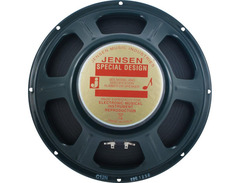
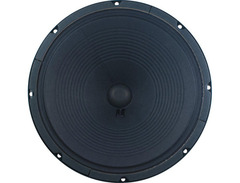
Jensen® Vintage Ceramic, 12", C12N, 50W
4.5 (3)
The Clean Machine

Average Price: $149
Standard/Professional
$119
$200+
Budget
Standard
High-end
- Delivers classic, chimey American clean tube amp sound with nice breakup
- Enhances Fender amps' sound, providing clarity and life
- Significant improvement in top-end sparkle and bass thump
- Noticeable tonal improvement after break-in period
- See 6 more
- Initial brightness requires break-in time to mellow out
- May lack deep warmth compared to lower watt AlNiCo speakers
- Prone to surround cracking without “dope,” leading to ghost notes
- Less bass output compared to some vintage speakers
Heritage and Design
The Jensen C12N stands as a testament to classic American speaker design. This speaker carries forward the legacy of the original Jensen speakers that helped define the sound of early Fender amplifiers. Its design philosophy centers around delivering pristine clean tones with the characteristic Jensen chime that has become synonymous with American guitar sounds of the 1950s and 1960s.
Sound Character
Crystal clear highs define the C12N's voice without ever becoming harsh or brittle. The smooth midrange response provides exceptional note definition, while the robust low end remains tight and controlled. When cranked, it produces a musical, gradual breakup that's perfect for blues and vintage rock tones. At lower volumes, its exceptional headroom lets complex chord voicings ring out with remarkable clarity and separation.
Performance Dynamics
What makes the C12N special is how it handles dynamics. The speaker responds beautifully to picking nuances, making it a dream for fingerstyle players and those who rely heavily on their volume knob. The dynamic response curve is smooth and predictable, offering excellent touch sensitivity that lets players explore the full range of their instrument's voice.
Technical Excellence
Featuring a classic alnico magnet design, the C12N delivers 40 watts of power handling - ideal for small to medium-sized combo amplifiers. The ceramic cone material has been specifically engineered to provide optimal frequency response across the guitar's range. The voice coil assembly is precision-wound to ensure consistent performance and long-term reliability, while maintaining the speaker's characteristic quick response to transients.
Real-World Applications
In traditional open-back combo configurations, the C12N creates a three-dimensional soundstage that fills the room naturally. It excels in recording situations where clean headroom and note definition are paramount. The speaker particularly shines with reverb and modulation effects, letting each layer of your tone shine through without muddying the overall sound.
Versatility
While primarily celebrated for its clean tones, the C12N proves remarkably versatile when paired with different amplifier types. It handles pedals exceptionally well, making it a favorite among players who build their tone through effects. From jazz to country, and even light overdrive applications, the speaker maintains its fundamental character while adapting to different playing styles.
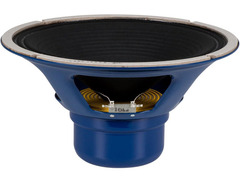
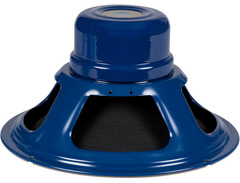
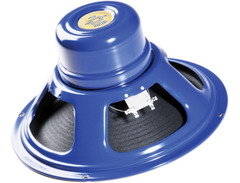
Celestion Alnico Blue Speaker
5.0 (7)
The British Blue Blood

Average Price: $275
High-end/Boutique
$119
$200+
Budget
Standard
High-end
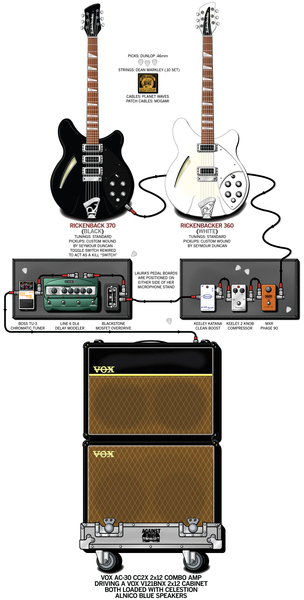
- Incredible tone with chimey highs and articulate sound, perfect for Vox amps
- Early breakup at low volumes provides genuine tube amp distortion without excessive volume
- Enhances amp sound with rich, complex overtones and creamy mids
- Fits well with a variety of music styles, from classic rock to modern pop
- See 6 more
- High price tag makes it a significant investment for some
- Limited fit due to large size, may not suit smaller amps
- Early breakup might not suit those seeking pristine clean tones at high volumes
- Requires a break-in period to reach optimal sound quality
- See 2 more
Heritage and Design
The Alnico Blue represents the pinnacle of traditional British speaker craftsmanship. First appearing in early Vox AC30 amplifiers, this speaker helped forge the sound of the British Invasion. Its signature component is the alnico magnet assembly, precision-engineered to provide the perfect balance of power handling and musical compression. The lightweight cone and sophisticated suspension system work in harmony with the magnet to create a truly responsive speaker.
Sound Character
The Blue's sonic signature is immediately distinctive. Sweet, singing highs combine with a focused midrange presence to create that quintessential chime. The low end remains tight but never overbearing, allowing the speaker to cut through a mix while maintaining excellent note definition. When pushed into overdrive, it produces harmonically rich breakup that has become the holy grail of classic rock tone.
Performance Dynamics
Dynamic response is where the Alnico Blue truly shines. The speaker cleans up beautifully when you roll back your guitar's volume, offering exceptional touch sensitivity. Its natural compression characteristics become more pronounced as you push it harder, creating that sweet spot where notes bloom and sustain naturally. This behavior makes it particularly responsive to playing dynamics and amp settings.
Technical Excellence
Built around a proprietary alnico magnet structure, the Blue delivers 30 watts of power handling - perfect for medium-powered amplifiers. The carefully selected cone material and suspension system provide optimal frequency response across the guitar's range. The voice coil assembly features precision-wound copper, ensuring consistent performance and the speaker's characteristic quick response to transients.
Real-World Applications
In single-speaker configurations, particularly open-back cabinets, the Blue creates an immersive, three-dimensional sound field. It excels in recording situations where character and note definition are crucial. The speaker particularly shines with vintage-style amplifiers, where its natural compression and harmonic richness can fully develop.
Versatility
While celebrated for blues and classic rock tones, the Blue proves surprisingly versatile across different genres. It handles modern effects well, though it truly excels with classic overdrives and boost pedals. From jazz to indie rock, the speaker maintains its fundamental character while adapting beautifully to different playing styles and gain levels.
See how artists use this




.jpg)
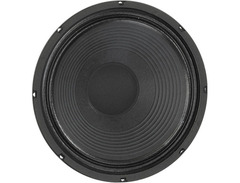
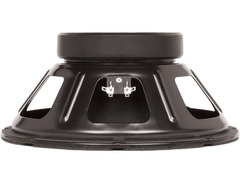
Eminence Swamp Thang Speaker
4.5 (4)
The High-Gain Heavyweight

Average Price: $126
Standard/Professional
$119
$200+
Budget
Standard
High-end
- Loud and efficient, enhancing overall amp output without distortion
- Clear and clean sound across the guitar spectrum, handles both cleans and distortion well
- Adds depth and girth to lower frequencies, ideal for extended range or downtuned guitars
- Retains clarity and sparkle in treble, avoiding harshness in high end
- See 6 more
- Can be boomy in open back cabinets, might require EQ adjustments
- Some units reported with cosmetic issues like dented dust covers
- May require careful EQ adjustments to avoid overly bright high end
Heritage and Design
The Swamp Thang is a product of Eminence's deep understanding of high-power speaker design. Built to handle the demands of modern high-gain amplification, it features a massive ceramic magnet structure and a specially reinforced cone assembly. This robust construction isn't just about power handling - it's engineered to maintain clarity and definition even under extreme conditions.
Sound Character
The Swamp Thang's voice is bold and authoritative. Its low end is massive yet controlled, providing the foundation for drop-tuned riffs and modern metal tones. The carefully voiced midrange presents an aggressive character that cuts through dense mixes without becoming harsh. High frequencies remain articulate but never thin, ensuring that complex chord voicings retain their clarity even under heavy distortion.
Performance Dynamics
Despite its high-gain pedigree, the Swamp Thang shows remarkable dynamic sensitivity. Clean tones remain full and dimensional, while overdriven sounds exhibit excellent string-to-string separation. The speaker's power handling capabilities shine when pushed hard, maintaining composure and definition even at punishing volumes. This consistent response across all power levels makes it particularly reliable for live performance.
Technical Excellence
Featuring a robust 150-watt power handling capacity, the Swamp Thang is built for serious volume. The high-efficiency design provides excellent sensitivity, ensuring maximum projection from your amplifier. The proprietary cone treatment and suspension system work together to control unwanted resonances while allowing the speaker to move the massive amounts of air needed for modern metal tones.
Real-World Applications
In closed-back configurations, particularly 4x12 cabinets, the Swamp Thang creates an authoritative wall of sound. It excels in live situations where volume and clarity are paramount. The speaker particularly shines with modern high-gain amplifiers, where its exceptional power handling and frequency response can fully develop.
Versatility
While optimized for high-gain applications, the Swamp Thang proves surprisingly capable across different genres. It handles complex effects chains well and maintains clarity with modern modeling systems. From heavy rock to aggressive modern metal, the speaker maintains its fundamental character while adapting to different playing styles and gain structures.
See how artists use this


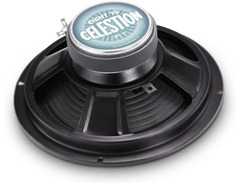
Celestion Eight 15 Loudspeaker
5.0 (2)
The Value Virtuoso

Average Price: $39
Budget/Beginner
$119
$200+
Budget
Standard
High-end
- Dramatically enhances sound quality of small practice amps
- Provides fuller, warmer sound with improved low end
- Greatly reduces harshness and adds smoothness to high frequencies
- Well-suited for both clean and aggressive playing styles
- See 4 more
- May produce a flubby bass response for high-gain settings
- Lacks the punchiness of larger 10" or 12" speakers
Heritage and Design
Coming from Celestion's modern speaker lineup, the Eight 15 combines proven design principles with contemporary manufacturing efficiency. Built around a precisely engineered ceramic magnet assembly and carefully voiced cone, it maintains professional-grade construction while keeping costs accessible. The speaker represents Celestion's commitment to bringing their tonal expertise to players at every budget level.
The compact 8-inch design isn't just about saving money - it's a purposeful choice that delivers distinctive tonal benefits. Each component has been selected to balance performance with durability, ensuring consistent tone that lasts.
Sound Character
The Eight 15's voice is remarkably balanced and articulate. Its focused midrange cuts through with excellent definition, while maintaining just enough top-end sparkle to stay lively. The low end is naturally tight and controlled due to its size, making it particularly effective for recording where precise bass response is crucial.
At higher gain settings, the speaker exhibits a musical compression that adds character without becoming harsh. This natural compression helps create a more polished sound, especially useful for home recording and practice situations where you want satisfying tone at lower volumes.
Performance Dynamics
For a budget-conscious speaker, the Eight 15 shows impressive dynamic range. The quick transient response characteristic of 8-inch speakers means it follows your picking dynamics faithfully. From delicate clean passages to crunchy rhythms, it maintains definition and character.
The speaker's efficient design means it can produce substantial volume despite its size. When pushed hard, it adds just enough coloration to make your tone more interesting without losing clarity or control.
Technical Excellence
Built with modern manufacturing techniques, the Eight 15 delivers 15 watts of power handling with high sensitivity ratings. The ceramic magnet structure ensures consistent performance, while the carefully engineered cone and suspension system provide reliable frequency response across all power levels.
The speaker's compact size and efficient design make it particularly suited for small combo amps and practice rigs. Every component has been selected to balance performance with value.
Real-World Applications
In small combo amps and practice setups, the Eight 15 delivers focused, detailed sound with excellent projection. It performs particularly well in recording situations, where its controlled bass response and articulate midrange can be captured cleanly by microphones.
Versatility
From clean practice tones to recording sessions, the Eight 15 proves remarkably adaptable. It handles effects well and maintains clarity across different gain levels. Whether you're practicing at home or tracking in the studio, the speaker delivers consistent, professional-grade performance that demonstrates why it's earned its reputation as an exceptional value.
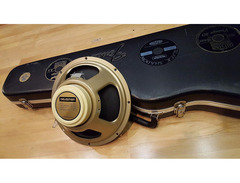
Celestion G12 Neo Creamback 12 inch 60-watt Neodymium Guitar Speaker
5.0 (1)
The Road Warrior


Average Price: $168
Standard/Professional
$119
$200+
Budget
Standard
High-end
- Exceptionally lightweight, perfect for reducing load during transport
- Delivers both bright clean tones and smooth overdrive
- Versatile sound, blends well with different amps and speakers
- Enhances midrange clarity without harshness
- See 6 more
- Expensive, with a premium price tag
- Might lack punch and power in certain contexts
- Sound can be picky; not as straightforward as other speakers
- Not ideal for extreme music styles
Heritage and Design
The Neo Creamback represents Celestion's innovative approach to solving a common gigging problem: achieving classic British tone without breaking your back. Built around a powerful neodymium magnet, it delivers the warmth and character of traditional speakers at a fraction of the weight. The speaker's design maintains Celestion's exacting standards while incorporating modern materials and construction techniques.
Traditional speakers with similar tonal characteristics often weigh twice as much, but Celestion's engineering team has managed to retain the essential sound quality while significantly reducing mass. Each component has been carefully selected to maintain tonal integrity while optimizing weight reduction.
Sound Character
The Neo Creamback delivers the warm, rich midrange that made British speakers famous, with remarkable clarity and definition. Its signature warmth carries through from clean to overdriven tones, while maintaining excellent note separation and harmonic detail. The upper frequencies sparkle without becoming harsh, while the low end remains focused and controlled.
The speaker excels at producing the kind of natural compression and harmonic richness that players associate with classic rock tones. Even at high volumes, it maintains the musical compression characteristics that make playing feel responsive and dynamic.
Performance Dynamics
Despite its lightweight design, the Neo Creamback responds with authority to picking dynamics. The speaker's quick transient response means it follows every nuance of your playing, from delicate fingerpicking to aggressive power chords. It maintains this responsiveness across its entire power handling range.
Clean tones exhibit excellent headroom before natural breakup begins to occur. When pushed harder, the speaker delivers progressive, musical overdrive that enhances your amp's natural character without compromising note definition.
Technical Excellence
The neodymium magnet design provides substantial weight savings while maintaining high power handling capacity. The speaker's efficiency ensures excellent volume levels and projection, while the carefully engineered cone and suspension system deliver consistent frequency response across all power levels.
Modern manufacturing techniques ensure reliable performance under demanding conditions. The speaker's robust construction stands up to the rigors of regular transport and setup, making it ideal for working musicians.
Real-World Applications
In both combo amps and extension cabinets, the Neo Creamback delivers consistent, professional-grade tone. It particularly shines with modeling amplifiers, where its balanced frequency response accurately reproduces digital tones. The significant weight reduction makes it especially valuable for musicians who need to transport their own gear.
Versatility
From traditional tube amps to modern modeling systems, the Neo Creamback adapts beautifully to different setups. It handles effects processing naturally and maintains its character across various gain levels. Whether you're playing blues, rock, or contemporary styles, the speaker delivers reliable performance while keeping your rig manageable for transport.

.jpg)

Electro-Voice EVM12L 12 inch 200-watt Guitar Speaker
The Clean Machine Monster



Average Price: $320
Standard/Professional
$200
$601+
Budget
Standard
High-end
- Exceptional sound clarity and tonal accuracy at all volume levels
- Extremely durable and reliable, known for lasting years without failure
- Handles high power loads, rated at 200 watts
- Offers a wide sound range, from deep lows to crisp highs
- See 6 more
- Very heavy, not ideal for lightweight setups or frequent transport
- More expensive compared to other guitar speakers
- Larger size may require modifications to fit in certain cabinets
- Requires careful mounting due to additional weight and size
Heritage and Design
The EVM12L comes from Electro-Voice's professional audio heritage, bringing PA speaker technology to guitar applications. Built around a massive magnet structure and featuring advanced materials throughout, it's engineered for maximum clarity and headroom. This industrial-grade construction approaches speaker design from a different angle than traditional guitar speakers.
Every aspect of the design focuses on clean power handling and minimal coloration. The robust frame and precision assembly reflect EV's professional audio background, while the specially designed cone provides the right amount of character for guitar applications.
Sound Character
Crystal clear and extremely detailed describe the EVM12L's fundamental voice. Its exceptional headroom means your tone stays clean and defined even at volumes that would push other speakers into breakup. The frequency response is notably flat for a guitar speaker, allowing your amp and pedals to shine without additional coloration.
Bass response is tight and controlled, while the midrange remains neutral and transparent. High frequencies cut through with remarkable clarity but never become harsh or sterile. This neutral platform allows your effects to speak with their true voice.
Performance Dynamics
The EVM12L's high power handling means it responds to dynamic playing with unprecedented clarity. The speaker's massive headroom allows you to explore the full range of your effects without speaker-induced compression or breakup. From subtle clean boosts to massive ambient soundscapes, every nuance comes through intact.
Clean tones remain pristine even at stage volumes, while overdriven sounds maintain exceptional note definition. This consistent response across all power levels makes it particularly valuable for complex pedal arrangements.
Technical Excellence
With its professional audio heritage, the EVM12L boasts impressive specifications including 200 watts power handling and high sensitivity ratings. The carefully engineered suspension system provides exceptional control over cone movement, ensuring accurate reproduction of complex signals from multiple effects.
The speaker's robust construction ensures reliable performance under demanding conditions. From clean boost to stacked drive pedals, the speaker maintains its composure and character across all power levels.
Real-World Applications
In both combo amps and extension cabinets, the EVM12L delivers exceptional clarity and headroom. It particularly excels with complex effect chains, where its clean reproduction lets each pedal's character shine through. The speaker's power handling makes it ideal for larger venues and outdoor performances.
Versatility
While famous for clean tones, the EVM12L handles various styles admirably. From ambient post-rock to fusion, the speaker provides a pristine platform for any effect-heavy rig. Its neutral character makes it especially valuable for players who prefer to build their tone through pedals rather than speaker coloration.
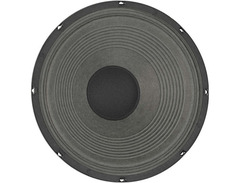
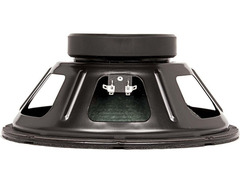
Eminence Speakers Cannabis Rex
4.5 (3)
The Warm Wonder

- Transforms amps with brittle tones into warm, full-sounding machines
- Enhances clean tones and offers smooth overdrives
- Handles bass without flabbiness, delivering tight low end
- Reduces harsh treble, making highs smooth and manageable
- See 6 more
- Can sound too dark at low volumes, requiring EQ compensation
- May take 30+ hours to fully break in for optimal sound
- Some users find it lacks vintage chime when compared to other speakers
- May not suit those seeking bright, ice-pick highs
| Weight | 8.2 lbs. |
Heritage and Design
The Cannabis Rex utilizes a hemp cone material for unique tonal characteristics. The proprietary hemp cone works in harmony with a carefully selected magnet structure to produce warm, natural sound. This unique design stems from extensive research into alternative materials that could deliver superior warmth without sacrificing clarity.
The speaker's construction focuses on achieving maximum musicality. Each component, from the precision-wound voice coil to the carefully engineered suspension system, has been selected to produce full, rich tones with exceptional detail.
Sound Character
Warm and inviting best describes the Cannabis Rex's voice. Its distinctive hemp cone produces rich lows and sophisticated midrange detail that flatters both single notes and complex chord voicings. The high end remains sweet and musical without any hint of harshness or brittleness.
The speaker excels at producing the kind of natural compression that jazz and blues players prize. Notes bloom and sustain beautifully, while maintaining clear articulation and outstanding string-to-string separation.
Performance Dynamics
The Cannabis Rex responds to playing dynamics with remarkable sensitivity. The speaker's organic response means it follows every nuance of your playing, from delicate fingerstyle passages to full-voiced jazz chords. This responsiveness creates an incredibly engaging playing experience.
Clean tones showcase incredible depth and dimension, while overdriven sounds remain musical and controlled. The speaker's natural compression characteristics help create smooth, singing sustain without ever becoming harsh.
Technical Excellence
Built around a substantial magnet assembly, the Cannabis Rex delivers 50 watts of power handling with excellent efficiency. The hemp cone material provides unique damping characteristics that help eliminate unwanted resonances while promoting desirable overtones.
The speaker's robust construction ensures consistent performance under various conditions. Each component has been selected to balance warm, musical tone with professional reliability.
Real-World Applications
In both open and closed-back configurations, the Cannabis Rex produces rich, room-filling sound. It particularly shines with traditional tube amplifiers, where its natural warmth and dynamic response can fully develop. The speaker's smooth character makes it especially valuable for recording applications.
Versatility
While renowned for jazz and blues, the Cannabis Rex adapts well to various playing styles. It handles modern effects naturally and maintains its warm character across different gain levels. From clean jazz comping to soulful blues leads, the speaker delivers consistently musical performance that invites extended playing sessions.
Installation and Maintenance
Think of your speaker as a high-performance engine - the way you install and maintain it directly affects how it performs. Even the best speaker won't deliver its full potential if not properly mounted and cared for.
Installation Essentials
Understanding proper mounting techniques is crucial for optimal speaker performance. The mounting surface must be flat and stable - any warping or unevenness can stress the frame and affect the speaker's movement. Most guitar cabinets use 5/16" bolts with large washers, but always verify your specific model's requirements. Tighten in a cross pattern, like changing a car tire, to ensure even pressure distribution around the frame.
Speaker polarity becomes especially critical in multi-speaker setups. Incorrect phasing can cause severe bass cancellation and weird midrange response. In series wiring (for higher impedance), connect positive to negative between speakers. For parallel wiring (maintaining impedance while sharing current), join all positives together and all negatives together. A simple battery test - connecting a 9V briefly to the terminals - should make the cone move outward with correct polarity.
Cabinet Considerations
The way a speaker mounts to the baffle board can significantly impact its performance. Front-mounting means the speaker is installed from the front of the cabinet, with its mounting flange sitting on the face of the baffle board. This method provides better acoustic coupling and stronger structural support since the speaker's entire weight rests against the baffle.
Rear-mounting, where the speaker installs from inside the cabinet with its frame behind the baffle board, was common in vintage amps but requires more attention to detail. The speaker sits in a routed recess or mounting lip, with only its cone visible through the front hole. While this creates a sleeker look, it can affect bass response if the mounting hole isn't precisely sized. Some players and technicians add a thin foam or cork gasket between the speaker and baffle to ensure a proper seal with rear-mounting.
The choice between these mounting styles often depends on your cabinet's design. Front-mounting typically offers more consistent performance since there's less variation in how the speaker couples to the baffle. However, both methods can deliver excellent results when properly executed with the right gaskets and mounting hardware.
Routine Care
Beyond basic cleanliness, speakers need regular attention to maintain optimal performance. Regular inspection should include checking mounting bolt tension - they can loosen over time due to vibration and temperature changes. Examine solder joints at the terminals for any signs of cracking or corrosion, especially if you frequently move your equipment.
For touring rigs, invest in proper road cases or at minimum, thick padded covers. Extreme temperature changes can affect speaker surrounds and spider assemblies, so avoid leaving equipment in hot vehicles or freezing conditions for extended periods.
Troubleshooting Common Issues
Understanding common speaker problems helps you identify issues before they become serious. A slight buzzing at specific frequencies often indicates a loose mounting bolt or baffle board. Different problems have distinct sonic signatures - mechanical buzzing tends to be consistent at all volumes, while electronic distortion usually increases with volume. Voice coil rub, which occurs when the coil scrapes against the magnet structure, produces a distinctive scratching sound that changes with frequency.
Physical damage isn't always visible from the front. Pushing gently on the cone's surround can reveal tears or separations. Testing speaker movement should feel smooth and consistent - any catching or scraping suggests potential voice coil misalignment. For suspected voice coil damage, gently press the cone (with the amp off) and feel for any grinding or unusual resistance. However, if you detect voice coil issues, it's best to consult a professional repair service rather than attempt DIY fixes.
Electrical problems often manifest gradually. Intermittent signal cuts can indicate failing solder joints at the terminals or internal wire breaks. Using a multimeter in continuity mode helps track down connection issues. Verify impedance readings across the terminals - a 8Ω speaker should measure between 6-8Ω at rest. Significantly higher readings might indicate a partially broken voice coil, while lower readings could suggest shorted windings.
Before assuming speaker damage, eliminate other potential causes. Crackling sounds might come from corroded input jacks or bad cables. Strange resonances could be loose cabinet hardware or sympathetic vibrations from nearby equipment. When troubleshooting, change one variable at a time - this methodical approach helps pinpoint the exact cause of the problem.
Should You Replace Your Speaker?
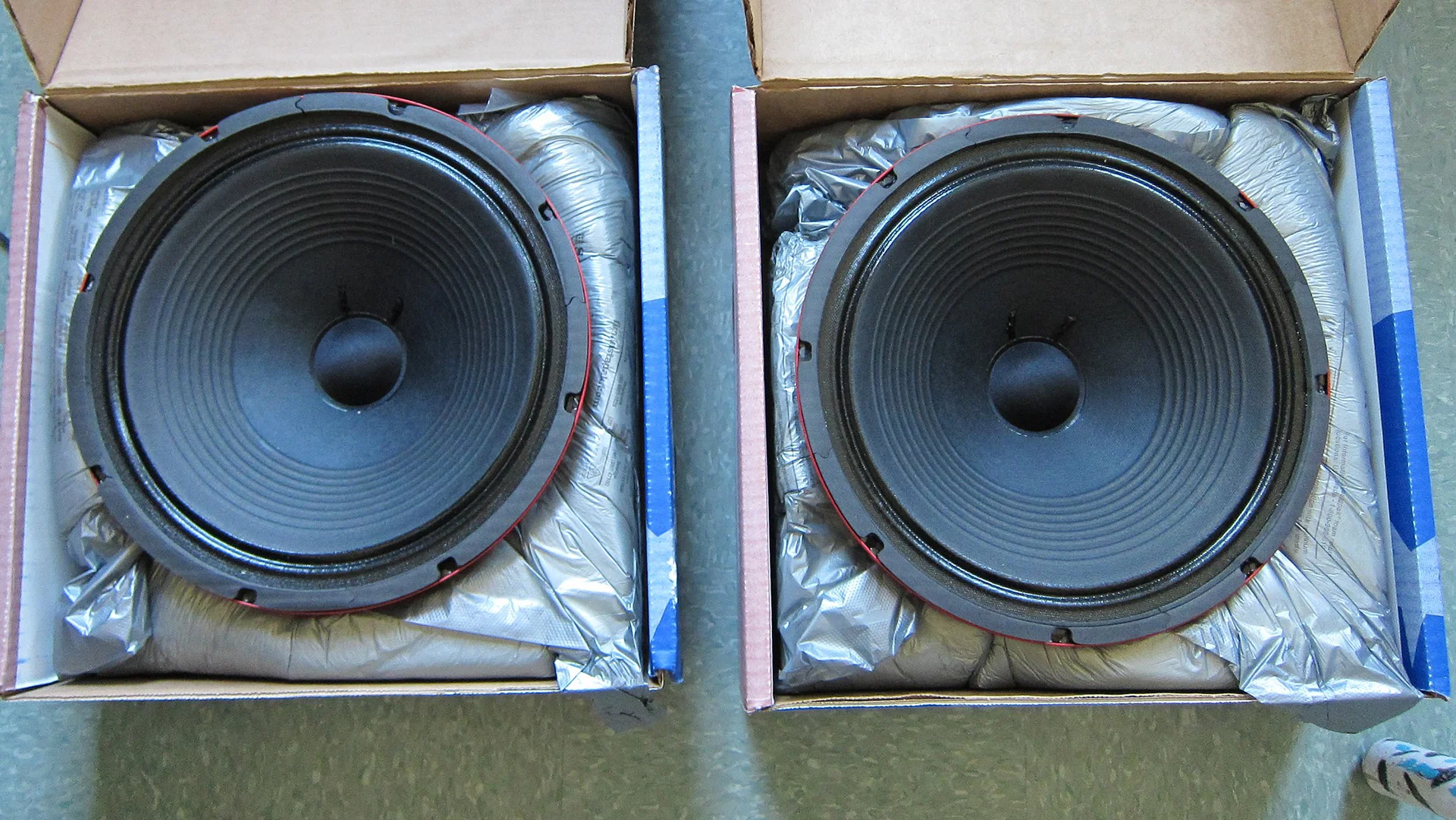
Guitar speakers aren't one-size-fits-all, and knowing when to switch can significantly impact your tone. Before diving into a speaker swap, consider your current setup's limitations and what you're trying to achieve.
When to Consider a Speaker Upgrade
The most obvious reason is a worn or damaged speaker, but there are other compelling scenarios. If your amp sounds harsh or thin, a speaker change might be the solution. Modern high-gain amps often come with speakers optimized for metal, which might not suit players seeking vintage warmth. Similarly, if you're using vintage gear that's lost its original speaker, the right replacement can restore its classic voice.
Some amps, particularly budget-friendly models, ship with basic speakers that don't match their potential. A speaker upgrade can be a cost-effective way to elevate your tone without buying a new amp. This is especially true for modeling amps, where a better speaker can make digital tones sound more organic and responsive.
Pre-installed Premium Speakers
Many manufacturers now offer amps and cabinets with premium speakers pre-installed. The Celestion Vintage 30 comes stock in the Mesa/Boogie Rectifier 4x12, Marshall 1960A, and Orange PPC412. The Jensen C12N appears in several Fender models like the Blues Junior and Pro Junior, preserving that classic American tone.
High-end amp makers often feature premium speakers in their flagship models. The Celestion Alnico Blue is standard in the Vox AC30, while the EVM12L has been a favorite in the Fender Twin Reverb. Mesa/Boogie's Mark V comes equipped with a Celestion Neo Creamback, offering premium tone in a lightweight package. Many boutique builders like Two-Rock and Matchless let you choose your preferred speaker during ordering, ensuring your amp delivers exactly the tone you're seeking from day one.
Frequently Asked Questions
Can I use a higher-wattage speaker than my amp's output power?
Yes, and it's often beneficial. Using a speaker rated higher than your amp's output provides extra headroom and typically results in cleaner sound. For example, a 50-watt amp paired with a 100-watt speaker gives you plenty of safety margin. However, using a lower-rated speaker than your amp's output risks speaker damage.
What's the real difference between 8Ω and 16Ω speakers?
The impedance choice mainly affects how the speaker works with your amp. While the actual sound difference is minimal, matching your amp's recommended impedance ensures optimal power transfer and tone. Modern amps often handle both impedances, but always check your amp's specifications. Running a mismatched impedance can stress your amp's output transformer.
How do different magnet types affect my tone?
Each magnet type has distinct characteristics. Alnico magnets provide sweet compression and musical breakup - think classic Vox and early Marshall tones. Ceramic magnets offer tighter bass response and more headroom, perfect for modern high-gain sounds. Neodymium delivers similar performance to ceramic but significantly reduces weight.
Can I mix different speakers in a 2x12 or 4x12 cab?
Yes, and it's a popular way to expand your tonal palette. However, all speakers should have the same impedance rating for proper load distribution. Many players combine a brighter speaker with a darker one to achieve fuller tone. Just ensure the total impedance matches your amp's requirements and all speakers can handle your amp's power.
Do speakers need to be broken in?
Yes. New speakers need time to loosen up mechanically. During break-in, the suspension materials become more flexible, improving bass response and overall tone. Play at moderate volumes for about 20 hours to achieve optimal performance. Avoid extreme volumes during this period.
How does cabinet design affect speaker performance?
Cabinet type dramatically influences your speaker's behavior. Open-back cabinets create a more diffused, room-filling sound with less focused bass. Closed-back designs provide tighter low-end response and more focused projection. Cabinet size affects bass response - larger cabinets generally produce fuller low end.
Making Your Final Decision

Choosing the right speaker can transform your guitar rig from good to exceptional. Whether you're chasing the British rock growl of the Celestion Vintage 30, the pristine cleans of the Jensen C12N, or the thunderous roar of the Eminence Swamp Thang, understanding how different speakers shape your tone is crucial.
Consider your primary playing environment. For home and studio use, focus on tonal qualities that inspire you to play. The Celestion Alnico Blue might be perfect for capturing vintage warmth, while the EVM12L excels at pristine pedal-platform tones. For gigging musicians, practical considerations like the lightweight Neo Creamback might take precedence.
Don't let budget constraints discourage you - excellent tone is available at every price point. The Celestion Eight 15 proves that great sound doesn't require a premium price tag. For specialized tones, speakers like the Cannabis Rex show how innovative design can deliver unique sonic characteristics.
Remember, the perfect speaker is the one that inspires you to play better and helps translate your musical ideas into reality.
Top Ranked Guitar Amp Speakers on Equipboard


$123.50 - $159.00
4.5 (26)
4.5 (26)

$99.00 - $120.00
5.0 (1)
5.0 (1)


About the authors

S. Jino is an accomplished multi-instrumentalist and music producer based in Kolkata, India, distinguished by his self-taught mastery and unique blend of technical acumen and musical performance. His extensive experience was forged through hands-on dedication, starting with the full restoration of a broken guitar. Jino's capabilities span keyboards, pedals, and advanced digital production, reflecting a comprehensive skill set developed independently. As a significant contributor to the music scene, Jino regularly performs with worship bands and college ensembles. He has also established himself as a reliable and authoritative professional in freelance mixing, mastering, and original music creation. Inspired by the innovative sounds of Brian May and David Gilmour, and influenced by Kolkata's vibrant metal community, Jino is committed to the intricate art of vintage gear restoration and the continuous exploration of music and technology fusion. His current professional setup, featuring a meticulously restored nameless guitar, a Fender Player Strat, and a Boss Katana 50. Read more
New in Speakers


$161.49 - $169.99
in Guitar Amp Speakers Rank

$151.97 - $151.99
in Guitar Amp Speakers Rank


$163.98 - $189.00
in Guitar Amp Speakers Rank

$161.67 - $189.00
in Guitar Amp Speakers Rank


$229.00 - $249.00
in Guitar Amp Speakers Rank