Table of Contents

Equipboard
Equipboard is the world's largest community of artists and their gear. Read our review process.
We are reader-supported. When you buy through links on our site, we may earn an affiliate commission. Learn more.
Our Picks

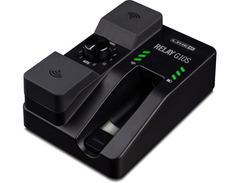
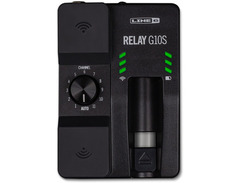
Best Overall Wireless System: The Line 6 Relay G10S represents what modern wireless systems should be - intuitive enough for beginners yet powerful enough for professionals. Building on the success of its predecessor, this system combines sophisticated wireless technology with practical features that make sense for working musicians.
Read more


Shure GLXD16+ Digital Wireless Guitar Pedal System
Best Professional Wireless System: The Shure GLX-D16+ embodies decades of wireless expertise refined into a stompbox format. This professional-grade system delivers superior RF performance and bulletproof reliability, packaged in a form factor that integrates seamlessly into any guitarist's setup.
Read more
Xvive Audio U2 Wireless System
Best Budget Wireless System: The Xvive U2 challenges the notion that reliable wireless systems must cost a fortune. While it lacks some advanced features of pricier units, this compact system delivers impressive performance where it matters most - reliable wireless audio at a price most musicians can justify.
Read more

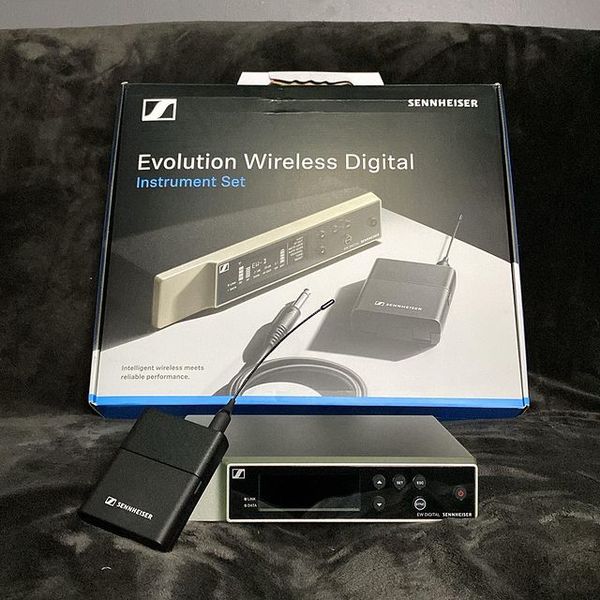
Sennheiser EW 500 G4-Ci1 Wireless Guitar System
Best Wireless System for Live Performances: Sennheiser's EW 500 G4 represents decades of live sound expertise refined into a touring-grade wireless system. When downtime isn't an option and performance demands are at their highest, this system delivers the stability and audio quality that professional productions require.
Read more
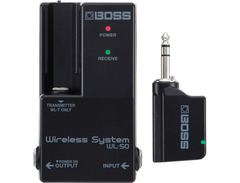
Best Wireless System for Pedalboards: The Boss WL-50 showcases decades of stompbox expertise applied to wireless technology. This compact powerhouse delivers professional wireless performance in a format that seamlessly integrates with any guitarist's pedal setup.
Read more
Shure QLXD14 Wireless Guitar System - G50 Band
Best UHF Wireless System: Shure's QLXD14 represents the perfect balance of professional UHF technology and musician-focused design. This rack-mountable system combines pristine audio quality with Shure's legendary RF performance, making it the ideal choice for environments where signal integrity is non-negotiable.
Read morePlaying guitar is one of the most liberating experiences a musician can have – until you’re yanked back to reality by that cable tethering you to your amp. For the dynamic performer, that cord isn’t just an inconvenience; it's a creative barrier that keeps you from fully connecting with your audience and expressing yourself on stage. Even in the studio, cable management can be a real hassle when you’re trying to find that perfect spot where your guitar really sings.
Enter the modern wireless guitar system. Today’s wireless technology has finally evolved to meet the demanding standards of professional musicians. The best part? These aren’t just tools for stadium rockers anymore. From bedroom producers to weekend warriors gigging at local venues, wireless systems have become both accessible and reliable enough for any serious player to consider.
The market has matured significantly, offering solutions that not only match the fidelity of high-end cables but often provide additional features that can enhance your overall setup. We’ve put these systems through their paces in real-world situations – from intimate jazz clubs to outdoor festivals – to help you find the perfect wireless companion for your playing style and environment.
Understanding Wireless Guitar Systems

Wireless guitar systems earned a notorious reputation in their early days. The first commercial units from the 1980s and 90s degraded tone quality, compressed dynamic range, and suffered constant interference. Even worse, they had an uncanny ability to drop signal during crucial performance moments. This created widespread distrust among guitarists, many of whom still view wireless technology with skepticism.
Frequency and Signal Transmission
Wireless systems these days utilize two primary frequency bands, each offering distinct advantages for different playing scenarios. Digital 2.4GHz systems dominate the market with advanced signal processing capabilities. These units continuously analyze the wireless spectrum and automatically switch between frequencies to maintain optimal transmission quality. A single 2.4GHz system can hop between more than 40 channels per second while maintaining signal integrity. They perform exceptionally well in smaller venues but can face challenges in WiFi-saturated environments.
UHF (Ultra High Frequency) systems operate within the 470-698 MHz range and set the standard for professional touring rigs. These frequencies provide superior building penetration and maintain stable connections at distances exceeding 300 feet. While they require manual frequency coordination, UHF systems offer unmatched reliability in RF-dense environments like festivals or large concert venues. Professional-grade UHF units can support over 60 simultaneous systems without interference, making them essential for larger productions.
Sound Quality and Latency
Modern digital conversion technology has revolutionized wireless audio quality. Current systems use 24-bit/48kHz processing with frequency responses extending from 10Hz to 20kHz, capturing everything from subtle harmonics to aggressive pick attack. This level of fidelity preserves your guitar's natural resonance and the nuanced characteristics of vintage instruments. Dynamic range now exceeds 120dB, allowing these systems to handle everything from whisper-quiet passages to high-gain solos without compression artifacts.
Latency performance has seen equally impressive advances. Premium wireless units now process audio in under 3 milliseconds - faster than the time it takes sound to travel 3 feet through air. This near-instantaneous response eliminates the need to adjust playing technique or timing. Analog-to-digital converters operate at clock speeds above 100MHz, ensuring precise signal reconstruction while maintaining phase coherence across the entire frequency spectrum.
Range and Reliability
Range is one of the most misunderstood aspects of wireless systems. While many manufacturers advertise impressive maximum distances, real-world performance varies significantly based on your environment. UHF systems generally offer longer range than 2.4GHz units, but several factors affect actual performance. Stage equipment, walls, lighting rigs, and even the position of your receiver can impact signal strength.
Premium UHF systems from established brands like Shure and Sennheiser maintain stable connections up to 300 feet in optimal conditions, but actual range depends heavily on your venue's layout and RF environment. Digital 2.4GHz systems typically offer reliable performance within 100-150 feet line-of-sight, though this can decrease significantly with obstacles. Some high-end models feature diversity antennas to help maintain signal stability, while others rely on simpler single-antenna designs.
Battery Life and Power Management
Battery performance varies widely across different wireless systems. Entry-level units often rely on standard AA batteries, typically providing 4-6 hours of operation. Higher-end systems usually feature proprietary rechargeable batteries with longer run times, some reaching 8-12 hours of continuous use.
Power monitoring capabilities also differ significantly between models. Basic systems might only offer simple LED indicators, while professional-grade units provide more detailed battery status information. Some premium models include features like battery hot-swapping or external power options for backup. When evaluating battery life, consider your typical performance duration and whether you'll have opportunities to charge or swap batteries between sets.
Our Top Picks for 2025
If you're ready to cut the cord, you've picked a good time. The wireless market has matured significantly, with options ranging from budget-friendly units to professional touring rigs. Each system in our roundup is currently in production and readily available, chosen for its proven reliability in real performance environments.
Keep in mind that no single wireless system is perfect for every situation. Your choice should depend heavily on where you'll be playing, what kind of reliability you need, and how much complexity you're willing to manage. From compact pedalboard units to sophisticated rack-mounted systems, we'll help you find the wireless solution that makes sense for your specific needs.
Before we look at individual systems, remember that specs tell only part of the story. Pay particular attention to the practical aspects - things like battery life, ease of setup, and how the unit will integrate with your existing rig. Let's look at the standout performers that have earned their place in our 2025 recommendations.
Line 6 Relay G10S
4.5 (7)
The new benchmark in wireless freedom









- Quick and easy plug-and-play setup
- Good sound clarity with minimal latency
- Solid build quality; mounts nicely on a pedal board
- Auto channel feature reduces WiFi interference
- See 5 more
- Frequent signal dropouts, especially beyond a short distance
- Charging issues reported within months of use
- Interference from WiFi and other wireless devices
- Battery life often insufficient for longer gigs
- See 4 more
Technical Overview
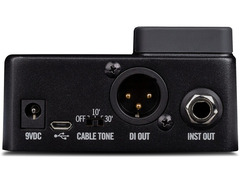
The G10S operates in the 2.4GHz band, utilizing Line 6's proprietary DCL (Digital Channel Lock) technology. The system transmits 24-bit digital audio at 48kHz. Signal encoding includes error correction and advanced data buffering to maintain stability. The unit features automatic channel selection and instant pairing through the dock-based transmitter, though manual channel selection is available when needed.
Performance
Response time clocks in at 4.8ms - not the fastest in its class but certainly quick enough for live performance. The advertised 130-foot range proves reliable in clear environments, though this drops to around 80 feet with obstacles present. Signal stability remains consistent throughout the usable range, without the gradual degradation some wireless systems exhibit.
Signal Quality
The G10S delivers notably transparent audio reproduction. Clean tones retain their sparkle and definition, while high-gain sounds maintain their character without compression artifacts. There's a subtle but noticeable improvement in high-frequency response compared to budget wireless systems. Bass response remains solid, though some players might detect a slight rolloff below 50Hz.
Design and Build
The receiver's metal chassis feels substantial, with robust footswitches and secure jacks. The transmitter, while plastic, is strong enough to take the occasional tumble. Cable lock mechanism on the transmitter is particularly well-designed, preventing accidental disconnections. One design quirk: the receiver's display can be difficult to read under bright stage lights.
Integration Features
Line 6 clearly designed the G10S with pedalboard users in mind. The receiver's standard 9V power input works with most pedalboard power supplies, though it requires 300mA - higher than many standard pedals. The included AC adapter performs well but adds bulk to power strips. Cable tone simulation offers three options, though many users likely won't use this feature.
Real-world Usage
In practice, the G10S shines in small to medium venues. The automatic channel selection proves invaluable in environments with changing RF conditions. Setup literally takes seconds - just dock the transmitter and you're ready. Battery life averages 7 hours of continuous use, with accurate remaining time indication. The system handles interference well, though it can struggle in extremely WiFi-dense environments like tech conferences or large corporate events.
Worth noting: while the automatic features work great most of the time, having only six channels means you might need manual frequency management when using multiple G10S systems in the same space. The system also lacks the advanced frequency coordination features found in more expensive professional units.
Shure GLXD16+ Digital Wireless Guitar Pedal System
The professional's wireless weapon of choice



- Long battery life, lasting multiple gigs without recharging
- Crystal clear sound with no interference or dropouts
- Dual-band operation (2.4 GHz and 5.8 GHz) for reliable performance
- Built-in tuner saves pedalboard space and offers tuning flexibility
- See 6 more
- Pedal receiver is larger and heavier than expected
- Power jack may not feel securely connected
- Antenna on the transmitter can be slightly wobbly
Technical Overview
The GLX-D16+ operates in the 2.4GHz band using Shure's proprietary Linkfreq technology, which scans and selects from up to 69 channels. The system employs true diversity reception with patented predictive frequency hopping. Audio conversion runs at 24-bit/48kHz, with multiple layers of error correction and redundancy built into the signal chain.
Performance
Latency performance stands out at just 2.9ms - among the lowest in any wireless system. The rated 200-foot range holds up well in real life, maintaining stable performance even at 175 feet with obstacles present. Clear line-of-sight range can extend beyond 230 feet in optimal conditions. The system's frequency agility proves especially valuable in challenging RF environments.
Signal Quality
Audio fidelity is exceptional across the entire frequency spectrum. The GLX-D16+ captures every nuance, from delicate harmonics to aggressive pick attack. High-gain tones remain articulate without compression artifacts. Bass response stays solid down to 20Hz, while high frequencies extend cleanly to 20kHz. Many users report being unable to distinguish it from a premium cable in blind tests.
Design and Build
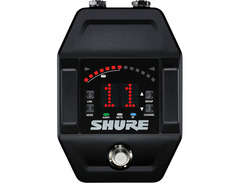
Construction quality exemplifies Shure's professional heritage. The all-metal housing feels indestructible, with premium connectors and switches throughout. The transmitter features a rugged metal battery door - a common failure point in lesser systems. The OLED display offers excellent visibility even under bright stage lights, though it can be challenging to read from sharp angles.
Integration Features
The pedalboard-friendly design includes several thoughtful features. The built-in tuner is genuinely professional-grade, potentially freeing up pedalboard space. Power requirements are reasonable at 250mA from a standard 9V supply. The system offers both XLR and 1/4" outputs, making it versatile for different setup requirements. Automatic transmitter linking works flawlessly, though manual options provide additional control when needed.
Real-world Usage
The GLX-D16+ truly shines in professional environments. Multiple systems can operate simultaneously without careful frequency coordination - we successfully ran six units in close proximity. Battery life reaches 11.5 hours with the included lithium-ion pack, and the remaining runtime display proves accurate within 15 minutes. The quick-charge feature provides 1.5 hours of use from just 15 minutes of charging.
One consideration: while the system handles interference exceptionally well, very WiFi-dense environments might require occasional manual channel selection. Additionally, the professional feature set comes with a learning curve - users familiar with simpler wireless systems will need to spend time with the manual to unlock the unit's full potential.
See how artists use this











Xvive Audio U2 Wireless System
4.5 (24)
Wireless freedom without breaking the bank


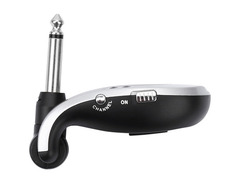
- Compact and portable; fits easily in a pocket
- Rechargeable via USB, no need for disposable batteries
- Reliable performance with minimal dropouts for many users
- Easy setup; plug-and-play design
- See 6 more
- Susceptible to interference from wireless routers and Bluetooth devices
- Plastic build may feel flimsy and less durable
- Easy-to-accidentally-toggle on-off switch can cause panic during performances
- Occasional buzzing or hum, especially with older electronics
- See 2 more
Technical Overview
The U2 operates in the 2.4GHz frequency band using a simplified but effective digital transmission system. The 24-bit signal path maintains respectable audio quality, though without the sophisticated error correction found in premium systems. Four channels allow basic frequency selection, with manual switching when interference occurs.
Performance
Latency figures hover around 5ms - noticeable if you're paying attention but acceptable for most playing situations. The advertised 70-foot range proves accurate in clear environments, though this drops to about 40 feet with obstacles present. Signal stability remains consistent within these ranges, provided you maintain reasonable line of sight between transmitter and receiver.
Signal Quality
Audio reproduction is surprisingly competent. Clean tones retain their fundamental character, though the most discerning players might notice slightly reduced high-frequency sparkle. High-gain settings fare well, with minimal compression artifacts. Bass response shows some roll-off below 80Hz, but this rarely impacts typical guitar applications. The system handles dynamics capably, preserving most of your playing nuances.
Design and Build
Construction reflects the price point but remains serviceable. The plastic housing feels sturdy enough for careful handling, though it likely won't survive serious impacts. Connection points are reinforced adequately, and the battery compartment latches securely. One notable design limitation: the status LEDs can be difficult to interpret in bright lighting conditions.
Integration Features
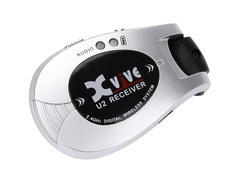
The U2's plug-and-play simplicity is both a strength and limitation. No power supply is needed, as both units run on internal rechargeable batteries. This simplifies setup but means you can't power it from a pedalboard supply. The compact form factor proves convenient for cramped pedalboards, though the fixed transmission frequency means you'll need to manually change channels if interference occurs.
Real-world Usage
In practice, the U2 performs admirably in straightforward gigging situations. Setup takes seconds, and operation is utterly simple. Battery life averages 5 hours - sufficient for most gigs but potentially challenging for longer events. The system handles typical stage environments well but can struggle in spaces with heavy WiFi traffic or multiple wireless systems operating simultaneously.
The lack of diversity antennas or advanced frequency management becomes apparent in challenging RF environments. Users might experience occasional dropouts in particularly difficult conditions, though these are usually resolved by switching channels or adjusting unit positioning.
See how artists use this


Sennheiser EW 500 G4-Ci1 Wireless Guitar System
The touring professional's bulletproof solution

- Quick setup with user-friendly instructional videos
- Excellent clarity and low noise for professional sound quality
- Wide 88MHz bandwidth minimizes interference concerns
- Reliable connectivity with no signal drops during performances
- See 2 more
Technical Overview
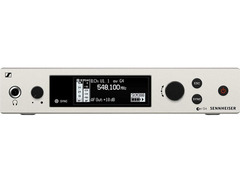
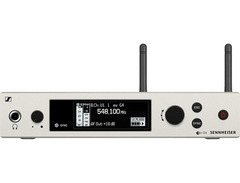
The EW 500 G4 operates in the UHF band, offering up to 88MHz of tunable bandwidth. True diversity reception uses two complete RF sections with independent antennas, continuously selecting the stronger signal. The system provides 3000 selectable frequencies with up to 32 compatible channels per band. Auto-scan feature analyzes the RF environment and suggests optimal frequencies.
Performance
System latency measures an impressive 1.9ms - virtually imperceptible under any playing condition. The 330-foot range isn't just marketing; the system maintains rock-solid performance even at extended distances. More importantly, it maintains consistent signal quality throughout its range rather than degrading gradually like many lesser systems.
Signal Quality
Audio fidelity is reference-grade. The system uses 32-bit digital conversion with advanced error correction, resulting in extraordinary dynamic range and frequency response. High-gain tones remain pristine without compression artifacts. Bass response extends well below typical guitar frequencies, while high-end detail surpasses many wired connections. The optional emulated cable features actually prove useful, unlike many competitors' gimmicky implementations.
Design and Build
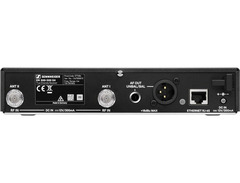
Construction quality sets industry standards. The full-metal receiver chassis includes professional-grade XLR outputs alongside standard 1/4" jacks. The transmitter features a rugged magnesium housing that makes it extremely durable. LCD displays on both units remain readable under any lighting conditions, with intuitive menu navigation that makes sense even under pressure.
Integration Features
While not specifically designed for pedalboards, the system offers comprehensive integration options. Professional I/O options include AES/EBU digital output, word clock synchronization, and network connectivity for remote monitoring. The included rack mount kit provides secure mounting options. One minor drawback: the receiver's size requires careful pedalboard planning.
Real-world Usage
The EW 500 G4 excels in challenging professional environments. The system has been reported to operate flawlessly at major festivals with hundreds of competing wireless channels. Battery life extends to 8 hours with standard AA batteries, and the intelligent battery monitoring provides accurate remaining time readings. The system's frequency coordination features prove invaluable for complex setups.
The system has a steep learning curve typical of professional equipment. While the auto-scan features work well, users should understand basic frequency coordination principles for optimal performance. Additionally, the system's UHF operation means staying aware of local frequency regulations and potential TV channel conflicts.
See how artists use this





Boss WL-50 Wireless System
4.5 (11)
The pedalboard perfectionist's choice

- Sound quality matches high-end cables
- Compatible with both active and passive pickups
- No noticeable latency, offering seamless play
- Convenient auto-power off feature for the transmitter
- See 6 more
- Susceptible to Wi-Fi and router interference
- Battery life limited to 4 hours with long recharge time
- Non-replaceable battery limits lifespan
- Modifications may be needed for certain guitars
- See 6 more
Technical Overview
The WL-50 utilizes the 2.4GHz frequency band with Boss's proprietary BOSS RELAY technology. Advanced spectrum scanning evaluates and selects from 14 available channels, employing dynamic frequency allocation to maintain signal integrity. The system uses 24-bit/48kHz digital conversion with specialized error correction protocols designed specifically for guitar signals.
Performance
System latency stays consistently below 2.9ms - matching many premium cable setups. The effective range extends to 65 feet under optimal conditions, maintaining stable performance within this radius. The signal stability impresses, though performance begins to degrade beyond 50 feet when obstacles intervene. A clear line of sight between transmitter and receiver ensures optimal transmission.
Signal Quality
The WL-50 delivers impressive audio transparency with careful attention to guitar-specific requirements. Clean tones retain their characteristic sparkle and definition, with excellent preservation of picking dynamics and harmonic content. High-gain settings translate particularly well, maintaining articulation even with heavy distortion. Bass frequencies remain solid down to 55Hz, while high-end response extends to 15kHz before showing subtle roll-off. The cable simulation feature, while not essential, offers surprisingly musical options for players used to longer cable runs.
Design and Build
Construction quality meets Boss's legendary standards. The metal housing withstands serious abuse, featuring reinforced jacks and industrial-grade switches. The transmitter combines lightweight design with robust protection around critical components. Locking mechanisms on both transmitter and receiver prevent accidental disconnections. The LED display provides clear visibility under various lighting conditions, though the battery compartment latch could benefit from stronger construction.
Integration Features
Boss clearly prioritized pedalboard integration in every aspect of the WL-50's design. Power requirements remain modest at 200mA from standard 9V supplies, compatible with most professional power distribution systems. The form factor matches standard pedal spacing, allowing flexible placement options. Multiple outputs with selectable signal levels accommodate various amp input sensitivities. The internal buffer circuit properly handles complex signal chains without tone degradation.
Real-world Usage
In practical use, the WL-50 excels in pedalboard-based rigs across various performance scenarios. Setup proves nearly instantaneous through the docking charging system, while the efficient power management delivers 10 hours of continuous operation. The system handles typical stage interference effectively, maintaining stability even with multiple wireless systems operating nearby. The automatic channel selection proves particularly valuable during quick setup situations.
The system's limitations become apparent in extremely WiFi-congested environments, where manual channel selection might be necessary. The 14 available channels, while sufficient for most applications, require careful management when multiple WL-50 units share the same space. Users running complex wireless setups might miss having advanced frequency coordination tools available in touring-grade systems.



.jpg)
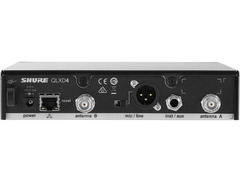
Shure QLXD14 Wireless Guitar System - G50 Band
The RF fortress

- Robust all-metal transmitters ensure long-term durability
- SB900 batteries eliminate frequent battery changes
- Wireless Workbench integration enhances control and flexibility
- Impressive sound quality, comparable to higher-end systems
- See 6 more
- Lacks high-density mode, limiting channel capacity
- No dual or quad channel receiver options
- Missing advanced features like Dante support and TCP/IP communication
- Requires initial adjustments to suit specific room acoustics
Technical Overview
The QLXD14 operates in the UHF band with up to 64MHz of tuning bandwidth. Advanced Digital Processing includes Shure's proprietary automatic frequency selection and true diversity reception with two complete RF sections. The system provides over 60 compatible channels per band and features automatic interference detection and avoidance. AES-256 encryption ensures secure transmission.
Performance
System latency is a mere 2.3ms - imperceptible in any performance scenario. The operating range extends to 350 feet under optimal conditions, maintaining solid performance even through obstacles. Most importantly, signal stability remains consistent throughout the range, with sophisticated error correction preventing audio degradation even at distance.
Signal Quality
Audio quality sets new standards for wireless guitar systems. The 24-bit/48kHz digital conversion delivers exceptional dynamic range and frequency response. Clean tones maintain their full harmonic content and character, while high-gain settings translate with outstanding clarity. Bass response remains solid down to 20Hz, and high frequencies extend smoothly to 20kHz. The analog output stage uses premium components that preserve the natural feel of your instrument.
Design and Build
Construction showcases Shure's professional heritage. The full-metal receiver includes detachable antennas, premium XLR and 1/4" outputs, and a clear OLED display readable under any lighting. The bodypack transmitter features rugged metal construction with a secure battery door and locking 1/4" connector. Every component feels built for years of touring use.
Integration Features
While primarily a rack-mount unit, the QLXD14 offers comprehensive integration options. Network connectivity enables remote monitoring and control, while the Wireless Workbench software provides advanced frequency coordination. The included rack kit ensures secure mounting, and the antenna distribution system allows multiple units to share antennas in larger setups.
Real-world Usage
The QLXD14 excels in professional touring and installation environments. The system maintains flawless performance even in crowded RF environments with multiple wireless systems operating simultaneously. Battery life extends to 9 hours with standard AA batteries, and the intelligent battery metering provides accurate remaining time in hours and minutes.
The primary consideration: the system requires basic knowledge of frequency coordination for optimal performance. While the automatic scanning features work well, understanding UHF principles helps maximize its capabilities. Users also need to stay informed about local frequency regulations as UHF bands can vary by region.
Category-specific Recommendations

| Environment | Recommended System | Key Considerations |
|---|---|---|
| Small Venue Performance | Line 6 G10S |
• Typical range needs: 30-50 feet • Signal stability in tight spaces prioritized over range • Basic interference management sufficient • Straightforward setup preferred |
| Professional Touring | Shure GLX-D16+ Sennheiser EW 500 G4 |
• Range requirements: 100-300 feet • Multiple system compatibility essential • Advanced frequency coordination needed • Durability for constant touring use |
| Home and Studio Use | Xvive U2 |
• Range needs: 20-30 feet typically sufficient • Sound quality priority over advanced features • Simple setup and operation essential • Cost-effectiveness important |
| RF-Heavy Environments | Shure QLXD14 |
• Advanced frequency management required • True diversity reception essential • UHF operation preferred over 2.4GHz • Professional frequency coordination needed |
Common Misconceptions About Wireless Systems

Understanding what modern wireless systems can and can't do will help you find your way around decades of accumulated myths. Let's address some persistent misconceptions that might be holding you back from going wireless.
Signal Quality
Many guitarists still believe wireless systems degrade their tone. While this was true for analog systems from the 1980s and 90s, modern digital systems maintain exceptional fidelity. Today's 24-bit systems can actually outperform many budget guitar cables in terms of frequency response and noise performance.
Latency Concerns
The myth that wireless adds noticeable delay persists despite significant technological advances. Premium wireless systems now achieve latency under 3ms - less time than it takes sound to travel 3 feet through air. For context, that's often lower than the latency introduced by many digital effects pedals.
Reliability Issues
Early wireless systems were notorious for random dropouts and interference. Current-generation systems employ sophisticated error correction and frequency management. Automatic frequency selection and diversity reception make dropouts rare, even in challenging RF environments. When properly set up, today's wireless systems prove as reliable as traditional cables.
Battery Life
The belief that wireless systems require constant battery changes comes from early units with poor power management. Modern systems typically deliver 8-12 hours of continuous use. Intelligent power management and accurate battery monitoring eliminate surprise failures during performance. Many professional systems now include quick-charging capabilities or hot-swappable batteries.
Complexity
Some players avoid wireless, believing setup requires technical expertise. While professional touring rigs benefit from proper frequency coordination, many current systems offer true plug-and-play operation. The best modern units handle frequency selection and channel assignment automatically, making setup as simple as plugging in a cable.
Frequency Band Guide

Think of radio frequencies as highways for your guitar's wireless signal. Just like highways have different lanes and speed limits, wireless systems operate on different frequency bands - specific ranges of radio waves that carry your guitar's signal from transmitter to receiver. The choice of frequency band significantly impacts how your wireless system performs in different environments. When you play a note, your wireless system converts that audio signal into radio waves. The frequency band determines how these waves travel through air, walls, and other obstacles. It also affects how your signal coexists with other wireless devices - from stage equipment to mobile phones.
Signal behavior varies dramatically between frequency bands. Lower frequencies, like UHF, travel further and penetrate obstacles better. Higher frequencies, like 2.4 GHz, can carry more data but are more easily blocked by objects. Your playing environment and needed range largely determine which frequency band will work best for you.
UHF Systems
Ultra High Frequency systems operate between 470-698 MHz, traditionally favored for professional applications. Longer wavelengths provide better building penetration and handle obstacles more effectively than higher frequencies. These systems excel in large venues and touring situations, though they require attention to local frequency regulations and TV channel assignments.
2.4 GHz Digital Systems
The 2.4 GHz band represents the newer approach to wireless audio. Operating in the same range as WiFi networks, these systems use advanced frequency hopping to maintain stable connections. Their shorter wavelengths work well in line-of-sight applications but may struggle with solid obstacles. The globally license-free status of 2.4 GHz makes these systems particularly attractive for international touring.
Digital Hybrid Systems
Some manufacturers combine multiple frequency bands in a single system. These hybrid approaches can automatically select the optimal frequency range based on environmental conditions. While typically more expensive, hybrid systems offer maximum flexibility across different venues and performance situations.
Frequency Coordination
Professional venues often run multiple wireless systems simultaneously. Understanding basic frequency coordination becomes crucial in these environments. Channel spacing and intermodulation effects require careful planning, particularly with UHF systems. Digital 2.4 GHz systems generally handle channel allocation automatically, though they may require manual adjustment in extremely crowded RF environments.
Installation and Setup Guide
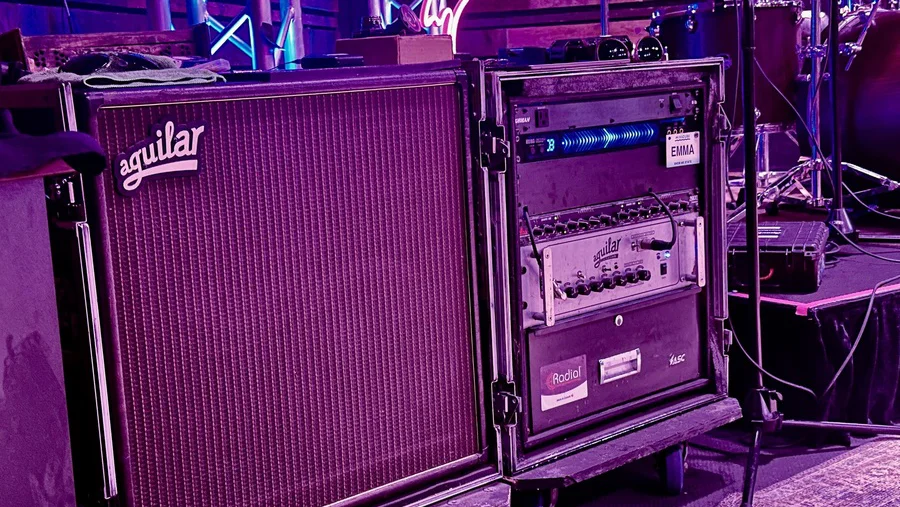
Setting up a wireless system correctly can make the difference between flawless performance and frustrating dropouts. While specific steps vary between models, understanding these core principles ensures optimal performance from any wireless system.
Initial Setup
Your wireless system's first power-up deserves special attention. Physical placement of the receiver significantly impacts performance. Keep it elevated when possible - ideally at head height or higher - and away from large metal objects. For rack-mounted units, position antennas outside the rack using the supplied antenna extensions. Many RF issues trace back to poor receiver placement, so take time to find an optimal position before mounting permanently.
Frequency Selection
Most modern systems include automatic frequency scanning, but understanding the process helps when manual intervention becomes necessary. Let the system perform its initial scan without transmitting. This allows it to build a clear picture of the local RF environment. If your system offers manual frequency selection, note the recommended channels - they might prove useful if interference occurs later. In multi-system setups, coordinate frequency selection between units to prevent intermodulation issues.
Best Practices
Reliable wireless performance stems from proper setup and maintenance. Position receivers away from digital equipment, particularly LED screens and computers that can generate significant RF noise. Keep transmitter antennas free from contact with your guitar or body to maintain optimal signal strength. Regular monitoring of battery levels prevents unexpected failures, while consistent range testing before performances catches potential issues early. For systems with multiple units, maintain proper spacing between antennas to prevent interference.
Troubleshooting Common Issues
Signal dropouts often have simple solutions if you know where to look. If your signal suddenly cuts out, first check your antennas - they should be fully extended and pointing vertically. Ensure your receiver isn't blocked by metal objects, equipment racks, or LED walls. Moving the receiver even a few feet, particularly getting it above head height, can make a dramatic difference.
Interference problems usually show up as intermittent static or dropouts when you move to certain spots. This typically means something's competing with your signal. Common culprits include LED lighting systems, video walls, and other wireless equipment. Try relocating your receiver away from these devices. If you're using a 2.4GHz system, check for nearby WiFi routers - changing your system's channel or moving the receiver can help.
For recurring issues, check less obvious factors. Batteries approaching end-of-life can cause random dropouts before showing low battery warnings. Cables connecting your transmitter to your guitar might be wearing out - wiggle them gently to check for crackles. Multi-system users should ensure proper channel spacing between units and avoid pointing antennas directly at each other.
If your wireless tone suddenly sounds thin or strange, check your transmitter's connection to your guitar - loose jacks are often the culprit. Remember that metal guitar straps can interfere with transmitter antennas. Keep the transmitter's antenna away from your guitar's electronics and any metal parts of your strap or hardware.
Common Questions About Wireless Guitar Systems

What's the real difference between UHF and 2.4GHz systems?
UHF systems operate at lower frequencies (470-698 MHz), providing better range and obstacle penetration. 2.4GHz systems offer simpler setup and license-free operation worldwide but may struggle with physical barriers. For most club gigs and rehearsal spaces, 2.4GHz systems prove perfectly adequate. UHF systems excel in professional touring and large venue applications where reliable long-range operation is crucial.
Will a wireless system affect my tone?
Modern digital wireless systems preserve your tone with remarkable accuracy. Any perceived difference typically stems from improper setup or impedance mismatching. Premium systems now offer frequency response beyond human hearing (20Hz-20kHz) and dynamic range exceeding traditional cables.
How far can I roam from my amp?
Effective range varies significantly between systems and environments. Budget systems typically offer reliable performance up to 50 feet, while professional units can maintain solid connections beyond 300 feet. Remember that physical obstacles, RF interference, and antenna positioning all impact real-world range.
What happens if the battery dies mid-performance?
Different systems handle power failure differently. Most units provide clear warning indicators when battery life runs low. Professional systems often feature hot-swappable batteries or backup power options. Always check battery levels before performances and keep fresh batteries or charging cables readily available.
Can I use multiple wireless systems simultaneously?
Yes, but proper coordination becomes crucial. Digital 2.4GHz systems generally handle channel selection automatically. UHF systems require more careful frequency planning, especially in RF-dense environments. Most manufacturers provide guidelines for multi-system operation.
Do wireless systems introduce noticeable latency?
Premium wireless systems now achieve latency under 3ms - imperceptible in real-world playing. For context, sound takes about 3ms to travel 3 feet through air. Many digital effects pedals introduce more latency than a quality wireless system.
Final Thoughts

Let's be real - wireless guitar systems have come a long way. The days of pristine tone being exclusive to cable users are over. Modern wireless technology has finally caught up to what guitarists actually need, whether you're jamming in your garage or hitting festival stages. Picking the right system comes down to where you play and what you need. Like to keep things simple? The Line 6 G10S hits that sweet spot of quality and ease of use. If you're making a living on stage, the Shure GLX-D16+ or Sennheiser EW 500 G4 will give you that rock-solid reliability you need. Working with a tighter budget? The Xvive U2 will get you wireless without breaking the bank. And for those venues where wireless signals go to die, the Shure QLXD14 has the muscle to punch through the interference.
Wireless tech keeps getting better, but here's what really matters: get a system that matches how you play. Think about where you perform, how much space you need to move, and how comfortable you are with tech. Even the fanciest wireless rig needs proper setup to shine. Sure, going wireless means spending some money and learning new tricks. But that freedom to move around without tripping over cables? For many players, that's worth its weight in gold.
Top Ranked Instrument Cables on Equipboard


$16.99 - $36.99
5.0 (1)
5.0 (1)

$300.00 - $749.99
4.5 (18)
4.5 (18)

About the authors

S. Jino is an accomplished multi-instrumentalist and music producer based in Kolkata, India, distinguished by his self-taught mastery and unique blend of technical acumen and musical performance. His extensive experience was forged through hands-on dedication, starting with the full restoration of a broken guitar. Jino's capabilities span keyboards, pedals, and advanced digital production, reflecting a comprehensive skill set developed independently. As a significant contributor to the music scene, Jino regularly performs with worship bands and college ensembles. He has also established himself as a reliable and authoritative professional in freelance mixing, mastering, and original music creation. Inspired by the innovative sounds of Brian May and David Gilmour, and influenced by Kolkata's vibrant metal community, Jino is committed to the intricate art of vintage gear restoration and the continuous exploration of music and technology fusion. His current professional setup, featuring a meticulously restored nameless guitar, a Fender Player Strat, and a Boss Katana 50. Read more










.webp)