

By Gear Experts
Table of Contents

Equipboard
Equipboard is the world's largest community of artists and their gear. Read our review process.
We are reader-supported. When you buy through links on our site, we may earn an affiliate commission. Learn more.
Our Picks

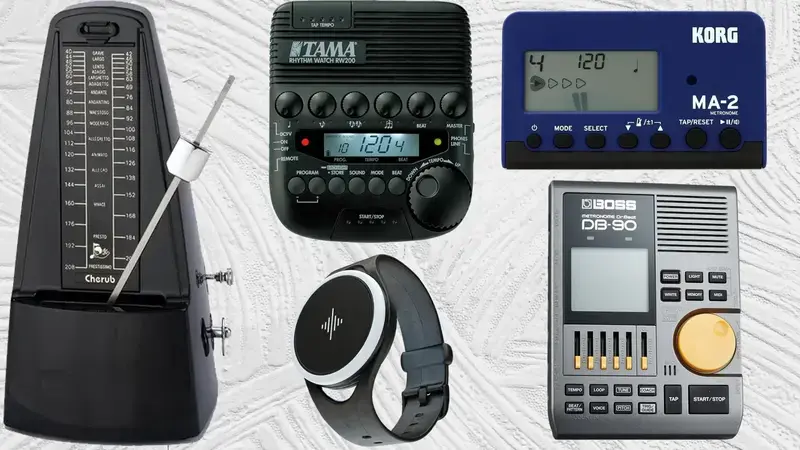
Best Overall Digital Metronome: The Boss DB-90 stands as the unrivaled benchmark against which all other digital metronomes are measured, delivering studio-grade timing accuracy in a rugged, feature-rich package that serious musicians have come to rely on for everything from basic practice to complex performance scenarios.
Read more


Best Budget Digital Metronome: The Korg MA-2 delivers remarkable performance at an accessible price point, offering precise timing and intuitive operation in a compact package that beginners and budget-conscious professionals alike will appreciate for its reliability and straightforward functionality.
Read more
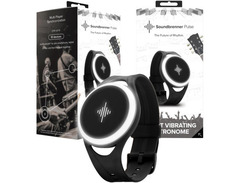
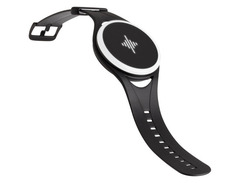
Best Wearable Metronome: The Soundbrenner Pulse reimagines the metronome concept entirely by replacing audible clicks with powerful vibration feedback, creating a wearable device that delivers precise timing information through tactile sensation rather than sound, perfect for ensemble settings and recording environments.
Read more
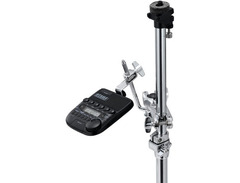
Best Metronome for Drummers: The Tama RW200 Rhythm Watch addresses the specific challenges drummers face with timing practice, combining exceptional volume output, programming flexibility, and roadworthy construction in a purpose-built device that has become standard equipment in percussion rehearsal spaces and professional drum setups worldwide.
Read more
Cherub WSM-330 Mechanical Metronome
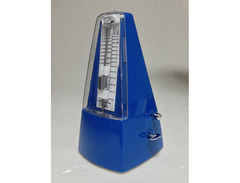
Best Mechanical Metronome: The Cherub WSM-330 revives the classic pendulum metronome design with improved modern construction, delivering the authentic visual rhythm and distinctive tick that generations of musicians have relied upon wrapped in an elegant wooden housing that enhances any practice space.
Read more


The humble metronome remains one of the most powerful tools in a musician's arsenal, yet it's often overlooked or underutilized. That consistent tick-tock isn't just background noise; it's the architectural framework upon which all musical precision is built. Whether you're a beginner struggling with timing or a seasoned performer preparing for a complex piece, the right metronome can transform your practice sessions and elevate your musical abilities.
The Foundation of Musical Precision
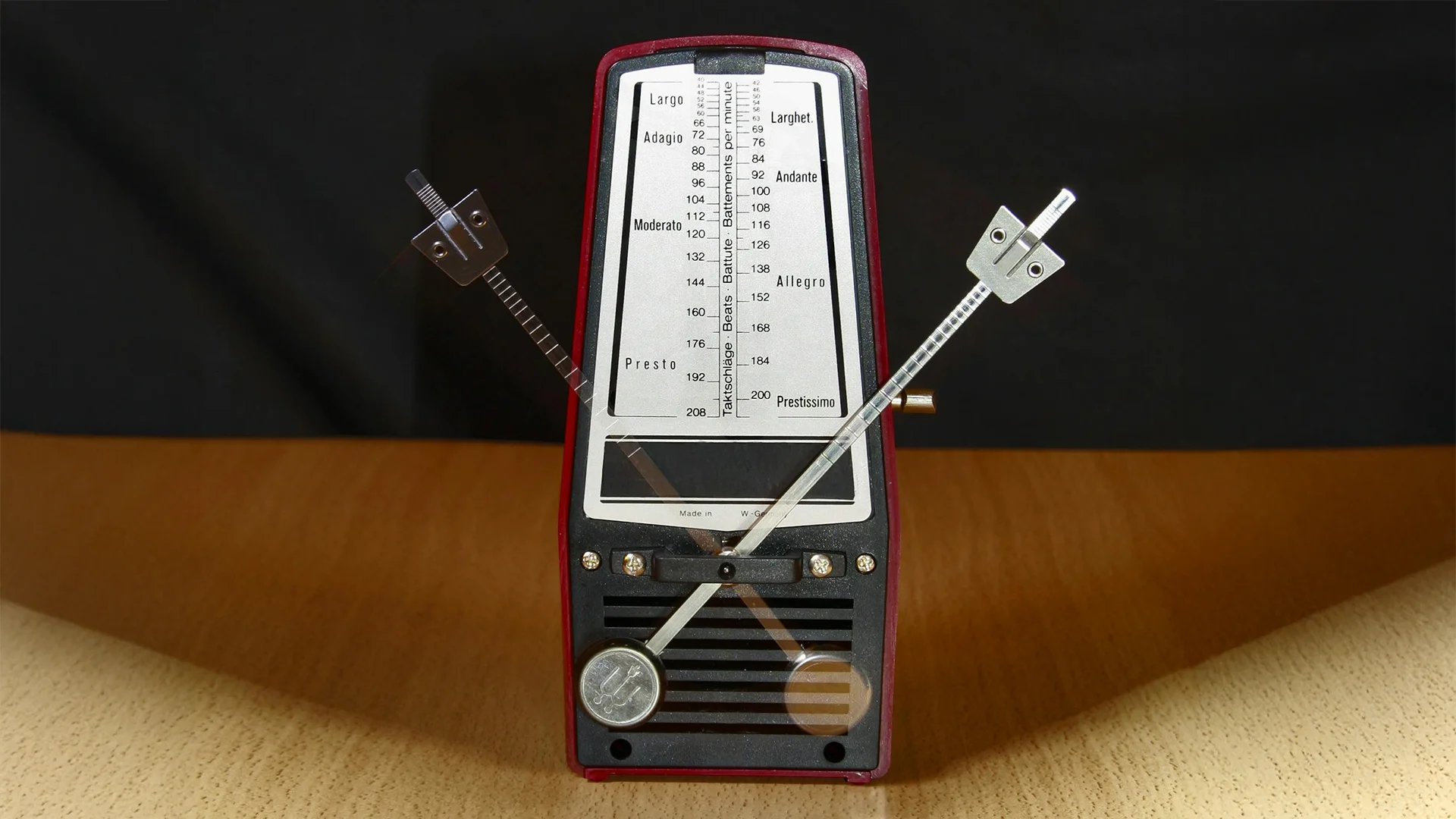
Every musician, regardless of skill level, benefits from regular metronome practice. Beginners develop a fundamental sense of timing and rhythm that becomes instinctual over time. Intermediate players use metronomes to master complex passages and gradually increase tempo. Professional musicians rely on metronomes to maintain impeccable timing during both practice and performance, especially when playing with others. The metronome serves as an objective reference point; it doesn't get tired, distracted, or emotional, making it the perfect practice companion.
Different Styles, Different Needs
The metronome requirements for a jazz pianist differ significantly from those of a metal drummer or classical violinist. Jazz musicians often need flexible subdivision options to practice swing rhythms and polyrhythms. Rock and metal drummers require loud, clear clicks that can be heard over their instruments and robust construction that withstands intense practice sessions. Classical musicians might prefer the traditional pendulum swing of mechanical metronomes for their visual feedback and nostalgic appeal. Understanding your specific needs is crucial when selecting the right tool for your musical journey.
Metronome Technology in 2025
Today's metronomes have evolved far beyond the simple pendulum devices of yesteryear. Modern options incorporate AI-assisted tempo training that analyzes your playing and suggests practice routines to improve specific weaknesses. Bluetooth connectivity allows metronomes to sync with digital audio workstations and other devices, creating seamless integration between practice and recording. Some wearable metronomes now utilize haptic feedback, allowing musicians to feel the beat rather than hear it; particularly useful in noisy environments or when recording. As we explore the best metronomes of 2025, you'll discover how these technological advancements can benefit your unique musical practice.
Types of Metronomes & Key Features to Consider
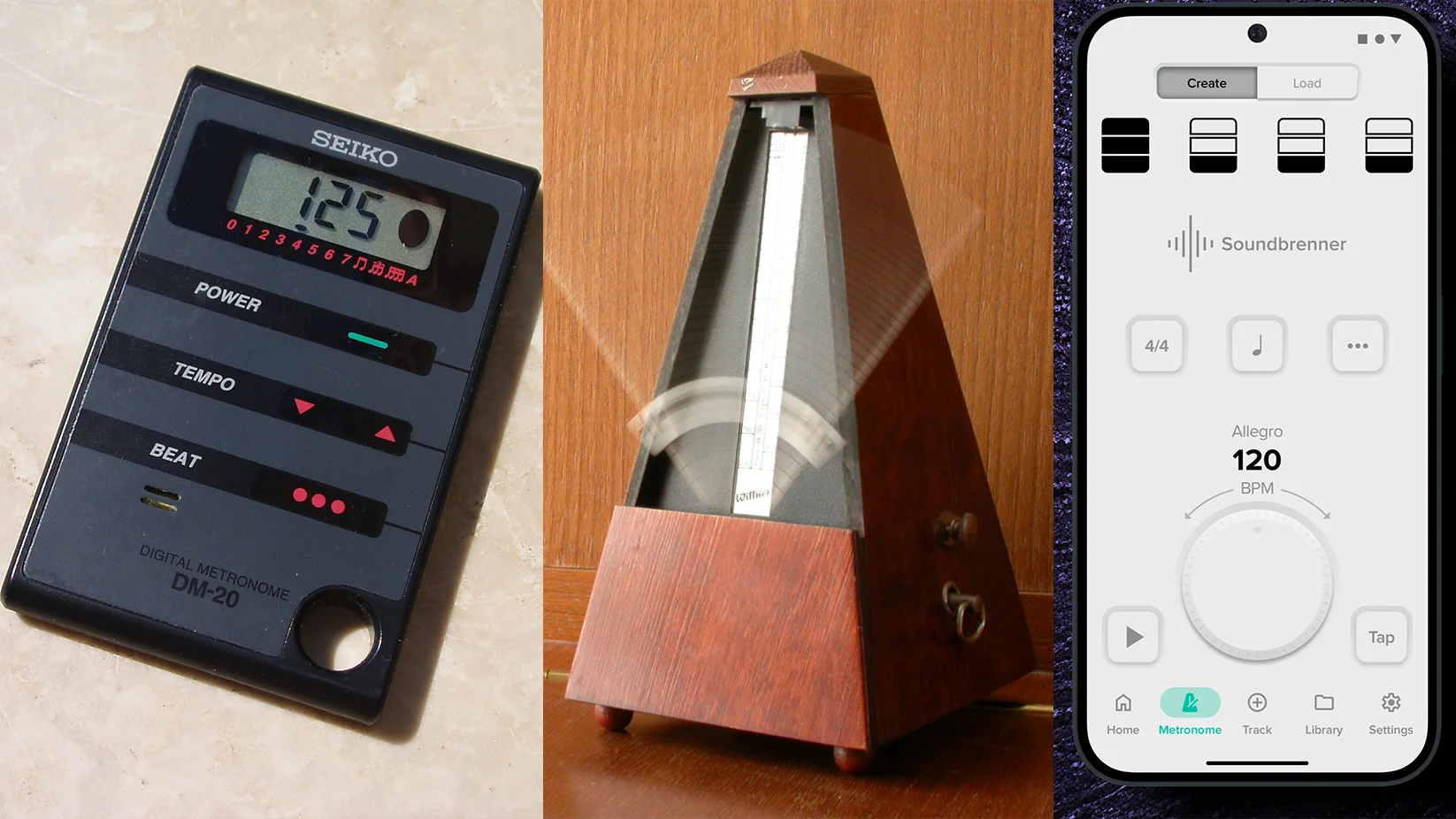
Finding the perfect metronome starts with understanding the different types available today. Each category offers unique advantages depending on your specific needs, practice environment, and musical goals. Consider how and where you'll use your metronome most frequently when deciding which type suits you best.
Mechanical (Analog) Metronomes
The classic pendulum metronome remains popular even in our digital age, and for good reason. These traditional devices produce rhythm through an actual swinging pendulum, creating both audible clicks and visual timing cues. The mechanical metronome's enduring appeal lies in its simplicity and reliability. Many musicians find the physical pendulum movement helps them internalize rhythm more effectively than digital alternatives. Without batteries or power requirements, these metronomes work anywhere and typically last for decades with minimal maintenance. Modern mechanical models like the Cherub WSM-330 combine traditional design with improved accuracy and durability.
Digital (Standalone) Metronomes
Digital metronomes offer precision and versatility that mechanical models simply can't match. These dedicated devices provide exact tempo settings (often down to 0.1 BPM), multiple sound options, and programmable rhythm patterns that help musicians master complex time signatures. Many include visual indicators through LED lights, making them useful in noisy environments. Premium models like the Boss DB-90 and budget-friendly options such as the Korg MA-2 include features like tap tempo, memory settings for different songs, and headphone outputs. Their compact size makes them ideal for musicians who travel frequently between practice spaces.
Metronome Apps & Software
Smartphone and tablet metronome applications have evolved from simple novelties into powerful practice tools. These apps leverage your device's processing power to deliver professional features at a fraction of the cost of standalone units. The best metronome apps now rival dedicated hardware in terms of accuracy and functionality. They often include visualization tools to help you see rhythm patterns, record and analyze your playing, and even generate practice exercises based on your performance. The Soundbrenner Metronome App exemplifies this category's potential, offering extensive customization options while maintaining an intuitive interface. The main drawbacks include battery drain on your device and occasional latency issues during other operations.
Hybrid Metronomes
Hybrid metronomes represent the cutting edge of timing technology, integrating with other musical equipment and digital audio workstations. These systems often include foot pedals, wearable components, or dedicated hardware that communicates with software platforms. Hybrid solutions excel in professional recording and performance environments where precise synchronization between multiple elements is essential. The Soundbrenner Pulse vibrating metronome represents this innovative approach, allowing musicians to feel rhythm through haptic feedback rather than hearing it. For drummers specifically, the Tama RW200 Rhythm Watch bridges the gap between traditional metronomes and modern technology, offering features designed for complex percussion timing. These systems typically require more setup time but provide unparalleled versatility for serious musicians.
Evaluating Your Metronome Options
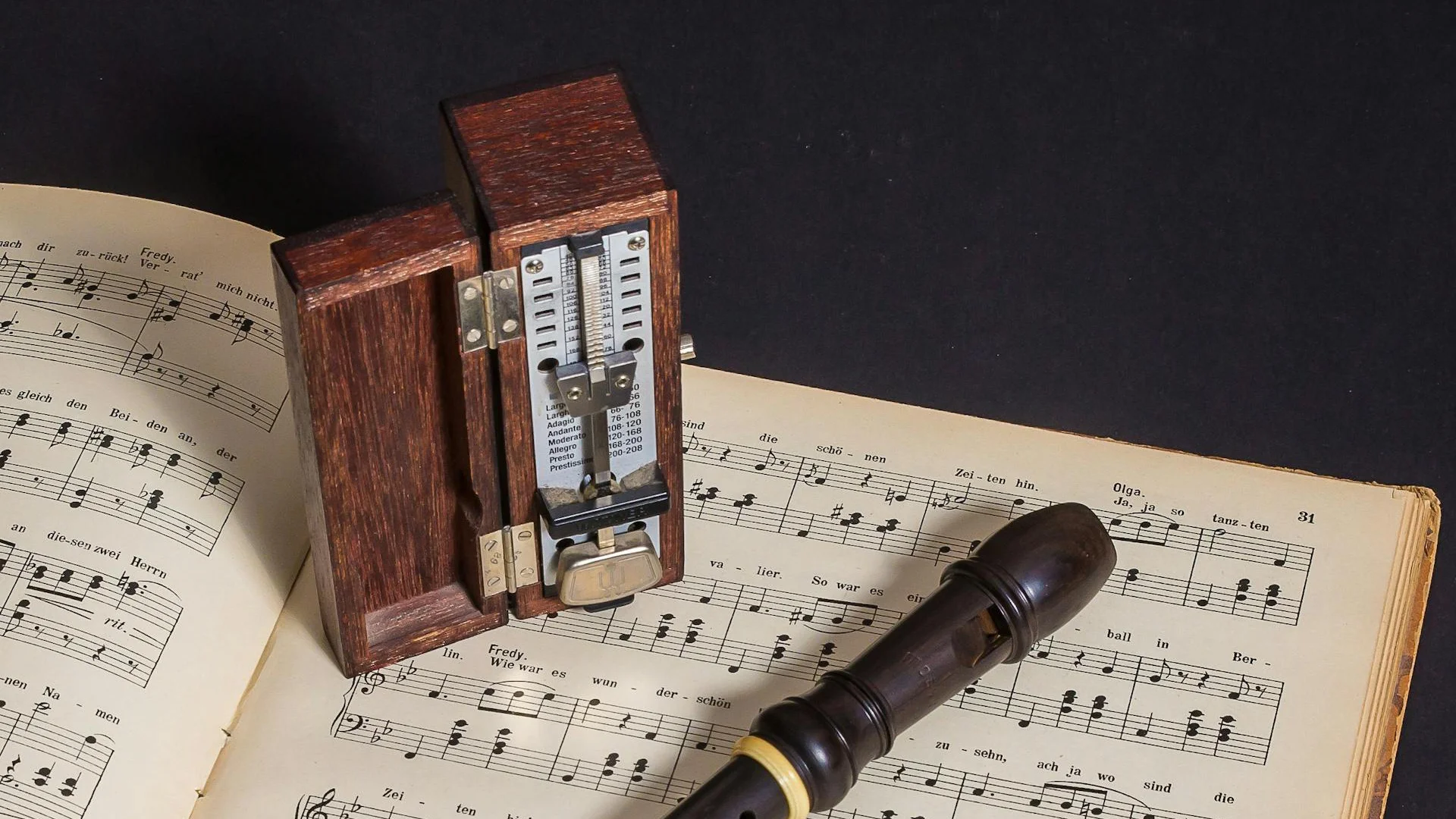
When selecting the perfect metronome, several key factors determine whether a device will enhance your musical practice or become an unused accessory. Understanding these critical elements will help you make an informed decision based on your specific needs rather than marketing claims or unnecessary features.
Accuracy & Response Time
A metronome's primary function is maintaining precise timing, making accuracy the most fundamental consideration. Professional-grade metronomes maintain tempo accuracy within 0.1%, ensuring consistent timing even during extended practice sessions. Digital options typically offer exceptional precision, while quality mechanical models provide reliable timing with proper maintenance. Equally important is response time—the interval between when you press a button and when the metronome adjusts. Imperceptible lag is crucial for musicians who frequently change tempos or need to match existing rhythms using tap tempo features. Poor response time creates frustration and interrupts creative flow, particularly during recording sessions or live performances.
Sound & Volume
The metronome's audibility in your specific practice environment significantly impacts its effectiveness. Drummers and percussionists require substantially louder output than classical guitarists or flutists. Beyond volume, sound quality and variety matter too. Superior metronomes offer multiple click sounds that cut through different musical textures and volume levels. Some musicians find woodblock or rimshot sounds more natural to follow than electronic beeps. Headphone outputs provide versatility for late-night practice sessions, while visual indicators supplement audio cues for musicians working in noisy environments or those with hearing impairments.
Customization
Modern musical composition frequently incorporates complex time signatures, polyrhythms, and tempo changes that basic metronomes struggle to accommodate. Advanced customization options transform an ordinary metronome into a sophisticated practice tool for tackling challenging musical passages. Essential features include subdivision settings (quarter notes, eighth notes, triplets), accent patterns to emphasize specific beats, and programmable rhythm sequences. The most versatile options allow for storing multiple patterns and creating setlists with automatic tempo transitions between sections. While app-based solutions often excel in customization, premium standalone units offer extensive programmability without requiring a separate device.
Durability & Build Quality
A metronome endures countless hours of use across various environments, from climate-controlled studios to humid rehearsal spaces and outdoor gigs. Construction quality directly impacts longevity and reliability. Look for robust casings, quality switches that won't fail after repeated use, and displays that remain visible in different lighting conditions. Mechanical metronomes require sturdy bases and precisely machined components to maintain accuracy. Digital units benefit from impact-resistant housing and recessed buttons that prevent accidental adjustments during transport. Budget models balance affordability with reasonable durability, while professional options typically use higher-grade materials designed for years of consistent performance.
Portability & Power Source
Your metronome's mobility requirements depend largely on whether you practice primarily in one location or across multiple venues. Compact digital models easily slip into instrument cases or gig bags, while larger units typically offer enhanced features at the expense of portability. Power source versatility proves equally important—mechanical metronomes need no electricity, while digital options rely on batteries or adapters. Long battery life prevents interruptions during critical practice sessions, especially when power outlets aren't readily available. Rechargeable models save money and reduce environmental impact but require advance planning to maintain sufficient charge. The weight difference between various options might seem insignificant initially but becomes noticeable when added to an already heavy instrument case or performance rig.
Best Metronomes of 2025
Finding the perfect metronome involves balancing technical specifications against practical usability for your specific musical context. We've rigorously evaluated dozens of current models, focusing on real-world performance rather than marketing claims. Our selections represent the pinnacle of metronome technology across different categories, with each recommendation addressing particular musician needs and playing scenarios. Whether you're seeking professional-grade precision, budget-friendly functionality, or innovative features for specialized applications, these standout options deliver exceptional timing solutions for contemporary musicians.
Boss DB-90 Metronome
The Definitive Standard in Professional Timing Precision

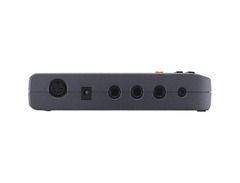








- Exceptionally loud and clear sound, suitable for various musical environments
- Highly accurate timing with no lag, ideal for synchronizing with other devices
- Compact design fits easily in a drumsticks case
- Versatile features including classical counting, speed trainer, and more
- See 6 more
- Consumes batteries quickly, especially with light on
- Does not include a power supply, adding to cost
- No native support for custom time signatures
- Settings reset when the battery is changed
- See 1 more
Superior Sound Delivery
The DB-90's audio output immediately distinguishes it from competitors with crystal-clear click sounds that cut through ambient noise without becoming harsh or fatiguing during extended sessions. The four distinct click tones (including drum patterns and human voice count) provide options that work across diverse musical contexts. Volume output reaches impressive levels without distortion, making this one of the few metronomes that drummers can actually hear during acoustic practice. The headphone jack delivers private monitoring with the same exceptional clarity as the internal speaker, while dedicated output jacks allow connection to external amplification systems or recording equipment.
Unmatched Customization Options
Where the DB-90 truly excels is its comprehensive rhythm programming capabilities. The built-in rhythm coach functions transform standard practice into structured improvement sessions with quantifiable feedback on your timing accuracy. The note-mixing function allows for complex polyrhythm creation, supporting everything from straightforward 4/4 patterns to intricate odd-time signatures and nested tuplets. Musicians working with tempo changes can program complete setlists with up to 50 distinct memory locations, each storing specific rhythm and tempo settings that can be recalled instantly during rehearsal or performance.
Professional Build Quality
The DB-90's construction quality reflects its professional-grade status with a sturdy metal back panel and reinforced casing that withstands the rigors of constant transportation. Control buttons maintain their responsiveness even after years of regular use, while the large, backlit LCD screen provides exceptional visibility in both bright daylight and dimly lit stages. The intuitive interface minimizes the learning curve despite the metronome's extensive feature set, with dedicated buttons for frequently accessed functions and a logical menu system for deeper customization.
Extended Functionality
Beyond basic timekeeping, the DB-90 incorporates several musician-focused features that enhance its practical value. The tap tempo function allows quick synchronization with existing music through finger tapping, while the adjustable reference tone generator provides precise pitches for tuning instruments. The MIDI input enables synchronization with external hardware and software, providing seamless integration with digital audio workstations and other electronic instruments. These thoughtful additions make the DB-90 significantly more versatile than simpler digital metronomes, justifying its position in professional setups.
See how artists use this



.jpg)





Korg MA-2 Metronome
5.0 (1)
Exceptional Affordability without Compromises

Streamlined Operation
The MA-2 exemplifies thoughtful design with its user-friendly interface that requires no manual consultation to master. The large, centrally positioned tempo dial allows for quick adjustments, while dedicated buttons provide immediate access to time signature and beat division settings. The multi-functional LCD screen displays all critical information at a glance, including tempo, beat pattern, and remaining battery life. This simplicity makes the MA-2 particularly suitable for younger students and those new to metronome practice, eliminating technical barriers that might otherwise discourage consistent use.
Practical Portability
Where the MA-2 truly shines is in its pocket-sized dimensions and lightweight construction that barely registers in a backpack or instrument case. Despite this compact form factor, the metronome produces remarkably loud and clear sound that projects effectively in medium-sized practice rooms. The folding design protects the controls and display during transport while serving as an integrated stand that improves sound projection and visibility when opened. The exceptional battery life—over 290 hours from two AAA batteries—means you'll rarely find yourself with a dead metronome before a critical practice session.
Essential Feature Set
Though marketed as an entry-level model, the MA-2 includes several features typically found in more expensive units. The tempo range spans from 30 to 252 BPM with adjustable beat divisions covering everything from straight quarter notes to complex triplet patterns. The tap tempo function works surprisingly well for quickly matching an existing rhythm or finding the right speed for a new piece. Memory settings allow storage of frequently used tempos, eliminating the need to reconfigure the device for regular practice pieces.
Thoughtful Extra Functions
Beyond basic metronome functionality, the MA-2 incorporates several practical additions that enhance its everyday utility. The built-in clock function turns the metronome into a practical timekeeper during practice sessions, while the adjustable calibration setting allows synchronization with other instruments or recordings that might not adhere to the standard A=440Hz tuning. The Sound Out function provides reference pitches across multiple octaves, adding basic tuning capability without requiring a separate device. These features represent significant value in a budget-conscious product without overcomplicating the core metronome functionality.
Soundbrenner Pulse
4.0 (4)
Revolutionary Tactile Timing

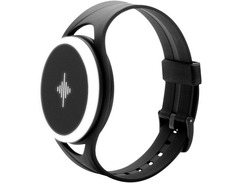
- Innovative vibration metronome concept helps focus without auditory distractions
- Excellent app integration with customizable vibration levels and tempo settings
- Syncs seamlessly with other devices via Bluetooth for group practice
- Tap tempo function is precise and easy to use
- See 6 more
- Requires the app for full functionality, contrary to some advertising claims
- Battery charging issues and lack of confidence in battery life
- Some users find vibration strength insufficient for high tempos
- Occasional connectivity issues with app and DAW software
- See 5 more
Innovative Haptic Technology
The Pulse's defining feature is its strong, customizable vibration engine that delivers timing information directly to your body rather than through your ears. This haptic approach proves particularly valuable when playing with others or in loud environments where traditional metronome clicks become inaudible. The adjustable vibration strength allows fine-tuning to personal preference and playing context, from gentle pulses during quiet practice to maximum intensity for high-volume performance situations. This physical connection to rhythm creates a uniquely immersive practice experience that many musicians find helps internalize complex timing more effectively than audio cues.
Versatile Wearing Options
Adaptability defines the Pulse's physical design, with multiple wearing configurations to accommodate different instruments and playing styles. The included strap allows the device to be worn on wrist, arm, leg, or even attached to clothing depending on which position provides the clearest tactile feedback for your specific instrument. The magnetic body design enables instant repositioning without removing straps or interrupting practice flow, while the comfortable materials prevent distraction during extended sessions. This flexibility makes the Pulse equally suitable for drummers, guitarists, brass players, and virtually any other instrumentalist seeking innovative timing solutions.
Comprehensive App Integration
The companion Soundbrenner app transforms your smartphone into a powerful control center for the Pulse, offering deep customization options that far exceed what dedicated physical buttons could provide. Through the intuitive interface, users can create complex polyrhythms, program tempo changes, and establish setlists with different settings for each piece. The multi-device synchronization feature enables simultaneous connection of up to five Pulse units, ensuring entire ensembles maintain perfect timing without audible clicks bleeding into microphones during recording. This software integration continually expands the device's capabilities through regular updates, effectively future-proofing your investment.
Extended Smart Features
Beyond basic metronome functionality, the Pulse incorporates several musician-centered smart features that enhance its practical value. The visual feedback system uses LED indicators to complement the vibration pulses, providing additional rhythmic cues when needed. The tap tempo function allows quick rhythm matching through simple tapping on the device's surface, while the DAW synchronization capability connects wirelessly with digital audio workstations for seamless timing integration with recording software. The rechargeable battery delivers approximately 5-6 hours of continuous use, sufficient for most practice sessions and performances with convenient USB charging between uses.


Tama Rhythm Watch RW200
Drummer-Focused Design & Durability

- Smooth tempo changes with dial during playback
- Dedicated tap tempo button for precise adjustments
- Stores up to 30 programmable presets
- Stage mode for automatic progression through programs
- See 6 more
- Sound quality not preferred for in-ear monitors
- Complex instructions make initial setup challenging
- Limited click sound options available
- Build quality concerns; may fail after extended use
- See 1 more
Uncompromising Volume Output
Created specifically for the percussive environment, the RW200 produces click sounds at volume levels that cut through even the loudest drum playing. This powerful output eliminates the common frustration drummers experience when standard metronomes become inaudible during energetic practice. The large internal speaker delivers clear, punchy clicks without distortion even at maximum volume settings, while the headphone output provides private practice options with the same impressive clarity. The distinct accent sounds create clear pattern recognition that helps drummers internalize complex rhythmic structures even during dynamic playing.
Purpose-Built Memory System
The RW200's standout feature is its intuitive memory functionality designed around real-world drumming applications. Eight dedicated memory buttons provide instant recall of specific tempos and patterns, eliminating disruptive programming during rehearsals or performances. The setlist capability allows drummers to program complete song sequences with precise tempo changes that follow actual performance requirements. This memory system proves particularly valuable for session drummers working across multiple projects or band members preparing for shows with varied material, reducing setup time and ensuring consistent performance tempos.
Drummer-Focused Features
Every aspect of the RW200's design reflects deep understanding of drummers' specific needs. The large, backlit display remains visible even in low-light stage conditions and from a distance when positioned on drum hardware. The quarter-note subdivision can be adjusted to eighth notes, sixteenth notes, triplets, and shuffle patterns with dedicated buttons for quick switching between rhythmic feels. The rim shot sound option produces a more natural click that many drummers find easier to follow than the electronic beeps found in general-purpose metronomes, creating a more intuitive practice experience.
Robust Construction
The RW200's physical design withstands the demanding environments drummers typically operate in, from humid practice rooms to dusty stages. The impact-resistant housing protects internal components from the inevitable bumps and vibrations of life around drums, while the recessed controls prevent accidental adjustments from drumsticks or other equipment. The substantial rubber feet keep the unit firmly planted on vibrating surfaces, preventing the common problem of metronomes "walking" off drum thrones or nearby equipment during energetic playing. The reliable battery life from four AA batteries provides approximately 25 hours of continuous use, with an optional AC adapter available for extended sessions or permanent installation.


Cherub WSM-330 Mechanical Metronome
Timeless Mechanical Precision

- Comes with a bell to mark the beginning of measures
- Sturdy design while maintaining a modern appearance
- Louder sound, ideal for louder instruments like piano
- Multiple time signature modes for varied practice
- See 3 more
- Made of plastic, which may not appeal to those seeking premium materials
- Appearance may not be as chic as some other metronomes
Authentic Mechanical Action
The WSM-330 produces its steady rhythm through genuine mechanical movement rather than electronic simulation, creating a distinct auditory and visual experience that many musicians find more engaging than digital alternatives. The weighted pendulum generates a satisfying wooden tick that registers clearly in quiet practice environments without becoming intrusive. The absence of electronic components means zero latency between beats, producing a natural, organic timing reference that some performers find easier to internalize. This traditional approach connects modern musicians to centuries of musical tradition while still providing reliable timing for contemporary practice needs.
Premium Construction Materials
Crafted from high-quality wood with precision-machined internal components, the WSM-330 exudes craftsmanship that digital devices simply cannot match. The pyramidal wooden case features a rich mahogany finish that develops character over time, while the gold-colored pendulum and accent pieces add subtle elegance. The substantial base provides exceptional stability during operation, preventing the walking or shifting that plagues lesser mechanical metronomes during higher tempo settings. This solid foundation ensures consistent timing even when placed on slightly uneven surfaces or when practicing in environments with minor vibrations.
Intuitive Tempo Adjustment
Setting the WSM-330 requires no technical knowledge or button combinations—simply moving the weight along the pendulum adjusts the tempo from 40 to 208 BPM in clearly marked increments. This direct mechanical connection between adjustment and outcome provides immediate tactile feedback that many musicians appreciate. The traditional tempo markings from Largo to Presto offer quick reference points for classical literature and standard repertoire, while numbered gradations allow for precise tempo matching when working from modern scores with specific BPM indications.
Practical Durability
Unlike electronic devices with limited lifespans, the WSM-330's mechanical design can potentially last for decades with minimal maintenance. The absence of batteries eliminates the frustration of power failure during critical practice sessions, while the lack of screens or digital displays means no pixels to burn out or electronic components to fail. The precision-engineered internal mechanisms maintain accurate timing through years of regular use, requiring only occasional winding of the spring mechanism. This exceptional longevity makes the WSM-330 a one-time investment rather than a recurring expense, appealing to musicians who value reliability and sustainability.
Seiko SQ50-V

- Comes with a 9V battery for immediate use
- Two distinctive tone options, woodblock-like sound
- Volume control allows for flexibility in various practice settings
- Loud enough to hear over multiple instruments
- See 6 more
- Limited to a single time signature without options for 2/4 or triplets
- Slightly expensive given its basic functionality
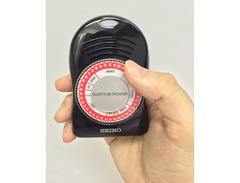
The Seiko SQ50-V Quartz Metronome combines minimalist simplicity with a rugged exterior. The most important thing to keep in mind with this metronome is that it’s intended to be a practice tool that doesn’t distract the musicians using it by being overly complicated. It’s intended to get you right into practicing, with minimal adjustments and/or tweaking necessary.
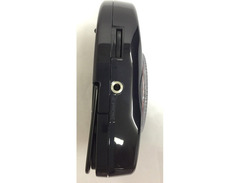
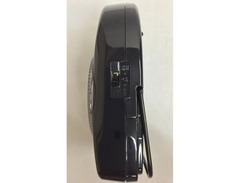
It has an onboard volume control so that you can get auditory feedback at a variety of different volumes, as well as a visual indicator in case that happens to be your preference. For louder instruments, like banjos or violins, the metronome also comes with a headphone jack. While the headphone jack is going to be helpful in some cases, it’s going to be a blessing for those around you. Practicing with a metronome is a bit like a musician’s equivalent of eating your vegetables, but while it’s incredibly helpful for your development with your instrument it can be a bit trying for those around you to listen to.
The metronome has two different sounds available, the trademark percussive tone you generally hear in a metronome as well as a digital beep. However, do keep in mind that you cannot set the metronome to have a different tone on the downbeats.
Lastly, the unit itself is pretty petite. It measure in at roughly 5” by 2”, which is going to be a nice feature if you plan on transporting it frequently. This is going to be especially handy if you live in a dorm and spend the majority of your practice sessions inside a communal practice room. The unit is powered by a standard 9-volt battery.
The device is very functional, though it emphasizes durability and accuracy over features. Your opinion on the metronome is largely going to depend on what exactly it is your looking for. Most musicians aren’t really going to need some of the more exotic features you find on more expensive metronomes because a standard rhythmically even tone is generally well suited to just about everyone’s needs, but with that being said if that is what you’re looking for you would probably be better off looking elsewhere.
The Seiko SQ50-V Quartz Metronome is a great option for any musician looking for a bare bones metronome that they can count on and easily transport.
KLIQ MetroPitch
5.0 (1)

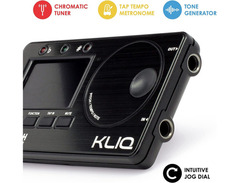
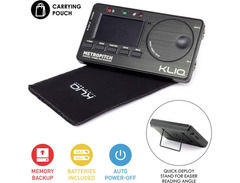
- Accurate tuner with quick and stable readings
- High-resolution LCD screen is bright and easy to read
- Supports wide frequency range (410-480 Hz) including 432 Hz tuning
- Built-in tone generator aids in ear and vocal training
- See 6 more
- Cannot tune electric guitars without an amp
- Embossed tempo chart on back is hard to read without magnification
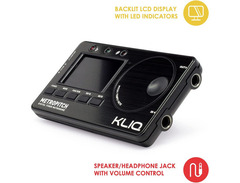
The KLIQ MetroPitch is a metronome and tuner hybrid which offers a pretty substantial amount of features and utility for the majority of musicians.
The key thing to note about this tuner is that it has an accuracy of +/- 1 cent, making it a great fit for situations where an accurate pitch is required. This is why it’s more expensive than say a Snark, because it requires extra power and a more careful design in order to guarantee this level of accuracy.
The tuning range of the product is between A0 and C8, which ensures that just about any instrument will be recognized with the tuner. It also comes with a “flat” tuning mode, allowing you to tune a guitar to a non-concert tuning. It also comes with four different tuning modes: Guitar, bass, violin, ukulele, and chromatic. The chromatic mode covers every instrument that doesn’t have a mode listed above, so while brass, woodwind, and different string instruments don’t have their own exclusive settings they can still be accurately tuned with this device.
The onboard metronome is also relatively flexible for a device of this price, allowing for fifteen different time signatures. The unit houses a built in speaker and an onboard volume control. The only thing to note in regards to the metronome is that it doesn’t have polyrhythm functionality, so you can only play one rhythm simultaneously.
Considering the features and price point there isn’t anything lacking with this tuner/metronome unit. Judging by the features it is a great value, combining a quality tuner and metronome for a price where it would be difficult to find a good example of either product (let alone one that combines great examples of both into one unit).
Lastly, this tuner also has a three year guarantee from the manufacturer. This is really impressive for an electronic in this price range, because it does a lot to show their faith in the accessories that they produce. Just keep in mind that the standard warranty limitations apply, so while it's covered for manufacturer error it’ll still be on you to replace should you choose to modify any of its components.
The KLIQ MetroPitch is a great bargain for any musician who needs both a reliable tuner and a powerful metronome. For the price you definitely can’t go wrong if accuracy is a primary concern, however for anyone who spends the majority of their time playing at home or jamming with friends there’s not going to be a huge difference in performance between this tuner and a cheaper Snark or Korg headstock tuner.
Korg TM-50

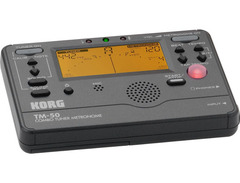
The Korg TM50BK Instrument Tuner and Metronome boasts an impressive amount of utility for any musician at a price that is easily justifiable for the vast majority of us.
The most notable thing about this metronome is that it produces an audible tone when the metronome function is used, as opposed to providing solely visual feedback. The important thing about this is that having auditory feedback helps to increase your sense of timing because once you learn to feel the various divisions of rhythm (triplets, eighth notes, quarter notes, etc.) it gives a feeling more similar to practicing with a band. The only flaw here is that the metronome uses a “beep” as opposed to the more standard percussive noise you generally find with a metronome. The device also has 15 rhythm variations housed within the unit, which increases its overall amount of flexibility.
The detection range of the tuner spans from C1 to C8, so odds are you’re going to be able to tune just about any instrument with this tuner. The device uses a backlit LCD display, which is great for outdoor applications. It still suffers from glare like any other screen, but not to the point where you’ll be unable to read the tuner.
An interesting feature of the Korg is TM-50 is that it features a “sound back” design. The sound back design allows you to play a tone in the same octave as what you’re trying to tune to. This helps to hone your sense of pitch because it allows you to practice matching a pitch by ear, which is incredibly valuable practice to any beginning musician.
The main flaw in this design is that it’s difficult to tune in noisy settings because the tuner uses a mic as opposed to picking up vibrations on a headstock (like what a Snark does). However, it’s just as accurate and rugged as any other tuner, and it’s also going to have a larger life span due to not utilizing watch batteries. For its price range it’s a quality option in both the features available and its durability.
Lastly, the tuner is also reported to have a longevity that surpasses that of the ever popular clip on design. There aren’t really any moving parts to be break, so you won’t have to worry it’s going to break if you throw it into a case or gig bag.
A great option for musicians looking for both a solid tuner and a powerful metronome, the Korg TM50 Instrument Tuner and Metronome is a great addition to any musicians collection of musical accessories. Just be sure to keep in mind that unlike tuners which read pitch based on vibration this tuner actually tunes via the sound outputted by your instrument, making it less ideal for noisy circumstances.

.jpg)
Bonus Option: Soundbrenner Metronome App
The Soundbrenner Metronome App delivers the ultimate convenience of transforming the smartphone already in your pocket into a professional-grade metronome, eliminating the need to carry additional hardware while offering timing accuracy and features that rival dedicated devices. The app's intuitive interface scales effortlessly from basic practice to complex performance scenarios, with standout features including multi-device synchronization for ensemble practice, AI-assisted rhythm detection that provides feedback on your timing accuracy, and visually striking animations that clearly indicate beats even in noisy environments.
The extensive library of pre-configured time signatures and rhythm patterns covers virtually every musical style, while the practical setlist function enables programming complete songs with automatic tempo transitions between sections. The visual metronome's color customization helps musicians with different learning preferences optimize their practice experience, and the seamless DAW integration capabilities synchronize timing with recording software for professional studio sessions without requiring additional equipment investment.
How to Get the Most Out of Your Metronome
Having the right metronome is just the first step. Knowing how to practice effectively with it can dramatically improve your timing and overall musicianship. These practical strategies will help you maximize the benefits of metronome practice regardless of which model you choose.
Start Slow, Build Gradually
The most effective metronome practice begins at a comfortable tempo where you can play with complete accuracy. Starting around 70% of your target tempo allows you to establish clean technique and precise rhythmic placement before adding speed. Choose a tempo where you can play consistently without struggling, then increase by small increments (3-5 BPM) only after achieving mastery at each level. This methodical approach builds both technical facility and timing security that remains stable when you eventually reach performance tempo.
Subdivide for Greater Precision
Experiment with your metronome's subdivision features to develop finer rhythmic control. Setting your metronome to eighth notes or sixteenth notes helps you place notes precisely between the clicks, improving your internal sense of subdivision. For more advanced practice, try setting your metronome to click only on certain beats of the measure, requiring you to maintain steady time across longer spans. Alternating between different subdivision patterns during your practice strengthens rhythmic independence and prepares you for real musical situations where timing must remain consistent despite changing contexts.
Master the Displacement Challenge
Consider practicing with the metronome clicks on offbeats rather than downbeats. This approach forces your brain to work harder at maintaining consistent time. Begin by setting your metronome to sound on beats 2 and 4 while you emphasize beats 1 and 3. As your skills develop, experiment with even more challenging displacements, like positioning the click on the "and" of each beat. These exercises strengthen your internal clock by requiring you to precisely place downbeats without external confirmation, resulting in improved timing when you return to conventional settings.
Record and Evaluate
Regular recording and assessment provide valuable feedback about your timing accuracy. Record yourself playing with a metronome, then listen for how consistently your notes align with the clicks. This objective feedback often reveals timing issues that aren't apparent during actual playing when your focus is divided between many aspects of performance. Identify patterns where you tend to rush or drag relative to the metronome, then target those areas for focused practice. Comparing recordings from different practice sessions also documents your rhythmic development, providing both motivation and direction for future work.
Frequently Asked Questions
How accurate are smartphone metronome apps compared to dedicated devices?
High-quality metronome apps now approach the timing accuracy of dedicated hardware. While budget smartphones might experience occasional latency issues, newer devices with updated hardware and software typically maintain timing precision within 1-2 milliseconds—a difference imperceptible to most musicians. Professional recording situations might still benefit from dedicated hardware, but for practice and most performance scenarios, premium metronome apps offer comparable accuracy with added convenience.
Can I use a metronome while recording?
Yes, but with some considerations. For solo recording, a silent visual metronome or vibrating metronome like the Soundbrenner Pulse works well without bleeding into microphones. When recording with other musicians, in-ear metronomes provide timing reference without appearing in the final mix. Many professional studios use distributed click systems where each musician receives the metronome signal through headphones while recording. Digital audio workstations also allow you to record with a metronome that's automatically muted in the final output.
Are mechanical metronomes less accurate than digital ones?
Quality mechanical metronomes like the Cherub WSM-330 can maintain consistent timing when properly calibrated, but they do have inherent limitations compared to digital models. Environmental factors like temperature changes and surface levelness affect mechanical timing more significantly. Digital metronomes like the Boss DB-90 typically offer precision within 0.1% of the designated tempo, while well-maintained mechanical models might vary by 1-2%. However, many musicians value the organic feel and visual component of mechanical metronomes despite these minor accuracy differences.
How can I use a metronome to improve my sense of groove, not just technical timing?
Developing groove requires practicing with the metronome in ways that enhance feel rather than just metronomic precision. Try setting your metronome to half-tempo (clicking only on beats 1 and 3, or 2 and 4) to develop a more relaxed relationship with the pulse. Work with swing settings to internalize different feels. Record yourself playing simple patterns against the click, focusing on consistency and where you place notes relative to the beat - slightly ahead for urgency or slightly behind for a more relaxed feel. Remember that great groove comes from consistent, intentional note placement, not just mathematical precision.
Choosing the Right Metronome for You
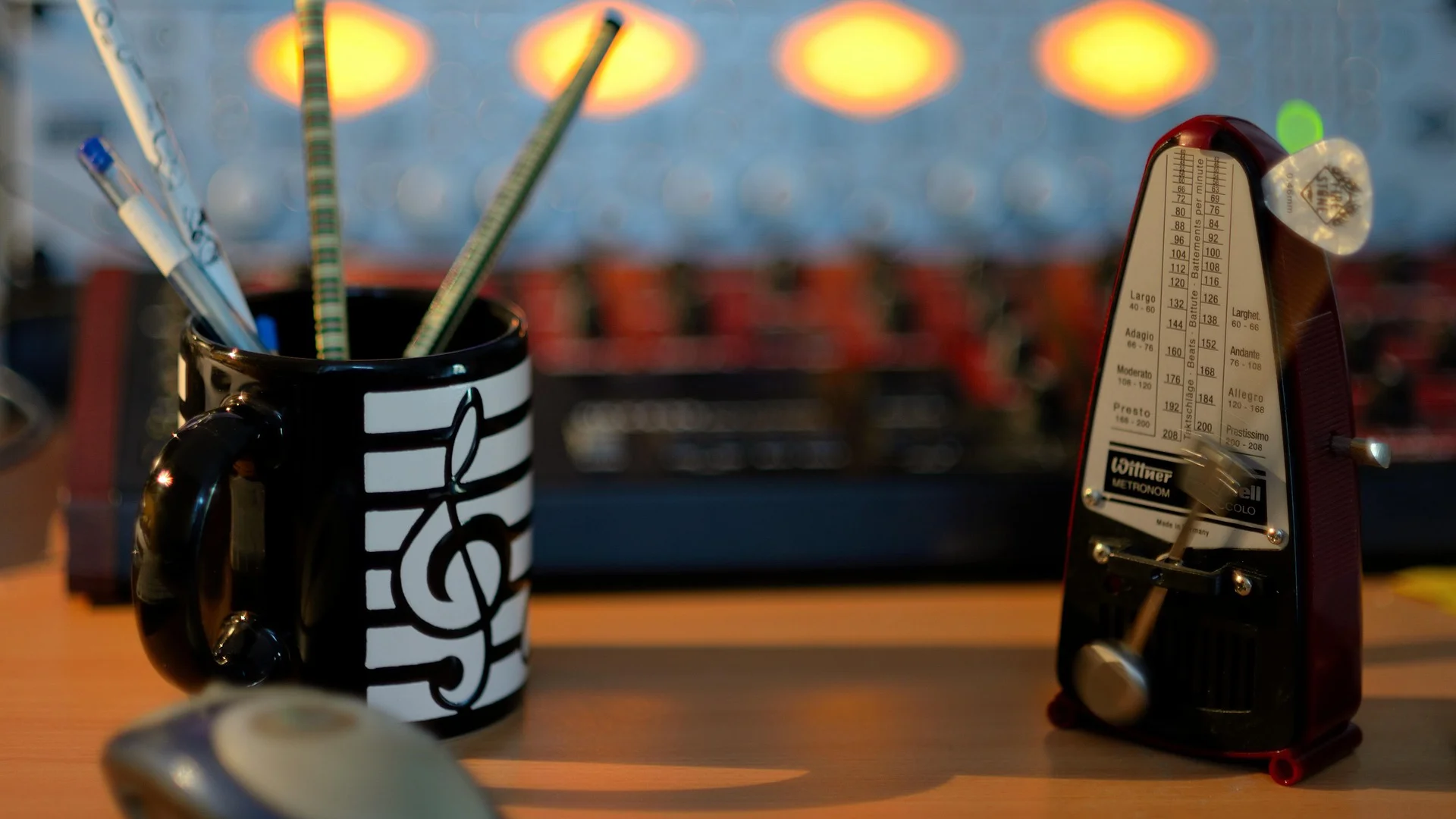
Finding the perfect metronome is less about chasing fancy features and more about matching the right tool to your musical journey. Your ideal metronome should feel like a natural extension of your practice routine, not a technical hurdle to overcome before you can make music. While the Boss DB-90 offers unparalleled professional features and the Soundbrenner Pulse reimagines timing through innovation, the humble Korg MA-2 might be exactly what you need to develop rock-solid timing without complication.
Instrument-Specific Recommendations
Your instrument naturally influences which metronome will serve you best. Drummers benefit from the powerful volume and specialized features of the Tama RW200 Rhythm Watch, while classical pianists might connect more deeply with the visual pendulum swing and authentic tick of the Cherub WSM-330. Guitarists recording at home might find the silent operation and DAW synchronization of the Soundbrenner Metronome App perfectly suited to their creative workflow. Listen to your specific needs rather than automatically reaching for the most expensive or feature-laden option.
Investing in Your Musical Journey
Ultimately, the best metronome is the one you'll actually use consistently. Steady practice with even the simplest metronome yields better results than sporadic sessions with the most advanced model. Your metronome should be a trusted companion in the pursuit of rhythmic mastery - reliable enough to fade into the background of your consciousness while transforming your sense of time from within. Choose a device that speaks to your musical personality, fits seamlessly into your practice routine, and inspires you to return to it day after day.
Top Ranked Metronomes on Equipboard


About the authors
Mason is a freelance music gear writer that contributes to Equipboard, Reverb, TuneCore, Music Aficionado, and more. He plays the guitar and mandolin and resides in Wyoming. Read more
S. Jino is an accomplished multi-instrumentalist and music producer based in Kolkata, India, distinguished by his self-taught mastery and unique blend of technical acumen and musical performance. His extensive experience was forged through hands-on dedication, starting with the full restoration of a broken guitar. Jino's capabilities span keyboards, pedals, and advanced digital production, reflecting a comprehensive skill set developed independently. As a significant contributor to the music scene, Jino regularly performs with worship bands and college ensembles. He has also established himself as a reliable and authoritative professional in freelance mixing, mastering, and original music creation. Inspired by the innovative sounds of Brian May and David Gilmour, and influenced by Kolkata's vibrant metal community, Jino is committed to the intricate art of vintage gear restoration and the continuous exploration of music and technology fusion. His current professional setup, featuring a meticulously restored nameless guitar, a Fender Player Strat, and a Boss Katana 50. Read more
New in Metronomes

$47.00 - $59.99
in Metronomes Rank


$183.00 - $354.00
in Metronomes Rank






.webp)