
Table of Contents

Equipboard
Equipboard is the world's largest community of artists and their gear. Read our review process.
We are reader-supported. When you buy through links on our site, we may earn an affiliate commission. Learn more.
Our Picks

Gotoh MG Magnum Lock Locking Tuners
*Best Overall Performance: *The Gotoh MG Magnum Lock delivers Japanese engineering excellence with uncompromising attention to detail. This locking tuner system represents the gold standard for professional-grade performance and reliability.
Read more


Grover Keystone Rotomatics 18:1 Ratio Locking Tuners
Best Locking Traditional Design: Grover Keystone Rotomatics 18:1 Ratio Locking Tuners combine iconic American heritage with modern locking convenience. These tuners deliver the classic Rotomatic reliability with enhanced precision and contemporary functionality that professionals demand.
Read more


Schaller M6 135 Locking Tuners
Most Innovative Design: The Schaller M6 135 locking tuners revolutionize locking concepts with their internal clamping system. German precision engineering creates the cleanest aesthetic while delivering rock-solid performance that satisfies both form and function perfectionists.
Read more
Best Aesthetic Solution: Sperzel Trim-Lok tuners solve locking tuners' biggest visual complaint with ingenious string trimming technology. These tuners deliver professional performance while maintaining the clean headstock appearance that discerning players demand.
Read more
Hipshot Grip-Lock™ Closed Guitar Tuning Machines
Most User-Friendly Design: Hipshot Grip-Lock tuners eliminate the complexity from locking technology with automatic engagement systems. These tuners provide locking benefits without changing traditional stringing techniques, perfect for players seeking modern performance with familiar operation.
Read more

Nothing kills the magic of playing guitar faster than tuning pegs that refuse to cooperate. The frustration builds as you constantly reach for the tuning pegs, interrupting your flow and killing the musical moment. If this sounds familiar, your tuning machines might be the culprit.
Many guitarists overlook tuners when considering upgrades, focusing instead on pickups, bridges, or electronics. However, guitar tuning machines affect far more than just staying in tune. They influence how quickly you can change strings, the overall balance of your instrument, and even your guitar's sustain and resonance. A wobbly tuning post or poorly designed gear mechanism can create dead spots and unwanted vibrations that rob your tone of clarity.
The beauty of upgrading your tuners lies in the immediate improvement you'll notice. Unlike some modifications that require an ear for subtle differences, better tuning machines deliver obvious benefits: rock-solid tuning stability, smoother operation, and faster string changes. For the investment, few upgrades provide such a dramatic transformation in playability and reliability.
Whether you're dealing with vintage tuners that have seen better days or budget hardware that came with your guitar, understanding how to choose the right replacement tuners will revolutionize your playing experience.
Anatomy of a Tuning Machine Head
Every tuner consists of several key components working together to provide smooth, accurate tuning adjustments.
The Tuning Post
The tuning post is the metal shaft that extends through your headstock, holding the string. This component directly contacts your strings and headstock, making its quality crucial for both tuning stability and tone transfer. Higher-quality posts feature smoother surfaces and tighter tolerances, reducing string binding and improving tuning accuracy.
The post's diameter varies between manufacturers, typically ranging from 8.5mm to 10mm. Some posts include features like staggered heights to improve string angle or locking mechanisms that clamp strings in place. The material composition also matters, with brass, steel, and chrome-plated options each offering different tonal characteristics and durability.
Worm Gear Mechanism

Inside the housing, a worm gear translates the rotation of your tuning button into precise post movement. This mechanism determines your tuner's gear ratio, typically expressed as numbers like 18:1 or 12:1. The first number represents how many turns of the button create one full rotation of the post.
Higher gear ratios like 18:1 provide more precise tuning control but require more button turns to make large pitch changes. Lower ratios like 12:1 allow faster tuning adjustments but sacrifice some fine-tuning precision. The gear quality directly impacts smoothness and longevity, with machined gears outperforming pressed or cast alternatives.
Button and Housing
The tuning button is what you actually grip and turn when adjusting pitch. Beyond aesthetics, button design affects functionality. Larger buttons provide better grip and leverage, while smaller ones reduce weight and visual bulk. Some feature knurled edges for improved grip, especially beneficial during live performances.
The housing protects the internal mechanism and mounts to your headstock. Open-gear designs expose the worm gear, offering vintage aesthetics and lighter weight but providing less protection from dust and moisture. Sealed housings fully enclose the mechanism, improving durability and requiring less maintenance.
Mounting Hardware
The mounting system varies significantly between tuner types. Traditional designs use wood screws that attach the housing directly to the headstock back. Press-fit systems rely on tight tolerances between the post and headstock hole. Some vintage-style tuners use bushings and separate washers for a classic appearance.
Core Concepts: Tuner Terminology Explained

Before diving into specific tuner types, mastering key terminology helps you navigate product descriptions and make informed comparisons. These concepts directly impact how tuners perform and which options suit your playing style.
Gear Ratio Breakdown
Gear ratio represents the mechanical advantage built into each tuner. An 18:1 ratio means turning the button 18 times creates one complete post rotation. This higher ratio provides exceptional fine-tuning control, making it easier to dial in perfect pitch without overshooting.
However, 18:1 tuners require more turning when making large pitch adjustments, such as alternate tuning changes or string installation. Players who frequently retune might prefer 14:1 or 12:1 ratios for faster operation, accepting slightly less precision for improved speed.
The gear ratio also affects how much force transfers to the string during tuning. Higher ratios reduce the risk of breaking strings during installation, as smaller button movements translate to gentler string tension changes. This characteristic makes high-ratio tuners particularly valuable for delicate strings or vintage instruments.
Configuration Styles
Guitar tuner configuration refers to how the six tuners arrange on your headstock. The two primary layouts serve different guitar designs and aesthetic preferences.
3+3 configuration places three tuners on each side of the headstock, commonly found on Gibson-style guitars, acoustics, and many hollow-body instruments. This arrangement provides balanced weight distribution and maintains the traditional appearance many players prefer. The symmetrical layout also allows for straight string pull from the nut to each tuning post.
6-in-line configuration mounts all six tuners on the headstock's bass side, characteristic of Fender instruments and many modern designs. This layout simplifies manufacturing and can improve tuning stability by eliminating the need for string trees on higher strings. However, it creates asymmetrical weight distribution that some players find affects the guitar's balance.
Mounting Style Considerations
Understanding mounting styles prevents costly mistakes when ordering replacement tuners. Each system requires specific measurements and installation techniques.
Screw-in mounting uses wood screws to secure the tuner housing to the headstock back. This traditional method works well for solid headstocks but requires precise screw hole alignment. The advantage lies in adjustability during installation and easy removal for maintenance.
Press-fit mounting relies on tight tolerances between the tuning post and headstock hole. These systems eliminate visible screws for a cleaner appearance but demand exact measurements. Press-fit tuners can be difficult to remove and may require professional installation to avoid headstock damage.
Vintage bushing systems use separate bushings that press into the headstock hole, with the tuner post passing through. This design allows for easy tuner removal while maintaining a period-correct appearance. However, worn bushings can create tuning instability and may require replacement over time.
Types of Tuners: Pros and Cons

The tuner market offers several distinct categories, each designed for specific applications and player preferences. Understanding these differences helps you select tuners that complement your instrument and playing style.
| Tuner Type | Description & Features | Pros | Cons | Best For |
|---|---|---|---|---|
| Open-Gear | Exposed worm gear mechanism with classic vintage appearance. Lightweight construction with visible internal components for easy maintenance access. | • Authentic vintage aesthetics • Lighter weight • Easy lubrication access • Reduced neck dive • Classic tuning feel |
• Less protection from elements • Requires more maintenance • Quality varies significantly • Vulnerable to debris |
Vintage guitars, acoustic instruments, restoration projects, players prioritizing authenticity |
| Sealed-Gear | Fully enclosed mechanism within protective housing. Modern standard featuring lifetime lubrication and consistent operation. | • Superior durability • Weather resistant • Low maintenance • Consistent performance • Professional reliability |
• Heavier construction • Modern appearance only • Higher cost • Cannot service internally |
Modern electrics, touring musicians, all-weather use, professional applications |
| Locking | Internal clamping mechanism secures strings without multiple wraps. Features thumbwheel, lever, or integrated locking system. | • Superior tuning stability • Lightning-fast string changes • Consistent string placement • Eliminates wrapping guesswork • Excellent for tremolo use |
• Premium pricing • Added weight • More complex mechanism • Some prefer traditional feel |
Tremolo guitars, frequent retuning, professional use, aggressive playing styles |
| Vintage-Style | Recreation of historical tuner designs with split posts, period-appropriate materials, and authentic appearance details. | • Period-correct authenticity • Split-post convenience • Collector appeal • Restoration accuracy • Vintage tuning experience |
• Lower precision • Reduced stability • Limited gear ratios • Less durable materials |
Restoration projects, vintage reissues, collectors, historical accuracy requirements |
| Staggered-Post | Variable post heights designed to optimize string angles on 6-in-line headstocks. Eliminates need for string trees. | • Improved string angles • Enhanced sustain • Cleaner headstock appearance • Eliminates string trees • Better tone transfer |
• Requires precise measurement • Limited compatibility • Higher cost • May need routing modifications |
6-in-line headstocks, modern aesthetics, players seeking optimal string geometry |
This comprehensive comparison helps you understand how each tuner type addresses different player needs and guitar applications. The key is matching the tuner's strengths to your specific requirements while considering any limitations that might affect your playing experience.
Finding the Right Tuners for Your Guitar

Selecting appropriate replacement tuners involves more than choosing features you like. Your guitar's construction, your playing style, and practical considerations all influence which tuners will work best and provide the improvements you're seeking.
Guitar Type Considerations
Electric guitars generally offer the most flexibility for tuner upgrades. Solid headstocks can accommodate various mounting styles, and the reduced acoustic properties mean weight changes have minimal tonal impact. Most electric instruments benefit from locking tuners or high-quality sealed-gear options that prioritize stability and convenience.
Single-coil equipped guitars might benefit from tuners with better electromagnetic shielding to reduce interference. Some premium tuners feature special alloys or coatings that minimize interaction with magnetic pickups, preserving your tone's clarity and reducing unwanted noise.
Acoustic guitars require more careful consideration since tuner weight directly affects the instrument's acoustic properties. Heavy tuners can dampen the headstock's resonance, potentially reducing sustain and altering the guitar's natural voice. Many acoustic players prefer lighter open-gear tuners that maintain the instrument's acoustic integrity while providing adequate stability.
The headstock thickness on acoustic guitars also varies more than electrics, requiring precise measurement before ordering. Some acoustic designs use press-fit mounting that demands exact post diameter matching to avoid loose fits or installation damage.
Bass guitars face unique challenges due to the higher string tensions and longer scale lengths involved. Heavy-duty tuners with robust gear mechanisms and sturdy construction are essential for maintaining tuning stability under the increased stress. Many bass tuners feature larger gear ratios to provide the fine control needed for accurate intonation with thick strings.
The weight consideration becomes more critical with basses, as heavy tuners can create significant neck dive issues. Balancing tuner quality with reasonable weight requires careful evaluation of each option's specifications and your instrument's existing balance characteristics.
Playing Style Matching
Aggressive players who employ heavy picking, aggressive bending, and high-energy techniques need tuners that can maintain stability under stress. Locking tuners excel in these applications, providing mechanical string retention that doesn't rely solely on friction and tension.
Players who use tremolo systems benefit greatly from locking tuners, as the rapid tension changes created by whammy bar use can cause traditional tuners to slip. The positive string retention prevents the gradual detuning that plagues many tremolo-equipped instruments.
Precision players who frequently work in recording environments or perform complex fingerstyle arrangements often prefer high gear ratio tuners that enable exact pitch control. The ability to make microscopic tuning adjustments becomes crucial when working with sensitive microphones or alongside other instruments that demand perfect intonation.
Gigging musicians face different priorities than home players. Reliability and quick operation become paramount when changing strings between sets or making quick tuning adjustments in low-light conditions. Features like large, easy-to-grip buttons and smooth operation matter more than ultimate precision for many working players.
Budget Planning
Entry-level tuners typically range from $30 to $60 for a complete set and can provide substantial improvements over factory hardware on budget instruments. These options usually feature basic sealed-gear mechanisms with reasonable quality control and adequate performance for casual players.
However, extremely cheap tuners often create more problems than they solve. Poor tolerances, rough operation, and premature failure make ultra-budget options a false economy that can damage your instrument or leave you stranded during performances.
Mid-range tuners between $80 and $150 represent the sweet spot for most players. This price range includes quality sealed-gear options from reputable manufacturers, basic locking tuners, and premium open-gear designs. The performance improvements justify the investment for serious players, while the prices remain accessible for most budgets.
Premium tuners above $150 offer exotic materials, exceptional precision, innovative features, and lifetime warranties. These options suit professional players, vintage instrument owners, and enthusiasts who want the absolute best performance. The marginal improvements over mid-range options may not justify the cost for casual players, but professionals often consider them essential.
Critical Measurements
Before ordering any tuners, accurate measurement prevents costly mistakes and ensures proper fit. Start by measuring your current tuning post diameter using calipers or a drill bit set. Standard sizes include 8.5mm, 9mm, and 10mm, with some vintage instruments using Imperial measurements.
The headstock hole spacing varies between manufacturers and models. Measure the center-to-center distance between adjacent tuning posts, as even small variations can prevent proper installation. Some replacement tuners offer adjustable spacing or drilling templates to accommodate slight variations.
Headstock thickness affects which tuners will fit properly and function correctly. Measure from the front face to the back, including any finish thickness. Tuners designed for thin headstocks won't work properly on thick ones, and vice versa. Some manufacturers offer different post lengths for various headstock thicknesses.
The mounting screw patterns require careful documentation if your current tuners use screw-in mounting. Measure the screw hole spacing and depth to ensure replacement tuners will align properly. Mismatched screw holes require plugging and re-drilling, adding complexity and potential for mistakes.
Reputable Brands & Recommendations
The tuning machine market includes several manufacturers with proven track records of quality, innovation, and reliability. These detailed reviews examine specific models that represent the best each brand offers, helping you understand what makes certain tuners worth the investment.
Gotoh MG Magnum Lock Locking Tuners
4.0 (1)
The Precision Perfection Machine






- Fool-proof self-locking mechanism, no need for a separate locking knob
- Lightweight design compared to traditional locking tuners
- Easy installation process for quick upgrades
- Solid tuning action with excellent tuning stability
- See 6 more
- Attaching screws may break if not pre-drilled properly
- Poorly translated instructions can cause confusion during installation
- Shorter shafts may not suit all guitar headstocks
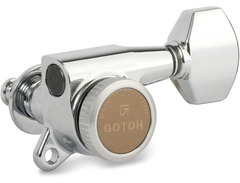
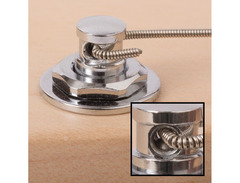
The Gotoh MG Magnum Lock is the benchmark against which all other locking tuners are measured, combining decades of Japanese precision manufacturing with innovative design philosophy. The unique thumbwheel locking mechanism operates with surgical precision, requiring minimal force while providing absolutely secure string retention that withstands even the most aggressive playing techniques. The 16:1 gear ratio strikes the perfect balance between fine-tuning control and reasonable adjustment speed, allowing for microscopic pitch adjustments without the tedious turning that higher ratios sometimes require.
What sets the MG Magnum Lock apart is their exceptional build quality and attention to detail. The internal components feature precision-machined brass and steel construction with tolerances measured in thousandths of an inch, resulting in silky-smooth operation that remains consistent throughout the tuner's lifetime. The housing design incorporates multiple sealed bearings that eliminate play and backlash while maintaining effortless operation. Professional guitarists consistently praise the MG's ability to hold tuning through extreme temperature changes, humidity variations, and the physical stress of touring environments.
The installation process reveals another layer of thoughtful engineering. Unlike many locking tuners that require specific post hole sizes, the MG Magnum Lock accommodates standard 10mm holes while providing multiple mounting options for different headstock configurations. The included hardware maintains the same quality standards as the tuners themselves, with precision-threaded components that install smoothly without requiring excessive force or risking headstock damage. The distinctive oval buttons provide excellent grip while maintaining the elegant aesthetic that Gotoh is known for.
Grover Keystone Rotomatics 18:1 Ratio Locking Tuners
The American Classic Powerhouse

The Grover Keystone Rotomatics 18:1 Ratio Locking Tuners represent the evolution of American tuning machine excellence, merging the legendary Rotomatic reputation with cutting-edge locking technology and ultra-precise gear ratios. The distinctive kidney-shaped buttons maintain the classic aesthetic that has graced legendary instruments for decades, while the integrated locking mechanism provides the superior string retention that modern players require. The impressive 18:1 gear ratio offers exceptional fine-tuning control, making these tuners ideal for professional recording environments and precision intonation work.
The locking system demonstrates Grover's thoughtful approach to modernizing their classic design. The thumbwheel mechanism integrates seamlessly into the traditional Rotomatic housing, providing positive string retention without compromising the timeless appearance that makes these tuners instantly recognizable. The locking engagement requires minimal force while providing rock-solid holding power that maintains tuning stability through aggressive playing techniques, temperature changes, and the rigors of professional use.
Keystone Rotomatics feature enhanced internal components that justify their premium positioning within Grover's lineup. The sealed-gear mechanism incorporates hardened steel components with precision bronze bushings, creating smooth operation that improves with use as components properly mate together. The high 18:1 gear ratio provides unprecedented control over pitch adjustments, allowing for microscopic tuning changes that satisfy the most demanding recording and performance applications. Quality control standards ensure consistent performance across production runs, with each tuner receiving individual inspection before packaging.


Schaller M6 135 Locking Tuners
4.5 (3)
The German Engineering Marvel

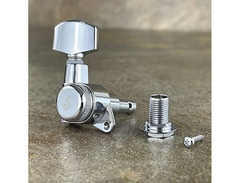
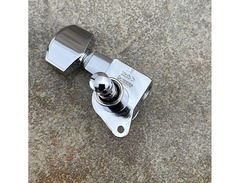

The Schaller M6 135 locking tuners represent a paradigm shift in locking tuner design, addressing every aesthetic and functional complaint that traditionalists have raised about locking systems. The revolutionary internal locking mechanism operates completely within the tuner housing, eliminating the external thumbwheels, levers, and clamps that characterize conventional locking tuners. This design breakthrough allows the M6 135 to maintain the clean, uncluttered appearance of traditional tuners while providing all the functional advantages of string locking technology.
The engineering sophistication becomes apparent during installation and use. The locking mechanism engages automatically as strings are wound, using a precisely calibrated spring system that applies optimal clamping pressure without requiring player input or adjustment. This intelligent design eliminates the possibility of over-tightening or under-tightening the locking mechanism, issues that can plague other locking systems and lead to string breakage or slippage. The 16:1 gear ratio provides exceptional fine-tuning capability while maintaining reasonable adjustment speed for practical use.
Schaller's attention to materials science sets the M6 135 apart from conventional alternatives. The housing construction utilizes specially formulated aluminum alloys that provide maximum strength while minimizing weight, addressing the common criticism that locking tuners add excessive mass to the headstock. The internal components feature multiple grades of hardened steel, each optimized for its specific function within the mechanism. Surface treatments include multiple layers of protective coatings that resist corrosion, wear, and the chemical reactions that can occur between different metals in humid environments. The 135-degree mounting angle provides optimal string geometry for many guitar headstock designs.


Sperzel Locking Tuners
5.0 (11)
The Clean Machine Revolution

- Lightweight design makes handling and installation easy
- Facilitates quick string changes, even during performances
- Exceptional tuning stability enhances performance reliability
- High-quality build ensures durability and longevity
- See 5 more
- None
The Sperzel Trim-Lok system addresses the primary aesthetic objection to locking tuners through brilliant mechanical innovation that eliminates unsightly string ends while maintaining superior holding power. The patented trimming mechanism allows players to insert strings through the post, engage the lock, and then cleanly cut the excess string length flush with the tuning button. This process creates a professional appearance that rivals traditional tuners while providing all the functional advantages of locking technology.
The locking mechanism itself demonstrates Sperzel's commitment to simplicity and reliability. Unlike complex systems that require multiple steps or precise adjustments, the Trim-Lok engages with a simple quarter-turn of the integrated thumbwheel. The clamping force distributes evenly across the string's surface area, preventing the stress concentrations that can cause premature string failure. Professional players particularly appreciate the consistent string placement that results from the locking system, as it eliminates the variables introduced by different wrapping techniques and string gauges.
Build quality reflects American manufacturing standards with attention to detail that satisfies professional requirements. The 12:1 gear ratio provides smooth operation with enough precision for professional applications while maintaining the quick adjustment capability that working musicians need during performances. The sealed mechanism protects internal components from environmental contamination while maintaining smooth operation across temperature and humidity extremes. Chrome plating receives multiple layers of protection that resist corrosion and maintain appearance through years of heavy use.
Quality control standards ensure consistent performance across production runs, with each tuner receiving individual inspection and adjustment before packaging. This attention to detail results in tuners that install easily, operate smoothly from the first use, and maintain their performance characteristics throughout their service life.
See how artists use this

.jpg)





Hipshot Grip-Lock™ Closed Guitar Tuning Machines
5.0 (2)
The Innovative Problem Solver

The Hipshot Grip-Lock takes the most intuitive approach to locking tuner design, automatically engaging the string retention mechanism as players wind strings in the traditional manner. This eliminates the learning curve and technique changes required by other locking systems while providing superior string retention that surpasses conventional tuners. The automatic engagement system uses a precisely calibrated spring mechanism that applies optimal clamping pressure as string tension increases, creating a fail-safe system that prevents both under-clamping and over-clamping scenarios.
The engineering philosophy prioritizes practical functionality over complex mechanisms, resulting in a system that works reliably without requiring user adjustment or maintenance. The grip mechanism uses multiple contact points to distribute clamping forces evenly across the string surface, preventing the stress concentrations that can cause string breakage. This design proves particularly valuable for players who use different string gauges or frequently change between standard and alternate tunings, as the automatic system adapts to various string characteristics without manual adjustment.
Construction quality meets professional standards with materials selected for durability and performance rather than cost considerations. The 15:1 gear ratio provides excellent balance between precision and speed, allowing for quick adjustments during performance while maintaining the control necessary for precise intonation work. The sealed housing protects internal components while providing smooth operation that remains consistent through temperature and humidity variations. Staggered post options address string angle optimization on 6-in-line headstocks, eliminating string trees while improving sustain and tuning stability through better string geometry.
Tuner Type Comparison Guide

| Tuner Type | Best For | Price Range | Key Benefits | Considerations |
|---|---|---|---|---|
| Open-Gear | Vintage guitars, acoustic instruments, weight-conscious builds | $40-120 | Lightweight, vintage aesthetics, easy maintenance | Less protection from elements, requires more care |
| Sealed-Gear | Modern electrics, gigging musicians, all-weather use | $50-150 | Durability, consistent performance, low maintenance | Heavier weight, modern appearance only |
| Locking | Tremolo guitars, frequent retuning, professional use | $120-300 | Superior stability, fast string changes, consistent placement | Higher cost, added weight, more complex mechanism |
| Vintage-Style | Restoration projects, period-correct builds, collectors | $60-200 | Authentic appearance, period accuracy, split-post convenience | Lower precision, reduced stability, limited gear ratios |
| Staggered-Post | 6-in-line headstocks, string tree elimination, modern aesthetics | $80-180 | Improved string angles, cleaner appearance, better sustain | Requires precise measurement, limited compatibility, higher cost |
Installation Considerations
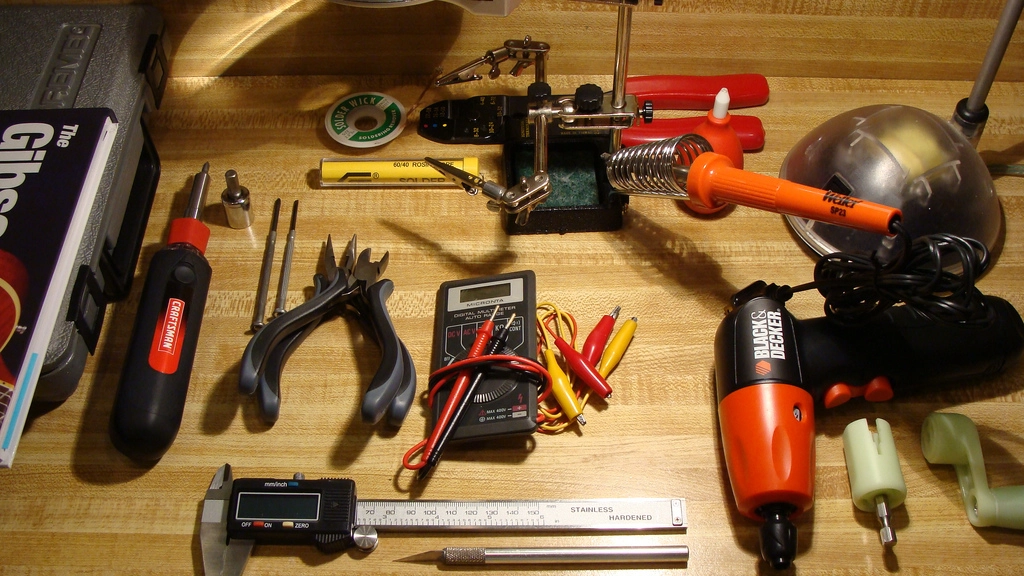
Successfully installing new tuners requires careful planning, proper tools, and attention to detail. While the process isn't exceptionally complex, small mistakes can damage your instrument or result in poor performance from otherwise excellent tuners.
Preparation and Planning
Start by documenting your current setup with photographs and measurements before removing anything. This documentation proves invaluable if you encounter problems or need to reference the original configuration. Pay particular attention to string spacing, post heights, and any shims or modifications.
Remove strings completely before beginning work, as attempting to work around tensioned strings creates safety hazards and prevents proper access to mounting hardware. Clean the headstock thoroughly, removing any accumulated dirt or finish damage around the existing tuners.
Check your new tuners against your measurements one final time before beginning installation. Verify that post diameters match your headstock holes and that mounting screw patterns align correctly.
Tools and Techniques
Quality tools make installation easier and reduce the risk of damage. A good set of screwdrivers with properly fitting tips prevents screw head damage and provides better control during installation. Phillips head screws are particularly sensitive to driver fit, as mismatched tools can strip heads or slip during removal.
Reamers or tapered drill bits may be necessary if your headstock holes are slightly undersized for the new tuners. Work slowly and check fit frequently, as it's easy to remove too much material. Some players prefer to take their guitar to a qualified technician for any drilling operations to avoid irreversible mistakes.
String winders speed the initial string installation process, but don't rely on them for final tuning. The mechanical advantage they provide can easily overtighten strings or stress the new tuners during break-in. Hand tuning provides better feel and control during the critical initial setup period.
Professional vs. DIY Installation
Simple drop-in replacements that use identical mounting patterns and post sizes can usually be handled by players with basic mechanical skills. These installations typically involve just removing screws, swapping tuners, and reinstalling hardware.
However, installations requiring headstock modifications should generally be left to qualified guitar technicians or luthiers. Drilling operations, bushing replacement, and screw hole repairs can permanently damage your instrument if performed incorrectly.
Consider your instrument's value when deciding between DIY and professional installation. Expensive or vintage guitars justify professional work, while budget instruments might not warrant the additional expense. Your own skill level and tool availability also factor into this decision.
Maintenance and Longevity

Proper maintenance extends tuner life and maintains optimal performance throughout your instrument's service life. Quality tuners can last decades with appropriate care, making them one of the most durable upgrades you can make to your guitar.
Routine Care
Regular cleaning prevents dirt and grime from affecting tuner operation. Use a soft cloth to wipe down tuning buttons and visible surfaces after each playing session, particularly if you have sweaty hands or play in dusty environments.
Avoid using harsh chemicals or abrasive cleaners on your tuners, as these can damage finishes and affect the lubricants inside sealed mechanisms. Mild soap solutions work well for stubborn dirt, but ensure all residue is removed and the tuners are completely dry before storage.
Open-gear tuners require more attention than sealed alternatives, as their exposed mechanisms can collect debris. Gentle brushing with a soft toothbrush removes accumulated dust and dirt from gear teeth. Some players apply small amounts of specialized gear lubricants to maintain smooth operation, but avoid over-lubrication which can attract more dirt.
Troubleshooting Common Issues
Rough or binding operation often indicates contamination in the gear mechanism. For sealed tuners, this usually means the internal lubricants have degraded or foreign material has entered the housing. While some sealed tuners can be disassembled for cleaning, others require replacement when this occurs.
Excessive backlash or play in the tuning mechanism suggests worn gears or loose mounting hardware. Check all mounting screws for tightness, as vibration can gradually loosen connections. If the play persists after tightening, the internal mechanism may be worn beyond repair.
Slipping tuners that won't hold tension typically indicate worn gear teeth, inadequate lubrication, or improper string installation. Verify that strings are wound correctly with adequate wraps around the post. If the problem persists with proper stringing technique, the tuner mechanism may need professional attention or replacement.
Conclusion: The Final Check

Upgrading your guitar tuning machines represents one of the most practical and immediately noticeable improvements you can make to any instrument. Unlike some modifications that require trained ears to appreciate, better tuners deliver obvious benefits that enhance every aspect of your playing experience.
The key to successful tuner selection lies in understanding your specific needs and your guitar's requirements. Know your instrument's measurements, learn the terminology that matters, and choose quality brands with proven track records. Whether you prioritize locking convenience, vintage aesthetics, or simply reliable basic performance, the modern market offers excellent options for every application and budget.
Remember that tuners are a long-term investment in your instrument's performance and your playing satisfaction. Quality tuners can outlast several guitar setups and continue providing smooth, reliable operation for decades. The initial investment pays dividends every time you pick up your guitar and find it still perfectly in tune.
Take the time to measure carefully, research thoroughly, and choose wisely. Your future self will thank you every time you avoid the frustration of a guitar that won't stay in tune, struggle through a difficult string change, or deal with rough, binding tuners that fight you instead of helping you make music.
With the right tuners properly installed, your guitar becomes more reliable, more enjoyable to play, and ready for whatever musical challenges you throw at it.
Top Ranked Tuning Machine Heads on Equipboard


$48.00 - $99.99
5.0 (1)
5.0 (1)


$99.99 - $129.99
5.0 (6)
5.0 (6)

About the authors

S. Jino is an accomplished multi-instrumentalist and music producer based in Kolkata, India, distinguished by his self-taught mastery and unique blend of technical acumen and musical performance. His extensive experience was forged through hands-on dedication, starting with the full restoration of a broken guitar. Jino's capabilities span keyboards, pedals, and advanced digital production, reflecting a comprehensive skill set developed independently. As a significant contributor to the music scene, Jino regularly performs with worship bands and college ensembles. He has also established himself as a reliable and authoritative professional in freelance mixing, mastering, and original music creation. Inspired by the innovative sounds of Brian May and David Gilmour, and influenced by Kolkata's vibrant metal community, Jino is committed to the intricate art of vintage gear restoration and the continuous exploration of music and technology fusion. His current professional setup, featuring a meticulously restored nameless guitar, a Fender Player Strat, and a Boss Katana 50. Read more
















.webp)
