Table of Contents

Equipboard
Equipboard is the world's largest community of artists and their gear. Read our review process.
We are reader-supported. When you buy through links on our site, we may earn an affiliate commission. Learn more.
Our Picks

Rupert Neve Designs RNHP Precision Headphone Amplifier
Best Overall: This legendary amplifier sets the standard for transparency and musicality, delivering studio-grade performance in a compact form factor. The RNHP's exceptional dynamic range and vanishingly low distortion make it the reference point against which other headphone amplifiers are measured.
Read more


AudioQuest DragonFly Cobalt USB Digital-to-Analog Converter
Best Portable Option: This thumb-sized marvel transforms any computer or smartphone into a high-fidelity listening station, delivering astonishing performance from a device smaller than a standard USB drive. The DragonFly Cobalt represents the pinnacle of portable audio engineering, offering convenience without compromise.
Read more

iFi audio iCAN Phantom Analog Headphone Amplifier
Premium Tube Option: This hybrid amplifier delivers the harmonic richness of tubes combined with the control and power of solid-state designs. The Phantom represents the perfect marriage of vintage warmth and modern precision, offering a listening experience that captivates both the analytical and emotional aspects of music appreciation.
Read more
Best Budget Option: This robust distribution amplifier solves the eternal studio challenge of providing clean, independent headphone feeds to multiple listeners simultaneously. The HA43's professional-grade construction and transparent sound reproduction make it indispensable for collaborative recording sessions and group monitoring applications.
Read more
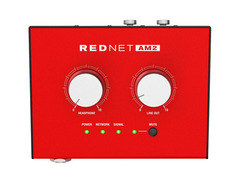
Best Professional Integration: This forward-thinking headphone solution bridges professional audio networking and personal monitoring, offering studio-quality conversion and amplification accessible via networked audio systems. The AM2 represents the future of professional monitoring, combining flexibility, convenience, and uncompromising sound quality.
Read more
Best Studio Reference: This specialized monitoring solution fills a crucial niche for audio professionals requiring absolute transparency and precision in critical listening applications. The Monotor's exceptional technical performance and thoughtful features make it the reference choice for mastering engineers and audio professionals where accuracy is non-negotiable.
Read more

Mackie HM-400 4 Channel Headphone Amplifier
Best for Group Sessions: This feature-packed distribution amplifier revolutionizes group monitoring scenarios with its balance of professional features, robust construction, and exceptional value. The HM-400 delivers essential functionality for recording studios, rehearsal spaces, and educational environments where multiple listeners require independent monitoring control.
Read moreThe journey toward audio excellence often leads to a crucial yet frequently overlooked component: the headphone amplifier. These specialized devices serve as the vital bridge between your audio source and headphones, delivering the necessary power and refinement that standard outputs simply cannot provide. The modern headphone amp market has reached new heights of innovation, offering unprecedented options for every listener profile. From pocket-sized portable solutions to premium desktop centerpieces, today's amplifiers cater to diverse needs while incorporating cutting-edge technology.
Our comprehensive guide spotlights the most exceptional headphone amps available this year, carefully evaluated based on sound quality, power delivery, versatility, build quality, and value. Whether you're an audiophile seeking sonic perfection, a musician requiring precise monitoring, or simply someone looking to elevate your daily listening experience, our curated selection includes options that will transform how you experience your favorite music.
What to Consider When Choosing a Headphone Amp
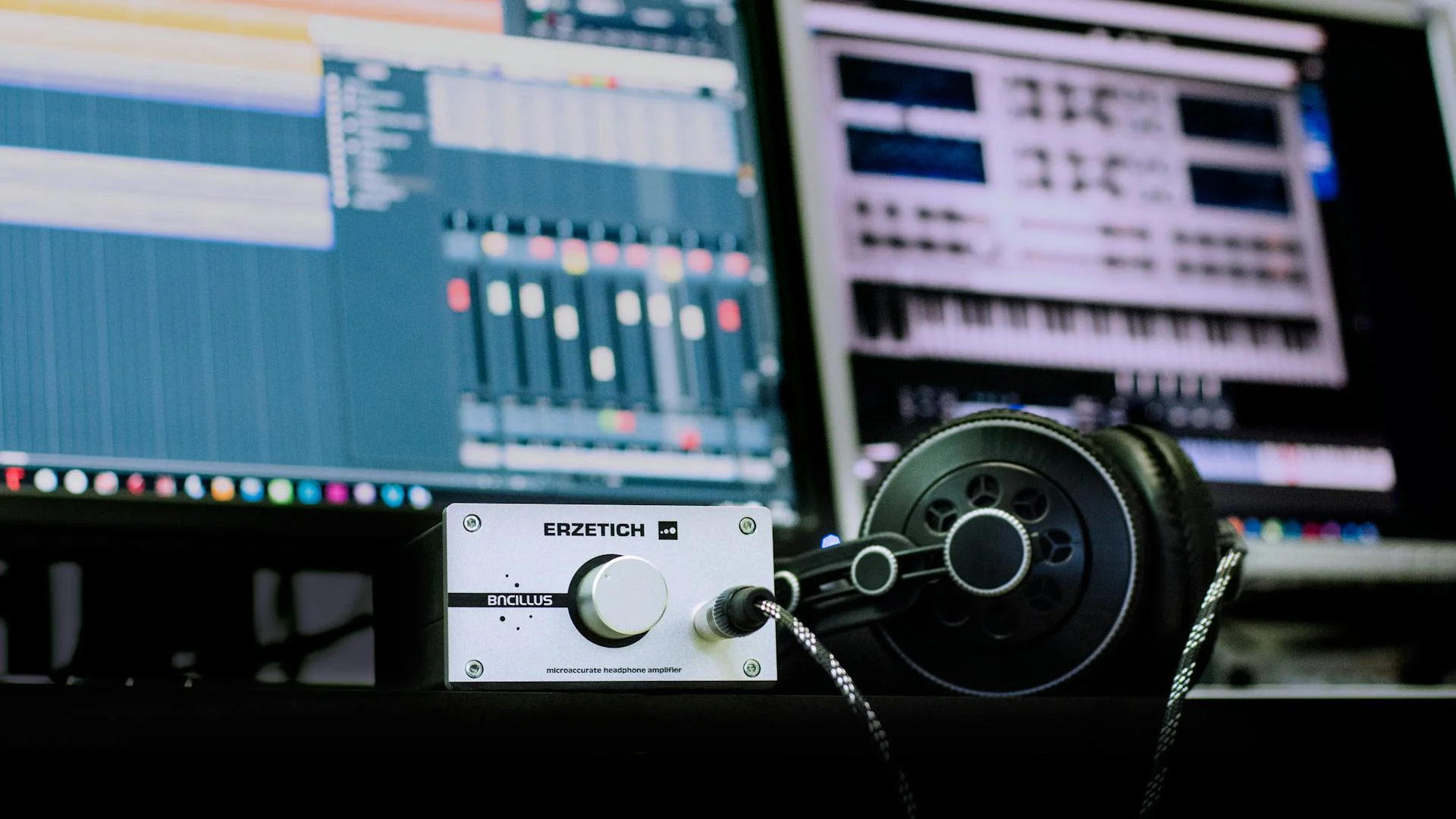
Before diving into our top picks, it's essential to understand the key factors that should guide your headphone amplifier purchase decision. The right amplifier can dramatically enhance your listening experience, while the wrong choice might leave you wondering why you bothered upgrading at all.
Impedance Matching and Power Output
Perhaps the most critical technical consideration when selecting a headphone amp is ensuring proper impedance matching. Headphones with higher impedance ratings (typically 150-600 ohms) require significantly more power to achieve optimal volume and performance compared to lower impedance models (16-32 ohms).
Inadequate power leads to underwhelming volume, anemic bass response, and compressed dynamics. Conversely, too much power can damage lower-impedance headphones. Check your headphones' specifications and select an amplifier that can comfortably drive them. Most manufacturers list recommended headphone impedance ranges for their amplifiers.
Power output, measured in milliwatts (mW), indicates how much energy the amp can deliver. For high-impedance audiophile headphones, look for amplifiers offering at least 100mW at your headphones' specific impedance. For power-hungry planar magnetic headphones, higher power outputs (250mW+) are often beneficial even at lower impedance ratings.
DAC Integration vs. Standalone Amps
When building your audio chain, you'll encounter both standalone amplifiers and combination DAC/amp units. A Digital-to-Analog Converter (DAC) transforms digital audio signals into analog signals that your amplifier and headphones can work with.
Standalone Amplifier Advantages
Standalone amplifiers make perfect sense when you already own a high-quality DAC and want to maximize its potential. They're also ideal if you use primarily analog sources like turntables or tape decks. Many audiophiles prefer standalone units for their maximum flexibility, allowing individual components to be upgraded separately as budget permits. Finally, dedicated amplifiers often deliver the absolute highest performance in the amplification stage, with designs focused exclusively on this crucial function.
DAC/Amp Combination Benefits
DAC/amp combinations offer their own set of compelling advantages. They provide a simplified, space-saving setup perfect for desktops with limited room. These integrated units work exceptionally well if you primarily use digital sources like computers, phones, or network streamers. Their all-in-one nature makes them particularly suited for portable solutions where minimizing size and weight matters. Many users also appreciate their cost-effectiveness, as combination units often represent better value than buying separate components of equivalent quality.
Portability vs. Desktop Use
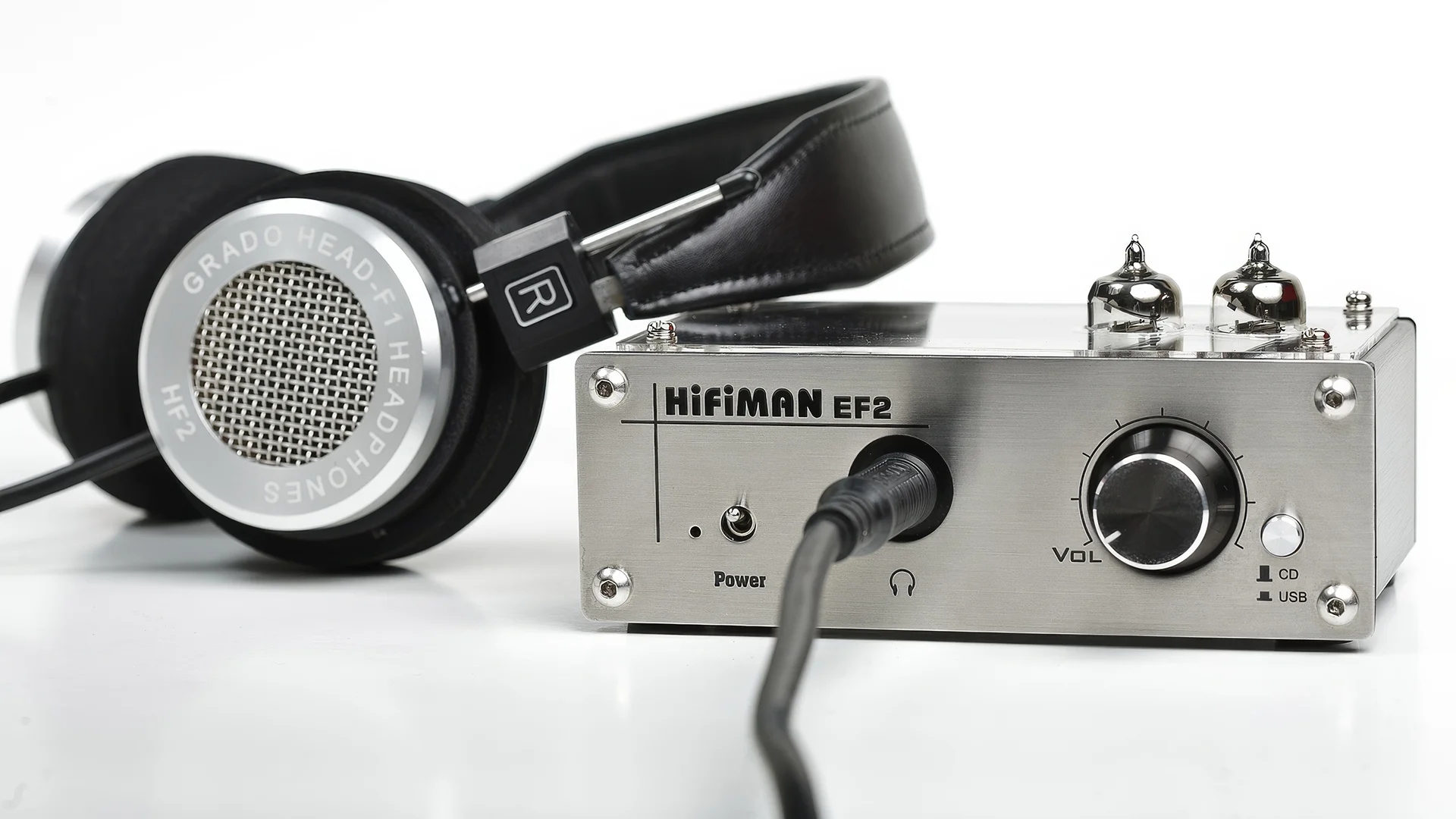
Your usage scenario significantly impacts which amplifier category best serves your needs. Desktop amplifiers typically offer:
- Greater power output
- More connection options
- Superior sound quality potential
- Expanded feature sets
- Less concern about battery life
Portable amplifiers prioritize:
- Compact dimensions
- Battery operation
- Simplified controls
- Durability for travel
- Direct connection to mobile devices
Balanced vs. Unbalanced Outputs
Higher-end headphone amplifiers often feature balanced outputs alongside traditional unbalanced connections. Balanced connections utilize separate ground paths for left and right channels, potentially offering:
- Improved channel separation
- Lower noise floor
- Better rejection of interference
- Typically higher power output
Specific Use Cases
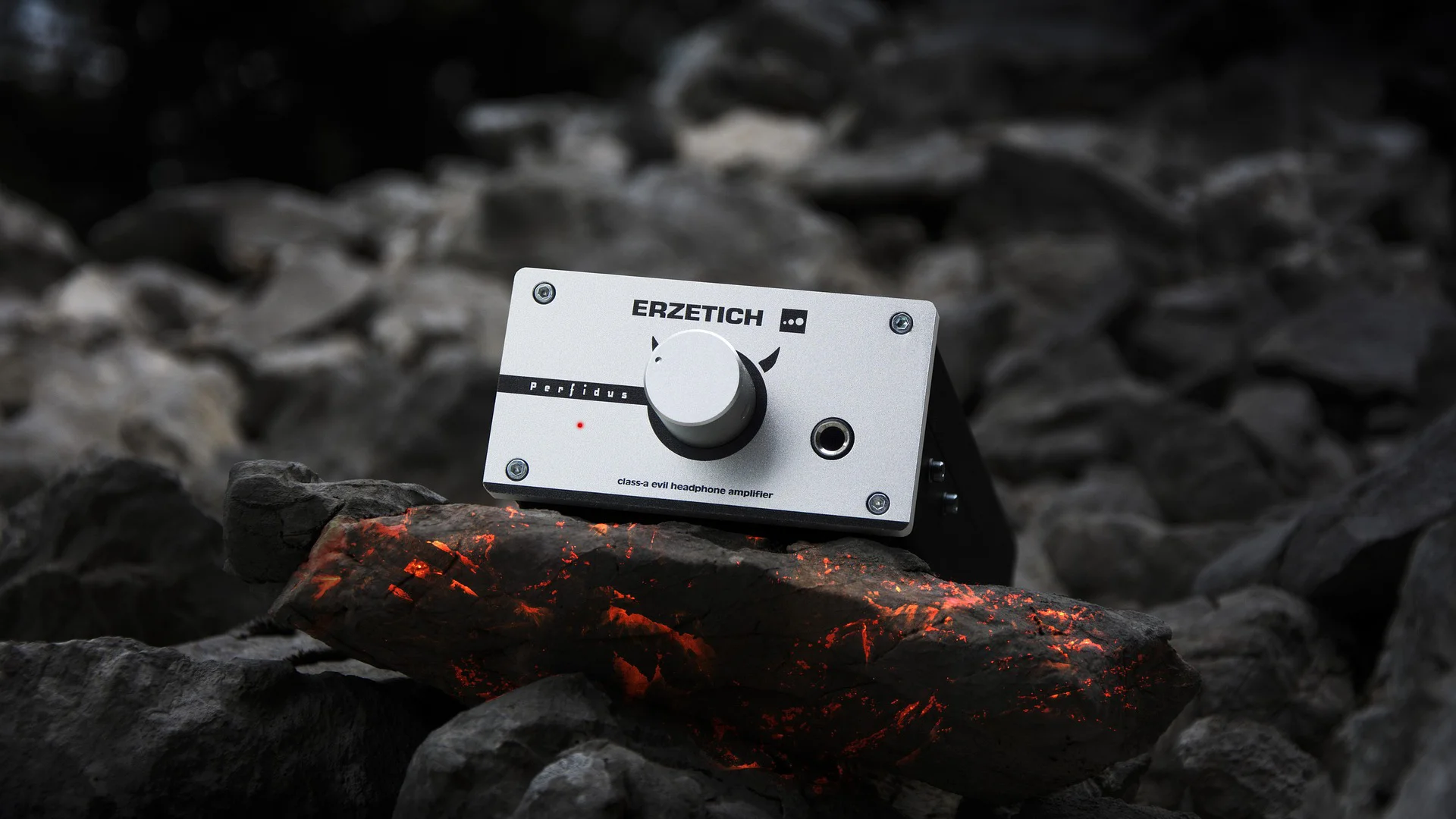
Different listening scenarios place unique demands on amplifiers, requiring careful consideration of specific needs and priorities.
Audiophile Critical Listening
The dedicated audiophile requires specific amplifier characteristics for optimal enjoyment. Transparency and neutrality typically take precedence, allowing recordings to be heard as intended without coloration. Exceptional detail retrieval becomes crucial for experiencing every nuance captured in high-quality recordings. Many audiophiles consider tube options for their harmonic richness and three-dimensional soundstage.
Studio Monitoring Applications
Professional studio environments demand different attributes from headphone amplifiers. Absolute accuracy becomes non-negotiable, as production decisions rely on hearing precisely what exists in the recording. Reliability under continuous operation is essential in commercial settings where downtime means lost revenue. Multiple input options support diverse studio sources from console outputs to computer interfaces.
Casual Everyday Enjoyment
For regular music enthusiasts, practical considerations often outweigh specialized performance aspects. Versatility across different sources and headphones proves more valuable than optimization for specific scenarios. User-friendly features like simple controls and intuitive operation enhance the daily listening experience. Durability for consistent use becomes particularly important for equipment that sees regular handling. A balanced, enjoyable sound signature that works well across diverse music genres typically provides more satisfaction than technically perfect reproduction that might emphasize flaws in casual recordings.
Top Headphone Amps by Category
Each of the following amplifiers represents the pinnacle of performance in its respective category. We've selected models that offer exceptional value, regardless of price point, ensuring that every recommendation delivers performance commensurate with its cost.
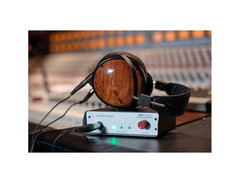
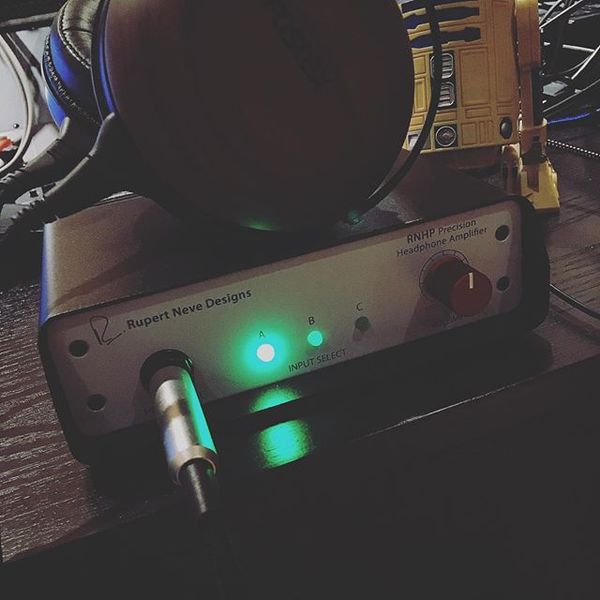
Rupert Neve Designs RNHP Precision Headphone Amplifier
5.0 (2)
Precision Powerhouse








Average Price: $669
High-end/Boutique
$100
$301+
Budget
Standard
High-end
- Transparent sound with slight warmth enhances audio
- Powers headphones with ample headroom, opening sound stages
- Versatile inputs for dedicated DACs or streamers
- Solid build quality with a sturdy, heavy design
- See 6 more
- Power supply feels cheap and thin
- Limited output options may inconvenience some users
- Bright LED can be distracting
- Loud popping noise when turning on/off or plugging/unplugging headphones
- See 4 more
Heritage That Resonates
The Rupert Neve RNHP carries forward the legendary sonic signature that has defined countless classic recordings. This isn't merely an amplifier; it's the distillation of decades of studio engineering wisdom. The circuit design draws directly from Neve's professional 5060 Centerpiece studio mixer, bringing uncompromising professional-grade amplification to the personal listening experience.
The amplifier's neutral-yet-musical character has made it a staple in mastering studios worldwide, where engineers like Bob Ludwig and Bernie Grundman rely on absolute accuracy. Its ability to reveal microscopic details without ever sounding analytical has earned it almost universal praise from audio professionals and discerning listeners alike.
Connectivity and Versatility
What truly distinguishes the RNHP from single-purpose audiophile designs is its comprehensive input selection. The front panel offers dedicated calibrated inputs for:
- Professional balanced line level (XLR)
- Unbalanced RCA connections
- 3.5mm auxiliary input
This versatility allows the RNHP to integrate seamlessly into professional studios, audiophile systems, and even casual desktop setups without compromises. Each input is precisely calibrated to ensure optimal performance regardless of source, eliminating the level-matching guesswork common with lesser amplifiers.
Performance Characteristics
The RNHP delivers exceptional technical performance where it matters most. The amplifier provides ample power to drive headphones ranging from 16 to 600 ohms, making it compatible with everything from sensitive in-ears to demanding planar magnetic and high-impedance dynamic models.
Bass reproduction remains tight and articulate even with challenging headphone loads, while the midrange presentation offers remarkable transparency that allows vocals to shine with natural presence. The high-frequency reproduction extends effortlessly without ever becoming fatiguing, a balance that permits extended listening sessions without listener fatigue.
The noise floor sits well below audibility even with highly sensitive headphones, providing a pristine backdrop against which musical details emerge with startling clarity. This characteristic makes the RNHP particularly valuable for evaluating subtle production decisions or simply enjoying the full dynamic range of well-recorded music.
See how artists use this







AudioQuest DragonFly Cobalt USB Digital-to-Analog Converter
Pocket Powerhouse


- Dramatic improvement in audio detail and clarity over integrated sound cards
- Compact and portable design with robust build quality
- Plug-and-play functionality with no need for drivers
- Supports MQA for high-resolution streaming
- See 6 more
- Pricey compared to some competitors with similar features
- Limited to 24-bit/96 kHz, below some users' expectations
- Requires additional adapters for iPhone users
- Potential issues with durability of connectors over time
- See 1 more
Technological Marvel
Despite its diminutive dimensions, this DAC/amplifier combination houses sophisticated technology that would have required substantially larger housing just a few years ago. At the heart of the Cobalt lies an advanced ESS Sabre DAC chip, complemented by a monolith filter, improved power supply filtering, and AudioQuest's proprietary jitter-reduction technology.
The device's 64-bit, bit-perfect digital volume control preserves resolution throughout the volume range, while the streamlined microprocessor draws minimal power while delivering improved processing speed. These advancements contribute to both superior sound quality and enhanced compatibility with mobile devices, making the Cobalt a truly portable high-end audio solution.
Everyday Practicality
Where the Cobalt truly shines is in its remarkable versatility and ease of use. The plug-and-play design requires no driver installation for modern operating systems, automatically configuring itself as the default audio output device. The intuitive LED color system indicates the sampling rate of the current audio stream, providing visual confirmation of proper operation.
For mobile use, the Cobalt works seamlessly with Apple's Camera Connection Kit or appropriate USB-C adapters for Android devices, transforming smartphones into legitimate high-resolution audio players. This functionality makes the Cobalt an ideal companion for travelers or commuters who refuse to compromise on sound quality while away from their main systems.
Sonic Characteristics
Despite its compact size, the Cobalt delivers performance that rivals dedicated desktop components. The presentation offers exceptional clarity and detail while maintaining a natural, organic quality that avoids the clinical character common in portable solutions. Bass response is surprisingly authoritative and controlled, providing a solid foundation for all music genres.
The Cobalt's amplifier section provides adequate power for most portable headphones and even some less demanding full-size models, though it naturally lacks the ultimate output capability of larger desktop units. The background is remarkably quiet, allowing subtle details to emerge clearly even at lower listening levels, perfect for mobile environments where awareness of surroundings remains important.
iFi audio iCAN Phantom Analog Headphone Amplifier
Valve Virtuoso


Innovative Hybrid Architecture
The iFi iCAN Phantom stands apart from conventional tube amplifiers through its revolutionary approach to valve implementation. Rather than using tubes exclusively in the signal path, the Phantom employs a sophisticated hybrid design that combines vacuum tube warmth with solid-state reliability and power. The proprietary PureEmotion circuit utilizes a J-FET input stage, followed by vacuum tubes in the buffer/driver stage, culminating in a high-current solid-state output section.
This arrangement preserves the harmonic richness and three-dimensional soundstage that tube enthusiasts cherish while eliminating common tube amplifier limitations like insufficient power, high output impedance, and microphonics. The result is an amplifier that delivers tube magic without typical tube compromises.
Versatility Through Technology
What separates the Phantom from competitors is its remarkable adaptability to different headphones and listener preferences. The front panel features switches for:
- XBass II: Adjustable bass enhancement system with natural-sounding contour
- 3D Holographic: Crossfeed circuit that creates a more speaker-like presentation
- Tube/Tube+: Selectable tube operating modes affecting harmonic structure
These aren't simplistic EQ adjustments but sophisticated analog circuits that fundamentally alter how the amplifier interacts with your headphones. The implementation allows listeners to fine-tune the presentation based on recording quality, headphone characteristics, and personal preference without digital artifacts or degradation.
Performance Beyond Expectations
The Phantom's sonic performance defies conventional expectations for tube-based designs. Its power output significantly exceeds typical tube amplifiers, effortlessly driving demanding planar magnetic headphones that would leave lesser tube amplifiers struggling. Bass reproduction remains exceptionally tight and controlled while still exhibiting the richness tube amplifiers are known for.
The midrange presentation showcases the tube section's greatest strengths, rendering vocals and acoustic instruments with remarkable texture and presence. High frequencies extend smoothly without the rolled-off character sometimes associated with tube designs, preserving detail while avoiding solid-state stridency. The result is an amplifier that combines the best attributes of both technologies, delivering an engaging listening experience that works equally well with analytical recordings and those requiring a touch of euphonic enhancement.
Rolls HA43
Monitoring Masterpiece

Average Price: $79
Budget/Beginner
$100
$301+
Budget
Standard
High-end
- Build quality is excellent, indicating durability
- Made In The USA, suggesting quality craftsmanship
- Provides 20 db of gain, useful for live recordings
- Non-fiddly, straightforward design for ease of use
- See 3 more
- Not quite living up to the Rolls Royce name in prestige
- Volume sliders offer inconsistent resistance
- Lacks an on/off switch, inconvenient for power management
- One review noted the unit was slightly unstable due to uneven feet
Studio-Ready Distribution
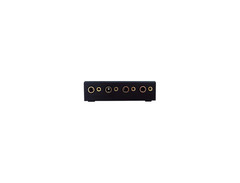
The Rolls HA43 addresses a specific yet crucial need in studio environments: distributing a single audio source to multiple headphones without quality degradation. Unlike consumer-grade splitters that compromise impedance matching and power delivery, the HA43 provides four completely independent amplification channels with dedicated volume controls for each output.
This professional-grade distribution system ensures that adding additional headphones never impacts the performance of other connected pairs, maintaining consistent sound quality regardless of how many outputs are in use. The implementation eliminates the impedance and level issues common with passive splitters, ensuring each listener enjoys optimal performance from their headphones.
Practical Engineering
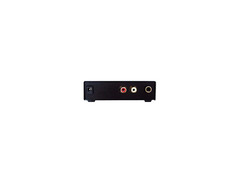
The HA43's thoughtful design reflects real-world studio needs. The brushed aluminum chassis provides both aesthetic appeal and rugged durability suitable for demanding studio environments. Front-mounted 1/4" (6.35mm) headphone jacks offer easy access for quick connection changes, while the individual volume controls allow each listener to set their preferred monitoring level without affecting others.
Input options include both balanced (TRS) and unbalanced (RCA) connections, accommodating professional audio equipment and consumer sources equally well. This flexibility proves particularly valuable in project studios where consumer and professional gear often coexist, allowing seamless integration with various audio chains.
Performance Character
Despite its utilitarian purpose, the HA43 delivers sonic performance that exceeds expectations. The amplifier stages provide ample power for most studio headphones, with sufficient headroom to accommodate dynamic peaks without compression or distortion. The sound signature remains neutral and uncolored, preserving the character of the incoming signal without imposing its own personality.
Background noise stays impressively low even at higher gain settings, creating a clean canvas for evaluating subtle mix details. The amplifier's transient response captures the attack and decay of percussion and plucked instruments with precision, making it particularly suitable for rhythm section monitoring during tracking sessions. For studios requiring multiple headphone outputs without performance compromises, the HA43 represents an outstanding balance of functionality, reliability, and sonic integrity.


Focusrite RedNet AM2
Networked Newcomer

Average Price: $666
Standard/Professional
$300
$801+
Budget
Standard
High-end
- Easy to set up and integrate into existing setups
- High-quality sound with low latency, even with heavy plugin use
- Versatile for both live and studio scenarios
- PoE (Power over Ethernet) eliminates need for separate power source
- See 4 more
- Lacks multiple headphone outputs and stereo monitor outs
- No Dante "return audio" channels for sending audio back to the network
- Some users found setting the sample rate challenging
- Lack of resistance in control knobs for some users' preference
Dante's Digital Domain
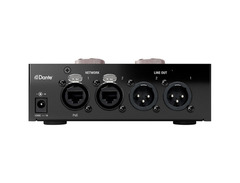
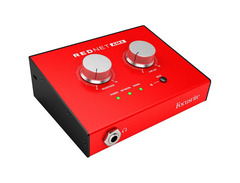
The Focusrite RedNet AM2 reimagines the traditional headphone amplifier for modern networked audio environments. Unlike conventional analog-only solutions, the AM2 incorporates Dante audio networking technology, allowing it to receive audio directly from Dante-enabled mixing consoles, audio interfaces, and digital audio workstations over standard Ethernet infrastructure. This integration eliminates traditional analog cabling limitations, enabling flexible positioning and simplified installation.
For facilities already utilizing Dante networks, the AM2 represents a natural extension of existing infrastructure rather than a separate system requiring additional wiring and distribution. The device appears as a standard Dante endpoint within Dante Controller software, allowing straightforward routing from any audio source on the network to the headphone outputs.
Conversion Excellence
Building on Focusrite's renowned conversion expertise, the AM2 incorporates high-performance digital-to-analog conversion stages that maintain signal integrity throughout the digital and analog domains. The balanced line output offers additional flexibility, allowing the unit to function as a general-purpose Dante receiver for connecting to external equipment or powered monitors.
The headphone amplifier section delivers impressive power output capable of driving professional headphones with authority, while maintaining the clarity and detail necessary for critical monitoring applications. Volume control operates in the analog domain after digital conversion, preserving full resolution regardless of listening level and avoiding the bit-depth reduction issues associated with digital volume adjustment.
Beyond Traditional Studios
The AM2's unique capabilities extend its utility beyond conventional studio environments. Live sound engineers leverage its network integration for distributed personal monitoring systems and remote listening positions. Broadcast facilities utilize multiple units for control room and guest headphone feeds without complex distribution amplifiers. Educational institutions implement AM2 units in teaching labs where flexible reconfiguration proves valuable.
The rugged metal chassis withstands the rigors of professional use, while PoE (Power over Ethernet) compatibility eliminates the need for local power outlets in many installation scenarios. For facilities embracing networked audio infrastructure, the AM2 represents a forward-thinking approach to headphone monitoring that scales elegantly with expanding system requirements.


Little Labs monotor
3.0 (1)
Precision Performer

Average Price: $524
High-end/Boutique
$100
$301+
Budget
Standard
High-end
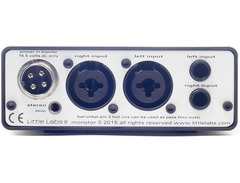
- Exceptional match with high-end headphones for critical listening
- Provides a shocking improvement in detail over stock headphone outputs
- Mastering quality audio with clear, honest sound without distortion or color
- Features like stereo/mono and Right "minus" Left mode for phase issues
- See 2 more
- Ergonomics of volume control could be improved due to tight spacing around jacks
Mastering-Grade Accuracy
The Little Labs Monotor stands apart from conventional headphone amplifiers through its uncompromising focus on absolute signal fidelity. Designed specifically for mastering and critical evaluation scenarios, the Monotor prioritizes transparency above all else, serving as a trustworthy window into the audio material without imposing its own character. This philosophy extends throughout the signal path, from input stage to output section.
The amplifier's frequency response remains ruler-flat across the audible spectrum, while distortion measurements fall below the threshold of human perception. This technical performance translates into a listening experience where nothing is added or subtracted from the source material, allowing engineers to make decisions based solely on the audio content rather than amplifier colorations.
Specialized Monitoring Features
Where the Monotor truly distinguishes itself is in its monitoring-specific capabilities. The comprehensive input switching allows seamless comparison between multiple sources, valuable for reference checking and quality control processes. The precision stepped attenuator provides exact level matching between listening sessions, ensuring consistent evaluation regardless of volume setting.
The amplifier incorporates specialized headphone compensation modes designed to counteract the common response anomalies of professional headphones, creating a more standardized monitoring environment. This feature proves particularly valuable when translating between headphone and speaker monitoring, reducing the perceptual differences between these fundamentally different reproduction systems.
Professional Integration
Beyond pure sound quality, the Monotor excels in integration with professional workflows. The balanced XLR inputs maintain signal integrity in long cable runs typical in studio environments, while the ground lift options eliminate potential noise issues in complex signal chains. The headphone output stage provides sufficient power for demanding professional headphones without strain, maintaining composure even during dynamic peaks.
The unit's build quality reflects its professional market positioning, with robust switches and controls that inspire confidence in daily studio use. For mastering engineers, mixers working in less-than-ideal acoustic environments, and audio professionals requiring portable reference-grade monitoring, the Monotor delivers a level of performance that justifies its specialized nature and premium position in the market.
Mackie HM-400 4 Channel Headphone Amplifier
5.0 (3)
Multi-Channel Miracle

- Solid build quality; feels heavy and durable
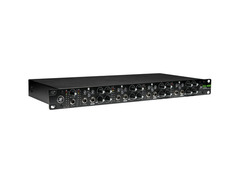
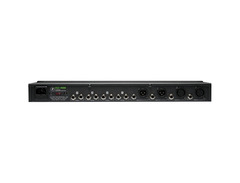
- 4 individual channels with separate aux inputs for flexibility
- Clean audio with minimal self-noise
- Effective EQ controls with noticeable impact on sound
- See 6 more
- Stepped knobs impede fine-tuned level adjustments
- Wiggly knobs suggest lower-quality components
- Bright LEDs can be overwhelming in dim environments
- Front-mounted aux inputs can interfere with other connections
- See 1 more
Thoughtful Distribution Design
The Mackie HM-400 tackles the challenges of multi-person monitoring with exceptional efficiency and flexibility. The four independent amplifier channels each feature dedicated volume controls, allowing individual listeners to adjust their monitoring level without affecting others. This arrangement proves invaluable in recording sessions where performers may require significantly different monitoring volumes based on their instruments and personal preferences.
The dual stereo inputs with level controls and A/B source switching extend the unit's versatility, accommodating scenarios like comparing different mixes or monitoring both the recording interface and a separate playback device simultaneously. The mute buttons for each channel provide instant silence when needed for communication between takes without adjusting carefully set volume levels.
Practical Construction
Mackie's decades of professional audio experience manifest in the HM-400's practical physical design. The half-rack width metal chassis offers options for studio integration, fitting standard rack shelves or functioning as a standalone desktop unit. The front-panel headphone jacks provide convenient access for quick connections, while the logical control layout minimizes confusion even in dimly lit studio environments.
All connectors and controls inspire confidence with their solid feel and precise operation. The power supply integration eliminates external adapters that can be easily lost or damaged in mobile scenarios. These seemingly minor details significantly enhance the day-to-day user experience in professional applications where reliability and convenience directly impact productivity.
Performance Value
Despite its modest price relative to boutique headphone amplifiers, the HM-400 delivers performance that exceeds expectations. The amplifier sections provide clean, articulate reproduction with sufficient power for most professional headphones, handling dynamic transients without compression or distortion. While not offering the absolute refinement of high-end audiophile designs, the sonic presentation remains neutral and uncolored, preserving the character of the source material.
The unit's noise floor remains impressively low even at higher gain settings, creating a clean monitoring environment for evaluating subtle mix details. For recording studios, educational facilities, and rehearsal spaces requiring multiple headphone outputs without performance compromises, the HM-400 represents an outstanding balance of functionality, reliability, and value.
Get The Most Out Of Your Headphone Amp
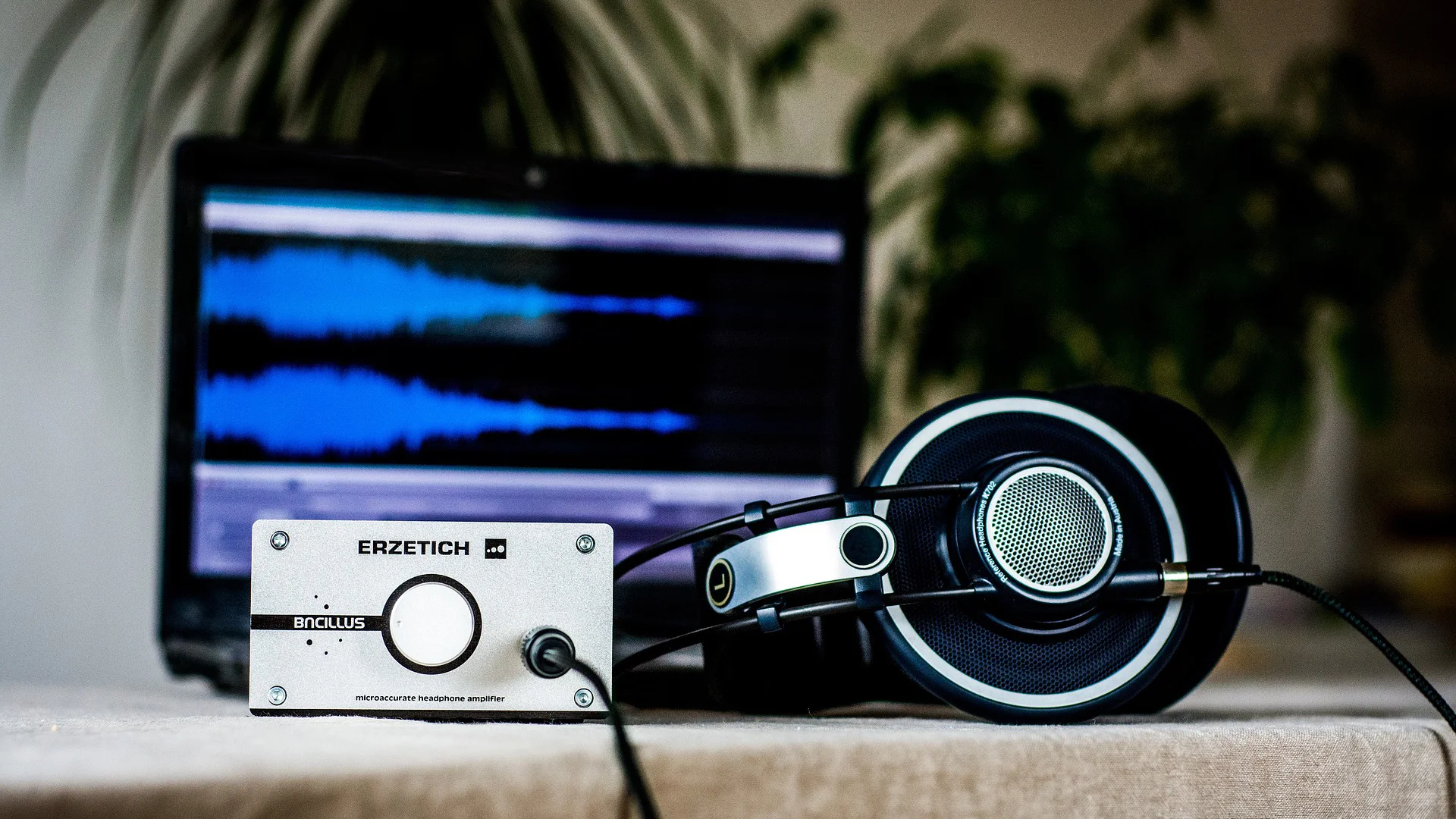
A few key practices will help you maximize your headphone amplifier's performance and enhance your overall listening experience.
Proper Source Matching
Your amplifier can only sound as good as the signal it receives. Invest in quality source components proportionate to your amplifier and headphones. Digital sources benefit from low-jitter clocks, while analog sources require proper phono stages and clean outputs. Most headphone amplifiers perform best with source impedance under 1k ohms, though some tube designs can accommodate higher impedance sources. Many listeners find balanced connections provide noticeable improvements in spatial presentation when implemented properly.
Optimal Gain Setting
Start with the lowest gain setting that provides adequate volume with your control in the middle range (9-12 o'clock position). This approach ensures adjustment flexibility while avoiding unnecessary noise. For sensitive in-ears, low-gain prevents dangerous volume levels and delivers lower noise floors. More demanding headphones need higher gain settings to ensure adequate power delivery, particularly for dynamic peaks in orchestral recordings.
Power Considerations
The quality of power feeding your amplifier significantly impacts performance. Even moderately priced amplifiers benefit from clean power delivery free from digital noise and line interference. For sensitive tube amplifiers and high-end solid-state designs, dedicated power conditioning becomes increasingly worthwhile. At minimum, isolate digital components from analog amplification on separate power circuits when possible.
Cable Selection
Appropriate cables ensure your amplifier receives optimal signal and your headphones receive the amplifier's full capability. For source connections, properly shielded cables with quality connectors prevent signal degradation. Keep analog interconnects as short as practical to minimize potential noise pickup. For headphone connections, ensure cables match your specific headphones - higher impedance models work well with most cables, while lower impedance designs benefit from cables with adequate conductivity.
FAQs
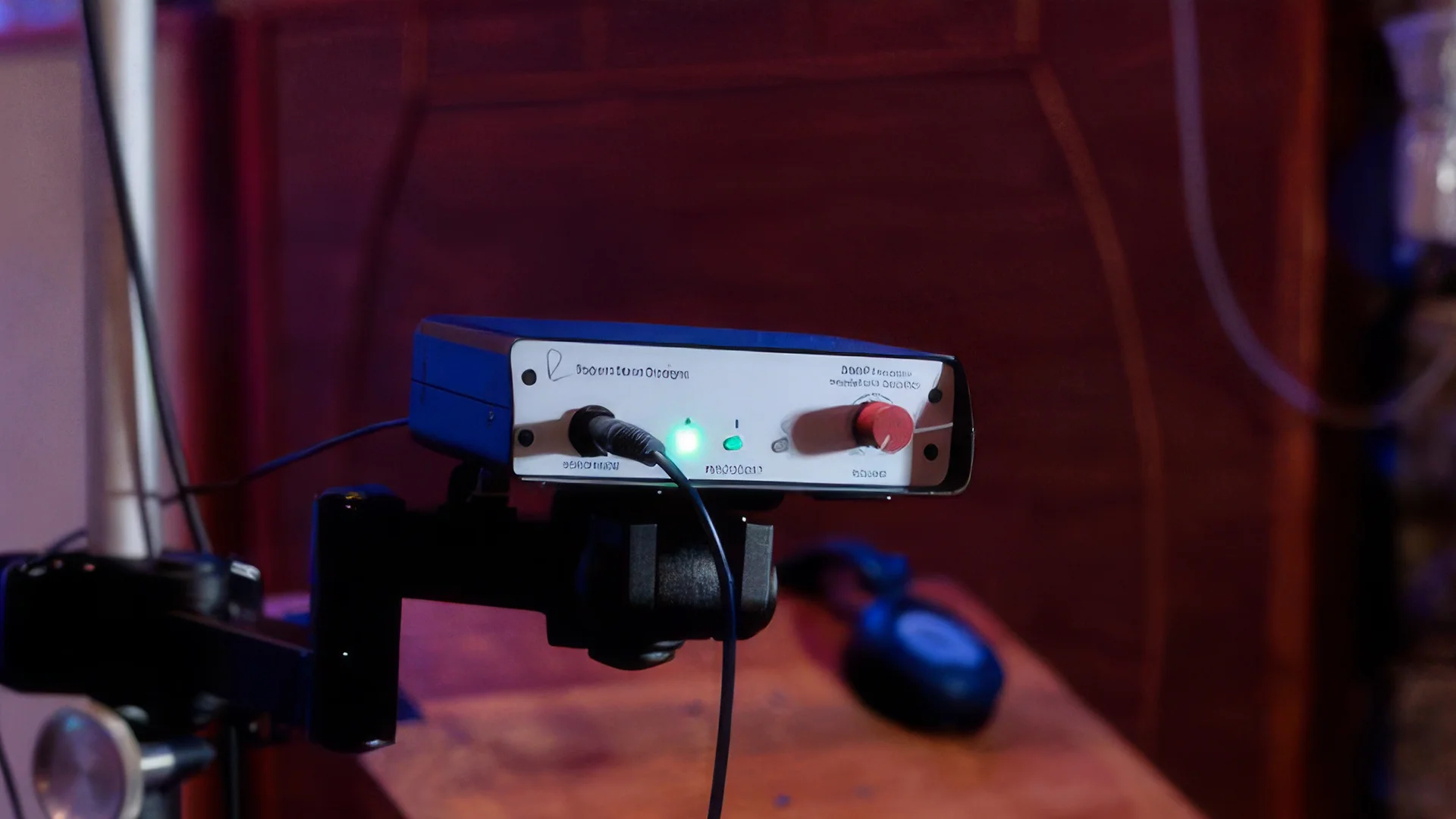
Do I need a headphone amp for my headphones?
The necessity depends primarily on your headphones' impedance and sensitivity. High-impedance audiophile headphones (150-600 ohms) almost always require dedicated amplification for optimal performance. Even lower-impedance headphones often benefit from the cleaner power and better volume control that dedicated amplifiers provide compared to built-in device outputs.
What's the difference between a DAC and an amp?
A DAC (Digital-to-Analog Converter) transforms digital audio signals into analog signals that can drive headphones or speakers. An amplifier increases the power of that analog signal to properly drive headphones. Many modern devices combine both functions, but separating them can allow specialized components to excel at their specific tasks.
Can a headphone amp improve sound quality?
Yes, but the improvement varies by headphone and source equipment. A quality headphone amplifier provides adequate power, lower distortion, better channel separation, and improved dynamic range compared to built-in device outputs. The difference is typically most noticeable with higher-end headphones or when the default amplification in your source device is subpar.
Are tube headphone amps better than solid-state headphone amps?
Neither is objectively "better" as they offer different sonic characteristics. Tube amplifiers typically provide warmer, more harmonically rich sound with a three-dimensional soundstage that many find pleasing. Solid-state designs generally offer better technical specifications, more consistent performance, and greater power efficiency. Many enthusiasts eventually own both types for different listening experiences.
Conclusion
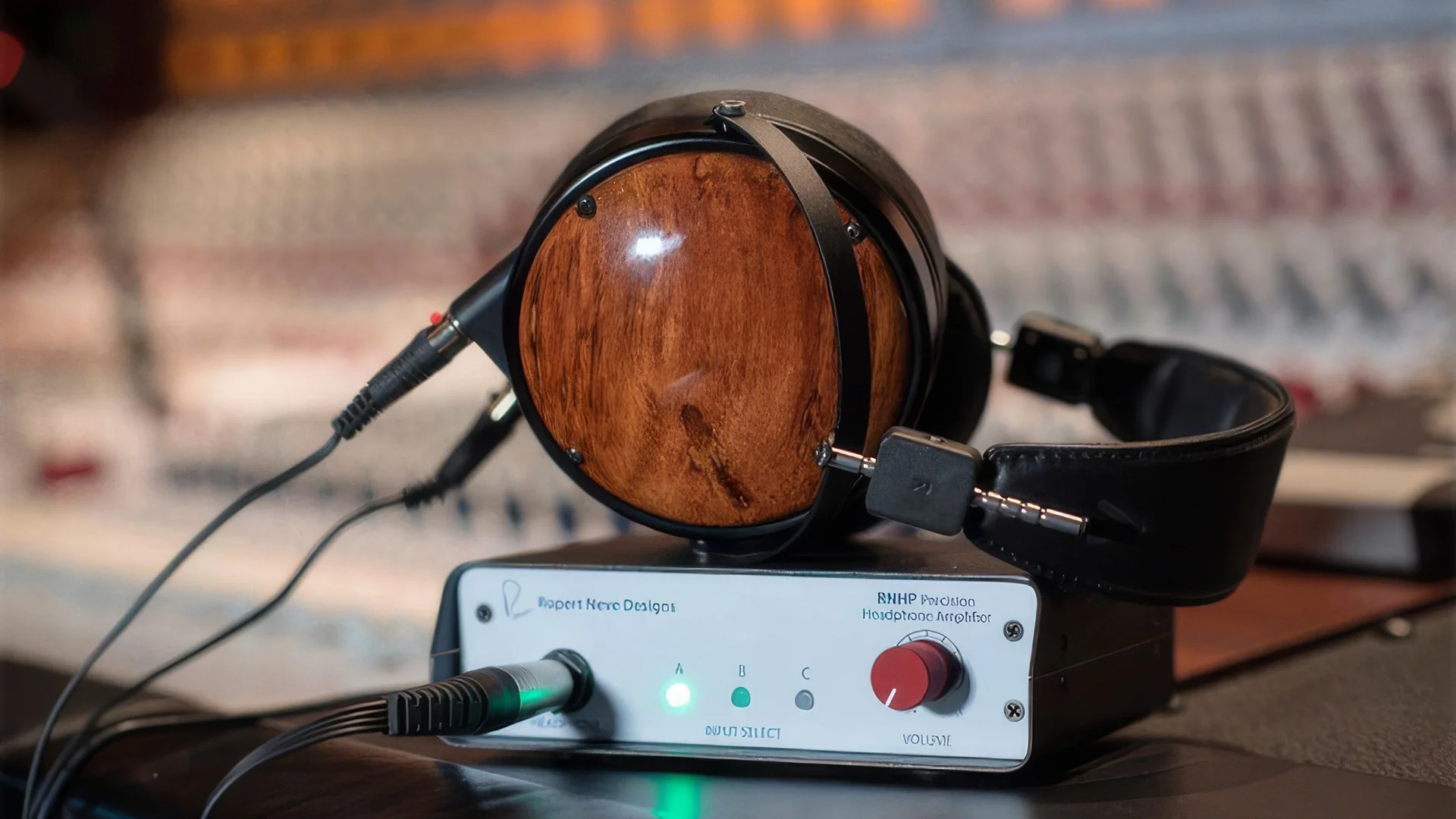
The headphone amplifier landscape offers exceptional options across all price points and use cases. From the reference-grade transparency of the Rupert Neve Designs RNHP to the pocket-sized convenience of the AudioQuest DragonFly Cobalt, today's amplifiers deliver performance that would have seemed impossible just a few years ago.
For those seeking the harmonic richness of vacuum tubes, the iFi iCAN Phantom provides tube magic without traditional tube limitations. Studio professionals can choose from specialized solutions like the Rolls HA43, Focusrite RedNet AM2, Little Labs Monotor, and Mackie HM-400.
The right headphone amplifier transforms your listening experience, revealing layers of detail and emotion previously hidden in your favorite recordings. Consider your specific headphones, listening environment, and musical preferences when selecting from these outstanding options. Whichever model you choose, each represents the pinnacle of its respective category and will provide years of musical enjoyment.
About the authors

S. Jino is an accomplished multi-instrumentalist and music producer based in Kolkata, India, distinguished by his self-taught mastery and unique blend of technical acumen and musical performance. His extensive experience was forged through hands-on dedication, starting with the full restoration of a broken guitar. Jino's capabilities span keyboards, pedals, and advanced digital production, reflecting a comprehensive skill set developed independently. As a significant contributor to the music scene, Jino regularly performs with worship bands and college ensembles. He has also established himself as a reliable and authoritative professional in freelance mixing, mastering, and original music creation. Inspired by the innovative sounds of Brian May and David Gilmour, and influenced by Kolkata's vibrant metal community, Jino is committed to the intricate art of vintage gear restoration and the continuous exploration of music and technology fusion. His current professional setup, featuring a meticulously restored nameless guitar, a Fender Player Strat, and a Boss Katana 50. Read more









.webp)