Eric Clapton
Role
Credits
Role
Credits
Eric Clapton's Gear


This guitar was the main instrument for Eric Clapton's MTV Unplugged appearance, one of the pivotal moments in his career. The picture of Clapton playing this guitar which appeared on the c.d. cover for the multi-million seller Unplugged album, has became one of the most enduring images of recent music history. Clapton used it to play the acoustic version of: Layla, Before You Accuse Me and Old Love, as well as early versions of My Father's Eyes and Lonely Stranger.
The guitar first appeared on stage at the first of the Blues only seasons at the Royal Albert Hall in February/March 1993, used in the opening acoustic segments of the show for pre-war Blues covers such as Alabama Women, How Long Blues and Four Until Late. It went on to serve as Clapton's main stage acoustic guitar between 1993 and 1995, mostly used in the opening acoustic segments of the Blues concerts for numbers such as Malted Milk.
When Martin was developing its first Eric Clapton signature model 000-42EC, Eric Clapton requested that the construction of that guitar should be based on the structure of this pre-war 000-42. A Martin publicity photograph at the time shows Clapton holding this guitar in one hand, and the new signature model in the other.
Although Clapton Signature Martin guitars with built-in pickups began to be used for larger concert venues from 1996 onwards, this guitar remained as the main stage acoustic guitar through the 1997 Far Eastern Tour and the first leg of the Pilgrim US Tour in 1998.
Find it on:


Eric Clapton acquired this guitar for collecting purposes and has played it now and then.
Find it on:

Eric Clapton is associated with a 1970s Gibson Les Paul Custom, as documented by Christie's. He appreciated the guitar's aesthetics but noted it was quite heavy to play.
Find it on:


Serial No. 2629360, top control style open-back cabinet in beige covering, oxblood grille cloth, leather handle, cream control panel with six rotary controls, toggle switch, pilot lamp, jack input, 8-inch speaker, 120V model; and original cardboard box; the amp signed on the back by Eric Clapton in black felt pen
Find it on:

Eric Clapton appeared to have used this amplifier or the same model at a St Valentine's Day dance at Cranleigh Village Hall, Surrey on 14 February 1977 when his band, featuring Ronnie Lane, was advertised under the pseudonym, Eddie and The Earth Tremors.
Find it on:

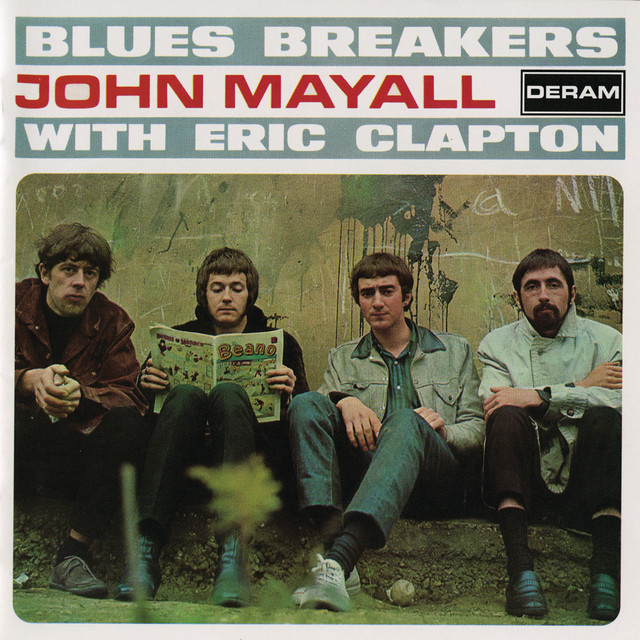
Whilst it was a JTM-45 2x12 combo that Clapton used at the Bluesbreakers 'Beano' album recording sessions at London's Decca Studios in April 1966, he played through an early Marshall JTM-45 head with a block logo, identical to this amp, through a white grille cloth 4x12 Marshall cabinet whilst on stage with John Mayall's Blues Breakers as photographed here. It is reputed that at the end of the infamous Glands residency in Greece, a twenty year old Clapton left his Marshall amp there and returned with only his Les Paul guitar thereby losing the amp. It is possible that it was the set-up in the photograph that was lost and Clapton began using the combo amp instead. It follows that Clapton's recordings that pre-dated the Glands trip including Telephone Blues, I Am Your Witchdoctor and Bernard Jenkins with John Mayall were in fact recorded, not with a 'Bluesbreaker' combo amp, but with a JTM-45 head like the one included here through a 4x12 cabinet.
Find it on:


Eric Clapton uses Ernie Ball Regular Slinky Acoustic Guitar Strings (12-54) on his acoustic guitars, as noted on the Ernie Ball website.
Find it on:

Eric Clapton used this guitar on MTV's Unplugged for the songs 'Alberta' and 'San Fransico Bay Blues' and he hasn't sold it yet in the public eye.
Find it on:
-m.webp?v=1783176997)
In this live footage, Eric Clapton is shown to be using a Shure SM58.
Find it on:

Saw the Fender Super Sonic Twin amp being used on the Crossroads festival in 2010.
Find it on:


One was used with John Mayall & The Bluesbreakers, while another one from 1999 was auctioned via Christie's on June 23, 1999.
Details
A 1999 Gibson Les Paul Standard
Serial No. 9 9272, in sunburst finish, mahogany body, with single cutaway maple top, mahogany neck, twenty-two fret bound rosewood fingerboard with crown inlays, headstock face with Les Paul MODEL, two humbucking pickups, four rotary controls, selector switch, metal bridge, stud tailpiece and cream pickguard; and a black hardshell contour case Gibson Les Paul Standard/Sunburst
Literature
FORTE, Dan, interview Out From Behind The Sun Interview in Guitar Player, GPI Publications, July, 1985 and Tribute To Slowhand Interview in Guitar World, Harris Publications Inc., December, 1989
(...) Lot Essay
In an interview with Dan Forte in 1985, Clapton remembers: "The best Les Paul that I ever had was stolen during rehearsals for Cream's first gig. It was the one I had with John Mayall, just a regular sunburst Les Paul that I bought in one of the shops in London right after I'd seen Freddie King's album cover of 'Let's Hide Away And Dance Away', where he's playing a gold top. It had humbuckers and was almost brand new - original case with that lovely purple velvet lining. Just magnificent. I never really found one as good as that. I do miss that one. And in the 1989 interview, Clapton reiterates: "All during Cream, I never really had a favourite guitar because I never really replaced the Les Paul and I was constantly looking for something to come up to scratch - I'd play the ES-335 or the SG or the Firebird. I don't think I had a Fender - I think it was only Gibsons - but I may have toyed with it..."
The stage-shot illustrated shows Eric Clapton playing a Les Paul Standard with Cream at The Marquee, London, September 27, 1966.
Find it on:


This guitar was bought for collecting purposes, and has also been used for playing at home.
Find it on:

Eric Clapton's Gibson L-5P Premiere, circa 1948, has been utilized in the studio since the mid-1990s, primarily by Andy Fairweather Low on several blues albums. This information is documented by Christie's.
Find it on:

Eric Clapton said that he loves the look of this guitar. He bought it for collecting rather than playing purposes.
Find it on:

Serial No. 011317, printed maker's label on back, Designed by Suzuki Corporation USA, produced by Comnics Corporation Japan, in black plastic, signed by Eric Clapton [slightly indistinct], twelve 'fret' touch sensitive 'fingerboard' pad, six 'strings', gray plastic 'tailpiece' covers, four rotary controls, 'tremolo' bar, red plastic pickguard, controller keypads stamped XG-1M ELECTRONIC DIGITAL MIDI CONTROLLER, midi-output; and original cardboard box
Find it on:

Serial No. 310688, printed maker's label no interior with serial number and model number, in black finish, Lyrachord deep bowl body with single round cutaway, spruce top with abalone inlays, [laminate] neck, twenty fret bound ebony fingerboard with diamond and dot patterned inlays, the soundhole with inlaid abalone decoration in a foliate motif, ebony bridge with carved foliate decoration, control knob to one side and black pickguard; and a brown Ovation hardshell contour case with brown plush lining with handwritten label and strip of tape applied to lid inscribed Black, Ovation, Acoustic steel String, S.Cut. Gift From 'Guitar Centre' To Go In 04 Auction, Didn't Make It, Mode [sic] 1669...
Find it on:

Eric Clapton's use of the 1987 Casio PG-380 MIDI Guitar can be traced back to his interest in guitar synthesizers for creative inspiration. In a 1985 interview with Dan Forte, Clapton discussed how switching guitars helped him overcome creative blocks, specifically mentioning his use of a Roland guitar synthesizer during the recording of his album Behind the Sun. This approach underscores his openness to incorporating innovative technology, such as the Casio PG-380, into his music.
Find it on:

Eric Clapton used the 1992 José Ramirez III Classical Guitar on several recordings, including his album "Pilgrim" and other projects throughout the 1990s. This guitar is documented in the Christie's listing.
Find it on:

Serial No. 91703343, in sunburst finish, mahogany body with single pointed cutaway, flame maple top, mahogany neck, twenty-two fret bound ebony fingerboard with crest inlays, headstock facing with crown motif inlay, two pickups, two rotary controls, selector switch, strings-through-body construction with bridge baseplate and six adjustable saddles; and a black hardshell contour case with black plush lining and handwritten label with various inscriptions including Gibson Nighthawk Sunburst
Find it on:

This guitar served as Eric Clapton's main stage guitar during 1997. It was used when Clapton joined B.B. King to play Rock Me Baby during the latter's recording session for the album Deuces Wild in 1997. It was used as the main stage instrument when Eric Clapton joined a one-off fusion jazz super group, 'Legends', formed by Marcus Miller with Joe Sample, Steve Gadd and David Sanborn to play a fortnight tour of European jazz festivals in July 1997. This guitar made the front page of the world press when Clapton joined Paul McCartney, Elton John, Sting and Mark Knopfler for the Music For Montserrat concert at the Royal Albert Hall, organised by Sir George Martin, on 15th September 1997. On this occasion Clapton used it for The Same Old Blues, Layla and Hey Jude with the all-star cast. It went on to serve as the main guitar on the tour of Korea and Japan in October, 1997 and was used as a back-up guitar during the 1998 Pilgrim World Tour.
Find it on:

This guitar is a replica of Clapton's famous cherry red ES-335 that he used throughout his career from The Yardbirds, Cream, John Mayall's Blues Breakers, Blind Faith and his solo career. The original was sold at Eric Clapton's second auction in aid of the Crossroads Centre, Christie's, New York, 24 June, 2004 for $847,500 [Lot 41]. Gibson manufactured and sold 245 of these "Cream" Crossroads replicas. However, there were only five Artist Prototypes made for and given to Clapton of which this is one.
Find it on:

In 2010, Clapton appeared on the US TV advertisement for the limited edition mobile phone in which he demonstrates the telephone's features while his song Got A Rock'n'Roll Heart plays in the background only to be interrupted by a call from Buddy Guy. This guitar, which commemorates his participation in the advertising campaign was built by Todd Krause of Fender Custom Shop in accordance with the current specifications of Clapton's stage guitars with the exception of the choice of wood and the finish. The mobile phone's cover had a special design which emulated book-matched figured maple in sunburst finish. Fender used book-matched figured maple sprayed in sunburst to match the telephone on this guitar.
Find it on:

This '57 Tweed Twin amplifier and its companions, Lots 129 and 132, were issued as a limited edition of fifty to accompany the Eric Clapton Signature Stratocaster Crossroads Model and were likewise sold to benefit the Crossroads Centre.
Find it on:

Eric Clapton used a 1982 Fender Princeton II Reverb amplifier, distinguished by its Serial No. F312558, featuring a front control style open-back cabinet with black tolex covering, silver grille cloth, and a black control panel with eight rotary controls. This amplifier is equipped with one 12-inch speaker and operates on a 120V US plug. Details of this specific amplifier are documented in a Bonhams auction listing.
Find it on:

This amp was loaned to and used by Derek Trucks whilst on tour as a member of Eric Clapton's band during 2006 and 2007. Trucks mostly played his Gibson SG on stage through a pair of blackface Super Reverbs side by side. This amp was set up as Trucks' main amp whilst his own amp was set next to it as the second amp.
Find it on:
-m.webp?v=1782917903)
Serial No. LO-71545, front control style open-back cabinet in black tolex covering, black plate stamped Princeton Chorus, gray grille cloth, black control panel with fifteen red rotary controls, three push buttons, six jack inputs, rocker switch, two 10-inch speakers, 240v, UK plug.
Find it on:

Serial No. 930300915, front control style open-back cabinet with black tolex covering, black grille cloth, one 10-inch speaker, gold-colored control panel with six rotary controls, one rocker switch, two jack inputs, 120V, US plug; signed on the back by Eric Clapton in black felt pen
Find it on:

Eric Clapton owned a 2003 Marshall 1962JAG Limited Edition "Bluebreaker" amplifier, notable for its special point-to-point wiring on a gold-plated chassis and Jaguar cream-colored leather upholstery, as documented by Bonhams.
Find it on:

For the February 1999 volume of the German music magazine "Gitarre & Bass" (Guitar and Bass), journalist Stephan Neumeier had the chance to analyze Clapton's equipment for the Pilgrim tour. According to Clapton's guitar tech Lee Dickson, Clapton used the Bss Audio Ar 133 Active Di Box for his acoustic guitar during the tour.
Find it on:

A 1931 Martin OM-28 was used by Clapton for the promotional shots of the sale of some of his guitar collection with Gruhn Guitars. It was in his personal collection from 2013 until 2016.
Find it on:
This is a community-built gear list for Eric Clapton.
- Find relevant music gear like Guitars, Amplifiers, Effects Pedals, and other instruments and add it to Eric Clapton.
- The best places to look for gear usage are typically on the artist's social media, YouTube, live performance images, and interviews.
- To receive email updates when Eric Clapton is seen with new gear, follow the artist.
Discography
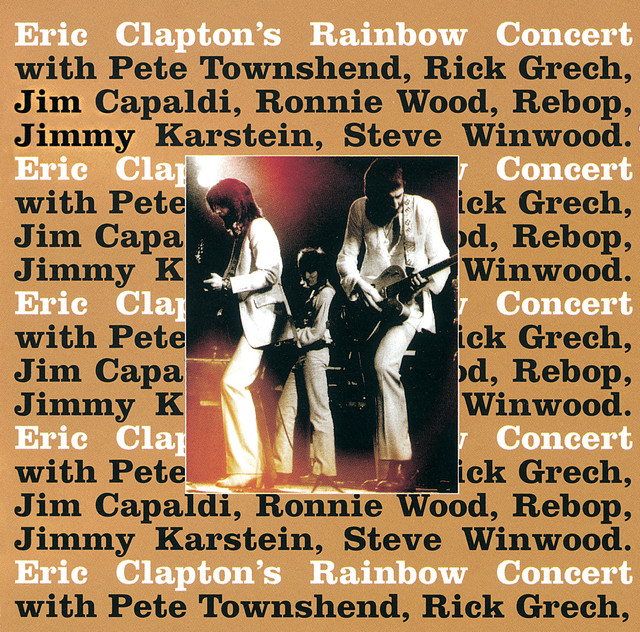
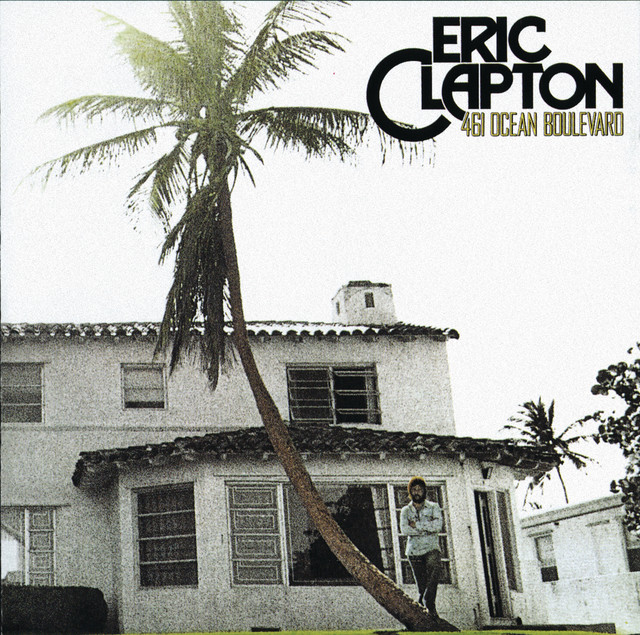
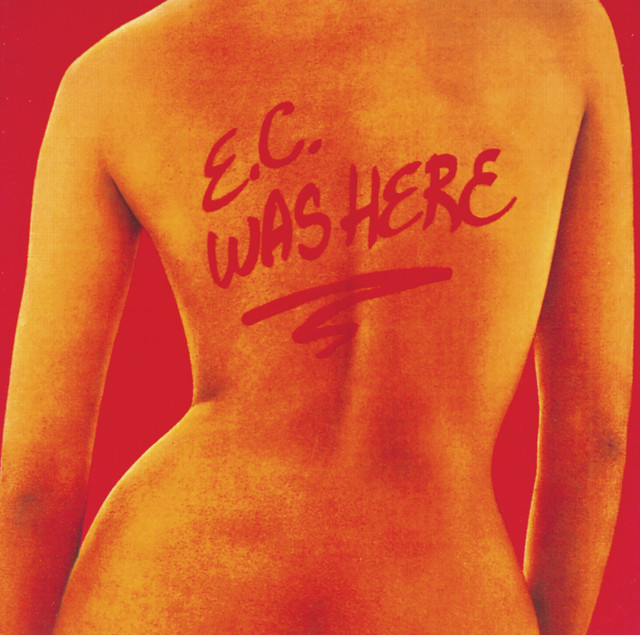
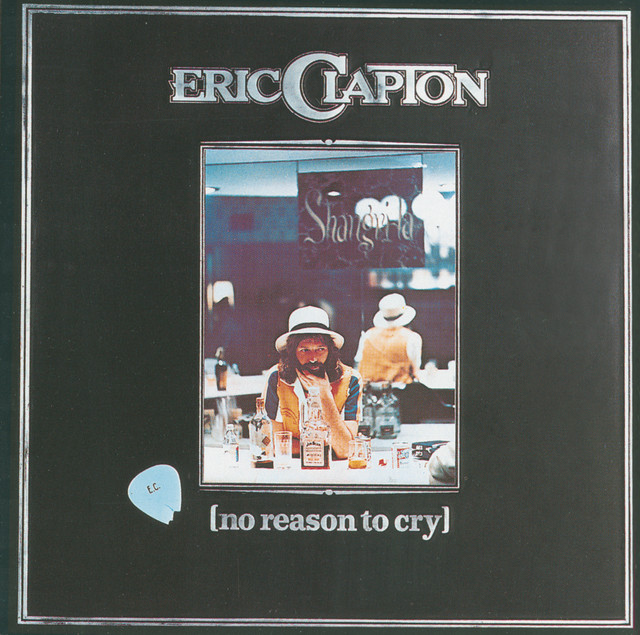
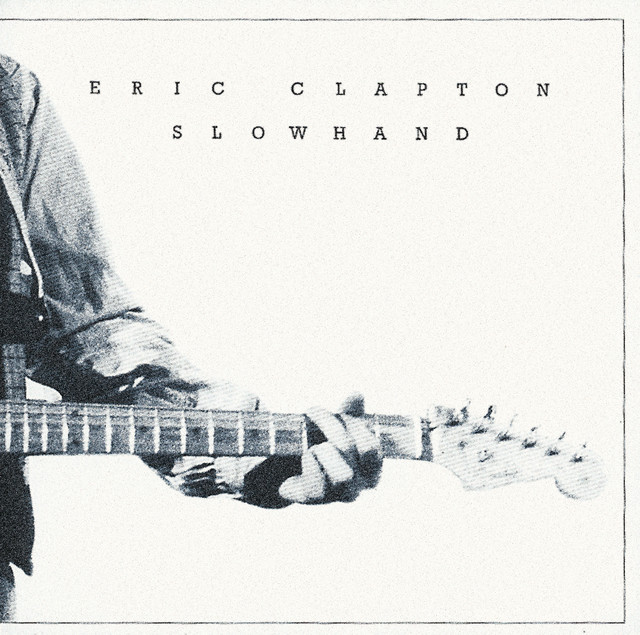
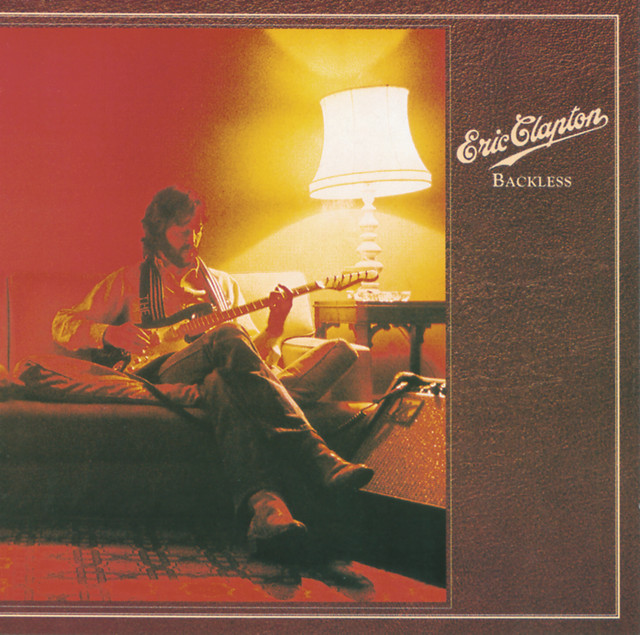
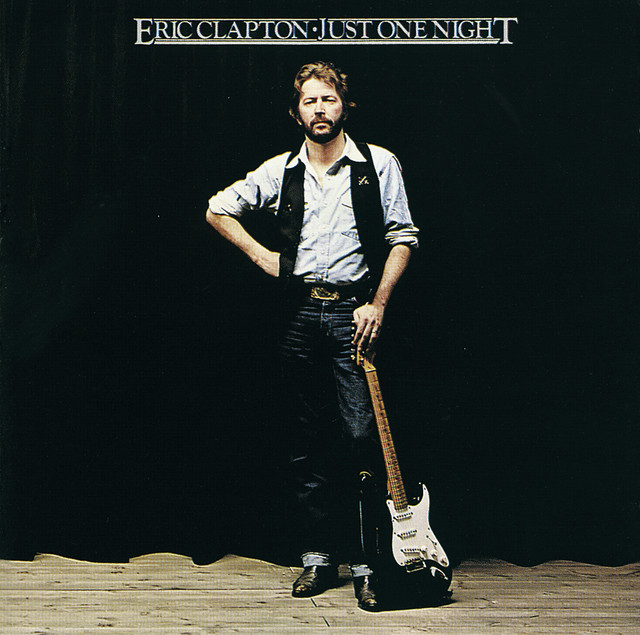
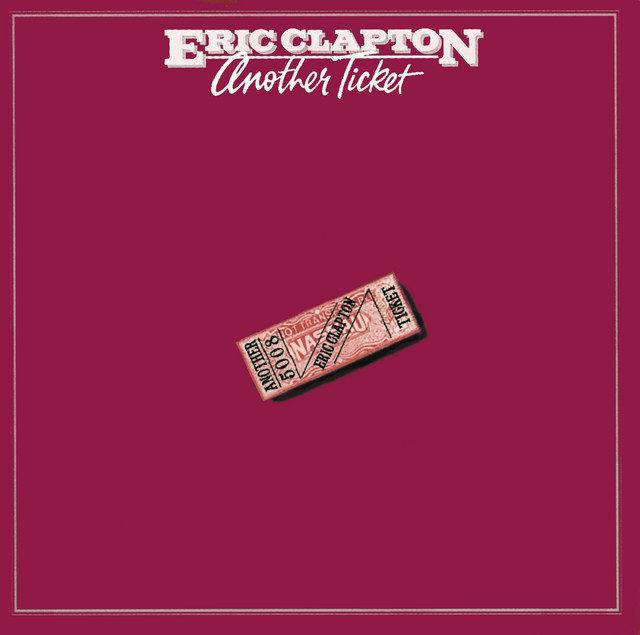
Album Credits
-
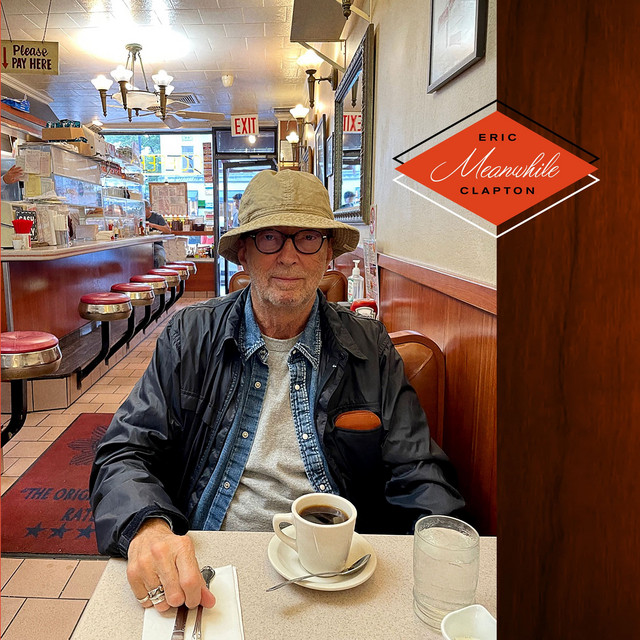
Eric Clapton · 2024
Producer -
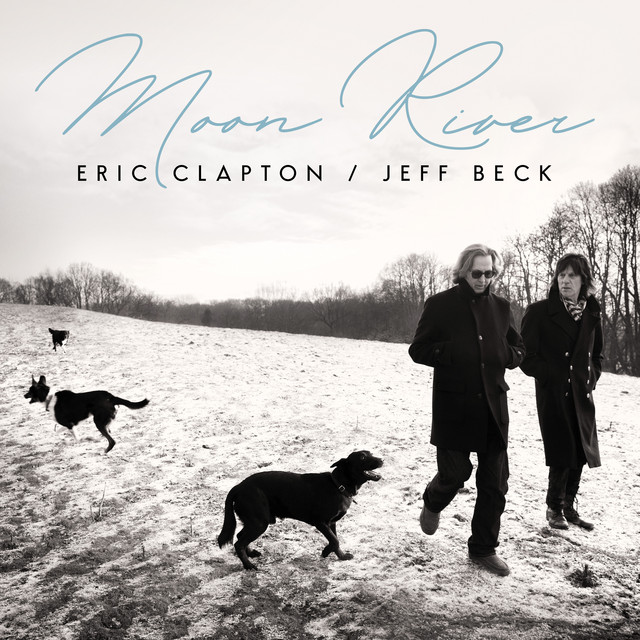
Jeff Beck & Eric Clapton · 2023
Producer -
Eric Clapton · 2023
Producer -
Eric Clapton · 2022
Producer -
Eric Clapton · 2021
Producer -
Eric Clapton · 2018
Producer -
P.P. Arnold · 2017
Producer -
Eric Clapton · 2013
Producer -
Eric Clapton · 2010
Producer -
Eric Clapton & J.J. Cale · 2006
Producer -
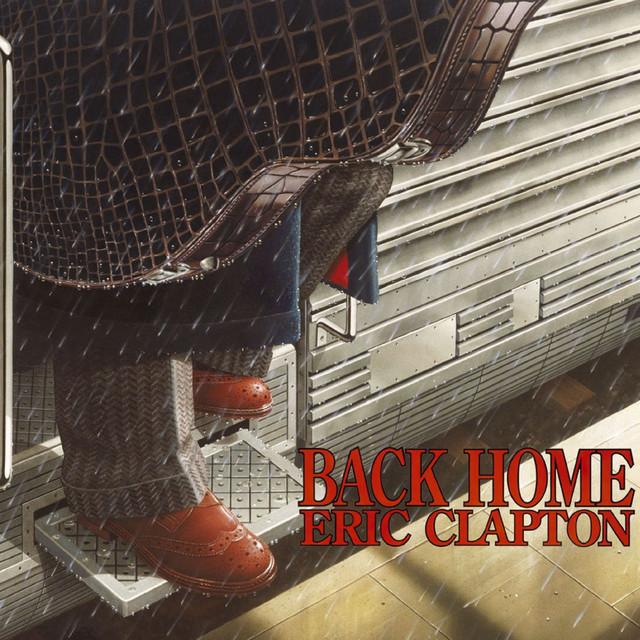
Eric Clapton · 2005
Producer -
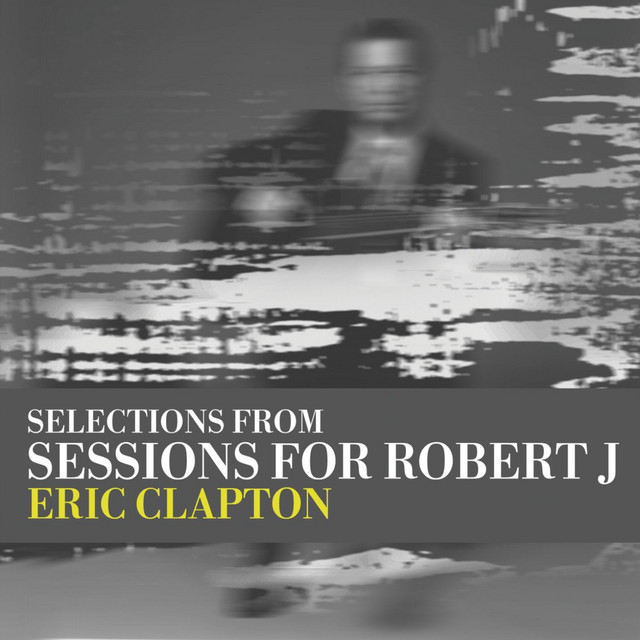
Eric Clapton · 2004
Producer




.webp)