Gregor Tresher
Role
Genre
Credits
Role
Genre
Credits
Gregor Tresher's Gear


Like many producers in electronic music I wanted to own my own Moog synth from the beginning. So the Minimoog was one of the first synths I bought when I started to make a little money with my music. I used it a lot in my early productions. My first records under my real name featured sawtooth basslines a lot. This is the synth I made them with. I have to have it serviced, though – it’s not very stable now. That’s why I bought the Voyager two years ago – to have a fully functional Moog synth when I need one. I’m not using it a lot nowadays but I will never sell my Minimoog as it was my first real proper synth.
Find it on:


This is my most important synthesiser at the moment. I bought the main module in France last year and the expander a couple of months later in Los Angeles. It’s a semi-modular synth that was built in 1976, the same year I was born. I really like the fact that it has been on this planet as long as I have, and now – 37 years later – we make music ‘together’.
Find it on:


I use the Mono/Poly a lot. It’s the lead sound on a lot my of my records. I bought it in South Germany many years ago and I like it for its filter and also for its very fat sound when using all four VCOs.
Find it on:


In Gregor Tresher's studio, a box of Native Instruments Komplete 7 can be seen in the photo from Attackmagazine.
Find it on:


In an interview with DJsounds, Gregor Tresher can be seen using the Roland Juno-60 in his studio at the 5:58 mark.
Find it on:

This little, easy-to-use sequencer has been an integral part of my production for the last year. Ever since I bought it it really changed my way of composing. It’s the most important machine in my Cocoon and Drumcode releases last year, on which I sequenced the main synth lines with it. I basically record hours of variations while tweaking it live and then edit the best parts.
Find it on:
-m.webp?v=1784127417)
Like many producers in electronic music I wanted to own my own Moog synth from the beginning. So the Minimoog was one of the first synths I bought when I started to make a little money with my music. I used it a lot in my early productions. My first records under my real name featured sawtooth basslines a lot. This is the synth I made them with. I have to have it serviced, though – it’s not very stable now. That’s why I bought the Voyager two years ago – to have a fully functional Moog synth when I need one. I’m not using it a lot nowadays but I will never sell my Minimoog as it was my first real proper synth.
Find it on:
-m.webp?v=1784127448)
In the photo titled "Gregor_In_Studio.jpg" from Attackmagazine, Gregor Tresher is shown using a Roland SH-101 synthesizer in his studio.
Find it on:
-m.webp?v=1784041053)
In a photo of Gregor Tresher's studio featured on Attackmagazine, a Roland TR-808 Rhythm Composer is visible, indicating its use in his music production setup.
Find it on:

In a photo from Attackmagazine, Gregor Tresher's studio setup includes an Akai Professional APC40.
Find it on:

In a photo from Attackmagazine, Gregor Tresher's studio features the Celemony Melodyne Editor 2, a pitch-shifting plugin.
Find it on:


In a photo from Attackmagazine, Gregor Tresher's studio setup includes the Dave Smith Instruments Poly Evolver Synthesizer prominently placed on his desk.
Find it on:

In a photo from Attackmagazine, Gregor Tresher's studio features the Native Instruments Maschine MKII.
Find it on:

In his studio setup, Gregor Tresher uses the Universal Audio Neve 88RS Channel Strip Plug-In, as seen in the image from Attackmagazine.
Find it on:
This is a community-built gear list for Gregor Tresher.
- Find relevant music gear like Software Plugins and VSTs, Keyboards and Synthesizers, Instruments, Studio Equipment, Headphones, and other instruments and add it to Gregor Tresher.
- The best places to look for gear usage are typically on the artist's social media, YouTube, live performance images, and interviews.
- To receive email updates when Gregor Tresher is seen with new gear, follow the artist.
Discography
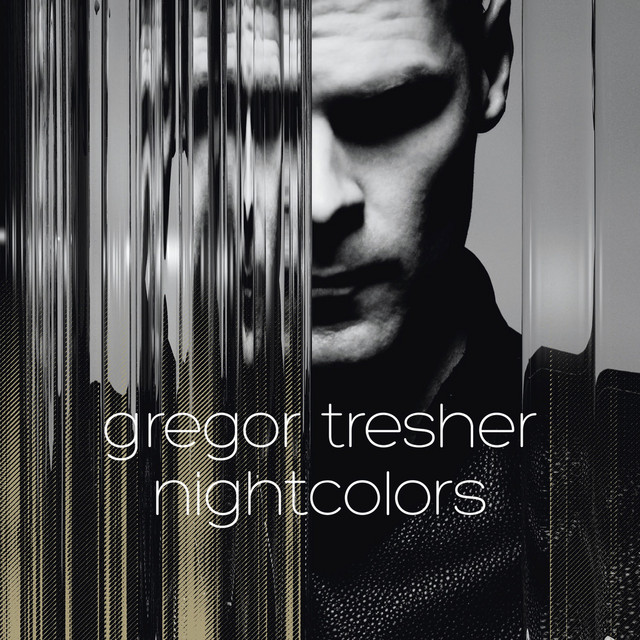
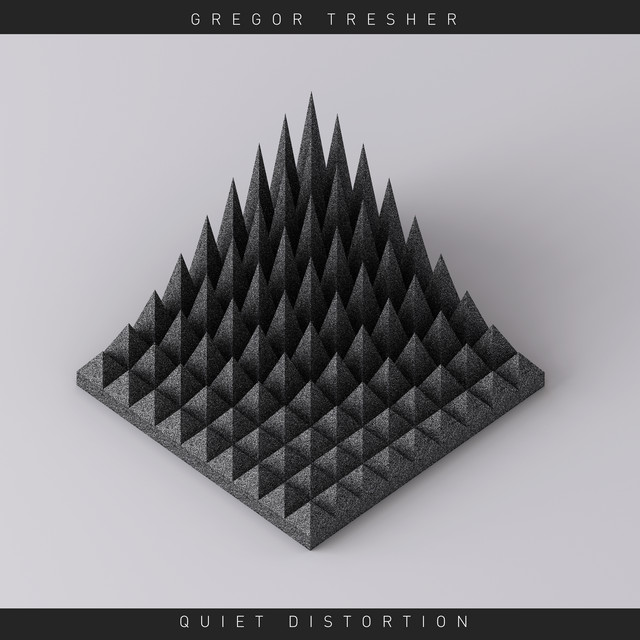
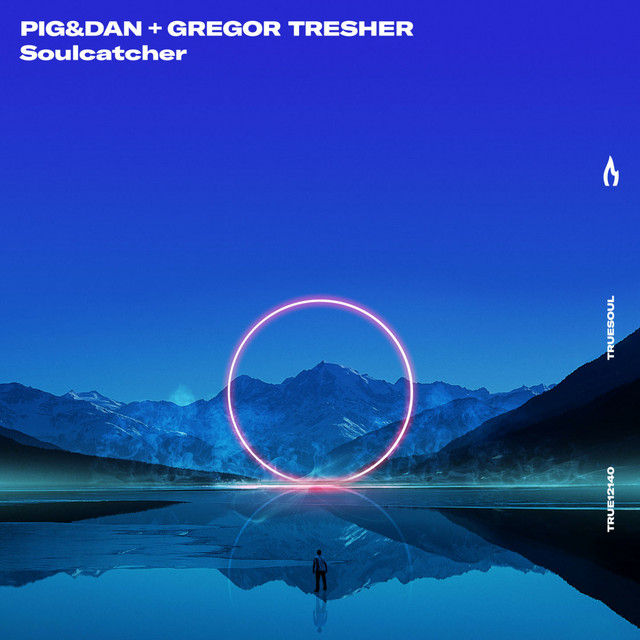

Album Credits
-
Gregor Tresher · 2007
Producer