
John Legend
John Legend's Gear


Used for the vocals on "Save Room", as stated by mix engineer Tony Maserati in this March 2007 Sound on Sound interview.
Vocals: McDSP Filter Bank E6, Waves Renaissance Compressor, Renaissance EQ, L1 Ultramaximiser
"The song has two lead vocal comps, on tracks 48 and 49. You can see that I'm using a lot of plug-ins on those: I'm doing a lot of drastic stuff. They were probably recorded on two different occasions with two different engineers who didn't take the time to match the performances by using the same microphone and signal chains. I get really pissed at this lack of effort on the part of recordists — there are standards in engineering. John Legend is a phenomenal vocalist and before he comes into your room to record, you should reach out to other engineers who have recorded with him to find out what they used — especially, of course, the guy who recorded the song that you're going to be overdubbing onto! That's what I did, the first time I recorded John.
"We liked the lead vocal, it had an energy that we did not want to give up, but it's not recorded consistently. You can even see on the screen that the levels are all over the place. So I spent a lot of time and energy pushing and pulling all over the place to compensate for frequency anomalies and to make the two takes sound the same, as well as to force all the energy out of the vocals that is in there. On track 48 I have a Filter Bank EQ that's pushing a ton of bottom and taking off some top. The Renaissance Compressor is trying to make sense of that, levelling things out a bit with a really slow attack.
"I don't normally use the L1 Ultramaximiser on a lead voice, but it was probably already there, and I'm using it to get some intelligibility and energy from the vocal. The Renaissance is boosting above 9k and the McDSP is cutting around there as well. I think it's because I'm compensating for the L1, which is doing something I'm not entirely happy with. A lot of what I'm doing is simply compensating for a poor recording.
"Lastly I throw on the R4 Renaissance EQ, probably because after mixing for a couple of days, I felt that it needed a little bit more top, and I did not want to change my settings on the outboard, which was probably my GML 8200. I'm also EQ-ing on the board. So I'm being heavy-handed, also with the effects on track 49, in trying to match these two tracks. I was really fighting until we got something out of it, and I think we accomplished that. The end result sounds pretty good."
Find it on:


"I usually record John through a Telefunken U47 from the late 40s. That’s usually my go-to mic on John — I found that I really like him through the classic U47. It’s just such a fantastic mic, it has a lot of great clarity and body for him. John’s a pretty strong singer, and that mic seems to take it pretty well.
It’s worth noting that I’ve recorded all his vocals on the album to tape. That adds some nice upper harmonics, and it has a very nice saturation and character to it. This vocal has a dark slap-back delay.
Mostly, the signal path would be a U47 going to a Universal Audio 1176, or sometimes an LA2A compressor. Preamp-wise mostly we went through Neve 1073’s or 1081’s. I’m going for character, that’s the main thing. I don’t want neutral, I want character. The 1176 or the Neve impart character on it."
— Dave Tozer, executive producer of Love in the Future
Find it on:


In this photo you can clearly see that he's using the Telefunken M80 Wireless Capsule in combination with a Shure wireless system.
Find it on:


"I usually record John through a Telefunken U47 from the late 40s. That’s usually my go-to mic on John — I found that I really like him through the classic U47. It’s just such a fantastic mic, it has a lot of great clarity and body for him. John’s a pretty strong singer, and that mic seems to take it pretty well.
It’s worth noting that I’ve recorded all his vocals on the album to tape. That adds some nice upper harmonics, and it has a very nice saturation and character to it. This vocal has a dark slap-back delay.
Mostly, the signal path would be a U47 going to a Universal Audio 1176, or sometimes an LA2A compressor. Preamp-wise mostly we went through Neve 1073’s or 1081’s. I’m going for character, that’s the main thing. I don’t want neutral, I want character. The 1176 or the Neve impart character on it."
— Dave Tozer, executive producer of Love in the Future
Find it on:

"I usually record John through a Telefunken U47 from the late 40s. That’s usually my go-to mic on John — I found that I really like him through the classic U47. It’s just such a fantastic mic, it has a lot of great clarity and body for him. John’s a pretty strong singer, and that mic seems to take it pretty well.
It’s worth noting that I’ve recorded all his vocals on the album to tape. That adds some nice upper harmonics, and it has a very nice saturation and character to it. This vocal has a dark slap-back delay.
Mostly, the signal path would be a U47 going to a Universal Audio 1176, or sometimes an LA2A compressor. Preamp-wise mostly we went through Neve 1073’s or 1081’s. I’m going for character, that’s the main thing. I don’t want neutral, I want character. The 1176 or the Neve impart character on it."
— Dave Tozer, executive producer of Love in the Future
Find it on:


"We are hitting tape a little bit to get some nice saturation. It’s a big part of the sound. We cut it all at 15 ips, a little slower than 30 ips, which makes a little bit of tape hiss, but I usually like the hiss. The machine we used is a ½-inch Ampex ATR 102. Sometimes a Studer, but mostly half inch mastering machines were what we were tracking into on the way in, harvesting that sound coming into the computer."
— Dave Tozer, executive producer of Love in the Future
Find it on:


At 0:11 into the video he has played this piano for whole the live concert at Kennedy Center.
Find it on:
-m.webp?v=1784612521)
"I usually record John through a Telefunken U47 from the late 40s. That’s usually my go-to mic on John — I found that I really like him through the classic U47. It’s just such a fantastic mic, it has a lot of great clarity and body for him. John’s a pretty strong singer, and that mic seems to take it pretty well.
It’s worth noting that I’ve recorded all his vocals on the album to tape. That adds some nice upper harmonics, and it has a very nice saturation and character to it. This vocal has a dark slap-back delay.
Mostly, the signal path would be a U47 going to a Universal Audio 1176, or sometimes an LA2A compressor. Preamp-wise mostly we went through Neve 1073’s or 1081’s. I’m going for character, that’s the main thing. I don’t want neutral, I want character. The 1176 or the Neve impart character on it."
— Dave Tozer, executive producer of Love in the Future
Find it on:

"I usually record John through a Telefunken U47 from the late 40s. That’s usually my go-to mic on John — I found that I really like him through the classic U47. It’s just such a fantastic mic, it has a lot of great clarity and body for him. John’s a pretty strong singer, and that mic seems to take it pretty well.
It’s worth noting that I’ve recorded all his vocals on the album to tape. That adds some nice upper harmonics, and it has a very nice saturation and character to it. This vocal has a dark slap-back delay.
Mostly, the signal path would be a U47 going to a Universal Audio 1176, or sometimes an LA2A compressor. Preamp-wise mostly we went through Neve 1073’s or 1081’s. I’m going for character, that’s the main thing. I don’t want neutral, I want character. The 1176 or the Neve impart character on it."
— Dave Tozer, executive producer of Love in the Future
Find it on:



The E6 and F2 were used for the vocals on "Save Room", as stated by mix engineer Tony Maserati in this March 2007 Sound on Sound interview. Images of the E6 settings can be found here and here, while an image of the F2 settings can be found here.
Vocals: McDSP Filter Bank E6, Waves Renaissance Compressor, Renaissance EQ, L1 Ultramaximiser
"The song has two lead vocal comps, on tracks 48 and 49. You can see that I'm using a lot of plug-ins on those: I'm doing a lot of drastic stuff. They were probably recorded on two different occasions with two different engineers who didn't take the time to match the performances by using the same microphone and signal chains. I get really pissed at this lack of effort on the part of recordists — there are standards in engineering. John Legend is a phenomenal vocalist and before he comes into your room to record, you should reach out to other engineers who have recorded with him to find out what they used — especially, of course, the guy who recorded the song that you're going to be overdubbing onto! That's what I did, the first time I recorded John.
"We liked the lead vocal, it had an energy that we did not want to give up, but it's not recorded consistently. You can even see on the screen that the levels are all over the place. So I spent a lot of time and energy pushing and pulling all over the place to compensate for frequency anomalies and to make the two takes sound the same, as well as to force all the energy out of the vocals that is in there. On track 48 I have a Filter Bank EQ that's pushing a ton of bottom and taking off some top. The Renaissance Compressor is trying to make sense of that, levelling things out a bit with a really slow attack.
"I don't normally use the L1 Ultramaximiser on a lead voice, but it was probably already there, and I'm using it to get some intelligibility and energy from the vocal. The Renaissance is boosting above 9k and the McDSP is cutting around there as well. I think it's because I'm compensating for the L1, which is doing something I'm not entirely happy with. A lot of what I'm doing is simply compensating for a poor recording.
"Lastly I throw on the R4 Renaissance EQ, probably because after mixing for a couple of days, I felt that it needed a little bit more top, and I did not want to change my settings on the outboard, which was probably my GML 8200. I'm also EQ-ing on the board. So I'm being heavy-handed, also with the effects on track 49, in trying to match these two tracks. I was really fighting until we got something out of it, and I think we accomplished that. The end result sounds pretty good."
Find it on:



Used for the vocals on "Save Room", as stated by mix engineer Tony Maserati in this March 2007 Sound on Sound interview. Images of the settings can be found here and here.
Vocals: McDSP Filter Bank E6, Waves Renaissance Compressor, Renaissance EQ, L1 Ultramaximiser
"The song has two lead vocal comps, on tracks 48 and 49. You can see that I'm using a lot of plug-ins on those: I'm doing a lot of drastic stuff. They were probably recorded on two different occasions with two different engineers who didn't take the time to match the performances by using the same microphone and signal chains. I get really pissed at this lack of effort on the part of recordists — there are standards in engineering. John Legend is a phenomenal vocalist and before he comes into your room to record, you should reach out to other engineers who have recorded with him to find out what they used — especially, of course, the guy who recorded the song that you're going to be overdubbing onto! That's what I did, the first time I recorded John.
"We liked the lead vocal, it had an energy that we did not want to give up, but it's not recorded consistently. You can even see on the screen that the levels are all over the place. So I spent a lot of time and energy pushing and pulling all over the place to compensate for frequency anomalies and to make the two takes sound the same, as well as to force all the energy out of the vocals that is in there. On track 48 I have a Filter Bank EQ that's pushing a ton of bottom and taking off some top. The Renaissance Compressor is trying to make sense of that, levelling things out a bit with a really slow attack.
"I don't normally use the L1 Ultramaximiser on a lead voice, but it was probably already there, and I'm using it to get some intelligibility and energy from the vocal. The Renaissance is boosting above 9k and the McDSP is cutting around there as well. I think it's because I'm compensating for the L1, which is doing something I'm not entirely happy with. A lot of what I'm doing is simply compensating for a poor recording.
"Lastly I throw on the R4 Renaissance EQ, probably because after mixing for a couple of days, I felt that it needed a little bit more top, and I did not want to change my settings on the outboard, which was probably my GML 8200. I'm also EQ-ing on the board. So I'm being heavy-handed, also with the effects on track 49, in trying to match these two tracks. I was really fighting until we got something out of it, and I think we accomplished that. The end result sounds pretty good."
Find it on:


Used for the vocals on "Save Room", as stated by mix engineer Tony Maserati in this March 2007 Sound on Sound interview. An image of the settings can be found here.
Vocals: McDSP Filter Bank E6, Waves Renaissance Compressor, Renaissance EQ, L1 Ultramaximiser
"The song has two lead vocal comps, on tracks 48 and 49. You can see that I'm using a lot of plug-ins on those: I'm doing a lot of drastic stuff. They were probably recorded on two different occasions with two different engineers who didn't take the time to match the performances by using the same microphone and signal chains. I get really pissed at this lack of effort on the part of recordists — there are standards in engineering. John Legend is a phenomenal vocalist and before he comes into your room to record, you should reach out to other engineers who have recorded with him to find out what they used — especially, of course, the guy who recorded the song that you're going to be overdubbing onto! That's what I did, the first time I recorded John.
"We liked the lead vocal, it had an energy that we did not want to give up, but it's not recorded consistently. You can even see on the screen that the levels are all over the place. So I spent a lot of time and energy pushing and pulling all over the place to compensate for frequency anomalies and to make the two takes sound the same, as well as to force all the energy out of the vocals that is in there. On track 48 I have a Filter Bank EQ that's pushing a ton of bottom and taking off some top. The Renaissance Compressor is trying to make sense of that, levelling things out a bit with a really slow attack.
"I don't normally use the L1 Ultramaximiser on a lead voice, but it was probably already there, and I'm using it to get some intelligibility and energy from the vocal. The Renaissance is boosting above 9k and the McDSP is cutting around there as well. I think it's because I'm compensating for the L1, which is doing something I'm not entirely happy with. A lot of what I'm doing is simply compensating for a poor recording.
"Lastly I throw on the R4 Renaissance EQ, probably because after mixing for a couple of days, I felt that it needed a little bit more top, and I did not want to change my settings on the outboard, which was probably my GML 8200. I'm also EQ-ing on the board. So I'm being heavy-handed, also with the effects on track 49, in trying to match these two tracks. I was really fighting until we got something out of it, and I think we accomplished that. The end result sounds pretty good."
Find it on:
-m.webp?v=1784612604)
Used for the vocals on "Save Room", as stated by mix engineer Tony Maserati in this March 2007 Sound on Sound interview. Image of the settings can be found here and here.
Vocals: McDSP Filter Bank E6, Waves Renaissance Compressor, Renaissance EQ, L1 Ultramaximiser
"The song has two lead vocal comps, on tracks 48 and 49. You can see that I'm using a lot of plug-ins on those: I'm doing a lot of drastic stuff. They were probably recorded on two different occasions with two different engineers who didn't take the time to match the performances by using the same microphone and signal chains. I get really pissed at this lack of effort on the part of recordists — there are standards in engineering. John Legend is a phenomenal vocalist and before he comes into your room to record, you should reach out to other engineers who have recorded with him to find out what they used — especially, of course, the guy who recorded the song that you're going to be overdubbing onto! That's what I did, the first time I recorded John.
"We liked the lead vocal, it had an energy that we did not want to give up, but it's not recorded consistently. You can even see on the screen that the levels are all over the place. So I spent a lot of time and energy pushing and pulling all over the place to compensate for frequency anomalies and to make the two takes sound the same, as well as to force all the energy out of the vocals that is in there. On track 48 I have a Filter Bank EQ that's pushing a ton of bottom and taking off some top. The Renaissance Compressor is trying to make sense of that, levelling things out a bit with a really slow attack.
"I don't normally use the L1 Ultramaximiser on a lead voice, but it was probably already there, and I'm using it to get some intelligibility and energy from the vocal. The Renaissance is boosting above 9k and the McDSP is cutting around there as well. I think it's because I'm compensating for the L1, which is doing something I'm not entirely happy with. A lot of what I'm doing is simply compensating for a poor recording.
"Lastly I throw on the R4 Renaissance EQ, probably because after mixing for a couple of days, I felt that it needed a little bit more top, and I did not want to change my settings on the outboard, which was probably my GML 8200. I'm also EQ-ing on the board. So I'm being heavy-handed, also with the effects on track 49, in trying to match these two tracks. I was really fighting until we got something out of it, and I think we accomplished that. The end result sounds pretty good."
Find it on:

When John Legend and his 11-piece band performed at this year’s BluesFest for his only UK show of 2019, it was through a Martin Audio MLA loudspeaker array provided by Capital Sound at the O2 Arena.
Find it on:


In this Youtube Video at 0:20, John Legend can be seen using the Shure SRH940 Pro Studio Reference Headphones for Beauty And The Beast
Find it on:

In this video, John recorded his vocals on the SM7B for the song "DOPE" with JID
At: 2:54
Find it on:

In an Instagram Reel, John Legend is seen using Audio-Technica ATH-M50x Professional Monitor Headphones while recording vocals for the stripped piano version of his song "LEGEND".
Find it on:


This is a community-built gear list for John Legend.
- Find relevant music gear like Microphones, and other instruments and add it to John Legend.
- The best places to look for gear usage are typically on the artist's social media, YouTube, live performance images, and interviews.
- To receive email updates when John Legend is seen with new gear, follow the artist.
Discography

Live at SOB's
2003
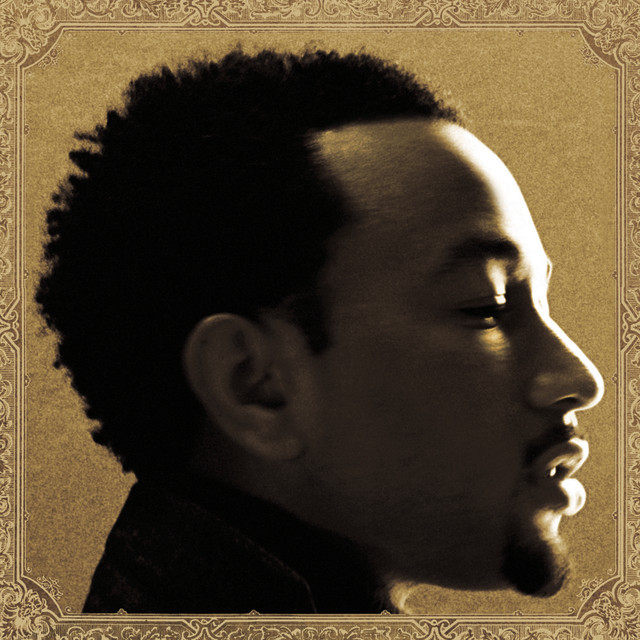
Get Lifted
2005
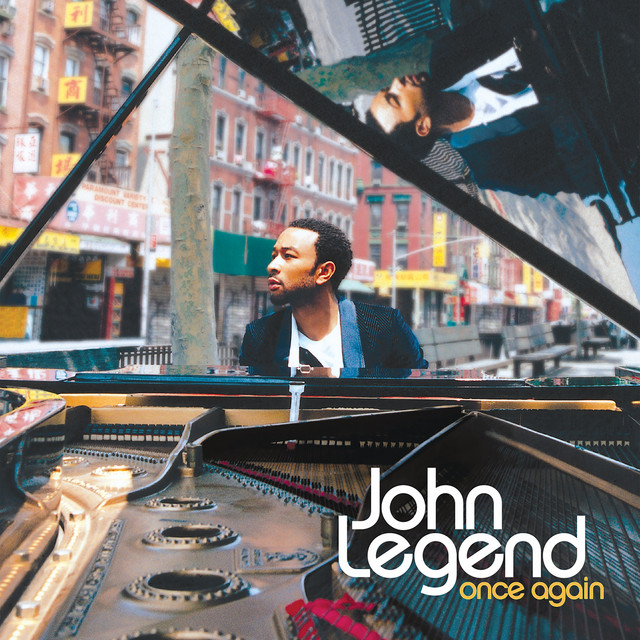
Once Again
2006
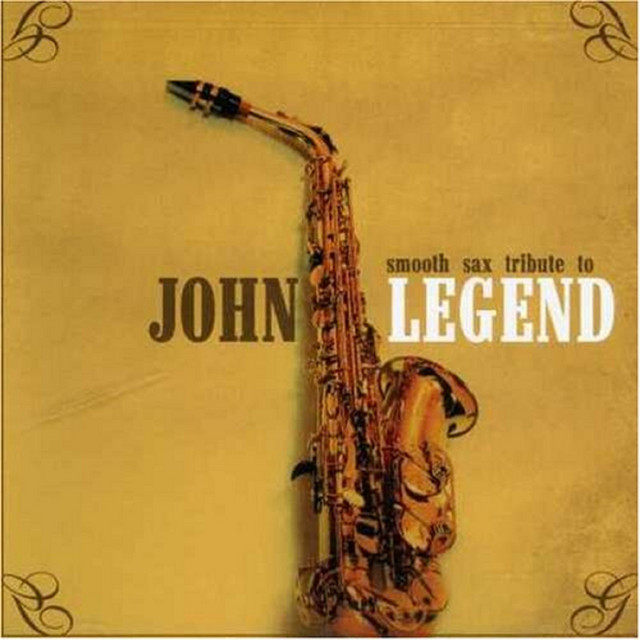
Smooth Sax Tribute To John Legend
2006
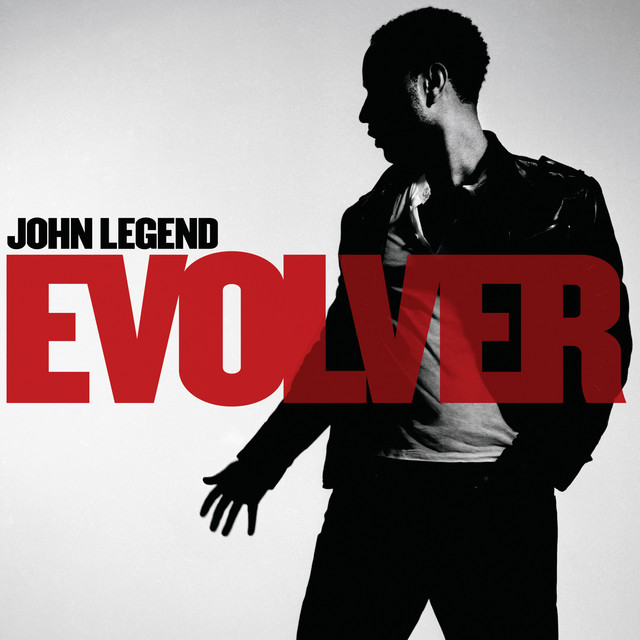
Evolver
2008
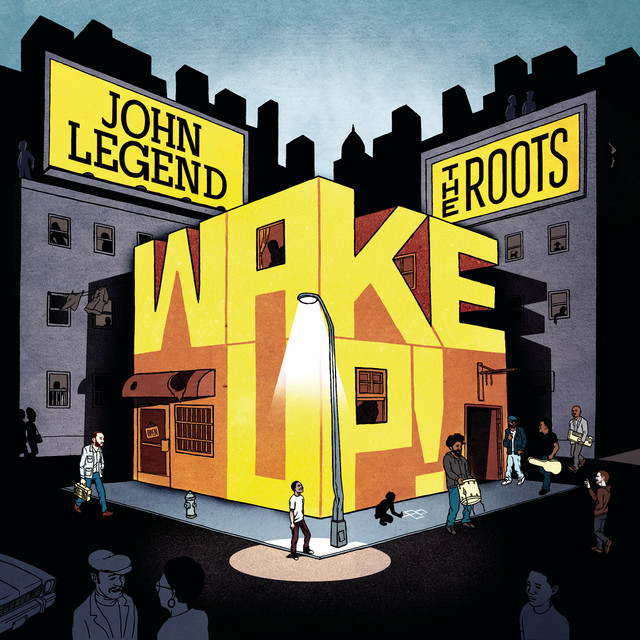
Wake Up!
2010
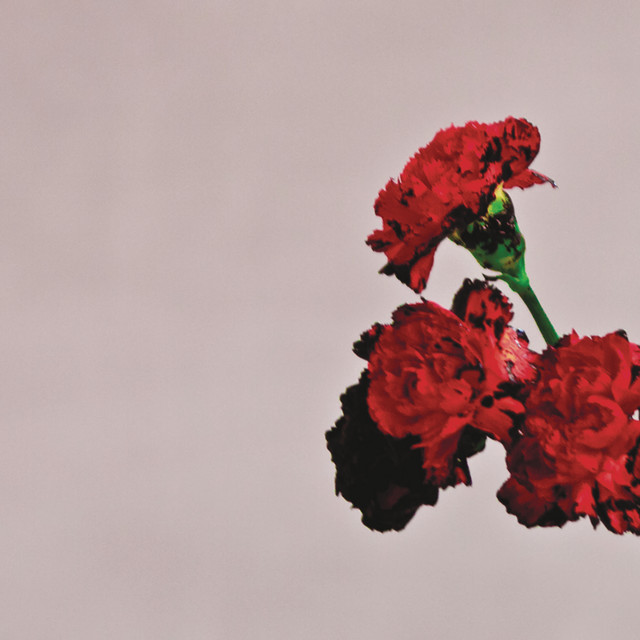
Love In The Future (Expanded Edition)
2013

Spotify Sessions
2013
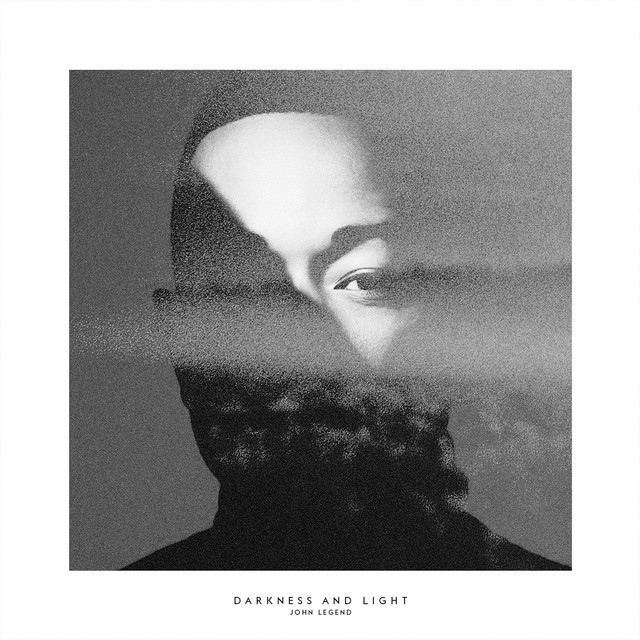
DARKNESS AND LIGHT
2016

A Legendary Christmas (Karaoke Versions)
2018

A Legendary Christmas (Instrumental Versions)
2018

A Legendary Christmas
2018
Album Credits
-
Lin‐Manuel Miranda · 2016
Producer -
The Roots & John Legend · 2010
Producer -
John Legend · 2005
Producer -
Estelle · 2004
Producer


