
Kenny Burrell's Gear


That's a part of an Interview...
"The Gibson Super 400 has been your trademark guitar for many years. When did you first begin playing one, and what attracted you?" It was probably in the late 1960s. I’d been using a D’Angelico New Yorker, which was the same size as a Super 400 (18? body). I like that body size – and where my elbow rests. What I like about the Super 400 (CES) is the humbucking pickup. I originally used the Charlie Christian bar pickup; that’s what I had in my L-5 and L-7 guitars [in the late ’50s/early ’60s]. But the humbuckers had no noise and worked better, especially when I had to turn up the volume with people like Jimmy Smith. They are more “utilitarian,” if you will. I prefer the Super 400 model with two humbuckers and a Florentine cutaway. With that cutaway, I can get my whole hand up there
Find it on:


What are using for amps these days? I prefer a Fender Twin for the most part. I was one of the first to use a Twin; I got one in Detroit and liked the extra bite. I like a fat, warm sound, so I set the Treble lower, the Bass medium, and pump up the Middle. I sometimes use a Roland JC-120 Jazz Chorus as a substitute. When I don’t have to play loud, I might use an old Polytone or Heritage Kenny Burrell amp. I am also checking out the new Fender George Benson 1×12 for smaller gigs.
Find it on:
-m.webp?v=1784333833)
An Interview for "Vintage Guitars"
"The Gibson Super 400 has been your trademark guitar for many years. When did you first begin playing one, and what attracted you?" It was probably in the late 1960s. I’d been using a D’Angelico New Yorker, which was the same size as a Super 400 (18? body).
Find it on:

Is your signature Heritage Super KB based on your Super 400? Yes. Heritage did a nice job of capturing the qualities I like. The Super KB is a little different. It has a slightly thinner body and shorter body (3? deep x 207/8? long instead of 33/8? x 213/4?); the 18? width is the same. The body has a little more curve-around; they did it by making it thinner up near the neck. It has a finger tailpiece, like on my custom L-5. I love the way it looks and that I can adjust string tension for each string separately. I set it medium and occasionally loosen a string a little bit here and there.
Find it on:

How active were you as a studio player? Did you have a variety of instruments? Yes, I had to have them. I certainly had a jazz guitar – a couple of them – and a couple acoustic guitars, steel-string and a nylon. I also had a couple of what I call blues or rock guitars; I set up an ES-175 for that and used the bridge pickup and lighter-gauge strings, for bending.
Find it on:


What are using for amps these days? I prefer a Fender Twin for the most part. I was one of the first to use a Twin; I got one in Detroit and liked the extra bite. I like a fat, warm sound, so I set the Treble lower, the Bass medium, and pump up the Middle. I sometimes use a Roland JC-120 Jazz Chorus as a substitute. When I don’t have to play loud, I might use an old Polytone or Heritage Kenny Burrell amp. I am also checking out the new Fender George Benson 1×12 for smaller gigs.
Find it on:

Didn’t he use your equipment on his first recording session? Yes. I was in New York, and when Riverside Records signed Wes, they brought him to town to record. I got a call from Orrin Keepnews, the head of Riverside, asking if Wes could use my guitar and amp. Wes didn’t like to fly and didn’t take his guitar on the plane. That didn’t make sense to me, but I said, “Okay,” because we were friends and I admired his playing.
I was working at the time, at the Village Vanguard I think, so I was using my L-5, but always had a couple other electrics, and so I let him have my L-7 for his first record (The Wes Montgomery Trio). I think he used my Fender Deluxe.
Find it on:


A Living Legend’s Primary “Weapons” The Gibson Super 400 has been your trademark guitar for many years. When did you first begin playing one, and what attracted you? It was probably in the late 1960s. I’d been using a D’Angelico New Yorker, which was the same size as a Super 400 (18? body). I like that body size – and where my elbow rests. What I like about the Super 400 (CES) is the humbucking pickup. I originally used the Charlie Christian bar pickup; that’s what I had in my L-5 and L-7 guitars [in the late ’50s/early ’60s]. But the humbuckers had no noise and worked better, especially when I had to turn up the volume with people like Jimmy Smith. They are more “utilitarian,” if you will. I prefer the Super 400 model with two humbuckers and a Florentine cutaway. With that cutaway, I can get my whole hand up there.
Find it on:

What are using for amps these days? I prefer a Fender Twin for the most part. I was one of the first to use a Twin; I got one in Detroit and liked the extra bite. I like a fat, warm sound, so I set the Treble lower, the Bass medium, and pump up the Middle. I sometimes use a Roland JC-120 Jazz Chorus as a substitute. When I don’t have to play loud, I might use an old Polytone or Heritage Kenny Burrell amp. I am also checking out the new Fender George Benson 1×12 for smaller gigs.
Find it on:
-m.webp?v=1784556109)
What are using for amps these days? I prefer a Fender Twin for the most part. I was one of the first to use a Twin; I got one in Detroit and liked the extra bite. I like a fat, warm sound, so I set the Treble lower, the Bass medium, and pump up the Middle. I sometimes use a Roland JC-120 Jazz Chorus as a substitute. When I don’t have to play loud, I might use an old Polytone or Heritage Kenny Burrell amp. I am also checking out the new Fender George Benson 1×12 for smaller gigs.
Find it on:


What are using for amps these days? I prefer a Fender Twin for the most part. I was one of the first to use a Twin; I got one in Detroit and liked the extra bite. I like a fat, warm sound, so I set the Treble lower, the Bass medium, and pump up the Middle. I sometimes use a Roland JC-120 Jazz Chorus as a substitute. When I don’t have to play loud, I might use an old Polytone or Heritage Kenny Burrell amp. I am also checking out the new Fender George Benson 1×12 for smaller gigs.
Find it on:

Gibson made me an L-5 with a deep cutaway in the late ’50s. They did it reluctantly. I played that guitar for a while, but it was too heavy. It had a much bigger block; they thought the body wouldn’t hold the neck with the deep cutaway otherwise.
Find it on:

A Living Legend’s Primary “Weapons”
The Gibson Super 400 has been your trademark guitar for many years. When did you first begin playing one, and what attracted you?
It was probably in the late 1960s. I’d been using a D’Angelico New Yorker, which was the same size as a Super 400 (18? body). I like that body size – and where my elbow rests. What I like about the Super 400 (CES) is the humbucking pickup. I originally used the Charlie Christian bar pickup; that’s what I had in my L-5 and L-7 guitars [in the late ’50s/early ’60s].
Find it on:

Earlier, you had a Gibson ES-175 and then a custom L-5 CES with a Florentine cutaway. That was years before the Florentine cutaway on the L-5 and Super 400. How did it come about?
Gibson made me an L-5 with a deep cutaway in the late ’50s. They did it reluctantly. I played that guitar for a while, but it was too heavy. It had a much bigger block; they thought the body wouldn’t hold the neck with the deep cutaway otherwise. The 175 was too small and always felt clumsy; I couldn’t grab it comfortably with my arm. The Super 400 feels perfect for me.
Find it on:
This is a community-built gear list for Kenny Burrell.
- Find relevant music gear like Guitars, Amplifiers, Effects Pedals, and other instruments and add it to Kenny Burrell.
- The best places to look for gear usage are typically on the artist's social media, YouTube, live performance images, and interviews.
- To receive email updates when Kenny Burrell is seen with new gear, follow the artist.
-
Added to Equipboard on by
 astomom
GearIQ 68
-
Updated
Discography
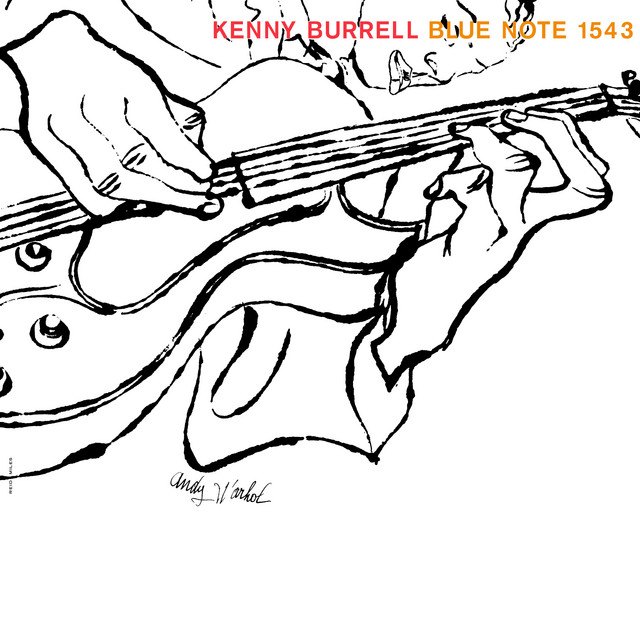
Kenny Burrell
1957
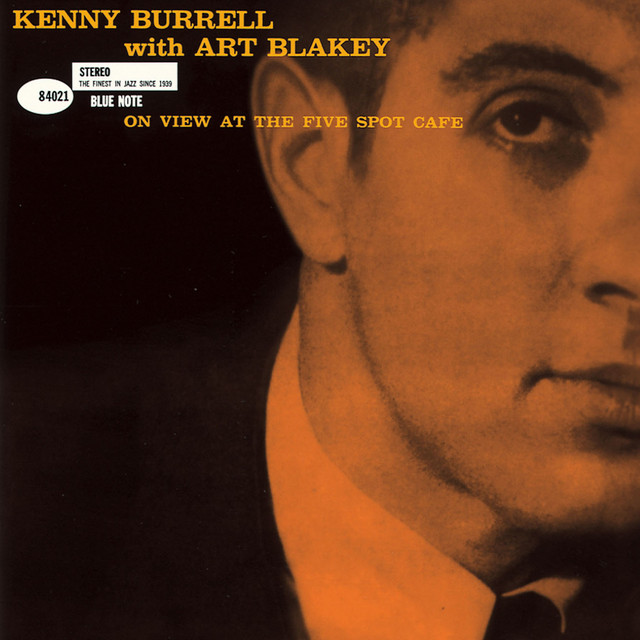
On View At The Five Spot Cafe (Live)
1960
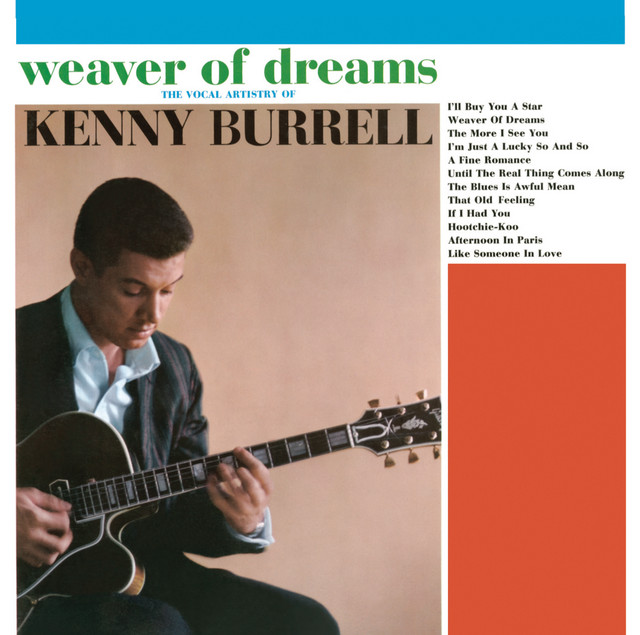
Weaver of Dreams
1961
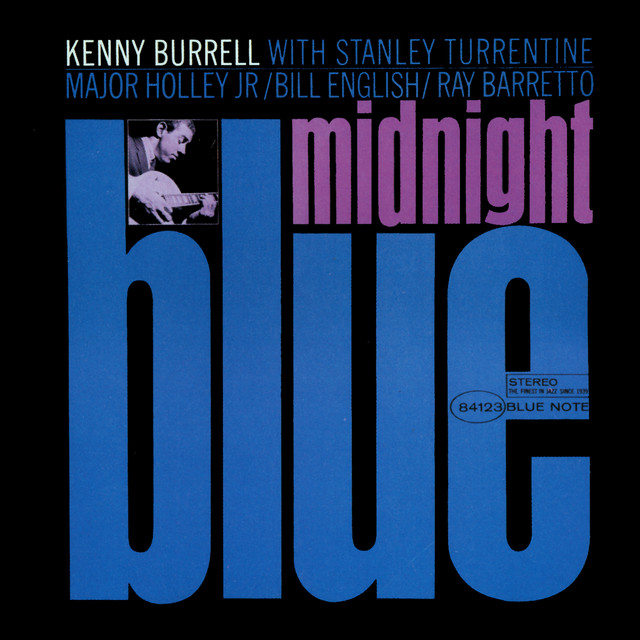
Midnight Blue (The Rudy Van Gelder Edition)
1963
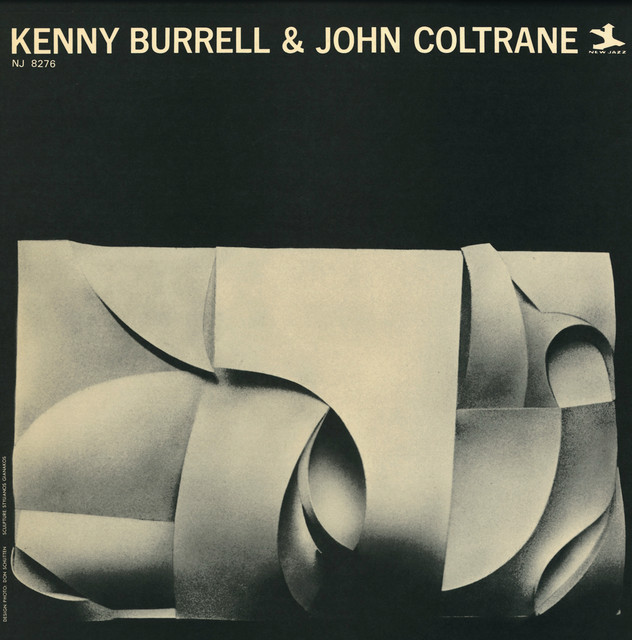
Kenny Burrell & John Coltrane
1963
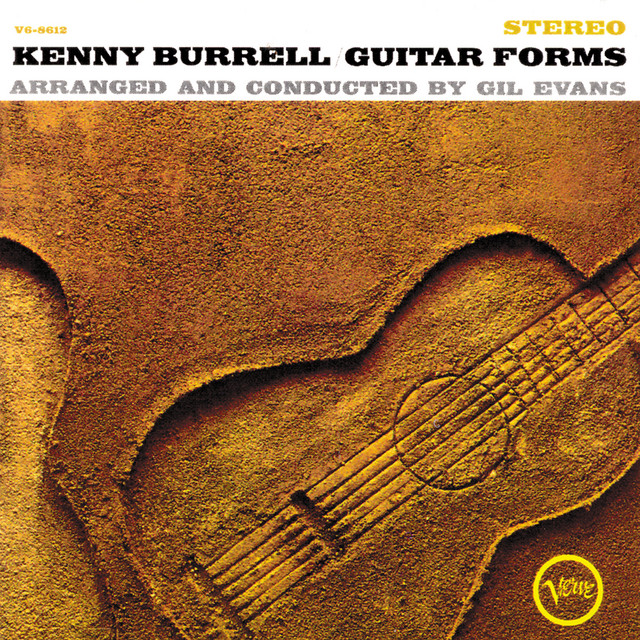
Guitar Forms (Expanded Edition)
1965
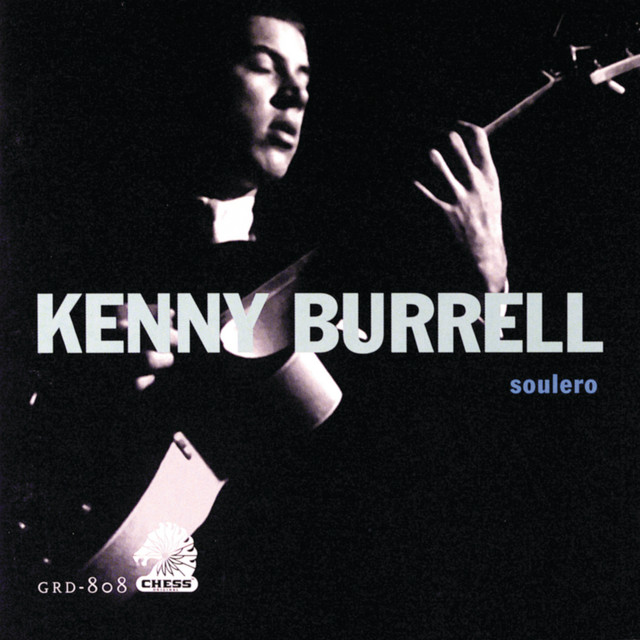
Soulero
1966
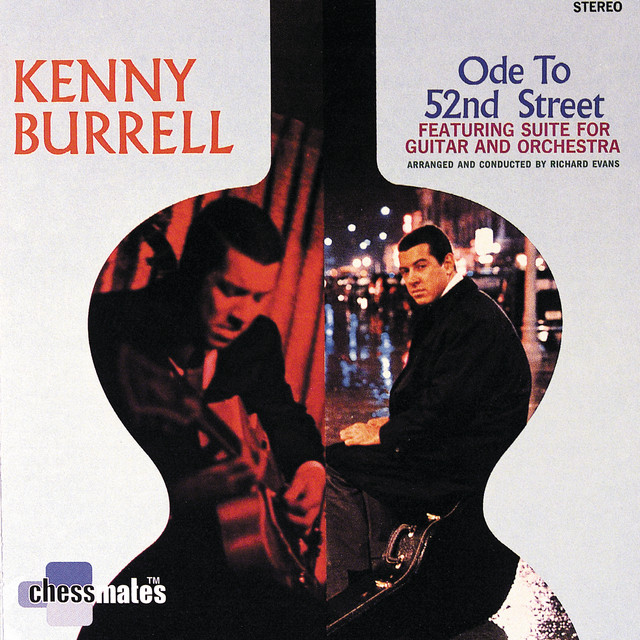
Ode To 52nd Street
1967
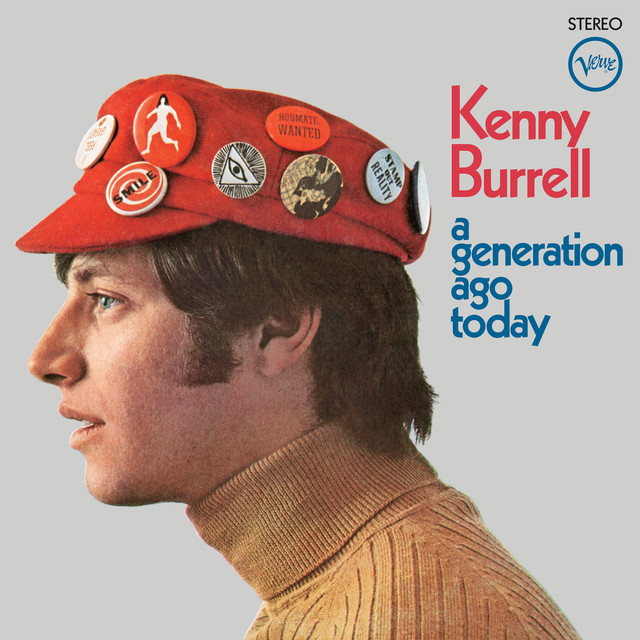
A Generation Ago Today
1967
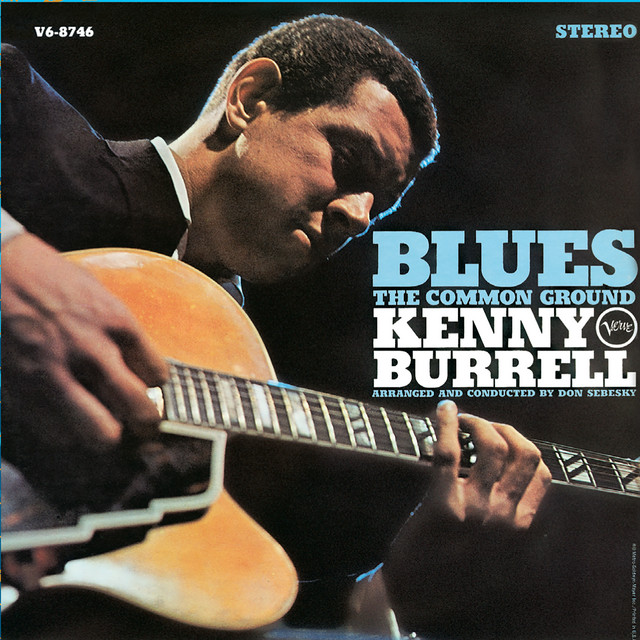
Blues - The Common Ground
1968
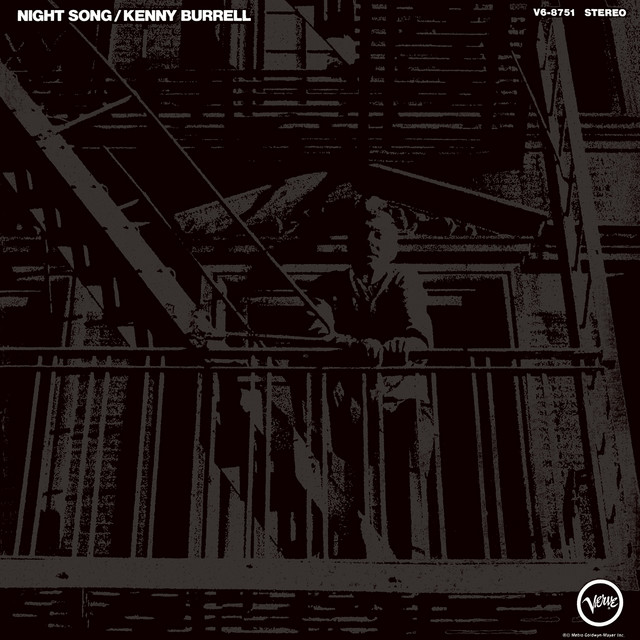
Night Song
1969
Asphalt Canyon Suite
1969
Album Credits
-
![Special Requests (And Other favorites) [Live at Catalina's]](https://images.equipboard.com/uploads/album/image/637259/special-requests-and-other-favorites-live-at-catalina-s.jpg)
Special Requests (And Other favorites) [Live at Catalina's]
Kenny Burrell · 2013
Producer -
Kenny Burrell · 2007
Producer -
Kenny Burrell And The Jazz Giants
Kenny Burrell · 1998
Producer -
Midnight At The Village Vanguard
Kenny Burrell · 1994
Producer -
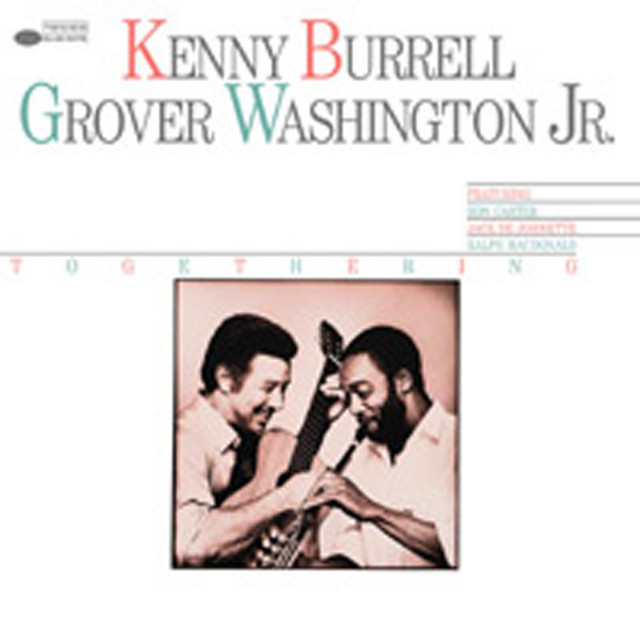
Grover Washington, Jr. & Kenny Burrell · 1984
Producer -
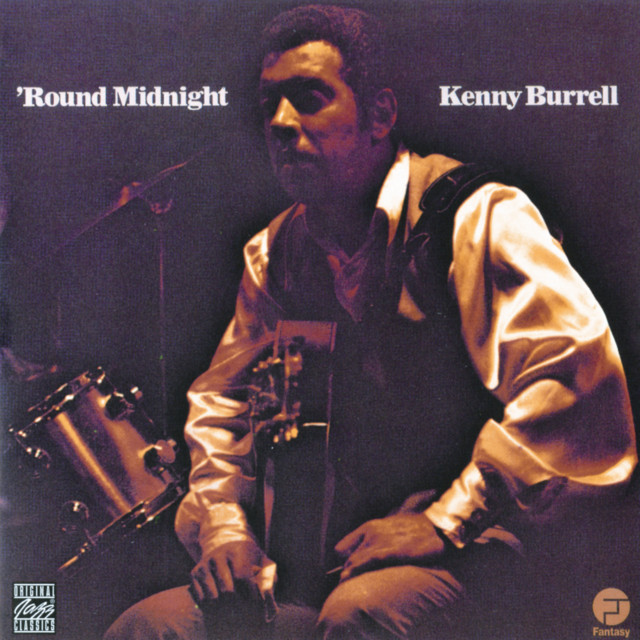
Kenny Burrell · 1972
Producer




.jpeg?v=1770759918)



.webp)


