Michael Jackson
“King of Pop”
Genre
Credits
Genre
Credits
Michael Jackson's Studio Equipment



Michael Jackson utilized the Acoustic Sciences Corporation's Quick Sound Field (Studio Traps) to enhance his studio acoustics, as detailed by Art Noxon of Acoustic Sciences Corporation.
Find it on:


Bruce Swedien used one nicknamed “R2-D2” for the background choirs on Jackson’s songs. It is featured in this February 4, 2020 Facebook post by In The Studio With Michael Jackson (run by Brad Sundberg, Jackson’s technical director).
RIIIIIIIINNNNNGGGG!!! School is in session!!
Meet R2D2.
This is an EMT250 Reverb Unit, affectionally and obviously nicknamed R2D2.
First things first - what is reverb?
Reverb, or reverberation, is an effect added to a sound to replicate if you are hearing it in a large room, gym, church, etc. This gives vocals and instruments a more "live" sound. (There are endless parameters, decay times, pre-delay times, etc., but we'll keep this fairly simple for now).The EMT 250 was first released in 1976 with a hefty price tag of $20,000. For comparison, the typical American home in 1976 cost around $41,000 - $46,000, so this was nearly half the price of a house.
I can't find the exact weight of an EMT250, but it was insanely heavy, and with only two wheels you would do this penguin shuffle to drag it from one studio to another, causing great amusement to clients and engineers alike.
According the internet - which is always correct - only 250 of these units were ever manufactured. It was an essential part of any session I worked with Bruce Swedien - including every Michael session.
So what makes it special? Well, a few things.
First, it has a rich, complex sound, almost like an ocean wave of reverb. It is just 'thicker" than other devices of that era. And... I first touched one in 1984, some nine years after it was introduced. In studio/digital time, that's a lifetime. Yet it was still very popular and was used extensively on albums like "Bad", "Dangerous", "HIStory", "Blood On The Dancefloor" and "Invincible."
The EMT250 has four outputs. It was up to the user to decide how they should be used. Virtually all other reverb units only have 2 (left and right), but the EMT had four. For Bruce, we would assign them 1 left, 2 left, 3 right, 4 right. We treated 1 and 4 as a stereo pair, and 2 and 3 as stereo pair. So I would calibrate the outputs to create a perfectly balanced sound from the four outputs.
Bruce was very minimal in terms of the amount of reverb units he used - sometimes as few as four for a full mix. In other words, the drums might have one reverb (often an AMS), Michael's vocal would be fed into a Lexicon 224 or later a 480, etc. But the EMT was ready and waiting usually for just one source: Choir.
I never saw Bruce feed a lead vocal or drum into the EMT250; his favorite application was to give a choir the biggest, baddest sound imaginable.
So R2 would sit there day in a day out, waiting for something to do. Then we would finally book a choir date with the Andre Crouch Choir, perhaps for a song like "Keep The Faith".
The choir would arrive a couple hours early and warm up, singing gospel songs around the piano. It was amazing to watch and listen to. Then Michael would meet with Andre and Sandra (Andre's sister) and start building the choir parts. He might play the song from a little cassette deck so they could learn it. Then we would gather the entire choir in a circle (yes, a circle) around the microphones, and they would start to sing.
Bruce would record a couple passes, and then have them all move back a few steps and record it again for a slightly roomier sound, or he might pull them in shoulder to shoulder for a closer sound around the mics.
Finally he would feed that explosive amount of a vocal power into the EMT-250 (R2D2) and push the decay to four seconds. He would crank the monitors to 11 and I would brace myself. Michael and Andre would be in the sweet spot and the song would start. When the choir hit in the chorus, it was like someone lit a fuse. The EMT250 would create this insanely rich, thick reverb around their amazing vocals.
Michael would start to hoot and scream and dance, and I knew that Bruce had done it again.
Songs like Mirror and Faith became our "show off" songs when guests would come to the studio. Bruce would cue them up for some poor unsuspecting guest who was used to hearing music at conversational level. That didn't work in our world. Bruce would dime the knob and nod at me to start the playback. I would gulp and hit "Play" and wait for the speakers to explode. I have seen grown men almost fall out of their chairs when the first note hits at that volume.
Give "Keep The Faith" a listen. Crank it up. Listen to the choir. Listen to the reverb on the choir. Thats the EMT250 at work.
When we moved from one studio to another, R2D2 would be carefully lifted into a hefty road-case and transported with us - a very important part of the team with just one purpose: Make the choir sound like heaven just opened up and shared them with us for a few minutes.
Good work R2 - job well done.
Find it on:

Bruce Swedien & MJ used Apogee Conversion on the last Michael Jackson 'Invincible' Album
Find it on:

In the book "In the Studio with Michael Jackson," it is detailed that Bruce Swedien frequently utilized the Solid State Logic G Desk during the recording process. This mixer was employed to manage various stereo tracks and drums for the preamps and automation in the initial raw mixes of Michael Jackson's projects.
Find it on:

It is well known that since the 1980's Bruce Swedien does all his Final Stems Mixes & compile on his Own Favorite Harrision 32C Desk - In his private home studio West Viking he uses this desk for everything - All of Michael Jacksons Music (Post 1980s) was done on the Harrison Desk although inital tracking & compiling may have been on usually an SSL or Neve Desk
Find it on:

According to an article by Ethan Hein on MusicRadar titled "This track is an undeniable banger, but it’s also extremely weird": The borrowed hooks and unstable grooves behind Michael Jackson's Wanna Be Startin' Somethin', Michael Jackson programmed the beat on a Linn Electronics LM-1 Drum Computer.
Find it on:
This is a community-built gear list for Michael Jackson.
- Find relevant music gear like Microphones, Software Plugins and VSTs, Keyboards and Synthesizers, Instruments, and other instruments and add it to Michael Jackson.
- The best places to look for gear usage are typically on the artist's social media, YouTube, live performance images, and interviews.
- To receive email updates when Michael Jackson is seen with new gear, follow the artist.
Discography
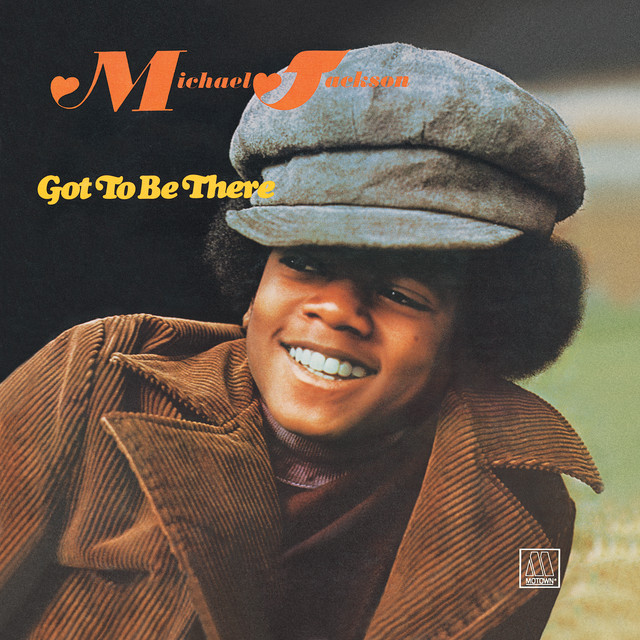
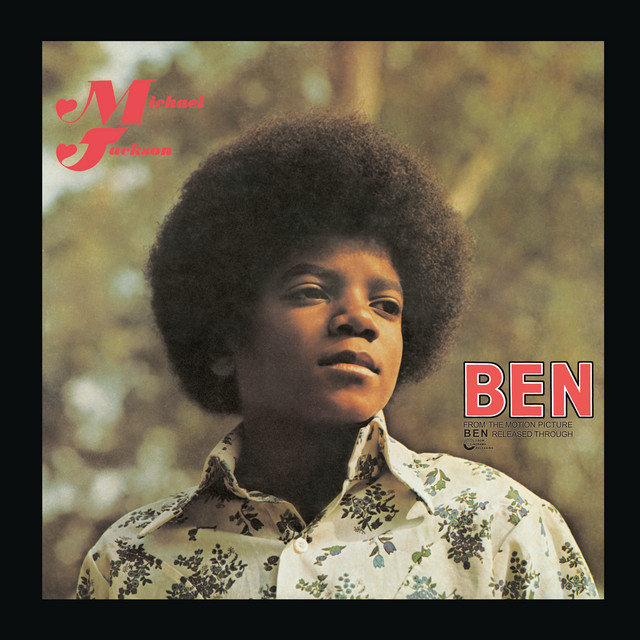
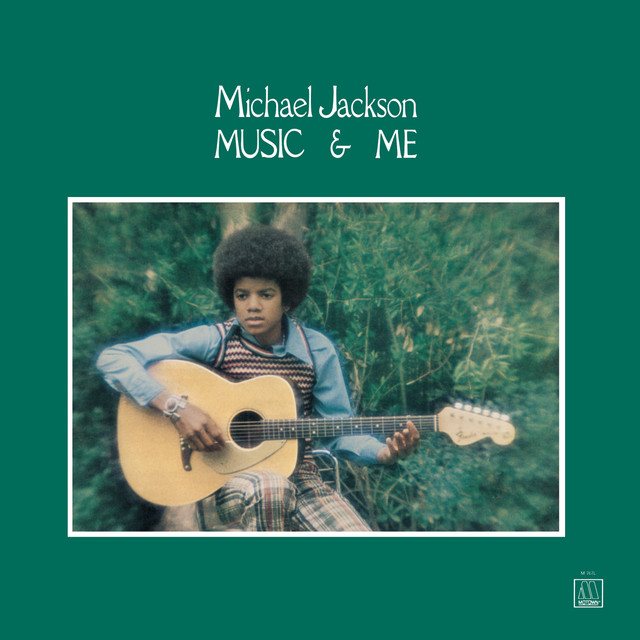
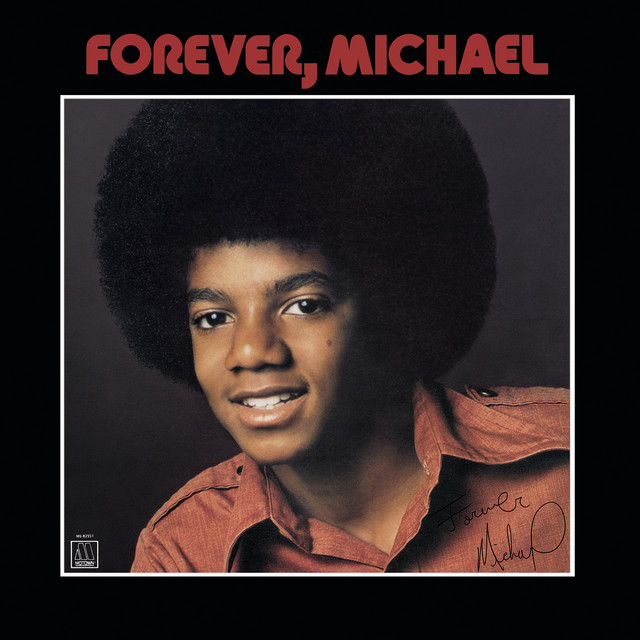
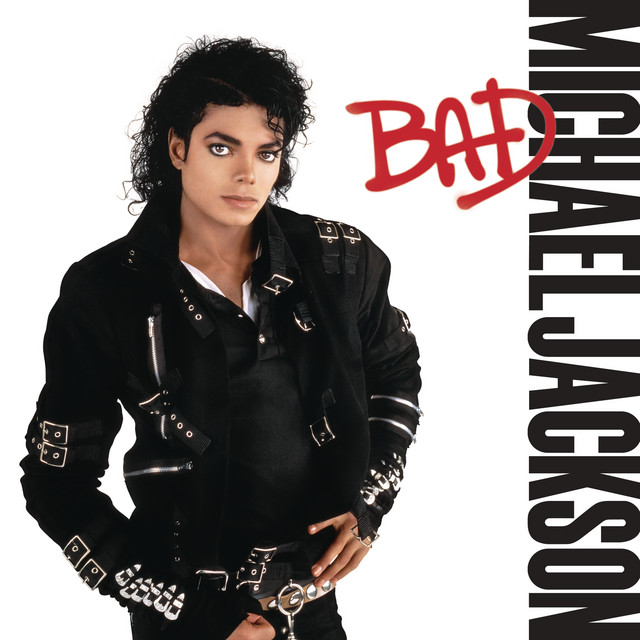
Album Credits
-
Michael Jackson · 2014
Producer -
Michael Jackson · 2010
Producer -
Michael Jackson · 2001
Mixing Engineer Programmer -
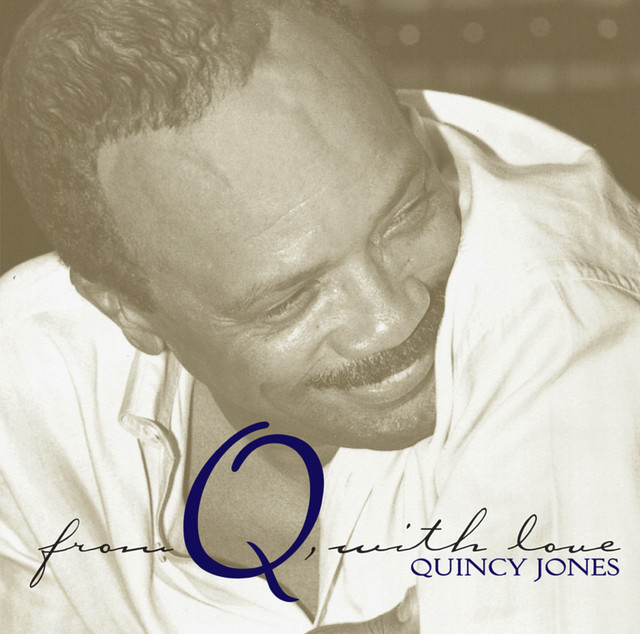
Quincy Jones · 1999
Producer -
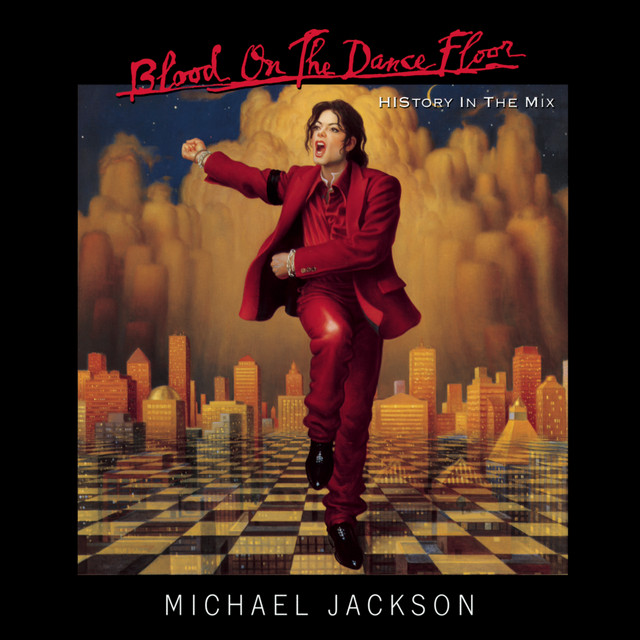
BLOOD ON THE DANCE FLOOR/ HIStory In The Mix
Michael Jackson · 1997
Producer -
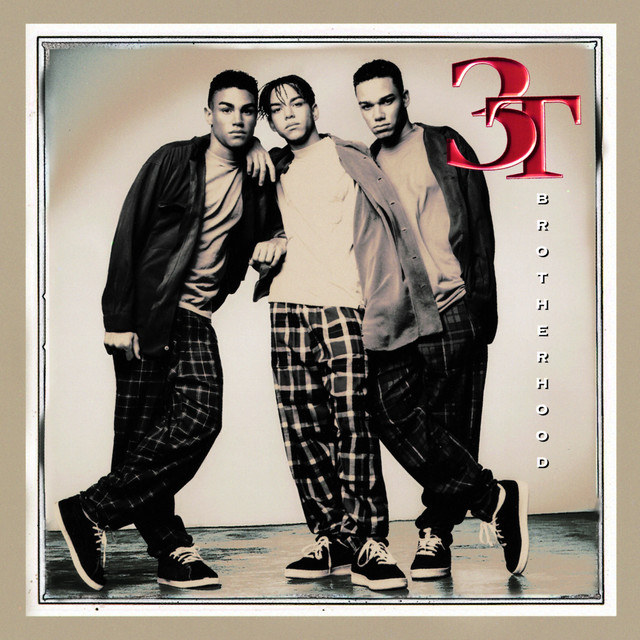
3T · 1995
Producer -
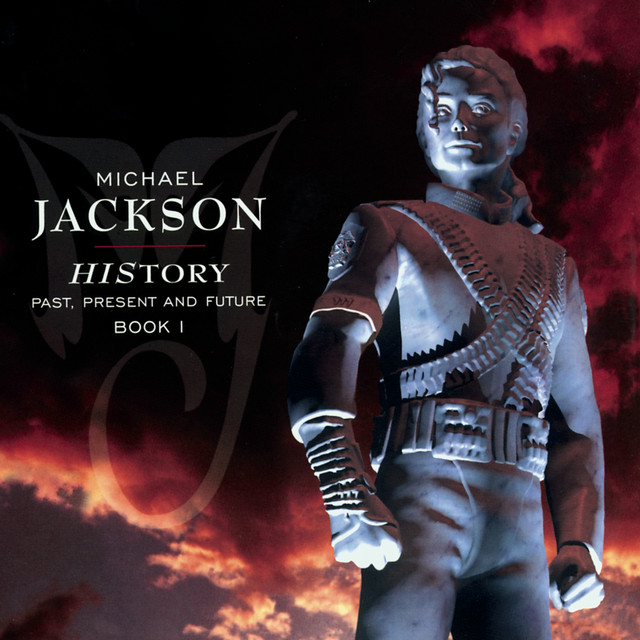
HIStory - PAST, PRESENT AND FUTURE - BOOK I
Michael Jackson · 1995
Programmer -
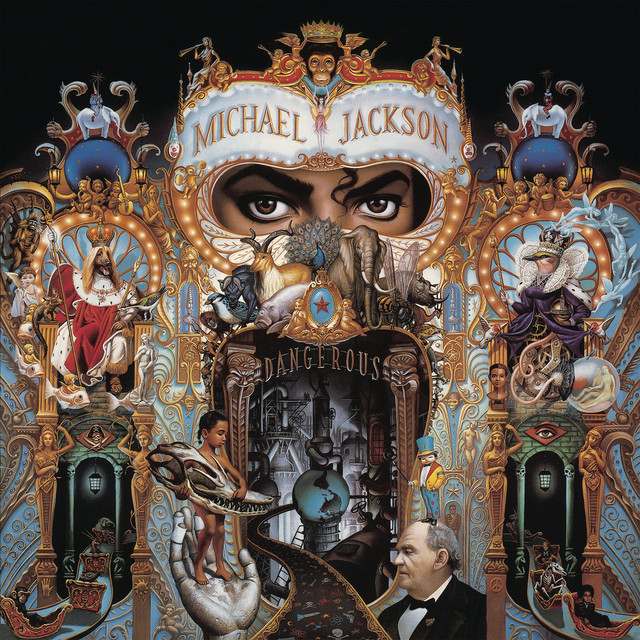
Michael Jackson · 1991
Producer -
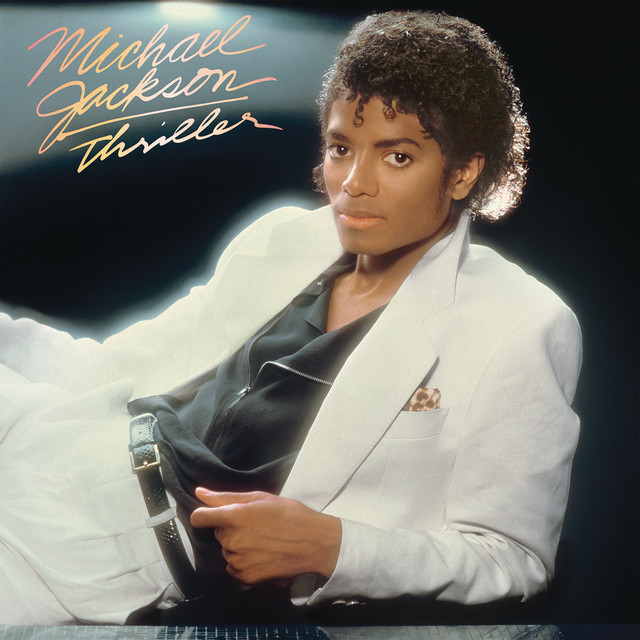
Michael Jackson · 1982
Producer Programmer -
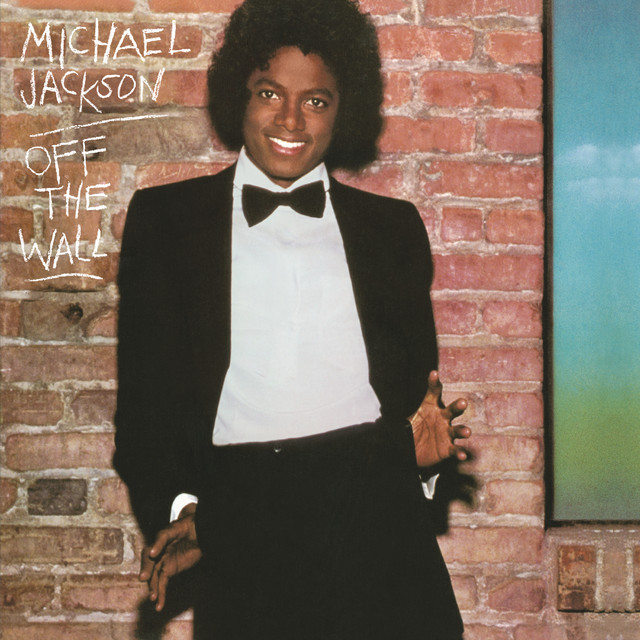
Michael Jackson · 1979
Producer