Steve Jolliffe
Steve Jolliffe's Gear


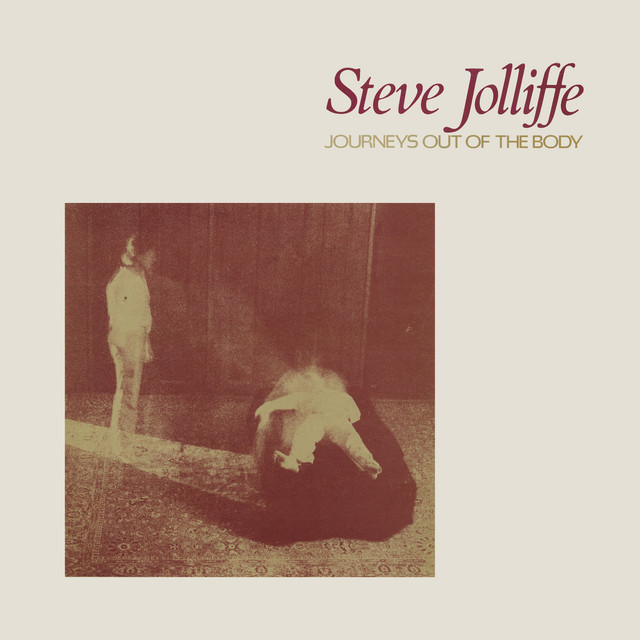
The album's an unusual one enhanced by text relating the essence of Steve's experiences. Already another album is in the pipeline and the equipment used on 'Journeys' has been replaced by some of the latest in technology — a Yamaha DX7 and Roland JX-3P permanently MIDI-linked, a TEAC 38 8-track and mixer and a selection of wind instruments — minus the Lyricon which has been retired in favour of the more traditional expression of flute and sax.
Find it on:


"I've always been a bit of a rebel, and I tend to do the opposite of what everybody else is doing. Recently I started using a Yamaha RX11 drum machine, then changed down to an RX15 because the difference wasn't all that great for the sort of music I was doing. It does help having an all-Yamaha setup with the RX15, DX7, TX7 and the QX7 sequencer, but the drum machine takes a back seat, being used more as a part of a sequence than as a drum backing. And of course the wind instruments are always there."
Find it on:


"I've always been a bit of a rebel, and I tend to do the opposite of what everybody else is doing. Recently I started using a Yamaha RX11 drum machine, then changed down to an RX15 because the difference wasn't all that great for the sort of music I was doing. It does help having an all-Yamaha setup with the RX15, DX7, TX7 and the QX7 sequencer, but the drum machine takes a back seat, being used more as a part of a sequence than as a drum backing. And of course the wind instruments are always there."
Find it on:

"I've always been a bit of a rebel, and I tend to do the opposite of what everybody else is doing. Recently I started using a Yamaha RX11 drum machine, then changed down to an RX15 because the difference wasn't all that great for the sort of music I was doing. It does help having an all-Yamaha setup with the RX15, DX7, TX7 and the QX7 sequencer, but the drum machine takes a back seat, being used more as a part of a sequence than as a drum backing. And of course the wind instruments are always there."
Find it on:

"Well, the DX7 badly needs a chorus, so I use the Boss CE3 pedal. Apart from the Quantec there aren't too many other effects — if I could do without an echo I would, because effects become like crutches as soon as you start to over-use them. I use the chorus quite sparingly, quite subtly".
Find it on:

"I had a Roland 100 system with a sequencer, a few other keyboards and a simple recording setup. With that equipment I did some film soundtracks for experimental filmmakers and developed a lot of my own ideas about music. Around 1977 Tangerine Dream split (with the departure for New York of Peter Baumann) and Edgar Froese invited me to re-join. When I got over to Germany Edgar and myself with Chris Franke and a drummer, Klaus Krieger, set to work almost immediately on the album that was to become 'Cyclone'."
Find it on:


The album's an unusual one enhanced by text relating the essence of Steve's experiences. Already another album is in the pipeline and the equipment used on 'Journeys' has been replaced by some of the latest in technology — a Yamaha DX7 and Roland JX-3P permanently MIDI-linked, a TEAC 38 8-track and mixer and a selection of wind instruments — minus the Lyricon which has been retired in favour of the more traditional expression of flute and sax.
Find it on:

The album's an unusual one enhanced by text relating the essence of Steve's experiences. Already another album is in the pipeline and the equipment used on 'Journeys' has been replaced by some of the latest in technology — a Yamaha DX7 and Roland JX-3P permanently MIDI-linked, a TEAC 38 8-track and mixer and a selection of wind instruments — minus the Lyricon which has been retired in favour of the more traditional expression of flute and sax.
Find it on:

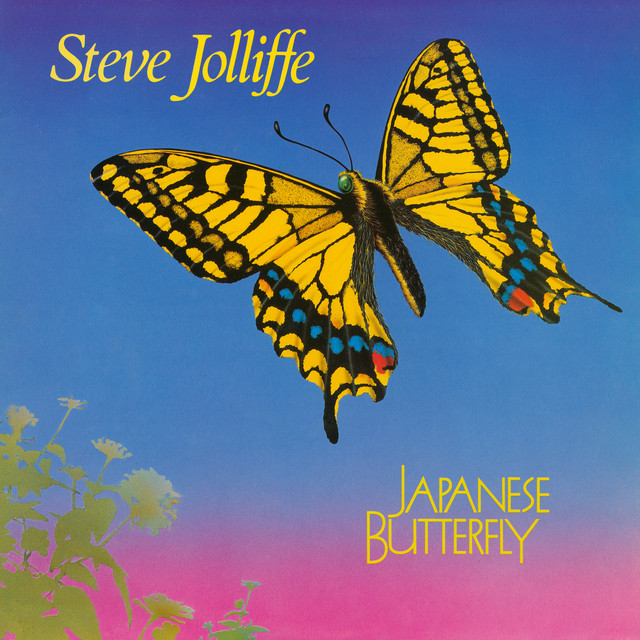
"It's called Japanese Butterfly, and it should be on release now. Originally we were going to call it Death of a Japanese Butterfly, but the marketing people in the States thought that sounded a little negative. Instead I've called the last track Ko Cho No Shi, which roughly translates as Lonely Butterfly Death, so I managed to get it in somewhere! There are ten short tracks and the whole album was recorded at home on a Tascam 38 eight-track with a Quantec Room Simulator for reverb effects."
Find it on:

"The album was mastered using a digital PCM-F1 system, which is wonderful. When I bought the 38 I had considered getting a PCM-F1 and two video machines and recording by bouncing back and forth and overdubbing, but now I'll probably buy an F1 for mastering."
Find it on:

"On one track I used the arpeggiator on the Juno 6, but I play most of the keyboard parts manually. The Juno is the next stage up from the Pro One I used on Journeys — you have to work with them all the time because they don't have memories, so they're very creative. I'm trying to progress all the time with instruments to find a perfect one, and I don't think it's good policy to keep an instrument for too long. I look around every six months or so, but the DX7 has been kept for longest so far — it was one of the first ones in the country"."
Find it on:

"On one track I used the arpeggiator on the Juno 6, but I play most of the keyboard parts manually. The Juno is the next stage up from the Pro One I used on Journeys — you have to work with them all the time because they don't have memories, so they're very creative. I'm trying to progress all the time with instruments to find a perfect one, and I don't think it's good policy to keep an instrument for too long. I look around every six months or so, but the DX7 has been kept for longest so far — it was one of the first ones in the country".
Find it on:
This is a community-built gear list for Steve Jolliffe.
- Find relevant music gear like Microphones, Pianos, Keyboards and Synthesizers, and other instruments and add it to Steve Jolliffe.
- The best places to look for gear usage are typically on the artist's social media, YouTube, live performance images, and interviews.
- To receive email updates when Steve Jolliffe is seen with new gear, follow the artist.
Discography