

Pricing and availability
We compare 600+ stores and found this item at 1 store. Prices updated .
Store
Reviews
Price




Average Price: $499
Budget/Beginner
$500
$1501+
Price Tier
Budget
Standard
High-end
* Product prices and availability are updated by Equipboard every 24hrs and are subject to change. Equipboard may receive compensation for purchases made at participating retailers linked on this site. This compensation does not affect what products or prices are displayed, or the order of prices listed. For more information, please refer to our affiliate disclosure.
Description
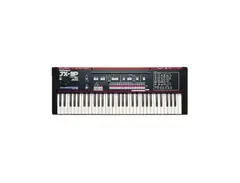
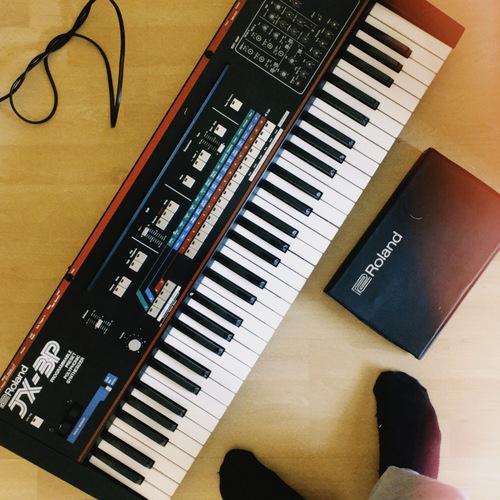
Discover the often overlooked, yet truly powerful, Roland JX-3P Analog Synthesizer. This underrated synth gem boasts six-voice polyphony, a dual DCO for each voice, and a combined memory bank of 64 presets. Sharing the same VCOs and filters as the famous JUNO series, the JX-3P was introduced alongside it, bringing the same depth of sound to your fingertips. Its lush synthesis has graced the recordings of legendary artists like Stevie Knicks, Vincent Clarke, and Astral Projection, proving its mettle in the music industry.
Key Features:
- Six-voice polyphony for complex soundscapes
- Dual DCO for each voice, providing richness and depth
- 32 presets and 32 user presets for a total memory bank of 64
- Same VCOs and filters as the flagship JUNO series
- Featured on the recordings of renowned musicians including Stevie Knicks, Vincent Clarke, and Astral Projection
Product specs
| Brand | Roland |
| Model | JX-3P 61-Key Programmable Preset Polyphonic Synthesizer |
| Finish | Black |
| Year | 1983 - 1985 |
| Made In | Japan |
| Categories | Analog Synths, Keyboard Synths |
| Analog / Digital | Analog |
| Key Size | Full Size |
| Keyboard Action | Synth Action |
| MIDI I/O | MIDI Input, MIDI Output |
| Number of Keys | 61 Keys |
| Polyphony | 6 Voices |
FAQs
-
Is the Roland JX-3P suitable for beginners?
-
The Roland JX-3P is suitable for beginners who want to explore analog synthesis, thanks to its straightforward interface and preset capabilities. However, using its full potential may require some understanding of synthesis basics.
-
Does the Roland JX-3P have MIDI connectivity?
-
Yes, the Roland JX-3P features MIDI input and output, allowing it to be integrated with other MIDI-compatible devices and DAWs.
-
What type of synthesis does the Roland JX-3P use?
-
The Roland JX-3P is an analog synthesizer that uses digitally controlled oscillators, providing stable tuning and classic analog sound.
-
How many voices of polyphony does the Roland JX-3P offer?
-
The Roland JX-3P offers six voices of polyphony, allowing you to play six notes simultaneously.
-
What are the standout features of the Roland JX-3P's sound engine?
-
The Roland JX-3P's sound engine includes 2 DCOs per voice, multiple waveform options, and a noise generator, providing a rich palette for sound design.
Videos

AnalogAudio1
ROLAND JX-3P Analog Synthesizer 1983 | NEW PATCHES | HD DEMO
ROLAND JX-3P Analog Synthesizer 1983 | NEW PATCHES | HD DEMO
AnalogAudio1
Mathew Jonson Presents His Synthesizer Favourites: Roland JX-3P (Electronic Beats TV)

Telekom Electronic Beats TV
Roland JX-3P | A Fantastic Classic!

Espen Kraft
JX-3P // The Best Vintage Roland (That you can actually afford)

Jorb
Famous 80s Synthesizer Sounds with the Roland JX-3P

RetroSound
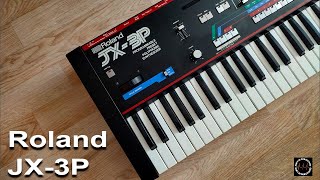
Roland JX-3P Analog Synthesizer - The little Jupiter-8 brother
RetroSound
Is the Roland JX-3P Any Good? // You Tell Me ;) // Quick Demo

Starsky Carr
Reviews
PROS
-
Dual DCOs provide classic Roland sound with added stability
-
Less maintenance with fewer slider faders
-
Budget-friendly alternative to more expensive Junos and Jupiters
-
Optional programmers like PG-2K and PG-200 increase functionality
-
Versatile sound creation, from lush strings to sharp leads
-
Built-in step sequencer enhances usability
-
Comparatively lightweight and compact for a 61 key polysynth
-
Reliability with no known issues if treated well
-
Unique non-Juno chorus offers excellent pad sounds
-
Compatible with modern MIDI controllers through converters
CONS
-
Programming can be challenging without an external programmer
-
Lacks the soaring highs and window-shaking lows of some Roland siblings
-
Some find the filter resonance not punchy enough for sweeps
-
Original MIDI implementation considered poor without upgrades
-
Sound may feel less weighty in highs and lows compared to other Rolands
-
Optional programmers necessary for intuitive sound shaping
-
Absence of an arpeggiator limits performance options
Owner Insights
We analyzed real musician discussions from forums and Reddit to find what players love, question, and tweak about Roland JX-3P.
Features and functionality
-
The JX-3P includes a unique sync feature where one oscillator's reset phase locks to another, creating harmonized detuning and metallic tones.
Source -
The polyphonic sequencer is highlighted as a fun feature, adding versatility to the JX-3P's capabilities.
Source -
The JX-3P's sequencer is highly praised for its ease of use and is considered perfect by some owners who favor it over other Roland models.
Source
Mods and upgrades
Use cases and applications
-
The JX-3P excels in producing juicy funk sounds and is noted for its versatility, though it struggles with bass.
Source
Setup and maintenance
-
A PG-200 or modern reproduction is essential for easy programming; without it, the synth can be complex to program from the panel.
Source
Build quality
-
Several owners have reported issues with missing structural screws and damaged volume potentiometers, requiring repairs and replacements for optimal performance.
Source
Software and compatibility
-
The Organix board mod allows the JX-3P to respond to MIDI CCs, though it's less advanced than the Kiwi mod but still enhances software integration.
Source
User experience
Comparisons
-
The JX-3P is often compared to the Juno 106, with some users preferring the JX-3P for its softer attack and wider sound range despite the Juno's popularity.
Source -
Users favor the JX-3P over modern polysynths for its distinct Roland sound, which can't be fully replicated even with analogs and a Roland Juno Chorus plugin.
Source
Critic Reviews
4.5 out of 5
Based on 13 Reviews and 56 Ratings

344
A vintage bargain
Wanted to buy a juno but couldn’t afford it, so found one of these for less than 1/4 of the price. It sounds just as good, even has a couple features the juno doesn’t! Such as 2 oscillators per note, a great sequencer and cross mod. The only issue with the JX-3P is that you can only control one parameter at a time. The interface is not tactile and means you have to rely on a limited amounts of facory and custom presets. Sure you can buy programmers such as the PG-200 but they have to be plugged into the midi, which means that it now can’t talk to other instruments. Back when I owned mine the programmer costed nearly as much as the synth itself. Despite this, you can get used to these things, especially when you consider the price difference between this and a juno in the same condition!
Preferred Settings + Usage:
The aeroplane preset

27255
3P + Programmer = Pure Joy
TLDR: I'm fortunate enough to also own a Jupiter 6, a Juno 60, and a pair of SH-101s, but the JX-3P has been my favorite of the lot for many years. It'll fill in the midrange of your arrangement in a way that fits effortlessly and it rewards absent-minded knob twiddling with a diverse palette of funky strings, pads, organs, and lush atmospheric tones... more so than even the (more robust, but more architecturally-constrained) Juno 6/60/106 or the (far more powerful, but with narrower sweet spots) Jupiter 6.
(I can't speak for the Jupiter 8 in this regard, but you could buy at least 14 pairs of 3Ps + PG-200s at the Jupiter 8's current market value)
The First Date: At my Craigslist-facilitated visit to the seller's home, I loved the 3P from the first keypress, but when I got my new prize back to my place, it (initially) sounded a bit anemic when compared directly to the Juno 60. A lot of this can be pinned on the very modest presets it ships with, but the fact remains that the 3P just doesn't have the soaring highs, window-shaking lows, nor quite the same fluid musicality of the 6/60's oscillators and filter. Sadly, and stupidly, the 3P was relegated to my "to sell" pile shortly thereafter. I'm guessing many buyers/owners were originally turned off by similar expectation-laden comparisons to it's (physically) larger Roland siblings. The Jupiters and Juno 6, 60, and 106 set the bar for entry-level analog polysynths pretty damn high.
So why did I rescue the 3P from the pile and give it a second chance? Well, someone on the internet opined that the anonymous(ish) folks behind Drexcyia, Arpanet, Elektroids, etc feature JX-3P all over their releases, and those acts definitely had my respect. I was shocked to hear this synth I had deemed to be "too anemic" was a go-to for a bunch of acts that certainly had a good arsenal of analog classics at their disposal. I plugged the 3P back in listened with fresh ears. I stopped waiting for "those Juno tones" to appear and just listened to what was there: which is a whole lot, with it's own inimitable vibe... and with a hell of a lot less historical baggage.
So What's this synth like in use?
Analogy 1: If the Juno 6/60/106 and Jupiter 6/8 can "sing" well across the bass, baritone, tenor, countertenor, etc ranges, one could say the JX-3P does it's best work in the upper baritone and tenor ranges, a "lighter" voice, but no less essential, and it can give you far more within the limits of this range than the aforementioned synths can (the David Byrne to the Juno's Roy Orbison). That said, I LOVE some of the basses I've made on the 3P, basses I can't duplicate on any of my other synths, and it's "high highs" are pleasing, they're just not as crisp and/or screeching as the Junos and Jupiters. Boo-hoo... must every instrument do everything?
Analogy 2: In guitar-land, Fender Stratocasters and Telecasters were the only 6 string Fenders the market consistently wanted until the late-80s/early 90s grunge and college rock boom(s). Guitarists started picking up old, funky Jazzmasters, Jaguars, and Mustangs in a search for something a little left of center (and cheaper). Nobody is going to tell you that a Jaguar can do everything a Strat can... but those "offset" fenders have returned to production and desirability because they offer a unique feel, sound, and tonal palette relative to the ubiquitous chocolate and vanilla of Strat and Tele. The 3P is like a Jaguar to the Juno's Telecaster and the Jupiter's Stratocaster: a little more comfortable to play, a little smaller, more funky switches and sound shaping potential (compared to a Telecaster, at least). And, like the Jaguar, it's comparatively lacking some of the overall power in the highs and lows, but not in an unpleasant/unmusical way... it's just a less "weighty" sounding instrument, but this lightness let's more of the synth's ragged, primitive, digitally-slaved analog character come through.
In Use: Whenever I'm twiddling the 3P, the world is a wonderful place.
With the PG programmer, the ergonomics of this instrument are so on-point. I remember reading years back that Legowelt felt the 3P+PG-200 had the best layout of all the synths in his museum-sized arsenal... thus far, I have to agree. Having everything you need tidily organized all in the right hand corner is ergonomically convenient. It's also worth noting that the 3P is probably 75% as big as a Juno 60 (which is huge, too huge) and probably not even half as heavy. The 3P is, for me, the prefect size for a 61 key polysynth.
Sonically, this thing came out the same year the DX7 started taking over the world, so it's got (among other interesting touches) a "metal" setting for the cross mod control, which (I believe) is someone's attempt to enable some DX/Synclavier/PPG-style chime within the classic Roland analog palette. Thankfully, the 3P fails miserably at sounding anything like the DX7 or any of the other early digital synths. (analogy alert!) If the DX7 is the TI Graphing Calculator of synths, the 3P is more like a TI Speak & Spell: much simpler, more colorful, and more charming... and the 3P is definitely that much more fun and approachable than the DX synths... in fact, with the PG-200 attached, I find it more fun and easier to get lost in (the good kind of lost) than any other instrument I've lived with. Similar to the Junos, it has a wide sweet spots that ensure things never really sound all that wrong/abrasive, but with it's 2 oscillator per voice architecture (Juno's are just 1-per) you've got a bigger box of crayons to work with... those crayons may be a bit smaller a little more muted than the Juno's big bold primary reds, blues, and yellows, but you can explore the joys of detuned oscillator pairs AND a bucket of classic Roland chorus at the same time: timbres a Juno inherently just can't produce... and let's not forget that none of the Jupiters of this era have built-in analog chorus. Yes, I'm grossly over-simplifying what makes the 3P unique; you'll just have to try one.
Also, while I have nothing against them, I currently have no interest in the later JX-8P/10. I'm sure they're great string/pad synths, but in my experience, they don't have the rough-edged, slightly unpredictable tonal charm of the 3P. The first JX (the 3P) is my pick of the litter for the JX product line: it always gives back a little more than you put into it.
Consider This: Every knob position on a Juno 6/60 or 106 is electronic music history, some artist's classic patch from some classic track... this can often be a great thing, there's a reason everyone used one, but I sometimes struggle to forget all about the weight of that history and just serve the music I'm trying to make in-the-moment. You'll have no such historical struggles with the 3P; it plays/mixes beautifully with all Roland gear of that era, but every new patch I dial-in feels like it's my own voice, filtered through a lot of classic Roland flavoring... which is pretty much what I was hoping for when I bought it.
I was so happy to see Roland include the lesser-known 3P in it's initial trio of "Boutique" hardware reissues. I read a majority of the pro and end-user review of those Boutique boxes, and a surprising # of people from both camps said that the 3P was their favorite of the 3. When going head to head with great DSP-reproductions of a holy grail Juno 60 and Jupiter 8, the lowly, less-famous, less-soaring, less-bass-quaking 3P was the one that kept getting the nod as the reviewer's personal favorite of the 3... think about that for sec...
So... If you want a Juno, get a Juno. If you want a 2-OSC Juno 6/60, maybe get a Jupiter 8 (not the 4 or 6, but that's a different review). And if you want a bone-simple, approachable, inspiring, funky, 2-OSC polysynth from a different, forgotten planet within the same early-80s Roland universe, go 3P + PG-200 (or Boutique JX-03, or Roland Cloud JX-3P VST) and never look back.


85
Good even without the programmer.
I've only had this synth for a few weeks, so I still have some exploring to do, but let me talk about a few things that I have come to know already. 1. YOU DO NOT NEED THE PG-200 PROGRAMMER TO MAKE CUSTOM SOUNDS. I bought this with the expectation of buying the PG-200 down the road, but ended up realizing how much I don't need it. Want to edit the release? Hit Bank B, then number 16 and book you have a very nice slider to edit the parameter with. Don't believe anyone that says its useless without the programmer. 2. It's beautiful. The classic bright 80's colors that line it, make it a charmer. 3. It's 1/3 the price of a Juno, with 2x the oscillators. While I love the Juno, and would have one if I wasn't so poor, the JX-3P definitely feels the void for that vintage roland sound. 4. The polyphonic sequencer is so nice and useful.
BUY ONE :)

274
ambient hero
still very much underrated, for me the jx-3p is one of the nicest affordable analog synths for creating spaced out pad and string sounds. it sounds a lot "cleaner" than e.g. a juno-60 or korg polysix but still organic and vital. the two DCOs are very stable compared with the VCOs of the JUNO, the filter is not as aggressive and dirty as that of a juno or jupiter - so the synth is always a bit more controlled and precise. though it sounds cleaner, you can still do a lot of hypnotic stuff by detuning the oscillators. a perfect machine for warm glowing aphex twin-ish ambient pads.
another big plus is the easy to use built-in step sequencer, so it works great with the usual tr-606/808 setup.
the additional PG-200 controller ist strongly recommended, this gives you direct access to all parameters.

197
Juno 60 has DCOs too not VCOs! All Junos are DCO all JX's are DCO (until the later digital abominations). Polysix is VCO of course.

104
Fantastic synth
Despite its shortcomings in the vintage synth market, this piece of music history is nothing but amazing analog. Its like having an even more powerful juno despite not being able to program it without the pg 200. Fat basses, smooth pads and sharp electrical leads. It really can do it all. Lack of an arpeggiator is a disappointment but for everything else this synth can do, its a fine loss. Ignore the reviews of juno only players, having heard both the jx and the juno 106 side by side they both have their own pros and cons (a juno 60 sounds better than both of them however), but the jx seems to sound more present. The juno uses chorus to pump up its sound but the jx's second oscillator per voice really thickens up the sound in all the best ways. One thing great about it as well is it has no reliability issues if treated right. Great synth overall for many types of sounds. Worth it to get the kiwi upgrade as the midi implementation is awful, which is one solid reason you don't see this synth in many modern studios.

235
Pure analog for covering the basics
This is a goog synth. Would be great if there were more realtime controls. I will have to check the mods for this since they add some MIDI CC so an offboard controller can sends signals too it.
Preferred Settings + Usage:
These are the best patches https://digitl.gumroad.com/l/TQjnEI

61
Great 6-voiced polysynth
Good filters and does more than the box tells it to. Has that nice Roland sound of the eighties. I use it often for arps as it has a sequencer with a trigger-input, but it works just as well for organ, brass and sometimes bass-patches.

183
My very first synth...
This was my first synth. I saved up all summer doing work to be able to spring enough cash for the $1,200 to get it. Decent synth, and much better with a dedicated programmer.

Chimes patch!
The chimes patch is killer, very Aphex Twin although I don't thinks he has one.


awesome
desert island polysynth with the programmer
Artist usage
Add artist

According to Mac Demarco in this interview, he owns a number of synths. "I got a Prophet 5, we got Juno 60, JX-3P, DX7, DX100, whatever you want," Demarco said at (2:57).


In a June 1984 article in International Musician and Recording World on the last page he states he owns one of the synths. He complains that Roland will not give them any discount so the hide them on tour and he does not like to mention them!


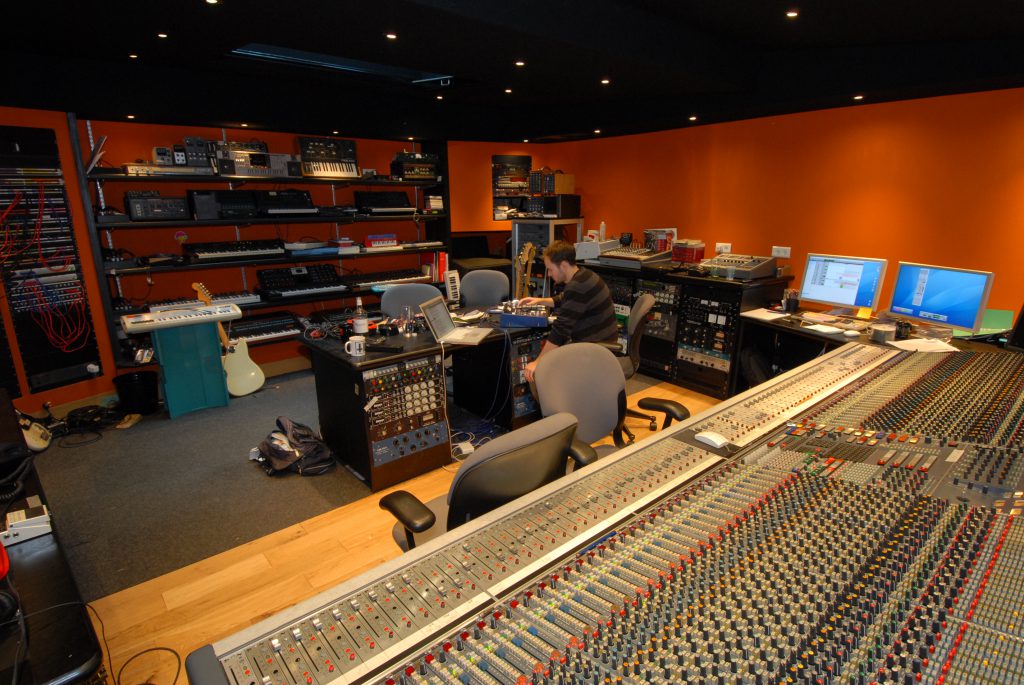
According to this article, Damon has this in his recording studio.


Starting with his 2011 album "Underneath The Pine," Toro Y Moi frequently makes use of the Roland JX-3P synth.


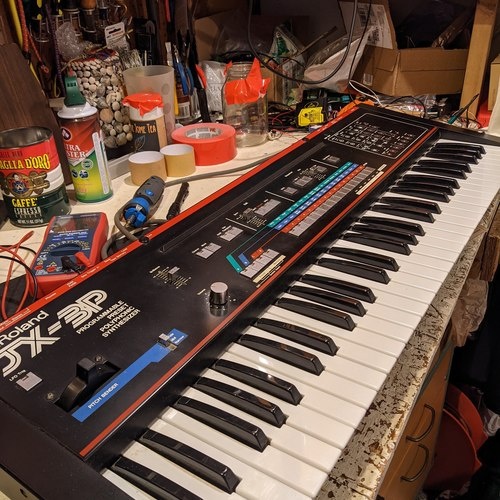
The Roland JX-3P can be seen 4:05 into the video for The xx's "I Dare You". Part of the JX-3P front panel (which notably reads "Programmable Preset Polyphonic Synthesizer") is focused on by the camera.


"I've got two new synths, the Roland JX3P which interfaces best with the GR700, and the Jupiter 6. I'm also trying to get a Yamaha DX7, but you've got to be careful not to collect too much at once, or your life becomes dominated by buttons. The JX3P is coming out in a little rack mounted unit in August without the keyboard and I'm waiting for that as well." The JX-3P was also credited as one of the synthesizers used by both Andy Summers and Robert Fripp on the Bewitched LP, released 1984.

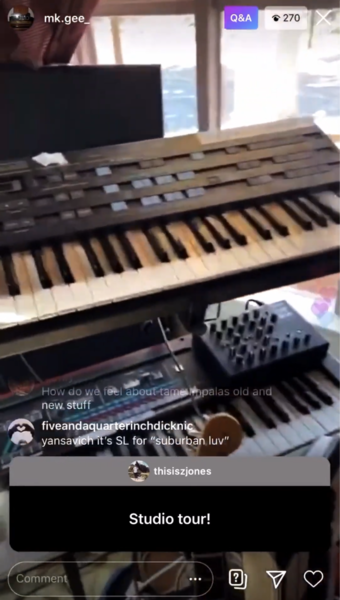
Shown in this screenshot you can see the JX-3P + the dt-200 programmer


Daniel Lopatin, also known as Oneohtrix Point Never, shared photos online featuring his Roland JX-3P among other gear. The JX-3P, known for its ability to emulate Juno-6/60 sounds, is a fitting addition to his extensive synth collection. The user-uploaded photo confirms its presence in his setup.


Joey used a JX-3P during the recording of the Polygondwanaland album, and can be seen playing it (with the PG-200 programmer attached) at several parts in the video beginning at 1:40:29.


In a 1988 photo from the Brighton Journal, Fatboy Slim can be seen with a Roland JX-3P synthesizer.


Album Usage
The Roland JX-3P has been featured on the following albums:

Papua New Guinea (Re-Booted)
The Future Sound of London (2024)
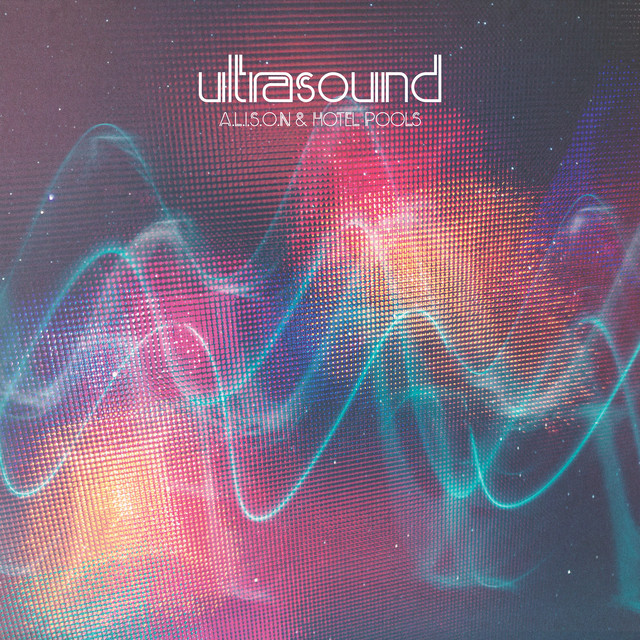
Ultrasound
Hotel Pools (2022)
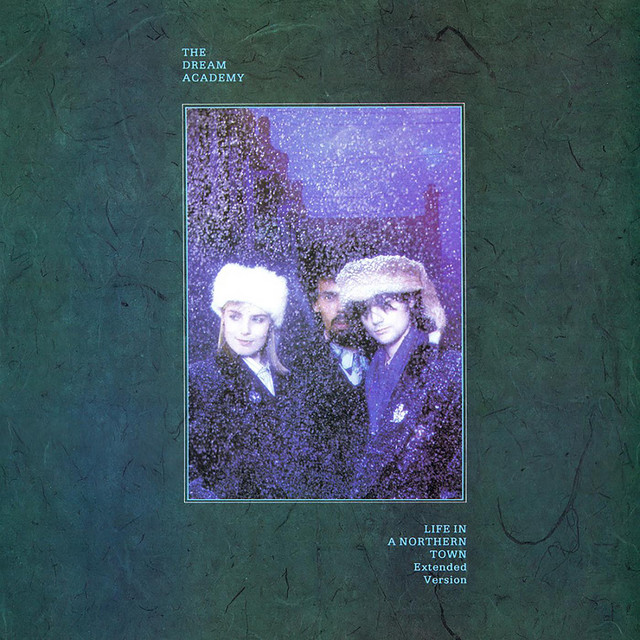
Life In a Northern Town
The Dream Academy (2021)

I See You
The xx (2017)

Underneath The Pine
Toro y Moi (2011)
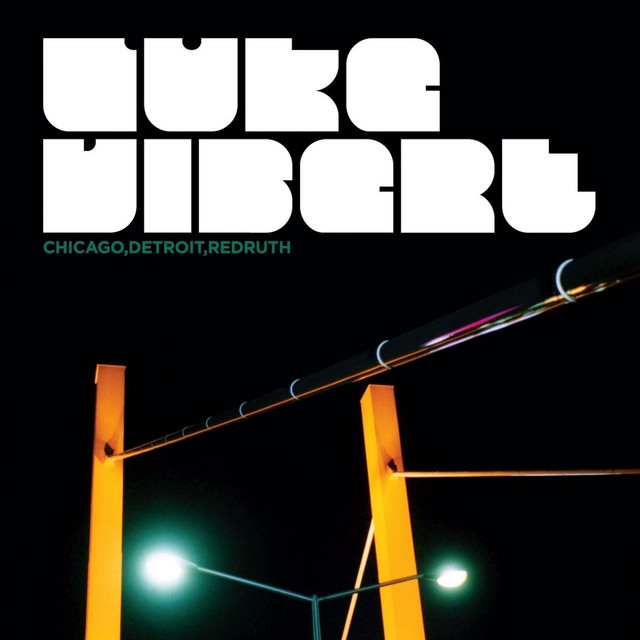
Chicago,Detroit,Redruth
Luke Vibert & Wagon Christ & Amen Andrews (2007)
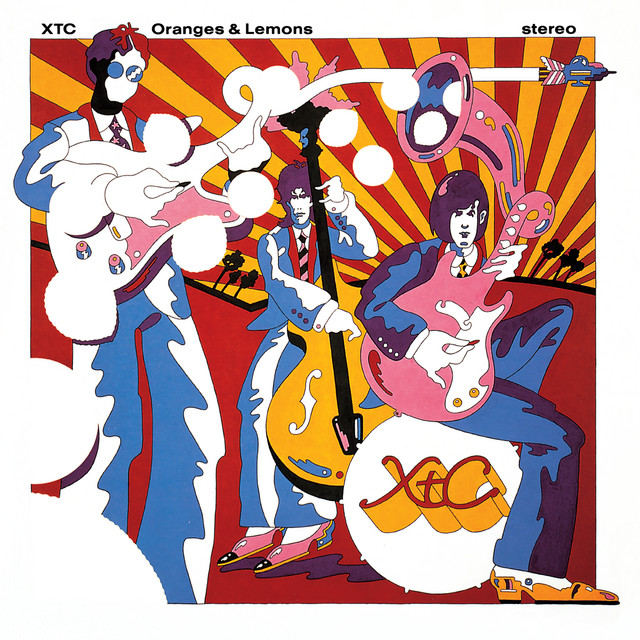
Oranges & Lemons
XTC (1989)
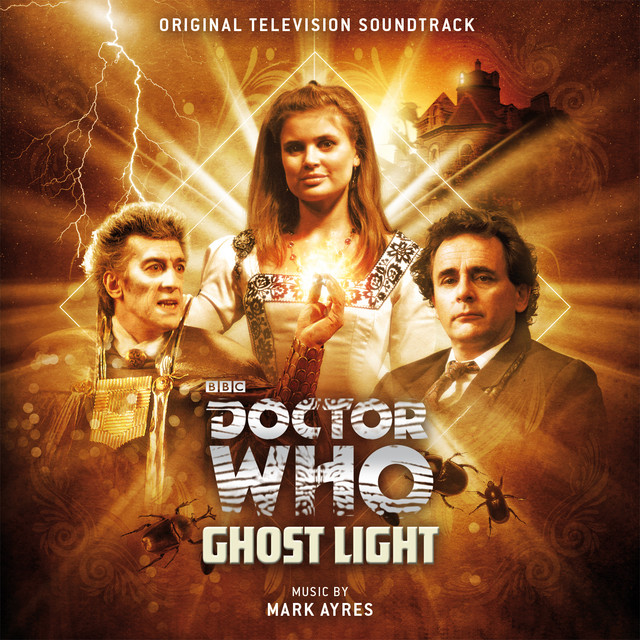
Doctor Who: Ghost Light (Original Television Soundtrack)
Mark Ayres & Keff McCulloch (1989)
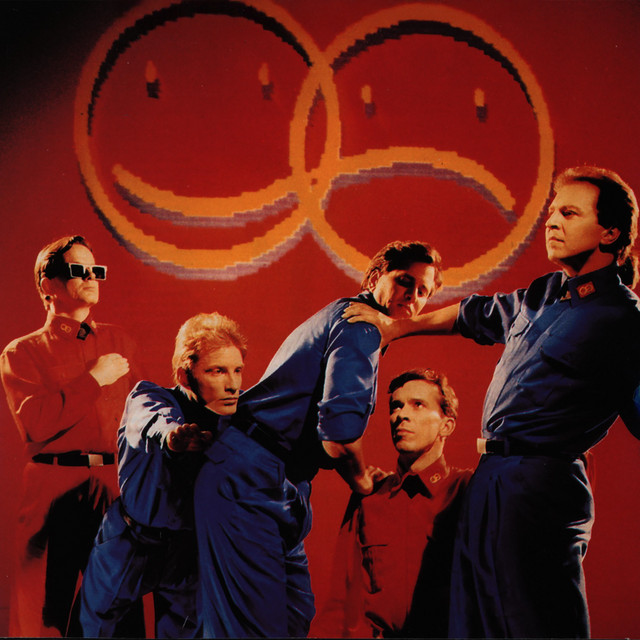
Total Devo
Devo (1988)
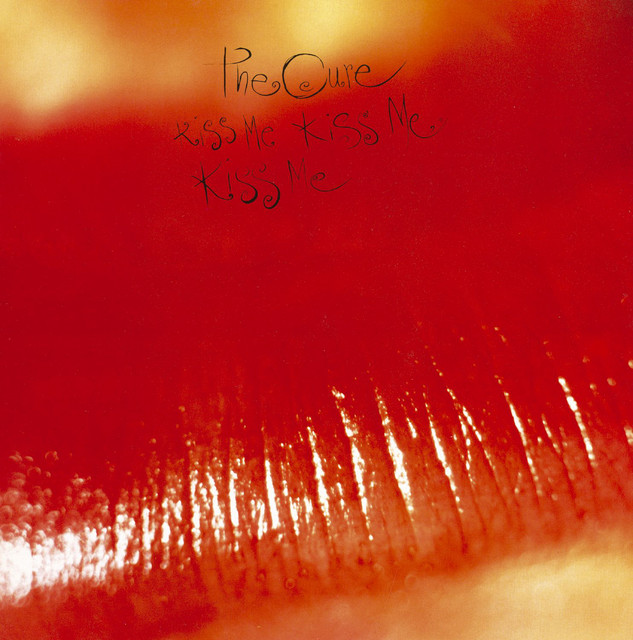
Kiss Me Kiss Me Kiss Me
The Cure (1987)
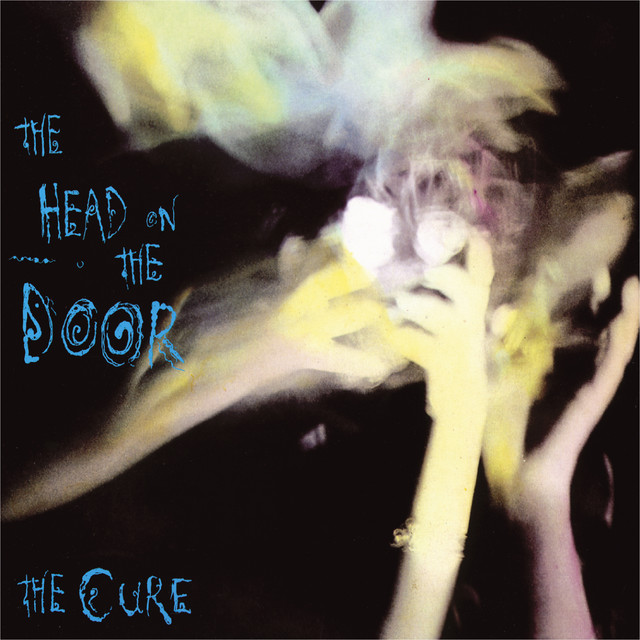
The Head on the Door (Deluxed Edition)
The Cure (1985)
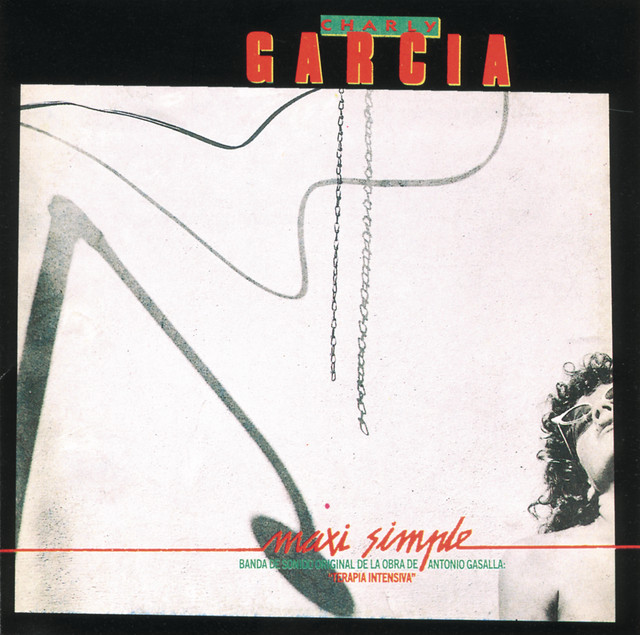
Terapia Intensiva
Charly García (1984)
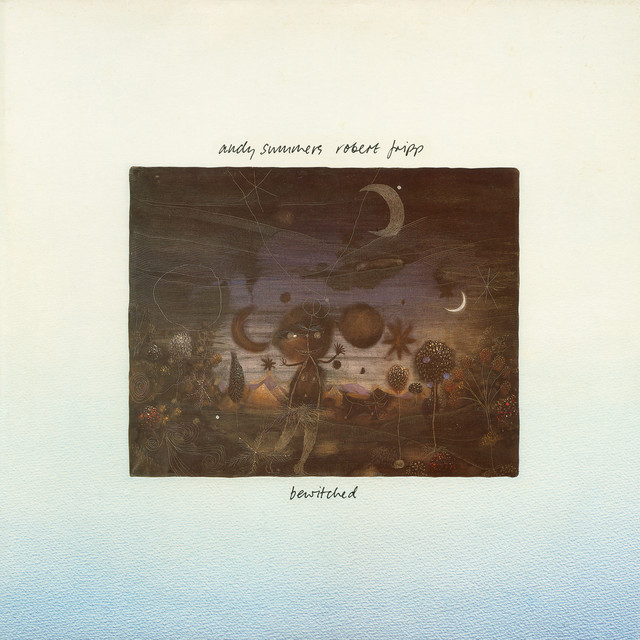
Bewitched
Andy Summers & Robert Fripp (1984)
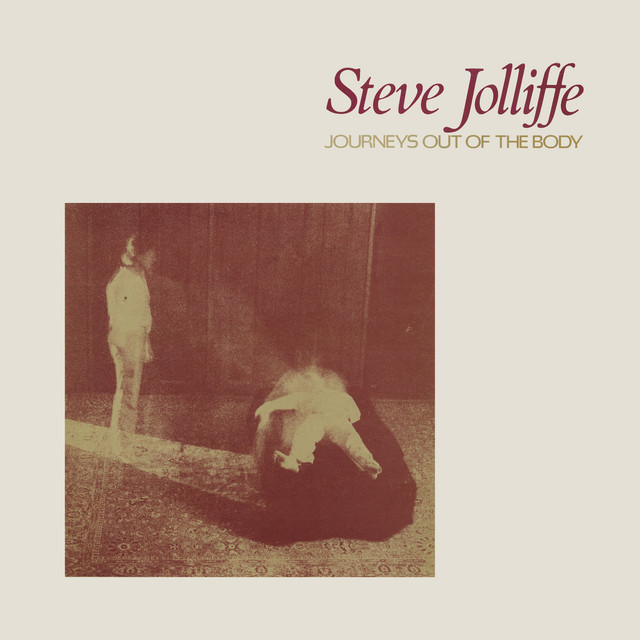
Journeys out of the Body
Steve Jolliffe (1983)
Genre Usage
Based on how artists on Equipboard use this gear, it is most commonly found in the following genres.
Used With
Based on how musicians on Equipboard use Roland JX-3P, it is most commonly used with the following gear.
-s.webp?v=1784732303)
-s.webp?v=1784559385)
-s.webp?v=1784732310)


Community setups
Show yours







Similar
Add recommendation4 alternative and related items for Roland JX-3P, curated by the Equipboard community.

$1,699.99
The MKS-30 features a similar architecture to the JX-3P, in a rack mount format. MKS-30 is even compatible with the PG-200 programmer originally offered for the JX-3P. It should be noted, however, that the MKS-30 uses a different chipset for VCA/VCF than those found in the JX-3P.

$178.59
The JX-03 is Roland's 4-voice DSP-based emulation of the 6-voice analog JX-3P.

$199.00 - $220.00
This is Roland's official software emulation of it's vintage, analog JX-3P.
-m.webp?v=1784732303)
$963.61
More Roland Synthesizers

$20,268.53
in Synthesizers Rank


$2,000.00
in Synthesizers Rank


$280.39 - $1,763.18
in Synthesizers Rank


$325.00 - $1,332.49
in Synthesizers Rank

.jpeg?v=1784574735)


$499.99 - $719.99
in Synthesizers Rank


$306.33 - $915.00
in Synthesizers Rank


$1,369.20 - $2,159.99
in Synthesizers Rank


$479.99 - $1,099.00
in Synthesizers Rank


$963.61
in Synthesizers Rank


$740.00
in Synthesizers Rank


$350.50 - $494.99
in Synthesizers Rank


$196.45
in Synthesizers Rank


$404.99 - $819.99
in Synthesizers Rank


-m.webp?v=1784732310)
$1,121.57
in Synthesizers Rank


$3,995.00
in Synthesizers Rank


$1,999.00
in Synthesizers Rank


$2,199.99 - $2,639.99
in Synthesizers Rank
.jpeg?v=1784733415)


$799.99 - $837.73
in Synthesizers Rank


$614.00 - $1,199.00
in Synthesizers Rank


$149.00 - $368.00
in Synthesizers Rank


$344.00 - $479.99
in Synthesizers Rank


$889.48
in Synthesizers Rank


$1,226.72
in Synthesizers Rank


$888.00 - $1,199.99
in Synthesizers Rank


$918.00 - $1,249.99
in Synthesizers Rank


.jpg?v=1784656553)

$1,540.75


$652.00 - $1,888.00


$1,252.00 - $1,869.99


$2,200.00 - $3,189.99

Accessories & Related Items

-s.webp?v=1784473366)


Gear Guides






.webp)

Most Popular Synthesizers
Most Popular Brands
-
Added to Equipboard on by
 equipboard
GearIQ 4934
-


