Best Music Samplers in 2026: From Beat-Making to Sound Design

By Gear Experts

By Gear Experts
Table of Contents

Equipboard
Equipboard is the world's largest community of artists and their gear. Read our review process.
We are reader-supported. When you buy through links on our site, we may earn an affiliate commission. Learn more.
Our Picks

The Akai MPC Live II combines the classic MPC workflow with modern innovations in a portable, standalone production powerhouse, offering professional-grade sampling, exceptional audio quality, and seamless integration for both studio and live performance needs.
Read more


Elektron Digitakt II 16-track Stereo Drum Computer and Sampler
The Elektron Digitakt excels as a compact, robust sampler and sequencer that prioritizes creative workflow, professional sound quality, and reliability, turning its focused design into a versatile tool for studio and live performance.
Read more
The Roland SP-404MKII reimagines the iconic SP series with modern sampling capabilities, an expanded effects suite, and enhanced performance tools, delivering a versatile, intuitive, and portable creative instrument for beatmakers, live performers, and sound designers.
Read more
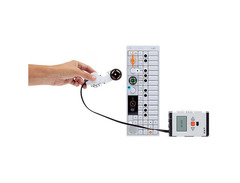
Teenage Engineering OP-1 Portable Synthesizer
The OP-1 is a uniquely inspiring all-in-one music production tool that combines sampling, synthesis, sequencing, and recording into a portable, creatively driven device that redefines how musicians approach sound design and composition.
Read more

The Korg Volca Sample 2 enhances the beloved hands-on workflow of its predecessor with modern conveniences like USB sample loading, delivering a portable, budget-friendly sampler that excels in creativity and lo-fi character for both beginners and experienced producers.
Read moreImagine you're in your studio, and inspiration strikes. That perfect drum break from a vinyl record, the unique sound of rain hitting your window, or even your cat's purr – all of these could be the foundation of your next track. This is where a sampler becomes your musical superpower, transforming everyday sounds into groundbreaking music. Samplers have evolved into sophisticated sound design laboratories that blur the line between sample playback and synthesis.
Modern samplers have transcended their humble beginnings as simple recording and playback machines. Today's units offer unprecedented control over sound manipulation, from basic pitch-shifting to complex granular synthesis. They're the secret weapon behind countless hits across all genres, from hip-hop's sample-based foundations to electronic music's cutting-edge sound design.
You could be a beat-making veteran or you might just be starting your journey into music production. Either way, choosing the right sampler can feel like navigating a maze of features, specifications, and price points. Our comprehensive guide will help you cut through the noise and find the perfect sampler that aligns with your creative vision, workflow, and budget.
Key Factors to Consider When Choosing Your Sampler
Choosing the right sampler means navigating through a maze of features, specifications, and workflows to find the perfect match for your creative needs. Before diving into specific models, let's explore the crucial factors that will help you make an informed decision and ensure your investment serves your musical vision.
Sound Quality: The Foundation of Your Sound
In the modern competitive music landscape, exceptional sound quality is non-negotiable. Your sampler's sound quality directly impacts the professional polish of your final output. Here's what defines superior sound quality:
- Sample Rate: Higher sample rates (like 96kHz) capture more harmonic content and provide headroom for pitch manipulation. When you're pitching samples up by an octave, that extra frequency information becomes crucial
- Bit Depth: 24-bit processing provides a theoretical dynamic range of 144dB, ensuring your quietest textures and loudest hits maintain their integrity
- D/A Converters: Professional-grade converters minimize unwanted artifacts and ensure accurate stereo imaging. Many premium samplers now feature the same converters found in high-end audio interfaces
- Internal Processing: 32-bit floating point processing prevents digital clipping during sample manipulation and maintains audio quality through multiple effect stages
Sampling Capabilities: Your Creative Toolkit
Modern samplers offer sophisticated tools that transform basic sampling into advanced sound design. Essential capabilities include:
- Time-Stretching Algorithms: Different algorithms optimize stretching for various source materials – some excel at drums, others at vocals or textural sounds
- Pitch-Shifting: Advanced formant preservation keeps vocals natural-sounding across wide pitch ranges
- Sample Memory: Storage capacity ranges from 32MB in entry-level units to 32GB or more in professional models. Factor in sample length needs and multi-sample instruments
- Editing Tools: Look for zero-crossing detection for clean edits, automatic sample slicing with adjustable sensitivity, and batch processing capabilities
- Real-Time Processing: Low-latency processing enables live sampling and performance features like loop recording and instant sample flipping
- Multi-Sampling: The ability to map multiple samples across a keyboard range with velocity switching and crossfading
Ease of Use and Workflow: Because Time is Creative Currency
An intuitive workflow maintains creative momentum and makes complex operations feel natural. Critical workflow considerations include:
- Interface Design: Modern touch screens offer DAW-like sample editing, while tactile controls provide immediate parameter access. The best interfaces combine both
- Menu Structure: Efficient menu systems use context-sensitive buttons and shortcuts to minimize diving through pages
- Quick Access Features: Programmable macro controls and performance pads allow complex actions with single button presses
- Visual Feedback: High-resolution waveform displays with zoom functions and parameter automation views
- Workflow Integration: Template systems and custom preset capabilities streamline repetitive tasks
Connectivity and Integration: Playing Well With Others
Modern studio environments demand flexible connectivity. Essential integration features include:
- USB: USB 3.0 or better for rapid sample transfer and computer integration
- MIDI Implementation: Beyond basic MIDI, look for features like poly aftertouch support and custom CC mapping
- Audio Inputs: Balanced inputs with high-quality preamps and phantom power for direct sampling
- Storage Options: Combination of internal storage and expandability via SD/microSD or SSD
- CV/Gate: For modular synthesis integration, with features like envelope followers and trigger outputs
- Audio Outputs: Multiple balanced outputs enable complex routing and stem processing
- Digital I/O: S/PDIF or ADAT for integration with professional audio interfaces
Portability and Durability: Studio to Stage Ready
Professional reliability requires thoughtful hardware design:
- Build Quality: Metal chassis construction, high-grade potentiometers, and premium buttons/pads rated for millions of presses
- Size and Weight: Compact units might sacrifice connectivity for portability; larger units offer more comprehensive I/O
- Battery Capability: Lithium-ion batteries with 4-8 hours of operation for portable units
- Screen Technology: High-brightness IPS displays with wide viewing angles for stage use
- Data Security: Automated backup systems and redundant storage options
Effects and Sound Manipulation: Shaping Your Sonic Identity
Comprehensive effect processing expands creative possibilities:
- Basic Effects: Studio-quality reverbs, analog-modeled compression, and tempo-synced delays
- Creative Effects: Multi-mode filters with resonance, granular processors, and custom effect chains
- Effect Routing: Per-track, master, and send effects with flexible routing matrices
- Real-Time Control: MIDI-mappable parameters and motion sequencing of effect parameters
- DSP Resources: Dedicated effects processors to prevent CPU limitations during complex processing
Price Considerations: Investment in Your Sound
Understanding price-to-feature ratios helps maximize your investment:
- Entry-Level ($200-500): Basic stereo sampling, limited memory (32MB-1GB), essential effects, basic connectivity
- Mid-Range ($500-1000): 24-bit/96kHz capability, expanded memory (1GB-4GB), comprehensive effects, enhanced connectivity
- Professional ($1000+): Premium converters, extensive memory (4GB+), advanced synthesis features, professional I/O
- Value Analysis: Factor in included software, expansion possibilities, and manufacturer support
- Additional Investment: Consider storage expansion, protective cases, and platform-specific accessories
Top Samplers for Musicians: Finding Your Perfect Match

After breaking down what makes a great sampler, let's dive into the standout performers. Our selections range from compact powerhouses to full-featured production stations, each bringing something unique to the table.
What sets these samplers apart isn't just their technical specifications - it's how they inspire creativity and fit into real-world workflows. You'll find that each model excels in particular areas, whether it's pristine audio quality, intuitive performance features, or innovative sound design capabilities. We've carefully considered factors like build quality, user feedback, manufacturer support, and long-term value to ensure our recommendations stand the test of time.
Akai MPC Live II
5.0 (14)
The Studio Powerhouse That Goes Anywhere









- Intuitive, fast UI upgrade from older MPC models
- Portable with built-in battery and speakers, ideal for use anywhere
- Standalone capability, reducing need for computer DAW
- Versatile: acts as sampler, sequencer, and MIDI controller
- See 6 more
- Steep learning curve for new users
- Menu diving and screen navigation can be complex
- Built-in speakers not monitor quality; limited for professional mixing
- Positioning of Q knobs can be confusing, affecting ease of use
- See 3 more
The Akai MPC Live II stands as a testament to how far sampling technology has evolved. Building on the legendary MPC lineage that revolutionized hip-hop production, this standalone powerhouse manages to pack an entire studio's worth of capability into a portable form factor that weighs just under 6 pounds.
At the heart of the MPC Live II lies its stunning 7-inch multi-touch display, offering DAW-like sample editing with the precision of your fingertips. You can manipulate waveforms, adjust automation lanes, and fine-tune your sounds with ease, all directly on the device. The screen's responsiveness makes complex tasks like sample chopping and automation editing feel natural and intuitive. Paired with 16 velocity-sensitive pads that capture every nuance of your performance, the tactile experience sets a new standard for hardware samplers.
When it comes to audio quality, the MPC Live II leaves nothing to be desired. Its 24-bit/96kHz sampling capability, coupled with premium ADC/DAC converters, ensures pristine audio fidelity whether you're sampling vinyl or processing digital sources. The unit offers 2GB of RAM for sample processing and ships with 16GB of internal storage, expandable via SATA drive or SD card – enough headroom for even the most ambitious projects.
Standout Features:
- Standalone Operation: Built-in rechargeable lithium-ion battery delivers up to 4 hours of untethered creativity
- CV/Gate Outputs: Direct integration with modular synthesis gear opens up vast sound design possibilities
- Ableton Live Integration: Seamlessly switches between standalone and controller modes
- WiFi/Bluetooth Capability: Wireless sample transfer and MIDI control add modern convenience
- Built-in Speaker: Monitor your creations without external gear – perfect for mobile beatmaking
In the studio, the MPC Live II functions as a commanding centerpiece. Its four CV/Gate outputs make it an excellent brain for hybrid setups, while the variety of audio inputs (including a dedicated turntable input) accommodates any sampling source. The onboard effects suite, featuring AIR FX plugins, delivers professional-quality processing without the need for external gear.
Live performance is where this sampler truly shines. The combination of battery power, built-in speaker, and rock-solid build quality means you can take your entire production setup anywhere. The pad performance is exceptional – these aren't just triggers, they're expressive instruments that respond to the subtleties of your playing style.
The MPC Live II best serves producers who:
- Need a complete production environment in a single device
- Value the flexibility of both standalone and computer-integrated workflows
- Perform live and require reliable, professional-grade hardware
- Work with both samples and synthesis
- Want to preserve the classic MPC workflow while embracing modern features
Despite its impressive capabilities, there are a few considerations:
- The learning curve can be steep for newcomers to the MPC ecosystem
- The touch interface, while powerful, might not appeal to artists who prefer traditional hardware controls
- It represents a significant investment
- Battery life might not cover extended performance sets without a power source
The Akai MPC Live II isn't just a sampler – it's a complete music production system that happens to excel at sampling. While its price point places it in the professional category, the value proposition is clear: you're getting a studio-grade sampling workstation, a live performance instrument, and a DAW controller in one versatile package. For producers serious about sampling and beat production, the MPC Live II represents one of the most compelling options.
If you prioritize deep sampling capabilities, professional audio quality, and the ability to work completely standalone, the MPC Live II deserves a top spot on your shortlist. Its combination of classic MPC workflow and modern innovations creates a uniquely powerful platform that can adapt to virtually any creative process.
See how artists use this

.jpg)

.jpg)



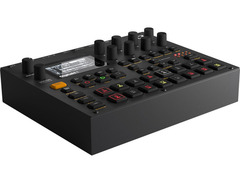
Elektron Digitakt II 16-track Stereo Drum Computer and Sampler
5.0 (7)
Swedish Precision Meets Creative Sampling



Average Price: $1,034
High-end/Boutique
$150
$601+
Budget
Standard
High-end
- 16 tracks with MIDI sequencing for comprehensive music production
- High-quality, lush stereo sampling capabilities
- Robust build quality, feels durable and professional
- Parameter Lock and Trig Condition features offer deep modulation possibilities
- See 5 more
- Lack of Overbridge support limits DAW integration
- Steep learning curve for beginners
- Slow data transfer without a media slot
- Limited FX options, although high quality
- See 1 more
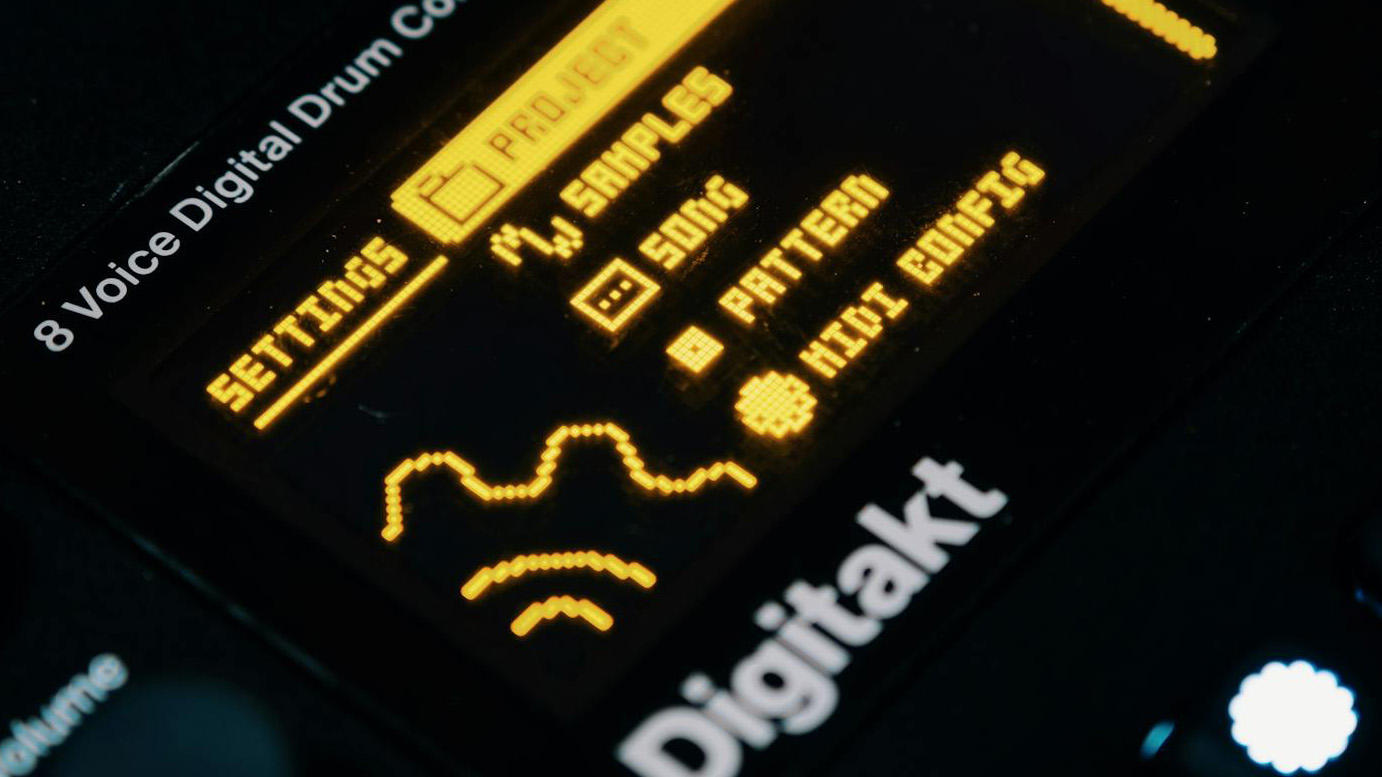
The Elektron Digitakt proves that sometimes less is more. This compact 8-track digital sampler has earned cult status among electronic musicians for its pristine sound quality, powerful sequencing capabilities, and distinctive workflow that turns limitations into creative opportunities.
Unlike samplers that try to do everything, the Digitakt focuses on doing specific things exceptionally well. Its monochrome OLED display might seem modest compared to modern touchscreens, but the parameter-per-knob interface delivers an immediacy that many touchscreen-based devices lack. This hands-on approach, combined with Elektron's legendary build quality, creates an instrument that feels like it could survive a nuclear blast while delivering professional-grade audio.
The Digitakt's sampling engine captures audio at 24-bit/48kHz through high-quality converters that rival much more expensive units. While the original model is limited to mono sampling, the new Digitakt II introduces stereo sampling capabilities. Each of its eight audio tracks can play one sample at a time, with the ability to switch samples on-the-fly or utilize multiple tracks for more complex arrangements. The combination of parameter locks (per-step automation), conditional triggers, and powerful sample manipulation tools creates an instrument that punches well above its weight class.
Standout Features:
- Dual Engine Design: Eight audio tracks for samples plus eight dedicated MIDI tracks for external gear control
- Parameter Locks: Automate any parameter per step for complex, evolving patterns
- Flexible Sample Processing: Real-time pitch-shifting, bit reduction, and filter controls
- Enhanced MIDI Sequencing: Eight dedicated MIDI tracks separate from audio tracks
- Live Sampling: Sample external sources without stopping the sequencer
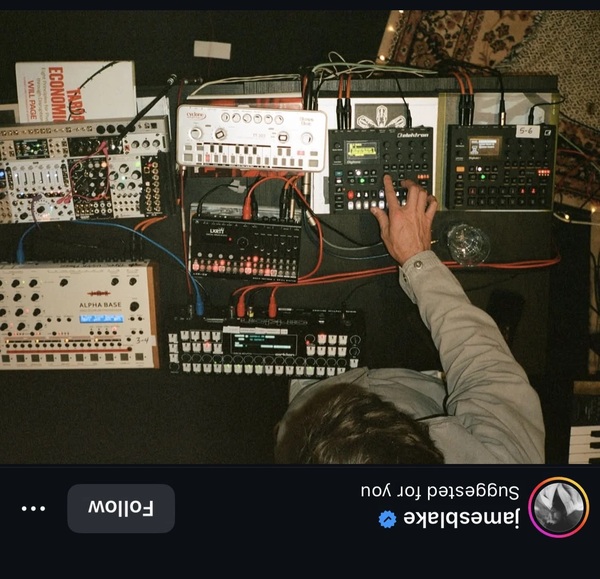
In a live setting, the Digitakt's rock-solid build quality and reliable sequencer make it an excellent performance tool. The ability to quickly mangle samples while maintaining perfect sync creates exciting performance possibilities. The dedicated track mutes and transparent previewing system allow for seamless transitions between patterns and parts.
For studio integration, the original Digitakt offers full Overbridge support, transforming it into a multi-channel audio interface. However, it's worth noting that Overbridge support for the Digitakt II is still under development. The dedicated MIDI tracks, separate from the audio tracks, provide precise control over external gear, making it a capable studio centerpiece.
The Digitakt is ideal for musicians who:
- Value hands-on, immediate control over touchscreen interfaces
- Create electronic music that requires precise sequencing
- Want a compact but powerful live performance tool
- Appreciate depth over immediate accessibility
- Need professional audio quality in a compact format
The Digitakt's focused approach comes with some tradeoffs:
- Single-sample playback per track (though creative workarounds exist through track layering)
- Original model limited to mono sampling (Digitakt II adds stereo capability)
- The learning curve can be steep for those new to Elektron's workflow
- Digitakt II's Overbridge integration still in development
It sits in an interesting position in the market. It's not the most fully-featured sampler in its price range, but what it does, it does exceptionally well. The combination of premium build quality, professional audio fidelity, and deep sequencing capabilities creates an instrument that can be both the heart of a hardware setup and a powerful creative tool in its own right.
Think of the Digitakt as a high-end drum machine that happens to play any sound you feed it. Its limitations encourage creative solutions, and its rock-solid reliability makes it a trustworthy partner for both studio production and live performance. While it might not be the best choice for those seeking a complete production environment, it excels as a specialized tool for electronic musicians who value depth, quality, and reliability over feature quantity.
For producers willing to embrace its workflow, the Digitakt offers a unique combination of creative sequencing, professional sound quality, and robust build that's hard to find elsewhere in this price range. It's a sampler that proves sometimes the most inspiring tools are the ones that do less, but do it better.
See how artists use this




Roland SP-404MKII
5.0 (11)
The New King of Beat Making



Average Price: $475
Standard/Professional
$249
$700+
Budget
Standard
High-end
- Versatile for music, sound FX, and live sets
- Quick idea generation with immediate use
- Functions as an audio interface and sample recorder
- Portable with battery operation and USB-C power
- See 5 more
- Learning curve for those new to hardware samplers
- Cannot simultaneously connect multiple instruments
- Some may find upgrades overwhelming compared to older models
- Workflow changes may frustrate long-time SP series users
- See 1 more
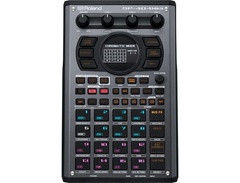
The Roland SP-404MKII takes everything that made its predecessors legendary in the hip-hop and electronic music scenes and catapults it into the modern era. This isn't just an update – it's a complete reimagining that manages to preserve the immediacy and character that made the original SP-404 a classic while adding powerful new features that expand its creative potential.
At first glance, the MKII's sleek black chassis and crisp OLED screen suggest a departure from the original's bare-bones approach. But plug it in, and you'll find that same instant gratification that made the SP series famous - now enhanced with modern sampling technology and an expanded effects section that puts some dedicated effects units to shame.
The sampling capabilities have received a serious upgrade, now offering pristine 24-bit/48kHz audio quality and 16GB of internal storage. This substantial storage capacity provides ample space for extensive sample libraries and long recording sessions. The addition of USB-C connectivity brings welcome modern convenience to sample management and computer integration.
Standout Features:
- Professional Effects Suite: 37 internal effects including new granular and vocoder effects
- DJ Mode: Innovative dual-deck playback system with tempo sync
- Skip Back Sampling: Continuously captures your performance for instant sampling of happy accidents
- Enhanced Pad Response: Velocity-sensitive pads for expressive performance
- Pattern Sequencer: Enhanced 64-step sequencer with sub-steps and probability
- Bus FX: Chain up to 4 effects in series for complex sound design
- Portable Power: Option to run on six AA batteries for mobile operation
The SP-404MKII truly shines in live performance scenarios. The improved pad sensitivity and layout make finger drumming a joy, while the hands-on effect controls allow for expressive sound manipulation. The improved boot time (under 5 seconds) and project quick-loading feature eliminate the anxiety of device crashes during live sets.
In the studio, the MKII proves itself as both a powerful sound design tool and an inspiring beat-making environment. The new resampling workflow makes it easier than ever to layer effects and create complex sound textures. USB audio interface functionality means you can integrate it seamlessly with your DAW, while maintaining the ability to work standalone.
The SP-404MKII perfectly serves:
- Beat makers who value hands-on creativity
- Live performers who need reliable, expressive effects
- Producers looking for unique sound design capabilities
- DJs wanting to add live sampling to their sets
- Musicians who appreciate intuitive, immediate workflows
Despite its improvements, a few considerations remain:
- No direct time-stretching capability (though workarounds exist)
- Basic sample editing compared to screen-based samplers
- Maximum polyphony of 6 voices per pad
- Fixed internal storage with no expansion options
- Storage cannot be expanded
The SP-404MKII hits a sweet spot in the market. It's affordable enough for beginners yet powerful enough for professional use. What sets it apart isn't just its feature set – it's how these features come together to create an instrument that's both immediately accessible and deeply rewarding to master.
The effects alone could justify the price, but you're also getting a capable sampler, a solid performance instrument, and a unique creative tool. The MKII maintains everything that made the SP series special while adding modern conveniences that make it more capable and reliable than ever.
For those who prioritize hands-on creativity, expressive effects, and reliable performance capabilities, the SP-404MKII represents one of the best values in modern sampling. It's not trying to be a complete production environment like some competitors – instead, it focuses on being an exceptional creative instrument that's as much fun to use as it is powerful.
Whether you're chopping samples for beats, processing external instruments through its effects, or performing live, the SP-404MKII delivers an experience that's both familiar and fresh. It's a worthy successor to the SP legacy that manages to push the platform forward while maintaining the immediate, tactile experience that made the original a classic.
See how artists use this





Teenage Engineering OP-1 Portable Synthesizer
5.0 (220)
The Portable Studio That Breaks All Rules
Average Price: $1,400
Standard/Professional
$500
$1501+
Budget
Standard
High-end
- Highly portable and ideal for travel
- Inspires creativity with unique limitations and interfaces
- Features like sampler, drum machine, and sequencer in one unit
- Long-lasting rechargeable battery
- See 6 more
- Onboard speaker distorts at high volumes
- Some find the workflow and interface unorthodox or confusing
- Limited recording time and no undo function
- Prone to grounding issues with certain connections
- See 6 more
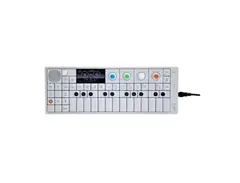
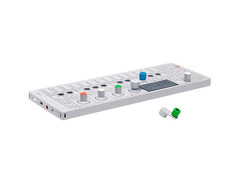
The OP-1 defies conventional categorization. Is it a sampler? A synthesizer? A recording studio? The answer is yes to all, and then some. This Swedish marvel has maintained its position as one of the most innovative music production tools since its 2011 debut, with firmware updates consistently adding new features that keep it feeling fresh.
Measuring just 11 inches wide and weighing less than 2 pounds, the OP-1 packs an entire studio's worth of functionality into a package that fits in a laptop bag. Its iconic design, featuring a crisp OLED display and color-coded interface, has earned it a place in New York's Museum of Modern Art - but it's much more than just a pretty face.
The sampling capabilities of the OP-1 are uniquely powerful, if unconventional. Four different sampling modes – line in, built-in microphone, radio (yes, it has an FM receiver), and USB audio – provide diverse sound capture options. But it's what you can do with those samples that sets the OP-1 apart: its tape-style recording system and variety of sampling modes turn basic audio capture into a playground of creative possibilities.
Standout Features:
- Tape Mode: Four-track tape simulator with variable speed and creative recording modes
- Multiple Sampling Engines: From straightforward sample playback to exotic "DNA" sampling
- Built-in FM Radio: Sample directly from live radio broadcasts
- Gyroscope Integration: Motion sensors for unique parameter control
- Endless Sequencer Types: From traditional step sequencing to unique options like "Endless" and "Tombola"
- Multiple Synthesis Types: Complement sampling with various synthesis engines
- USB Audio Interface: Direct audio streaming to and from computers
In the studio, the OP-1 excels as an idea-generation tool. Its limitations become features – the four-track tape restriction encourages decisive decision-making, while the unique sequencers spark ideas you might never have conceived using traditional tools. The ability to sample from multiple sources, including its own synth engines, creates a self-contained sound design ecosystem.
For live performance, its portability and battery life (roughly 6 hours) make it an exceptional travel companion. While it might not replace a full performance setup, its reliability and instant-on capability make it perfect for impromptu sessions or adding unique textures to a larger setup.
The OP-1 is perfect for:
- Musicians who value portability and uniqueness
- Producers looking for unconventional sound design tools
- Artists who appreciate creative limitations
- Electronic musicians seeking inspiration outside traditional workflows
- Anyone needing a complete mobile music studio
The OP-1's unique approach comes with some considerations:
- Steep learning curve due to its unconventional interface
- Premium price point may be prohibitive
- Four-track limitation requires careful planning
- Some features prioritize creativity over precision
- No external storage options
The OP-1 commands a premium price positioning it among professional-grade equipment. However, comparing it directly to other samplers misses the point – you're not just buying a sampler, you're investing in a complete portable studio that approaches music-making from a completely different angle.
What makes the OP-1 special isn't its specs (though they're impressive), but rather how it encourages you to create. Its limitations aren't bugs; they're carefully considered design choices that push you toward more creative solutions. The sampling capabilities, while powerful, are just one part of a broader ecosystem that includes synthesis, sequencing, and recording.
For those who can embrace its unique workflow and justify the investment, the OP-1 offers an unparalleled creative experience. It's not just a tool for making music - it's a different way of thinking about musical creation. Whether used as a standalone instrument or integrated into a larger setup, it consistently proves itself as one of the most inspiring and unique music-making devices available.
More than a decade after its initial release, the OP-1 remains singular in its approach to music production. It's a testament to its design that even today, there's nothing quite like it. For the right artist, it's not just a sampler or synthesizer - it's a portal to new creative possibilities that might never have been discovered through conventional tools.
See how artists use this

.jpg)



.jpg)


Korg Volca Sample 2
4.0 (6)
Affordable Sampling Power with Character


Average Price: $130
Budget/Beginner
$249
$700+
Budget
Standard
High-end
- USB interface simplifies sample management
- Converts and downsamples samples for unique sounds
- Internal reverb creates expansive stereo images
- Versatile for lofi beats across genres
- See 6 more
- Saves pattern memory inconsistently, affecting live use
- Sample transfer from the computer is slow
- Internal speaker lacks quality, especially low end
- Some controls and knobs feel wobbly and tightly packed
- See 4 more
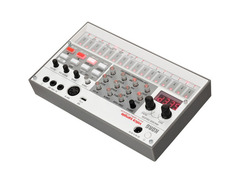
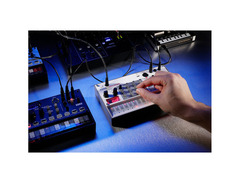
The Korg Volca Sample 2 proves that great things can come in small, budget-friendly packages. This second iteration of Korg's popular sample sequencer addresses key limitations of the original while maintaining the intuitive, hands-on workflow that made the Volca series a favorite among electronic musicians.
Don't let its compact size fool you – the Volca Sample 2 is a serious instrument that combines the charm of vintage samplers with modern conveniences. Most notably, the addition of micro USB sample loading eliminates the tedious data transfer process of its predecessor, making it significantly more practical for regular use.
At its core, the Volca Sample 2 offers 12-bit sample playback, delivering that distinctive lo-fi character that many producers seek. The device can store up to 200 samples in its memory, with the total available sample time varying depending on the length of individual samples. This constraint often leads to creative sample management and innovative sound design approaches.
Standout Features:
- Improved Sample Loading: Micro USB port for direct sample transfer
- 16 Step Sequencer: With active step programming and step jump
- Motion Sequencing: Record and automate multiple parameter movements per pattern
- EQ Section: Bass and treble controls for sound shaping
- Sample Chain Function: Create longer samples by chaining multiple slots
- Pattern Chain: Link multiple patterns for extended sequences
- Flexible Power Options: Operates on six AA batteries or DC power supply
- Headphone Output: 3.5mm output for monitoring and audio routing
In live settings, the Volca Sample 2 brings a unique energy to performances. Its compact size and dual power options make it extremely portable, while the intuitive sequencer and hands-on controls allow for dynamic pattern manipulation. The EQ section provides expressive sound-shaping capabilities that can dramatically alter the character of your samples.
For studio work, the Volca Sample 2 excels at creating rhythmic patterns and textural layers. The motion sequencing capabilities allow for complex, evolving sequences that can add organic movement to productions. While sample memory is limited compared to higher-priced alternatives, this constraint often leads to creative solutions and unique sonic results.
The Volca Sample 2 is perfect for:
- Musicians entering the world of hardware sampling
- Producers seeking a characterful rhythm and texture tool
- Live performers who need a reliable, portable sampler
- Artists who appreciate hands-on, immediate control
- Electronic musicians working with minimal setups
- Lo-fi enthusiasts who value the 12-bit sound character
It's important to understand what you're getting:
- 12-bit playback adds character but may not suit all production needs
- No direct sampling capability (samples must be loaded via computer)
- Limited sample memory capacity
- Mono output only
- Small control knobs might feel cramped for some users
- Requires external speakers or headphones for monitoring
The Volca Sample 2 represents exceptional value in the sampling world. It proves that limitations can foster creativity – while it may not offer the depth of more expensive samplers, its focused feature set and immediate workflow can lead to uniquely creative results.
The improvements over the original model are significant, particularly the micro USB sample loading capability. This update transforms the Volca Sample from an interesting novelty into a practical production tool that can integrate seamlessly into modern workflows while maintaining its distinctive character.
What makes the Volca Sample 2 special isn't its raw specifications – it's how it encourages experimentation and hands-on interaction. The EQ section helps shape and personalize your sounds, while the extensive motion sequencing capabilities allow for complex, evolving patterns that belie the unit's modest price point.
For beginners, it's an accessible entry point into hardware sampling that doesn't compromise on musicality. For experienced producers, it offers a unique flavor and workflow that can complement more extensive setups. Whether used as a primary instrument or an auxiliary sound source, the Volca Sample 2 proves that great sampling tools don't necessarily require a premium price tag.
This little powerhouse demonstrates that the democratization of music technology doesn't have to mean sacrificing character or creativity. In a market often dominated by feature lists and specifications, the Volca Sample 2 succeeds by focusing on what matters most: making music quickly and enjoyably.


Hardware vs. Software Samplers: Making the Right Choice
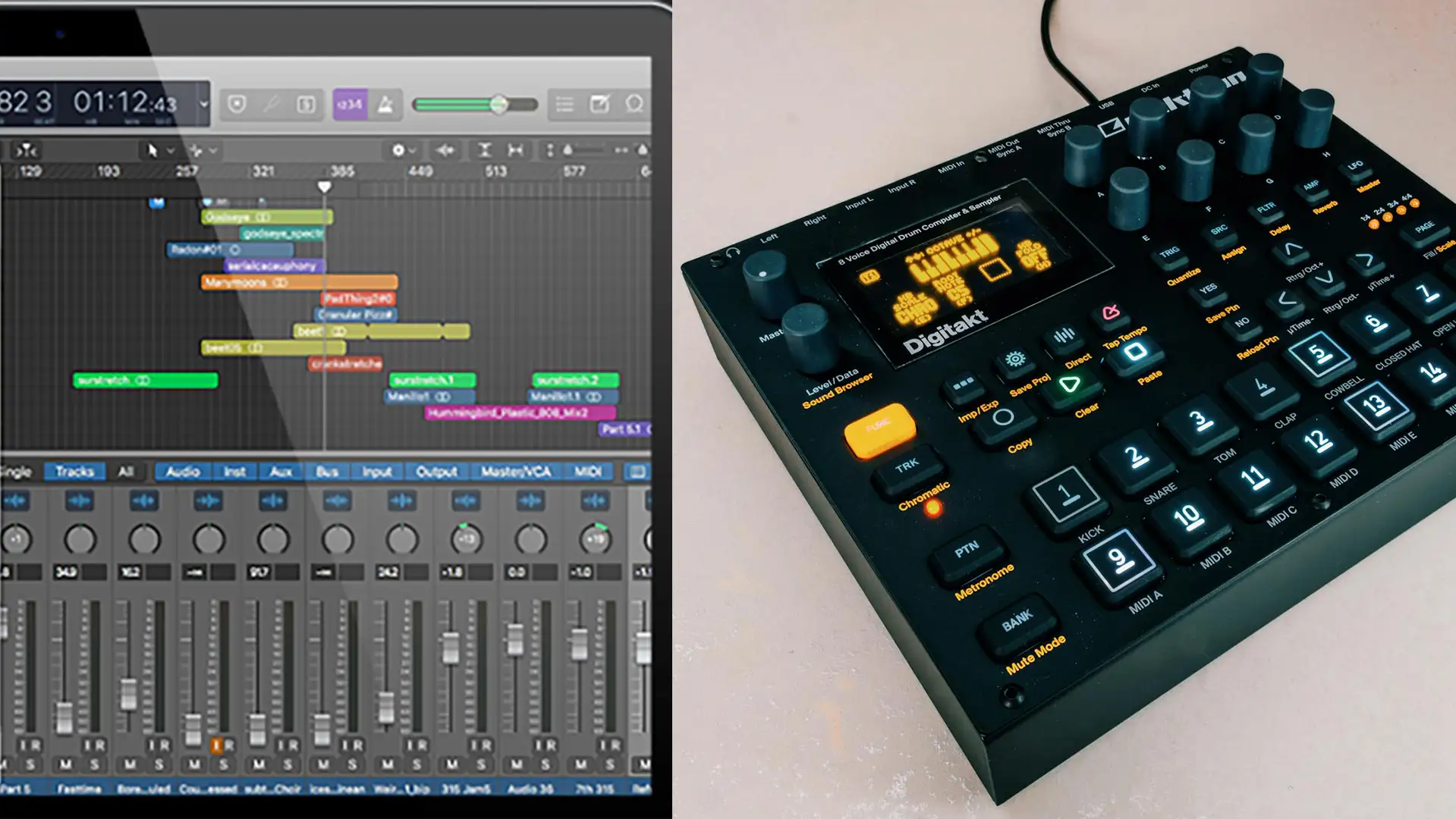
The debate between hardware and software samplers isn't about which is better – it's about which better suits your creative process. Both options offer compelling advantages, and many producers find success using a combination of both. Let's break down the key differences to help you make an informed decision.
Hardware Samplers: The Tactile Experience
Hardware samplers offer something that software can't quite replicate: a physical, hands-on experience that connects you directly to your sound manipulation.
Advantages:
- Immediate Hands-on Control: Physical knobs, buttons, and pads provide tactile feedback that many find more intuitive than mouse clicks
- Reliability: Dedicated hardware is less prone to crashes or system updates that can interrupt creative flow
- Focused Workflow: Limited options can lead to faster decision-making and more creative solutions
- Standalone Operation: No computer required, reducing setup time and potential technical issues
- Live Performance Reliability: Purpose-built instruments often prove more dependable in stage settings
- Unique Character: Many hardware samplers impart their own sonic character, from pristine to lo-fi
- Resale Value: Quality hardware often retains value better than software
Limitations:
- Fixed Features: Cannot be expanded beyond built-in capabilities without firmware updates
- Storage Constraints: Limited by internal memory and storage options
- Cost: Higher initial investment compared to most software options
- Limited Multi-tasking: Usually focused on one specific task or workflow
- Sample Management: Can be more challenging to organize and back up samples
Software Samplers: The Power of Flexibility
Software samplers have revolutionized music production by offering nearly limitless possibilities in a single computer program.
Advantages:
- Unlimited Instances: Run multiple samplers simultaneously within your DAW
- Extensive Libraries: Access to vast sample libraries and easy sample management
- Advanced Editing: Precise visual editing and manipulation capabilities
- Automatic Updates: Regular feature additions and improvements
- Integration: Seamless DAW integration and automation
- Cost-Effective: Often more affordable with free trial options
- Infinite Recall: Save and recall unlimited presets and configurations
Limitations:
- Computer Dependence: Requires a capable computer and audio interface
- Latency Concerns: Potential timing issues depending on system performance
- Analysis Paralysis: Unlimited options can slow decision-making
- Less Tactile: Mouse and keyboard interaction may feel less immediate
- System Requirements: Need to maintain compatible operating system and hardware
Making the Choice
Consider these factors when deciding between hardware and software samplers:
Your Primary Use Case
- Live Performance: Hardware often provides more reliability and immediate control
- Studio Production: Software offers more flexibility and integration
- Mobile Creation: Portable hardware or laptop-based solutions might be preferable
Budget Considerations
- Initial Investment: Software typically costs less to get started
- Long-term Investment: Hardware often retains value better
- Ongoing Costs: Software may have subscription fees or paid updates
Workflow Preferences
- Hands-on vs. Screen-based
- Linear vs. Non-linear approach
- Single focus vs. Multi-tasking
Technical Requirements
- Computer capabilities
- Storage needs
- Integration with existing setup
The Hybrid Approach
Many successful producers opt for a hybrid approach, combining the strengths of both hardware and software:
- Studio Setup: Use software samplers for detailed editing and extensive sample libraries, while maintaining hardware samplers for inspiration and unique character
- Live Performance: Hardware samplers for reliable live use, with software handling backing tracks or complex sample management
- Sound Design: Leverage both platforms' unique capabilities for more diverse sound creation options
The Bottom Line
The choice between hardware and software sampling isn't mutually exclusive. Your decision should align with your:
- Creative process
- Performance needs
- Budget constraints
- Technical comfort level
The quality gap between hardware and software samplers has largely disappeared. The choice comes down to workflow preferences and specific use cases rather than absolute capability. Whether you choose hardware, software, or a combination of both, focus on what helps you create music most effectively and enjoyably.
Remember that many of today's hardware samplers offer software integration features, blurring the line between categories and offering the best of both worlds. The key is finding the tool or combination of tools that best serves your creative vision while fitting within your practical constraints.
Choosing Your Perfect Sampler: The Final Take
After diving deep into the world of samplers, one thing becomes clear: there's never been a better time to incorporate sampling into your music production toolkit. The diverse range of options available means you can find a sampler that perfectly matches your creative vision, workflow preferences, and budget.
Looking Forward
As sampling technology continues to evolve, we're seeing increasingly sophisticated features becoming available at more accessible price points. The line between hardware and software solutions continues to blur, with many modern samplers offering seamless integration between both worlds.
Making Your Decision
When choosing your sampler, consider these key factors:
- Workflow Priority: Do you prefer immediate hands-on control or deep editing capabilities?
- Use Case: Will this be primarily for studio production, live performance, or both?
- Integration Needs: How will the sampler fit into your existing setup?
- Budget Reality: Remember to factor in any additional costs like storage expansion or accessories
- Growth Potential: Consider not just your current needs, but where you want to be in a year or two
Final Thoughts
There's no single "best" sampler - there's only the best sampler for your specific needs. Whether you're drawn to the immediate creativity of the SP-404MKII, the professional versatility of the MPC Live II, or the unique approach of the OP-1, the key is choosing a tool that inspires you to create.
Consider starting with a device that matches your current skill level while offering room to grow. Many producers find that limitations can spark creativity, so don't feel pressured to invest in the most feature-packed option right away.
Remember that ultimately, any of these samplers can produce amazing results in the right hands. The most important factor is choosing a device that you'll actually use and enjoy using. After all, the best sampler is the one that helps you turn your creative vision into reality.
Now that you're armed with this knowledge, you're ready to make an informed decision about which sampler will best serve your musical journey. Happy sampling!
Top Ranked Audio Samplers on Equipboard


-m.webp?v=1784981162)

About the authors
Juan Spinelli is a multi-instrumentalist musician, but more of a guitarist than anything else. Based in Buenos Aires, Argentina, he started playing at a very early age and learned various instruments such as flute, clarinet, percussion, didjeridoo, cavaquinho, bass and more. Today, he also works as a music producer and sound engineer, collaborating in several projects in his city and with artists from all over the world. Read more
New in Audio Samplers
$794.00 - $799.00
in Audio Samplers Rank

$369.00 - $498.99
in Audio Samplers Rank

$2,390.00 - $3,299.00
in Audio Samplers Rank

$833.00 - $899.00
in Audio Samplers Rank

$602.12 - $999.99
in Audio Samplers Rank


$169.00 - $269.99
in Audio Samplers Rank




.webp)