This page about Sony PCM-F1 is a stub. You can help improve it:


Pricing and availability




* Product prices and availability are updated by Equipboard every 24hrs and are subject to change. Equipboard may receive compensation for purchases made at participating retailers linked on this site. This compensation does not affect what products or prices are displayed, or the order of prices listed. For more information, please refer to our affiliate disclosure.
Description
The Sony PCM-F1 is a classic piece of studio recording gear that has left an indelible mark on the world of portable recorders. Originally released in the early 1980s, this device was among the first to bring digital recording technology to the masses, making it a beloved choice for musicians and audio engineers alike. Its design reflects a commitment to quality, with a focus on capturing audio with unparalleled clarity and precision. The PCM-F1 pairs with the Betamax and VHS formats, allowing for extended recording times, which was revolutionary for its time.
With the PCM-F1, users can enjoy the simplicity of direct digital recording, providing a reliable platform for capturing audio without the noise and degradation typical of analog systems. This recorder was known for its use of the Pulse Code Modulation (PCM) technology, which was cutting-edge at the time and set a new standard in audio recording. Its interface is straightforward, allowing users to focus on creativity rather than the complexity of operation. Whether you're capturing live performances or conducting studio sessions, the PCM-F1's precision and flexibility make it an invaluable tool.
Key Features:
- First-generation digital portable recorder
- Compatible with Betamax and VHS formats for extended recording
- Utilizes Pulse Code Modulation (PCM) technology for superior audio quality
- Provides direct digital recording to maintain audio integrity
- Simple and intuitive interface for ease of use
- Ideal for both live and studio recording applications
Videos

Tim F's Tinkering Channel
How many times can a 16-bit Sony PCM-F1 recording on VHS be copied?
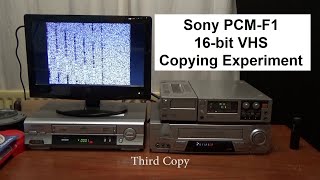
How many times can a 16-bit Sony PCM-F1 recording on VHS be copied?
Tim F's Tinkering Channel
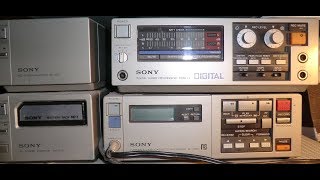
Experiments with PCM F1 digital audio recordings.

video99.co.uk
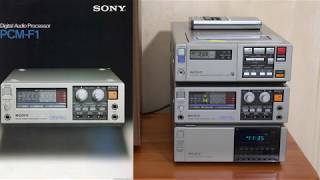
Sony PCM-F1 with SL-2000 Betamax Recorder Playback Test (Apr 2021) 4K

Gregory Botha
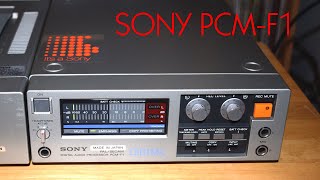
Making a perfect digital recording with a SONY PCM-F1 and a cheapo VHS Video recorder.

Matthew North Music
Playing with a Sony PCM-F1 Digital Audio Processor

Tim F's Tinkering Channel
SONY DIGITAL AUDIO PROCESSOR PCM-F1

Elite_Japan_Audio
Can you record from a Sony PCM-F1 on a DVD Recorder? Unexpected Result.
Tim F's Tinkering Channel
Sony PCM-F1 and SL-F1 - Part 4/4 - F1/C9 Betamax companion. Let there be POWER!

MrBetaByte
Reviews
Owner Insights
We analyzed real musician discussions from forums and Reddit to find what players love, question, and tweak about Sony PCM-F1.
Features and functionality
Comparisons
-
The PCM-F1, when paired with Betamax for digital audio, offers quality close to CD, surpassing S-VHS Hi-Fi stereo analog tracks.
Source
Use cases and applications
-
The PCM-F1 was particularly attractive for prosumers and home recording enthusiasts due to its compatibility with portable Betamax decks.
Source
User experience
-
Owners note that the PCM-F1, paired with a Beta recorder, offers a compact alternative to professional U-Matic setups.
Source
Critic Reviews
Based on 0 Reviews and 0 Ratings
Artist usage
Add artist

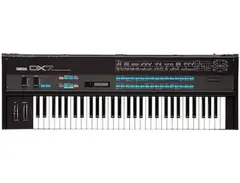
"I use the DX7 a lot, for which I have a programming package which I can run on the NEC, and I usually bring in a whole lot of CDs, records and a Sony PCM F1 recorder to sample with."


In this article, Stewart Copeland mentions mixing down the Rumblefish soundtrack onto the Sony PCM-F1 recorder, which he bought for £800.


"The album wasn't mastered digitally. We started off working with a Sony PCM-F1, but we had some problems putting clicks on it, and the half-inch analogue proved more reliable, so we used that."


According to John Carpenter's website, the soundtrack for "They Live" was mastered on a Sony PCM-F1.


Sylvian and Torn also spent some time building up guitar tape loops recorded on Sony PCMF1 that contributed to the atmospheres of songs like 'Mother and Child'.


"During the recording of 'Relax', having become more familiar with Trevor and his wife Jill, I had suggested that they buy this digital tape machine called a Sony F1. It was a Betamax two-track recorder and it wasn't that expensive, so they went for it, and that was a revelation because we could now record loads of stuff and it was pristine quality."


"It's a small rack but I still have the DAT and cassette machines rack-mounted because of this record. They're not usually there but I had to get in touch with my past! Normally there's a Sony F1 digital recorder sitting in the space where they are."


After getting his ideas together, Midge transferred them to his studio, which is as he puts it "everything the budding Popstar needs" comprising a Harrison M3 desk, Studer 24 track (A80) recorder, Studer 1/2 inch and 1/4 inch mastering and F1 digital mastering system. Ultravox's Lament album was in fact recorded at his 'home' studio.

:format(jpeg):mode_rgb():quality(40)/discogs-images/R-4931029-1379798484-4239.jpeg.jpg)
Ian Anderson's album "Walk Into Light" was mastered on a Sony PCM-F1 U-matic, according to the liner notes.


The a capella version of "Tom's Diner" was recorded on a Sony PCM-F1.


'I've experimented with a Sony F1 for digital mastering and this is a good system if you want to run off lots of cassette copies as the master doesn't deteriorate. I don't really like the sound of digital recordings though because you miss all that tape compression that you've been used to all these years, so digital tends to sound a bit thin. It's a bit like the valve versus transistor argument all over again. A cassette copied from the F1 actually sounds better than the original due to tape saturation fattening up the sound.'

Album Usage
The Sony PCM-F1 has been featured on the following albums:

Lament (2024 Steven Wilson Mix)
Ultravox & Tigerlily (2024)
Toms Diner
Suzanne Vega (2018)
Rumble Fish (Original Soundtrack)
Stewart Copeland & Stewart Copeland (1992)
They Live - Expanded Original Motion Picture Soundtrack 20th Anniversary Edition
John Carpenter & Alan Howarth (1989)
From Luxury To Heartache
Culture Club (1986)
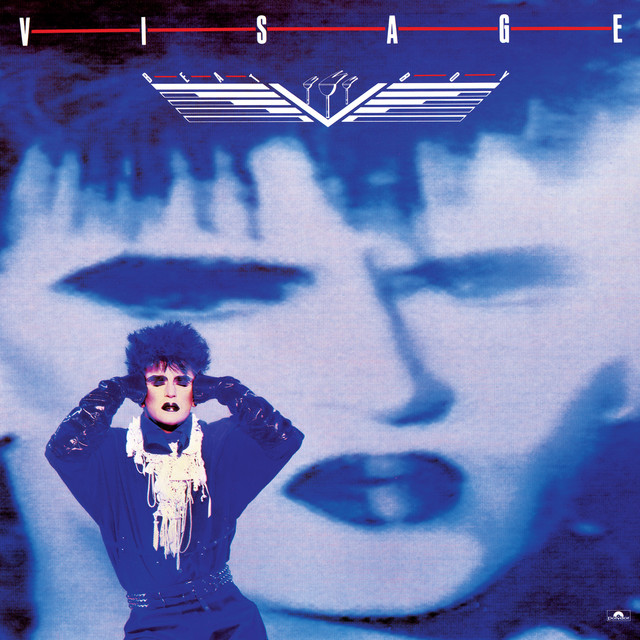
Beat Boy
Visage (1984)
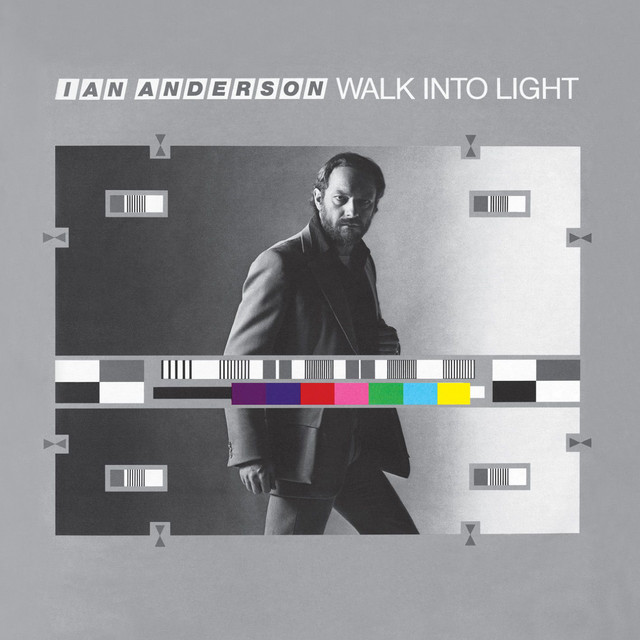
Walk Into Light
Ian Anderson (1983)
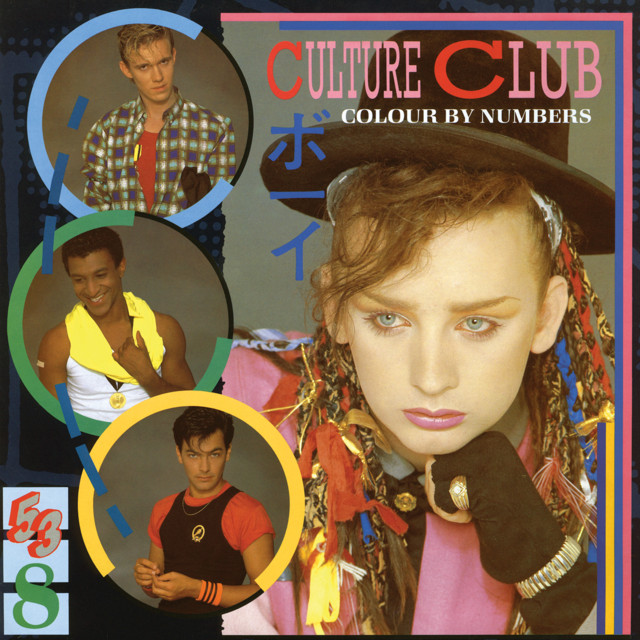
Colour By Numbers
Culture Club (1983)
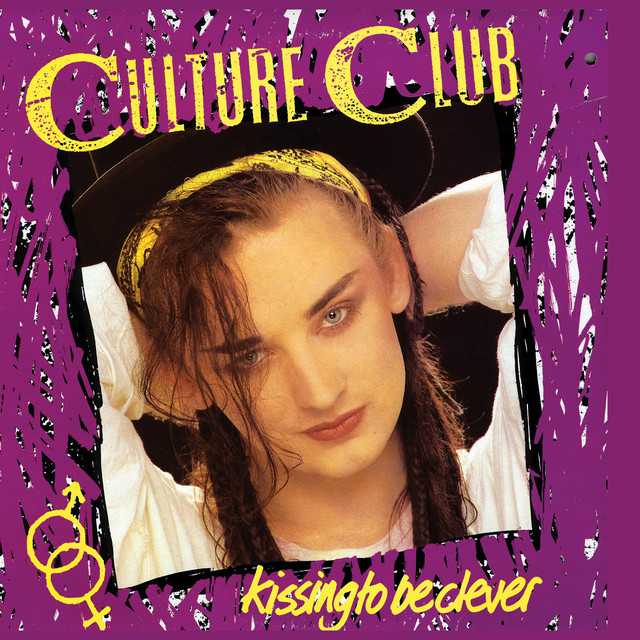
Kissing To Be Clever
Culture Club (1982)
Genre Usage
Based on how artists on Equipboard use this gear, it is most commonly found in the following genres.
Used With
Based on how musicians on Equipboard use Sony PCM-F1, it is most commonly used with the following gear.



More Sony Portable Recorders

$1,292.19
in Portable Recorders Rank


$294.00 - $393.87
in Portable Recorders Rank

$379.34 - $499.99
in Portable Recorders Rank

$798.00 - $898.00
in Portable Recorders Rank


$245.00 - $259.00
in Portable Recorders Rank

$43.43 - $289.96
in Portable Recorders Rank


-m.webp?v=1784818757)
$249.99 - $499.99
in Portable Recorders Rank


$190.50 - $279.99
in Portable Recorders Rank


$118.99 - $219.99
in Portable Recorders Rank


$49.00
in Portable Recorders Rank


$100.00 - $179.99
in Portable Recorders Rank


$219.00 - $599.99
in Portable Recorders Rank


$36.00 - $94.00
in Portable Recorders Rank


$302.50 - $379.95
in Portable Recorders Rank


$54.00 - $119.99
in Portable Recorders Rank


$176.60 - $299.99
in Portable Recorders Rank


$168.00
in Portable Recorders Rank


$235.00
in Portable Recorders Rank

$98.00
in Portable Recorders Rank


$191.00 - $383.99
in Portable Recorders Rank


$71.00 - $129.00
in Portable Recorders Rank


$99.99 - $119.99
in Portable Recorders Rank


$69.78 - $383.99
in Portable Recorders Rank


$64.49 - $69.99
in Portable Recorders Rank


$75.00 - $129.99
in Portable Recorders Rank


$199.99 - $269.99
in Portable Recorders Rank


$102.21 - $169.99
in Portable Recorders Rank
.jpg?v=1783959269)
Community setups


Similar


Gear Guides






Most Popular Portable Recorders
Most Popular Brands


