Stevie Wonder
Stevie Wonder's Gear


In this 1984 promotional photo, a Roland Jupiter-8 is seen in the background. Likely used on Woman In Red.
Find it on:


In this photo from the Motown 25 performance, a Yamaha CS-80 can be seen towards the right.
Find it on:

Stevie can be seen using a Ludwig Mod Orange during the recording of his 1973 hit, "Living for the City".
Find it on:


Stevie Wonder can be seen playing Canopus Yaiba Ⅱ Drum Kit in this ad.
Find it on:

In "We Are The World" - Stevie Wonder can be seen using the Fostex T20 Headphones in 1985
5:09 m:s
Find it on:

In "We Are The World" - Stevie Wonder can be seen Singing on the Telefunken (AKG) C12 Microphone in 1985
5:09 m:s
Find it on:

In this YouTube excerpt or any footage of Spike Lee's 'Bad' Movie showing the actual Behind The Scenes Studio Sessions of the Bad Album especially here with Michael Jackson & Stevie Wonder collaborating & recording keep-able vocals on "Just Good Friends" recorded in 1987 - Stevie Wonder can be seen here Singing into one of Bruce Swedien's Telefunken ELA M 251 E Microphones
Find it on:


Stevie Wonder can be seen playing Roland RD-700 in this video (LA, 2013)
Find it on:

Svevie Wonder can be seen playing Roland AX-Synth Shoulder Synthesizer in this photo. He seems to have been playing that synthesizer in concerts since 2009 when it was released.
Find it on:

Yamaha DX1 FM Synthesizer is behind him in this studio. The description of the photo in the SOS article says "Stevie Wonder and Gary Olazabal in Wonder's Wonderland Studio, 1986," which suggests that he used the DX1 to record his work in the 80s.
Find it on:

""He just didn't want the song to sound too light. So, aside from a little reverb, the vocal was fairly in-your-face and we recorded him sitting at the keyboard, using a Sony C500. We changed his vocal mics all the time, tailoring the sound to each song, and he knew how to work a microphone."
Find it on:

""On some songs we used a [Neumann] 87 for Steve's vocals, a lot of times an RE20 worked out really well for him, and there was also a Telefunken 47 that he tried and didn't like all that much but which we did use for his harmonica.""
Find it on:

""On some songs we used a [Neumann] 87 for Steve's vocals, a lot of times an RE20 worked out really well for him, and there was also a Telefunken 47 that he tried and didn't like all that much but which we did use for his harmonica.""
Find it on:

"On the other hand, the little Roland was affordable. OK, £1,800 was far from chicken feed in the late '70s, but the Jupiter 4 undercut each of its competitors by around 50 percent. Consequently, the list of its owners became a 'Who's Who?' of the era, including Kitaro, Gary Numan, Tangerine Dream, Stevie Wonder, Tomita and, perhaps most famously, Nick Rhodes of Duran Duran. "
Find it on:

Stevie Wonder can be seen playing Korg Triton pro-x in this page. The concert is "Stevie Wonder during KTWV 94.7 A Wave of Peace Benefit Concert at The Great Western Fourm in Inglewood, California, United States."
Find it on:

Svevie Wonder can be seen playing Yamaha EX5 Synthesizer Workstation (2000).
Find it on:

“[A] special Tru-Tron adapted to [Wonder’s] special needs and special talent” is mentioned by Mike Biegel of Mu-Tron in this February 15, 2017 Pedal of the Day interview.
By the time Musitronics was in full swing I met quite a few Jazz and Rock & Roll stars, and learned from them what they wanted in their “musical toys”. Among those were Stevie Wonder, whose song ‘Higher Ground’ put Musitronics “on the map”, and who now uses a special Tru-Tron adapted to his special needs and special talent.
Find it on:
-m.webp?v=1763019148)
In a 1968 performance, Stevie Wonder can be seen using the Hohner Clavinet I on the song "Shoo-Be-Doo-Be-Doo-Da-Day." Stevie acquired the Clavinet I for his tenth studio album For Once in My Life, starting in 1968, as he was seeking a keyboard instrument with a guitar-like sound. According to Jim Allen on Reverb, "The jazz, funk and disco pedigree of the Clavinet is very well documented elsewhere; the earliest Stevie Wonder recordings are from 1968, notably ‘Shoo-Be-Doo-Be-Doo-Da-Day’, preceding the classic multitracked Clavinet milestone ‘Superstition’ by four years."
Find it on:

This photo shows Stevie Wonder performing at FireAid using the W9 capsule while there is an article in Forbes about the MTP W950, where it is also mentioned that Stevie Wonder is using the W9.
Find it on:



Stevie Wonder utilized the Shure KSM11 Capsule for Shure Wireless Microphones during his performance at the 65th GRAMMY® Awards, as confirmed by the source "Shure Captures the Sound of Music Icons at the 65th GRAMMY® Awards." His vocal performance, alongside Chris Stapleton, was delivered through the KSM11 cardioid condenser microphone paired with a Shure Axient Digital wireless transmitter.
Find it on:


At the FireAid event in California, Stevie Wonder is seen using the wired Lewitt MTP W950 microphone instead of the wireless W9. The video, provided by InMakin Conciertos on YouTube, captures this detail during his performance of "Love's In Need Of Love Today."
Find it on:

Stevie Wonder used Scott Mathews' 1960s 5-piece Gretsch Black Nitron drum kit during the "Talking Book" sessions, specifically for recording the track "Superstition," as confirmed by Julien's Auctions.
Find it on:

Stevie Wonder confirmed his use of the Moog Model IIIP synthesizer by stating, "When I was working on that, it started with a Moog synthesizer," during a conversation with presenter Annie Macmanus. He further mentioned collaborating with Bob Margouleff and Malcolm Cecil to develop the desired bass sound. This information is supported by an article on Yahoo Entertainment titled "Stevie Wonder reveals how he recorded the Moog synth bassline and 'laidback' vocals on a '70s classic."
Find it on:
This is a community-built gear list for Stevie Wonder.
- Find relevant music gear like Microphones, Drum Sets, Cymbals, Snare Drums, Drumsticks, Pianos, Keyboards and Synthesizers, Software Plugins and VSTs, Instruments, and other instruments and add it to Stevie Wonder.
- The best places to look for gear usage are typically on the artist's social media, YouTube, live performance images, and interviews.
- To receive email updates when Stevie Wonder is seen with new gear, follow the artist.
-
Added to Equipboard on by
 marcoszd
Gear IQ 246
-
Updated
Discography
The Jazz Soul Of Little Stevie
1962
Tribute To Uncle Ray
1962
The 12 Year Old Genius - Recorded Live
1963
With A Song In My Heart
1963
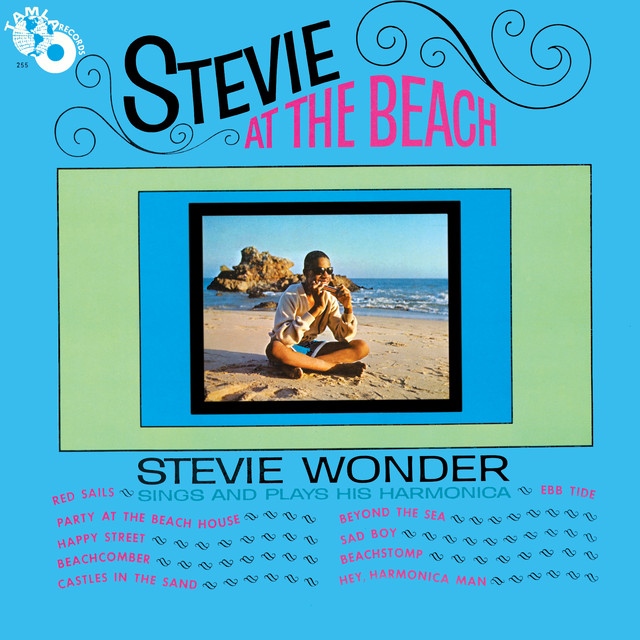
Stevie At The Beach
1964
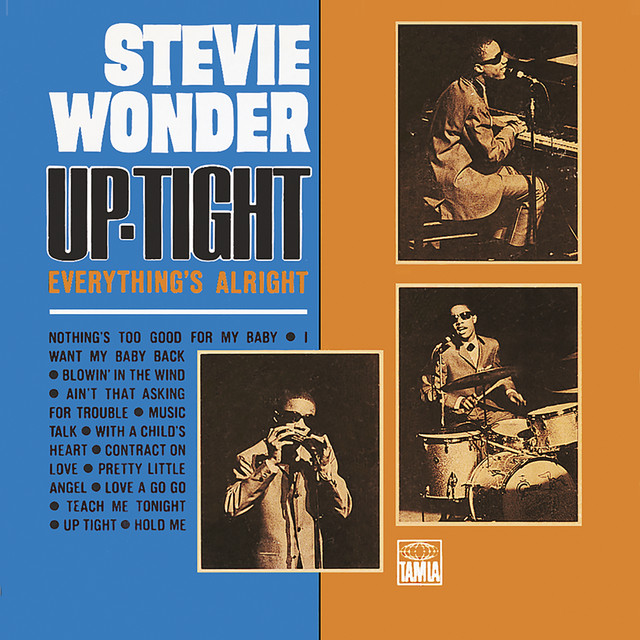
Up-Tight
1966
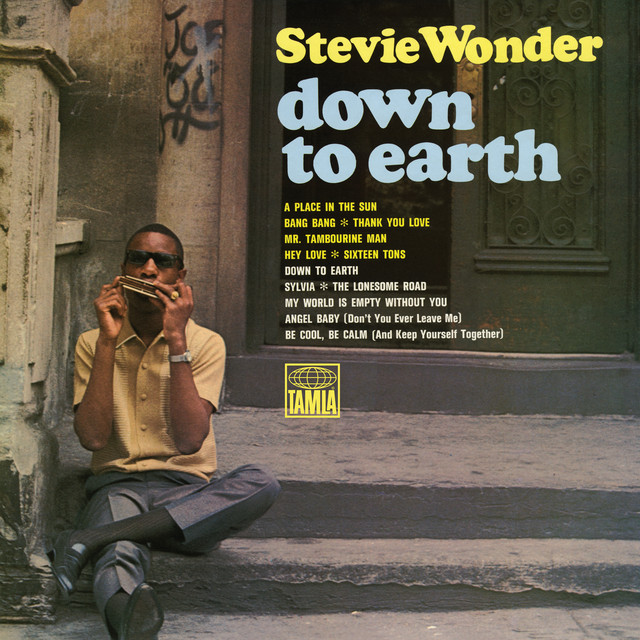
Down To Earth
1966
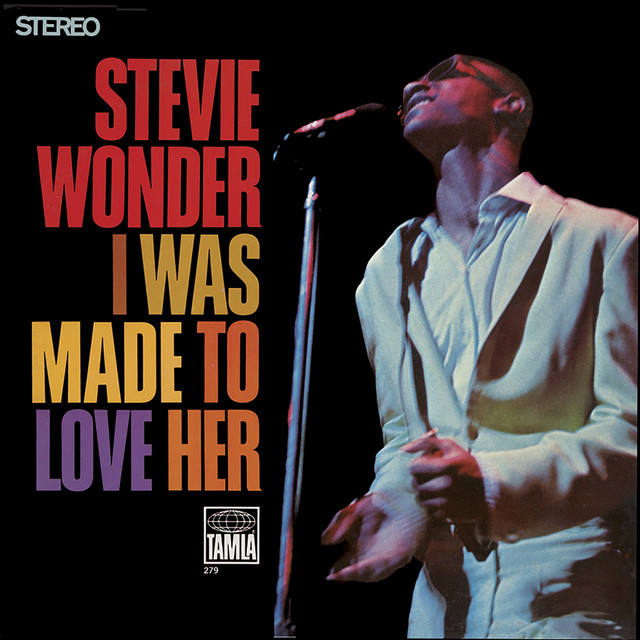
I Was Made To Love Her
1967
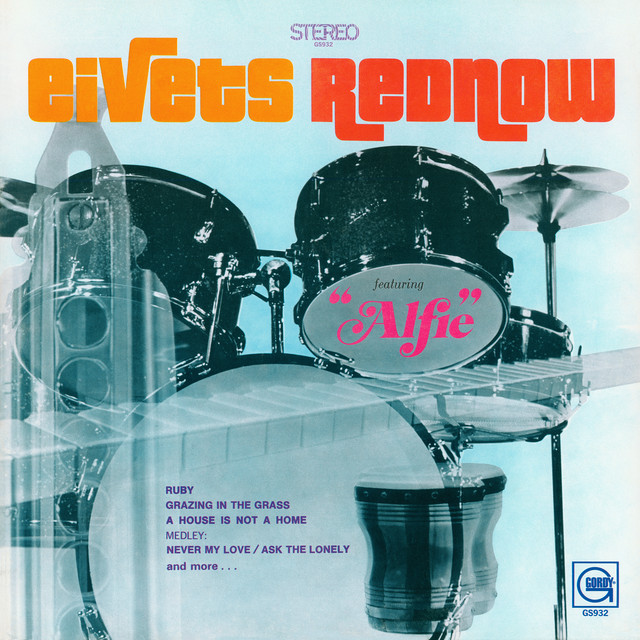
Eivets Rednow
1968
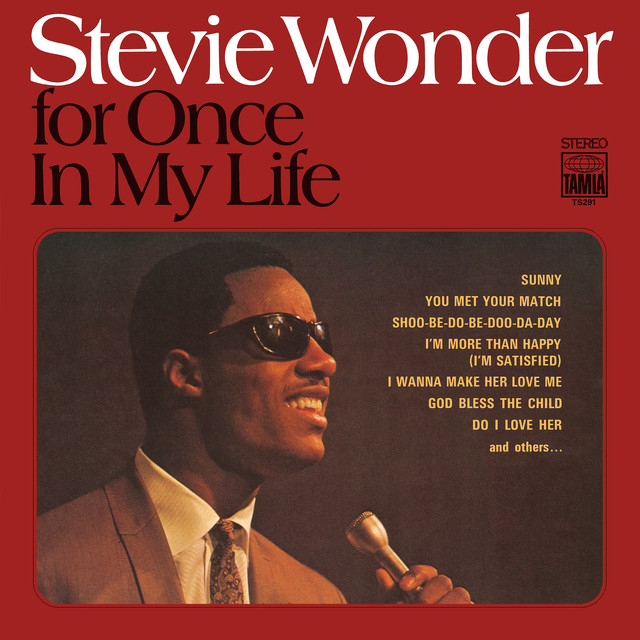
For Once In My Life
1968
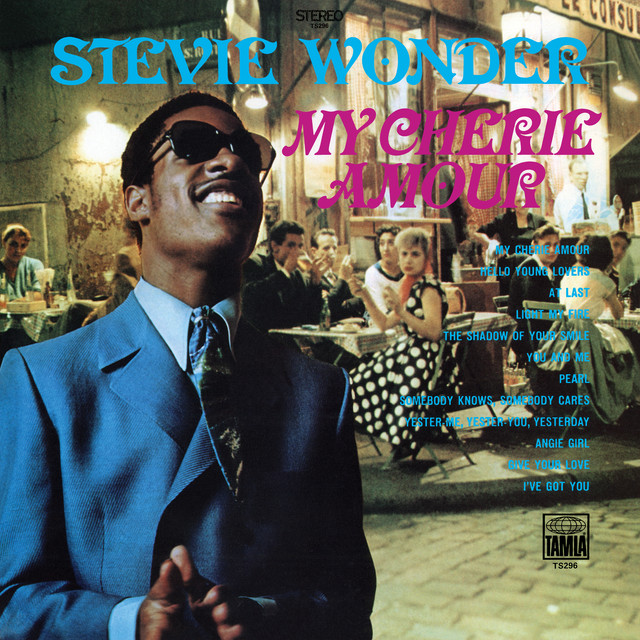
My Cherie Amour
1969
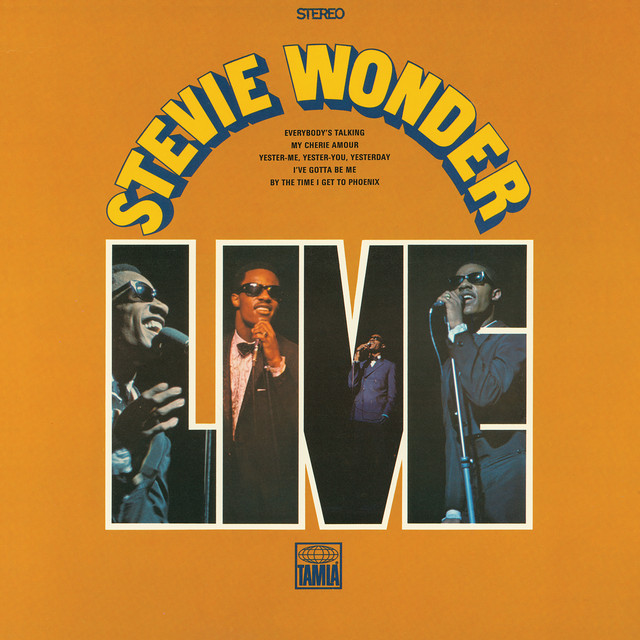
Stevie Wonder Live
1970
Album Credits
-
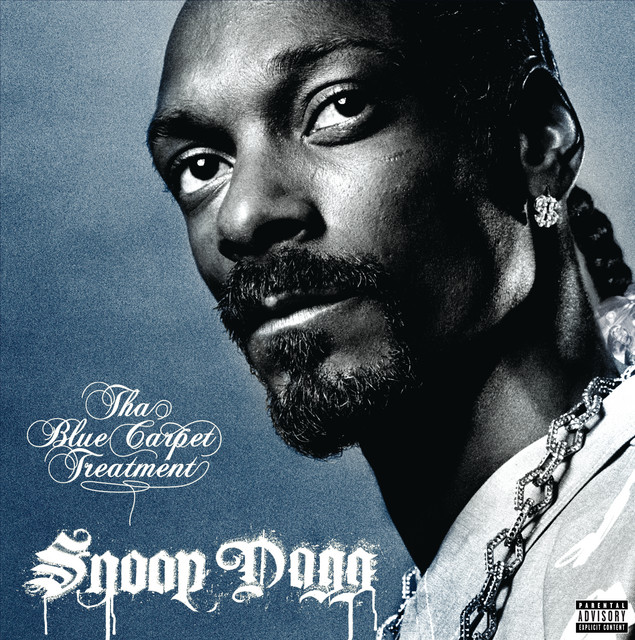
Snoop Dogg · 2006
Producer -
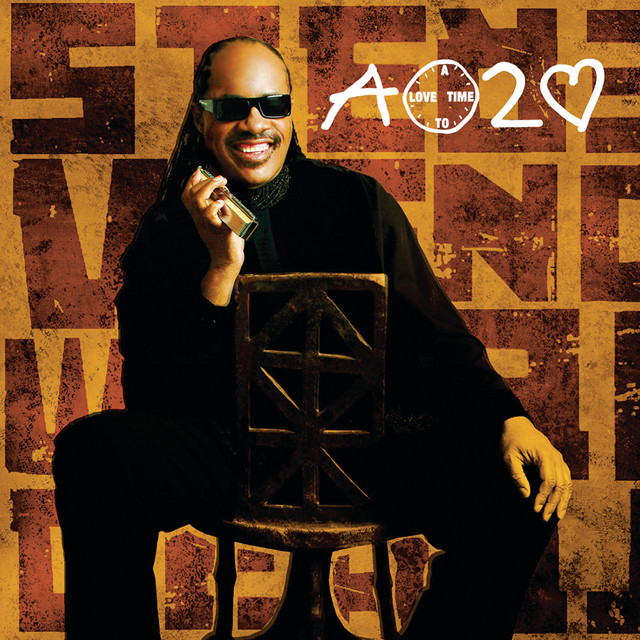
Stevie Wonder · 2005
Producer Programmer -
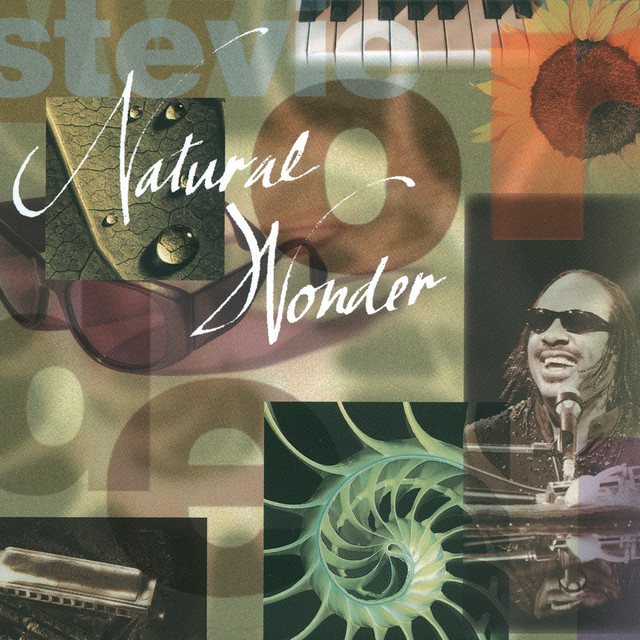
Stevie Wonder · 1995
Producer -
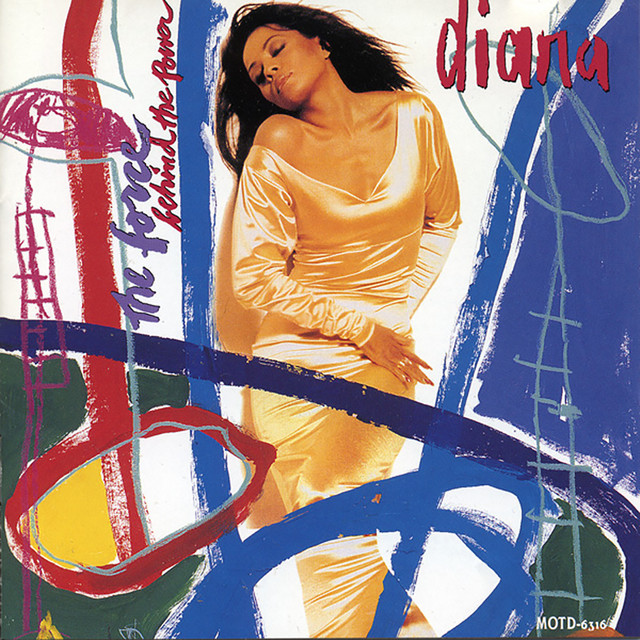
Diana Ross · 1991
Producer -
Whitney Houston · 1990
Producer -
Stevie Wonder · 1987
Producer -
Neil Diamond · 1986
Producer -
Dionne Warwick · 1985
Producer -
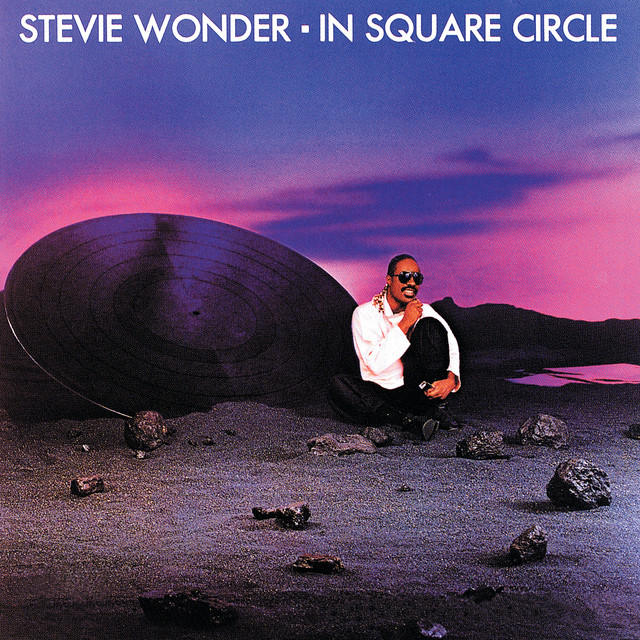
Stevie Wonder · 1985
Producer -
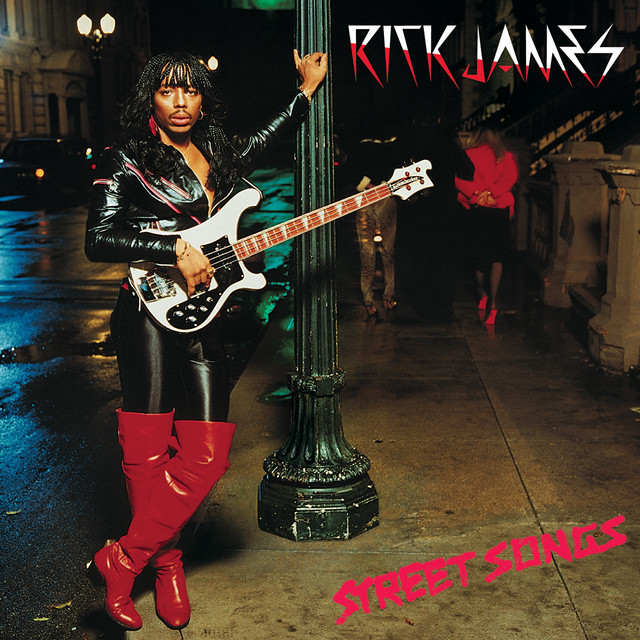
Street Songs (Expanded Edition)
Rick James · 1981
Session Musician -
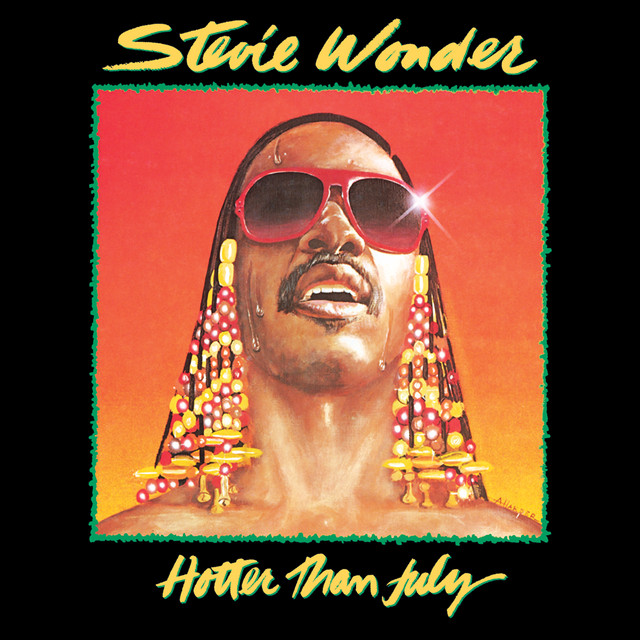
Stevie Wonder · 1980
Producer -
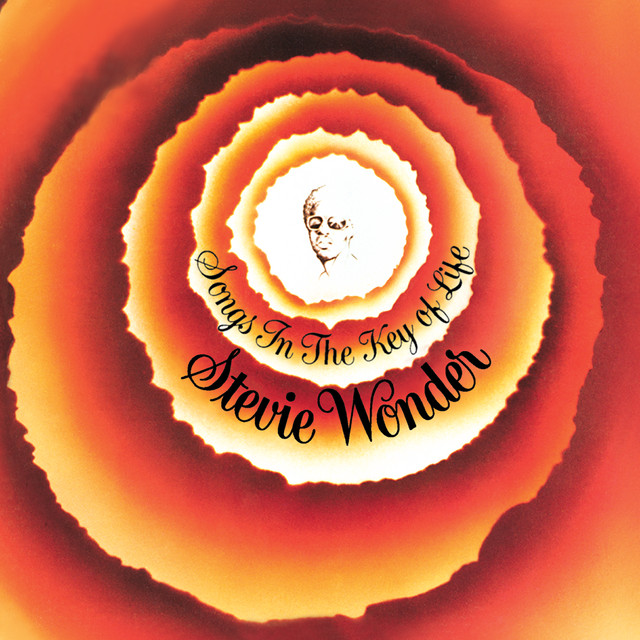
Stevie Wonder · 1976
Producer Programmer