Terry Riley
American composer
Terry Riley's Gear


Seen in this image pulled from a YouTube video, Terry Riley is clearly using a Yamaha YC-45D dual-manual organ. While Philip Glass also has used this model of combo organ for compositions (Glass: Dance Pieces and Einstein on the Beach mostly), it is Riley who had his Yamaha detuned with alternative tunings. This is possible because the YC-45D (and most "vintage" analog combo organs) have individual circuit boards per note and this could be accomplished by an electronics technician tweaking the voice coils / pots.
In the interview linked below, Mr. Riley states that his YC-45D was put into just-intonation and modified to output sound stereophonically:
"Around 1970, the Vox was replaced with a Yamaha YC-45D, 2-manual organ that my technical assistant, Chester Wood, modified to output stereophonically. He also added a tuning function that made playing in just intonation possible. Chet built one of the first digital delays fashioned out of an old 1950's computer we purchased from Don Buchla. This new digital delay dubbed "the shadow" made possible live performance in quadraphonic sound. The last phase of this organ performance period came in 1980, when I finally made the move to synthesizers and started using 2 Prophet V synthesizers stacked like a two manual organ in tandem with a polyphonic sequencer."
https://www.wisemusicclassical.com/work/48888/At-the-Royal-Majestic--Terry-Riley/
Find it on:


In this interview, Terry Riley says "In 1966 I got my first electronic organ, a Vox Super Continental 2 manual with draw bars, modeled somewhat on the Hammond B3. I started doing late-night and all-night concerts using tape delays to beef up the sound and to make a "shadow" part to interact with the primary signal. Around 1970, the Vox was replaced with a Yamaha YC 45 D 2 manual organ that my technical assistant, Chester Wood, modified to output stereophonically."
Find it on:

Terry Riley is sitting with his Ace Tone Top 5 in this DVD footage. It's not clear if/when the Top 5 was used on records, because most footage and photos has Mr. Riley sitting with his dual-manual Yamaha organ.
Find it on:

Terry Riley states in this interview "The last phase of this organ performance period came in 1980, when I finally made the move to synthesizers and started using two Prophet V synthesizers stacked like a two manual organ in tandem with a polyphonic sequencer. I composed several long duration modal pieces for this setup, performances having a quasi-raga like form with codified themes and extended improvisation."
https://www.wisemusicclassical.com/work/48888/At-the-Royal-Majestic--Terry-Riley/
Find it on:


Terry Riley uses this keyboard in more modern years as it is more dependable and easier to setup than his Yamaha combo organ and analog delays.
Find it on:

Terry Riley is seen using a Nord Stage 3 Compact seen with an SIR (or Studio Instrument Rentals) company sticker on it. This keyboard was likely only used as a borrowed keyboard for this performance.
Find it on:


Terry Riley notes his use of Walt Disney Concert Hall's "Hurricane Mama" pipe organ:
"Fast forward to 2008. I was commissioned by the Los Angeles Philharmonic to compose a new work for Hurricane Mama, the magnificent organ residing in the Walt Disney concert hall. The LA Philharmonic generously allowed me to have numerous all-night sessions with the organ in Disney Hall to compose and prepare The Universal Bridge premiered in 2009. Some of the unused improvisations and sketches I made then later found their way into At The Royal Majestic. https://www.wisemusicclassical.com/work/48888/At-the-Royal-Majestic--Terry-Riley/
Some of Hurricane Mama's specifications can be found on the organ builder's website: http://www.rosales.com/instruments/op24/index.htm
Find it on:

According to this article from Pitchfork, Terry Riley used an RMI Rock-Si-Chord on "A Rainbow in Curved Air."
Side A’s heavily overdubbed title track features the composer on a range of keys: electric organ, electric harpsichord, rocksichord (also a favorite of Sun Ra’s), as well as two percussion items (dumbec and tambourine).
Find it on:

According to this article, Riley used a Baldwin Electric Harpsichord on the album "A Rainbow in Curved Air."
Riley would intensify this overdubbing approach with added instrumentation. Using overdubbing, Riley plays all the instruments on the title track: electric organ, 2 electric harpsichords (a Baldwin electric harpsichord & a RMI Rock-Si-Chord), dumbec, and tambourine.
Find it on:

Terry Riley selected by the London Times as one of the 1,000 ‘makers of the 20th century’ is regarded as the father of the minimalist movement with his “IN C” from 1964, which set the stage for the New Age movement. He is also recognized for bringing Eastern Indian music to Western audiences beginning in the ’70s.
Riley, the third of the three cooperative founders, spends half the year working in his Camptonville home studio and the other half touring. He writes for film, chamber, orchestral, jazz, rock and world music ensembles. In the last 23 years, Riley has produced 15 major works for the Kronos Quartet.
Riley’s “Salome Dances for Peace” (1989) was selected as the No. 1 classical album of the year by USA Today and nominated for a Grammy. His “Cadenza on the Night Plain” (1985) was chosen by Time and Newsweek as one of the 10 best classical albums of the year. The song “Baba O’Riley” on the “Who’s Next” CD honors Riley and the late Indian mystic Meher Baba.
A new version of Riley’s “A Rainbow in Curved Air” from 1968 using a Vox Continental Combo Organ, Baldwin electronic Harpsichord and Rocksichord (an early electronic keyboard), dubec and tambourine will be performed Monday.
The updated “A Rainbow in Curved Air” featuring modern technology, original sections and new sections switches from Western scales to scales Riley recently created with Eastern music influences.
This time, Riley will play a Korg Studio Triton 88 and Mikail Graham will play keyboards and percussion, and mix components from both versions.
Find it on:
This is a community-built gear list for Terry Riley.
- Find relevant music gear like Pianos, Keyboards and Synthesizers, Microphones, Software Plugins and VSTs, Instruments, and other instruments and add it to Terry Riley.
- The best places to look for gear usage are typically on the artist's social media, YouTube, live performance images, and interviews.
- To receive email updates when Terry Riley is seen with new gear, follow the artist.
Discography
Terry Riley's Dorian Reeds (For Brass) 2019 Remastered for Streaming
1965
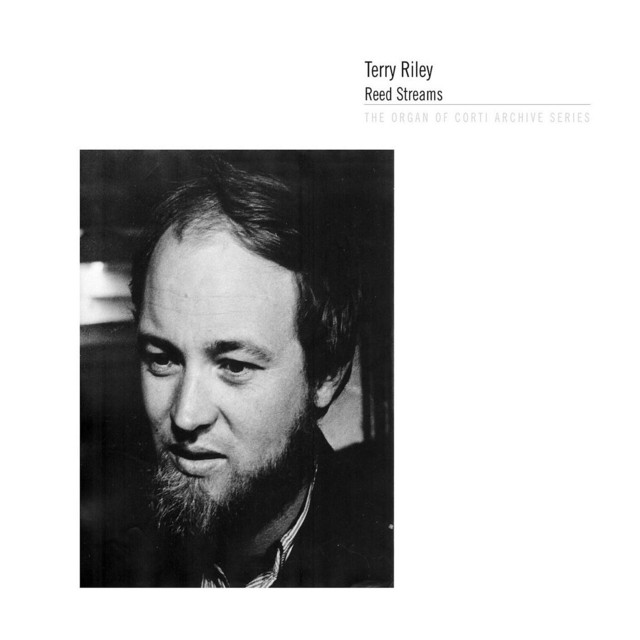
Reed Streams
1966
Keyboard Study 2 / Initiative 1+ Systèmes (Remastered 2021)
1970
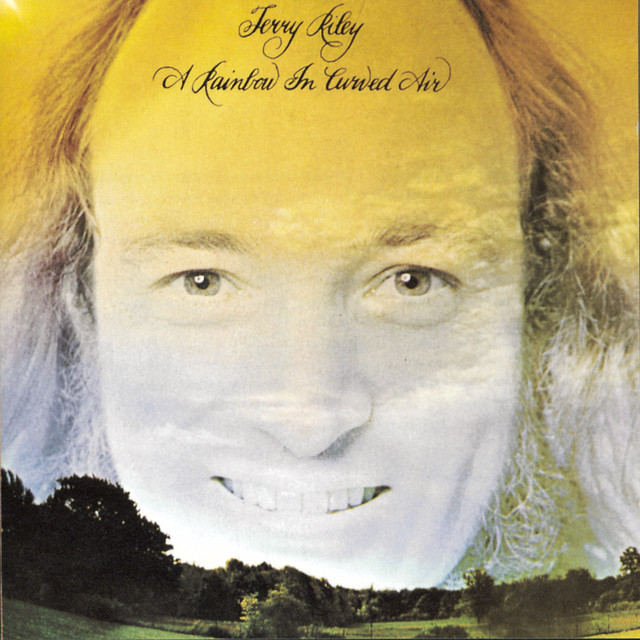
A Rainbow In Curved Air
1971
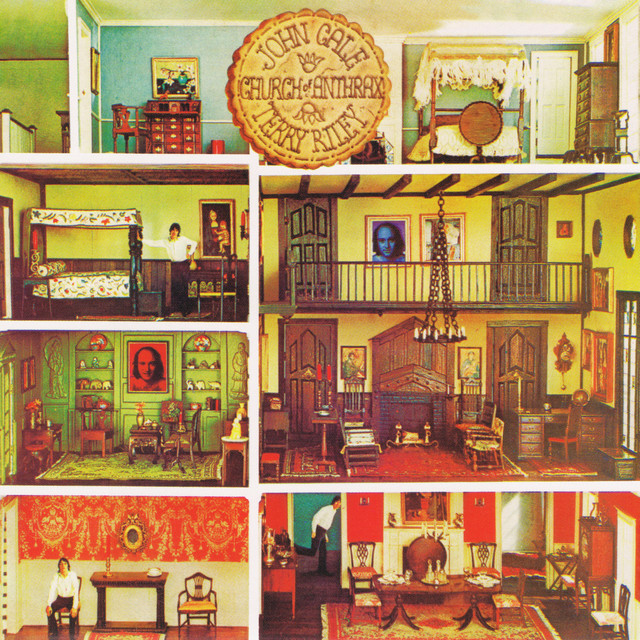
Church of Anthrax
1971
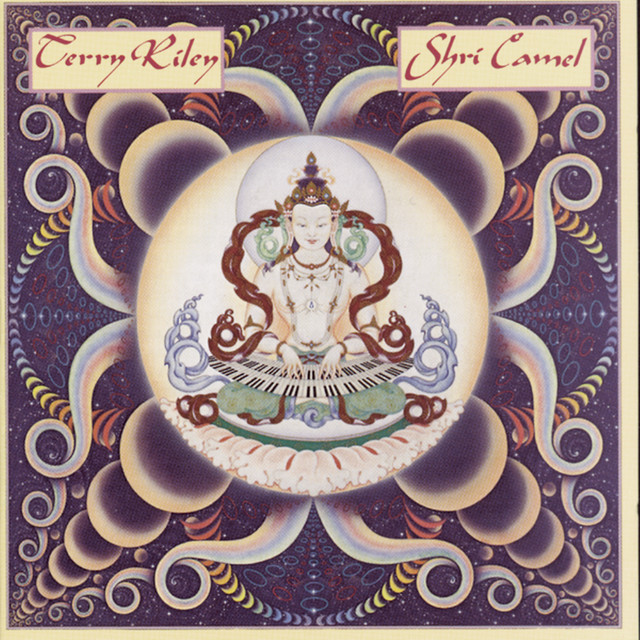
Terry Riley: Shri Camel
1980
Riley: Descending Moonshine Dervishes / Songs for the 10 Voices of the 2 Prophets
1982
Riley: Songs for the 10 Voices of the 2 Prophets
1982
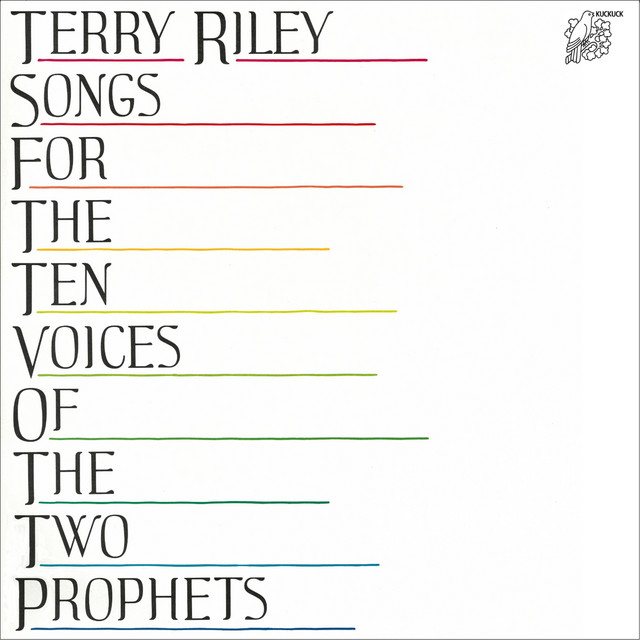
Riley: Songs for the Ten Voices of the Two Prophets
1983
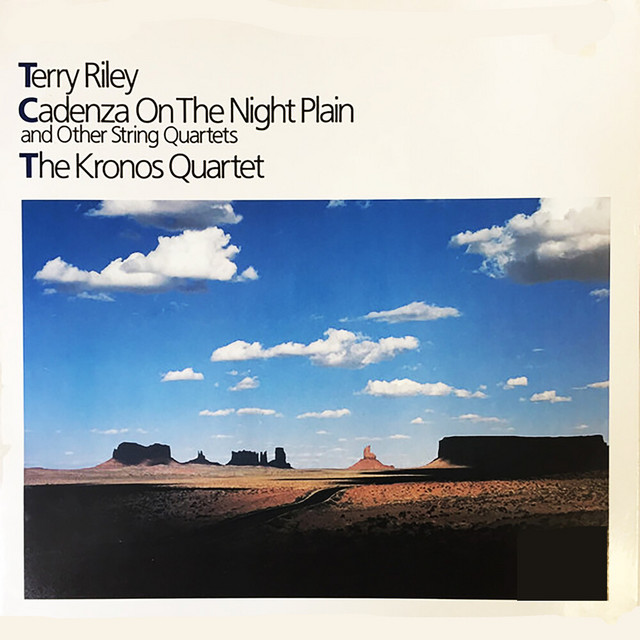
Cadenza On The Night Plain And Other String Quartets (1985 Version)
1985
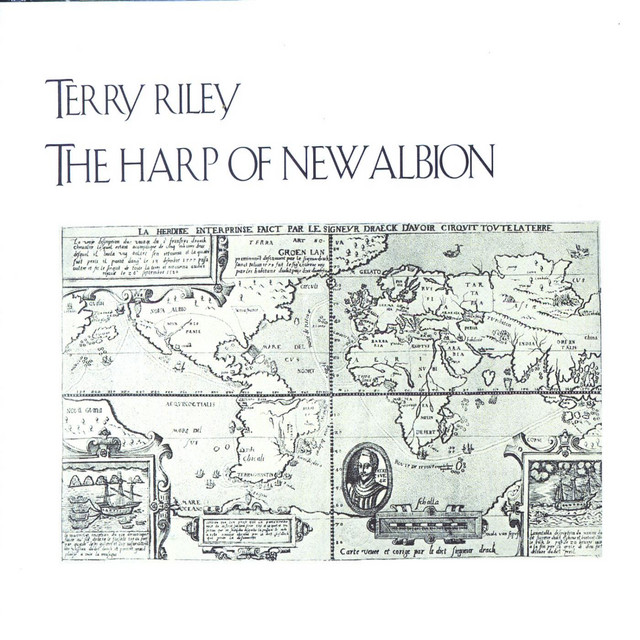
Riley: The Harp of New Albion
1986
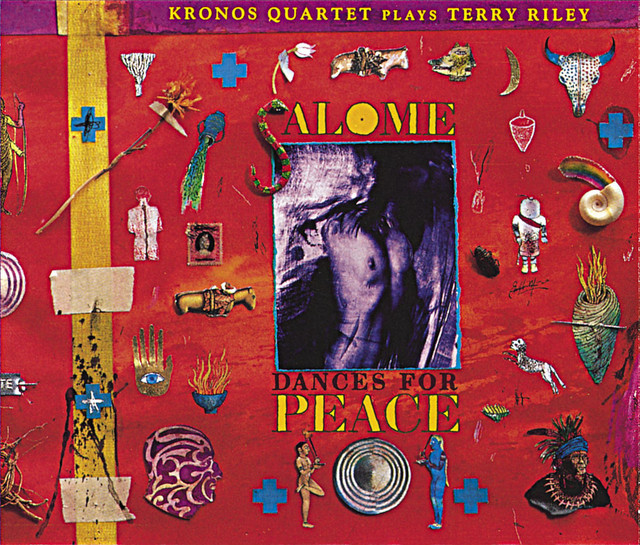
Salome Dances for Peace
1989