Tony Peluso
American writer, producer and multi-instrumentalist
Role
Genre
Group
Role
Genre
Group
Tony Peluso's Gear


Tony Peluso was the lead guitarist for the Carpenters, and while his fingers did the shrieking on this Richard and Karen Carpenter smash hit, it was actually the so-not-cool Richard who kicked up the noise, shouting at an initially timid Peluso to "GO! Just BURN!" The contrast between Peluso's angry roar — which starts at 1:22 in the song — and the syrupy strings and layered vocals is pure genius. Peluso plugged his Gibson ES-335 into an Electro-Harmonix Big Muff, and then right into the mixing console (no amp) to arguably help birth the dreaded power ballad.
Find it on:





Used for the solo on The Carpenters' "Goodbye to Love", as reported by Richard Carpenter and Peluso himself. According to Kit Rae, this is the earliest known use of a Big Muff on a record. Peluso's solo was voted among the top five solos that use fuzz in a 2019 Facebook poll by Guitar Player.
MOJO, April 1996, "Interview with Richard Carpenter" by Chris Ingham
Tell us about Tony Peluso's extraordinary guitar solo in ‘Goodbye To Love’.
I pictured this oxymoronic "power lead" solo on a ballad. No one thinks twice now but then, it was seminal. I was impressed with Tony's melodic improvisation style and he was taken aback to be asked, apparently, but he turned up to the session with his Big Muff fuzz box and little amp. He played with a broken pick to get that tweaking sound. I said "play the melody for five bars then take it" and it's mainly one take. We asked him to join our group after that. It changed some people's mind about us but we got hate mail too.
Guitar Player, August 2001, "Classic Riffs" by ???? (testified and partially transcribed by Telecaster Discussion Page Reissue user rpjones in this March 16, 2003 post)
Telemaniac was correct, Aug 2001 Guitar Player features the solo in "Classic Riffs":
Armed with a '58 Gibson ES-335, a custom Red Rhodes-designed compressor, and an Electro-Harmonix Big Muff fuzz, Peluso walked into a session that featured such studio heavyweights as guitarist Louie Shelton and drummer Hal Blaine. Peluso plugged his guitar into the compressor and the Big Muff, and then ran direct into a custom Haeco mixing console. All tracks were recorded on a Scully 2" 16-track analog tape machine. According to Peluso, "Richard told me to quote the melody and then solo. I was really laying back because I didn't want to get in the way of all those beautiful tracks. But Richard stopped the tape and said, "No, no, no-we want you to PLAY!' He rolled the tape again, and that second take is what you hear on the record". He also states that he used a Fender medium pick that he had cut serrations into, which is heard on the solo, and that he tuned his guitar FFCFAC for the solo. He says it is the only tuning he has ever used.
Peluso goes on to say that Richard Carpenter mixed the guitar solo very loud, very bold for a Carpenters tune. They got hate mail because of Goodby [sic] to Love.
www.richardandkarencarpenter.com, Song Notes, "Goodbye to Love" (2004)
I wrote most of this melody while visiting London in 1971. As it is chromatic in places, and employs lengthy phrases at times, it is quite difficult to sing correctly. Karen, as always, performs it both beautifully and effortlessly. While constructing the arrangement, I pictured a melodic fuzz guitar solo, and knew just the guitarist I wanted to employ—Tony Peluso. Karen and I had met Tony in 1971 when his band, Instant Joy, had backed Mark Lindsay, who had opened for us on our spring tour. The resulting guitar solo is, in my opinion, one of the best in recording history. “Goodbye To Love” went Top 10, but did provoke some “hate mail” from people who claimed we had sold out, and gone HARD ROCK!!!
www.richardandkarencarpenter.com, "Carpenters Fans Ask.... ....Richard Answers", Fans Ask 5 (2005), Question 32 (Archive mirror)
Fans Ask:
"I really love the solo on 'Goodbye To Love'. It sounds to me like an electric guitar played directly into the sound board and overdriven onto analog tape. I would love to know more about it. Who played it? how exactly was it recorded? .Who decided it should have such a raucous sound? It was a great call!"
Richard Answers:
"It's an electric guitar, Gibson, vintage 1957. Tony Peluso played the solo, done in the 'good old days' when all he used was a crude little fuzz unit called a 'Big Muff'. He hooked his guitar into the Big Muff and our engineer Ray Gerhardt took it into the board. It was recorded in Studio B at A&M Studios. The song and arrangement, including the 'raucous' fuzz guitar solo, are mine."
Guitar Player, "You Picked 'Em! 5 Ferocious Fuzz Solos!" by Michael Molenda (May 9, 2019)
"Goodbye to Love"
Tony Peluso
1972
I'm glad that GP's Facebook friends picked this solo, because if fuzz stands for anything, it's to shout down the bland loveliness of soft rock with a howling snarl. Tony Peluso was the lead guitarist for the Carpenters, and while his fingers did the shrieking on this Richard and Karen Carpenter smash hit, it was actually the so-not-cool Richard who kicked up the noise, shouting at an initially timid Peluso to "GO! Just BURN!" The contrast between Peluso's angry roar — which starts at 1:22 in the song — and the syrupy strings and layered vocals is pure genius. Peluso plugged his Gibson ES-335 into an Electro-Harmonix Big Muff, and then right into the mixing console (no amp) to arguably help birth the dreaded power ballad.
Find it on:


This is a community-built gear list for Tony Peluso.
- Find relevant music gear like Guitars, Amplifiers, Effects Pedals, Studio Equipment, Software Plugins and VSTs, Headphones, and other instruments and add it to Tony Peluso.
- The best places to look for gear usage are typically on the artist's social media, YouTube, live performance images, and interviews.
- To receive email updates when Tony Peluso is seen with new gear, follow the artist.
-
Added to Equipboard on by
.jpeg?v=1775868245) taqaya
taqayaGearIQ 167
-
Updated
Album Credits
-

Bersuit Vergarabat · 2024
Mixing Engineer -
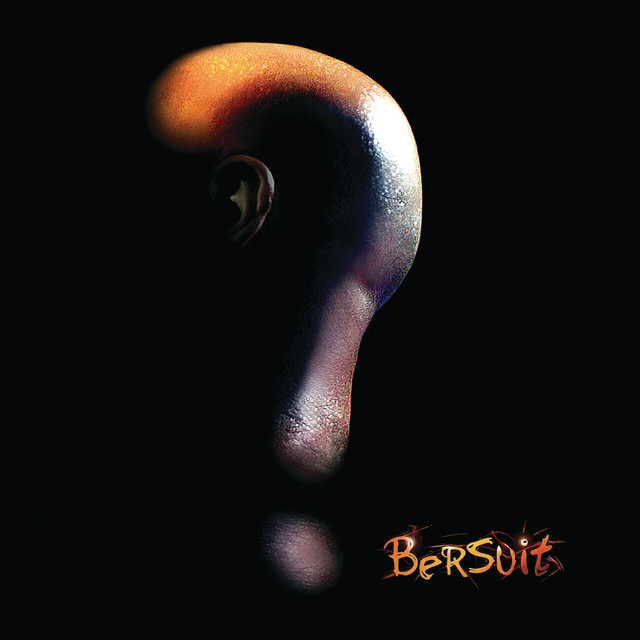
Bersuit Vergarabat · 2007
Mixing Engineer -

Bersuit Vergarabat · 2004
Mixing Engineer -

Divididos · 2004
Mixing Engineer Recording Engineer -
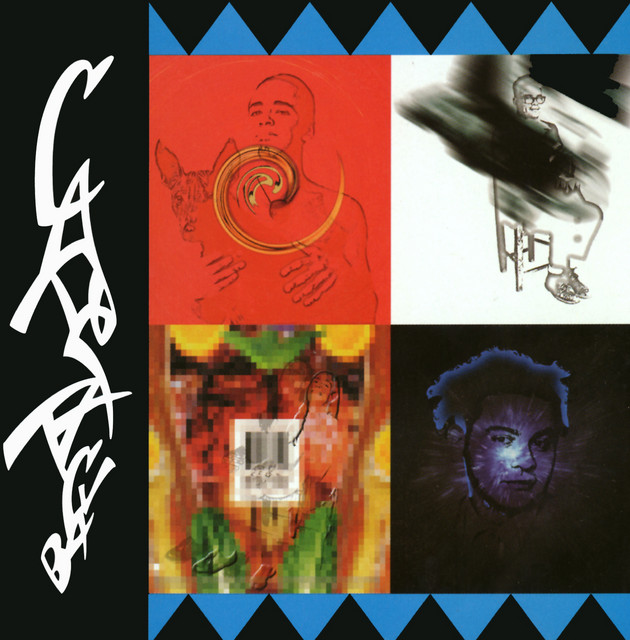
Café Tacvba · 2001
Recording Engineer -
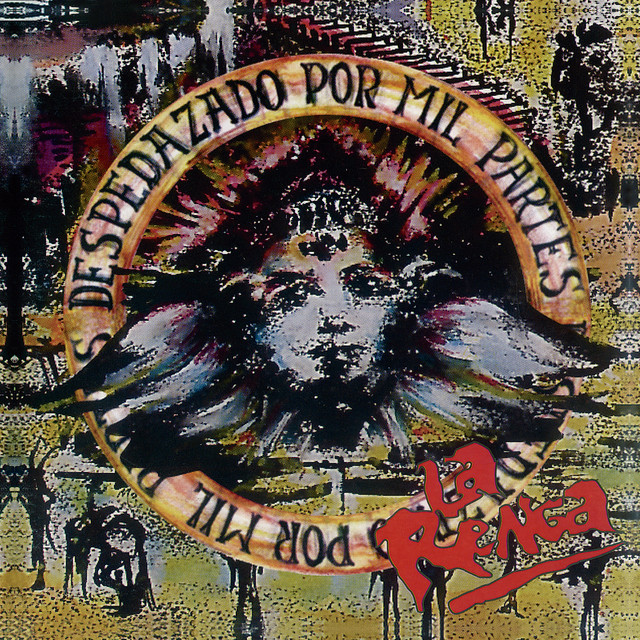
La Renga · 1996
Mastering Engineer Mixing Engineer Recording Engineer -
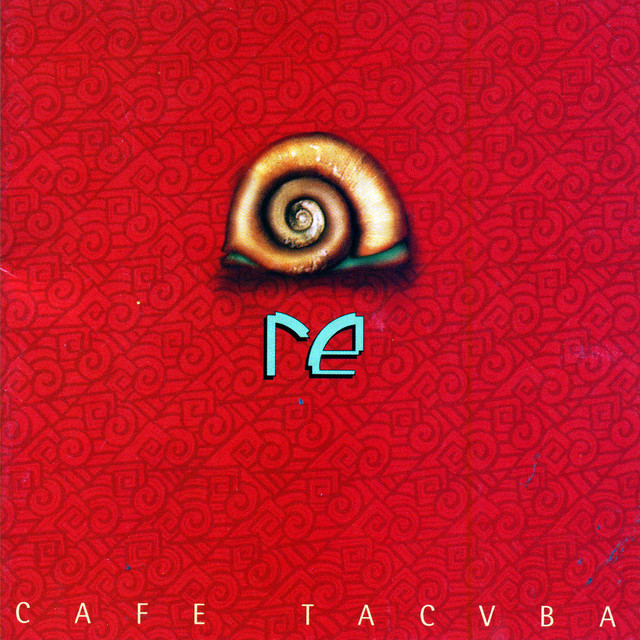
Café Tacvba · 1994
Recording Engineer -
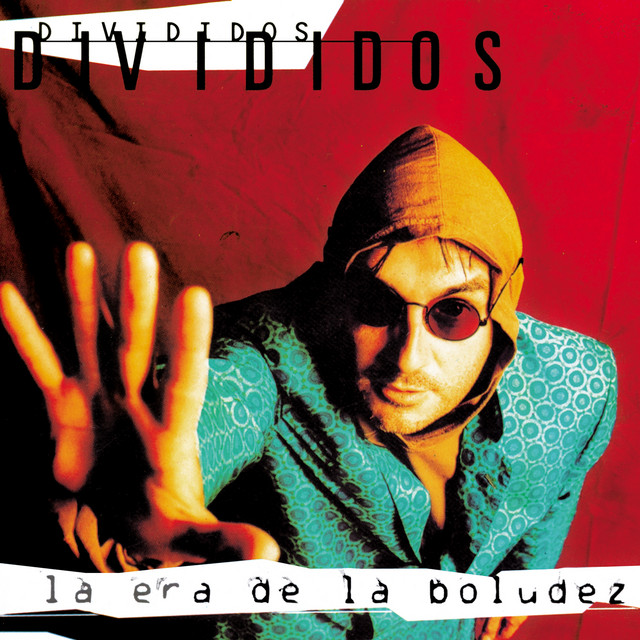
Divididos · 1993
Mixing Engineer Recording Engineer -
Four Tops · 1988
Recording Engineer