
By Gear Experts
Table of Contents

Equipboard
Equipboard is the world's largest community of artists and their gear. Read our review process.
We are reader-supported. When you buy through links on our site, we may earn an affiliate commission. Learn more.
The pentatonic scale is a foundational scale in music, especially popular among guitar players. Both beginner and intermediate guitarists need to master this scale to take their playing to the next level. From classic rock riffs to blues solos, the pentatonic scale is everywhere - and for good reason.
In this guide, we’ll explore what the pentatonic scale is, its rich history, its influence across different genres, and highlight some popular songs that showcase it. Along the way, you’ll learn why the pentatonic scale is a powerful tool for guitarists of all levels.
What is the Pentatonic Scale?
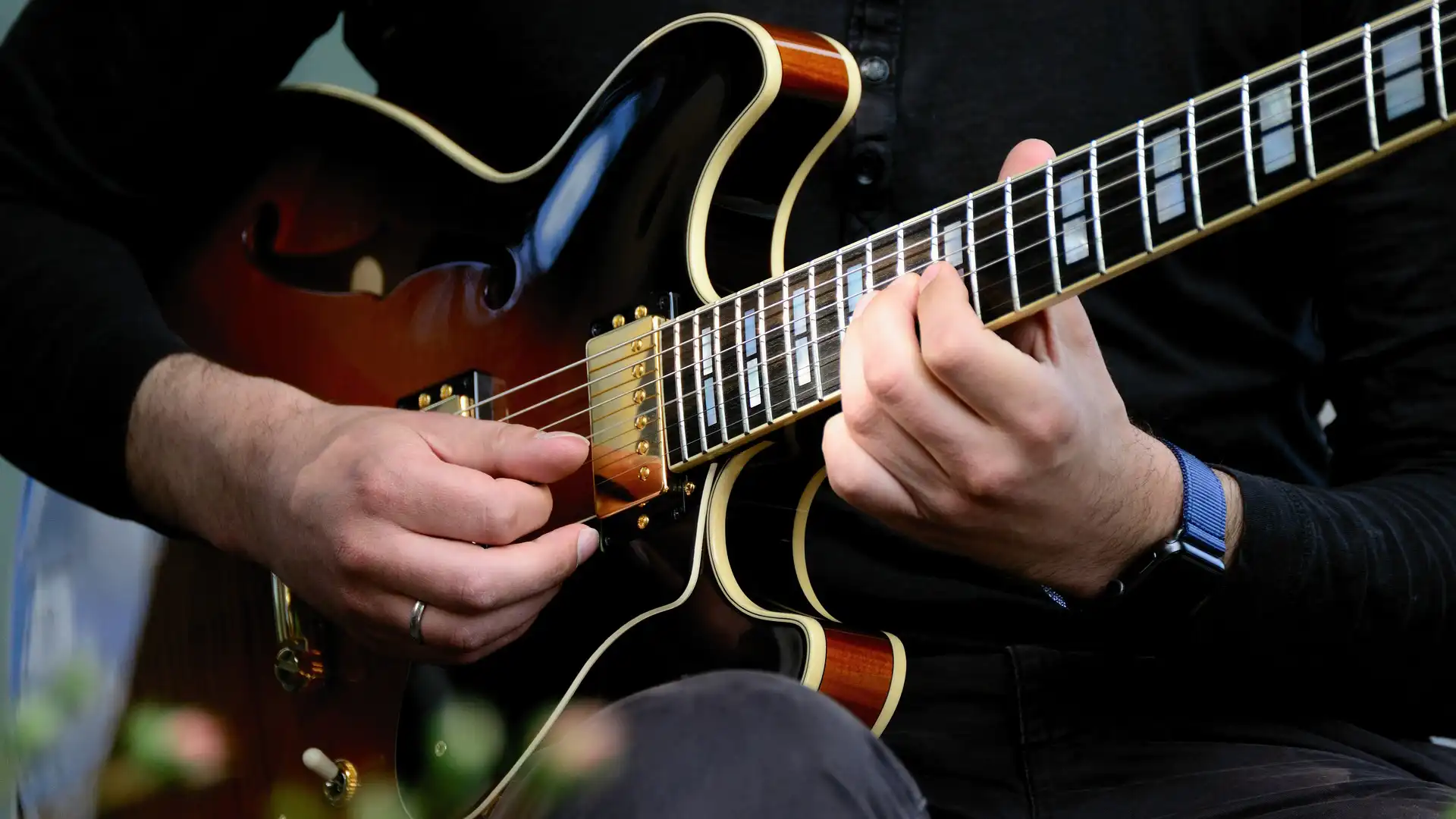
For guitarists, the pentatonic scale provides an accessible entry point into improvisation and melody creation. Its structure makes it forgiving for beginners, as it allows for clean, musical sounds with less chance of hitting a “wrong” note.
A Brief History of the Pentatonic Scale
The pentatonic scale isn’t just for guitar - it’s one of the oldest scales in music history, spanning cultures and continents. From ancient Chinese music to traditional African and Native American tunes, the pentatonic scale has a universal appeal that crosses cultural boundaries.
The Influence of the Pentatonic Scale on Modern Music
While it originated in traditional music, the pentatonic scale found its way into jazz, rock, and blues in the 20th century. Guitar legends like Jimi Hendrix, Jimmy Page, Billy Gibbons, and Eric Clapton have all used this scale extensively in their iconic solos. Its versatility and simplicity make it a go-to for guitarists across multiple genres.
How to Play the Pentatonic Scale on Guitar
The pentatonic scale on guitar is typically taught in five shapes, each spanning a different area of the fretboard. Below is a look at the tabs for the A Minor Pentatonic Scale, one of the most popular keys for guitarists. Practice these shapes to cover the entire fretboard:
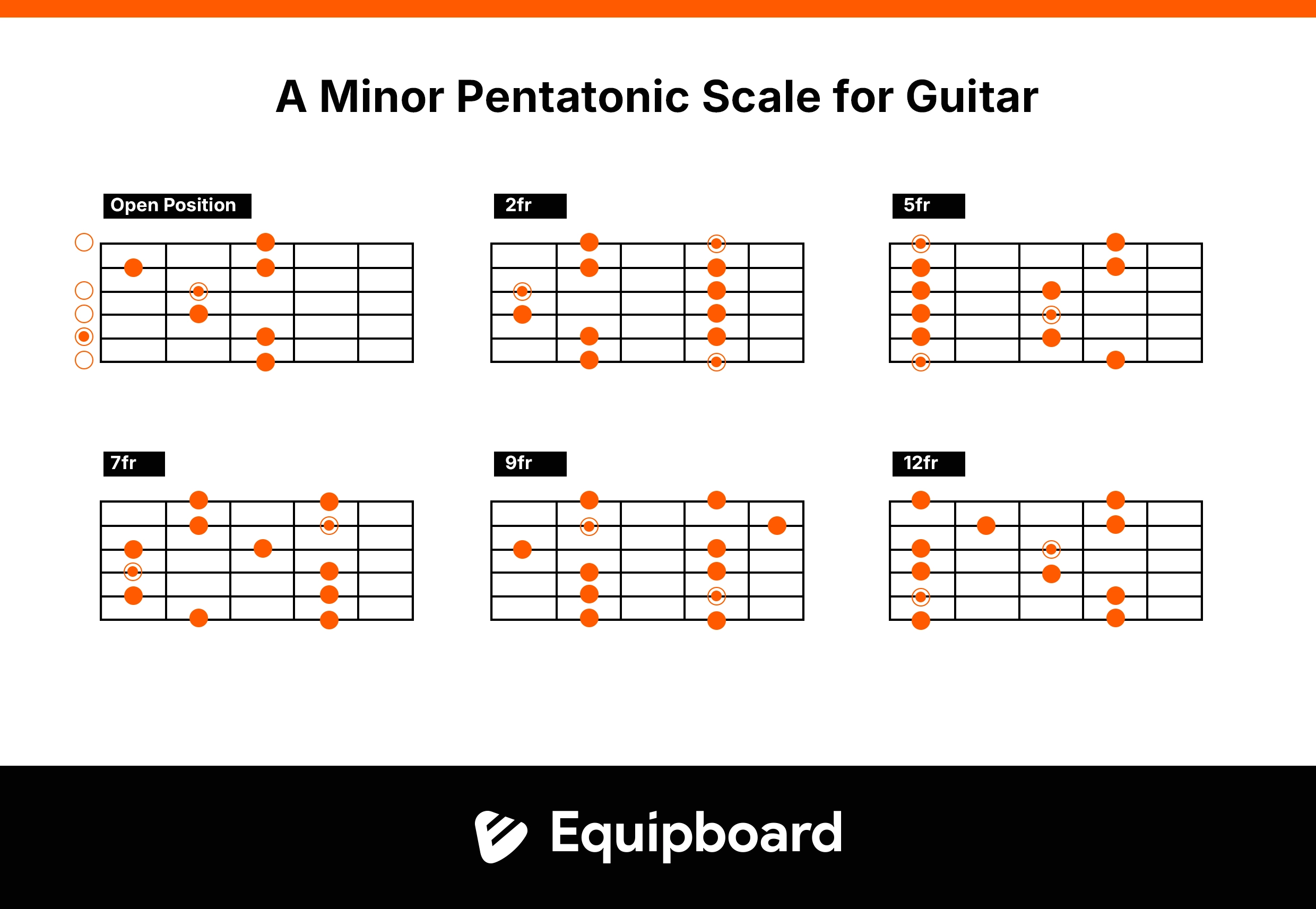
Shape 1 - Root Position (5th Fret)
e|----------------------5--8--|
B|------------------5--8------|
G|--------------5--7----------|
D|----------5--7--------------|
A|------5--7------------------|
E|--5--8----------------------|
Shape 2 - 8th Fret Position
e|----------------------8--10--|
B|------------------8--10------|
G|--------------7--9-----------|
D|----------7--10--------------|
A|------7--10------------------|
E|--8--10----------------------|
Shape 3 - 10th Fret Position
e|----------------------10--12--|
B|------------------10--13------|
G|--------------9--12-----------|
D|----------10--12--------------|
A|------10--12------------------|
E|--10--12----------------------|
Shape 4 - 12th Fret Position
e|----------------------12--15--|
B|------------------13--15------|
G|--------------12--14----------|
D|----------12--14--------------|
A|------12--15------------------|
E|--12--15----------------------|
Shape 5 - 15th Fret Position
e|----------------------15--17--|
B|------------------15--17------|
G|--------------14--17----------|
D|----------14--17--------------|
A|------15--17------------------|
E|--15--17----------------------|
Key Benefits of the Pentatonic Scale for Guitar

The pentatonic scale is a fundamental building block for guitarists of all skill levels. This five-note scale offers several important benefits that make it an excellent starting point for both beginners and experienced players:
Playability and Ease of Use: The structure of the pentatonic scale on guitar allows for straightforward finger positioning. Because it only includes five notes, it’s easy to play across multiple octaves and keys, making it accessible for beginners.
Improvisation-Friendly: The pentatonic scale’s simple structure lends itself well to improvisation. Since it omits certain notes that could create dissonance, it’s difficult to hit a wrong note - ideal for those just learning to solo.
Foundational for Other Scales: Once you’ve mastered the pentatonic scale, expanding to other scales like the blues or diatonic scale becomes much easier, as they build upon the pentatonic foundation.
Popular Songs That Use the Pentatonic Scale
Here are a few well-known tracks that showcase the power of the pentatonic scale:
- “Stairway to Heaven” by Led Zeppelin - The iconic guitar solo uses the minor pentatonic scale in A.
- “Sunshine of Your Love” by Cream - The main riff uses the pentatonic scale to create a memorable and groovy blues line.
- “Purple Haze” by Jimi Hendrix - Known for its edgy and experimental sound, Hendrix frequently used the pentatonic scale in his solos.
- “Smoke on the Water” by Deep Purple - This classic riff is based on the G minor pentatonic scale.
- “Sweet Home Alabama” by Lynyrd Skynyrd - An example of the major pentatonic scale in Southern rock.
- “La Grange” by ZZ Top - An iconic blues-rock song built around a classic use of the pentatonic scale to create a gritty, hypnotic groove that’s both memorable and powerful.
Key Factors When Practicing the Pentatonic Scale on Guitar

Sound Quality: Getting a smooth, clean sound with each note is essential. Practice each scale shape slowly and ensure each note rings clearly.
Picking Technique: Alternate picking (down-up-down) will help you develop speed while maintaining clarity.
Use with a Metronome: Practice with a metronome to improve timing and rhythm. Start slow and gradually increase the tempo. Here is our guide to choosing the best metronome for your needs.
Tips for Getting the Most Out of the Pentatonic Scale
- Experiment with Bends and Slides: These techniques add expression to your playing and are especially effective within the pentatonic scale.
- Combine Scale Shapes: Moving between different scale shapes along the fretboard will enhance your soloing abilities.
- Practice in Different Keys: While A minor is a common starting point, try playing the scale in different keys to become more versatile.
Recommended Practice Routine
To fully integrate the pentatonic scale into your playing, try this routine:
Play the Scale in One Position: Practice each note in one position until it feels natural.
Shift to Other Positions: Explore all five pentatonic shapes and how they connect.
Add Variations: Introduce hammer-ons, pull-offs, and slides to bring the scale to life.
Practice Along with Songs: Pick a song from the list above and try playing along to internalize the sound of the scale.
Conclusion
The pentatonic scale is an essential tool in any guitarist’s toolkit. With its easy-to-play structure and versatility across genres, it’s a powerful starting point for anyone looking to improve their guitar skills. Whether you’re into blues, rock, or even pop, mastering the pentatonic scale will open up a world of possibilities for your playing. Take your time to practice each shape, experiment with different keys, and soon you’ll see the scale’s impact on your playing.
The pentatonic scale on guitar is more than just a sequence of notes - it’s a gateway to greater musical expression and creativity.
About the authors
Michael R. Pierce is the co-founder of Equipboard and a lifelong musician with over 25 years of experience as a guitarist and gear enthusiast. He blends solid music theory chops (thanks to formal training in guitar, piano, and trumpet) with real-world experience, always exploring and experimenting across genres like rock, blues, and hip-hop. Michael launched Equipboard in 2013 after graduating from The University of Texas at Austin, leveraging his unique blend of musical passion, technological acumen, and community building. His current go-to rig features a Fender American Original ‘50s Telecaster, Analogman King of Tone, Strymon Flint, and a Fender ‘57 Custom Champ. Read more








.webp)