C.W. Stoneking
Genre
Group
Credits
Genre
Group
Credits
C.W. Stoneking's Gear


On his website, Stoneking says, "I always liked the look of the Jazzmasters once I got over how ugly they are, I have two of them, an olympic white USA version with mint green pickguard, and a 60s sunburst Japanese reissue with tortoise pickguard, the Jap one I completely upgraded with USA parts (tremolo tailpiece, Mustang bridge, pickguard, electrics, pickups), the only remaining Japanese components being the body, neck, and tuners. Both guitars have Antiquity II pickups by Seymour Duncan and are strung with 13 – 54 flatwound strings."
Find it on:


"This was my first ‘blues’ guitar bought in 1993, a 1938 or 39 Kalamazoo archtop, these guitars were made by the Gibson guitar company as a budget line during the depression, this particular one had some unusual features, it had a sunburst Gibson 16? archtop type body with Spruce top (with fancy checkered binding around the top like an L-10), flame maple back and sides with sunburst finish, and the fancy ‘pointed top/ Recording king’ headstock shape. This guitar was traded for an amplifier when I was playing electric guitar in a zydeco band in 1996," says Stoneking, on his website.
Find it on:


"My first ‘real’ electric guitar, got it in 1987, made by the famous mandolin maker Steve Gilchrist (a family friend – I sanded the body and neck), back when he was still making electric guitars and things." - Source.
Find it on:

On his site, Stoneking specifies: "The Style N was custom built for me by National and is based on the earliest Style N Guitar models from around 1930. Though some of the plainest looking National guitars, the Style N was the top of the line single-cone model of it’s day. This guitar has a nickel-plated, German silver body with the old style un-ribbed coverplate with soldered on handrest, mahogany ‘Tricone’ style neck with old style fixed bar instead of a truss rod and a straighter than usual neck width, un-bound ebony fretboard with old style pearl dot marker layout."
Find it on:

On Stoneking's website, he says, "The El Trovador is the first National Reso-Phonic guitar I purchased, it’s a reissue of a model that was only manufactured for about 1 year in 1933. This guitar has a cool old parlour guitar type shape and a deeper than usual mahogany body also a slightly narrower neck than the other National guitar models, sounds real good and loud."
Find it on:

On Stoneking's website, he says, "The National NRP is a painted finish steel bodied single cone guitar, I have the ivory finish one, it’s basically a duolian which is the archetypal blues resonator guitar used by artists like Bukka White, Son House, Tommy McClennan, Blind Boy Fuller."
Find it on:


-m.webp?v=1783337132)
Stoneking says, "Got this hollowbody thinline Gibson in 2009, I like these cherry red guitars, back when I was 11 years old this would have been my absolute dream guitar. It has a completely hollow body and P90 pickups, Gibson’s version of the Epiphone Casino that John Lennon favoured," on his website.
Find it on:


Of his Harmony amp, Stoneking says, "I bought this amp from a junk shop in Clarksburg, West Virgina back in 1994, the guy tried to sell me the guitar that went with it (a Hound Dog Taylor lookin thing with flatwound strings that was bent up like a banana), I managed to get out of there with only the amp, 40 bucks, it used to sound pretty good, now I think it needs a good cleaning out (and a new handle), crackles and pops too much," on his website.
Find it on:

"This is a very old (I think 1905) English made banjo from Birmingham, I bought this banjo back in 1993 from Balmain Market in Sydney, wrote all my banjo songs on it and used it on the King Hokum and Jungle Blues albums, unfortunately it was lost along with my Dobro in that famous NYC taxi cab shortly after the Jungle Blues album was recorded." - Source.
Find it on:
-m.webp?v=1782480431)
Throughout this rig rundown of C.W. Stoneking's equipment, he is seen playing a 1957 Gretsch 6120.
Find it on:

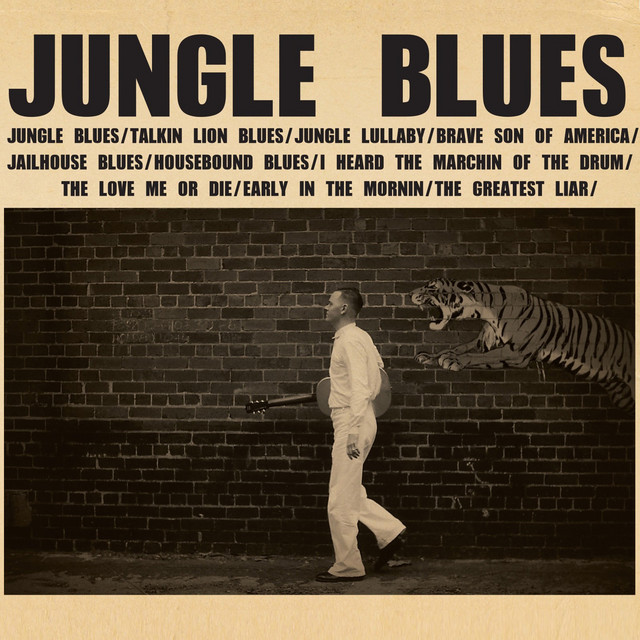
On C.W. Stoneking's website, Stoneking says of his Style 1 Tricone guitar, "I purchased the Tricone ‘replicon’ in New York City shortly after losing my old 33 model Dobro in a NYC Yellow Cab, this guitar has a nickel-plated brass body and some cool vintage looking features, it also has an artifically aged finish, meaning that the folks at National make a perfect, shining, Style 1 Tricone and then do bad things to it to cram 70 years of wear into it, this guitar has made a few rounds with me now and has quite a bit more wear than it did before. This guitar is the one pictured on the front of the Jungle Blues album."
Find it on:

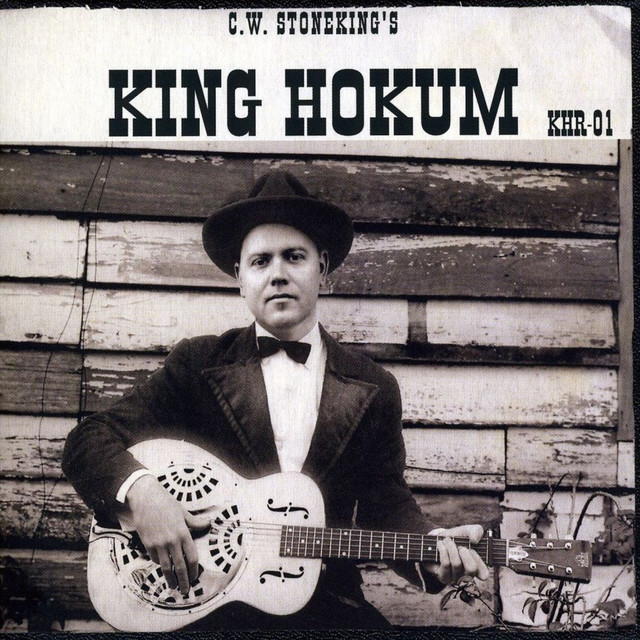
Stoneking says, about his 1974 Dobro, on his website, "This is the guitar on the cover of the King Hokum album, it was my first resonator guitar purchased back in 1997. This guitar was Dobro’s answer to the metal bodied National guitars, it has a nickel-plated brass body and a biscuit style’ 10 1/2 inch resonator cone, this one had a cone made by National which I put in it and was a very loud guitar. I played this guitar alot in the 11 years I owned it – it was lost in New York City, left in the trunk of a Yellow Cab one night after a show."
Find it on:

On his website, Stoneking says, of his Clark amp, "I picked this amp up in the States in 2009, it’s a bonafide replica of the old 35 watt tweed Bandmaster with the addition of a tube reverb unit and an attenuator in the back of the cab. Sounds real good."
Find it on:

On Stoneking's website, he says this of his Windsor Artiste Model: "This is the banjo I use when I’m in UK/Europe, it’s a beautiful old English banjo, actually a 5 string though I use it as a tenor. I went on a banjo buying binge in England and have two of these from different years as well as a ‘Lady’s Model’ which I intend to have a tenor neck built for to replicate my beloved old Windsor tenor banjo that was lost in NYC."
Find it on:

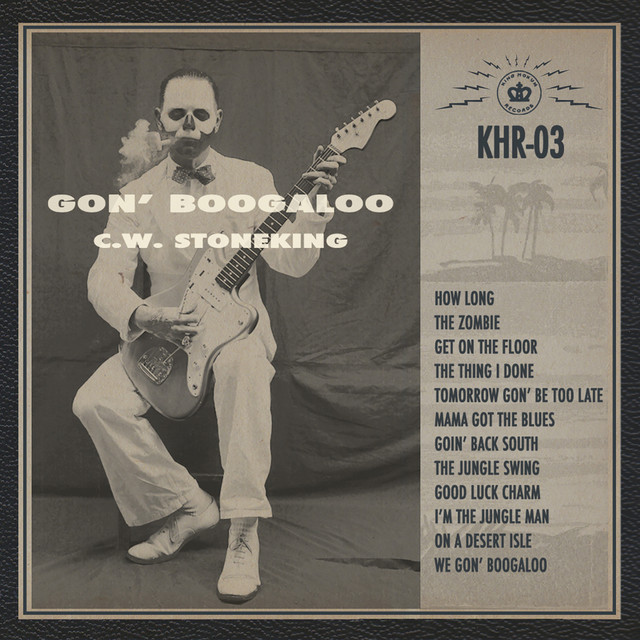
This mic was used to record the whole of "Gon' Boogaloo", according to the album's liner notes.
Find it on:

Throughout this rig rundown for C.W. Stoneking, he is seen playing through a Fender Princeton Brownface
Find it on:


At 11.32 of C.W. Stoneking's rig rundown, he is seen with a Boss TU-2 on his pedalboard.
Find it on:

At 11.32 of C.W. Stoneking's rig rundown, a Way Huge Aqua-Puss Analog Delay can be seen on his pedalboard.
Find it on:

"This is an American made Tenor Banjo from 1920s, has a larger than usual head on it about 12 inch diameter, and features my very first attempt at putting a skin on a banjo – did a good job, but accidently put the rough side out, don’t think it affects the sound, just gets dirty quicker. I bought this Banjo in 2008 to replace my lost Windsor banjo," Stoneking says, on his website.
Find it on:

This tape recorder was used for the album "Gon' Boogaloo", according to the album's liner notes.
Find it on:

At 11.32 of C.W. Stoneking's rig rundown, he is seen with a Tim overdrive on his Pedalboard.
Find it on:
This is a community-built gear list for C.W. Stoneking.
- Find relevant music gear like Microphones, Guitars, Amplifiers, Effects Pedals, and other instruments and add it to C.W. Stoneking.
- The best places to look for gear usage are typically on the artist's social media, YouTube, live performance images, and interviews.
- To receive email updates when C.W. Stoneking is seen with new gear, follow the artist.
-
Added to Equipboard on by
 pope
popeGear IQ 8195
-
Updated
Discography
Album Credits
-
C.W. Stoneking · 2016
Producer -
C.W. Stoneking · 2008
Producer