
miguel_angelo's Reviews
98 reviews Back to miguel_angelo's Equipboard

983
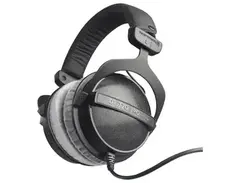
Great cans
Had the DT990 and loved them, but since there was no lower impedance option on that model I migrated to the 80ohm 770. They are just as good, a bit more focused bass sound and much higher isolation.
983
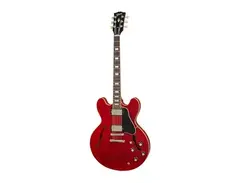
Amazing instrument
After owning a signature Ibanez Scofield model (inspired on the AS100) I finally gathered the funds to treat myself with the quintessential semi-hollow guitar. Quite an expensive instrument, and I've got to say although the craftsmanship is beautiful there were some tiny little details where QC wasn't right there:
- Fretboard had some machining marks, could have been polished with more attention
- Neck Pickup had some problem, first it had a little buzz sound on the output, then one day it just stopped working. I took it out, cleaned the inside, adjusted the coils and now it's ok.
- Scratchy neck volume pot
Besides all that I must say the guitar came well intonated, with perfect action, zero fret buzz or any other internal noise when played acoustic.
Every time I pick it up I can't help but smile! Very inspiring instrument that makes me travel back in time.
The Calibrated T-types feature alnico V magnets and although Gibson doesn't mention wether they are wax potted or not my bet is that they aren't since they pick up my voice if I scream at them and also the plectrum sound when I hit the pickups. I wasn't so sure about the pickups in the beginning but they definitely grown on me. Their overall very balanced, medium output and have this open airy quality that you would expect from a nice PAF style pickup, maybe not as dynamic as other pickups I tried, they seem to compress a bit when digging in. The wiring and knobs feel very responsive (50's wiring with orange drop caps) and can go from mellow jazz tone to bright and punchy rock. Really versatile pickups.
The neck (the fattest I ever played) is super comfortable and the action and intonation were just perfect. And man does it sing unplugged! I find myself playing unplugged a lot of times, and this acoustic quality really translates into the pickups. There are no buzzes or weird vibrating noises. Truly versatile and inspiring guitar... And that nitro smell... Man, they should make a perfume out of it!!
983
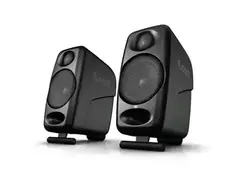
Impressive punch and definition
I was mostly decided on going to Genelecs 8010's, but after reading so many great reviews I had to give these one a try and see what the fuss was about, I would return them. Indeed they live to their reputation!
- Excelent price
- TINY speaker pair - great for a tight bedroom studio and travelling in it's small soft case.
- Provides full and detailed near field soundscape that's great for playing, mixing and listening to music
- Bass reflex wizardry make them sound way bigger then they actually are
- Plastic shell but overall robust construction with metal grills for the speakers and tweeters
- Bluetooth! So your girlfriend can also enjoy them!
- They don't rattle or make weird noises
I had the smallest Roland Jazz Chorus combo amp that had two 6.5 inch speakers in them, and I can confidently say these 3 inchers pack a SERIOUS punch and provide more than enough power to fill a small bedroom.
I bought them to play my guitar through my UAD Apollo Solo interface, using the Fender Tweed Amp or Marshall in the unison slot (for near zero latency) really give me the best sound and feel I ever had in my bedroom!
The advantage of such small speakers - besides their portability - is that you can get a very hi-fi and loud near field soundscape (like 1,5m away from you) and not cause the sound to propagate to much into your ceiling/floor/walls/neighbours house like a bigger speaker would.
983
983
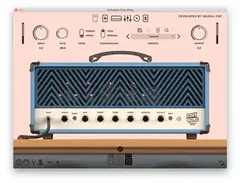
Amazing standalone plugin
I'm not a sound engineer or recording guitarist, I just started using Amp Sims mainly for convenience, to practice/play quietly and with minimal gear, so this is by no means a "technical" review, just my personal thoughts/experience for anyone interested.
There are two main things I don't like about amp sims, one is the option paralysis I end up finding myself into when I'm given 50 amps, 300 cabs, 100 effects, 30 microphones... I just can't find a sound that I say "ok, this is it" and stick with it. I'm lured into tweaking a bit more, and swapping and changing, and it makes me kinda anxious. The thing I learned most from buying pedals and amps and building pedalboards and managing my Gear Acquisition Syndrome was that the quality of my practicing or jamming sessions is always better the least gear/options I have. There's people that don't have this problem, but I do, I guess that's a difference between real musicians and hobby players...
The other one is even more pathetic, but I don't enjoy "computerized" User Interfaces... I don't like dialling in scales of values, faders, mixers, dragging icons, scrolling lists, you know... This may seem silly but it's my honest and subjective opinion and worth what it's worth.
So Neural DSP and Cory's Archetype solves these two things I dislike: It presents you with reduced virtual gear in a stylish and familiar UI that can even run as a standalone app, with no need for a DAW pesting you about new projects and inputs and tracks... You just open it and bam, you're live with the exact same settings you had when you turned it off. You have a nice tuner, a noise gate, handy midi mapping... The UI design is really neat...
You get 3 amps, according to a Neural DSP's post on FB, the "DI Funk Console" is based on an SSL Console Channel Strip, the "Clean Machine" on the Roland Jazz Chorus, and the "Amp Snob" on a Dumble amp. Honestly if you're not looking for high gain metal tones you will be perfectly happy with these, it's a really sensitive choice of emulations since it gives you not 3 amps, but 3 different "topologies" really, for the ultimate desert island guitar amp simulator. You have DI console topology (overdrives sound terrible, as they would on a real console, but it's a sound), you have a transistor based amp (overdrives sound OK, as they would on a real transistor amp), and you have a tube based amp (overdrives sound amazing). I love all of them. The Clean Machine and Amp Snob are so versatile you can get very convincing Fender and Vox voicings, respectively. The Amp Snob, being the only featuring a valve power amp emulation, is the only amp that doesn't get excruciatingly loud when you engage the overdrives, it simply overdrives/compresses more. The Big Rig overdrive into the Amp Snob FREAKING RIPS and feels soooo responsive and dynamic, really top notch. I'm really happy and impressed of the way both the Clean Machine and especially the Amp Snob react to the guitar's volume knob, effectively giving you control of overdrive dynamics via the volume knob.
I can't comment too much on the cabinets as a I have very little experience with IR's and stuff. But I can say that they really are 50% of the final sound. I don't know what speakers they're emulating here, and I wont dare to guess. They sound very nice, you can have any cabinet with any amp and you can bypass the cabinet (cool with the Funk Console, not so cool with the others).
As for effects, their chain is fix and i'm glad it is that way, one thing less to lure me into tweaking. You get a wah (cool), an envelope filter (very cool!), a compressor (very useful), a tube screamer boost/overdrive (ok) and another overdrive/distortion (ok). I'm not really interested in the overdrives but it's nice to have those two options, the "Big Rig Overdrive" is kinda but not really a Rat emulation, I would say Rat inspired but not near as hard hitting as a Rat or other "Diode Overdrive" emulation. The Postal Service envelope is just awesome, super easy to dial and very flexible. The Wah is also super convincing but I didn't enjoy the auto-wah function as much as the envelope filter pedal, and they have very different feel and tone.
After that there's a super effective 9 band EQ, very very powerful indeed.
Finally you have a very nice sounding delay with hi and lo cuts that you can route in stereo ping pong but you cannot perform runaway oscillations (shame). And finally you get a reverb pedal which I enjoy at very low decay settings. At long decays it's a bit too much "modern" for my taste, and it's a shame it has no pre-delay control. By "too modern" I mean it's very hifi sounding, with a lingering mysterious modulated tail... I mean it's beautiful sounding really, but not my cup of tea. The shimmer is also beautiful, but again, waaaay to worshipy to me. And I cannot even tame it's octaves or anything. Honestly this reverb feels completely misplaced here, I would much prefer to have an octave pedal instead of this shimmer reverb. Yes, it sounds beautiful, but at longer decays it's such a specific sound that it quickly becomes distractive and feel misplaced if you play anything besides that cosmic unicorn worship deal. I would prefer something more authentic and less futuristic, I can't even turn those freaking modulated trails off... Something like a plate or spring reverb would have been much better suited for this plugin's vibe IMO.
Things I didn't like: - Presets are heavily Stratocaster Single Coil oriented and I can't delete them; - Can't run in full screen; - Final Fantasy Reverb with no control over pre-delay, modulation, or shimmer;
Of all the sims I tried (Amplitube 5, Amp designer and Helix Native) this was definitely the one I enjoyed the most, which is not saying it was the "best sounding", all of them sound good, but this Archetype was the most pleasant to operate and play.

27306
This one caught my eye when it launched. Was very curious. THANK YOU for the great write-up!
983
They should build this INTO guitars
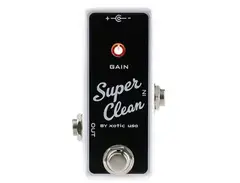
I used this buffer/boost pedal with some velcro attached to the bottom back of my guitar, with a small 5cm patch cable coming from the guitar output into the Super Clean, and then through a 3 or 6 meter cable straight into the amp. The result is magical, it "activates" my low output alnico pickups, gives them the power to properly load a 6 meter cable and not loose any tone and dynamics when rolling the guitar's volume and tone pots.
This was a crazy idea I had and the result really blew my mind. I decided to get a buffer to play direct into the amp for the purest and most dynamic sound possible, but I came across some issues: I started to realize the impact the length of the cable had on tone and feel, and most important, the way the length of the cables affected the volume and tone pots response. If I rolled the volume down (to control amp breakup) the treble would start to fade away, or if I rolled down the tone knob I felt it was losing "punch" and dynamics...
So I researched for active pickups to solve this issue. Thing is none of the active pickups available were really what I wanted, the Fishman Fluence looked nice but missed the alnico dynamics and were very high output...
I thought a buffer pedal oughta do the trick, and indeed it does, if placed in the right place! And that's not necessarily after a 3 meter cable, a buffer won't magically restore your signal, it will just "balance" it from that point onward, and the impedance of a 3m cable has a great impact on tone and feel. The best was for it to built into the guitar! But I lack the skill, so I just sticked it with velcro to the back of the guitar with the smallest and highest quality patch cable I found.
Verdict: I used the Super Clean always on sticked to the back of my guitar at 12 o'clock on gain, my volume pots are set to 5 and tone knobs set to 7 and that's my "base" tone, it sounds better then plugging straight into the amp! The amp is set to "medium heat", it's a bit before "edge of breakup", so when I raise the volume pots it starts breaking up, when I roll it back to 5 I have my base clean tone back, and it's really jazzy clean, with lots of body and dynamics. I never thought such a little device would have such a great impact on my playing. I'm having more fun playing and spend zero time tweaking.
The dip switches work great, they are not infinitely tweakable and i'm glad they're not. Bass boost adds very nice body and allows to overdrive the amp sooner (I have it on), hi cut helps to tame brittle highs (I have dark low output pickups so I have it off), and the two mids dipswitch are also great to slightly adjust your style/voice. The small potentiometer is hard to spin and has a detent position at 12 o'clock, perfect for set and forget. Inside comes a 9V battery (unique on such a small footprint, bravo Xotic!) and a true bypass/buffered switch. Since I use it always on set it to true bypass, so when I put my guitar down I just switch it off and it doesn't drain the battery.
EDIT: Ops, actually even when it is in True Bypass it still drains battery if the input is plugged. John from Xotic support confirmed me: “ the battery keeps power going to the board to keep it "ready" and "powered up" so that there is no delay when switching on” I also asked why they went for 1K Ohm output instead of something lower like 100ohm, the answer was short and funny: “ the designer prefers the sound.”
983
Much more than just a wah
This isn't a conventional wah pedal, so it's wah sound may lack some mojo many purists out there won't accept...
But for the rest of the players who just want good tones and bang for buck, this is a really good pedal.
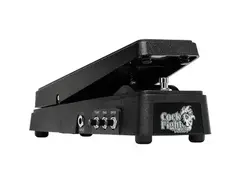
The original Cock Fight was very unique and aimed to capture cocked wah fuzzy sounds in a more precise way (using a knob instead of a foot rocker). One of it's most successful features amongst users was the CV input that allowed sweeping the pedals filter to produce wah or talking vocoder like tones. So EHX crammed this circuit INTO an expression pedal! SUCCESS!!
EHX states the pedal features an analog circuit with digital control. This grabbed my attention, but I honestly don't know what part of this pedal is digital, but if I had to guess I would say it's the "talking filter" side of it, there must be some kind of digital controller to modulate the analog filtering components in such a complex way to create voder like frequency responses. The main rocker potentiometer is a full sized heavy duty analog potentiometer, not a digital encoder, it's most likely acting as a CV (voltage controller) for the filters. And the main switch is actually a 3PDT switch, but the pedal is not true bypass, EHX states it feats a "high quality" buffer. The pedal is indeed super silent in it's operation with no crinkles or popings like standard Wah Pedals, and the buffer feels very transparent indeed.
The wah sounds very good indeed, with a deep and pleasing sweep, not overly sharp on the high end like the GCB95, very well balanced. The bottom knob is a really great feat also, all the way CCW it's not active so the pedal behaves a standard wah - cutting a lot of your bass content - but rolling it in you gain back your clean bottom, and can actually boost it to unleash some serious DOOM when combined with the fuzz. This bottom end control also interacts a lot with the filter response. Very responsive pedal.
The talking side of the pedal is super fun, although I use it less often.
The fuzz side of it was really what struck me the most. It sounds amazing! I'm not sure what kind of circuit it is, but it cleans up very well with the guitar volume. The Bias knob is super cool to have, makes the fuzz even more versatile. The most recent Cock Fight revisions include an internal dip switch that allows you to choose "Fuzz Through", which deactivates the filtering and only leaves you with the fuzz, I wish they kept it on this one. Anyway I'm going to do some research and see if I can mod it.
The plastic enclosure is very decently built, the rocker feels very good under your foot, the bottom plate is some kind metal alloy, the 9V battery door compartment is easily accessible, and the pedal has absolutely no moving parts or noises inside when shaken. But it doesn't inspire that bullet proof feel that a Cry Baby inspires. But for the price and features, this is definitely a 5 star pedal.
It would be a great DIY project to move this pedals circuit into a standard heavy duty wah enclosure and add the fuzz through dip switch option. If EHX makes this I will definitely buy it!
983
Compact and great sounding delays with awesome looper integration
I had the smaller Canyon and enjoyed it very much, I reviewed it as a great alternative to the more established Boss DD7/8 and the TC Flashback. For a couple of months now I sold ALL my pedals and only kept a looper for practicing, but the Grand Canyon caught my attention one day sitting at my local guitar shop and I couldn’t resist it:
- 225€ Competitive price, considerably cheaper than most comparable stompbox delays (only 80€ more than the Canyon, half the price and size of a Strymon Timeline)
- Relatively simple layout and quick operation with no menus
- Very small and compact.
- Unique looper integration
I’m really enjoying the GC, right now it's actually the only pedal I have. It can do simple and great sounding analog delays in a quick and intuitive manner, but it can also surprise you when feeling in the mood for something special but you don't have the pedal right there... like a pitch shifter/octaver, a reverb, a bit crusher, chorus, vibrato, double tracker, rotary, some wicked flanging sounds and also a very cool synth/swell voice. The delays sound really good.
But to me what really sets this pedal apart in this price range is the nifty way the looper is integrated. The magic of the Grand Canyon lies in it's powerful 16 min post-delay looper where you can loop your delayed sounds to create big and intricately evolving sonic landscapes, and then speed/pitch it all up and down, reverse it, layer it, undo/redo, and doing all this hands-on with zero menu browsing.
It replaced my MXR Clone Looper and I’m not missing it, the GC looses true bypass analog dry through but makes up in extended looping time and the amazing variable speed/pitch control.
EHX states the pedal features a “high quality analog buffered bypass”, what I believe this means is that your signal is not going through any Analog to Digital converters when bypassed, but if you switch on Tails the manual states you enter “DSP Bypass” mode, and most likely your signal is being converted in this mode, and you can definitely feel a tiny difference on the noise floor, but I have no problems using either, and I love the Tails + Momentary combination. The manual states “24 bit resolution” which is nice to know, but it doesn’t state its sampling rate. The buffer feels very good indeed. Also worth mentioning is the pedal consumes a very modest 150ma and never gets hot, which is very surprising for such a compact pedal. it wakes up in 3 seconds and - like the Canyon - always recalls your loop and the “undone” parts as well.
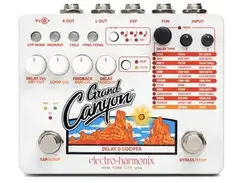
Build quality I must say is very good for the price, big thumbs up to EHX. All the switches and potentiometers feel very sturdy with zero rattling, the only minor rattle you get when shaking the pedal are the footswitch cables hitting the main board (see gut shot), the soft relay type footswiches feel great. It comes with a dedicated power supply, another thumbs up. And the pedal looks very sexy, I felt the Canyon looked a bit cartoonish but I don’t know why the Grand Canyon just looks a bit more serious. The pedal is very responsive, every switch and pot feel very immediate like an analog unit, the DMM mode responds very much like an analog delay. There’s the tiniest “delay” when switching from delay+looper to looper only mode (can't figure why). The tiniest I mean something like less than half a second. Everything else is dead on responsive, including switching delay modes with the rotary dial. EHX went for this approach on this pedal like it did with previous pedals such as the Hazarai Memory Man or the Cathedral, with a list of delay modes and sub parameters with corresponding red led for each. The labels and secondary parameters have a very small lettering, so it may take a while for you to get acquainted and navigating the delay modes. The selector knob doubles as a preset switch, each delay mode only has 1 preset, but it works very well and is super responsive, very easy to re-tweak small details on saved presets. Note that the delay trails of a selected mode do not carryover when you switch the delay mode.
Thanks to the Delay/Looper switch you can use the pedal just as a delay with dedicated tap tempo / runaway feedback, just as a looper with dedicated rec and stop, or you can use both together, and you can you can easily cicle between all modes without interruption of the looper. While in Delay + Looper the delay footswitch doubles as a tap tempo just like the Canyon did, but you can also disable this feature if you want.
Using the delay by itself is very simple and straightforward with the 3 classic Time, Feedback and Level knobs. The subdivisions switch allows for a total of 9 different tap tempos.
Now for the delay modes. All modes are well thought out and sound good, and the secondary parameter editing is very rich yet simple and super responsive. But this is not the most exquisitely realistic Tape or Drum emulator, and that is not saying it's not good, the Grand Canyon sounds amazing don't be fooled (for most part sounds better or at least as good as any Boss DD8/200, TC Flashback, Line 6 DL4, it's just less focused on ultra realistic tone tweaking like the more modern digital modelling analogue/magnetic delays as the Strymon's, Source Audio's, and the newest Universal Audio's. Also no MIDI or USB means it's a frozen design with no future firmware updates, which honestly doesn't bug me at all, it's a guitar stompbox not a DSP sound interface. My favourite modes are DMM and Tape, I also really like Shim and Reverb. Reverse sounded surprisingly good although I don't use it that much. If you play a stereo rig the Doubler is also a superb feature. Tape mode sounds very good, but the Flutter Depth is really just a mod depth LFO with a sharper sine curve, usable, the distortion adds a cool character to the repeats but only until 12 o'clock, after that it's just too much. Drum mode is also very cool but nowhere near the Volante, but its curious the way the delay time responds in this mode, you really feel the drum speeding up and down. Drum Age is not as good as the Tape Distortion, its more of a tone control really. The pedal features two hidden secondary modes for Drum (unlocking a total of 21 head patterns) and the Pitch mode also, allowing you to have cascading pitches like the default Canyon or only 1 pitch shifted. Oh and in pitch mode you have a basically a Pitchfork available to you with lot's of different interval combinations. Echo and Mod are the the same base engine with different secondary parameters, both sound really good and allow lot of different combinations, with flanging sounds, chorus, vibrato, or old videogame-like tones with the bitcrusher, the high/low pass filtering is also very cool on the first echo and allows very cool yesteryear digital delay sounds. I must say the Multi mode and the Sample/Hold are also surprisingly good and creative options, possibly the most well thought out modes that allow for very interesting echo effects.
Looping on this pedal is great, the best Looper integration I’ve seen on a delay pedal. I only wished you could overdub automatically when finishing the first loop phrase, so the delay trails would fill in the beginning of the Loop. The speed/pitch control is super fun and works flawlessly, and it’s even possible to record these speed variations, which is super fun:
When you start recording your first loop (that will set the loop duration) you are stuck recording in "normal" speed mode. But after that you can speed it up to its max (octave up) and record another layer on top which will get pitched down when you go back to normal speed. Also super cool if you have an expression pedal is to actually change the speed of playback WHILE recording. Your recording will be time stretched for very cool effects.
Of course it also record any delay variations you do, delay time, modulation, all get recorded when overdubbing, so it’s an amazing pedal for ambient and experimental stuff. The Delay path is allways pre Looper, so unlike the Timeline, you can't have the delay effects effecting the loop. It would be cool to have that but honestly I'm ok only having the pre-looper routing option. The fadeout knob works very well, as well as the Dry Cut, although I was hoping this knob would cut all the recorded Dry guitar loops and only leave you with the wet delayed parts, but it’s just a level control for input of the Looper, handy if you want to do a lot of layers. The Dub Level is also great, progressively fading out older loops. You must set your looper settings in Looper mode and those will be active when in Delay+Looper mode.
EHX favored a simpler hands on approach to the pedal where everything you can control is readily available at your fingers and foot, including tails and momentary buttons on the surface of the pedal which is a great combo for freeze/drone parts. It feels very well thought out, although one could easily point out things that could be designed differently. The dedicated loop Level pot for exemple, maybe it could double as a tone control for the delays, or even the dedicated ping pong or expression switches, they may seem a bit of real estate waste since they could have been ANYTHING else or have a more complex switching. For better or worse EHX went for the “Keep it Simple”. I can feel just by looking at this pedal the many hours of R&D meetings the folks at EHX must have had. They are big, and they can compete with any big name in the pedal industry. Their PCB boards and components ARE actually made oversees to keep price low, but everything else that matters on a digital delay pedal is pure EHX. This is not just a gimmicky pedal or toy, you feel Mike Mathews and his great team at EHX in NYC wanted a pedal that could deliver great delay tones and a really great looper integration, like a modern and smaller DL4. And for sure they got the job done right.
Least positive aspects:
- I would personally prefer to have some way of storing different loops (or at least two, a live loop and a preset loop...) instead of only having one loop with 16 min available, and most probably they discussed this, but then again, it would complicate the design and add another 10 pages to the manual.
- Navigating more complex parameters with the black trim pots can be a bit cumbersome, especially when selecting different head patterns in drum mode or different pitch combinations in pitch mode.
- Although it is simple compared to other delay workstations it still has a bit of it's own learning curve, with such small lettering and combinations of footswitch instructions, it may be too complicated for someone just looking for a simple short delay.
Overall I highly recommend this pedal to ambient/drone players or anyone who wants a fully featured and modern delay pedal with awesome looper integration without busting the bank. The ability to loop the delays opens this pedal up for a lot of creativity, with pitch shifted bass lines, shimmery synth leads, rhythmic patterns, etc. The stereo outs are a great feature even if you play a mono rig, you can always hook it up to an audio interface and recorded BIG and WIDE stereo delays and doubler effect, or even to use with synths/keyboards. At half the price of a Strymon Timeline the Grand Canyon kicks some serious ass, really worth checking out. It's my newest and only pedal right now.
Here’s a quick test loop I did: https://m.soundcloud.com/miguelangelodp/loading
983
I love it
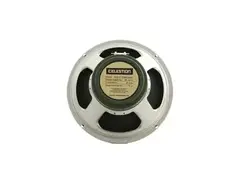
Made a world of a difference in my small 5W Blackstar HT5 II. Had the Vintage 30 before, didn't quiet enjoy that one as much, way to nasal
983
highly recommend
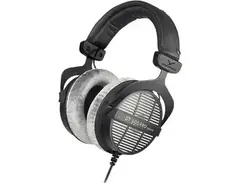
For the money I think they're the best there are. Make sure to plug them do a decent source with enough power to properly drive the 250 ohm drivers.
983
Absolutely amazing practice tool
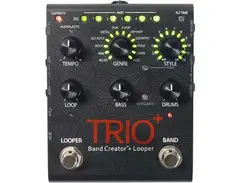
Very cool and feature rich device. As a standalone looper it's better than most I've tried:
- Dedicated Rec (doubles as undo/redo) and Stop footswitches, since the "band" footswitch acts as a master Stop function;
- Pressing Rec arms the looper and it automatically starts recording once you strum the first chord. Never thought I would appreciate that so much, since now I can use it with my hands on top the amp rather than on the floor;
- 5 banks for storing different parts of your song that you can both sequence or manually queue. KILLER;
- 12 song memory banks for saving your compositions. KILLING SPREE;
- Sequencing mode allows you to setup the exact order of each loop bank, and also the amount of times each one plays before passing to the next;
- Manual control of tempo, quantizing your recording to different tempos and keeping it's original pitch;
So far it's allready an astounding looper pedal. But then you also have all the Band in a Box features:
- Same level of control over sequencing, including different genres, tempos, bass lines for each bank.
- 12 different "styles" for each genre, 9 in 4/4 and 3 in 3/4 time signatures. Each one with two "intensity" settings, which makes 24 different variations for each genre, a total of 288 different band settings (12 genres x 24 styles)!
- Simple but effective "Simple Bass", "Alt Time" and "Guitar FX". Simple Bass does what it says in 3 different settings (normal, simple, simpler). "Alt time" also does what it says, alternative time, usually it doubles or halves the tempo of the drums. Guitar FX I believe it's meant to be used if you're just plugged to the pedal with headphones and no amp. It has 3 settings (off, 1 and 2) and while they don't sound amazing they are handy to "colour" different loop layers, so that they separate better from one another. These FX vary according to the Genre, but most of them are just overdrive/distortion, reverbs, and compressor.
- Dedicated "Bass" and "Drums" knobs for volume.
Overall the band sounds very good and covers a lot of different grounds for practicing, laying out some ideas, or just having fun gigging with your digital bassist and drummer. They both do a great job learning what you teach them, although you must adapt a bit to their digital algorithmic ears, playing in either whole, half or quarter beat and avoiding fancy chord voicings. Re-teaching the same idea in different ways has a big impact on their learning, as well as the style you have pre-selected. Bassist learns Major and Minor 7th chords with ease, although he doesn't really play the 7th note of the scale, he will play root, octave, perfect fifth, thirds and sometimes 9th and 11th and some chromatic passages. It's perfect to study jazz standards, I was able to teach them "Nardis" by Miles Davis and "Autumn Leaves" by Bill Evans (jazz style number 6 is my favourite) and boy these cats swing! Also gotta mention the audiolastic feature to slow down or speed up tempo is really handy to practice harder passages at slower rate, or test your with faster swing.
In conclusion: This is no toy or just a drum machine in stompbox format. I've had a LOT of different loopers , and honestly this one keeps up with the best I've tried and is now my personal favourite. The ability to record different parts and queue or sequence them at will is just killer. It's really a very well thought out unit, fantastic as a standalone looper, even better with the awesome Band in a Box capabilities, sequencing up to 5 different parts with different styles, intensities, bass lines... There's also a handy Trio Manager software for both Mac and Windows to import/export songs and manage your memory banks. I'm really impressed by the amount of R&D that must have went into making this pedal. Since it's so feature rich It requires a read of the quick guide at first, but then it's very intuitive and responsive. Very well assembled and sturdy, the controls give good haptic feedback, also has built in fx loop, external control... Mini SD card (Sandisk 16Gb) and power supply included... You really get a lot for you money.
Oh, and the cherry on top of it all: 80 ohms impedance headphone output with dedicated volume control! You can use it without an amp! It's really the ultimate guitar practicing tool. 6 Stars!!
983
Awesome amp for home use, worth upgrading speaker though!
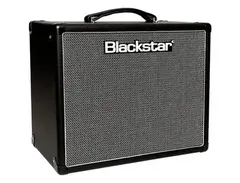
My previous amp was a Roland JC22 which I really loved, and I still claim the JC has THE best Jazz clean tone, but after 1 year I ended up trading it with a limited Deluxe version of the Blackstar HT5 (mk I) Combo with a Vintage 30 speaker. I was missing some valve overdrive dynamics in my sound and was not enjoying the tones I was getting through overdrive pedals, in fact my goal was to again sell all my pedals and just play with looper and amp, and I actually enjoyed the HT5 very much for that, so I decided to sell it and get the newer version because of the main new features such as USB, attenuator, and that new british clean voicing seemed like worthy upgrades.
- First of all, it´s less noisy, which is great. My previous HT5 had this humming drone not sure why, even in standby. This one is incredibly quiet unless you push it of course...
- It feels more like a traditional amp in the sense that it breaks up as you crank the normal channel, especially with british voicing. My previous ht5 stayed mostly clean all the way cranked, possibly due to the higher performing Vintage 30 speaker.
- The gain sweep on the overdrive channel is more usable, the previous version I really wouldn't go beyond 10 o'clock on gain, now the sweep is more progressive and the actual overdrive feels smoother and more responsive.
- The voicing switch on the clean channel is my favourite new feature, disengaged it has a deep bass and glassy treble à lá Fender Blackface, very defined and full sounding. Engaging the second voicing the EQ changes quite a bit and gives you a tad looser bass, mellower treble, and beefier mids, along with a slight increase in volume and break up dynamics. Love it. Blackstar claims this switch changes a lot of the preamp section. And it's foot-switchable!
- The tone knob on the clean channel is worth to mention that feels much better as well, usable sounds through its entire sweep, like a tilting EQ, and helps you to balance the right amount of overdrive (more bass = earlier breakup)
- The Reverb also feels improved IMO. Quite modern sounding, no spring emulation (thank god, I really hated the reverb of the Laney Super Cub), I would say it's kinda of a Hall with a bit of pre delay. The decay time is always the same no matter where you set it, almost 2 seconds, so the pot works like a "mix" knob for Reverb.
- The attenuator (my second favourite feature and main reason I upgraded) works very well, bringing the amp down in volume but not loosing any dynamics, just volume, so you can cranck the british clean a bit more to have more gith and just take some dB's of volume down. Great job on that, super useful for late night practice. Of course the amp feels best at full power moving more air...
- The mini chicken head knobs are much better looking and easier to operate.
- The amp receives a great facelift from their limited run of "Deluxe" HT5's with Vintage 30 (wich was my previous amp). It's a very good looking amp, nice smooth texture, really small and light for a 12 incher, very well assembled and premium looks.
Things I didn't enjoy that much:
- The weakest aspect of the amp is naturally it's 20W factory speaker, it falls apart with hotter pickups and may sound too dark at low volume. Overall a dark sounding speaker with little character. The amp deserves a better speaker. I installed an 8hm Celestion Greenback and it completely opened the amp up, cleans are way more punchy and refined, and the overdrive just sings in a vicious 60's and 70's vibe. Also worth to mention, I can now crank it without any fizz. I didn't enjoy half as much the Vintage 30, way to nasal for my taste. I highly recommend the Greenback for this amp, with my low output pickups it starts breaking up at around 1 o'clock in volume on the clean channel.
- Blackstar changed the Line/headphone output impedance, making it MUCH lower to play better with weaker headphones. I happen to have 250ohm Beyerdynamics that sounded AMAZING with the previous version of the amp, now they just don't cut... Plugin in some cheap smartphone headphones gave better results, but I honestly prefered the higher impedance output. Anyway, I guess the majority of people will actually find this a good change, since many folks were complaining about distorted and fizzy sound from the previous version into their 12 ohm cheapo headphones... Using apple headphones (mini jack) provided very nice volume and tone, loud and clear all the way cranked. The stereo reverb sounds absolutely gorgeous through headphones and the emulated 4x12 and 1x12 are simple but effective... I ended up selling the DT's and got the Sennheiser HD25 (70 ohm) and they sound fine, however for more volume I would recommend even lower impedance headphones, like 32 or lower.
- Recording clean tones via USB requires you to digitally gain your input levels, so It wont be noise free. It connected flawlessly to my Macbook Pro, but the signal is very small and needs to be digitally amplified. The output is controlled via the Volume knob, so If I crank the amp the signal becomes nice and big, but then, because of the preamps lower headroom it's just overdriving all over, not clean anymore. Sounds very good nonetheless, and is a handy feature if you don't have an audio interface. The noise is perfectly acceptable, I recorded clean tracks with volume on 10, gained them up in Garageband using the EQ master volume, and it's really acceptable and great sounding. if you need to record a clean track with nice fat signal just use the line out or XLR (very nice) into an audio interface and gain it up there.
- Also regarding USB, It would be nice to be able to bypass the speaker emulation and have dry signal, but unfortunately can't do that. Only way to do it is maybe to take effects loop out into an audio interface if you want to use it as a preamp, will try it later.
- The voicing switch on the overdrive channel. It's just not my cup of tea, unless I really want a ratty harsh distortion sound. It seems to sound best if I split coil my humbuckers, so low output single coils should sound good with this voicing. It basically compresses everything, tighter bass, scooped mids, and treble boost. My least favourite feature on the amp, at least with my guitar with low output alnico humbuckers.
In summary: I am mostly practicing Jazz and enjoying some fusion/rock riffs right now. I tried a lot of amps in the meantime, Laney Super Cub 12, Fender Blues Jr, Pro Junior, Blackstar Studio 10, Vox AC15, I really liked the Vox over the others. But yeah, when I tried the Blackstar at my local store I immediately felt it was the wisest choice for apartment versatility, excellent cleans, a flexible overdrive channel, very good fx loop (which is a must for multiple channel amps). The Greenback was the missing ingredient really. I gotta say it's a great choice for bedroom, living room or small studio use. I've had Fender Deluxe Reverb, Roland Jazz Chorus, and while they all sounded glorious I just couldn't properly enjoy them at home because they need to be turned up way louder than I can in my apartment. This amp delivers amazing sounds at very polite levels, and it gets better as you turn it up of course, and yes it can get loud, not near as loud as an AC15 or Deluxe Reverb, but still loud. The overdrive channel feels indeed like some solid state IC's interacting with V1, or in other words like a specially tweaked "overdrive" pedal built into the amp. Thing is... That's exactly what it's suppose to be and It sounds preeeetty damn good. It has the flexibility of both master and non-master volume amps, it's a very competent guitar combo that any guitarist could plug into and certainly find a great sound. I'm not sure about it's overdrive typology, I believe Blackstar uses a pair of mosfets in the preamp, but I also remember reading that all the gain comes from the ECC83.. I don't really know and that's not of much importance imo, I just wouldn't recommend this amp for serious fuzz users, naturally. An amp with simpler topology will always yield purest results with fuzzes, diode distortions, etc. (EDIT: The CockFight’s Fuzz from EHX has a Fuzz and it sounds KILLER into the HT5!)
15W Blues Jr or AC15 are great but I really can't cook them at home and was not feeling like spending extra cash on a separate attenuator... The HT5 II while I still can't crank it to it's max I can run it at a cooler "medium heat" without calling the cops. With the Celestion Greenback, trust me, it freakin rips! A very solid amp from Blackstar, just spend a few extra on a nice speaker and you won't regret it.
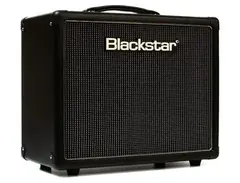
983
Great bedroom amp
This is the same amp as the regular HT-5R, but with a 12" Celestion Vintage 30 and a premium tolex finish with a nice velvety touch. Very neat and well assembled.
I would describe it overall has a woody tone with lots of beef, and while it doesn't have the DR's glassyness (possibly because of no negative feedback, lending it more midrange) it certainly has a bright and clear top end that cuts very nicely for a punchy tone. Also it doesn't seem to have as much low end power as the DR or even the JC, but I'm guessing that has to do with the Celestion Vintage 30. Nonetheless it's a pretty versatile.
Cranking the clean channel with medium/low output pickups (Super 58 Humbuckers, Alnico II) to my surprise it stays clean all the way cranked allowing for a nice small rehearsal/gig volume. If you play with hotter ceramic or Alnico V pickups the clean headroom should be a lot less, so I would not advise to buy it if one just needed loud clean tones.
The overdrive channel is a lot louder and where the amp really shines, with flexible EQ, interesting ISF knob which makes quite an impact on your sound, effectively giving a "Voxier" sound with looser bass and very nice midrange texture, or a more "Fendery" sound with tighter bass and sharper treble. Very flexible indeed. I really like the first quarter of the gain knob, it allows a very dynamic overdriven sound that I'm really enjoying, and for me the best part is that it actually sounds pretty damn good with the volume really down for "bedroom apartment levels". Cranking the gain you see that this amp is really voiced to this thick lead tone, surprisingly quiet and very modern sounding, perfect for any kind of metal or hard rock I would say. More "vintage" rock tones are also available at lower gain volumes and messing with the ISF. Anyway, it's too much gain for me, until 9 o'clock I'm perfectly fine.
Reverb sounds pretty good, especially through the headphones out (stereo), which sounds superb and actually drives my high impedance headphones pretty damn loud and defined. I must point out also that the channel switching is very smooth.
Overall it's a pretty complete amp, good edge of breakup sounds, killer lead sounds, with a very flexible tone stack. All for a very affordable price and cool styling. I just don't enjoy the cumbersome connections on the rear of the amp, not the most practical solution, but it keeps it neat looking.
Undoubtedly the best amp I owned to enjoy great valve tones at bedroom levels. Maybe a bit sterile or hard sounding for some, but unbeatable for price and features.
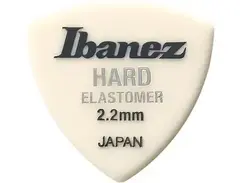
983
Elastomer wizardry, perfect jazz pick
So this pick uses some Polyester Elastomer which is like a middle ground between plastic and rubber, feels really good under the fingers, soft yet grippy, very premium feel. It's glides effortlessly through the strings. The pick is 2.2mm thick but offers some malleability. The difference between the HARD and SOFT picks is precisely this degree of malleability. The soft was way to loose for me, but for strummers should be awesome. It resists abrasion even better than ultem, and light years more than acrylic or nylon. I really like soft attack/release, I'm always wrecking my nail polishers by polishing my picks instead. With this one I don't need to, it's always amazingly soft as new. I believe they marketed it for acoustic players, and indeed it plays wonderfully for acoustic, thick and warm sound with round soft release, but also for electric it's amazing for big fat jazzy tones. I played ultem jazz III's for years for their round attack and abrasion resistance, I also like Gravity's acrylics (if well polished, or else it's too bright for me), lately I also enjoyed quite a lot Dunlops JazzTone 208's (also need to be polished once in a while), and while they all are amazing picks they tend to wear down and I am constantly OCDing with their polish. Really this pick is magical, both on electric and acoustic, no more bright pick rattle, just pure fatness. Great solution for acoustic players who want to minimize pick strumming noise.
EDIT: well, it ended up wearing down a bit... But lasted quite a bit. Just polish it.

Another great thing about these picks is they tend to diminish some high frequencies in the guitar that can clash with the airy frequencies in your voice- I found that my voice had a much nicer/clearer mix with the acoustic when playing and singing at the same time.
983
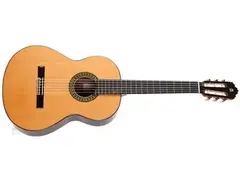
My old conservatory companion
Excellent medium level guitar, more than enough for conservatory study. I really like Alhambra's overall, the 7P was quite popular at the time, although I personally prefer cedar top over spruce. Solid cedar top, laminated rosewood back and sides, cedar neck reinforced with ebony and ebony fingerboard. The 5P was their a fine instrument for it's fair price (500€ at the time, year 2006 or 2007?) After 10 years, as the woods ages, tone is enhancing, more sustain, more dry focused sound and resonant body. Be sure to play one before, mine allways had fret buzz on the high E string at 12th fret. Anyway an experienced luthier could solve it, I just adapted to it and used higher tension strings.
983
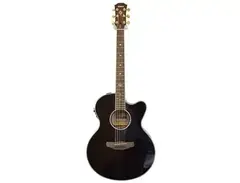
Great acoustic guitar
Super well built instrument with very nice finish and overall playability, made in China to Yamaha Japan Specs, there's really nothing to a put a finger on. Spruce top and flamed maple sides and back. Nato neck (similar to mahogany) and beautiful rosewood fingerboard with mother of pearl inlays. Bought mine around 2010 and with time passing the spruce top is getting sweeter sounding and overall more lively sound. Mine is the mocha black which looks amazing in sunlight. It doesn't have as much volume compared to other top shelf guitars I've tried, but for the price it's a really balanced and refined sound with endless sustain. Intonation after 13 years is still top notch. A.R.T. preamp (Acoustic Resonance Transducer) sounds amazing, for two times I've had sound guys telling me (like, 12 years ago) how great it sounded direct to P.A. (I was working on live music video crews at the time, as a camera operator, and lugged my CPX around) I've had a small accident with mine where the spruce top cracked near the bottom and had a luthier repair it (who did an amazing job) and he also said todays guitars of equivalent value don't sound as good as this one. The on board tuner stopped working for some reason recently though, I've read several other people on forums complaining about that. Will update on that later
983
Excellent
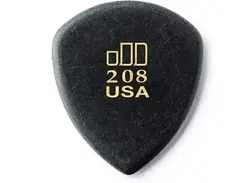
My new favourite for jazz, super smooth sounding. Large and hard with the right texture to ensure proper grip. I just polish the tip a bit more to get an even smoother release. Very durable and precise.
EDIT: actually this is my favourite pick for everything now, I just order the 36 piece pack and embrace it as my new nails.
983
Easily the best mini compressor out there
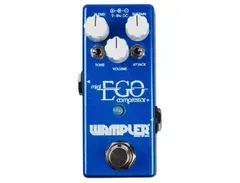
Super versatile unit, from subtle tone enhancer, to peak limiting, studio parallel compression, classic squash and with infinite sustain. It really does it all! Way better than the SP in my opinion. Much less bloom/thump on the Ego at higher compression settings, and far more transparent, especially with the tone switch to the right (which is bypassing a capacitor that removes very high frequencies - aka presence). It's also super quiet, really impressed. Works as a standalone boost to further excite overdrive pedals or preamps. Perfect compromise of flexibility, simplicity great sound in a small form factor thanks to choise of tiny 2 way switches over rotary potentiometer. Superbly tuned, super straightforward, yet super tweak-able. One of the best modern Ross type compressor, sounds great with blend at 100% compressed. Certainly the new king of mini sized compressors. EDIT: This is my third Wampler pedal, I gotta say I'm a fan of the brand: nice packaging, great sound, flexible settings, great build quality, great quality parts (switches, pots, jacks) and very neat and clean soldering of the surface mount components. All for a competitive price overall, in Europe Wampler is actually cheaper than MXR.
983
Compact and refined
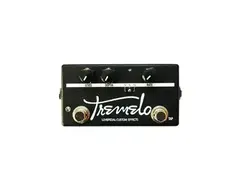
Great sounding tremolo, 3 wave selector (smooth sine, downward saw and square), depth is like a wet/dry mix, level knob is handy and has just enough gain to compensate for any apparent volume drop (it's pretty transparent and very low noise also), and rate knob has great range from really slow to almost ring mod territory. Bypass is a hard switch and tap tempo is a sort of softer switch, not like a relay bypass switch, only slightly clicks at the end of the travel, so it's silent, precise, and gives just a hint of haptic feedback. I Like it. It's great because if you only tap it once it resets the start of the tremolo, in case you want to re-sync it, which proved a great feature not mentioned anywhere. This is one of those pedals that just handling it you can tell that it's a high quality device, even the little blinking led on tempo with the tremolo responds to the amount of Depth dialled, also depending on the type of LFO shape selected the light pulsates in the same fashion, damn classy touch on an superb analog device. And it sounds sooo freakin lush! Wow. I had a look inside and can confirm it employs the vtl5c9 optocoupler. Superb and simple unit.
983
Super flexible mini octaver
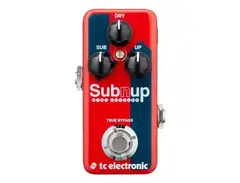
Bought it for my mini pedalboard, looks great and sounds amazing, softer attack and overall "rounder" tone compared to the Nano Pog / Pitchfork, not better or worse, just different really, subnup is more discrete with a flute like tone, ehx's are more metallic and "realistic" overall. With the stock algorithm the sub octave doesn't really have definition to be played 100% wet for a faux bass, but with the added flexibility of the Toneprint Editor you can really tailor it (lot's of EQ and modulation parameters) and completely change it's character. Still forget it for punchy bass lines, Pitchfork or POG are just better, although I was able to dial in some tighter and brighter tones closer to the Pog. But I enjoyed a lot it's fluty overtones and sticked with the stock poly algorithm with the sub2 removed from the path. Poly mode resolves big chords with ease and little warble. Classic Monophonic tracking is damn impeccable, clearly faster than the poly mode (which is pretty fast allready), and there are other really fun toneprints, Mark Letierri's monophonic toneprint sounds awesome. For 1/3 of the price of the Nano Pog It's really a no-brainer, and it's true bypass (at least while it's bypassed, not so sure it's analog dry trough) but I wish I could beam my toneprints instead of having to load them via usb. Also wish the Toneprint UI was a bit more noob friendly.
Edit: After a lot of tweaking on the toneprint editor I was able to get a great flanger sound. I assigned "modulation bypass on/off" to the extremes of the mix knob so that from 9 o'clock to 3 o'clock its off, only kicking in the extremes, also added mix control for modulation in those quarters for more or less flanger. Suddendly I have a flanger in my board at the twist of a knob! How cool is that?