By Gear Experts
Table of Contents

Equipboard
Equipboard is the world's largest community of artists and their gear. Read our review process.
We are reader-supported. When you buy through links on our site, we may earn an affiliate commission. Learn more.


TL;DR
- Near-zero latency via W+ Link (10ms - same as hearing aids)
- Swappable components, modular design, on-ear by default
- Dual wireless modes: W+ Link for DJing, Bluetooth for casual listening
- Sleek, minimal design
- AlphaTheta is gunning for this space, but AIAIAI gets it right on execution
Design and Build
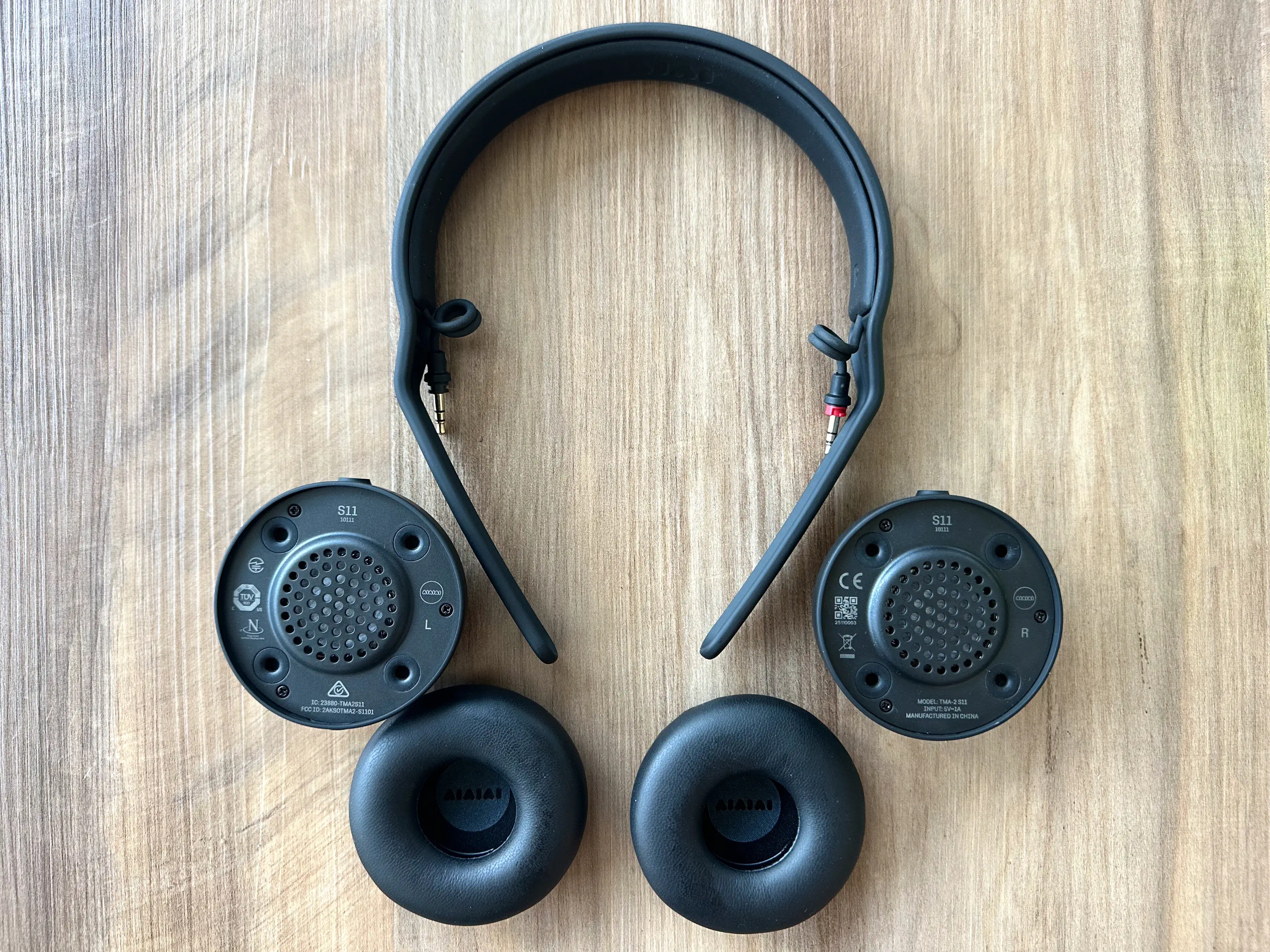
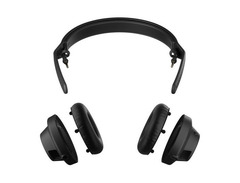
The TMA-2 DJ Wireless stays true to AIAIAI’s modular roots. You get the minimal matte black aesthetic the brand is known for. It comes with smaller on-ear pads by default, but you can swap them out for over-ear pads if that’s more your style (or head shape). The earcups don’t swivel, which might be a bummer for some DJs used to flipping one cup off for cueing. But there's still plenty of adjustability in the headband, and the overall feel is durable without being clunky.
Weight-wise, at about 220g it’s a touch heavier than the Sennheiser HD 25 (which comes in at 140g), but still light enough for hours of wear. Right ear cup houses the USB-C charging port, and the left one has an analog jack for when you want to go wired. It’s clean, well-thought-out, and modular in that nerdy-but-sexy AIAIAI way.
W+ Link: The Wireless DJs Have Been Waiting For?
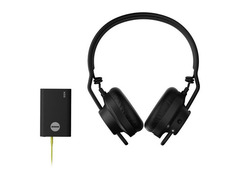
The real headline here is W+ Link, AIAIAI’s proprietary wireless tech designed specifically for pro audio - and yes, it delivers. We tested the TMA-2 DJ Wireless in real DJ setups, and the latency was so low it genuinely felt like using a wired pair. W+ Link clocks in at around 10 milliseconds, which is on par with hearing aids and below the threshold of what the human ear can perceive. No lag, no timing issues, just crisp, instant audio - which is exactly what you need when cueing tracks or nudging a beat into place.
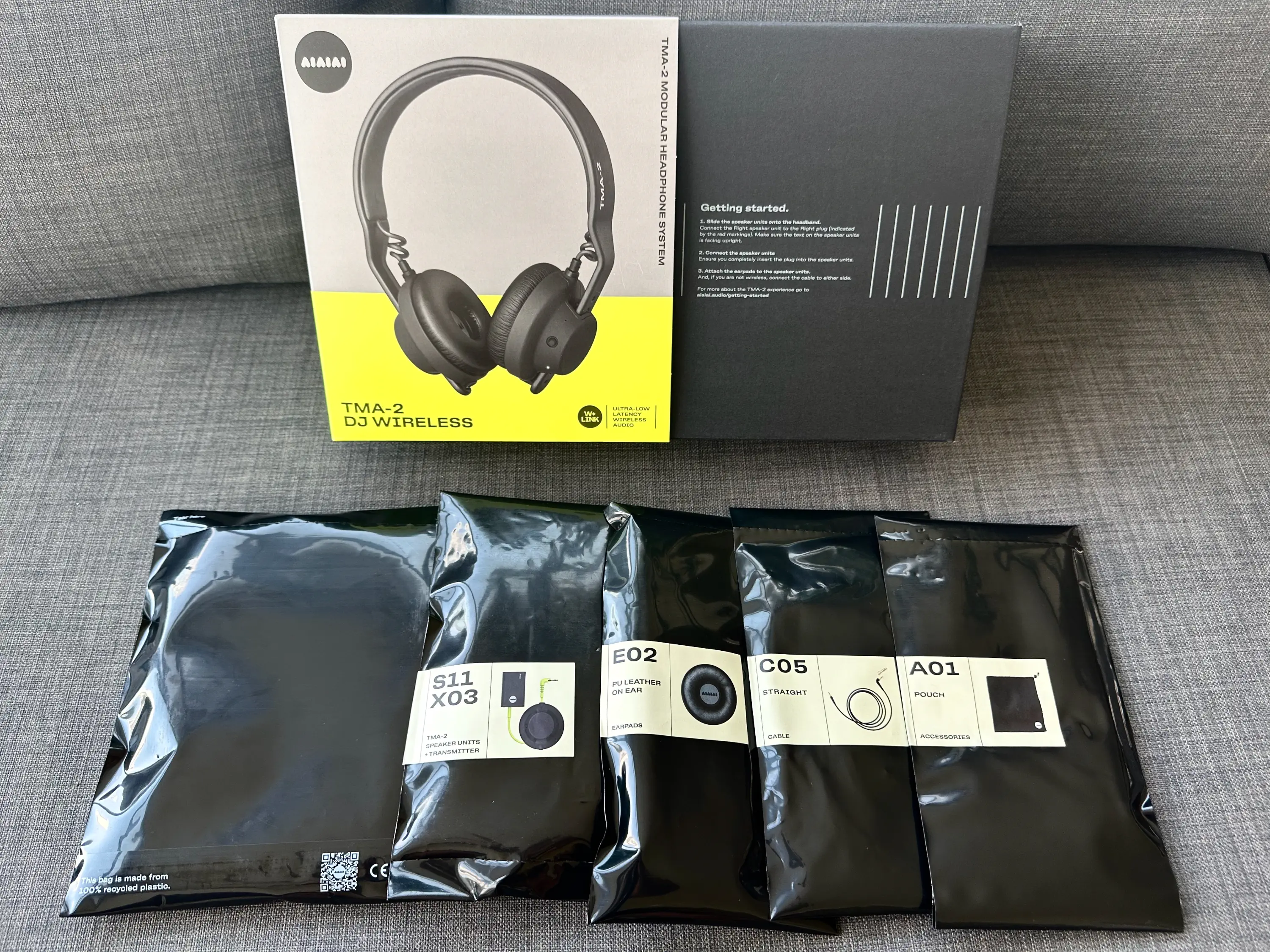
W+ Link runs through the included X03 transmitter, which plugs into your mixer or controller. For everyday listening, the headphones also support Bluetooth 5.2 - fine for podcasts or tunes on the go, but way too slow for anything performance-related. Swapping between W+ Link and Bluetooth is dead simple: just double-tap the joystick on the headset and you’re good to go. Charging each component takes around 2 hours, which is plenty reasonable given the 20+ hours of performance you get.
And if all else fails or you just want to keep it classic, you can always plug in. The TMA-2 DJ Wireless includes a 1.5m C05 straight cable with a 1/4-inch adapter, so you’re never locked out of a set just because the battery’s dead or you forgot the transmitter.

Real-World DJ Use
Sound, Isolation, and Comfort
The TMA-2 DJ Wireless delivers the goods where it counts. The sound is punchy and full, with solid bass response and enough clarity in the mids and highs for accurate cueing. It gets loud without any noticeable disotrtion or hiss. It doesn’t lean on the hyped-up smiley-face EQ curve that some DJ headphones exaggerate - and if you want to tweak the sound further, AIAIAI’s mobile app has you covered. Available on both the App Store and Google Play, it lets you tune the frequency response with predefined sound profiles or a customizable 5-band EQ, so you can dial in the exact vibe you prefer. The app also handles firmware updates, which is great for keeping the headphones current and fixing bugs down the line.
Isolation is solid, and comfort is good out of the box. It won’t clamp your head like a vise, and it stays in place during more aggressive mixing sessions.

Joystick Control: Love It or Deal With It
Instead of buttons, AIAIAI opted for a tiny joystick to handle basic controls (up and down is volume, left and right is previous and next track). It’s... fine. Usable. Once you get the hang of it, it becomes second nature, but it’s not exactly intuitive right away. Still, it keeps the design clean and functional.
Competition and Market Position
AlphaTheta vs AIAIAI
AlphaTheta (formerly part of Pioneer DJ) has started dipping into wireless DJ territory with their SonicLink tech, which will be baked into mixers and controllers. That tight integration could sway some DJs.
But right now? AIAIAI wins on sheer elegance and practical execution. The TMA-2 DJ Wireless doesn’t feel like a prototype or a gimmick. It’s a purpose-built tool for DJs who want to ditch cables without giving up reliability.
What really pushes it over the top is the modular design. Every part - from speaker units to headband to ear pads - can be easily swapped or upgraded. Prefer more isolation or a different feel? Swap in some larger over-ear pads. Need to replace a worn-out part? No need to ditch the whole headset. This level of customization and repairability is rare, and it gives the TMA-2 DJ Wireless serious longevity in a world where most headphones are built to be replaced, not maintained.
Final Verdict
If you’re a working DJ who’s sick of cables and isn’t down to sacrifice performance, the AIAIAI TMA-2 DJ Wireless is one of the most complete wireless solutions on the market. It's not just a flashy consumer headphone pretending to be pro gear - it’s built from the ground up for serious use.
Yes, AlphaTheta is on the horizon with integrated options, but if you want great wireless headphones right now that work well and look great, this is your move.
AIAIAI TMA-2 DJ Wireless Headphones










Average Price: $292
Standard/Professional
$100
$301+
Budget
Standard
High-end
| Fit Style | supra-aural (on ear) |
| Impedance | 32 ohms |
| Frequency Response | 20hz-20khz |
| Connectivity | wireless |
Top Ranked Headphones & In-Ear Monitors on Equipboard


$146.00 - $179.99
5.0 (244)
5.0 (244)


About the authors
Giulio Chiarenza is the co-founder of Equipboard and a lifelong multi-instrumentalist with a deep passion for music gear. Born in Italy and raised in the U.S., he holds a Computer Science degree from The University of Texas at Austin and blends technical acumen with decades of hands-on experience across guitar, piano, drums, and electronic production. Early in his career, Giulio was signed to a San Francisco-based EDM label, releasing both remixes and original tracks. These days, he helps steer Equipboard’s vision while personally testing and reviewing gear. He's never too far from his go-to guitar: a vintage 1978 Fender Telecaster Custom. Read more
New in Headphones


$2,699.00 - $2,999.00


$422.00 - $439.00
in Headphones & In-Ear Monitors Rank


$379.00 - $399.00
in Headphones & In-Ear Monitors Rank


$95.00 - $189.95
in Headphones & In-Ear Monitors Rank


$79.95 - $89.95
in Headphones & In-Ear Monitors Rank












.jpg)