Table of Contents

Equipboard
Equipboard is the world's largest community of artists and their gear. Read our review process.
We are reader-supported. When you buy through links on our site, we may earn an affiliate commission. Learn more.
Our Picks

Sennheiser HD 800 S Headphones
Best Overall Reference Headphone: A perennial favorite among audio engineers and discerning listeners alike, the Sennheiser HD 800S continues to set the standard for transparency and technical excellence nearly a decade after its introduction.
Read more


Best for Detail and Dynamics: The Focal Utopia 2022 represents French audio engineering at its finest, delivering extraordinary resolution and dynamic contrast for listeners who demand the absolute best in transient response and detail retrieval.
Read more

Best for Resolution and Neutrality: The Audeze LCD-5 represents the current pinnacle of planar magnetic technology, offering extraordinary resolution in a significantly more comfortable package than its predecessors.
Read more
Best for Transparency and Microdynamics: The HiFiMAN Susvara is perhaps the ultimate expression of planar magnetic technology, delivering unmatched transparency and microdynamic nuance for those willing to invest in both the headphones and the substantial amplification they require.
Read more

HEDD HEDDphone Two GT AMT Driver Headphones
Best for Transient Response: The HEDD HEDDphone Two GT AMT breaks new ground with its innovative Air Motion Transformer technology, delivering unprecedented speed and precision that creates a uniquely engaging listening experience.
Read more
Focal Stellia Closed-back Reference Headphones
Best Closed-Back Option: The Focal Stellia brings reference-level performance to a closed-back design, offering exceptional isolation without the compromises typically associated with sealed headphones.
Read more

Denon AH-D9200 Closed-Back Headphones
Best for Rich Tonality: The Denon AH-D9200 combines Japanese craftsmanship with natural materials to create a closed-back headphone with a warm, engaging signature perfect for listeners who prioritize tonal richness.
Read more
I still remember the first time I heard a genuinely world-class pair of headphones. The track was a familiar one I'd listened to hundreds of times, yet suddenly there were layers, textures, and spatial cues I'd never noticed before. That moment fundamentally changed my relationship with recorded music.
The gulf between consumer-grade headphones and true audiophile equipment is vast, and narrowing that gap requires both knowledge and investment. This guide cuts through the marketing noise to identify the headphones that genuinely deliver transformative listening experiences. We're focusing exclusively on models that reveal music in all its intended complexity rather than merely reproducing it.
For those new to high-end personal audio, we'll decode the technical specifications and design philosophies that distinguish exceptional headphones from merely good ones. For seasoned listeners considering an upgrade, we'll analyze what makes each flagship model unique in its presentation and which music genres best showcase their particular strengths.
Understanding Audiophile Headphones
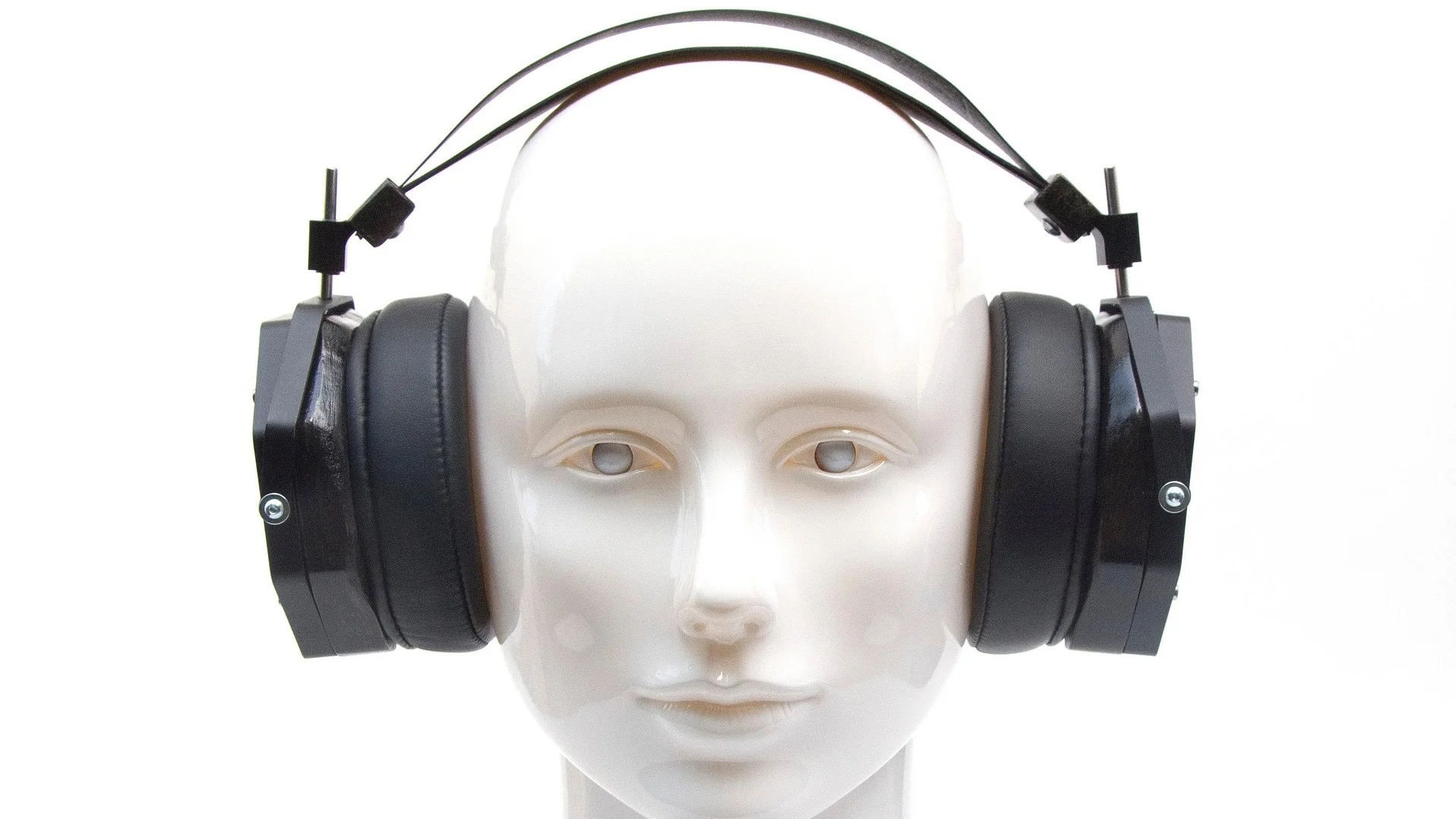
The term "audiophile" gets thrown around quite liberally in marketing materials, but genuine audiophile headphones possess specific qualities that separate them from consumer-grade options.
The foundation of any exceptional audiophile headphone is its ability to deliver tonal accuracy. This means presenting the frequency spectrum in a balanced, natural way without artificially emphasizing certain ranges. Tonal accuracy allows you to hear music exactly as it was mixed and mastered, rather than through a colored or distorted lens.
Beyond tonal accuracy, superior audiophile headphones excel in creating a convincing soundstage and precise imaging. Soundstage is the perceived spatial dimensions of the audio presentation, while imaging relates to the placement of individual sounds within that space. Together, these qualities create the illusion that you're listening to musicians performing in a three-dimensional space rather than having sound pumped directly into your ears.
Another crucial aspect is low total harmonic distortion (THD), which ensures that what you hear is a faithful reproduction of the original signal without unwanted artifacts or distortion.
Key Specifications Explained
When evaluating audiophile headphones, several technical specifications provide insight into their performance potential:
Impedance measures electrical resistance and is expressed in ohms (Ω). Higher impedance headphones (typically above 50 ohms) generally require dedicated amplification to perform optimally. Lower impedance models can work adequately with portable devices, though they may still benefit from quality amplification to reach their full potential, especially when it comes to control and dynamics.
Sensitivity indicates how efficiently headphones convert electrical power into acoustic power, measured in decibels (dB). Higher sensitivity headphones produce more volume with less power, making them easier to drive. However, this doesn't necessarily correlate with better sound quality.
Driver types significantly impact sound characteristics. Dynamic drivers are the most common, offering good bass response and overall versatility. Planar magnetic drivers use a thin diaphragm suspended between magnetic arrays, providing exceptional detail and speed but often requiring more power. Electrostatic drivers, considered by many to represent the pinnacle of headphone technology, use an electrically charged diaphragm suspended between conductive plates, delivering unparalleled transparency but requiring specialized amplification.
The distinction between open-back and closed-back designs fundamentally affects the listening experience. Open-back headphones allow air to pass through the ear cups, typically resulting in a more spacious, natural sound with better soundstage at the expense of sound isolation. Closed-back designs seal the ear cups, providing better isolation and often delivering more impactful bass but potentially sacrificing some sense of space.
The Importance of Proper Amplification
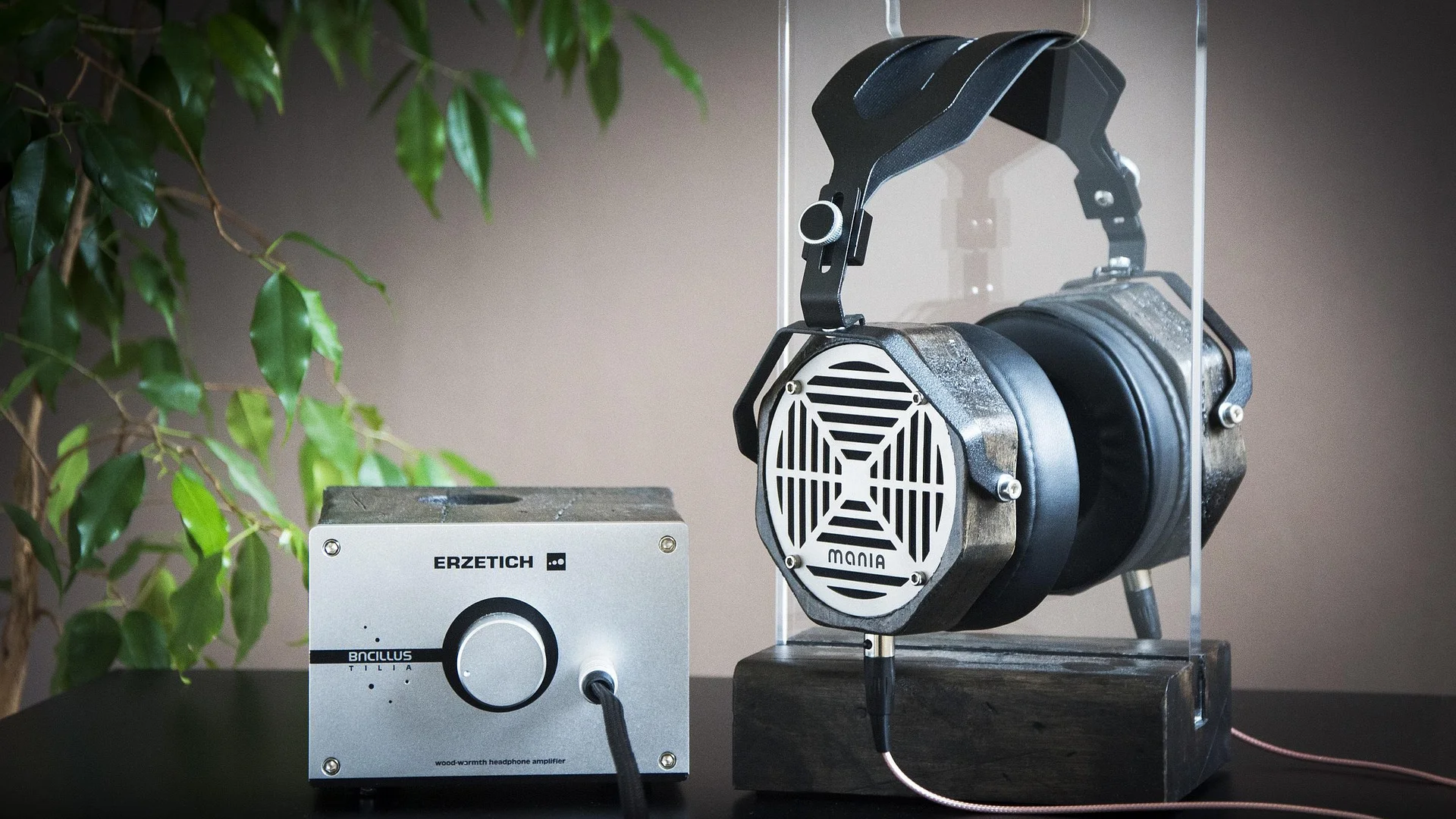
No discussion of audiophile headphones would be complete without addressing the critical role of proper amplification. Even the finest headphones will underperform when paired with inadequate sources. A high-quality digital-to-analog converter (DAC) and headphone amplifier form the foundation of any serious listening setup.
The synergy between headphones and amplification, often called "chain synergy," can profoundly enhance your listening experience. The right amplifier doesn't just provide sufficient power; it complements the sonic characteristics of your headphones. For instance, slightly warm-sounding amplifiers might pair beautifully with analytical headphones, while neutral amplifiers might be ideal for headphones with a colored signature.
For headphones with higher impedance or lower sensitivity, selecting an amplifier with sufficient power reserves ensures the headphones can perform to their full potential, maintaining control and dynamics even during demanding musical passages.
Top Picks: The Best Audiophile Headphones
We've identified the absolute standout audiophile headphones available. Each recommendation has been selected based on sound quality, technical performance, build quality, and value. While all represent significant investments, they deliver sonic experiences that justify their premium positioning.
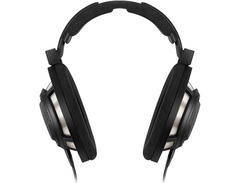
Sennheiser HD 800 S Headphones
5.0 (9)
The Reference Standard








Average Price: $1,860
High-end/Boutique
$100
$301+
Budget
Standard
High-end
- Exceptional sound clarity and resolution
- Wide, well-defined soundstage
- Comfortable for long listening sessions
- High-quality construction and durable design
- See 6 more
- Pricey, might be considered an investment
- Lacks the low-end punch compared to other models
- Requires a quality amp for optimal performance
- Large size may take time to get used to
- See 2 more
| Fit Style | circumaural |
| Impedance | 300 ohms |
| Frequency Response | 4hz-51khz (-10 db) |
| Open/Closed | open |
| Connectivity | wired |
| Weight | 0.73 lbs. |
The HD 800S represents the culmination of Sennheiser's decades of headphone engineering expertise. These open-back headphones feature the company's largest dynamic drivers at 56mm, housed in a precision-crafted frame designed to minimize resonances and maximize the perception of space.
Sound Signature and Performance
The sonic presentation of the HD 800S is defined by its remarkable neutrality and resolution. These headphones reveal every nuance in recordings with startling clarity while maintaining a natural tonal balance that never veers into harshness. The expansive soundstage is perhaps their most celebrated quality, creating an almost speaker-like experience that extends well beyond the physical confines of the headphones.
Bass response is tight and accurate, though listeners seeking enhanced low-end impact might find them slightly reserved in this regard. The midrange performance showcases exceptional transparency, rendering vocals and acoustic instruments with lifelike presence. Treble extension is extraordinary, presenting the uppermost frequencies with crystalline clarity while the redesigned dampening technology effectively prevents the sibilance that affected the original HD 800.
The HD 800S balances lightweight comfort with premium materials and impressive technical specifications. With its 300-ohm impedance and 102 dB SPL sensitivity, these open-back dynamic drivers deliver a frequency response of 4 Hz to 51,000 Hz. The large ear cups and microfiber padding allow for extended listening sessions without discomfort, while the hand-assembled components reflect Sennheiser's commitment to precision manufacturing.
Amplification Requirements
With a 300-ohm impedance, the HD 800S demands proper amplification to perform at its best. These headphones truly shine when paired with high-quality amplification that can supply clean power with sufficient headroom. Recommended pairings include tube amplifiers like the Feliks Audio Euforia or solid-state options like the Benchmark HPA4, both of which complement the HD 800S's revealing nature while maintaining control over the entire frequency range.

.jpg)
Focal Utopia
The Beryllium Marvel

Average Price: $4,075
High-end/Boutique
$100
$301+
Budget
Standard
High-end
- Exceptional detail and accuracy in sound reproduction
- Unmatched performance across various music genres
- Significant improvement over other high-end headphones
- Highly durable and designed to last a lifetime
- See 4 more
- High price may be prohibitive for some buyers
- Requires careful pairing with specific DAC/amps for optimal performance
| Fit Style | circumaural (around the ear) |
| Impedance | 80 ohms |
| Frequency Response | 5hz-50khz |
| Open/Closed | open |
| Connectivity | wired |
| Weight | 1.08 lbs. |
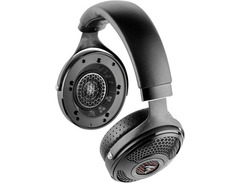
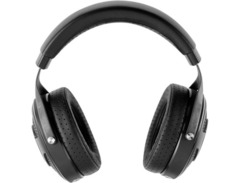
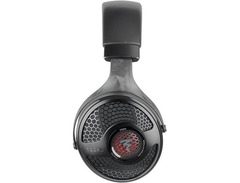
The updated Utopia is Focal's flagship open-back headphone, featuring the company's proprietary beryllium driver technology wrapped in a package that exudes luxury and craftsmanship.
Sound Signature and Performance
The Focal Utopia 2022 presents music with exceptional clarity and impact. Its most striking characteristic is its ability to reproduce lightning-fast transients with precision, giving percussion and plucked strings a startling realism. The level of detail resolution sets a benchmark that few headphones can approach, revealing layers in familiar recordings that remain hidden with lesser equipment.
Tonally, the Utopia leans slightly toward the analytical side while maintaining a fundamental musicality. Bass response is tight, controlled, and extended without bloat. The midrange reproduction is gloriously transparent, presenting vocals with palpable presence. Treble performance combines extension and refinement, delivering airiness without harshness.
While the soundstage isn't as expansively wide as the HD 800S, the Utopia creates a more intimate but precisely layered presentation with superior image density and focus.
The build quality of the Utopia 2022 is exceptional, with carbon fiber yokes, memory foam ear cushions covered in premium leather, and a forged aluminum frame. Featuring pure beryllium M-shaped dome drivers with 80 ohms impedance and 104 dB SPL sensitivity, the Utopia combines technical excellence with luxurious materials. The attention to detail extends to the balanced cable with its high-quality connectors designed to maximize signal integrity.
Amplification Requirements
Despite their relatively modest 80-ohm impedance, the Utopias benefit tremendously from high-quality amplification. Their revealing nature will expose any weaknesses in the signal chain. Ideal pairings include reference-grade solid-state amplifiers like the Ferrum OOR or high-end tube options like the Woo Audio WA22, which can enhance the Utopia's already impressive dynamics while maintaining their exceptional detail retrieval.
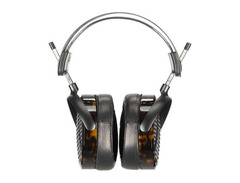
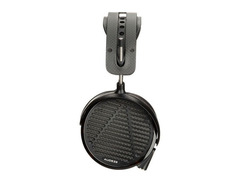
Audeze LCD-5
The Planar Flagship

Average Price: $4,120
High-end/Boutique
$100
$301+
Budget
Standard
High-end
- Exceptionally lightweight at 420g for a planar magnetic headphone
- Unmatched clarity and resolution in soundstage and instrument separation
- Comfortable new headband design reduces clamping force
- Highly detailed and transparent sound, revealing intricate audio details
- See 6 more
- Requires a powerful amp to unlock full sonic potential
- Bright treble may cause ear fatigue for some listeners
- High price point, perceived as overpriced by some
- Tight clamping force, especially noticeable for glasses wearers
- See 1 more
| Fit Style | circumaural (around the ear) |
| Impedance | 14 ohms |
| Frequency Response | 5hz-50khz |
| Open/Closed | open |
| Connectivity | wired |
| Weight | 0.92 lbs. |
Audeze has refined their planar magnetic technology over numerous iterations, and the LCD-5 showcases everything they've learned about creating headphones that combine technical excellence with musical engagement.
Sound Signature and Performance
The LCD-5 delivers an exceptionally balanced tonal presentation with class-leading detail retrieval. The bass response extends deep while maintaining remarkable definition and texture. The midrange transparency allows vocals and instruments to emerge with natural presence and body, while the treble combines extension with a lack of fatigue that invites extended listening sessions.
What truly sets the LCD-5 apart is its ability to resolve micro-details within complex musical passages without ever sounding clinical. The sense of dynamic contrast, from the subtlest pianissimo to explosive fortissimo, creates an engaging presentation that brings recordings to life.
The soundstage presentation offers excellent depth and layering, though not quite the width of some competitors. However, the precision of instrument placement within this space is exemplary, creating a holographic listening experience.
The construction quality reflects the premium positioning, with magnesium housings and a carbon fiber headband significantly reducing weight compared to earlier LCD models. With a low 14-ohm impedance and 90 dB SPL sensitivity, these open-back planar magnetic headphones feature Audeze's innovative nano-scale Uniforce voice coils. The improved ergonomics make extended listening sessions considerably more comfortable than with previous Audeze flagships.
Amplification Requirements
Despite their low 14-ohm impedance, the LCD-5's relatively low sensitivity means they still benefit from quality amplification. Their exceptional resolution will reveal every nuance in the amplification chain, making them excellent partnered with transparent solid-state amplifiers like the SPL Phonitor X or high-end DAC/amp combinations like the Chord Hugo TT2.


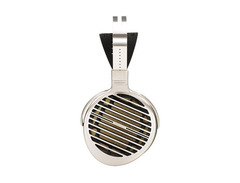
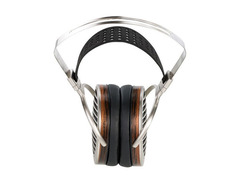
HIFIMAN SUSVARA
The Power-Hungry Masterpiece

Average Price: $5,350
High-end/Boutique
$100
$301+
Budget
Standard
High-end
- Exceptionally comfortable with soft, round ear pads and minimal clamping force
- Magnificent bass with fast speed and smooth decay
- Top-tier treble detail retrieval and resolution
- Naturally presented and refined vocals, especially for female voice
- See 1 more
- Extremely high price point, perceived as not worth $6,000 by some
- Noise cancellation is ineffective
- Lacks the oval-shaped pads found on other models like Arya
- Some customers experienced disappointment compared to other high-end models
The Susvara sits at the pinnacle of HiFiMAN's extensive headphone lineup, incorporating their most advanced driver technology and premium materials throughout.
Sound Signature and Performance
The Susvara's sonic presentation combines extraordinary resolution with a natural, uncolored tonal balance. These headphones disappear as a source, creating the sensation of hearing directly into the recording without an intermediary component. The level of detail retrieval sets the standard against which other flagship headphones are measured, revealing nuances in spatial cues and instrumental textures that simply disappear with lesser equipment.
Bass performance extends deep with superb definition and control. The midrange reproduction achieves a rare combination of transparency and natural timbre that makes vocals and acoustic instruments sound startlingly realistic. Treble extension and air are exceptional, conveying the ambience of recording venues with uncanny accuracy.
Perhaps the Susvara's most remarkable quality is its handling of microdynamics, the subtle shifts in volume and intensity that give music its expressive quality. This capability brings a lifelike quality to performances that few other headphones can match.
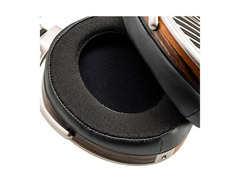
The construction quality befits their flagship status, with a comfortable suspension headband and well-designed ear pads that distribute weight effectively. These open-back headphones feature HiFiMAN's advanced "stealth magnet" planar magnetic technology, with 60 ohms impedance and an extremely low 83 dB SPL sensitivity. The window shade grill design provides optimal acoustics, while premium materials including matching wood trim reinforce their premium positioning.
Amplification Requirements
With their 83 dB sensitivity, the Susvara are among the most demanding headphones on the market in terms of amplification. Many headphone amplifiers simply cannot supply sufficient current to drive them properly, leading many owners to use speaker amplifiers or specialized high-current headphone amplifiers like the HiFiMAN EF1000 or Enleum AMP-23R. This additional investment must be considered part of the cost of ownership for anyone considering these exceptional headphones.
HEDD HEDDphone Two GT AMT Driver Headphones
The Revolutionary AMT

Average Price: $2,176
High-end/Boutique
$100
$301+
Budget
Standard
High-end
| Fit Style | circumaural (around the ear) |
| Impedance | 41 ohms |
| Frequency Response | 10hz-40khz |
| Open/Closed | open |
| Connectivity | wired |
| Weight | 1.21 lbs. |
As the second generation of HEDD Audio's groundbreaking AMT headphone, the Two GT represents a significant refinement of the original concept with improved ergonomics and sonic performance.
Sound Signature and Performance
The HEDDphone Two GT presents a sonic signature unlike any conventional dynamic or planar magnetic headphone. The AMT driver's extraordinary speed results in transient response and attack that bring percussion, plucked strings, and brass instruments to life with startling realism. The sense of immediacy and "rightness" to the timing of notes creates an engaging presentation that makes music feel more present and alive.
The frequency response is remarkably balanced for such innovative technology. Bass extends deep with excellent definition, though with a slightly different character than planar or dynamic drivers. The midrange offers exceptional clarity and articulation, particularly with vocals and acoustic instruments. The treble combines extension and air without ever becoming fatiguing.
The soundstage presentation features precise imaging and excellent separation, creating a convincing spatial representation that excels particularly with live recordings.
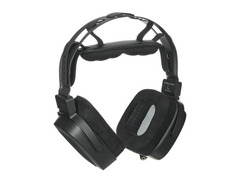
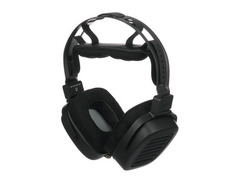
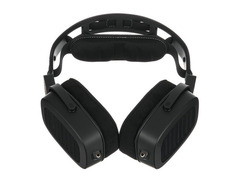
The HEDD HEDDphone Two GT features revolutionary Air Motion Transformer (AMT) technology in an open-back design, with 42 ohms impedance and 87 dB SPL sensitivity. An ultra-lightweight magnesium chassis provides durability while reducing fatigue during longer sessions. The revolutionary folding design adds practicality unusual in flagship headphones, while premium Alcantara ear pads ensure comfort. The significantly reduced weight compared to the original HEDDphone makes these much more practical for extended listening.
Amplification Requirements
With 87 dB sensitivity, the HEDDphone Two GT requires substantial amplification to perform optimally. The AMT technology particularly benefits from amplifiers with excellent transient response and control, making them excellent matches for high-quality solid-state amplifiers like the Violectric V550 or Sparkos Labs Aries.
Focal Stellia Closed-back Reference Headphones
5.0 (1)
The Closed-Back Luxury



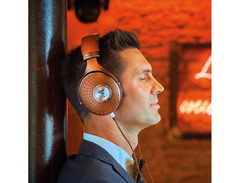
Average Price: $2,999
High-end/Boutique
$100
$301+
Budget
Standard
High-end
- Superb detail retrieval without being overly clinical
- Comfortable for extended listening sessions
- Premium materials with unique color development over time
- Excellent low, mid, and high frequency balance
- See 6 more
- Cable might be too short for larger stationary setups
- Bass may distort at very loud volumes
- Soundstage not as wide as open-back counterparts
| Fit Style | circumaural (around the ear) |
| Impedance | 35 ohms |
| Frequency Response | 5hz-40khz |
| Open/Closed | closed |
| Connectivity | wired |
| Weight | 0.96 lbs. |
The Stellia represents Focal's flagship closed-back headphone, incorporating the beryllium driver technology from their open models into a design engineered to maximize isolation without sacrificing sound quality.
Sound Signature and Performance
The Stellia achieves what many thought impossible: a closed-back headphone with the openness and natural presentation typically associated with open designs. The bass response is particularly impressive, combining extension, impact, and control without the bloat or resonance issues that plague many closed headphones. The cognac-colored leather and matching color scheme create a visual statement as impressive as the sonic performance, making these perhaps the most luxurious headphones available.
Midrange reproduction maintains the transparency and natural timbre that Focal is known for, while the treble provides extension and detail without the fatigue that can make closed headphones challenging for extended listening sessions.
While the soundstage can't quite match the expansiveness of top open-back designs, the Stellia creates a remarkably spacious presentation for a closed headphone, with precise imaging and excellent separation between instruments.
The build quality and materials are exceptional, with full-grain leather headband and ear cups matched with precisely machined aluminum components. These closed-back headphones feature M-shaped pure Beryllium dome drivers with a low 35 ohms impedance and high 106 dB SPL sensitivity. With a frequency response of 5Hz–40kHz and memory foam ear cushions covered in full-grain leather, the Stellia combines performance with luxury. The attention to detail extends to the included cables and carrying case, creating a complete premium package.
Amplification Requirements
With their relatively low impedance and high sensitivity, the Stellia is among the easiest flagship headphones to drive adequately. They can perform reasonably well with portable sources but still reveal the benefits of high-quality amplification. Ideal partners include premium portable solutions like the Chord Hugo 2 or desktop options like the Benchmark HPA4.
Denon AH-D9200 Closed-Back Headphones
The Bamboo Beauty

| Fit Style | circumaural (around the ear) |
| Impedance | 24 ohms |
| Frequency Response | 5hz-56khz |
| Open/Closed | closed |
| Connectivity | wired |
| Weight | 0.82 lbs. |
The AH-D9200 is Denon's flagship headphone, continuing their tradition of wood-housed designs with the incorporation of Japanese bamboo for its acoustic properties.
Sound Signature and Performance
The Denon AH-D9200 presents a warm, rich sound signature that particularly excels with acoustic music, vocals, and jazz. Unlike some analytical flagships, these headphones prioritize a natural, engaging tonality over the last word in detail retrieval. The bamboo ear cups contribute to the organic sound quality, lending a natural resonance that complements acoustic instruments beautifully.
Bass response is full and impactful without overwhelming, creating a solid foundation for all music genres. The midrange is slightly forward and richly textured, presenting vocals with intimate presence. Treble is smooth and well-extended without any harshness, making these ideal for extended listening sessions.
The soundstage is impressive for a closed-back design, though necessarily more intimate than open alternatives. Imaging precision is excellent, creating a coherent spatial presentation.
The build quality showcases traditional Japanese attention to detail, with ear cups crafted from specially selected bamboo chosen for its acoustic properties. These closed-back headphones feature 50mm FreeEdge dynamic drivers with 24 ohms impedance and high 105 dB SPL sensitivity. The premium Japanese craftsmanship extends to the genuine sheepskin leather headband and ear pads, which provide excellent comfort for extended listening sessions.
Amplification Requirements
With their relatively high sensitivity and moderate impedance, the AH-D9200 is reasonably easy to drive. However, they still benefit significantly from quality amplification that complements their warm signature, such as transparent solid-state options like the Topping A90 or Rupert Neve RNHP.
How to Choose the Right Audiophile Headphones
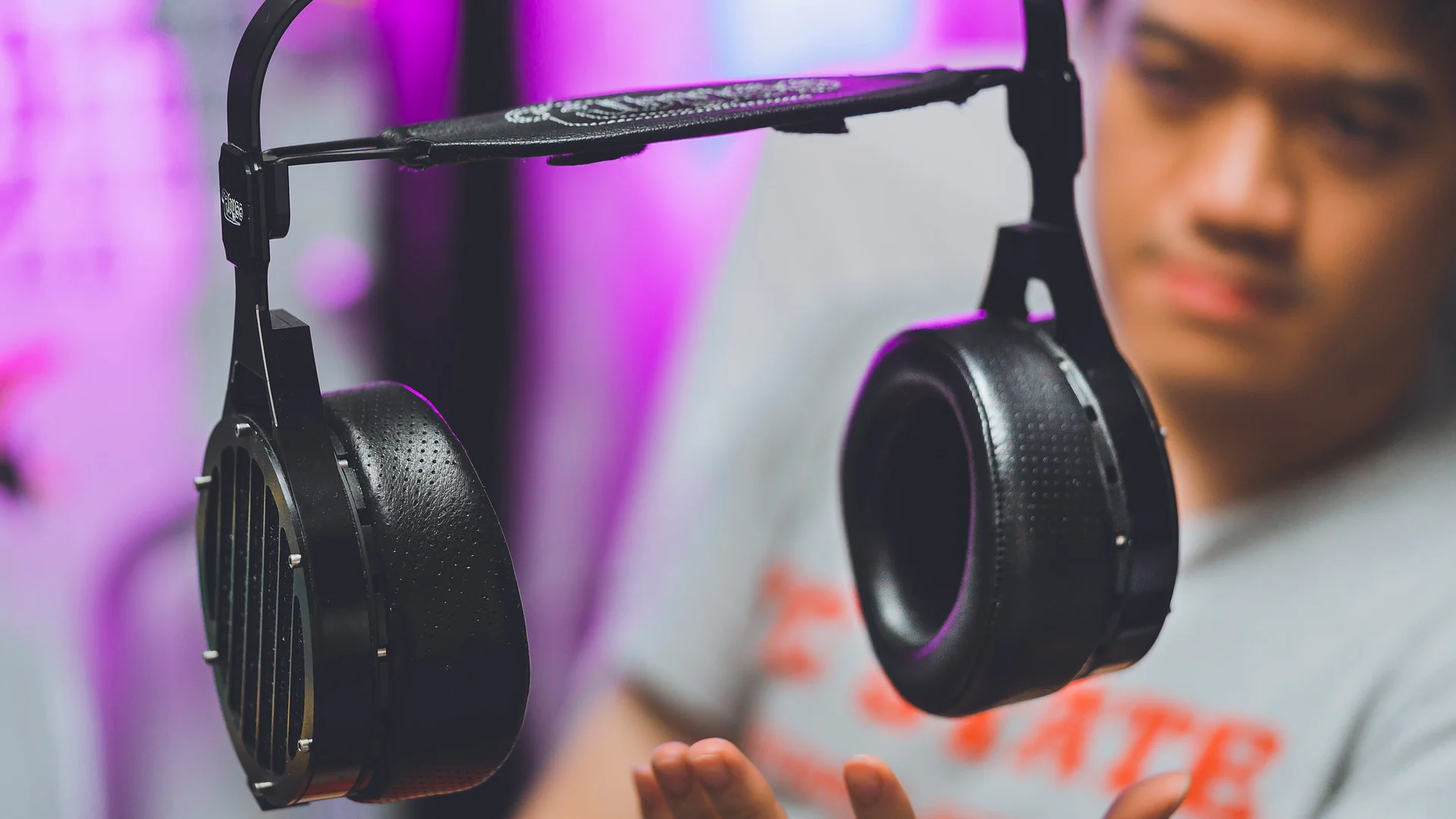
Selecting the perfect audiophile headphones involves balancing technical considerations with personal preferences. While specifications and reviews provide valuable guidance, the subjective nature of audio means that your ideal headphones may differ from someone else's.
Matching Sound Signatures to Preferences
The first consideration should be your preferred sound signature. Do you value absolute neutrality, or do you prefer a warmer, more colored presentation? Understanding your own preferences is crucial to finding headphones that will bring you long-term satisfaction rather than technical admiration but emotional disconnection.
If you primarily listen to classical music or acoustic jazz, headphones with exceptional midrange transparency and natural timbre might be your priority. For electronic music or modern productions, you might prioritize bass extension and impact. Rock and metal fans often appreciate headphones with excellent dynamic contrast and slightly forward midrange presentation.
Some listeners prefer a more analytical presentation that reveals every detail in the recording, while others prioritize a musical presentation that might smooth over some imperfections in favor of engagement. Neither approach is inherently superior; they simply reflect different listening priorities.
Environmental Considerations
Your listening environment significantly impacts your headphone choice. Open-back headphones generally offer superior soundstage and a more natural presentation, but they provide minimal isolation and leak sound both in and out. This makes them impractical in noisy environments or situations where your listening might disturb others.
Closed-back designs sacrifice some sonic advantages but provide much better isolation, making them suitable for commuting, office use, or shared living spaces. The best closed-back audiophile headphones have minimized the traditional compromises associated with sealed designs, though open-back options still generally hold the advantage for critical listening in quiet environments.
Technical Matching
The technical specifications of headphones should inform your amplification choices. High-impedance headphones generally demand dedicated amplification, while low-impedance, high-sensitivity models can perform reasonably well with portable devices. However, even easier-to-drive headphones benefit from quality amplification.
Comfort and Ergonomics
Even the best-sounding headphones will go unused if they're uncomfortable. Consider factors such as:
- Weight distribution and clamping force
- Ear pad material and size
- Headband design and adjustability
- Cable options and connection quality
Long-term comfort should be a non-negotiable factor in your decision, as audiophile listening often involves extended sessions. What feels acceptable during a brief audition might become problematic after several hours.
Auditioning Before Purchasing
Whenever possible, audition headphones before purchasing. Bring familiar music that you know well, ideally high-quality recordings across different genres. Pay attention to how the headphones render familiar elements and whether they reveal new details you hadn't previously noticed.
Listen for specific elements such as bass extension and control, midrange clarity and presence, treble extension without harshness, soundstage width and depth, imaging precision, and dynamic contrast.
Caring for Your Investment
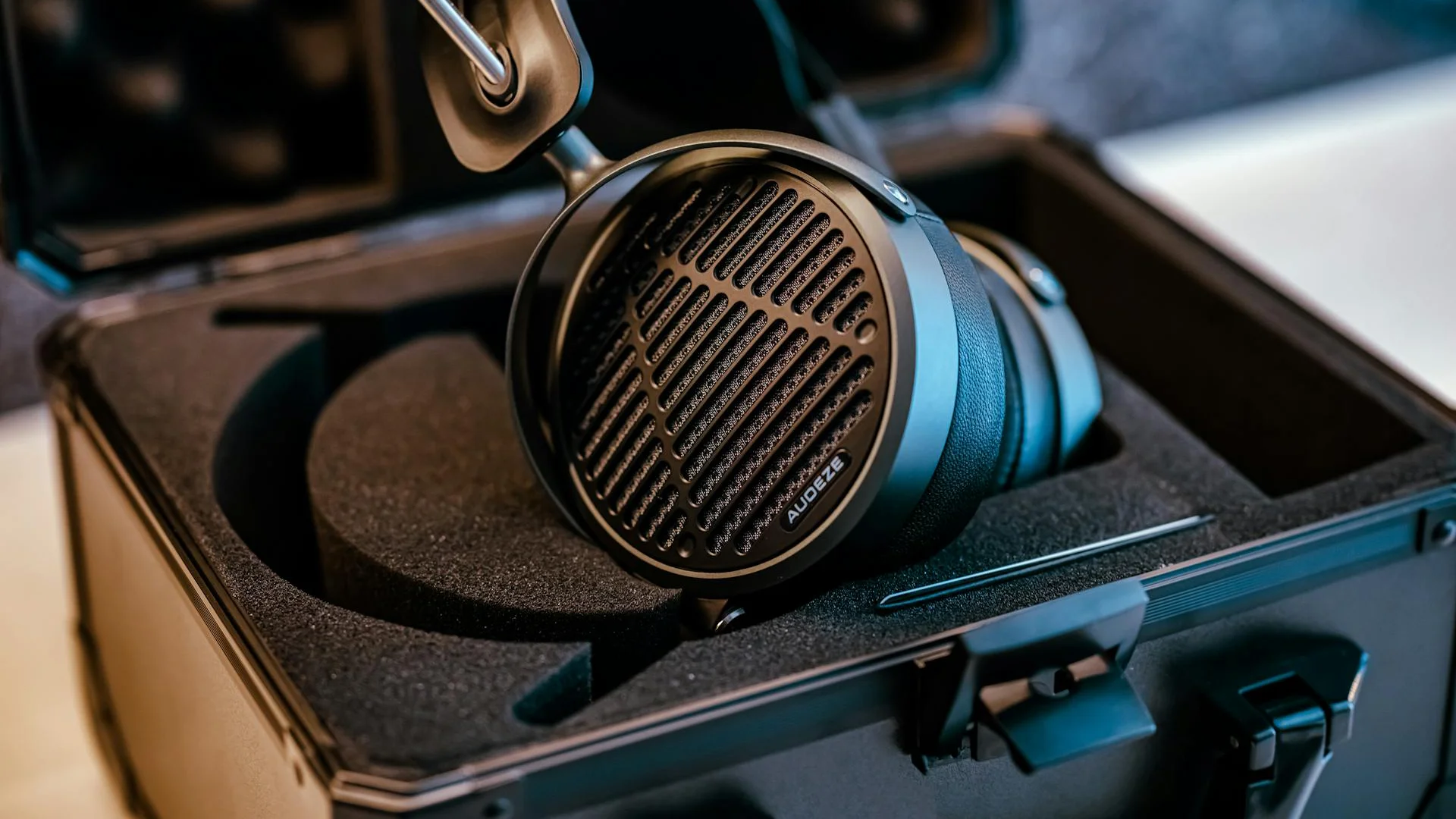
Audiophile headphones represent a significant investment that, with proper care, can provide decades of musical enjoyment. Establishing good habits around storage, handling, and maintenance will preserve both the physical condition and sonic performance of your headphones.
Storage and Handling
Always store headphones on a stand or in their case when not in use. Avoid hanging them by the headband for extended periods, as this can stretch the headband and alter the clamping force. Keep headphones away from direct sunlight, extreme temperatures, and high humidity, all of which can damage materials and potentially affect driver performance.
Handle headphones by the headband rather than the ear cups, especially with open-back designs where the drivers might be more exposed.
Cleaning and Maintenance
Regular cleaning prevents buildup of oils and debris that can degrade materials and affect sound quality. For ear pads and headbands, use a slightly damp microfiber cloth, avoiding any harsh cleaning agents. Allow components to dry completely before using the headphones again.
For mesh and grilles, a soft brush can remove dust without damaging delicate components. Take particular care with open-back designs, as the drivers are more exposed to potential damage during cleaning.
Replace ear pads when they show signs of compression or wear, as they significantly impact both comfort and sound quality.
Cable Care
Properly maintain cables by avoiding sharp bends, especially near the connectors. Store cables loosely coiled rather than tightly wrapped, which can stress the conductors and insulation over time. For detachable cables, grasp the connectors rather than the cables themselves when connecting or disconnecting.
Consider investing in high-quality replacement or balanced cables for headphones that support them. While the impact of cables remains debated in audiophile circles, many listeners report noticeable improvements with premium cable options, particularly when using balanced amplification.
Audiophile Trends
The audiophile headphone market continues to evolve, with several notable trends emerging that point toward the future of personal audio.
Digital Signal Processing Integration
Traditionally, audiophiles have avoided digital processing in favor of pure analog signals. However, 2025 has seen increasing acceptance of sophisticated DSP implementations that enhance rather than detract from the listening experience. Advanced equalization, crossfeed, and room simulation technologies have reached a level of refinement that satisfies even critical listeners, offering customization without compromising the fundamental quality of the reproduction.
Companies like Audeze have pioneered this approach with their Reveal+ technology, which provides precisely calibrated profiles that account for the specific characteristics of individual headphone serial numbers. This trend toward personalized listening experiences is likely to expand as the technology continues to mature.
Wireless Evolution for Audiophiles
While wired connections still dominate the true audiophile space, significant advances in wireless technology have narrowed the gap considerably. Higher-resolution Bluetooth codecs like LDAC and LC3plus have improved transmission quality, while specialized wireless systems from companies like HiFiMAN offer near-wired performance for listeners who prioritize convenience alongside quality.
Boutique Manufacturing Expansion
The fragmentation of the high-end headphone market has accelerated, with numerous boutique manufacturers creating highly specialized products for specific listener preferences. Small-batch production allows these companies to implement exotic materials and labor-intensive manufacturing techniques that would be impractical at larger scales, resulting in unique sonic presentations and aesthetic designs.
This trend has expanded the diversity of options available to audiophiles while creating vibrant communities around specific headphone models and manufacturers.
Modular Ecosystems
Several manufacturers have embraced modular approaches that allow listeners to customize their headphones over time. From interchangeable ear pads with different acoustic properties to swappable driver units and cable options, these systems permit personalization beyond what traditional fixed designs allow.
FAQ

What exactly makes headphones "audiophile grade"?
Audiophile headphones prioritize accurate sound reproduction with minimal coloration or distortion. They typically feature superior driver technology, careful acoustic design, and premium materials that contribute to resolving detail and presenting a natural soundstage. While consumer headphones often emphasize features like wireless connectivity or enhanced bass, audiophile models focus primarily on sonic performance and accurate reproduction of the original recording.
Do I really need an amplifier for audiophile headphones?
Most high-end audiophile headphones benefit significantly from dedicated amplification. Higher impedance models (above 50 ohms) generally require amplification to reach adequate volume levels and perform optimally. Even lower impedance headphones usually sound better with quality amplification, which provides better control, dynamics, and overall presentation compared to portable device outputs. Consider the amplifier an essential part of the system rather than an optional accessory.
Are expensive cables worth the investment?
Cable quality does impact sound, though the degree of improvement varies based on the specific headphones and the rest of your system. Start with the stock cables, then consider upgrading once you're familiar with your headphones' baseline performance. When upgrading, focus on build quality and appropriate resistance for your setup rather than exotic materials or marketing claims. Balanced cables can provide benefits when used with balanced amplifiers, offering increased power and channel separation.
Conclusion
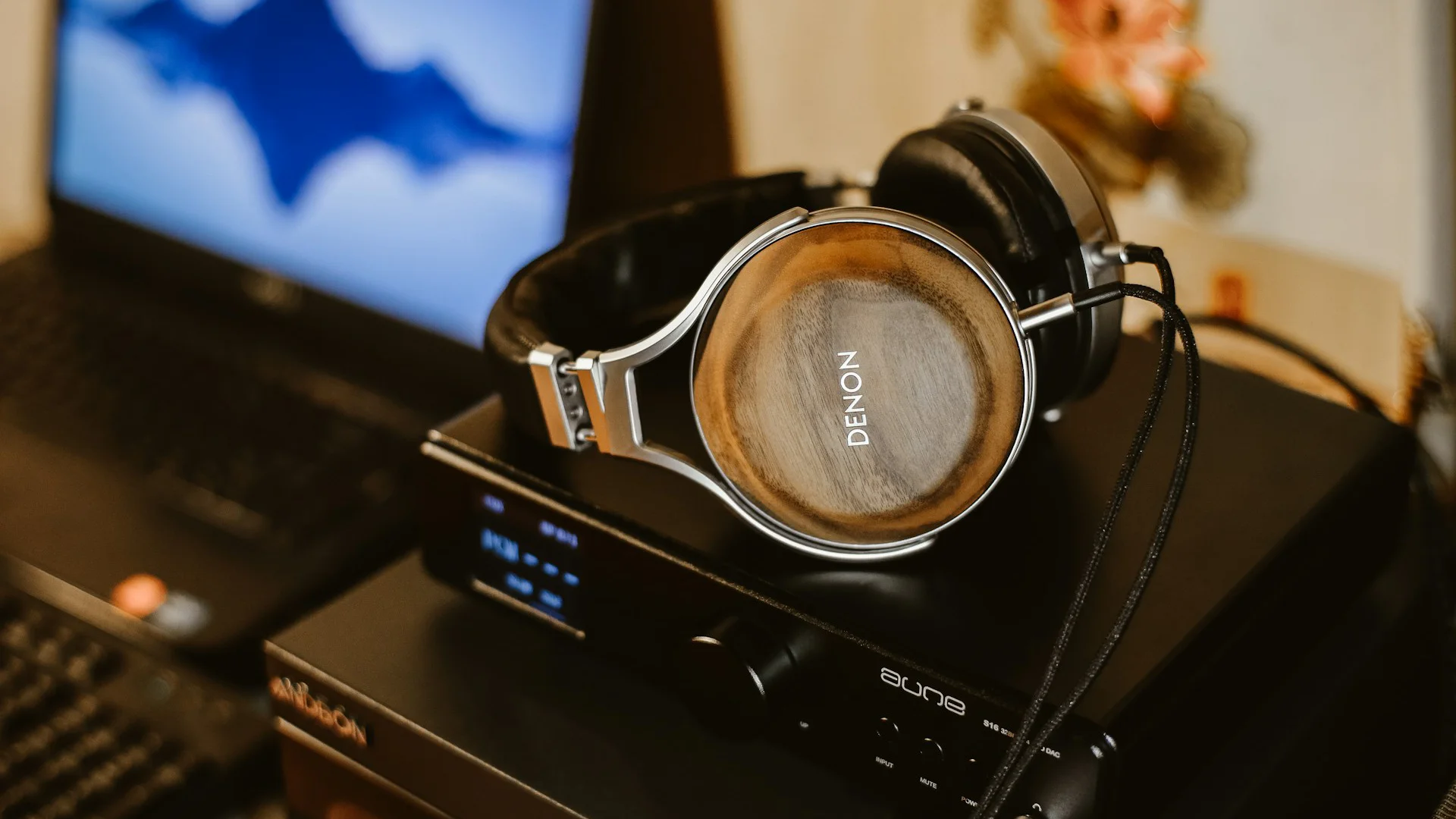
The world of audiophile headphones continues to evolve, with 2025's offerings representing the current pinnacle of personal audio technology. From the reference standard Sennheiser HD 800S to the beryllium marvel Focal Utopia 2022, the planar flagship Audeze LCD-5, and the power-hungry masterpiece HiFiMAN Susvara, today's top-tier headphones offer extraordinary sonic experiences for discerning listeners.
Innovation continues with designs like the revolutionary HEDD HEDDphone Two GT AMT, while those requiring isolation can turn to exceptional closed-back options like the Focal Stellia and the Denon AH-D9200.
The journey toward audio nirvana is deeply personal, with each listener's preferences and priorities shaping their ideal setup. By understanding the technical considerations, carefully auditioning options when possible, and selecting components that work synergistically together, you can create a listening system that brings you closer to the music you love.
Top Ranked Headphones & In-Ear Monitors on Equipboard


$146.00 - $179.99
5.0 (244)
5.0 (244)


About the authors

S. Jino is an accomplished multi-instrumentalist and music producer based in Kolkata, India, distinguished by his self-taught mastery and unique blend of technical acumen and musical performance. His extensive experience was forged through hands-on dedication, starting with the full restoration of a broken guitar. Jino's capabilities span keyboards, pedals, and advanced digital production, reflecting a comprehensive skill set developed independently. As a significant contributor to the music scene, Jino regularly performs with worship bands and college ensembles. He has also established himself as a reliable and authoritative professional in freelance mixing, mastering, and original music creation. Inspired by the innovative sounds of Brian May and David Gilmour, and influenced by Kolkata's vibrant metal community, Jino is committed to the intricate art of vintage gear restoration and the continuous exploration of music and technology fusion. His current professional setup, featuring a meticulously restored nameless guitar, a Fender Player Strat, and a Boss Katana 50. Read more
New in Headphones


$2,699.00 - $2,999.00


$422.00 - $439.00
in Headphones & In-Ear Monitors Rank


$379.00 - $399.00
in Headphones & In-Ear Monitors Rank


$95.00 - $189.95
in Headphones & In-Ear Monitors Rank


$79.95 - $89.95
in Headphones & In-Ear Monitors Rank