Fat Jon's Gear


In a recent interview on the Native Instruments Blog, studio photos of hip-hop pioneer Fat Jon reveal his use of the Akai MPC One.
Find it on:






-m.webp?v=1784646328)
Seen in the pictures of Fat Jon's studio in a recent Native Instruments interview.
Find it on:


From a 2004 interview with Fat Jon, he answers runnin.de's equipment question with: "I use an akai mpc 2000, a roland jp8000 synth, technics turntables, vestax 06pro mixer, outboard effects by lexicon and alesis, outboard eq’s by dbx and aleseis, dbx compressors and a mac."
Find it on:


"Fat Jon is a longtime MASCHINE user – MASCHINE appears in some form on his 2012 outerspace trip Rapture Kontrolle, the Tephlon Funk series and his 2020 full-length God’s Fifth Wish, as well as upcoming and unreleased projects."
MK3 is shown in the pictures on the site.
Find it on:

From a 2004 interview with Fat Jon, he answers runnin.de's equipment question with: "I use an akai mpc 2000, a roland jp8000 synth, technics turntables, vestax 06pro mixer, outboard effects by lexicon and alesis, outboard eq’s by dbx and aleseis, dbx compressors and a mac."
Find it on:

Seen in the pictures of Fat Jon's studio in a recent Native Instruments interview.
Find it on:

From a 2004 interview with Fat Jon, he answers runnin.de's equipment question with: "I use an akai mpc 2000, a roland jp8000 synth, technics turntables, vestax 06pro mixer, outboard effects by lexicon and alesis, outboard eq’s by dbx and aleseis, dbx compressors and a mac."
Find it on:

From a 2004 interview with Fat Jon, he answers runnin.de's equipment question with: "I use an akai mpc 2000, a roland jp8000 synth, technics turntables, vestax 06pro mixer, outboard effects by lexicon and alesis, outboard eq’s by dbx and aleseis, dbx compressors and a mac."
Find it on:

Seen in the pictures of Fat Jon's studio in a recent Native Instruments interview.
Find it on:

Used ca. 1989 at local studios, as mentioned in this March 31, 2021 Native Instruments blog interview.
What year did you start making beats? What was your gear and process like in the beginning?
I started making beats in 1986 with old Yamaha and Casio keyboards with drum sections. I didn’t do anything too complicated or good but it was my introduction to beats. One of my neighbors had an SK-1 (keyboard) they let me play with. After playing around with that, I started to make pause tapes using cassette recorders to create loops. I was able to make some decent sounding songs with some breaks and choruses. I got serious about making beats and began to go to studios in 1989. I didn’t have any of my own equipment yet so I used what was at the studio. There were some turntables and different little drum machines, a huge mixing console, an MPC60 and I think an Ensoniq EPS-16. This was all along with tape machines, effects, compressors and other outboard gear. I instantly gravitated toward the MPC and fell in love with what could be done with it. I eventually created a decent little pre-production studio in my bedroom. That’s where I taught myself how to scratch and DJ and I would eventually use these skills in my production as well.
Does the approach that you started off with still influence the way you compose now?
Yes, 100%. I come from an era where you would pre-produce things before going to the studio to do the actual recording. I didn’t know it at the time but my pause tapes were pre-productions that saved me time when working on my final productions in the studio. The joy of finding loops and imagining what to do with them is still very fun for me.
Find it on:

Used ca. 1990 (a terminus a quo from the release of the EPS 16 Plus) at local studios, as mentioned in this March 31, 2021 Native Instruments blog interview.
What year did you start making beats? What was your gear and process like in the beginning?
I started making beats in 1986 with old Yamaha and Casio keyboards with drum sections. I didn’t do anything too complicated or good but it was my introduction to beats. One of my neighbors had an SK-1 (keyboard) they let me play with. After playing around with that, I started to make pause tapes using cassette recorders to create loops. I was able to make some decent sounding songs with some breaks and choruses. I got serious about making beats and began to go to studios in 1989. I didn’t have any of my own equipment yet so I used what was at the studio. There were some turntables and different little drum machines, a huge mixing console, an MPC60 and I think an Ensoniq EPS-16. This was all along with tape machines, effects, compressors and other outboard gear. I instantly gravitated toward the MPC and fell in love with what could be done with it. I eventually created a decent little pre-production studio in my bedroom. That’s where I taught myself how to scratch and DJ and I would eventually use these skills in my production as well.
Does the approach that you started off with still influence the way you compose now?
Yes, 100%. I come from an era where you would pre-produce things before going to the studio to do the actual recording. I didn’t know it at the time but my pause tapes were pre-productions that saved me time when working on my final productions in the studio. The joy of finding loops and imagining what to do with them is still very fun for me.
Find it on:
This is a community-built gear list for Fat Jon.
- Find relevant music gear like Studio Equipment, Software Plugins and VSTs, Headphones, DJ Setup, and other instruments and add it to Fat Jon.
- The best places to look for gear usage are typically on the artist's social media, YouTube, live performance images, and interviews.
- To receive email updates when Fat Jon is seen with new gear, follow the artist.
Discography
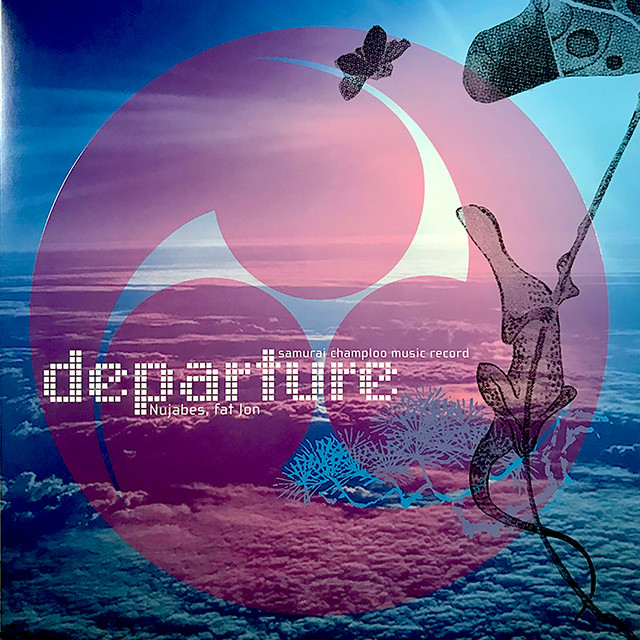
samurai champloo music record departure
2004
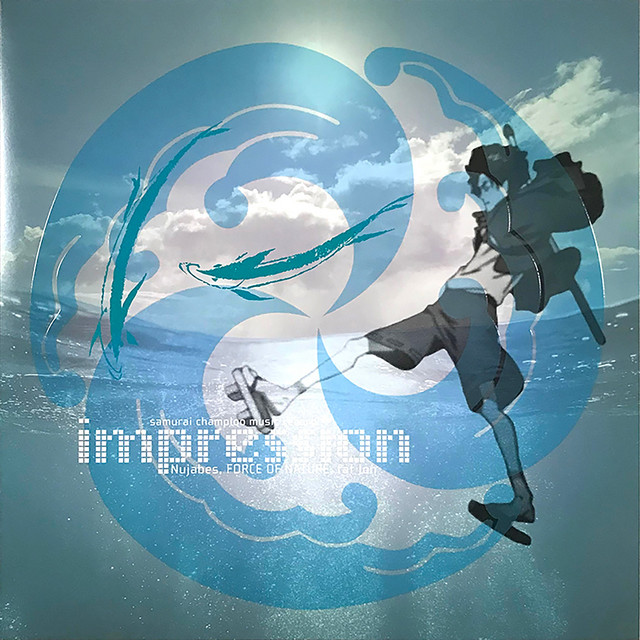
samurai champloo music record impression
2004
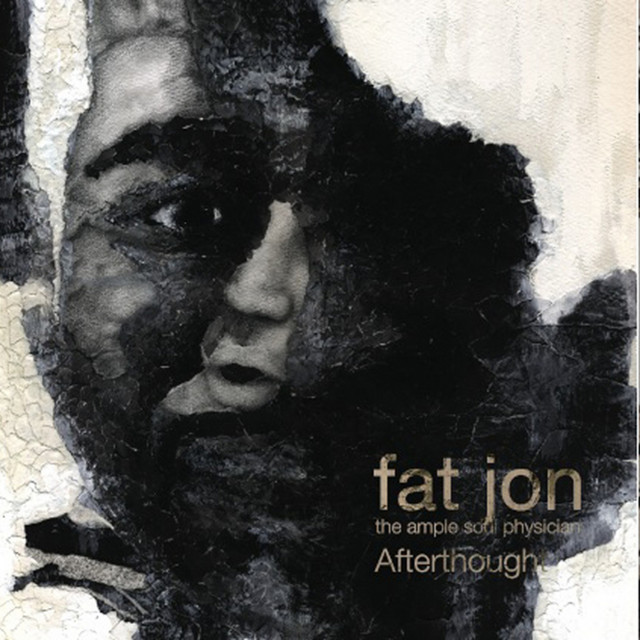
afterthought
2006
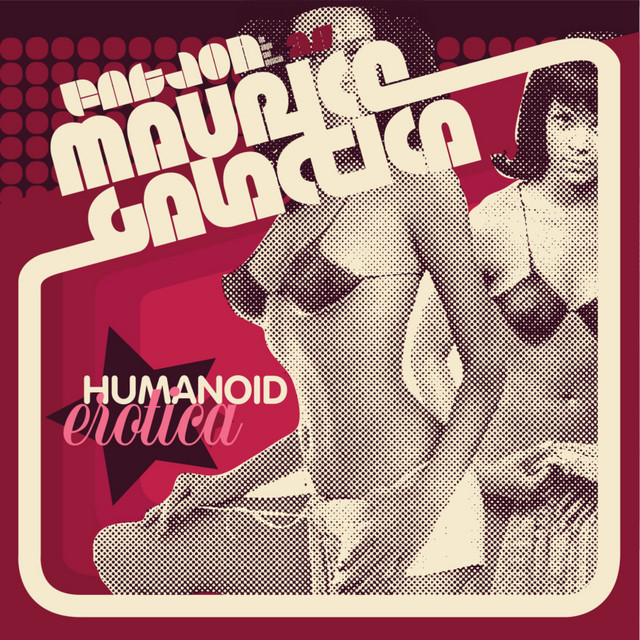
Humanoid Erotica
2006
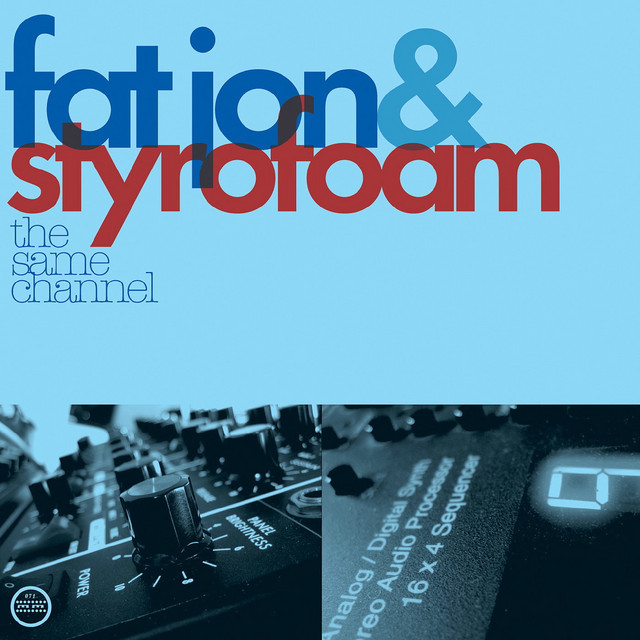
The Same Channel
2006
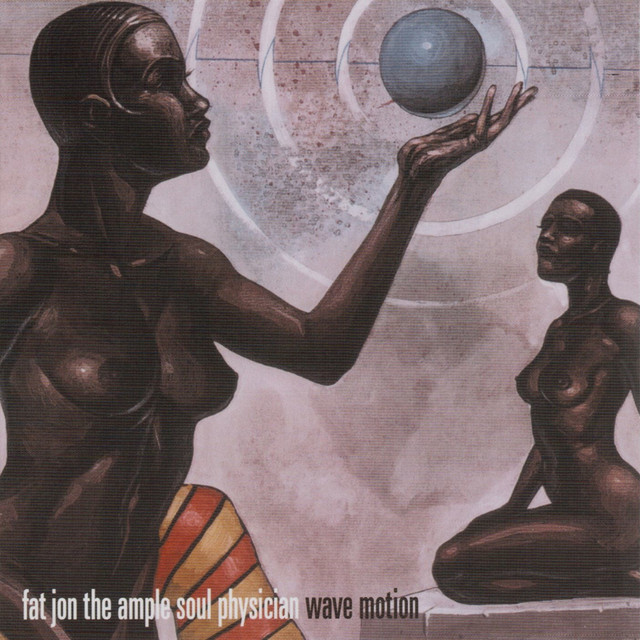
Wave Motion
2009
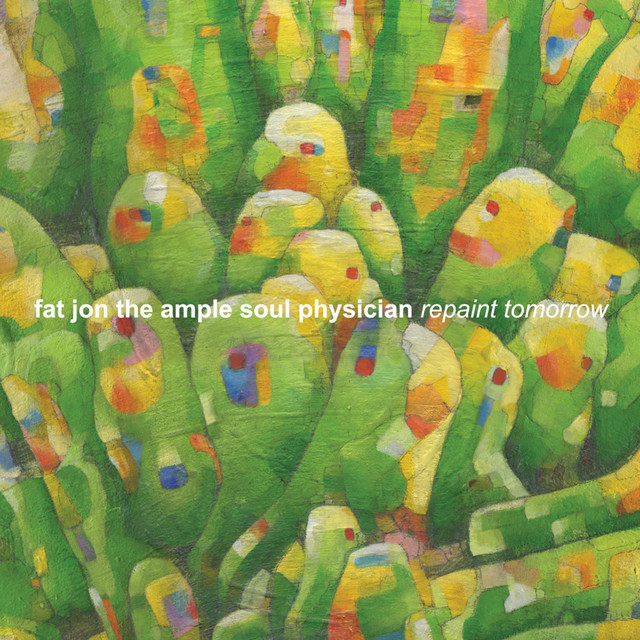
Repaint Tomorrow
2009
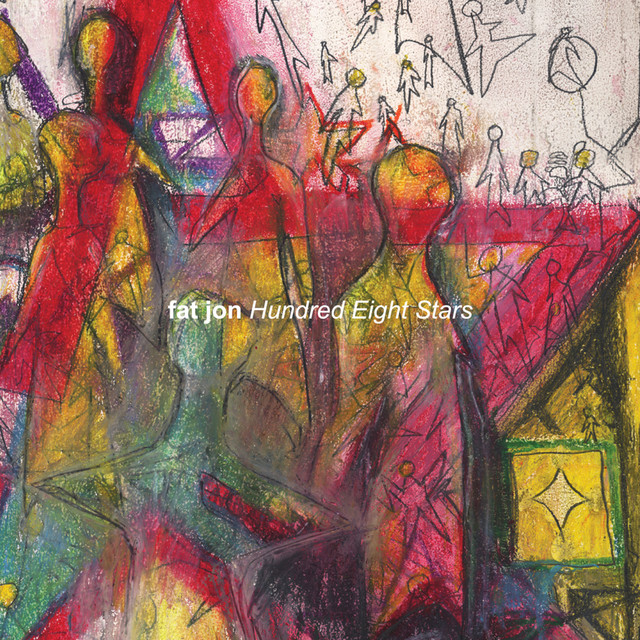
Hundred Eight Stars
2009
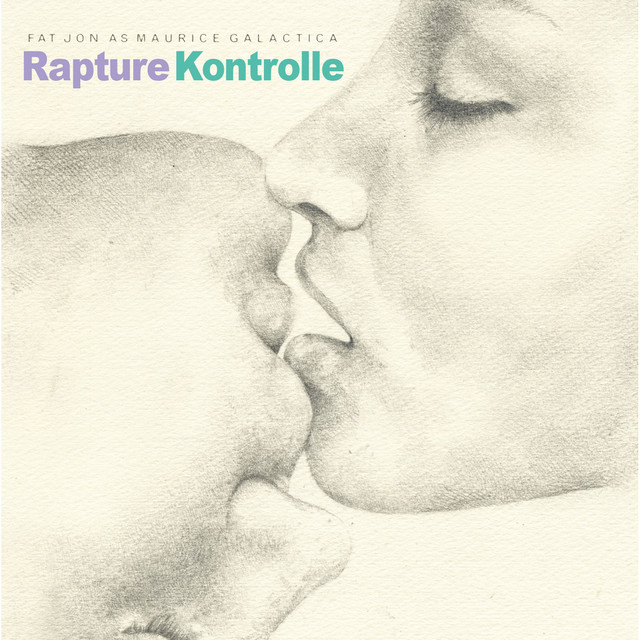
Rapture Kontrolle
2012
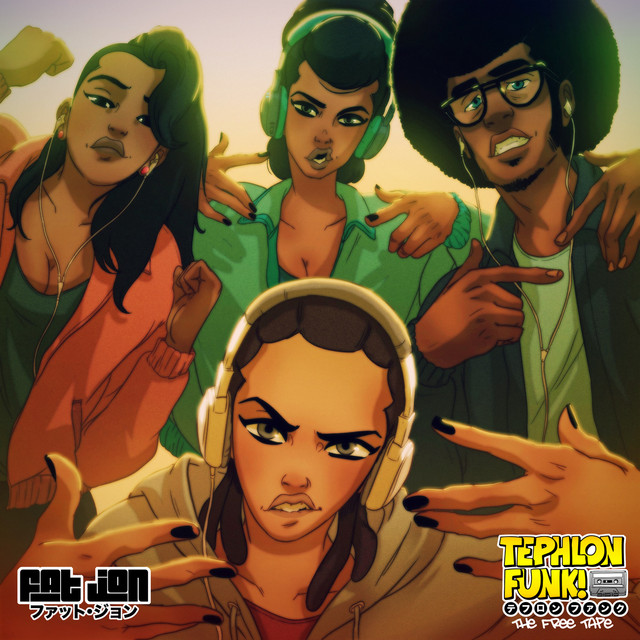
Tephlon Funk: The Free Tape
2018
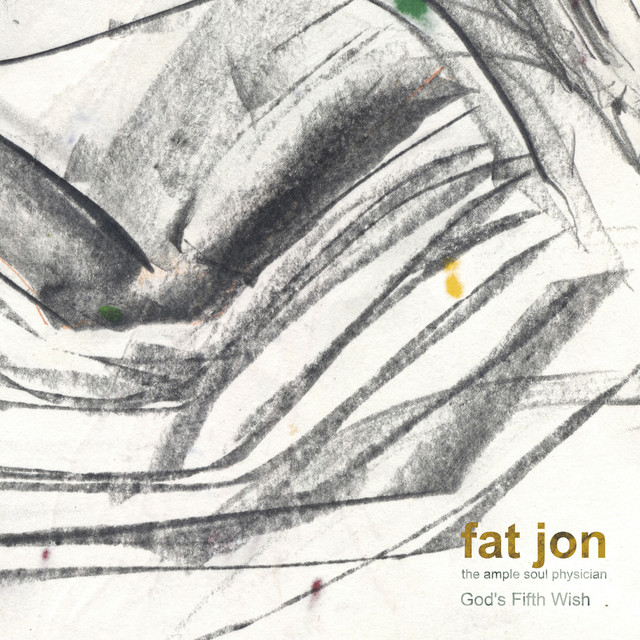
God's Fifth Wish
2020
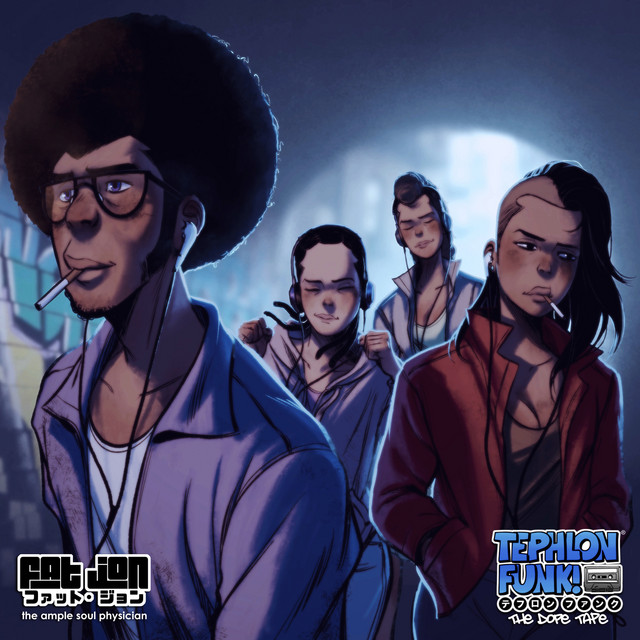
Tephlon Funk: The Dope Tape
2020