Hugo Nicolson
Hugo Nicolson's Gear


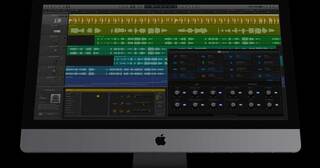
As was typical in the early ’90s, the sequencing setup was based around an Atari 1040 ST computer running C-Lab Notator, MIDI-triggering a bank of Akai S1000 samplers and a Korg M1 synth. Additionally, on a recent trip to Japan, Nicolson had bought himself an Akai MPC60 sequencer-sampler that was to prove central to the beats on ‘Come Together’, not least because when he worked with US producer Jeff Lorber on sessions for UK boy band Brother Beyond in 1989, he had managed to come away with a library of drum samples.
“There was this timbale that I used on every single remix, which became a bit of signature,” Nicolson remembers. “I had all these pretty cool samples to use. They weren’t just 909 and 808. I had quite a good library, so the MPC was really helping me with a good base of sounds to work with.”
Find it on:


As was typical in the early ’90s, the sequencing setup was based around an Atari 1040 ST computer running C-Lab Notator, MIDI-triggering a bank of Akai S1000 samplers and a Korg M1 synth. Additionally, on a recent trip to Japan, Nicolson had bought himself an Akai MPC60 sequencer-sampler that was to prove central to the beats on ‘Come Together’, not least because when he worked with US producer Jeff Lorber on sessions for UK boy band Brother Beyond in 1989, he had managed to come away with a library of drum samples.
“There was this timbale that I used on every single remix, which became a bit of signature,” Nicolson remembers. “I had all these pretty cool samples to use. They weren’t just 909 and 808. I had quite a good library, so the MPC was really helping me with a good base of sounds to work with.”
Find it on:

As was typical in the early ’90s, the sequencing setup was based around an Atari 1040 ST computer running C-Lab Notator, MIDI-triggering a bank of Akai S1000 samplers and a Korg M1 synth. Additionally, on a recent trip to Japan, Nicolson had bought himself an Akai MPC60 sequencer-sampler that was to prove central to the beats on ‘Come Together’, not least because when he worked with US producer Jeff Lorber on sessions for UK boy band Brother Beyond in 1989, he had managed to come away with a library of drum samples.
“There was this timbale that I used on every single remix, which became a bit of signature,” Nicolson remembers. “I had all these pretty cool samples to use. They weren’t just 909 and 808. I had quite a good library, so the MPC was really helping me with a good base of sounds to work with.”
Find it on:

As was typical in the early ’90s, the sequencing setup was based around an Atari 1040 ST computer running C-Lab Notator, MIDI-triggering a bank of Akai S1000 samplers and a Korg M1 synth. Additionally, on a recent trip to Japan, Nicolson had bought himself an Akai MPC60 sequencer-sampler that was to prove central to the beats on ‘Come Together’, not least because when he worked with US producer Jeff Lorber on sessions for UK boy band Brother Beyond in 1989, he had managed to come away with a library of drum samples.
“There was this timbale that I used on every single remix, which became a bit of signature,” Nicolson remembers. “I had all these pretty cool samples to use. They weren’t just 909 and 808. I had quite a good library, so the MPC was really helping me with a good base of sounds to work with.”
Find it on:

As was typical in the early ’90s, the sequencing setup was based around an Atari 1040 ST computer running C-Lab Notator, MIDI-triggering a bank of Akai S1000 samplers and a Korg M1 synth. Additionally, on a recent trip to Japan, Nicolson had bought himself an Akai MPC60 sequencer-sampler that was to prove central to the beats on ‘Come Together’, not least because when he worked with US producer Jeff Lorber on sessions for UK boy band Brother Beyond in 1989, he had managed to come away with a library of drum samples.
“There was this timbale that I used on every single remix, which became a bit of signature,” Nicolson remembers. “I had all these pretty cool samples to use. They weren’t just 909 and 808. I had quite a good library, so the MPC was really helping me with a good base of sounds to work with.”
Find it on:
-m.webp?v=1784645896)
Thinking on his feet, Nicolson plugged up an AMS DMX 15-80S delay, set to an eighth and a 3/16th, and added them to the beat he’d programmed. “So it had this kind of shuffly movement going on in the background,” he says, “and suddenly the beat sounded a lot better. Back then there was a lot of shuffle going on in the grooves. So I was using my engineering skills to kind of make up for my musical ineptness. The congas in ‘Come Together’ were these funny little bad-sounding bongos and I basically squeezed as much bongo-ness out of them as I could with a Bell [Electrolabs] flanger. That was another bit of gear that I loved.”
Find it on:
This is a community-built gear list for Hugo Nicolson.
- Find relevant music gear like Software Plugins and VSTs, Keyboards and Synthesizers, Instruments, Studio Equipment, Headphones, Microphones, Studio Monitors, Mixers, DAWs, and other instruments and add it to Hugo Nicolson.
- The best places to look for gear usage are typically on the artist's social media, YouTube, live performance images, and interviews.
- To receive email updates when Hugo Nicolson is seen with new gear, follow the artist.
-
-
Updated
Album Credits
-
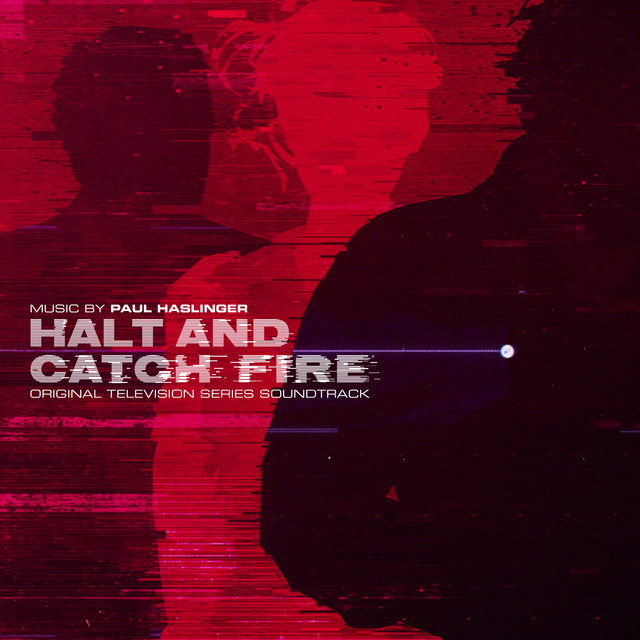
Halt and Catch Fire (Original Television Series Soundtrack)
Paul Haslinger · 2016
Mixing Engineer -

Birds of Tokyo · 2015
Engineer -
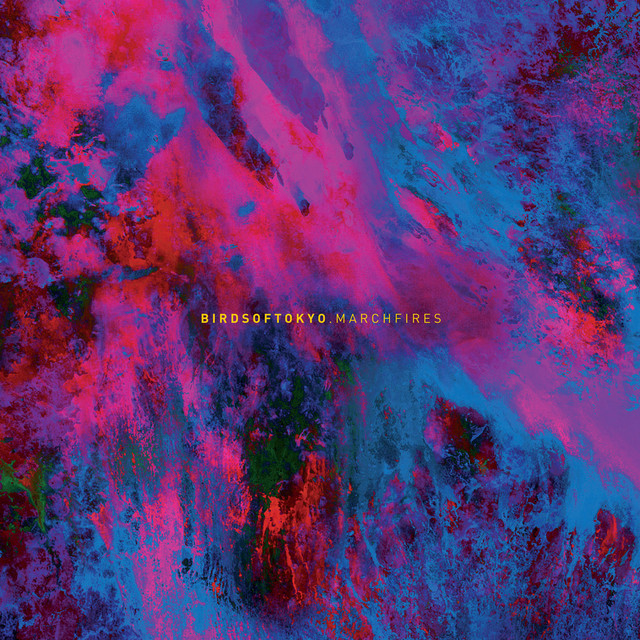
Birds of Tokyo · 2014
Engineer -
J Tillman & Father John Misty · 2012
Engineer -
White Rabbits · 2012
Producer -

Local Natives · 2010
Mixing Engineer -

One eskimO · 2009
Recording Engineer -
Radiohead · 2007
Engineer -
Radiohead · 2007
Engineer -
Sing-Sing · 2007
Mixing Engineer Producer -
Red Snapper · 2000
Mixing Engineer Producer -
Dido · 1999
Mixing Engineer Recording Engineer