This page about C-Lab Notator is a stub. You can help improve it:


Pricing and availability




* Product prices and availability are updated by Equipboard every 24hrs and are subject to change. Equipboard may receive compensation for purchases made at participating retailers linked on this site. This compensation does not affect what products or prices are displayed, or the order of prices listed. For more information, please refer to our affiliate disclosure.
Description
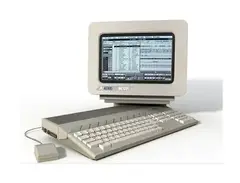
The C-Lab Notator is a classic audio sequencer revered by both vintage enthusiasts and modern DJs for its robust functionality and innovative design. Originally introduced in the late 80s, this sequencer became a staple in music production, offering a comprehensive range of features that cater to both live performances and studio environments. At its core, the Notator provides a user-friendly interface that allows musicians to effortlessly compose, arrange, and edit complex musical sequences.
One of its standout features is the powerful MIDI compatibility, which enables seamless integration with various MIDI-equipped instruments and devices. This allows for an incredibly versatile setup, whether you're syncing up multiple synthesizers or incorporating digital audio workstations. The C-Lab Notator also boasts a highly intuitive scoring interface, enabling precise notation editing and efficient management of multi-track compositions.
Designed with a focus on flexibility, the Notator supports extensive track and pattern manipulation, making it easy to experiment with different musical ideas. Its real-time recording capability ensures that you capture every nuance of your performance with precision. Perfect for the studio or the stage, the C-Lab Notator combines vintage charm with modern adaptability, making it an ideal choice for musicians seeking a reliable and comprehensive sequencer.
Key Features:
- Powerful MIDI compatibility for versatile setups
- Intuitive scoring interface for precise notation editing
- Supports extensive track and pattern manipulation
- Real-time recording capability
- Comprehensive range of features for both live and studio use
Videos

Architecture
Detroit Techno Atari ST 1040 Notator Action.
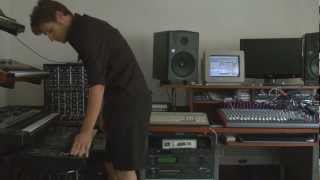
Detroit Techno Atari ST 1040 Notator Action.
Architecture
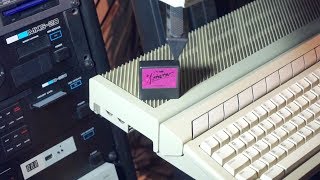
Atari 1040ST & Notator Sequencer | The Perfect Combo | Tutorial & Workflow |

Espen Kraft
Reviews
Owner Insights
We analyzed real musician discussions from forums and Reddit to find what players love, question, and tweak about C-Lab Notator.
Software and compatibility
-
Atari ST's MIDI ports are directly connected to the processor, offering superior timing compared to modern USB MIDI interfaces which have latency issues.
Source -
The C-Lab Notator was initially run on an Atari 1024, with the operating system and program loaded from separate floppy disks.
Source -
Despite its age, Performer 4 files can still open seamlessly in the latest Digital Performer software, showcasing impressive backward compatibility not shared by Cubase.
Source
Features and functionality
-
C-Lab Notator's interface allows right and left clicking to adjust values, a feature some users miss after switching to other software.
Source
Build quality
-
Owners mention discoloration over time, requiring retro-brite treatment to restore the original look of the Atari ST casing.
Source
Comparisons
-
Piano roll sequencers like C-Lab Notator have remained largely unchanged for 30 years and offer a less bloated experience compared to modern software.
Source -
Notator Logic on the Atari STe was a step up from its predecessor, offering more advanced features than earlier versions like Emagic’s Pro24.
Source
Use cases and applications
-
Notator was used in professional studios for creating backing tracks quickly, eliminating the need for session musicians during commercial and demo recordings.
Source
Critic Reviews
5.0 out of 5
Based on 0 Reviews and 1 Rating
Artist usage
Add artist
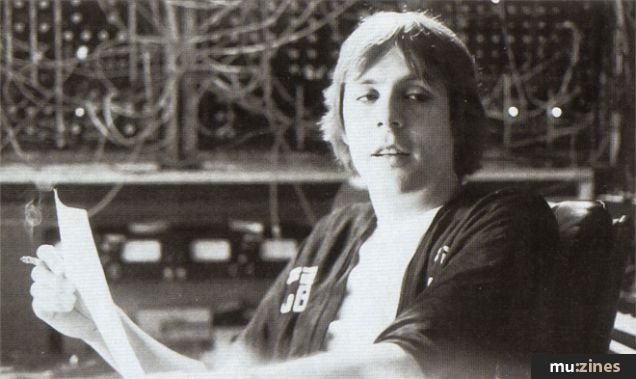
"Well, I'd love to go over to PCs, where I'd be working with a 50MHz or 60MHz clocks, much faster than my Atari, but the problem is that my music software won't run on the PC. I use C-Lab Notator on the ST and Steinberg Cubase [a Windows version has just been released — see review in this issue] on the Mac. These are slow, but because I'm very familiar with them I'd have to start all over again to learn the new Logic [Mac-based successor to Notator] and Windows equivalents, which are faster. For me the computer is a big tape machine. I can notate 92 tracks, which is three digital recorders' worth."

:format(jpeg):mode_rgb():quality(90)/discogs-images/R-808265-1160909946.jpeg.jpg)
C-Lab Notator was used on Mike Oldfield's Earth Moving, according to the liner notes.


A studio is nothing without equipment. In A.R.T. Studio the following top shelf music gear (and some personal favorites of Michael) were available:
Custom built AMEK Digital mixing console Audio Frame Workstation and Waveframe 1000 (old at the time, very important for the Enigma sound) Custom built studio controller by Quested Acoustics Protools system hardware Emagic Logic Audio Platinum software. Sample cell (Software sampler) Steinberg’s Halion External Midi modules and hardware: Lexicon 480 and 960 (reverb) Yamaha REV1, REV7 and REV9, Eventide Reverb Dynacord DRP20. MIDIMoog, PPG System, Korg M1, C-Lab Notator Takamine 6 and 12 String Guitars Tom Anderson Electric Guitars Otari DTR-900 Akai 900 Linn 9000 Prophet 2002 X-Pander EMS Vocoder DX-7 Roland MKS-80 «Super Jupiter», Roland V-Synth, Korg OASYS Korg Karma And, of course, a PC-based Studio Sampler. This is, after all, sample heavy music!


"I was a big Studio Vision user. They went out of business. Then I had a long relationship with Cubase. I was an Emagic Creator and Notator user on the Atari way back."


Daniel Miller is listed as using the C-Lab Notator in his gear setup, as detailed in Sound On Sound.


Still, he does touch earth again to say that he prefers the Atari (with Notator/Unitor software) because "it's the language that people use in London in all the bedrooms where all the real work is done. They use Ataris because they're cheap and they do the job. Macs are an elitist medium. They're only for people who can afford to buy them. I'm not interested in elitist languages. I'm interested in contemporary things that everybody uses. When a new Casio machine comes out, I buy it."


As cited in the gear list of this May '92 feature in Music Tech magazine


"We use C‑Lab Notator on an Atari. Most people we know use this but our approach is different. It's down to our choice of sampling. I tend to use things that other people would throw away — sample bits from records that sound different. The end result is always going to be slightly unusual. Most people take breakbeats now and just loop them. We tend to chop them up and turn them around to create that unique Cabaret Voltaire sound."


Heights & Lows It was around this time that Paddy McAloon’s home recording setup began to develop, when he acquired a Fostex B16 half–inch tape 16–track machine and Seck desk to sketch out demos. After the double album Jordan: The Comeback in 1990, McAloon embarked upon the demos for its intended follow–up, Let’s Change The World With Music using his newly purchased Atari STE 1040 and C–Lab Creator–Notator, only to have them rejected by his paymasters at CBS.


BLANK'S RECORDING SETUP FOR THE PAST FIVE YEARS HAS been based around two Otari MTR90 24-track tape machines and an Amek 2600 48-channel mixing desk. It's a setup which he continues to be very pleased with. C-Lab's Notator software running on the Atari ST now takes care of much of the MIDI sequencing, though sometimes Blank syncs the Fairlight CMI Series III's Page R sequencer to it.


Manuel Göttsching uses the C-Lab Notator, as listed on the official Ashra website detailing his Studio Roma setup.


Album Usage
The C-Lab Notator has been featured on the following albums:
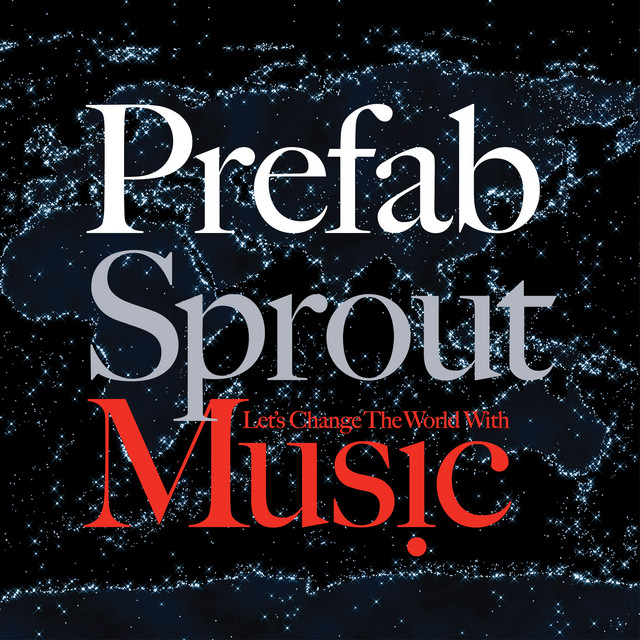
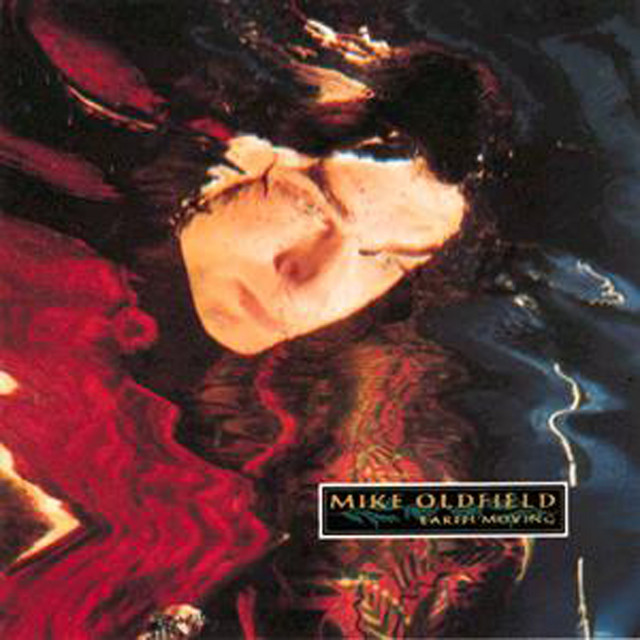
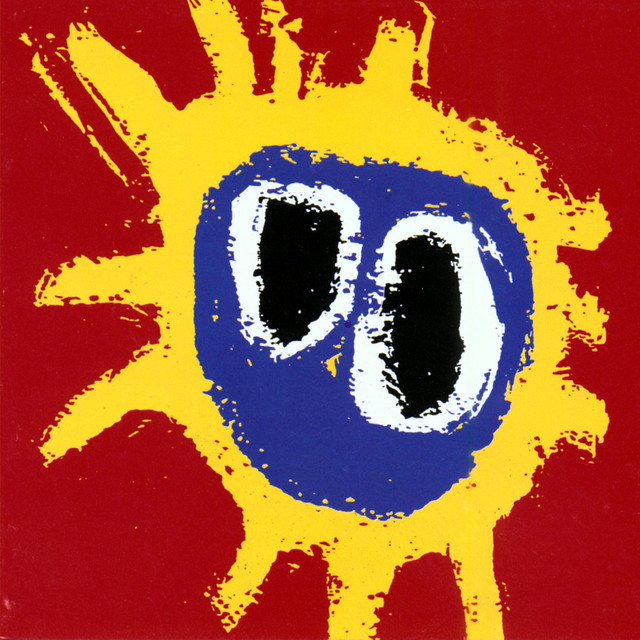
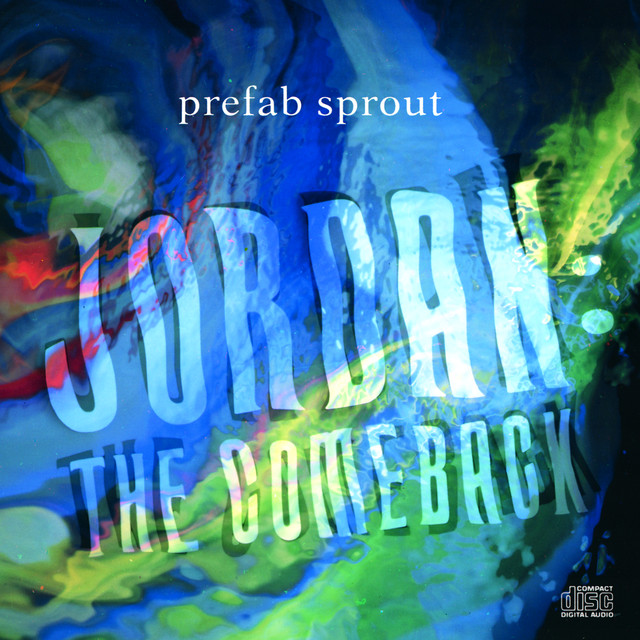
Genre Usage
Based on how artists on Equipboard use this gear, it is most commonly found in the following genres.
Used With
Based on how musicians on Equipboard use C-Lab Notator, it is most commonly used with the following gear.




-s.webp?v=1784300203)

More C-Lab Audio Sequencers

$99.00 - $273.00
in Audio Sequencers Rank


$388.57 - $1,100.00
in Audio Sequencers Rank


$103.25 - $149.99
in Audio Sequencers Rank


$83.00 - $99.00
in Audio Sequencers Rank


$477.00 - $612.99
in Audio Sequencers Rank


$1,495.00
in Audio Sequencers Rank


$633.67
in Audio Sequencers Rank


$299.00
in Audio Sequencers Rank


$299.00
in Audio Sequencers Rank


$140.00
in Audio Sequencers Rank


$219.00 - $329.99
in Audio Sequencers Rank


$1,495.00
in Audio Sequencers Rank


$1,434.73
in Audio Sequencers Rank


-m.webp?v=1784301080)
$1,222.00 - $1,313.98
in Audio Sequencers Rank


$83.00 - $99.00
in Audio Sequencers Rank

$195.00 - $368.46
in Audio Sequencers Rank


$199.99 - $430.55
in Audio Sequencers Rank


$2,300.00
in Audio Sequencers Rank


$105.00
in Audio Sequencers Rank


$175.00
in Audio Sequencers Rank


$25.00 - $119.95
in Audio Sequencers Rank


$169.00
in Audio Sequencers Rank


$621.72 - $1,199.00
in Audio Sequencers Rank


$546.99
in Audio Sequencers Rank


$499.00 - $525.00
in Audio Sequencers Rank


$1,290.00
in Audio Sequencers Rank


-m.webp?v=1784014339)


$298.90
in Audio Sequencers Rank


$105.00
in Audio Sequencers Rank


$70.00
in Audio Sequencers Rank


$650.00
in Audio Sequencers Rank


$13.90
in Audio Sequencers Rank
.png?v=1784107687)


$65.00
in Audio Sequencers Rank


$235.00
in Audio Sequencers Rank

Community setups


Similar


Gear Guides



Most Popular Audio Sequencers
Most Popular Brands


