Jeff Beck
English rock guitarist
Role
Role
Jeff Beck's Strings


This website claims that since 1989, Beck has used Ernie Ball guitar strings in gauges 9-46, 10-48, and 11-48.
"Jeff’s Guitar Setup"
"This is how Jeff likes his strats set up. The info in the table below info was taken from Dan Erlewine’s book “How To Make Your Electric Guitar Play Great”, Second edition, 2011."
"Some of Jeff’s Todd Krause master-built guitars were examined by Dan, one of which had the strings removed. This allowed Dan to take precise measurements."
Measurement: | Dimensions:
Neck Scale: 25 1/2 ” (648 mm)
Neck Radius: Compound radius: 9 12″ (241 mm) at nut to 12″ (305 mm) at end of fretboard
Bridge Saddle Radius: Between 12″ (305 mm) and 14′ (356 mm)
Fret Size: .098′ X .050″ (2.47 mm X 1.26 mm)
**Strings:
1989: Ernie Ball 9s (9, 11, 16, 26, 36, 46)2011: Ernie Ball 10s (10, 13, 17, 26, 38, 48)** sometimes increasing string guage to 11s
Neck Relief: 1989: Straight to .006″ relief
Nut: Wilkinson 1st generation nut (slanted on bass side)
Nut height: set up so that with the strings pressed at the 2nd fret there is just enough clearance over the 1st fret to see daylight (.11″ bass side & .006′ treble side).
Neck Action in 1989: At 12th fret – 1/16″ (1.6 mm) bass side 3/64″ (1.2 mm) treble side
Neck Action in 2000: At 15th fret – 1/16″ (1.6 mm) bass side 1/16″ (1.6 mm) treble side
Pole Piece Height: The pole piece heights for the neck, middle, and bridge pickups were all “touching*” (see below) on the bass side and 3/64″ (1.2 mm).
- With the strings off the guitar, Dan laid his straightedge on the frets and then measured the clearance between the straightedge and the polepieces. I don’t really see how this makes the pole piece measurements useful.
"So, you see, there is no real magic here. Jeff can play on any guitar you give him, and it will sound like him. Even when he plays a guitar without a whammy bar, like a Tele, you can recognize his playing almost immediately!"
"Check your guitar measurements against the info in this table to see if any adjustments might improve your playing. Don’t make adjustments to your guitar if you don’t know what you are doing. It’s better to bring it to a qualified guitar technician."
Find it on:


This website claims that since 1989, Beck has used Ernie Ball guitar strings in gauges 9-46, 10-48, and 11-48. Because Beck has been using the 10-48, gauge setup since 2011, and Ernie Ball released their Ultra Slinky 10-48 strings in 2019, it is reasonable to assume he uses Ultra Slinkys these days rather than mixing & matching different sets to get the right gauge combination, as he would have pre-2019.
"Jeff’s Guitar Setup"
"This is how Jeff likes his strats set up. The info in the table below info was taken from Dan Erlewine’s book “How To Make Your Electric Guitar Play Great”, Second edition, 2011."
"Some of Jeff’s Todd Krause master-built guitars were examined by Dan, one of which had the strings removed. This allowed Dan to take precise measurements."
Measurement: | Dimensions:
Neck Scale: 25 1/2 ” (648 mm)
Neck Radius: Compound radius: 9 12″ (241 mm) at nut to 12″ (305 mm) at end of fretboard
Bridge Saddle Radius: Between 12″ (305 mm) and 14′ (356 mm)
Fret Size: .098′ X .050″ (2.47 mm X 1.26 mm)
**Strings:
1989: Ernie Ball 9s (9, 11, 16, 26, 36, 46)2011: Ernie Ball 10s (10, 13, 17, 26, 38, 48)** sometimes increasing string guage to 11s
Neck Relief: 1989: Straight to .006″ relief
Nut: Wilkinson 1st generation nut (slanted on bass side)
Nut height: set up so that with the strings pressed at the 2nd fret there is just enough clearance over the 1st fret to see daylight (.11″ bass side & .006′ treble side).
Neck Action in 1989: At 12th fret – 1/16″ (1.6 mm) bass side 3/64″ (1.2 mm) treble side
Neck Action in 2000: At 15th fret – 1/16″ (1.6 mm) bass side 1/16″ (1.6 mm) treble side
Pole Piece Height: The pole piece heights for the neck, middle, and bridge pickups were all “touching*” (see below) on the bass side and 3/64″ (1.2 mm).
- With the strings off the guitar, Dan laid his straightedge on the frets and then measured the clearance between the straightedge and the polepieces. I don’t really see how this makes the pole piece measurements useful.
"So, you see, there is no real magic here. Jeff can play on any guitar you give him, and it will sound like him. Even when he plays a guitar without a whammy bar, like a Tele, you can recognize his playing almost immediately!"
"Check your guitar measurements against the info in this table to see if any adjustments might improve your playing. Don’t make adjustments to your guitar if you don’t know what you are doing. It’s better to bring it to a qualified guitar technician."
Find it on:

This website claims that since 1989, Beck has used Ernie Ball guitar strings in gauges 9-46, 10-48, and 11-48.
"Jeff’s Guitar Setup"
"This is how Jeff likes his strats set up. The info in the table below info was taken from Dan Erlewine’s book “How To Make Your Electric Guitar Play Great”, Second edition, 2011."
"Some of Jeff’s Todd Krause master-built guitars were examined by Dan, one of which had the strings removed. This allowed Dan to take precise measurements."
Measurement: | Dimensions:
Neck Scale: 25 1/2 ” (648 mm)
Neck Radius: Compound radius: 9 12″ (241 mm) at nut to 12″ (305 mm) at end of fretboard
Bridge Saddle Radius: Between 12″ (305 mm) and 14′ (356 mm)
Fret Size: .098′ X .050″ (2.47 mm X 1.26 mm)
**Strings:
1989: Ernie Ball 9s (9, 11, 16, 26, 36, 46)2011: Ernie Ball 10s (10, 13, 17, 26, 38, 48)** sometimes increasing string guage to 11s
Neck Relief: 1989: Straight to .006″ relief
Nut: Wilkinson 1st generation nut (slanted on bass side)
Nut height: set up so that with the strings pressed at the 2nd fret there is just enough clearance over the 1st fret to see daylight (.11″ bass side & .006′ treble side).
Neck Action in 1989: At 12th fret – 1/16″ (1.6 mm) bass side 3/64″ (1.2 mm) treble side
Neck Action in 2000: At 15th fret – 1/16″ (1.6 mm) bass side 1/16″ (1.6 mm) treble side
Pole Piece Height: The pole piece heights for the neck, middle, and bridge pickups were all “touching*” (see below) on the bass side and 3/64″ (1.2 mm).
- With the strings off the guitar, Dan laid his straightedge on the frets and then measured the clearance between the straightedge and the polepieces. I don’t really see how this makes the pole piece measurements useful.
"So, you see, there is no real magic here. Jeff can play on any guitar you give him, and it will sound like him. Even when he plays a guitar without a whammy bar, like a Tele, you can recognize his playing almost immediately!"
"Check your guitar measurements against the info in this table to see if any adjustments might improve your playing. Don’t make adjustments to your guitar if you don’t know what you are doing. It’s better to bring it to a qualified guitar technician."
Find it on:

According to Rotosound Music Strings, Jeff Beck used Rotosound PN11 Pure Nickels Nickelwound Guitar Strings (11-48).
Find it on:


This is a community-built gear list for Jeff Beck.
- Find relevant music gear like Guitars, Amplifiers, Effects Pedals, and other instruments and add it to Jeff Beck.
- The best places to look for gear usage are typically on the artist's social media, YouTube, live performance images, and interviews.
- To receive email updates when Jeff Beck is seen with new gear, follow the artist.
Discography

Truth
1968
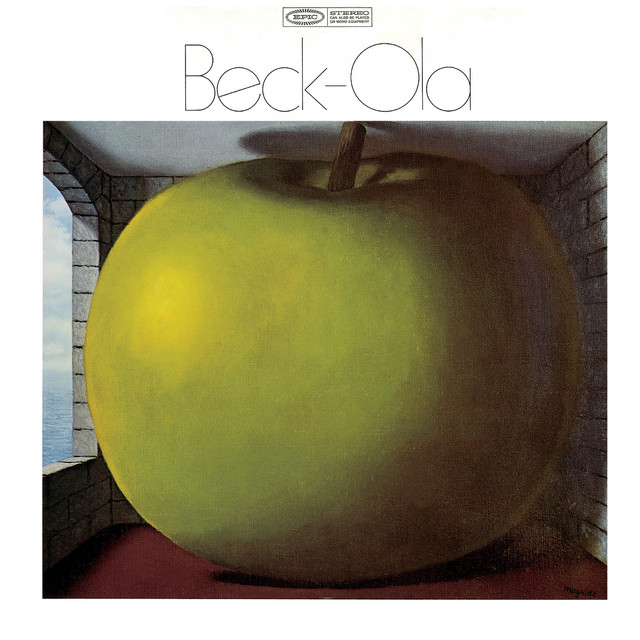
Beck-Ola
1969
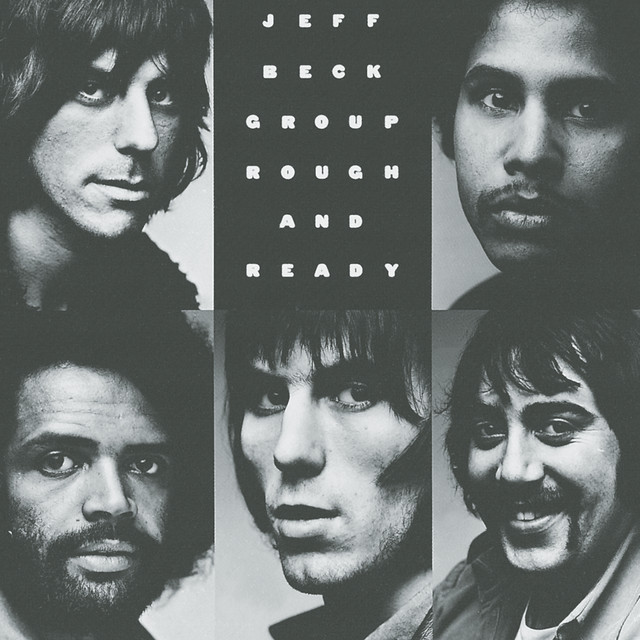
Rough And Ready
1971
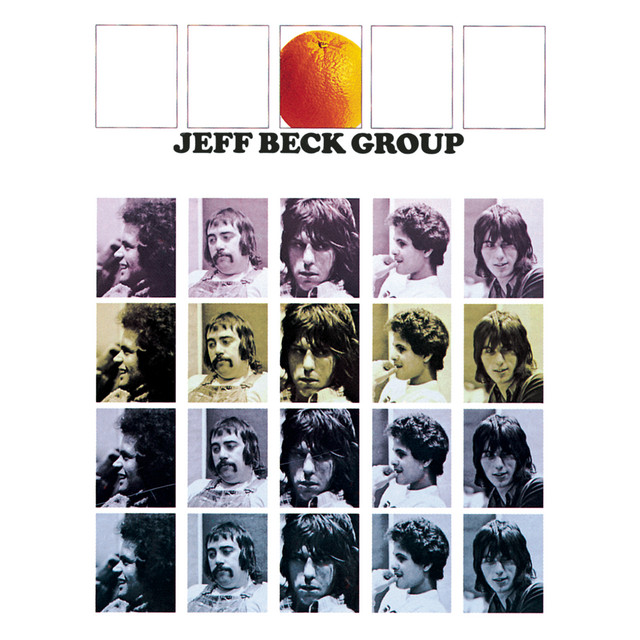
The Jeff Beck Group
1972
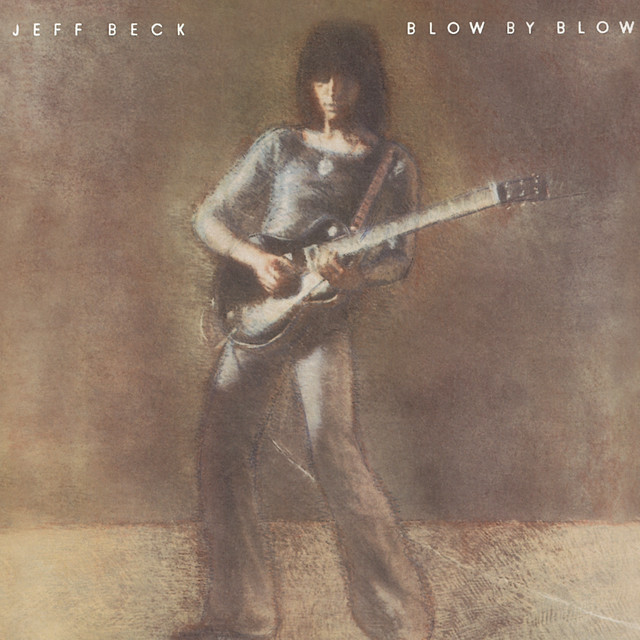
Blow By Blow
1975
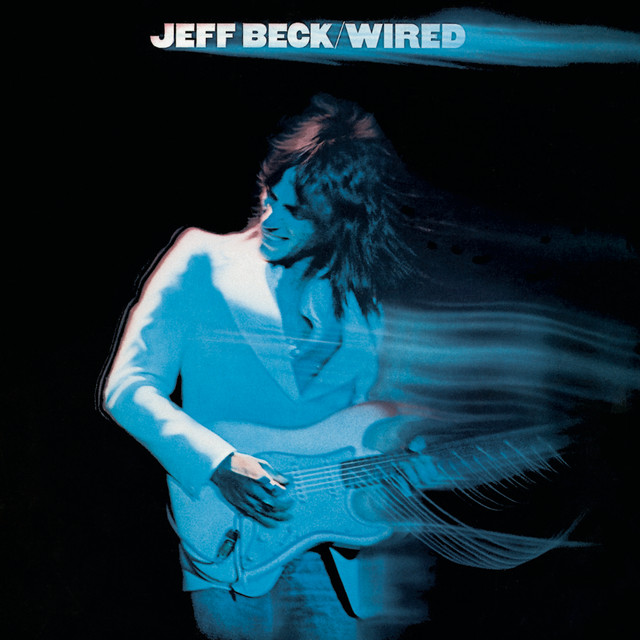
Wired
1976
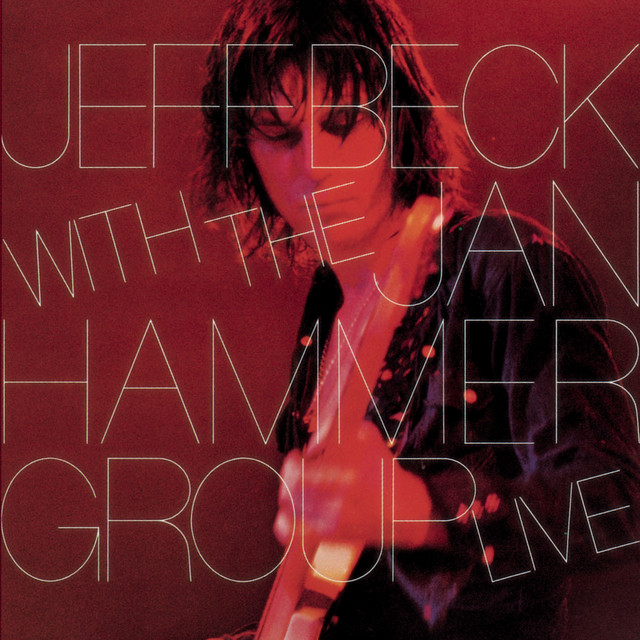
Jeff Beck With The Jan Hammer Group Live
1977
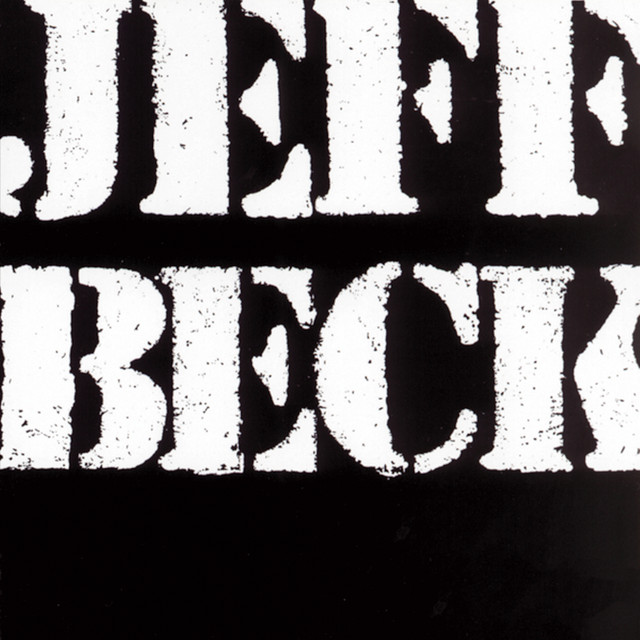
There And Back
1980
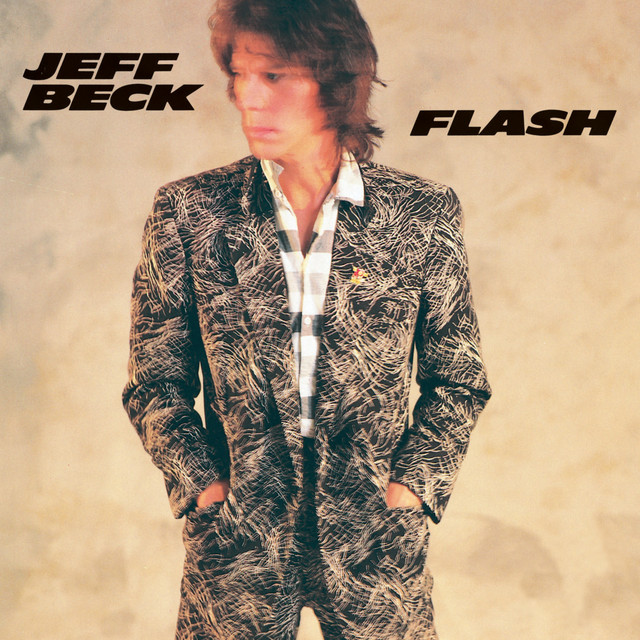
Flash
1985
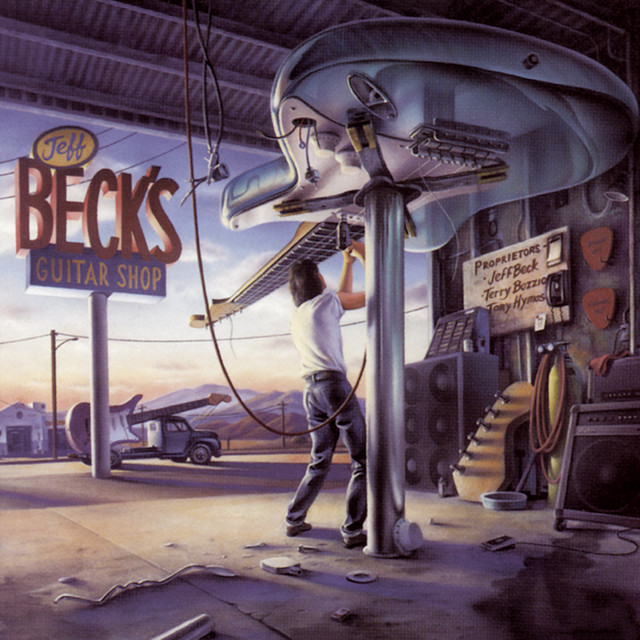
Jeff Beck's Guitar Shop With Terry Bozzio And Tony Hymas (with Terry Bozzio & Tony Hymas)
1989
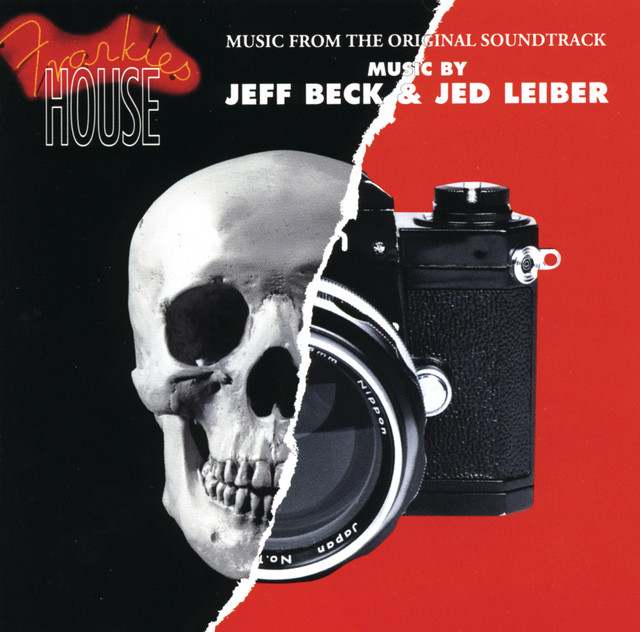
Frankie's House (Music From The Original Soundtrack)
1992

Crazy Legs
1993
Album Credits
-

My Friend Jack Eats Sugar Lumps - An Anthology
The Smoke · 2015
Producer -
Jeff Beck · 1985
Producer





.webp)