
Robin Trower
Role
Role
Robin Trower's Gear


At 2:08 in the video he shows us the Deja Vibe MDV-3. He uses a block of wood to hold in position for Bridge Of Sighs.
Find it on:


Mentioned in the July 1980 issue of Guitar Player, with the details summarized in this March 13, 2009 Gibson article.
Guitar Player, July 1980, "British Rock Guitar Veteran"
On Twice Removed From Yesterday, a song such as "I Can't Wait Much Longer" has a slow, pulsing, ethereal sound. How did you get that?
That's just a Univox Univibe [vibrato/phase unit] that does it. On the LP I also had an Arbiter Fuzz Face and a 100-watt Marshall with two 4x10s which had a very good sound until they got knocked out, and then they went very dead. Whereas with the 12s, the more you play them the better they sound.
(...) In "Victims Of The Fury," how many times do you change pickups and volumes?
I began with the Univibe on. Then when the solo begins it's just straight guitar, no effect, middle pickup full on, amp turned way up. Halfway through I switch on the wah-wah and finish off with it. You see, to me the wah-wah's a climatic thing. That's the way I use it onstage. When you want to take the song to its highest point, that's where the effect comes in. It makes the guitar sound more aggressive.
On that song, did you go direct or mike your amp?
I always mike the amps. In fact, for most of the album we had a mike about three feet away from the amp and another about five feet away, both looking down at a floor speaker. I wasn't using a stack, just one head and one cabinet. With the mikes positioned that way, we also captured ambience - using the floor as a reflective thing. But on my next album I'd like to get involved more with close miking. I've never done it before, so rather than trying to achieve an ambient sound, I want to see what I'd get from just one close mike.
What other amps and effects have you employed on your solo albums?
With exception of In City Dreams, there are only one or two tracks on all of my albums that haven't got Marshalls on them. For In City Dreams I used an amp that my electronics guy Mike built for me in the studio: a quarter amp, which would get the same sound as a Marshall. We had a lot of different effects on that album, too. For instance, that's when I started using an [Electro-Harmonix] Electric Mistress flanger. To get say, that rocket ship sound, I ran a Fender Blender [distortion/harmonics/sustain device] through the Mistress. On Caravan To Midnight I used effects in stereo. In other words, I had the output split - one to one amp, one to the other. On each split were different effects, like two or three going to one side, and two or three going to the other, so that you had the same guitar with a different sound coming from both amps. Also around this time Mike and I redid my pedalboard.
Were you having problems with it?
Well, we talked a hell of a lot about what we wanted to get out of the sounds - you know, what the problems were. The problem basically was that if you used more than a couple of pedals, you lost sound: The more pedals connected up, the more the signal died. So he invented a system whereby that wouldn't happen. Now I can have a hundred pedals in the line and there will be no difference at all. Before I got Mike, who also doctors my amps, I used to use a noise gate at the front; that didn't affect the power, but, unfortunately, I lost a lot of top end.
[Ed. Note: Robin preferred to keep the operational details of his pedalboard and amplifiers confidential.]
From your left to right, how is your pedalboard currently set up?
The first effect is a preamp that Mike built, which is on all the time. The second is another volume booster, a Dan Armstrong Red Ranger, which I use for even greater sustain. Third is my Tycobrahe wah-wah. The fourth is the Fender Blender. The fifth is the Univibe, and the sixth is a Mu-tron II. The seventh and eighth are Mistresses with different settings; the one on the left gives a double-tracking effect, while the one on the right provides more of a flanged sound. But I think I've come to a halt as far as effects go. I mean, I can just barely handle what I've got now. There's so much stuff going on that if you just started mixing them there would be a limitless number of combinations you could get.
From your pedalboard, where does the signal go?
Into a splitter box, then to my amps. I don't use a mixing board or anything when I'm live because I like to be very much in control of what's going on. Especially concerning dynamics, that's so much a part of my music that I wouldn't feel happy if someone else were controlling it. I like to be creating the sound.
Gibson, "How To Get That Robin Trower Sound", March 13, 2009
Trower’s hottest rig blasted his array of Strats through a pair of 100-watt Marshall JMP-100 Mark II heads feeding two 1960-B 4x12 cabs and had an impressive effects chain on the floor: custom preamp and clean booster pedals, a Dan Armstrong Red Ranger treble booster, a Tychobrahe wah-wah, an octave/fuzz Fender Blender, a Uni-Vibe chorus/vibrato, Mutron II phase shifter, and two Electro-Harmonix Electric Mistresses.
Find it on:


In this article with Guitar Player, Robin Trower says "I have one ’57 Strat. I gave it to Robert Fripp ages ago, but about ten years ago he said, 'I never play it, you should have it back.'"
Find it on:


Mentioned in this June 5, 2019 Music Radar interview.
“Pedals are all Fulltone stuff. At the moment I’m using the Deja’Vibe and a WahFull, which is something [Michael Fuller] built for me some years ago, basically a wah set in one position. I’m using the Clyde Wah and a combination of these three: Fat-Boost, my signature overdrive [the Robin Trower Overdrive] and the Plimsoul - any one or two of those as overdrives.
Used on album "No More Worlds to Conquer", according to interview published in November 2022 Guitar World issue.
Find it on:

Trower had several signature models released by both Fender and Fender Custom Shop between 2014 and 2020.
In this interview with Guitar Player, when asked about his studio setup for his new album, Robin Trower says "Pretty much the same as my live setup: My 100-watt Vintage Modern Marshall amps, my Signature Model Fender Stratocaster, and my Fulltone RTO overdrive and Deja’Vibe pedals."
Used on album "No More Worlds to Conquer", according to interview published in November 2022 Guitar World issue.
For guitars, it was my signature Strats, and I always use Marshalls, so no change there.
Find it on:


Mentioned in the July 1980 issue of Guitar Player, with the details summarized in this March 13, 2009 Gibson article.
Guitar Player, July 1980, "British Rock Guitar Veteran"
What other amps and effects have you employed on your solo albums?
With exception of In City Dreams, there are only one or two tracks on all of my albums that haven't got Marshalls on them. For In City Dreams I used an amp that my electronics guy Mike built for me in the studio: a quarter amp, which would get the same sound as a Marshall. We had a lot of different effects on that album, too. For instance, that's when I started using an [Electro-Harmonix] Electric Mistress flanger. To get say, that rocket ship sound, I ran a Fender Blender [distortion/harmonics/sustain device] through the Mistress. On Caravan To Midnight I used effects in stereo. In other words, I had the output split - one to one amp, one to the other. On each split were different effects, like two or three going to one side, and two or three going to the other, so that you had the same guitar with a different sound coming from both amps. Also around this time Mike and I redid my pedalboard.
Were you having problems with it?
Well, we talked a hell of a lot about what we wanted to get out of the sounds - you know, what the problems were. The problem basically was that if you used more than a couple of pedals, you lost sound: The more pedals connected up, the more the signal died. So he invented a system whereby that wouldn't happen. Now I can have a hundred pedals in the line and there will be no difference at all. Before I got Mike, who also doctors my amps, I used to use a noise gate at the front; that didn't affect the power, but, unfortunately, I lost a lot of top end.
[Ed. Note: Robin preferred to keep the operational details of his pedalboard and amplifiers confidential.]
From your left to right, how is your pedalboard currently set up?
The first effect is a preamp that Mike built, which is on all the time. The second is another volume booster, a Dan Armstrong Red Ranger, which I use for even greater sustain. Third is my Tycobrahe wah-wah. The fourth is the Fender Blender. The fifth is the Univibe, and the sixth is a Mu-tron II. The seventh and eighth are Mistresses with different settings; the one on the left gives a double-tracking effect, while the one on the right provides more of a flanged sound. But I think I've come to a halt as far as effects go. I mean, I can just barely handle what I've got now. There's so much stuff going on that if you just started mixing them there would be a limitless number of combinations you could get.
From your pedalboard, where does the signal go?
Into a splitter box, then to my amps. I don't use a mixing board or anything when I'm live because I like to be very much in control of what's going on. Especially concerning dynamics, that's so much a part of my music that I wouldn't feel happy if someone else were controlling it. I like to be creating the sound.
Gibson, "How To Get That Robin Trower Sound", March 13, 2009
Trower’s hottest rig blasted his array of Strats through a pair of 100-watt Marshall JMP-100 Mark II heads feeding two 1960-B 4x12 cabs and had an impressive effects chain on the floor: custom preamp and clean booster pedals, a Dan Armstrong Red Ranger treble booster, a Tychobrahe wah-wah, an octave/fuzz Fender Blender, a Uni-Vibe chorus/vibrato, Mutron II phase shifter, and two Electro-Harmonix Electric Mistresses.
Find it on:
-m.webp?v=1784440011)
In this interview with Guitar Player, Robin Trower says "The OCD had a good distortion but was a little trashy sounding, whereas the original FullDrive is very expensive sounding. But the FullDrive had a germanium chip that is hard to find and unreliable in heat and cold. We combined the OCD’s distortion with the original FullDrive’s rich tone."
Find it on:

In this interview with Guitar Player, Robin Trower says "I have an original ’90s Fulltone FullDrive, which I really like because it has big tone and is warm. So, I said I would like a bit of that combined with the OCD."
Find it on:

In this interview with Guitar Player, Robin Trower said "Live, I tend to have my Fulltone Robin Trower Overdrive on all the time and I clean it up with my guitar’s volume control. It cleans up nicely but still with some distortion."
Find it on:

In this interview with Guitar Player, Robin Trower says "That is just guitar into a Marshall Vintage Modern amp. On this record I am using the 50-watt Vintage Modern combo. I had been using the 100-watt version live, but I switched to the 50s because sound more musical, a bit sweeter."
Find it on:

Robin Trower uses the Fulltone Deja Vibe 2 as the first pedal in his lineup, which emulates the iconic Shin-Ei Chorus pedal famously used by Jimi Hendrix. Interestingly, Trower himself previously used the original Shin-Ei pedal. This information is noted in an article from Procolharum, documenting his performance in Bristol, UK, on May 11, 2008.
Find it on:

"Robin has been exclusively using Fulltone pedals since 1994. He favors the OCD, Distortion Pro, Fat Boost, CLYDE Deluxe Wah, Deja Vibe 2, Soul-Bender. He runs his DejáVibe before his distortion pedals to get his famous tone, was helped develop his signature Fulltone Robin Trower Overdrive in late 2008."
Find it on:

Trower used Marshall Super Lead amplifiers, according to the now-lost gear rundown by Gibson Gazette.
Trower’s hottest rig blasted his array of Strats through a pair of 100-watt Marshall JMP-100 Mark II heads feeding two 1960-B 4x12 cabs and had an impressive effects chain on the floor: custom preamp and clean booster pedals, a Dan Armstrong Red Ranger treble booster, a Tychobrahe wah-wah, an octave/fuzz Fender Blender, a Uni-Vibe chorus/vibrato, Mutron II phase shifter, and two Electro-Harmonix Electric Mistresses.
In 2026 Premier Guitar feature, Trower mentions that he purchased his first Super Lead in Manny's Music Store in New York. 2020 Guitar World feature mentions Marshall Super Lead as a part of the original gear that was used on the 1974 album "Bridge of Sighs."
Find it on:


-m.webp?v=1784439818)
In the video (@ 3:26), made on tour in 2018 Robin Trower explains that he used to use 100 watt Marshalls, but now uses the 50 watt units: the Marshall 1987X reissues. Comparing the old Marshalls to his new 50 watt ones: "I don't think they were much louder than these. These, these, these are really loud." Live, he has three. one he uses to drive two basket weave Marshall 4 x 12 cabinets with greenbacks; he uses another to drive a Marshall 4 x 12 cabinet with Vintage 30s. The third, I have to imagine is for backup.
Find it on:

In this video, at around 3:26, Robin Trower shows off his current rig for his 2018 tour. In the video, you can clearly see that the Marshall equipment that he uses is available to purchase new today! One of the cabinets he uses is a Marshall 4 x 12 1960AV, which he states are loaded with Celestion Vintage 30s speakers. Marshall does not have a current 4 x 12 cabinet loaded with Celestion Vintage 30s. This cabinet currently has Celestion G-12 Vintage speakers, which they have had for over a decade. Robin can have any speaker in his cabinets that he wants, but because of his not remembering the model numbers correctly earlier in this video: I can believe that he may be mistaken about the 30s in this case. I do not believe it would matter much because when you hear him play: you will know that it is him through any speaker!
Find it on:

In this interview with Guitar Player, Robin Trower says, "Yes I use the...Clyde Standard Wah..."
Find it on:

In this interview with Guitar Player, Robin Trower says "Yes, I use the DejaVibe..."
Find it on:

In this interview with Guitar Player, Robin Trower says "Sometimes I use his Soul-Bender fuzz."
Find it on:

In this interview with Guitar Player, Robin Trower says "Yes, I use... something Mike Fuller built for me called a Wahfull, which is like a cocked wah that you preset with a knob."
Mike Fuller discussed making the Wahfull here, saying "11 years ago I made a couple of fixed wah wah effects I called the Wahfull®… they were simply the guts from a wah wah stuffed inside a box with a knob so you could find that perfect Mid-Boost sound every time you kicked it on. Nice effect, sold a few, moved on. Last year Robin Trower called me and said he was doing some gigs with Jack Bruce and asked “Would it be possible to have a wah wah in a regular box so that one could get that “fixed wah” sound by clicking on the pedal?” So I made one up and he’s been using it ever since."
Find it on:

In this interview with Guitar Player, Robin Trower said "On this record I am using the 50-watt Vintage Modern combo. I had been using the 100-watt version live, but I switched to the 50s because sound more musical, a bit sweeter."
Find it on:

In this interview with Guitar Player, Robin Trower says, "Yes I use the… Clyde Standard Wah…"
Find it on:
-m.webp?v=1784440379)
"Trower’s hottest rig blasted his array of Strats through a pair of 100-watt Marshall JMP-100 Mark II heads feeding two 1960-B 4x12 cabs and had an impressive effects chain on the floor: custom preamp and clean booster pedals, a Dan Armstrong Red Ranger treble booster, a Tychobrahe wah-wah, an octave/fuzz Fender Blender, a Uni-Vibe chorus/vibrato, Mutron II phase shifter, and two Electro-Harmonix Electric Mistresses."
Find it on:
-m.webp?v=1784386723)
"All of those are available today as reissues, although Trower has now downsized his pedal board to a Jennings or Vox wah, a Tube Works Real Tube Overdrive, a Boss Tremolo, and a Fulltone Deja Vibe."
Find it on:

"All of those are available today as reissues, although Trower has now downsized his pedal board to a Jennings or Vox wah, a Tube Works Real Tube Overdrive, a Boss Tremolo, and a Fulltone Deja Vibe."
Find it on:


He uses Texas Special in bridge position.
Find it on:

Seen in the 0:03 video timestamp
Are you using all Fulltone pedals?
Yes, I use the DejáVibe, the Clyde Standard Wah, and something Mike Fuller built for me called a Wahfull, which is like a cocked wah that you preset with a knob. Sometimes I use his Soul-Bender fuzz. On this record, if a tone is more overdriven it is my signature overdrive, and if it is less overdriven it is either straight into the amp or the original FullDrive.
Find it on:
-m.webp?v=1784440299)
Found on Procol Harum's official webpage an article states that; "This amp head, signed by Robin Trower, was sold on eBay in June 2004 for 3,100 dollars (over 1,770 GBP). The buyer was 'provided with a letter signed by Robin Trower certifying that he used the amp onstage during one or more tours'. Below the pictures we reproduce the bidding history for those who are interested in the psychology and practices of auctionising. Typically a second-hand head of this kind might go for a quarter of that price, in good condition"
Find it on:

Mentioned in the July 1980 issue of Guitar Player, with the details summarized in this March 13, 2009 Gibson article.
Guitar Player, July 1980, "British Rock Guitar Veteran"
From your left to right, how is your pedalboard currently set up?
The first effect is a preamp that Mike built, which is on all the time. The second is another volume booster, a Dan Armstrong Red Ranger, which I use for even greater sustain. Third is my Tycobrahe wah-wah. The fourth is the Fender Blender. The fifth is the Univibe, and the sixth is a Mu-tron II. The seventh and eighth are Mistresses with different settings; the one on the left gives a double-tracking effect, while the one on the right provides more of a flanged sound. But I think I've come to a halt as far as effects go. I mean, I can just barely handle what I've got now. There's so much stuff going on that if you just started mixing them there would be a limitless number of combinations you could get.
From your pedalboard, where does the signal go?
Into a splitter box, then to my amps. I don't use a mixing board or anything when I'm live because I like to be very much in control of what's going on. Especially concerning dynamics, that's so much a part of my music that I wouldn't feel happy if someone else were controlling it. I like to be creating the sound.
Gibson, "How To Get That Robin Trower Sound", March 13, 2009
Trower’s hottest rig blasted his array of Strats through a pair of 100-watt Marshall JMP-100 Mark II heads feeding two 1960-B 4x12 cabs and had an impressive effects chain on the floor: custom preamp and clean booster pedals, a Dan Armstrong Red Ranger treble booster, a Tychobrahe wah-wah, an octave/fuzz Fender Blender, a Uni-Vibe chorus/vibrato, Mutron II phase shifter, and two Electro-Harmonix Electric Mistresses.
Find it on:

Used on Twice Removed From Yesterday, as mentioned in the July 1980 issue of Guitar Player.
On Twice Removed From Yesterday, a song such as "I Can't Wait Much Longer" has a slow, pulsing, ethereal sound. How did you get that?
That's just a Univox Univibe [vibrato/phase unit] that does it. On the LP I also had an Arbiter Fuzz Face and a 100-watt Marshall with two 4x10s which had a very good sound until they got knocked out, and then they went very dead. Whereas with the 12s, the more you play them the better they sound.
Find it on:
This is a community-built gear list for Robin Trower.
- Find relevant music gear like Guitars, Amplifiers, Effects Pedals, and other instruments and add it to Robin Trower.
- The best places to look for gear usage are typically on the artist's social media, YouTube, live performance images, and interviews.
- To receive email updates when Robin Trower is seen with new gear, follow the artist.
Discography
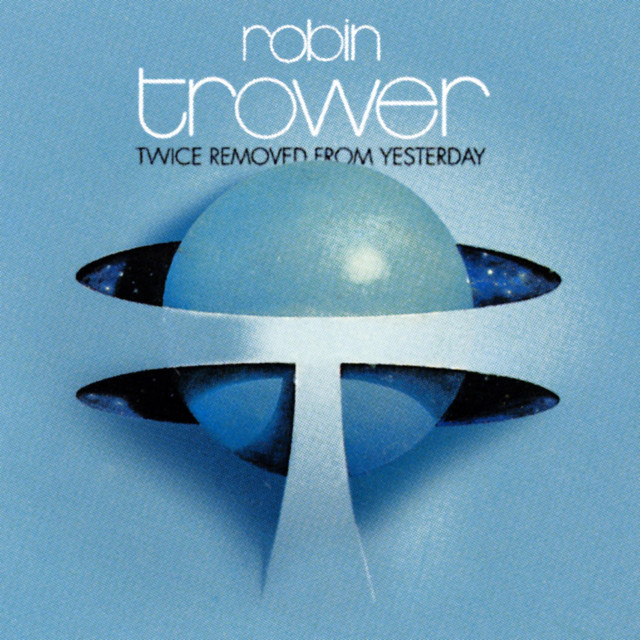
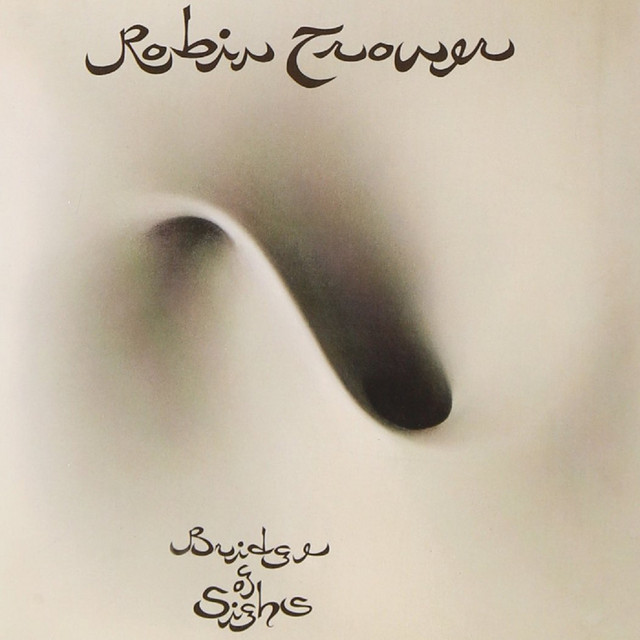
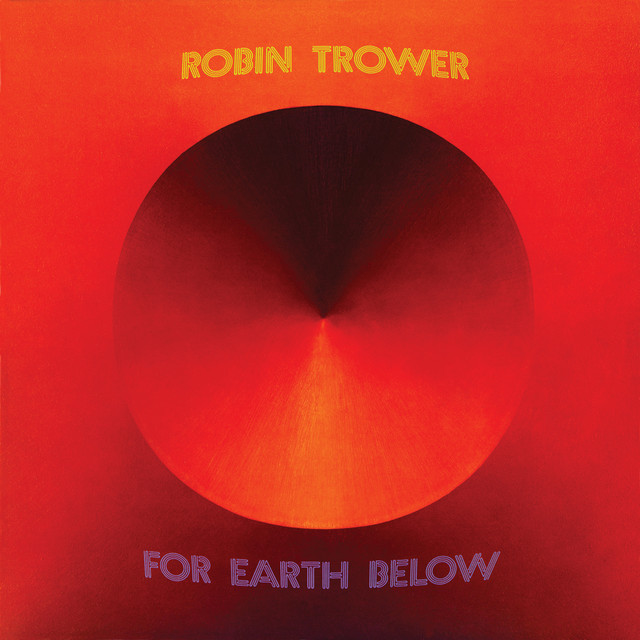
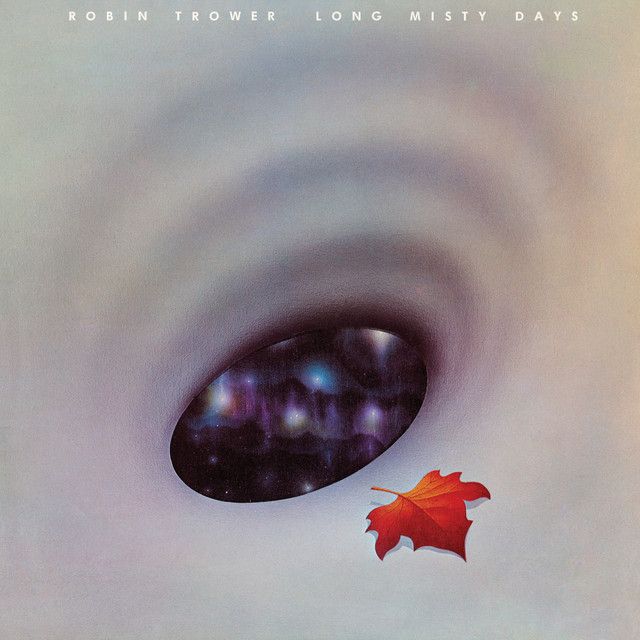
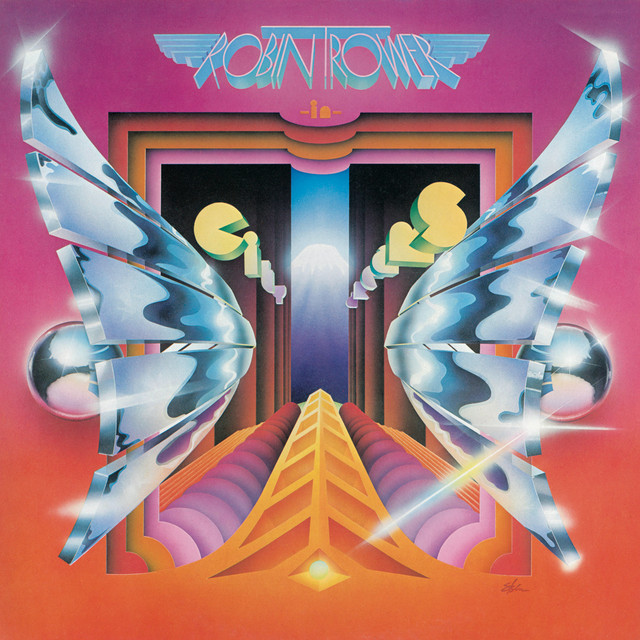
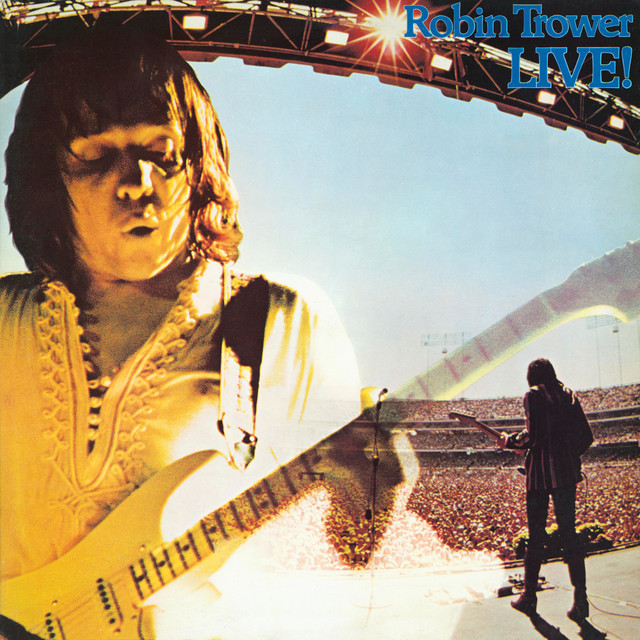
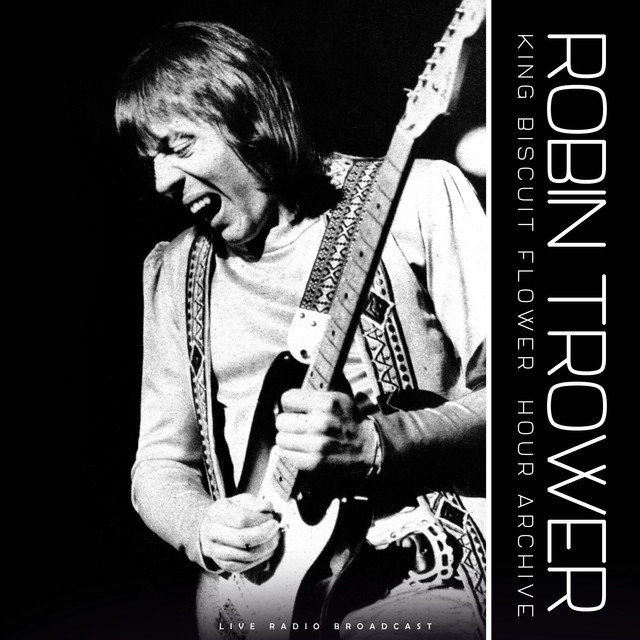
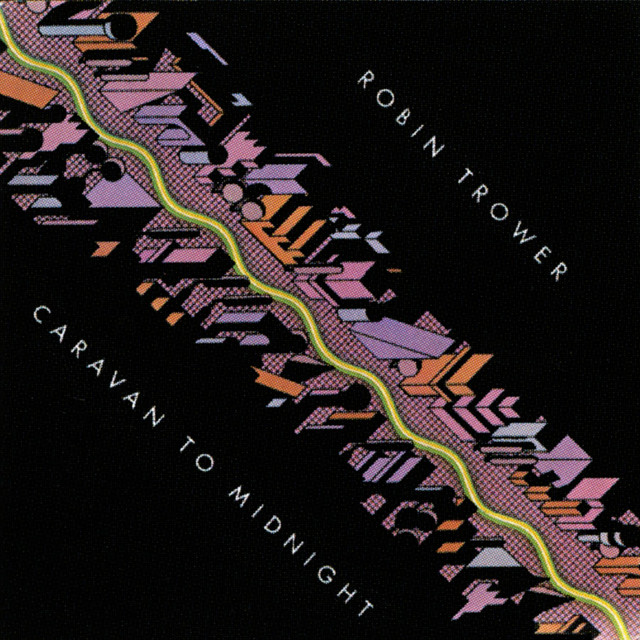
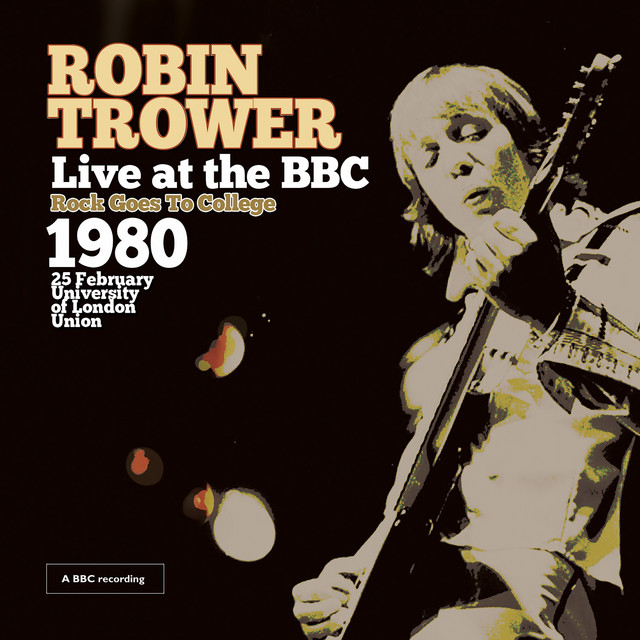
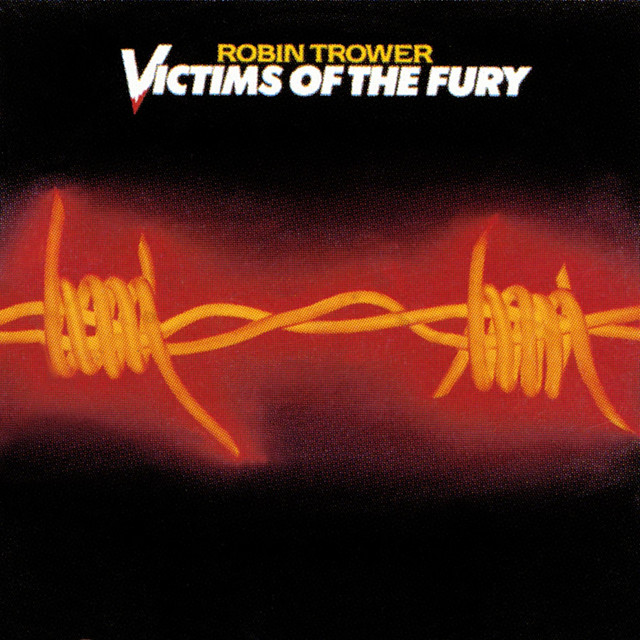
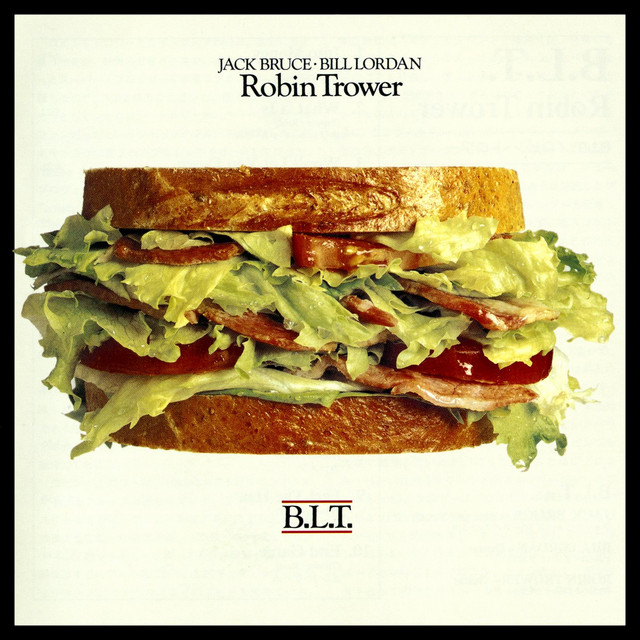
Album Credits
-
Retrospective: Selected Recordings 1973-2023
Bryan Ferry · 2024
Producer -
Bryan Ferry · 2024
Producer -
Retrospective: She Belongs to Me
Bryan Ferry · 2024
Producer -
Bryan Ferry · 2023
Producer -
A Tale Untold: The Chrysalis Years (1973-1976)
Robin Trower · 2010
Producer -
Bryan Ferry · 2002
Producer -
Bryan Ferry · 2002
Producer -
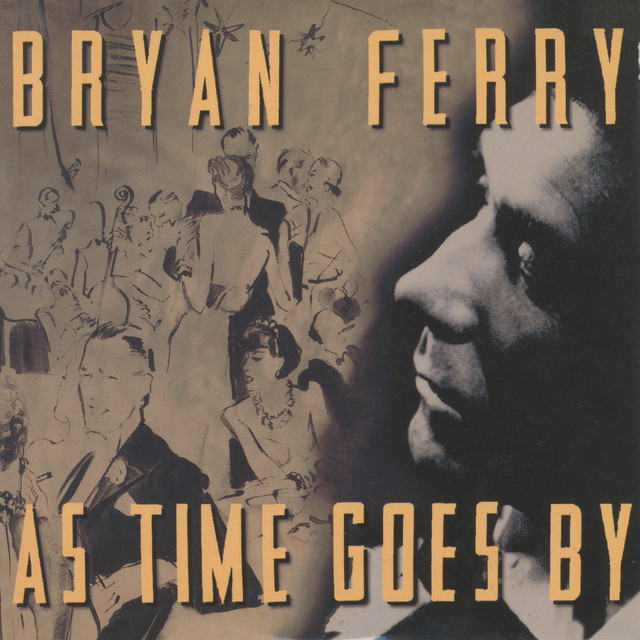
Bryan Ferry · 1999
Producer -
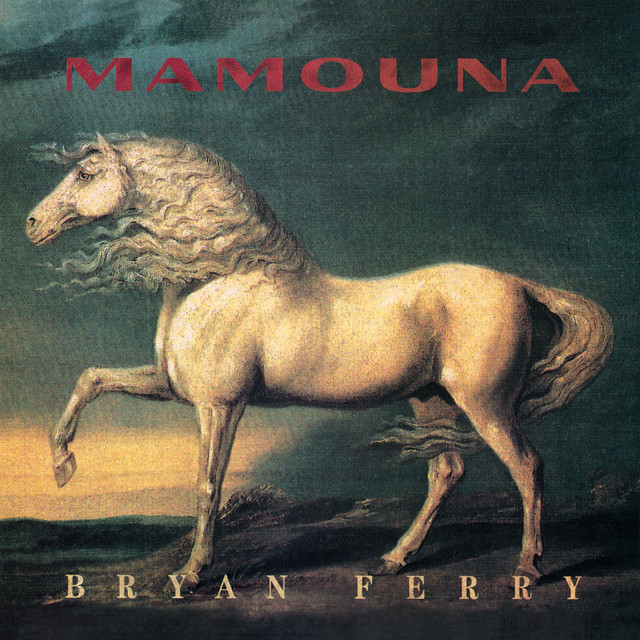
Bryan Ferry · 1994
Producer -
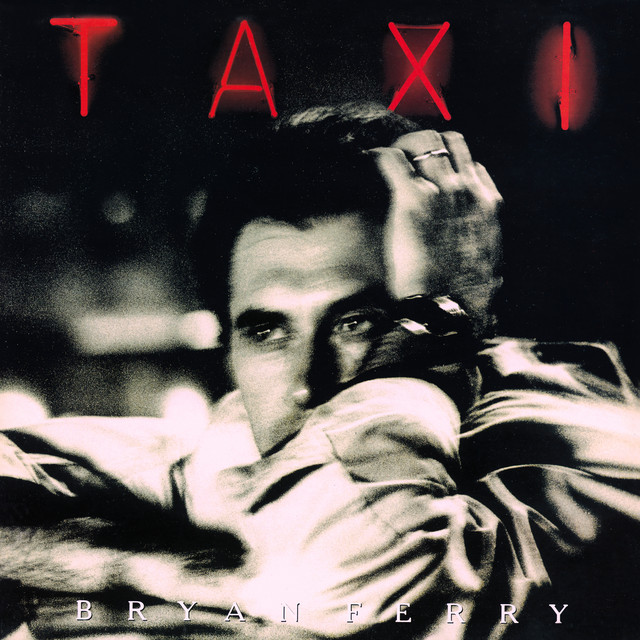
Bryan Ferry · 1993
Producer -
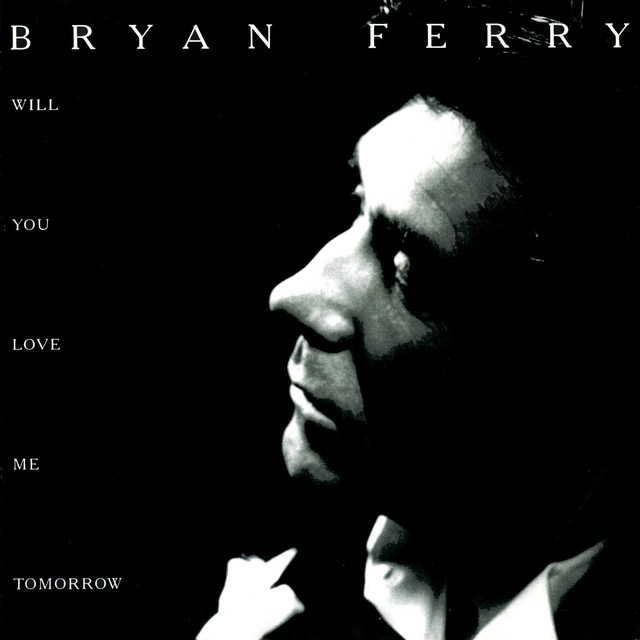
Bryan Ferry · 1993
Producer -
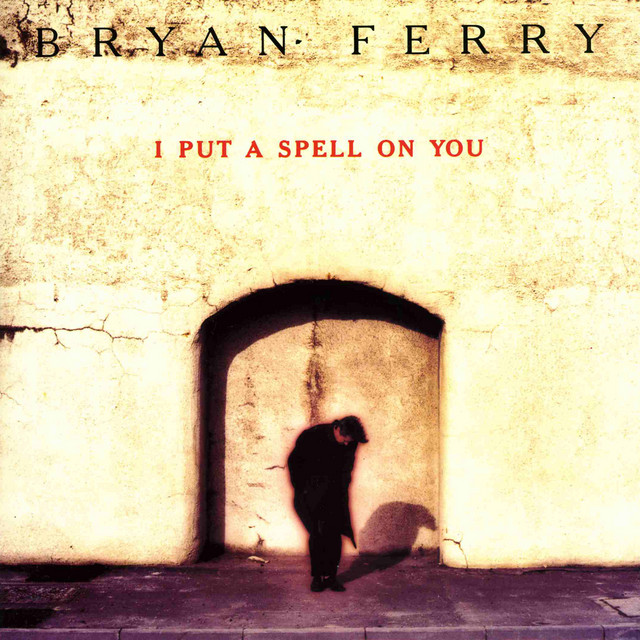
Bryan Ferry · 1993
Producer









.webp)

