
Joe Bonamassa
Credits
Credits
Joe Bonamassa's Gear


Listed on Joe's official Dunlop artist page.
Find it on:


His signature model has Burstbucker 3 in bridge position.
Find it on:


Here in the video shown, Bonamassa can be seen playing this guitar at 13:06. He bought it on guitar safari from a music shop
Find it on:


Epiphone Limited Edition Joe Bonamassa '60 Les Paul Standard "Norm Burst"
Solid Body Electric GuitarsEpiphone, the leader in affordable professional instruments presents the limited edition Joe Bonamassa 1960 Les Paul Standard “Norm Burst,” the sixth signature guitar created by Joe with Epiphone’s luthiers in Nashville, TN. The exclusive Epiphone “Norm Burst” is designed after the pristine 1960 Les Paul that Joe discovered at Norm’s Rare Guitars in Tarzana, California. The guitar features a classic Les Paul Mahogany body with a Norm Burst finish, ProBuckerTM humbuckers with 50s style wiring and a “Lifton” style case. The Epiphone Joe Bonamassa 1960 Les Paul Standard “Norm Burst” is available at Authorized Epiphone dealers worldwide.
GRAMMYTM nominee Joe Bonamassa has become world renowned as one of the most gifted guitarists of his generation. Joe is widely known as an expert and passionate collector of the original Les Paul Standard, perhaps the most coveted vintage instrument of the modern era. The original LP Standard was produced at the Epiphone and Gibson factory in Kalamazoo, Michigan from 1958-1960 in limited quantities and today, original guitars sell for $250,000 or more. The new Epiphone Joe Bonamassa 1960 Les Paul Standard “Norm Burst” is a stunning recreation of Joe’s favorite guitar, a vintage 1960 LP Standard found at Norm’s Rare Guitars.
“Norm took ownership of it in the 1980s and his staff nicknamed it the “Norm Burst,” says Joe Bonamassa. “It’s the cleanest vintage Les Paul Standard I’ve ever seen. It’s so new that the nickel pickup covers look chrome. Even the original hang tangs were still there. Acoustically, the first sample that Epiphone sent me sounded like the original. Once again, Epiphone has made a great guitar that I’m proud to have my name on.”
Find it on:


"Before the Telecaster and Nocaster, there was the Broadcaster. These guitars had a few interesting characteristics like no channel rout and a blend knob instead of a tone knob. The blend disappeared around 1952. Plus, you get flathead screws all the way around, including the truss rod!
This example is one of the lightest Broadcaster guitars I have ever played. I am lucky to own it, and is one of my cherished Fender guitars in my collection." On his website.
Find it on:

"Ash body, Bakelite parts and the best neck I have found on a 1956 Stratocaster.
“This guitar I found in Nashville a few years ago. It was being sold at a substantial loss after fetching almost $100,000 a few years ago. It still has the original receipt and pictures of the original owner. Best heard on my song, I Gave Up Everything for You, ‘Cept The Blues.” - Joe Bonamassa
Find it on:

En el minuto 36:09 puede visualizarse el conjunto de amplificadores combos que usa en vivo
Find it on:

In this Instagram post, he play this birthday gift from Jeff Kiesel, which is the Kiesel Leia 6-string guitar with the Goldtop finish.
Find it on:

Klotz came out with a signature set of cables for Joe Bonamassa including different lenghts and receptacles.
Find it on:

Joe Bonamassa has a signature series of cables with Klotz, including the Klotz Joe Bonamassa Guitar Cable 0.90m, as shown in a user-uploaded photo on Imgur.
Find it on:

Klotz came out with a signature set of cables for Joe Bonamassa including different lengths and receptacles.
Find it on:

On this page of Auralex's website, it quotes Joe Bonamassa saying, “I use Auralex Great GRAMMAS™, which are carefully engineered isolation risers that the amps sit on. You put your 4x12s on them to decouple them from the stage. You don’t get the rumble from the stage, which is sometimes hollow, sometimes not. It varies every day. The Great GRAMMAs™ make it much more consistent by taking the stage out of the equation.”
Find it on:

As mentioned on Joe Bonamassa's website, "This is a 1954 Gretsch Country Club in rare factory blonde. Even though Cadillac green is more desirable these still seem cooler. I used this 1954 Gretsch Country Club on Sloe Gin album and The Ballad of John Henry."
Find it on:

"Epiphone Broadway 1952: This is a fun guitar with the early style Epiphone electric pickups and knobs that could double on your GE stove. Epiphone, once its own stand alone company, was acquired by Gibson in 1957. The company at the time this guitar was made had just relocated to Philadelphia from New York after a labor strike. This is a great guitar for jazz and swing blues. I suggest flat wound strings on a guitar like this," Joe Bonomassa says, on his webiste.
Find it on:

"1962 Epiphone Sorrento, an early version with a bikini logo and smaller headstock. These guitars were Gibson made and used mostly Gibson hardware. The pickups are patent applied for “pafs” but are mini humbuckers and not the full size ones used on Les Pauls and ES models starting in 1957. A set of full size pafs with original covers and solder, and windings in the post Madoff era will run you in the neighborhood of 4 thousand dollars. These unfortunately are not as valuable but sound great nonetheless. (Approx. 600 for a set) This guitar has a slim neck and a brown lifton case, perfect for a gig at the Derby in Los Feliz. Pinup girl and wing tips sold separately," says Joe Bonomassa, on his website.
Find it on:

“The Francis Scott Key of Gibson Guitars… Well not quite. It’s a 1976 Gibson Bicentennial Firebird. It was made along with a series of guitars in Gibson’s line to celebrate America’s 200th birthday in the year 1976. Check out the eagle on the pick guard. Now anybody reading this in Europe with be thoroughly unimpressed for a mere 200 years is proverbial blink of an eye in terms of history. These guitars are fun and also came in black which is a bit more rare. I brought this guitar along in 2010 to Santorini and can be heard on the song “Wandering Earth” on the Black Rock album," says Joe Bonomassa, on his website.
Find it on:

"1967 Gibson Barney Kessel Custom. The model debuted in 1961 in viceroy brown and changed over the years to the color you see here known as “clown burst.” It’s a huge guitar with a longer Super 400 style headstock. Gibson discontinued the model around 1972. I purchased this guitar from the #1 guitar shop in Hamburg, Germany (the same place as I bought the “Holy Flying V”). Interesting side fact – the guitar’s design has been resurrected in recent years with the Gibson Johnny A model which is in essence a shrunken Barney Kessel. It is also important to keep in mind that Barney was a fantastic guitarist that passed away in 2004," says Joe Bonamassa, on his website.
Find it on:

"1956 Gibson ES-140t a very strange bird indeed… I bought this guitar in Ft Wayne Indiana 10 years ago because I had never laid eyes on another one or even heard of the model itself. This 3/4 scale comes with a 4 latch Lifton case that DOES NOT fit a Les Paul Model… I was pretty shattered to figure that out being original Les Paul cases are very valuable and hard to find in mint condition. This guitar rested in my living room for years as a perfect couch guitar… Loud and bright with just enough gain out of the pick up to drive a Princeton Reverb over the edge. They made these guitars in thin or thick body (example shown is a thin body) and in blonde or sunburst. Overall a fun guitar and an even more story of discovering a hidden gem in the midwest of the Americas… For the collector always enjoys the chase more than the item itself," Joe Bonamassa says, on his website.
Find it on:

"1972 Gibson Howard Roberts. A very unique guitar and part of the 1960?s thru 70?s signature model series that saw models go to Trini Lopez, Barney Kessel, Tal Farlow among others. This is a jazz guitar tried and true. The single neck pickup yields a mellow tone ideal for most music you find in the 88.1 to 89.3 range on your radio dial. Later on in the 1970?s Gibson made a Howard Roberts fusion that was smaller and had two pickups. This was most likely a response to the fusion craze that swept the music business at that time. A rare find in cherry red this guitar is certain conversation piece on any guitar geek night and jazz guitarist work horse," says Joe Bonamassa, on his website.
Find it on:

"Ever want to know what a brand new 1964 Gibson plays like? Well look no further than this absolutely mint 1964 ES -175TDN. This guitar is in new condition. I am never bashful about playing anything but this one makes me think twice. Nice low action and loves to play Starship Trooper from Yes without hesitation!!" says Joe Bonamassa, on his website.
Find it on:

Joe Bonamassa wrote on his Instagram video upload: "Some fun on my new 60's Supro Val Trol found at a pawn shop in Reno next the venue while I was out trying to find a Starbucks."
Find it on:

Joe Bonamassa playing a Gibson double neck
Find it on:


"Here's my latest single sure to burn up the hot 100. I call it "Outta Tune with an Attitude ". Enjoy! The 1959 EDS-1235N played for the first time in many years. Probably only one of a few of its kind ever made by Gibson. I'm so honored to own such a cool piece of Americana."
Find it on:

In this photo, Way Huge Ringworm Ring Modulator can be seen.
Find it on:

In this video, at about 20:02, Joe talks about how he got the guitar, and the previous owner's. The guitar was originally owned by Amos Arthur (founder and former owner of Arthur's Music Store), the guitar bounced around owners until around 2012-2013 when Joe purchased the Guitar from Norm Harris of world famous Normans Rare Guitars.
Joe also owns other 1958 Flying Vs, one of which he calls the "trash bag" and details in this video from Guitar Center.
Find it on:



This is a new release from Epiphone for Joe Bonamassa. Replica of his 1958 Gibson "Amos" Flying V. One of 91 made that year. The videos in the attached link show Joe playing and speaking to the Epiphone replica and how good it sounds.
Find it on:

Blues-rock guitar hero Joe Bonamassa, also a collector of the world’s greatest vintage guitars and amplifiers, has toured and recorded with late ‘50s “high-powered” Fender Twin amps for many years. After testing several prototypes of a prospective Fender signature model, he pronounced them “great-sounding and torturetested” and gave his approval. The new ’59 TwinAmp JB Edition combines Joe’s favorite features in a wonderful new model that is sure to appeal to JB fans, collectors and professional guitarists everywhere.
According to 2021 Premier Guitar interview, a couple of Bonamassa's Twin amps were used for "Time Clocks" sessions.
For the Time Clocks sessions, Joe used a much leaner gear selection than you might expect, especially given his cavernous collection. "In New York City, you go with what you got. There were only three amps. I had a [JB signature] high-powered Twin sent from our inventory that's still in the spare bedroom in the apartment.
Find it on:


In this youtube video Joe Bonamassa can be seen playing the epiphone es 355, which is his 6th signature model.
Find it on:

In this video from Epiphone, Joe Bonamassa discusses and demos his original Gibson 1958 Les Paul Custom, which was the inspiration for this reissue, as well the reissue from Epiphone.
Find it on:
This is a community-built gear list for Joe Bonamassa.
- Find relevant music gear like Microphones, Guitars, Amplifiers, Effects Pedals, and other instruments and add it to Joe Bonamassa.
- The best places to look for gear usage are typically on the artist's social media, YouTube, live performance images, and interviews.
- To receive email updates when Joe Bonamassa is seen with new gear, follow the artist.
Discography
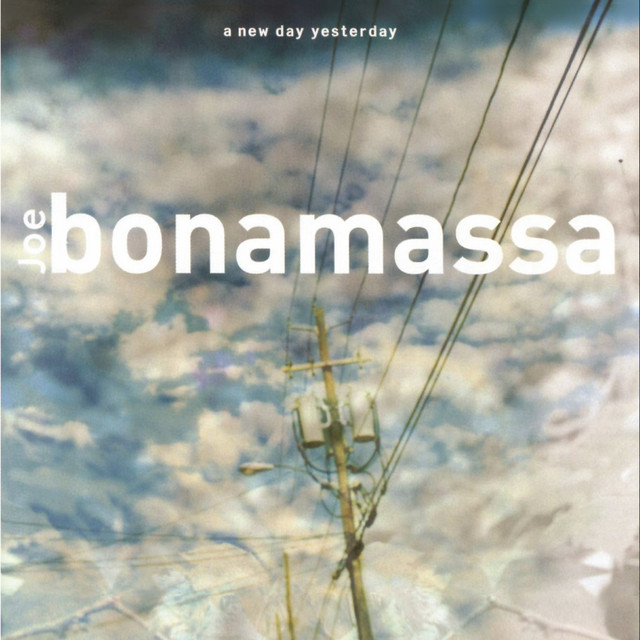
A New Day Yesterday
2000
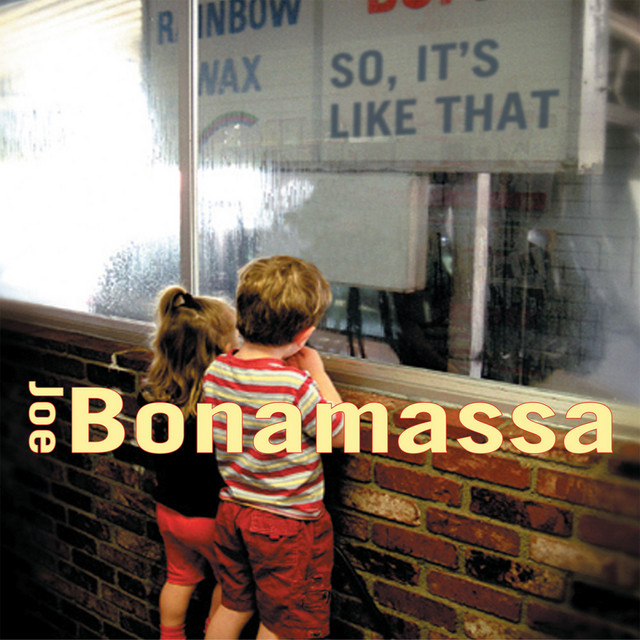
So It's Like That
2002
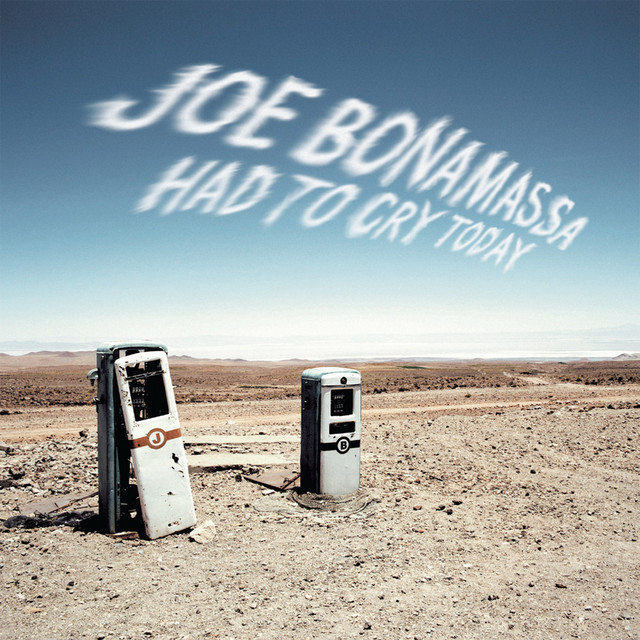
Had to Cry Today
2004
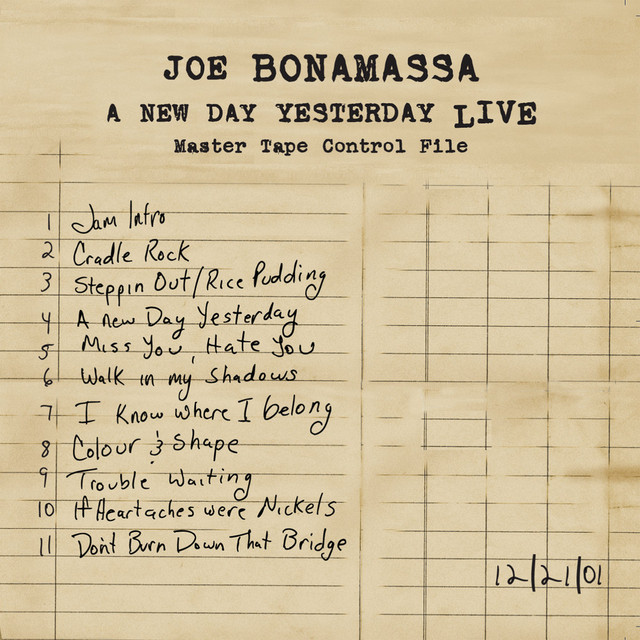
A New Day Yesterday (Live)
2005
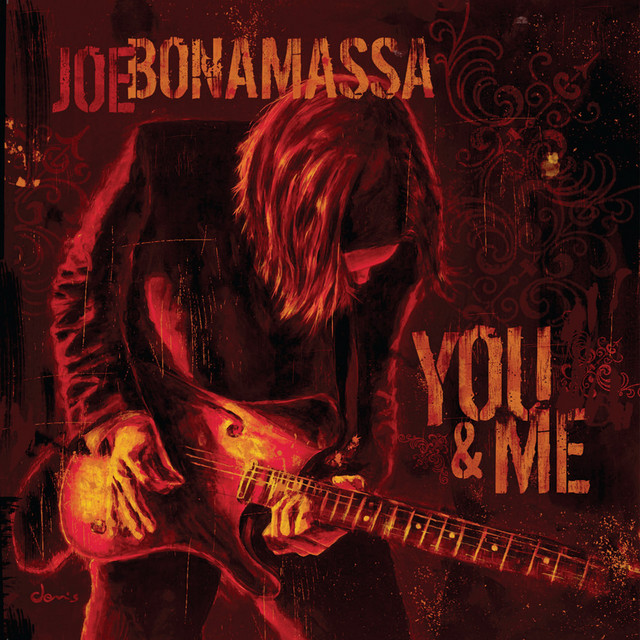
You & Me
2006
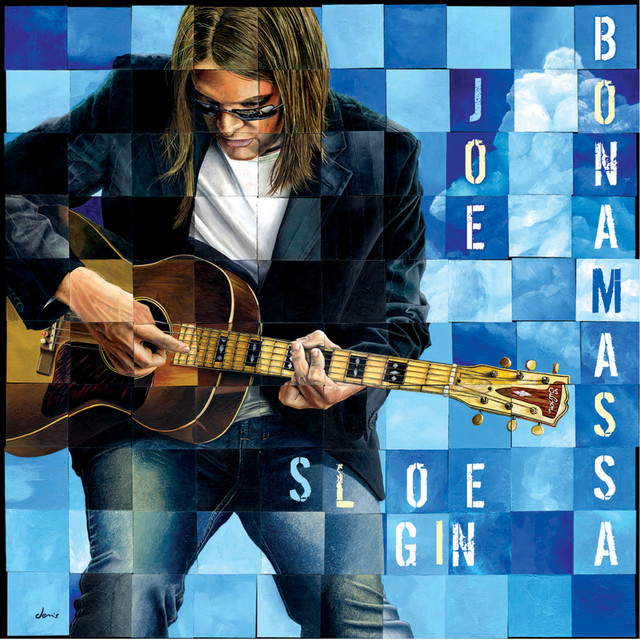
Sloe Gin
2007
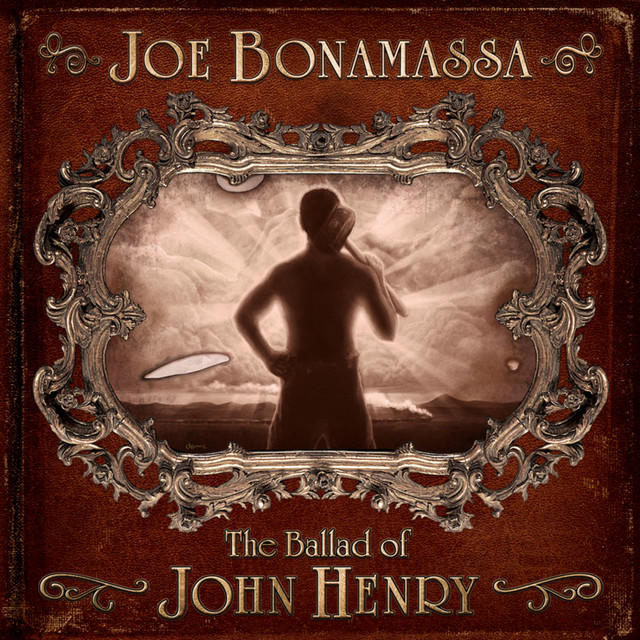
The Ballad of John Henry
2009
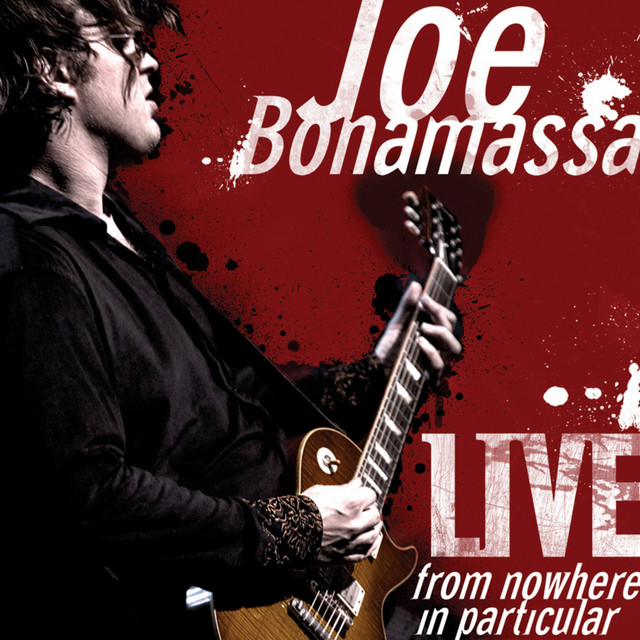
Live from Nowhere in Particular
2009
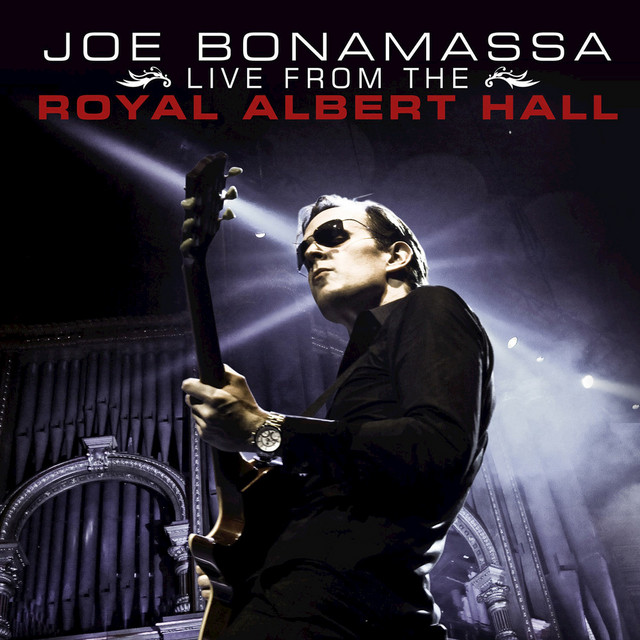
Joe Bonamassa Live from the Royal Albert Hall
2009
Black Rock
2010
Dust Bowl
2011
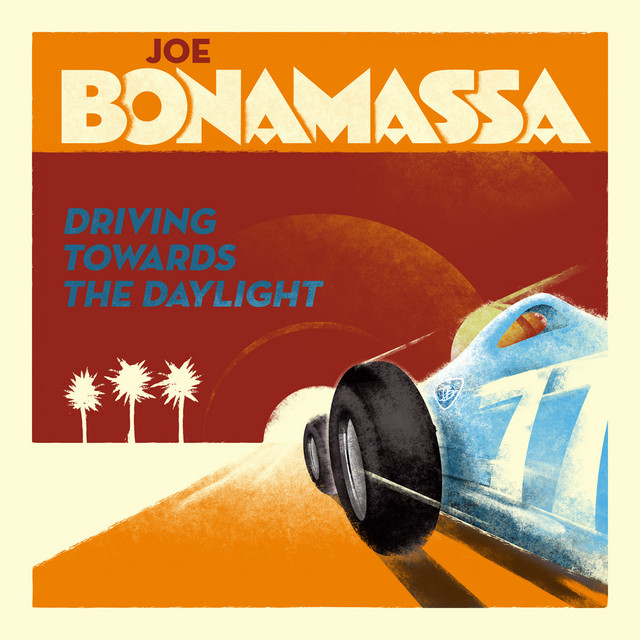
Driving Towards The Daylight
2012
Album Credits
-

Jimmy Hall · 2022
Producer -
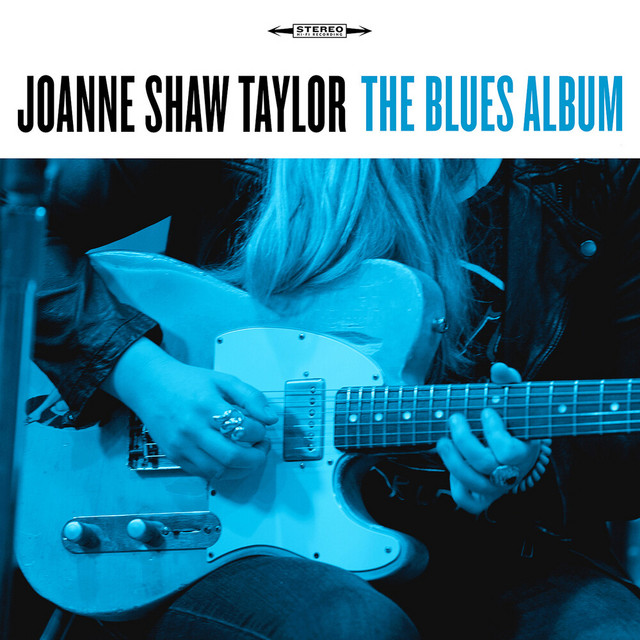
Joanne Shaw Taylor · 2021
Producer




.webp)




