Marius de Vries
Role
Genre
Group
Credits
Role
Genre
Group
Credits
Marius de Vries' Software Plugins and VSTs
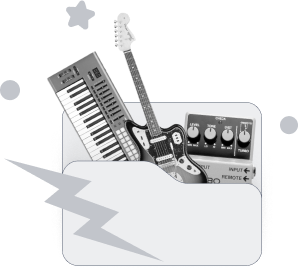


Marius de Vries is shown using the Arturia V Collection 8 in a user-uploaded photo on the Arturia website.
Find it on:


On this article, on the Arturia website, Marius de Vries claimed to use a Pigments.
Find it on:

Products Community Support
Marius de Vries
The Grammy Award-winner shares an immersive sci-fi pad for MASSIVE X. Share
Los Angeles-via-London composer Marius de Vries has had the kind of career most producers yearn for. Since the early-1990s, he’s helped shape the sounds of artists like Madonna and Massive Attack, overseen the scores and soundtracks for major motion pictures like Romeo + Juliet and La La Land, been nominated for more than five Grammys, and won two BAFTA awards. One of the secrets behind de Vries’ remarkable body of work? A workflow wedded to plugins and soft synths.
For our newest edition of Patch and Play, we sat down with the musical polymath to discuss how he uses Native Instruments in his music, how he creates film scores, and the inspiration behind his exclusive preset for MASSIVE X. Two Left Feet, blends bleepy sci-fi sensibilities with crumbling, crackling organic sounds courtesy of the synth’s two Noisetables – with a result reminiscent of an ambling robot exploring a mysterious planet’s rocky crags.
Listen to de Vries demo the patch and download it for yourself below.
You’ve been a Native Instruments user for many years – since the beginning. What was your first plug-in?
Yes, I was there from the start! I got really into Reaktor when it was called Generator in, I don’t know, 1997? Massive was a long way in the distance then. Back then, Generator was tremendously exciting; to have that complexity and configurability in the box was pretty unprecedented, and I’m really happy that 25 years later, Reaktor is still thriving and sitting there solidly underneath all the other great Native Instruments stuff. The Reaktor community is still a treasure trove of odd, imaginative, envelope-pushing goodness. It didn’t take long to meet some of the people involved in those early Native years, and I’ve enjoyed a wonderful friendship with the team and the product ever since.
The next thing that properly sold me was Absynth, which I was a fan of since I had it as a beta v0.1. I got to know Brian Clevinger, who invented it, and just loved the synth from the start. When Native Instruments picked it up – and didn’t mess it up – it was a sign of very good taste. I also used the B4 Organ II and the old FM7 all the time.
Find it on:
-m.webp?v=1783235953)
Yes, I was there from the start! I got really into Reaktor when it was called Generator in, I don’t know, 1997? Massive was a long way in the distance then. Back then, Generator was tremendously exciting; to have that complexity and configurability in the box was pretty unprecedented, and I’m really happy that 25 years later, Reaktor is still thriving and sitting there solidly underneath all the other great Native Instruments stuff. The Reaktor community is still a treasure trove of odd, imaginative, envelope-pushing goodness. It didn’t take long to meet some of the people involved in those early Native years, and I’ve enjoyed a wonderful friendship with the team and the product ever since.
The next thing that properly sold me was Absynth, which I was a fan of since I had it as a beta v0.1. I got to know Brian Clevinger, who invented it, and just loved the synth from the start. When Native Instruments picked it up – and didn’t mess it up – it was a sign of very good taste. I also used the B4 Organ II and the old FM7 all the time.
Find it on:

Yes, I was there from the start! I got really into Reaktor when it was called Generator in, I don’t know, 1997? Massive was a long way in the distance then. Back then, Generator was tremendously exciting; to have that complexity and configurability in the box was pretty unprecedented, and I’m really happy that 25 years later, Reaktor is still thriving and sitting there solidly underneath all the other great Native Instruments stuff. The Reaktor community is still a treasure trove of odd, imaginative, envelope-pushing goodness. It didn’t take long to meet some of the people involved in those early Native years, and I’ve enjoyed a wonderful friendship with the team and the product ever since.
The next thing that properly sold me was Absynth, which I was a fan of since I had it as a beta v0.1. I got to know Brian Clevinger, who invented it, and just loved the synth from the start. When Native Instruments picked it up – and didn’t mess it up – it was a sign of very good taste. I also used the B4 Organ II and the old FM7 all the time.
Find it on:

Yes, I was there from the start! I got really into Reaktor when it was called Generator in, I don’t know, 1997? Massive was a long way in the distance then. Back then, Generator was tremendously exciting; to have that complexity and configurability in the box was pretty unprecedented, and I’m really happy that 25 years later, Reaktor is still thriving and sitting there solidly underneath all the other great Native Instruments stuff. The Reaktor community is still a treasure trove of odd, imaginative, envelope-pushing goodness. It didn’t take long to meet some of the people involved in those early Native years, and I’ve enjoyed a wonderful friendship with the team and the product ever since.
The next thing that properly sold me was Absynth, which I was a fan of since I had it as a beta v0.1. I got to know Brian Clevinger, who invented it, and just loved the synth from the start. When Native Instruments picked it up – and didn’t mess it up – it was a sign of very good taste. I also used the B4 Organ II and the old FM7 all the time.
Find it on:

"Since working with Madonna and Massive Attack in the 1990s, I’m sure there hasn’t been a record I’ve made that hasn’t been full of Native Instruments’ plug-ins. Sometimes when a software is central to your process, you kind of forget it’s there – and that’s very true of me and Komplete/Kontakt. In some ways, I wish I used Kontakt a bit more deeply and could do scripting and stuff more fluently."
Find it on:

“The RISE is always plugged in, but front and center is the NI Komplete Kontrol 5 octave controller, with a big Kronos to the side of weighted key action — and an NI Maschine for pads.” His go-to DAWs and plugins include Logic, U-He, and Spectrasonics Omnisphere. He also has a collection of “old stuff like like EMS Synthi, ARP 2600, Matrix 12, MKS80, and MS20/50.”
Find it on:


For his sampling needs, Marius tends to use Logic Audio’s EXS24 sampler for simple jobs, deferring to Native Instruments’ Kontakt when a more complicated task is being undertaken. “The Logic sampler is a mainstay for a lot of my projects – because it’s simple and it does what it says on the tin. I’d go to Logic every time for straightforward sample playback. It’s less memory intensive and quicker than Kontakt, which is, however, fantastic for more sophisticated procedures. Kontakt is a far more serious instrument in terms of sample layout and manipulation, and offers much more sophisticated filtering and processing.”
Find it on:

Naturally, soft synths are also very important instruments in the Strongroom studio, and one of Marius’ favourites is the esoteric Supercollider audio synthesis programming language. “I still love it!” he says. “The only good version was the OS9 one, before they made it free, and tried to port it to OSX, and I think it’s stopped being developed now, so I have an old power book running OS9 for that. I did an electro acoustic ballet for the South Bank at the beginning of last year – Squaremap of Q4, with Spanish choreographer Rafael Bonachela – and Supercollider got used a lot for that. It’s still very much a favourite instrument. It feels vintage like the ARP feels vintage, but in a different kind of way."
Find it on:

"I often use BIAS Peak. It is sample editing software that speaks equally well to samplers and the computer, so it is like the central station from which you can grab samples from the Akais, and manipulate them in Sound Designer, Logic Audio, or Sample Cell. It almost works like a translation unit between all the different sample mediums and also gives you phenomenal control over the sound. They have a Premiere plug‑in called FX Machine, which is a marvellous modular synthesizer‑like plug‑in. It has every sort of audio manipulation imaginable under one roof — a fantastic effects unit, with a very deep architecture inside of it. I also use Recycle a lot, my one concession to the Steinberg empire."
Find it on:

Marius de Vries uses the Arturia Pigments Wavetable Synthesizer. According to Arturia, de Vries stated, "Been a long time since I got to know a soft-synth that feels so alive! Beautifully designed, original, and deep, and it sounds great."
Find it on:
This is a community-built gear list for Marius de Vries.
- Find relevant music gear like Software Plugins and VSTs, Keyboards and Synthesizers, Instruments, Studio Equipment, Headphones, and other instruments and add it to Marius de Vries.
- The best places to look for gear usage are typically on the artist's social media, YouTube, live performance images, and interviews.
- To receive email updates when Marius de Vries is seen with new gear, follow the artist.
-
Added to Equipboard on by
.jpg?v=1782968794) gchiaren
gchiarenGear IQ 37552
-
Updated
Discography
Album Credits
-

FKA twigs · 2025
Producer -
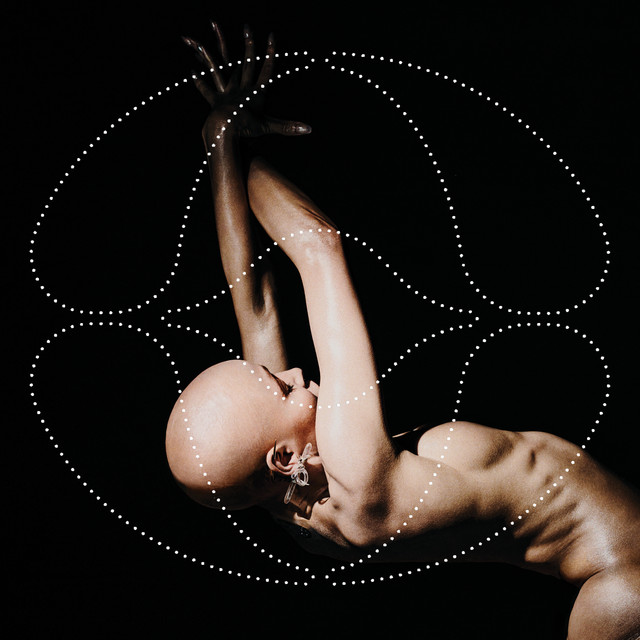
FKA twigs · 2024
Producer -
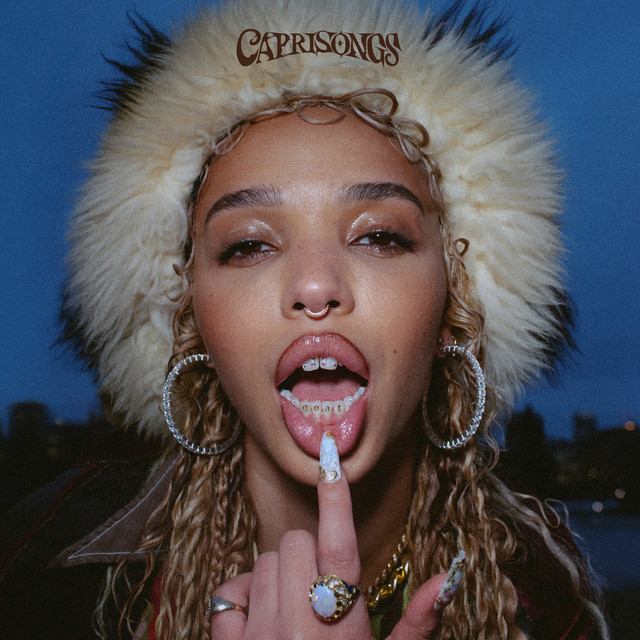
FKA twigs · 2022
Producer -
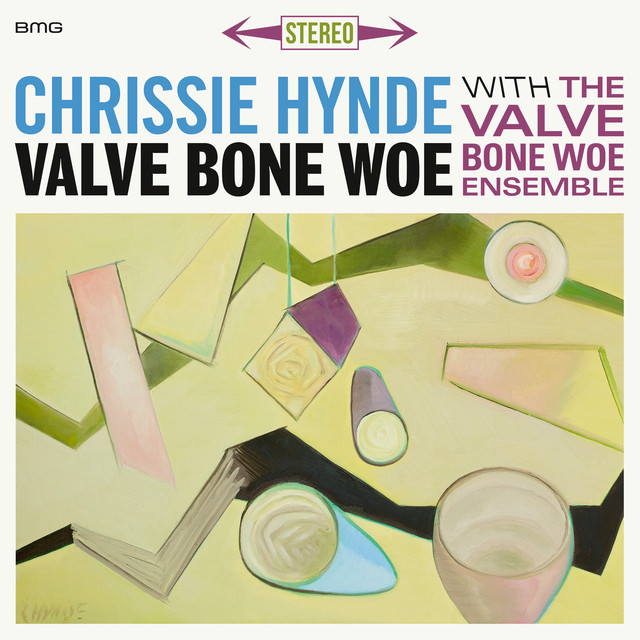
Chrissie Hynde · 2019
Producer -
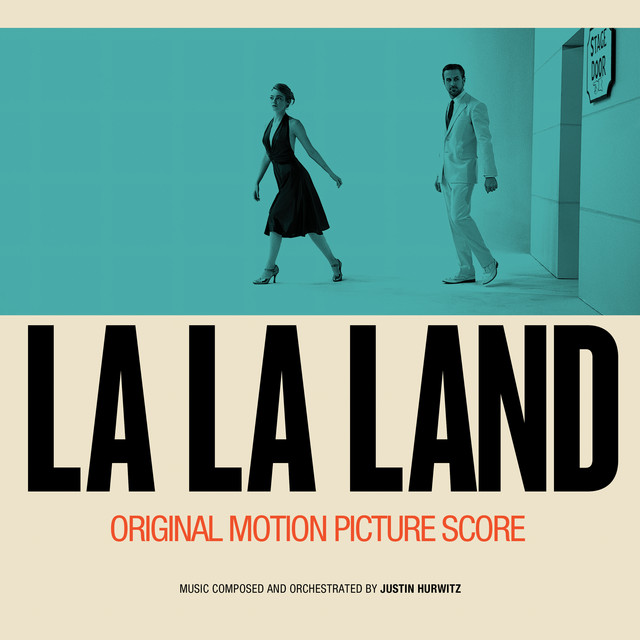
La La Land (Original Motion Picture Score)
Justin Hurwitz · 2016
Producer -

Take All My Loves - 9 Shakespeare Sonnets
Rufus Wainwright · 2016
Producer Recording Engineer -

Madonna & Madonna · 2009
Programmer -
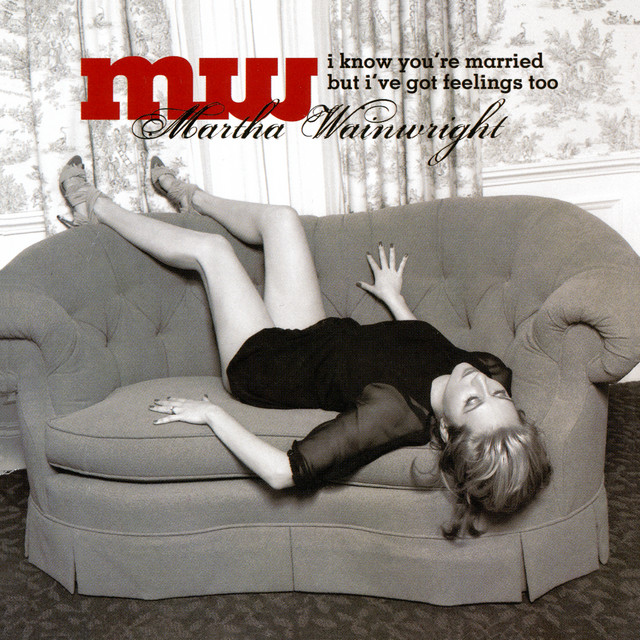
I Know You're Married But I've Got Feelings Too
Martha Wainwright · 2008
Programmer -
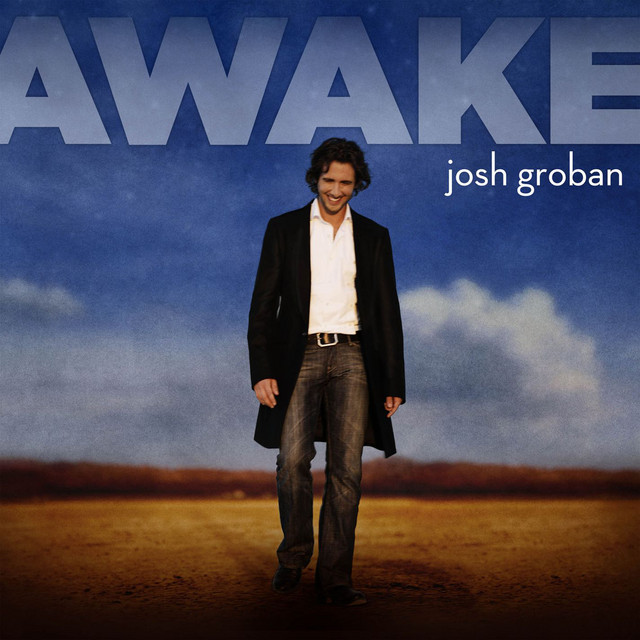
Josh Groban · 2006
Engineer Producer Programmer -
Bebel Gilberto · 2005
Producer -
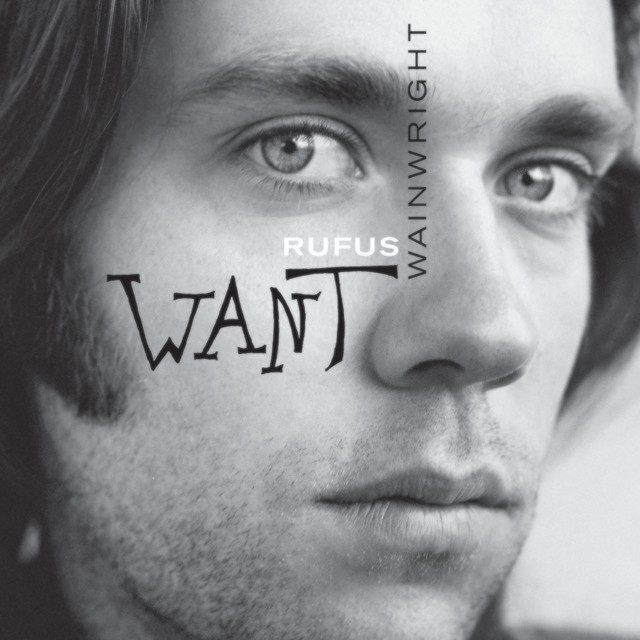
Rufus Wainwright · 2005
Producer Programmer -
David Gray · 2005
Producer