Philip Glass
US composer & pianist
Role
Genre
Credits
Role
Genre
Credits
Philip Glass' Studio Equipment


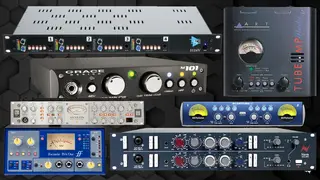
Philip Glass' Looking Glass Studios features "a 48-track G Series SSL console; Otari 2-inch, Pro Tools and Logic/G4 recording systems; and plenty of outboard boxes."
Find it on:


You’ve joined the Philip Glass Ensemble in 1974. I guess the live rig has changed a few times over all these years. Could you share with us how your setup has evolved until the latest pre-Bidule setup?
When I joined, the keyboards consisted of 3 Farfisa Mini-Compact organs. That was it. [...] Finally, the last pre-Bidule rig, initially set up in 2004, ended up consisting of a TX-816 rack, 2 TX-802s, 2 Matrix 6Rs, 5 Matrix 1000s, and a PC hosting Synthogy Ivory for piano sounds, all fed into a Pro Tools 5 system running on a Mac G4 4-slot computer housing 2 Pro Tools cards, 2 Samplecell II cards, and an instance of Soft Samplecell. The Pro Tools rig was just for mixing (no sequences or other virtual instruments or audio playback), with the hardware fed into 3 888 interfaces and the Samplecells fed directly into the TDM bus and showing up as inputs (cards) or Rewire instruments (Soft Samplecell) in Pro Tools. Performer 5.5 was used as the front end for MIDI, because Pro Tools had a problem with our Aphex trigger-to-MIDI converters, which did not (by default) send any note offs. In Pro Tools, the MIDI buffer would eventually fill up and crash Pro Tools because it was keeping track of all the note-ons without note-offs. This drove me nuts in rehearsal until I finally figured out what was going on and took Pro Tools out of the MIDI equation and all was well. I still to this day don’t use Pro Tools for any MIDI.
Find it on:

You’ve joined the Philip Glass Ensemble in 1974. I guess the live rig has changed a few times over all these years. Could you share with us how your setup has evolved until the latest pre-Bidule setup?
When I joined, the keyboards consisted of 3 Farfisa Mini-Compact organs. That was it. Over the years of my involvement, the Ensemble went through a series of migrations to new hardware. The first was the replacement of one of the Farfisas by a Yamaha YC45-D dual manual electric organ, a wonderful machine with touch sensitivity and adjustable percussive attack. After that, we added an Arp Explorer synthesizer. Next came a Sequential Circuits Prophet 5, then an Oberheim OBXa, then a Yamaha Dx7 (one of the first in the US, hand-carried back from a tour in Japan), then an Emulator I sampler (serial #002), then a Roland Juno-106 and a Roland JX3P, and an Emulator II sampler, and then, as we adopted MIDI controllers and rack modules, a Roland Super Jupiter, a Yamaha TX-816 rack and a YTX-802, several Oberheim Matrix-6R. and a number of Akai S-900 samplers, later replaced with Digidesign Samplecell I cards running on Mac IIs.
Find it on:

You’ve joined the Philip Glass Ensemble in 1974. I guess the live rig has changed a few times over all these years. Could you share with us how your setup has evolved until the latest pre-Bidule setup?
When I joined, the keyboards consisted of 3 Farfisa Mini-Compact organs. That was it. Over the years of my involvement, the Ensemble went through a series of migrations to new hardware. The first was the replacement of one of the Farfisas by a Yamaha YC45-D dual manual electric organ, a wonderful machine with touch sensitivity and adjustable percussive attack. After that, we added an Arp Explorer synthesizer. Next came a Sequential Circuits Prophet 5, then an Oberheim OBXa, then a Yamaha Dx7 (one of the first in the US, hand-carried back from a tour in Japan), then an Emulator I sampler (serial #002), then a Roland Juno-106 and a Roland JX3P, and an Emulator II sampler, and then, as we adopted MIDI controllers and rack modules, a Roland Super Jupiter, a Yamaha TX-816 rack and a YTX-802, several Oberheim Matrix-6R. and a number of Akai S-900 samplers, later replaced with Digidesign Samplecell I cards running on Mac IIs.
Find it on:

How does the new rig look like now and what do you like the most about it?
The new rig consists of 7 Mac Mini mid-2011 servers, each connected to an M-Audio ProFire 610 interface for MIDI and audio. Each player in the Ensemble has his own dedicated computer. I chose this Mini model because it has a quad-core processor and dual 500GB internal hard drives. I’m not using any server functions on it. The second internal drive is a clone of the first, maintained by Carbon Copy Cloner; whenever the machine boots up, the clone is updated and older files archived. All computers are run headless via Ethernet from a MacBook . All machines have identical software loads, except for their manual IP addresses and desktop pictures which have the computer name embedded in them so I can tell which one I’m looking at. I have written a number of custom Applescript applications as front ends for rsync to manage synchronization between machines, a subject worthy of a separate discussion, so I won’t go into that now
Find it on:
This is a community-built gear list for Philip Glass.
- Find relevant music gear like Software Plugins and VSTs, Keyboards and Synthesizers, Instruments, Studio Equipment, Headphones, and other instruments and add it to Philip Glass.
- The best places to look for gear usage are typically on the artist's social media, YouTube, live performance images, and interviews.
- To receive email updates when Philip Glass is seen with new gear, follow the artist.
Discography
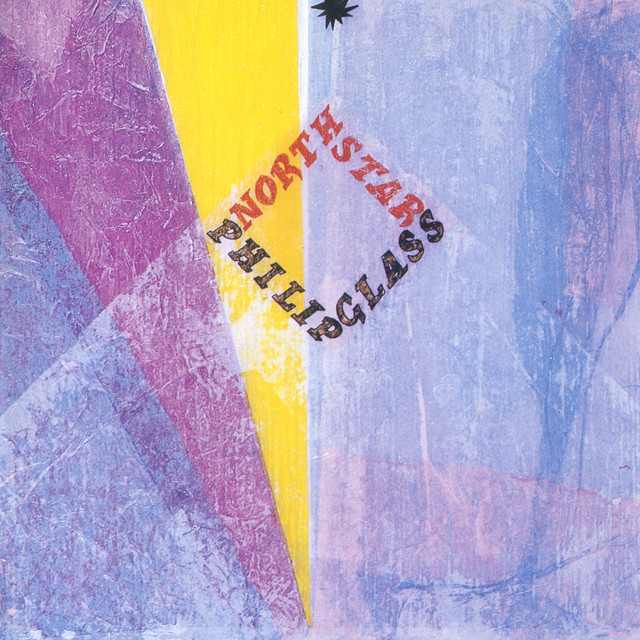
North Star
1977
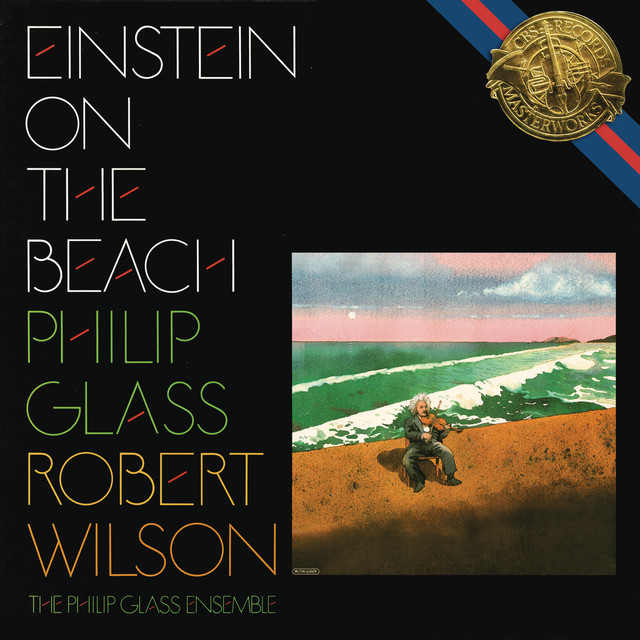
Glass: Einstein On The Beach
1979
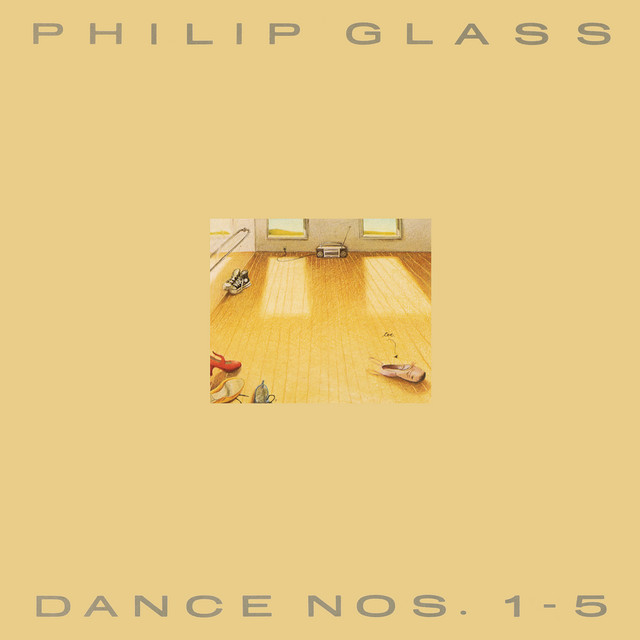
Glass: Dance Nos. 1-5
1980
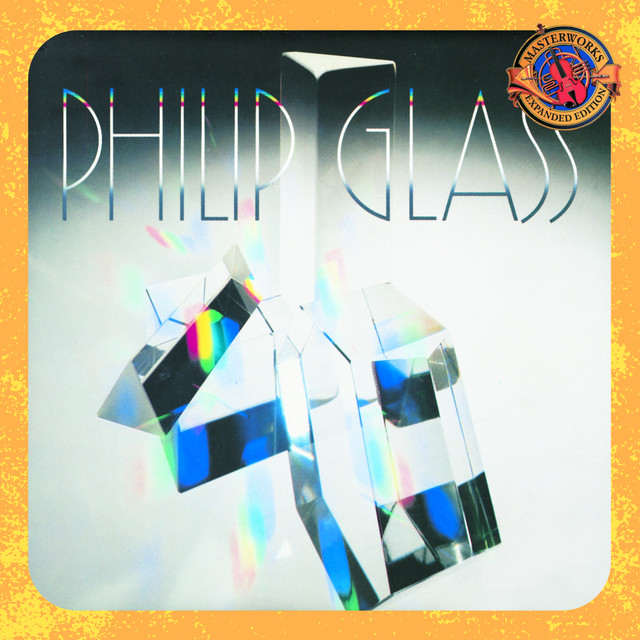
Glassworks - Expanded Edition
1982
Glassworks & Interview with Philip Glass with Selections from Glassworks
1982
Glass: The Photographer
1983
Koyaanisqatsi
1983
Glass: Satyagraha
1985
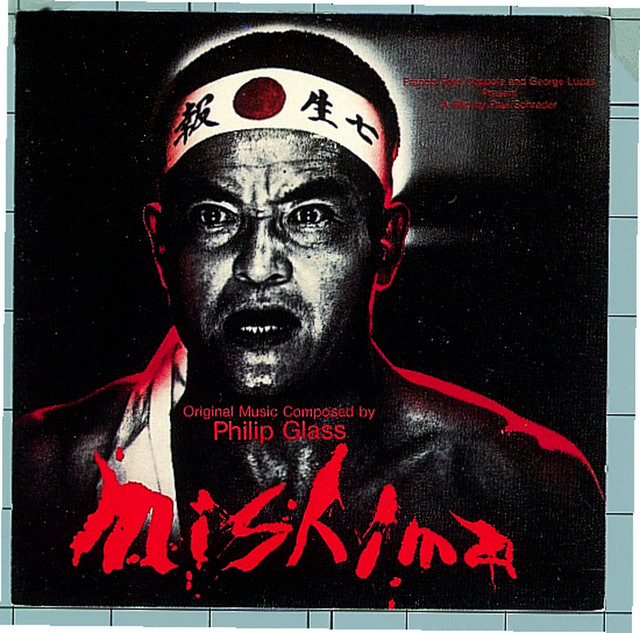
Mishima
1985
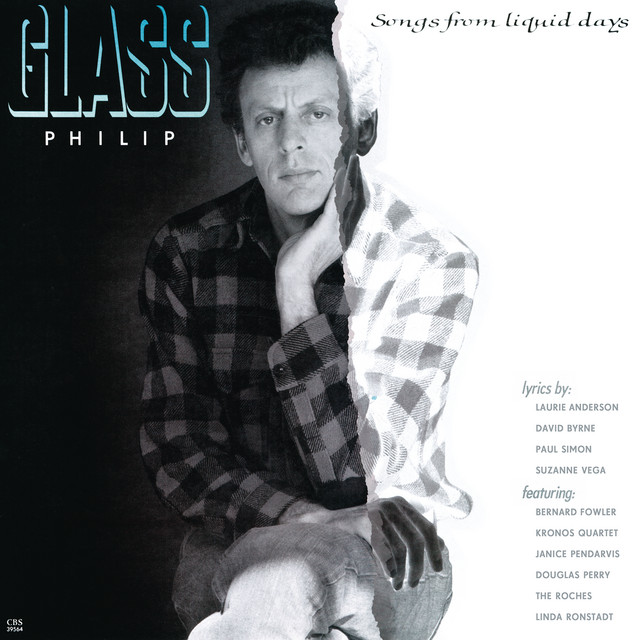
Glass: Songs from Liquid Days
1986
Glass: Dancepieces
1987
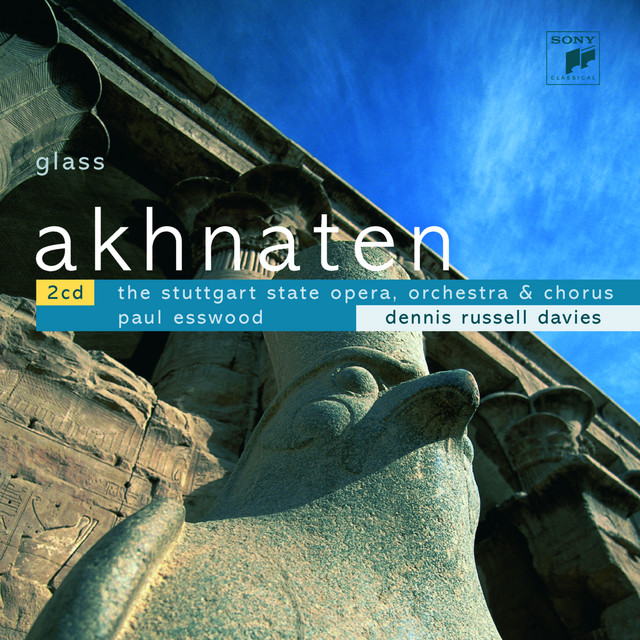
Glass: Akhnaten
1987
Album Credits
-
Philip Glass · 1989
Producer -
Ray Manzarek · 1983
Producer