This page about Apple Macintosh II is a stub. You can help improve it:


Pricing and availability




* Product prices and availability are updated by Equipboard every 24hrs and are subject to change. Equipboard may receive compensation for purchases made at participating retailers linked on this site. This compensation does not affect what products or prices are displayed, or the order of prices listed. For more information, please refer to our affiliate disclosure.


Videos

Jason's Macintosh Museum
Apple Macintosh II (1987) Start Up and Demonstration
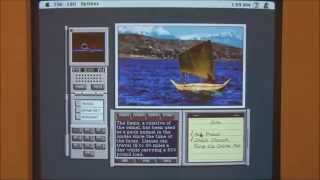
Apple Macintosh II (1987) Start Up and Demonstration
Jason's Macintosh Museum
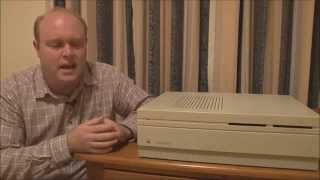
Apple Macintosh II (1987) Full Tour
Jason's Macintosh Museum
Reviews
Critic Reviews
Based on 0 Reviews and 0 Ratings
Artist usage
Add artist
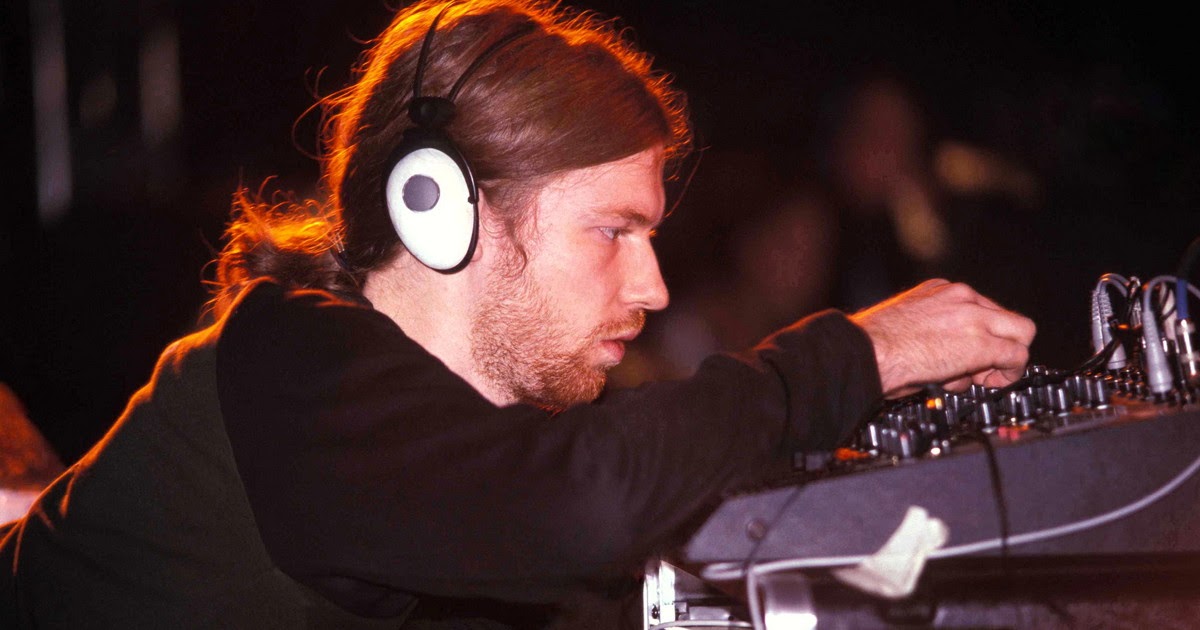
"Incredibly, when he showed us his studio, it was devoid of any and all equipment apart from an Apple Macintosh II computer running Linux and a pair of unplugged speakers."


As listed in this 1990 interview on the Music Magazine Archive


"We used S1000s; Korg T3; Juno 106; Prophet V; Voyetra Eight (best sounding poly analogue, but hard to program); DX5; Moog Source; MIDI Moog; Roland SH101 (red); Roland TR909; MT32; D110; Mac SE; Mac IIex; Sound Tools for stereo mastering, with Up Beat and Pro 4 for sequencing, though we have now changed to another sequencing package as neither of the two used previously worked correctly, a situation which I find extremely annoying."


As listed in this 1992 interview on the Music Magazine Archive


You’ve joined the Philip Glass Ensemble in 1974. I guess the live rig has changed a few times over all these years. Could you share with us how your setup has evolved until the latest pre-Bidule setup?
When I joined, the keyboards consisted of 3 Farfisa Mini-Compact organs. That was it. Over the years of my involvement, the Ensemble went through a series of migrations to new hardware. The first was the replacement of one of the Farfisas by a Yamaha YC45-D dual manual electric organ, a wonderful machine with touch sensitivity and adjustable percussive attack. After that, we added an Arp Explorer synthesizer. Next came a Sequential Circuits Prophet 5, then an Oberheim OBXa, then a Yamaha Dx7 (one of the first in the US, hand-carried back from a tour in Japan), then an Emulator I sampler (serial #002), then a Roland Juno-106 and a Roland JX3P, and an Emulator II sampler, and then, as we adopted MIDI controllers and rack modules, a Roland Super Jupiter, a Yamaha TX-816 rack and a YTX-802, several Oberheim Matrix-6R. and a number of Akai S-900 samplers, later replaced with Digidesign Samplecell I cards running on Mac IIs.


This 1988 article mentions David Sylvian using an Apple Mackintosh computer.

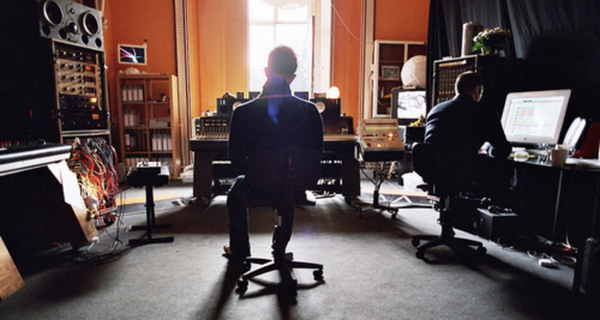
Nigel Godrich, on the right, is seen working at his Apple Macintosh II, with various other studio equipment visible in the image.


The hardware is impressive: an E-series 48-channel SSL with total recall; Westlake BBSM10 and NS10 monitors; a recently acquired Mitsubishi 850 32-track; 24-track Studer A800III; Studio 3 synchroniser; Sycologic MIDI Matrix; Studer A820 2-track; Technics DAT player; Macintosh II computers; a whole range of effects, including Lexicons, AMS, Focusrite PSU121, Teletronics LA24 limiter/compressor ("they're like gold dust. It sounds great on my voice"), SPX90s and so on.

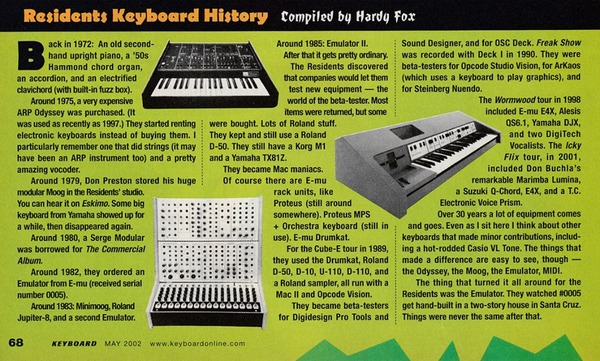
Mentioned in a May 2002 Keyboard magazine article by Hardy Fox.
For the Cube-E tour in 1989, they used the Drumkat, Roland D-50, D-10, U-110, D-110, and a Roland sampler, all run with a Mac II and Opcode Vision.


Instrument-wise, the S1000 inevitably features on the album, along with the EIII, and various other keyboards. A Mac II handles sequencing duties. "We've got a massive library for the EIII now, some great samples. We've spent 18 months sampling, so that's our main tool. We've also been using the Korg T3, and we've just got the new Roland D70, which is very good because it gives you much more of the analogue style live fader control, which is what you want. You don't want to read through manuals and alter every Partial — all that matters to the musician in the studio is that you can get the sound in your mind as quickly as possible.


"First Mac II computer arrives for new studio. Colour monitor but Apple is about the only thing that’s coloured and Peter doesn’t like the colour anyway. Only 16 colours unless extra card fitted. Design work on monitoring unit for new studio."
The Workshop Diary mentions of using the Apple II Computer.


Album Usage
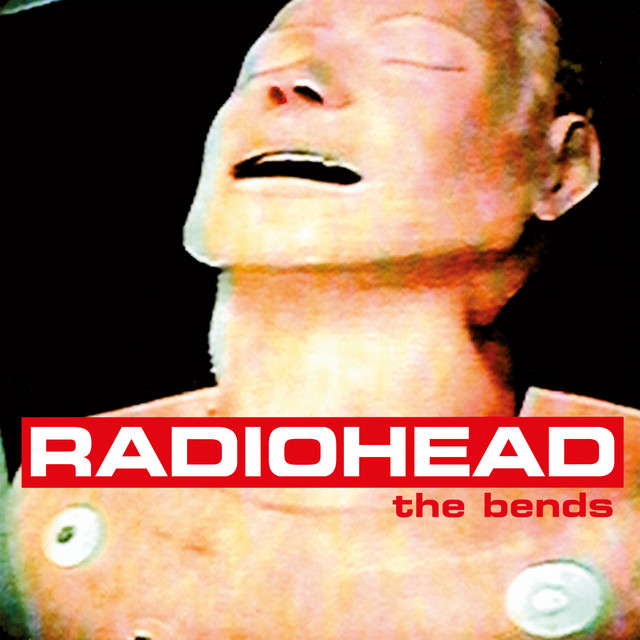
The Apple Macintosh II has been featured on the following albums:
Genre Usage
Based on how artists on Equipboard use this gear, it is most commonly found in the following genres.
Used With
Based on how musicians on Equipboard use Apple Macintosh II, it is most commonly used with the following gear.




More Apple Computers & Peripherals

$1,319.55
in Computers & Peripherals Rank


$69.59 - $79.00
in Computers & Peripherals Rank


$54.99
in Computers & Peripherals Rank


$579.99 - $799.00
in Computers & Peripherals Rank


$83.83 - $99.00
in Computers & Peripherals Rank


$109.99 - $129.99
in Computers & Peripherals Rank


$1,299.00
in Computers & Peripherals Rank


$85.39
in Computers & Peripherals Rank


$1,488.71 - $1,999.00
in Computers & Peripherals Rank


$87.00 - $199.00
in Computers & Peripherals Rank


$1,399.00 - $1,569.99
in Computers & Peripherals Rank


$499.00
in Computers & Peripherals Rank
.png?v=1784580320)


$22.00
in Computers & Peripherals Rank


$334.00 - $334.99
in Computers & Peripherals Rank

$4,699.00 - $4,999.00
in Computers & Peripherals Rank


$999.00 - $1,151.81
in Computers & Peripherals Rank


$279.99
in Computers & Peripherals Rank


$1,354.57 - $1,599.00


-m.webp?v=1784335371)


Community setups


Similar


Gear Guides







Most Popular Computers & Peripherals
Most Popular Brands
-
Added to Equipboard on by
 marchbuilding
GearIQ 3033
-


