Simon Climie
Role
Genre
Group
Credits
Role
Genre
Group
Credits
Simon Climie's Gear


BOTH CLIMIE AND Fisher have their own separate home set-ups. These have Fostex B16's, A&H mixing desks and recently acquired D50's in common, but very little else. Climie works mainly with the Sequential Studio 440 linked to a Macintosh run Performer sequencing program, while Fisher prefers the Atari based Steinberg Pro24 driving a combination of DX7, TX802, Akai S900 and LinnDrum. Between them they also have a full complement of effects including the Roland SRV2000 ("thoroughly recommended") and the Yamaha REX50.
Find it on:


Excerpt from interview:
How do Sonnox plug-ins fit into your productions?
I’ve been using Sonnox for quite some time, but since they’ve been 32-bit / 64-bit, I’ve really noticed a massive sonic difference. They really have overtaken the best analogue equivalent now. For instance last year Eric and I produced The Breeze - an Appreciation of JJ Cale – among others Guest Artists we had Tom Petty and John Mayer sharing lead vocals with Eric. So a classic JJ Cale trick would be to put a stereo compressor across all the vocals and pull them forward. In Pro Tools, I would have a backing vocal bus which is often a good idea, but also I had a bus dedicated to the two lead vocals, panned slightly left or right and I then used the Sonnox Dynamics & EQ, stereo linked to just hold everything in place and fine tune the EQ. It’s really quite fantastic what you can do with it. I would say 50% of a really great record, has to be the vocals.
With the Eric Clapton project, you did surround and stereo?
Yes. Check out the Blu-ray if you can! The Surround is stunning, especially at 32-bit / 96kHz. On this project, we effectively built a Sonnox Oxford ‘console’ in the box by using the bussing within Pro Tools. I had all the tracks routed to one 5.1 buss, and across that I created what felt like a Classic Neve Surround Summing Mixer, using the Full Oxford Dynamics, GML EQ, and then finally the Oxford Limiter, which is really quite an incredible tool.
It’s great to have the GML Option for more sophisticated EQing, but all of the settings have their own benefits. Type 1 is more like an SSL 4000 for instance, Type 2 you can pull out frequencies such at those on toms. Type 3 is more like a Neve to my ear and I think of Type 4 as Mastering.
Finding the Magic frequency
All singers have a magic frequency and some have more than one. So for instance Tom Petty is more mid-range. Michael McDonald has some wonderful overtones, so 12k is always going to bring out the air. This all depends on the key, recording microphone, EQ etc. But as a rule you can usually find that frequency and bring out the character of the voice. One of the most useful things with the Sonnox EQ is how you can grab a frequency and fine-tune it with the mouse to look for that magic spot.
Sonnox Mixer in the Box
Sometimes I get great results by splitting the outputs of Pro Tools in pairs through a studio console, or a summing mixer then inserting EQ and compression across the master buss. But if you don’t have the luxury of a $250k console, you can re-create this using Sonnox in the Box. Let’s say for example I’ve got 16 busses on a surround project, I can literally put Sonnox EQ on every one of those busses (as opposed to master faders if summing externally). Then by linking them together and adding a shelf @ 12kHz, I can add a little bit of presence. Because the EQ’s are linked on parallel busses, when you sweep through parameters on one, it’s automatically mirrored on all the others. This is a brilliant feature so you don’t have to do so much individually EQing ( helps phase coherence too.) Then for the final ‘icing on the cake’ I usually group all of those master busses together and put a VCA across that group. This becomes the equivalent of your master fader on a console - then with one touch you can control how much you’re effectively pushing into the Sonnox ‘mixer’ that you’ve made. In essence, I effectively recreate a vintage Neve mixer and outboard inside Pro Tools, using only Sonnox plug-ins! This is very useful if you’re mixing an entire album or show - when it comes to matching track levels.
Find it on:


Excerpt from interview:
How do Sonnox plug-ins fit into your productions?
I’ve been using Sonnox for quite some time, but since they’ve been 32-bit / 64-bit, I’ve really noticed a massive sonic difference. They really have overtaken the best analogue equivalent now. For instance last year Eric and I produced The Breeze - an Appreciation of JJ Cale – among others Guest Artists we had Tom Petty and John Mayer sharing lead vocals with Eric. So a classic JJ Cale trick would be to put a stereo compressor across all the vocals and pull them forward. In Pro Tools, I would have a backing vocal bus which is often a good idea, but also I had a bus dedicated to the two lead vocals, panned slightly left or right and I then used the Sonnox Dynamics & EQ, stereo linked to just hold everything in place and fine tune the EQ. It’s really quite fantastic what you can do with it. I would say 50% of a really great record, has to be the vocals.
I also just finished mixing Slowhand at 70, Eric’s live shows from the Royal Albert Hall. The big issue with live shows is always the huge amounts of leakage on the stage mics. In the old days, you’d really have trouble with a conventional console, trying to get that to sound good, because so much goes through the actual lead vocal mic. Now, I have a real secret weapon - the Sonnox Dynamics. This is an incredible tool for filtering in an intuitive way, and I don’t mean just gating. With Sonnox Dynamics, you have limitless possibilities with Range and ADSR on the Expander to let as little or as much through as you want on any instrument before you compress or limit anything.
With the Eric Clapton project, you did surround and stereo?
Yes. Check out the Blu-ray if you can! The Surround is stunning, especially at 32-bit / 96kHz. On this project, we effectively built a Sonnox Oxford ‘console’ in the box by using the bussing within Pro Tools. I had all the tracks routed to one 5.1 buss, and across that I created what felt like a Classic Neve Surround Summing Mixer, using the Full Oxford Dynamics, GML EQ, and then finally the Oxford Limiter, which is really quite an incredible tool.
Find it on:

Excerpt from interview:
With the Eric Clapton project, you did surround and stereo?
Yes. Check out the Blu-ray if you can! The Surround is stunning, especially at 32-bit / 96kHz. On this project, we effectively built a Sonnox Oxford ‘console’ in the box by using the bussing within Pro Tools. I had all the tracks routed to one 5.1 buss, and across that I created what felt like a Classic Neve Surround Summing Mixer, using the Full Oxford Dynamics, GML EQ, and then finally the Oxford Limiter, which is really quite an incredible tool.
Find it on:

Excerpt from interview:
The Inflator is another secret weapon. A lot of DJs like this and I’m not surprised! Say you have synth part that’s a bit dull and lifeless, rather than using conventional EQ, I often try the Inflator. I guess it’s somewhere between tape saturation and compression. It’s like the energy and lift you’d get with great outboard. It’s a mystery what it actually does, but I love the results! It’s just incredibly good at bringing out the character of a sound.
Find it on:

BOTH CLIMIE AND Fisher have their own separate home set-ups. These have Fostex B16's, A&H mixing desks and recently acquired D50's in common, but very little else. Climie works mainly with the Sequential Studio 440 linked to a Macintosh run Performer sequencing program, while Fisher prefers the Atari based Steinberg Pro24 driving a combination of DX7, TX802, Akai S900 and LinnDrum. Between them they also have a full complement of effects including the Roland SRV2000 ("thoroughly recommended") and the Yamaha REX50.
Find it on:

BOTH CLIMIE AND Fisher have their own separate home set-ups. These have Fostex B16's, A&H mixing desks and recently acquired D50's in common, but very little else. Climie works mainly with the Sequential Studio 440 linked to a Macintosh run Performer sequencing program, while Fisher prefers the Atari based Steinberg Pro24 driving a combination of DX7, TX802, Akai S900 and LinnDrum. Between them they also have a full complement of effects including the Roland SRV2000 ("thoroughly recommended") and the Yamaha REX50.
Find it on:
This is a community-built gear list for Simon Climie.
- Find relevant music gear like Studio Equipment, Software Plugins and VSTs, Headphones, and other instruments and add it to Simon Climie.
- The best places to look for gear usage are typically on the artist's social media, YouTube, live performance images, and interviews.
- To receive email updates when Simon Climie is seen with new gear, follow the artist.
Album Credits
-
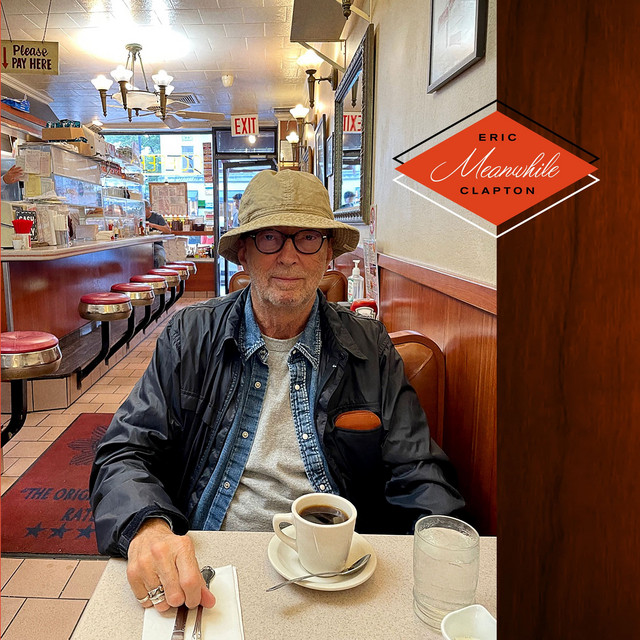
Eric Clapton · 2024
Producer -
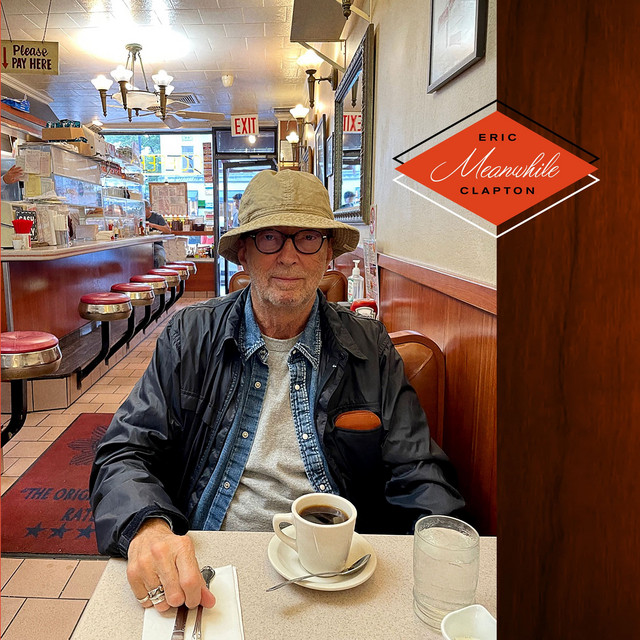
Eric Clapton · 2024
Producer -
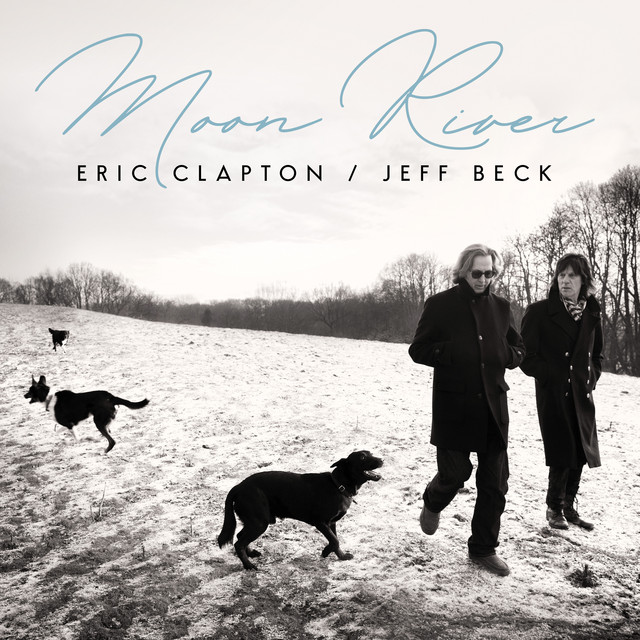
Jeff Beck & Eric Clapton · 2023
Producer -
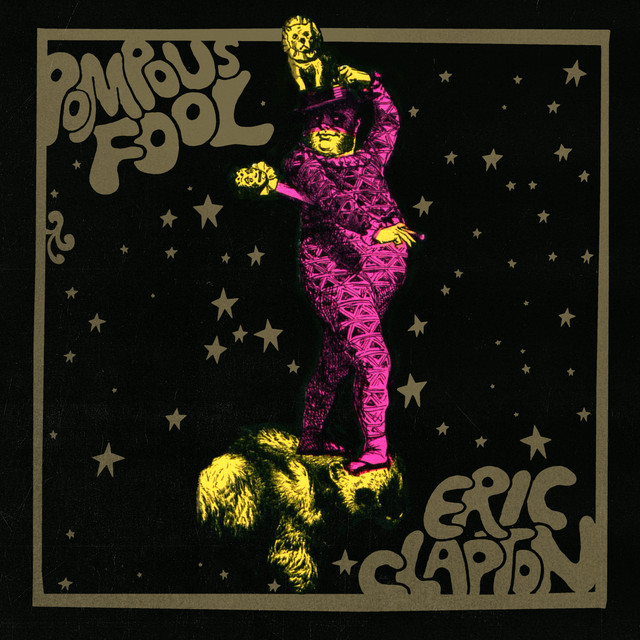
Eric Clapton · 2022
Producer -
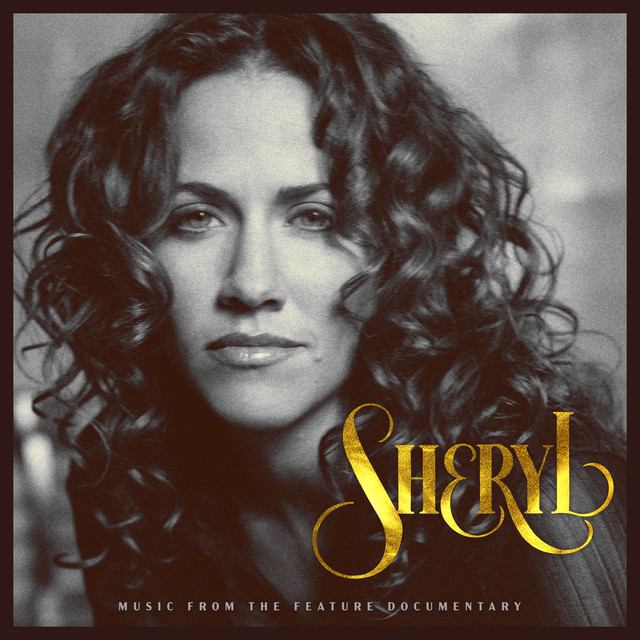
Sheryl: Music From The Feature Documentary
Sheryl Crow · 2022
Recording Engineer -
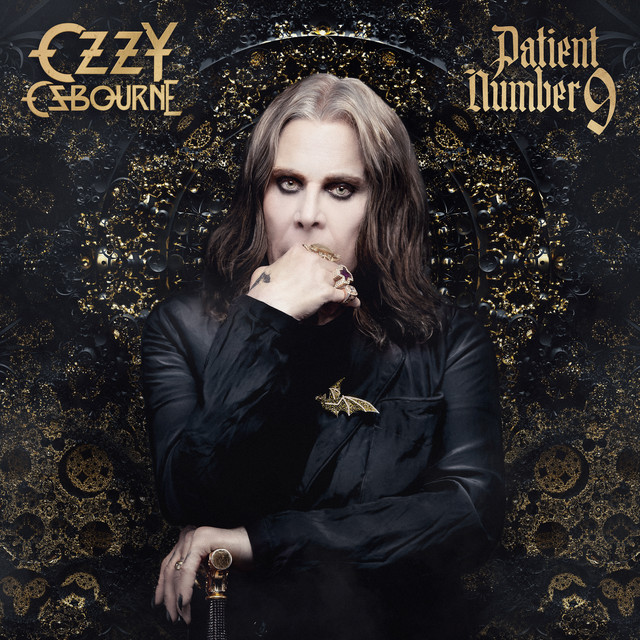
Ozzy Osbourne & Ozzy Osbourne · 2022
Producer -
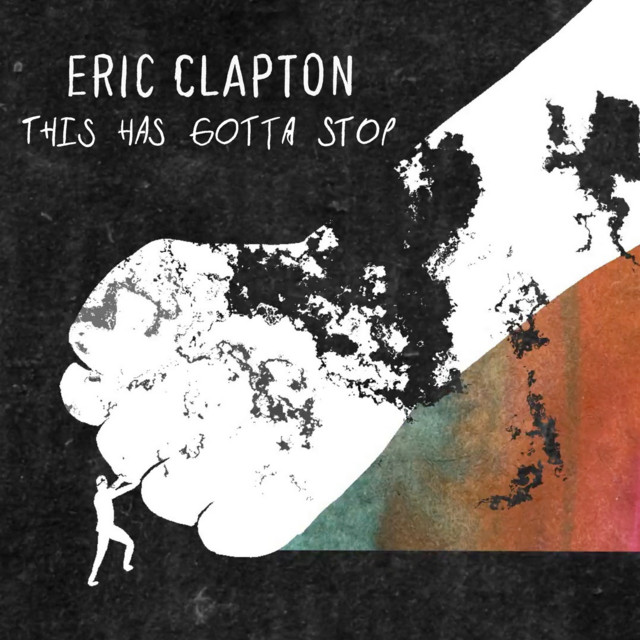
Eric Clapton · 2021
Producer -
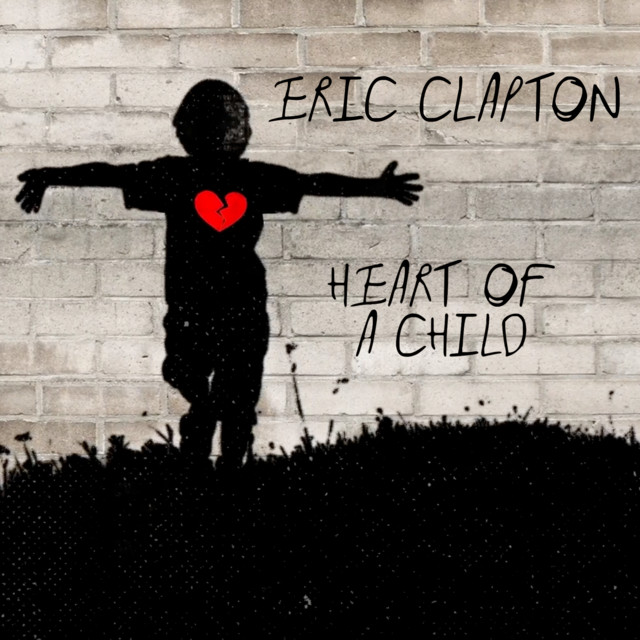
Eric Clapton · 2021
Producer -

Sheryl Crow · 2019
Recording Engineer -
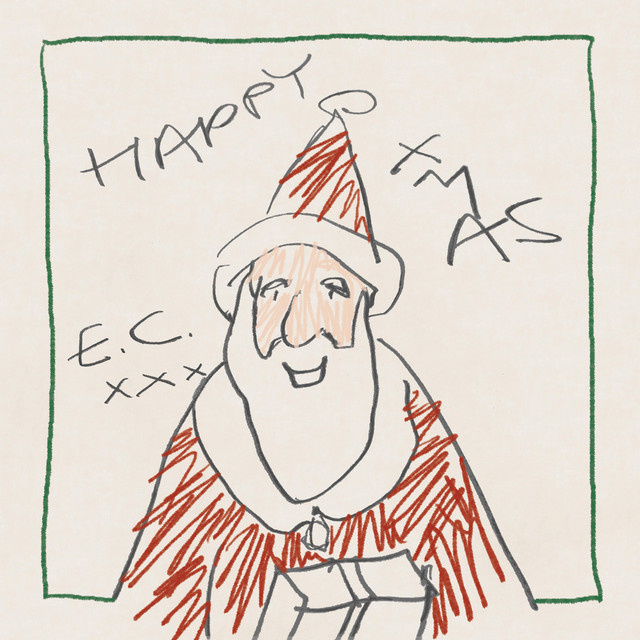
Eric Clapton · 2018
Mixing Engineer Producer Programmer -
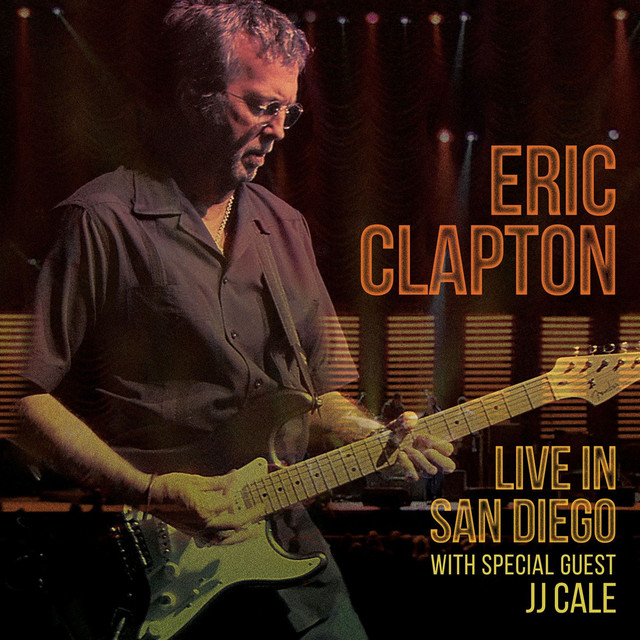
Eric Clapton · 2016
Mixing Engineer Producer -
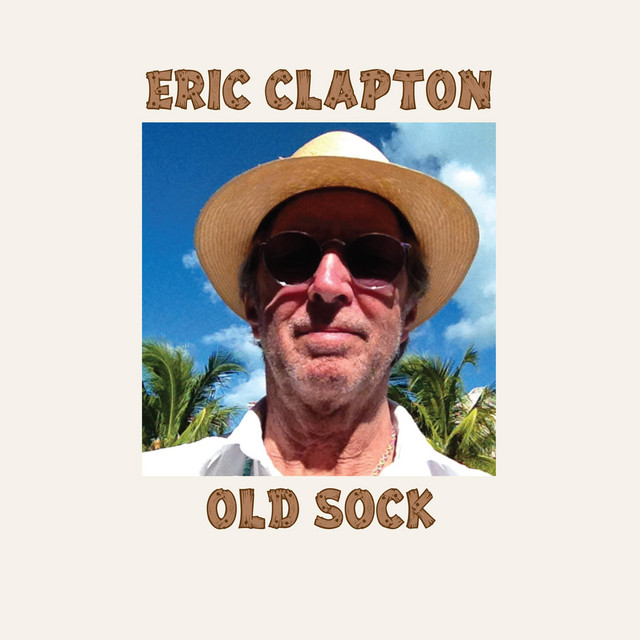
Eric Clapton · 2013
Mixing Engineer Producer Recording Engineer