Sting
singer, songwriter & member of The Police
Credits
Credits
Sting's Studio Equipment


In this 1981 interview with Jools Holland on Montserrat, Sting does a demonstration of "Message In A Bottle" with the aid of a Sony CF-900S tape recorder with a built-in drum box. This first appears at the 1:18 mark.
Find it on:


In this article from International Musician magazine (reproduced on Sting's official website), long-serving tech Danny Quatrochi explains that Sting has used an SRE-555 as part of his live rig.
Find it on:

In this 1981 Jools Holland interview with Sting in Montserrat, he does a demonstration of "Message In The Bottle" with a TEAC portastudio and "Dennis" the drum machine at around the 3:11 mark.
Find it on:

Used on the vocals for “Every Breath You Take” and Brand New Day. The former is mentioned by producer Hugh Padgham in this March 2004 Sound on Sound interview.
Back in the control room, Sting recorded his vocals with an AKG 414, compressed through a UREI 1176, to attain a brighter top end. "His voice was always fairly dull," Padgham explains, "and I was never totally happy with his vocal sound until we came upon the Sony C800 tube mic much later on. Recording him in the studio was always quite hard — generally, rather than doing takes, he'd just sing along, and then if he messed up or didn't like something we'd just stop, drop in and build a vocal that way. On things like choruses, where there are loads of harmonies, the actual lead track gets watered down to the point where you don't really need as much of a performance. In those days there was no such thing as tuning, so if a harmony was out of tune, it was my job to stop and redo it — to police the recording, so to speak."
The latter is mentioned by recording engineer Simon Osborne in this transcribed October 1, 1999 Audio Media interview on Sting's official website.
When it comes to recording Sting's vocals, Simon has a standard way of operating, too: "I always go straight to tape rather than through the desk. I use AMS Neve 31105s and a Demiter valve mic amp, which I've used for a long while. I've also got all the usual stuff like Urei 1176s and such. I'll start with a general setting, so a 4:1 ratio, not too fast, with a quick release as a guide. His voice obviously changes depending on the key and dynamic of the tune, so it's important to have an initial set-up that can be tweaked as necessary. In terms of mics, we normally use the Sony C800G, it just works well with Sting's voice."
Find it on:


The Oberheim DMX was used the kick drum on "Every Breath You Take".
Find it on:

In this article from International Musician magazine (reproduced on Sting's official website), long-serving tech Danny Quatrochi explains that Sting has used an SDE-3000 as part of his live rig.
Find it on:





In this interview with Sting about the Synchronicity album published in Musician magazine in June 1983, reproduced on his website, he discusses his use of the Oberheim DSX sequencer:
“[Walking In Your Footsteps] was the first thing I ever did on the [DSX] sequencer. I was learning to work it and just played a couple of riffs [sequencer lines] which fit together contrapuntally, then played them through a couple of different sounds. It's wonderfully mechanical and rhythmic. Then I used the same sequence with the drum sound over it based on a classic rock'n'roll riff (laughs). I'm pushing the DSX to its limits. The other day I used up its memory entirely, about sixty-four bars of stuff. and it just said. "Stop! I have no more memory" I tried to stick some more in and it got really angry! It started to buzz and lights began to flash, and I had to turn it off (laughs). I had this bizarre relationship with this machine. I pushed it too far. but now I believe I'm on good terms with it. It's a little like HAL in 2001. Weird, but such a pleasure.”
In Spring 1983, Sting wrote sequences for the then-forthcoming Synchronicity tour in Los Angeles using the DSX sequencer and OB-Xa synthesizer, according to The PoliceWiki website. Stewart Copeland eventually wrote complementary drum patterns on his DMX drum machine, which he then clocked to the DSX sequencer live so he could keep in time with the sequences. Effectively a complete Oberheim system was formed - DMX, DSX, OB-Xa.
Find it on:

In this Sting interview published in Musician magazine July 1985 issue, he mentions a LinnDrum:
"I do find if you use machines solely, you lose that human dimension. So if I'm playing a sequence or using a LinnDrum I'll always play some of the parts manually, in order to inject a bit of personality. Fingers can find things that machines never will."
In the Bring On The Night movie, Sting programs a beat on "We Work The Black Seam" using the LinnDrum. Typically, according to an interview published in International Musician & Recording World July 1985 issue, Sting used the LinnDrum for composing in tandem with the Synclavier, rather than using the latter's own drum sounds for the sake of ease.
Find it on:
This is a community-built gear list for Sting.
- Find relevant music gear like Microphones, Guitars, Amplifiers, Effects Pedals, Bass Guitars, Software Plugins and VSTs, Keyboards and Synthesizers, Instruments, and other instruments and add it to Sting.
- The best places to look for gear usage are typically on the artist's social media, YouTube, live performance images, and interviews.
- To receive email updates when Sting is seen with new gear, follow the artist.
Discography
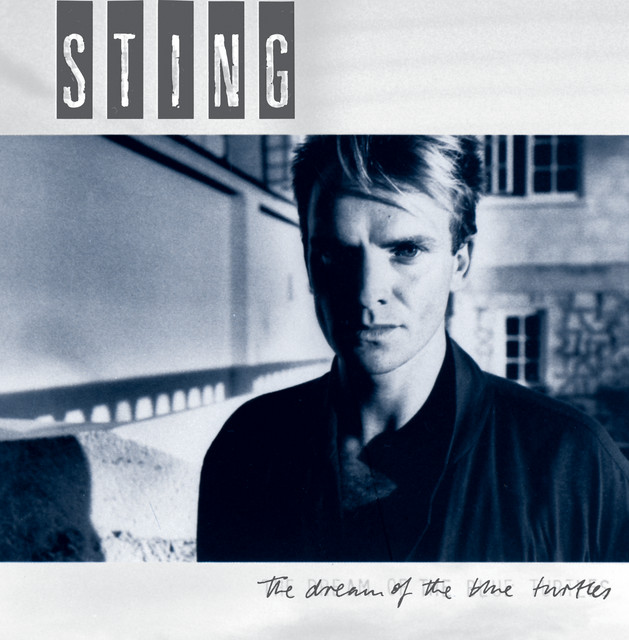
The Dream Of The Blue Turtles
1985
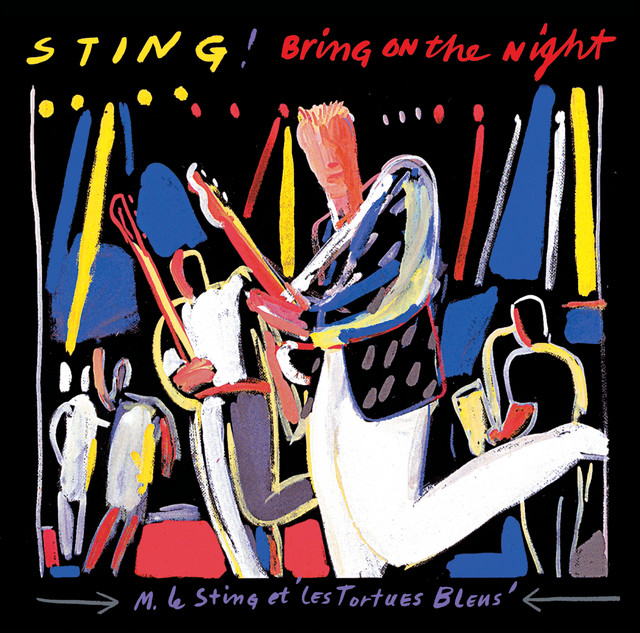
Bring On The Night (Live)
1986
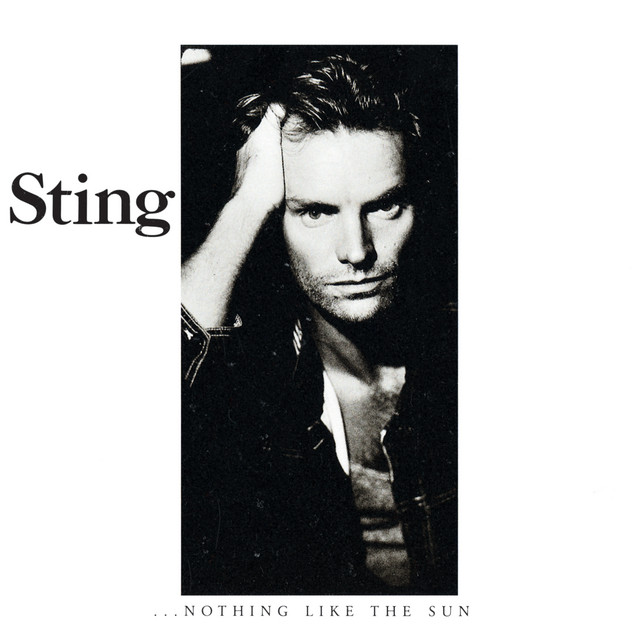
...Nothing Like The Sun
1987
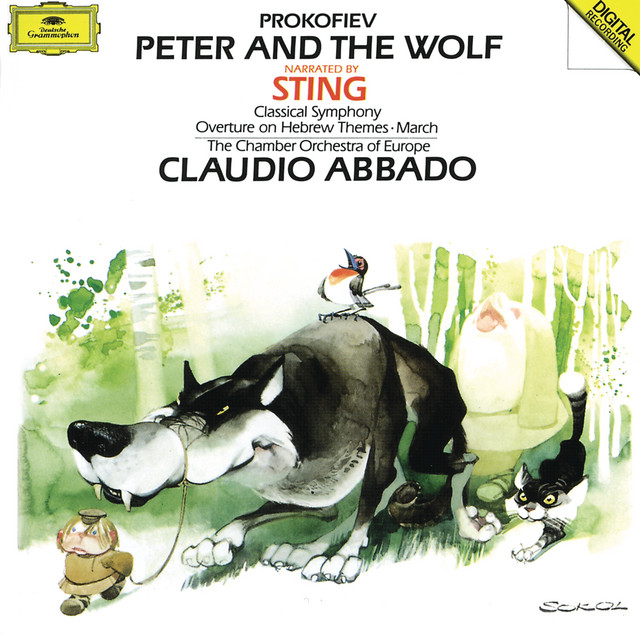
Prokofiev: Peter and the Wolf; Classical Symphony Op.25; March Op.99; Overture Op.34
1990
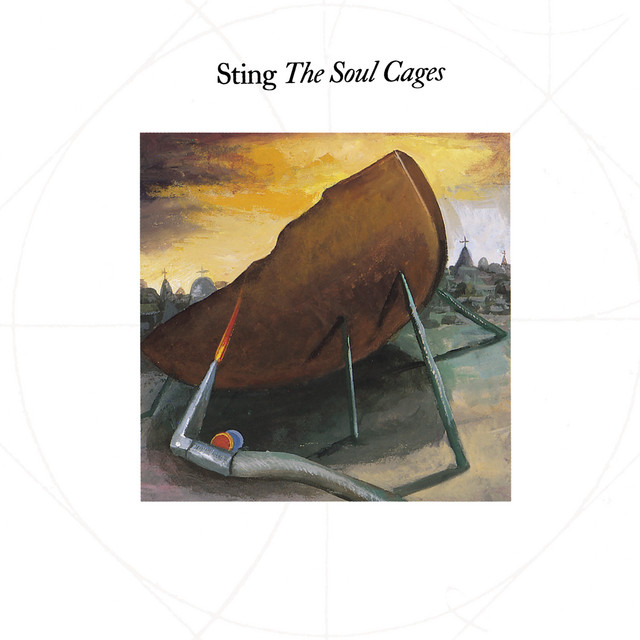
The Soul Cages
1991
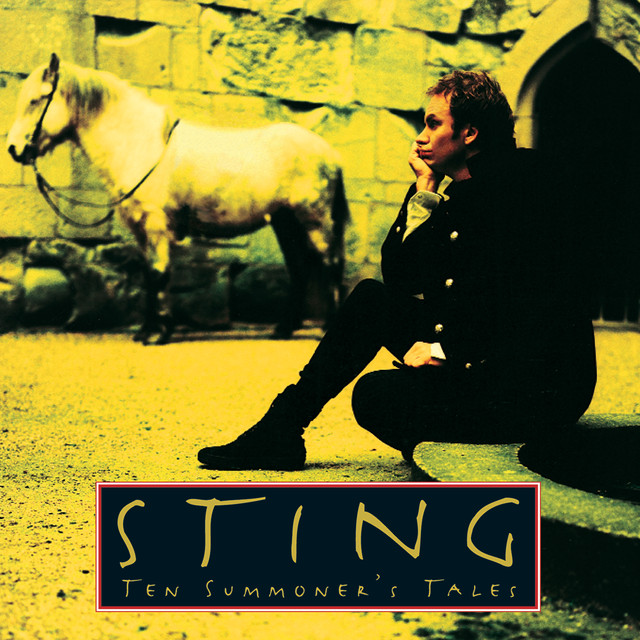
Ten Summoner's Tales
1993
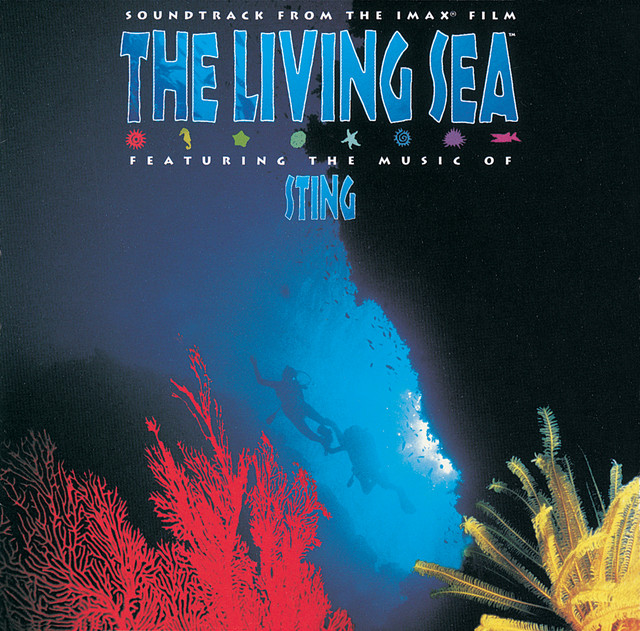
The Living Sea
1995
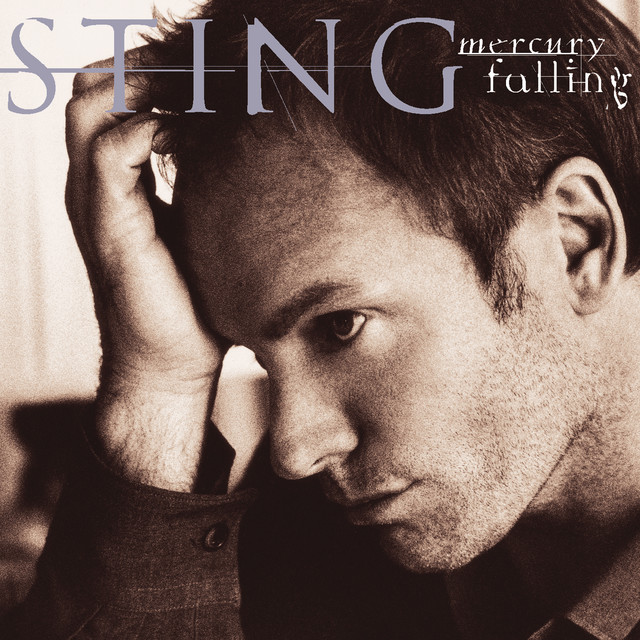
Mercury Falling
1996
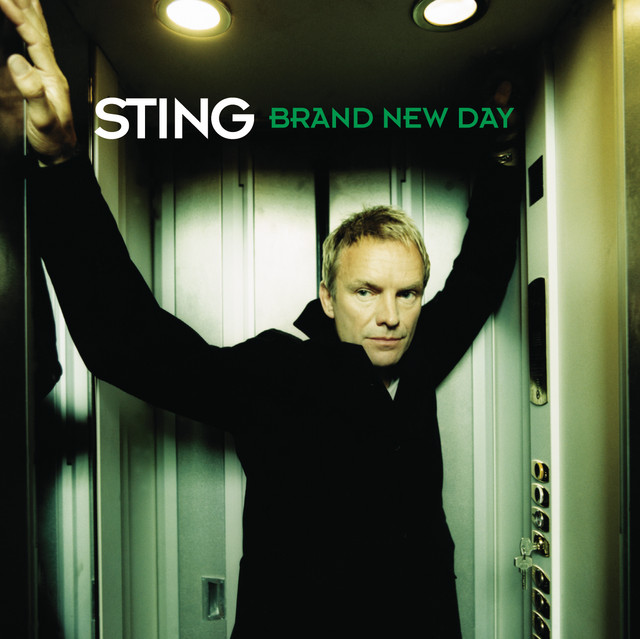
Brand New Day
1999
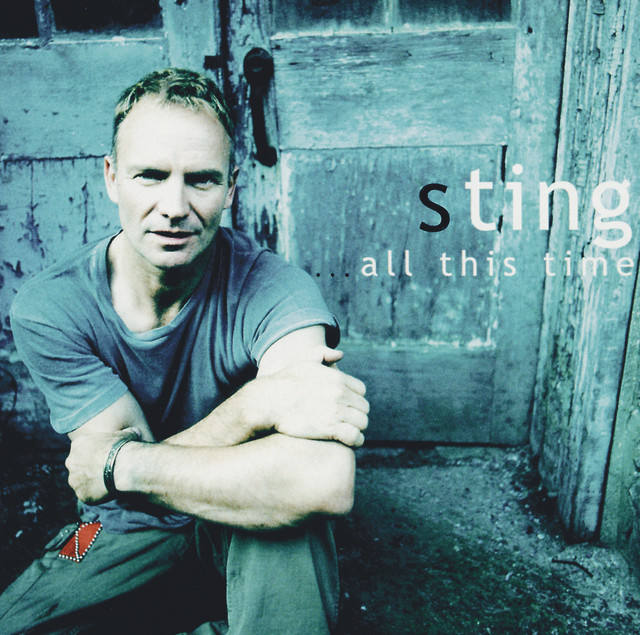
...All This Time
2001

Still Be Love In The World
2001
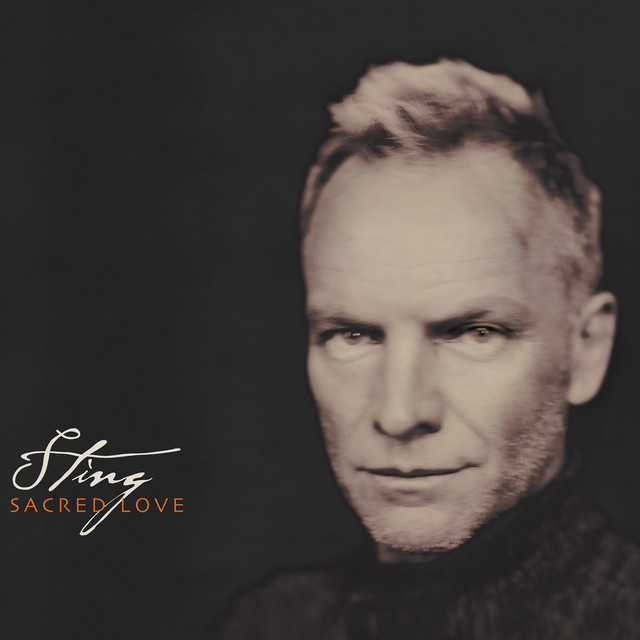
Sacred Love
2003
Album Credits
-
Tiziano Ferro · 2023
Producer