Vance Powell
Genre
Group
Genre
Group
Vance Powell's Gear


Vance Powell is associated with the Wurlitzer 200A, a vintage electric piano known for its distinct, sharp tone and electromechanical sound production. This instrument features a 64-note keyboard, mechanical sustain pedal, and internal speakers, with the option to connect to an external amplifier. Unlike the smoother Rhodes piano, the Wurlitzer offers a punchier sound, described as "bark" when played aggressively. A user-uploaded photo serves as evidence of Powell's use of this classic instrument.
Find it on:


Vance Powell uses a Fender Jazz Bass, identifiable by its basswood body with a gloss finish and a 9.5-inch-radius “U”-shaped maple neck. This model offers 20 vintage-style frets and features a 4-saddle vintage-style bridge, along with original pickups from the Traditional series, known for their authentic vintage tones. The information is supported by a user-uploaded photo.
Find it on:


Vance Powell is seen using the iconic Gibson J-45, a staple in the round-shoulder guitar lineup since 1942. Known for its expressive power, the J-45 features a Sitka spruce top with mahogany back and sides, delivering a warm low end and excellent projection. The user-uploaded photo confirms Powell's connection to this renowned acoustic guitar.
Find it on:
-m.webp?v=1784619731)
Vance Powell uses a Gretsch 6120, a semi-hollowbody electric guitar with f-holes, known for its rich history in rockabilly and rock music. This model, first popularized in the 1950s with Chet Atkins' endorsement, has been favored by icons like Eddie Cochran, Duane Eddy, and Brian Setzer. The Gretsch 6120's legacy continues through Powell's utilization, as captured in a user-uploaded photo.
Find it on:

Vance Powell utilizes the ProAc Studio 100 studio monitors, known for their detailed sound reproduction and robust build. These monitors feature multi-strand oxygen-free copper cabling, a power handling capacity of 30-150W, and an 8Ω impedance. They offer a frequency response from 35Hz to 30kHz, with a sensitivity of 88dB at 1W/1m. The monitors incorporate a 6 1/2" cone for bass/midrange and a 1" silk dome tweeter, housed in a Black Ash finish. Each unit measures 203mm x 406mm x 254mm and weighs 12kg. The source is a user-uploaded photo showing Powell's studio setup.
Find it on:
-m.webp?v=1784818721)
Vance Powell uses the Yamaha NS-10M studio monitors, known for their precise sound reproduction. These monitors feature a 2-way, closed system with an 18cm cone for low frequencies and a 3.5cm dome for highs. They have a frequency response of 60Hz to 20kHz, a crossover frequency of 2kHz at 12dB/octave, an impedance of 8Ω, and an output sound pressure level of 90dB/W/m. The monitors handle a rated input of 25W and a maximum input of 50W, measuring 215mm in width, 382mm in height, and 199mm in depth, with a weight of 6kg. This information is supported by a user-uploaded photo.
Find it on:

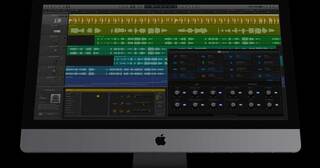
Vance Powell uses an Apple iMac 27" Retina (2014) model, as shown in the user-uploaded photo.
Find it on:

Vance Powell is seen with an Apple Mac Pro (late 2019 rackmount) in a user-uploaded photo, though the specific configuration is unknown.
Find it on:

Vance Powell uses the Moog Little Phatty Stage II synthesizer, as evidenced by a user-uploaded photo. The instrument features a high-stability analog VCO with versatile oscillators and a classic Moog ladder filter, making it a versatile choice for Powell's sound production needs. Additional features include a 37-note keyboard, multiple modulation options, and comprehensive connectivity for both audio and MIDI applications.
Find it on:

Vance Powell uses the Moog Subsequent 25 synthesizer, known for its analog sound engine featuring two oscillators, a sub oscillator, and a noise generator. This 25-key, semi-weighted synthesizer offers both monophonic and paraphonic play modes, controlled via pitch bend and modulation wheels. It includes the classic Moog Ladder Filter, 16 preset tones, and a Multidrive effect. Connectivity options include USB, MIDI, and CV/GATE inputs, making it versatile for studio setups. A user-uploaded photo provides visual confirmation of Powell's use of this instrument.
Find it on:

Vance Powell uses a Hammond B-3 organ, as evidenced by a user-uploaded photo showing its specifications, including a 61-key 2-stage keyboard, a 25-key foot keyboard, and multi-row contact features.
Find it on:

Vance Powell is shown using the Rupert Neve Designs R6 Six Space 500 Series Rack in a user-uploaded photo. This versatile rack offers reliable power, rich connectivity, and durability, making it ideal for studio setups. It features a robust power supply, ample connectivity options, and a sturdy steel chassis, supporting a wide range of 500 series modules. The R6's design ensures stable operation and flexibility, allowing Powell to fully utilize his studio gear.
Find it on:

Vance Powell uses the Rupert Neve Designs 511, a compact 500 series mic preamp module known for its classic sound and versatility in studio recording. This preamp features a powerful mic gain adjustable in 6 dB steps, a high-pass filter for cutting unnecessary low frequencies, and Silk/Texture controls that enhance the richness and thickness of tracks. The 511 also includes phantom power for condenser microphones, phase polarity inversion, and an 8-segment LED level meter to monitor output levels. A user-uploaded photo confirms this gear in Powell's setup.
Find it on:

Vance Powell utilizes the Rupert Neve Designs 543 compressor module in his studio setup. This versatile unit, part of the 500 series, is renowned for its dynamic control capabilities, inheriting features from the Portico 5043 compressor. With options for Feedback/Forward operation, Peak/RMS detection, and a sidechain high-pass filter, the 543 offers comprehensive control over audio dynamics. A user-uploaded photo confirms Powell's integration of this gear into his recording environment, highlighting its role in shaping his sound with precision and flexibility.
Find it on:

Vance Powell utilizes the Rupert Neve Designs 551, a standout inductor EQ and the first of its kind in the 500 Series to carry Rupert Neve’s signature sound. This module features custom-wound transformers, 3-band EQ, and Class A gain blocks, delivering robust lows and smooth highs. A user-uploaded photo confirms its presence in Powell's studio setup.
Find it on:

Vance Powell uses the Rupert Neve Designs 2-way Vertical Wood Rack to mount his Shelford modules, as shown in the user-uploaded photo.
Find it on:

Vance Powell utilizes the Rupert Neve Shelford 5051 Inductor EQ/Compressor in his studio setup. This channel strip module, inspired by the iconic 1073, features a mic preamp, high-pass filter, and a 3-band EQ. It includes modern enhancements like silk/texture control and pre/post "tape" options, along with the Portico II. The Shelford 5051 is equipped with a versatile mic gain range, a unique Silk circuit with "Red" and "Blue" modes for sonic character, and an inductor EQ reminiscent of vintage designs from the mid-70s. A user-uploaded photo confirms its presence in Powell's gear collection.
Find it on:

Vance Powell uses the Furman HRM-16 Mixer, as evidenced by a user-uploaded photo. This mixer, part of the HDS-16/HRM-16 Headphone/Audio Distribution System, is renowned for its versatility in live and studio settings. It supports up to sixteen users with customizable mixes and features a unique talkback system, enhancing communication during sessions. The HRM-16's robust design includes local effects send/return, line out, bass/treble controls, and a master level control, making it an ideal choice for both in-ear and stage monitor applications.
Find it on:

Vance Powell utilizes the PreSonus FaderPort V2 as part of his music production setup. This DAW controller enhances his workflow with features like a 100mm motorized fader for precise mix control and automation, transport controls for seamless navigation, and compatibility with a variety of DAWs including Studio One, Pro Tools, and Ableton. The FaderPort V2's integration and efficiency make it a key tool in Powell's studio environment. [Source: User-uploaded photo]
Find it on:

Vance Powell uses the Crane Song Avocet II Stereo Monitor Controller in his studio setup, as evidenced by a user-uploaded photo. This versatile monitor controller allows Powell to seamlessly upgrade from stereo to surround sound, accommodating configurations up to 7.1 channels with additional units. It features high-precision 24bit/192kHz DACs, multiple digital and analog inputs, and XLR balanced outputs, making it an essential tool for professional audio monitoring.
Find it on:

Vance Powell utilizes the TC Electronic Clarity M Stereo, an essential tool for precise audio metering in mixing, mastering, and post-production. Featuring a 7-inch high-resolution LCD display, it supports various input connections, including USB, 75Ω BNC, and stereo optical connections. This device offers a comprehensive suite of metering options, such as the LM6 Loudness Meter, True Peak Meter, and RTA Real-Time Analyzer, complying with major broadcast standards like ITU BS.1770-4 and EBU R128. A user-uploaded photo showcases Powell's setup with the Clarity M Stereo, highlighting its role in delivering professional-grade audio analysis.
Find it on:

Renowned producer and engineer Vance Powell utilizes the Empirical Labs EL7 FATSO Jr., a full analog tape simulator and optimizer, in his studio work. This effects processor enhances audio with the warmth and texture of vintage analog devices, employing real analog circuits to achieve sounds reminiscent of classic equipment like NEVE, API, UREI, and Fairchild. The FATSO Jr. features a DISTRESSOR-type program knee compressor and offers complex processing to emulate transformer circuits, vacuum tubes, and tape saturation. The upgraded EL7x model includes a new compressor preset labeled "Eleven," a redesigned front panel, improved logic circuitry, and enhanced noise floor performance. This proof is supported by a user-uploaded photo.
Find it on:

Vance Powell utilizes the Neve 33609, a versatile effects processor known for its independent sidechains for compressor and limiter sections. It offers controls for threshold, recovery, and attack, and features a selectable compression ratio from 1.5:1 to 6:1 with gain make-up before the limiter. A moving coil meter displays overall gain reduction. A user-uploaded photo confirms his use of this gear.
Find it on:

Vance Powell utilizes the GML 8900 Dynamic Range Controller in his studio setup. This innovative effects processor is renowned for its psycho-acoustic design, reacting to loudness like the human ear and offering precise control over dynamic features with unique controls such as Crest Factor and Release Hysteresis. A user-uploaded photo confirms the presence of this advanced two-channel unit, known for its transparency and flexibility, in Powell's gear collection.
Find it on:

Vance Powell uses the SPL Transient Designer 4, a versatile 4-channel dynamics processor known for its straightforward ATTACK and SUSTAIN controls and SPL's "Differential Envelope Technology," which ensures clear sound quality and low noise. This proof is supported by a user-uploaded photo.
Find it on:




Vance Powell utilizes the Pigtronix PolySaturator, an analog distortion pedal known for its versatility in producing a range of tones from clean boosts to high-gain distortions and fuzz. The pedal features controls for volume, gain, and a 12dB/octave 3-band EQ. Its class A J-FET boost circuit and wide gain stage mimic the richness of a vacuum tube amplifier, offering a distinctive, glossy distortion sound. This information is supported by a user-uploaded photo.
Find it on:

Vance Powell uses the Union Tube & Transistor More, a clean booster pedal offering +5dB to +40dB of gain, with a maximum output level of +16dBu, making it ideal for enhancing tube amps. This information is supported by a user-uploaded photo showcasing the pedal in Powell's setup.
Find it on:

Vance Powell uses the FALLEN RAIDER AUDIO Raider, Overdrive & Distortion pedal, known for its impressive tonal versatility ranging from subtle boost to heavy distortion. This pedal enhances sustain and resonance with its compression feature and integrates seamlessly with tube amps, functioning as an additional preamp. Its 3-way EQ allows for bass, mid, and high adjustments, and it features true bypass switching. The Raider is compatible with most pedalboards and offers rugged construction suitable for live performance conditions. The user-uploaded photo provides visual confirmation of Powell's setup.
Find it on:

Vance Powell uses the API 500 HPR rack, a 2-space unit that fits into a single rack space, as shown in a user-uploaded photo.
Find it on:

Vance Powell utilizes the Radial EXTC-500 Guitar Effects Interface in his studio setup. This 500 series effect insert module allows him to seamlessly integrate pedal effects into his rack system, enabling creative combinations like adding distortion to vocal tracks or a wah effect to kick drums. The EXTC-500 transforms line signals into unbalanced instrument output levels and offers flexible control with front panel send/return terminals and rear omniport connections. A user-uploaded photo confirms this setup, showcasing Powell's innovative approach to mixing.
Find it on:
This is a community-built gear list for Vance Powell.
- Find relevant music gear like Studio Equipment, Software Plugins and VSTs, Headphones, Microphones, Studio Monitors, Mixers, DAWs, and other instruments and add it to Vance Powell.
- The best places to look for gear usage are typically on the artist's social media, YouTube, live performance images, and interviews.
- To receive email updates when Vance Powell is seen with new gear, follow the artist.
-
Added to Equipboard on by
 konokami1
GearIQ 1251
-
Updated
Album Credits
-

Tommy Emmanuel · 2025
Engineer Mixing Engineer Producer -

Phish · 2024
Mixing Engineer Producer Recording Engineer -

I'm Not Broken (Live From Topeka Correctional Facility)
Melissa Etheridge · 2024
Mixing Engineer -

A Trip a Stumble a Fall Down on Your Knees
Seasick Steve · 2024
Mixing Engineer Recording Engineer -
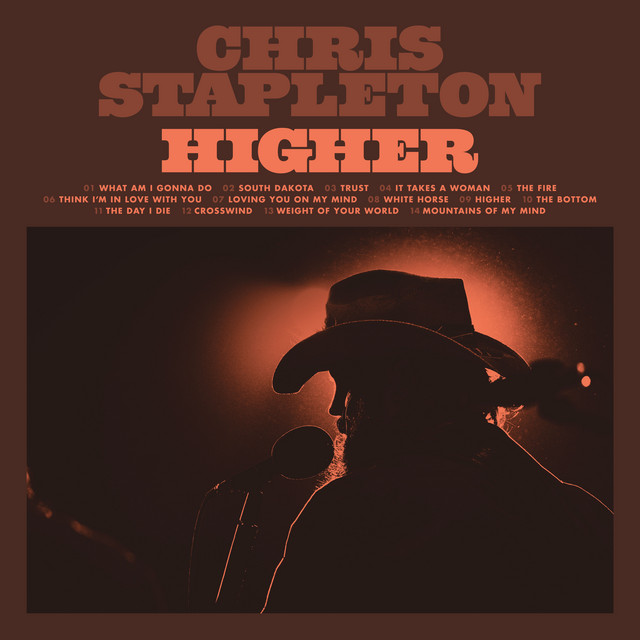
Chris Stapleton · 2023
Mixing Engineer Recording Engineer -
Chris Stapleton · 2023
Mixing Engineer Recording Engineer -

P!nk · 2023
Engineer -

Black Pistol Fire · 2021
Producer -

Chris Stapleton · 2021
Engineer Mixing Engineer -

The Reverend Peyton's Big Damn Band · 2021
Engineer Mixing Engineer Producer -

Chris Stapleton · 2020
Engineer Mixing Engineer -

Chris Stapleton · 2020
Engineer Mixing Engineer