Table of Contents

Equipboard
Equipboard is the world's largest community of artists and their gear. Read our review process.
We are reader-supported. When you buy through links on our site, we may earn an affiliate commission. Learn more.
Our Picks

Yamaha B1-SG2 Silent Upright Piano
Best Spinet & Console Upright Piano: The Yamaha b1 brings authentic acoustic piano experience into the smallest footprint, making it ideal for apartments, bedrooms, or any space where a larger instrument simply won't fit. Its reliable construction and surprisingly full tone for its size have made it a popular choice for beginners and casual players.
Read more


Kawai K300-ATX2 Upright Hybrid Piano
Best Studio Upright Piano: The Kawai K-300 offers what modern upright piano engineering can achieve, delivering tone quality and action responsiveness that approaches baby grands. This 48-inch professional upright has become a favorite in music schools, teaching studios, and homes of serious pianists who need performance-grade instruments without the footprint of a grand.
Read more
Steinway & Sons K-52 Upright Piano
Best Professional Upright Piano: The Steinway & Sons K-52 occupies the apex of upright piano design, proving that vertical instruments can deliver tone and touch worthy of concert pianists. At 52 inches tall, this professional upright incorporates design elements from Steinway's legendary grands, creating an instrument that some pianists prefer over smaller grands for home use.
Read more
Best Entry-Level Baby Grand Piano: The Kawai GL-10 makes grand piano ownership accessible without sacrificing the essential characteristics that define these instruments. At 5 feet long, this baby grand fits into many homes and studios while delivering the action responsiveness and tonal qualities that distinguish grands from uprights.
Read more
Boston GP-163 Baby Grand Piano
Best Midrange Baby Grand Piano: The Boston GP-163 occupies a unique position in the piano market, designed under Steinway's guidance but manufactured to achieve more accessible pricing. This 5'4" baby grand delivers tone and touch quality that punches above its price point, making it a favorite among serious amateur pianists and teachers.
Read more
Steinway & Sons Model S Baby Grand Piano 2 pedal
Best High-End Baby Grand Piano: The Steinway & Sons Model S delivers the pinnacle of what a compact grand piano can achieve. At 5'1", this baby grand distills over 170 years of Steinway piano-making expertise into dimensions that work in many homes while delivering tone and touch that satisfy even demanding concert pianists.
Read more
Best Mid-Sized Grand Piano: The Yamaha C3X balances performance capability with practical dimensions, making it a favorite in recording studios, teaching facilities, and larger homes. At 6'1", this mid-sized grand offers string length and soundboard area that produce notably richer tone than baby grands while fitting in spaces where larger concert instruments wouldn't work.
Read more
Best Full/Concert Grand Piano: The Bösendorfer Model 280VC delivers the pinnacle of Viennese piano-making tradition, combining centuries of craftsmanship with modern engineering. At 9'2", this concert grand produces the rich, warm tone that has made Bösendorfer the choice of legendary pianists throughout history.
Read moreThere's something irreplaceable about the sound of an acoustic piano. The way the hammers strike the strings, the sympathetic resonance that fills a room, the subtle dynamics that respond to your touch. While digital pianos have come a long way in replicating these qualities, nothing quite matches the authentic experience of playing a real acoustic instrument. Whether you're a beginner taking your first steps into piano playing, an experienced musician looking to upgrade, or a parent investing in your child's musical education, choosing the right acoustic piano can feel overwhelming.
This guide walks you through everything you need to know about acoustic pianos, from their fascinating history to the specific models that stand out in each category. We'll explore uprights, baby grands, and full-size grands, helping you understand which type fits your space, budget, and musical aspirations. If you're curious about digital alternatives, check out our separate digital piano guide, but here we're focusing exclusively on traditional acoustic instruments.
A Short History of the Acoustic Piano
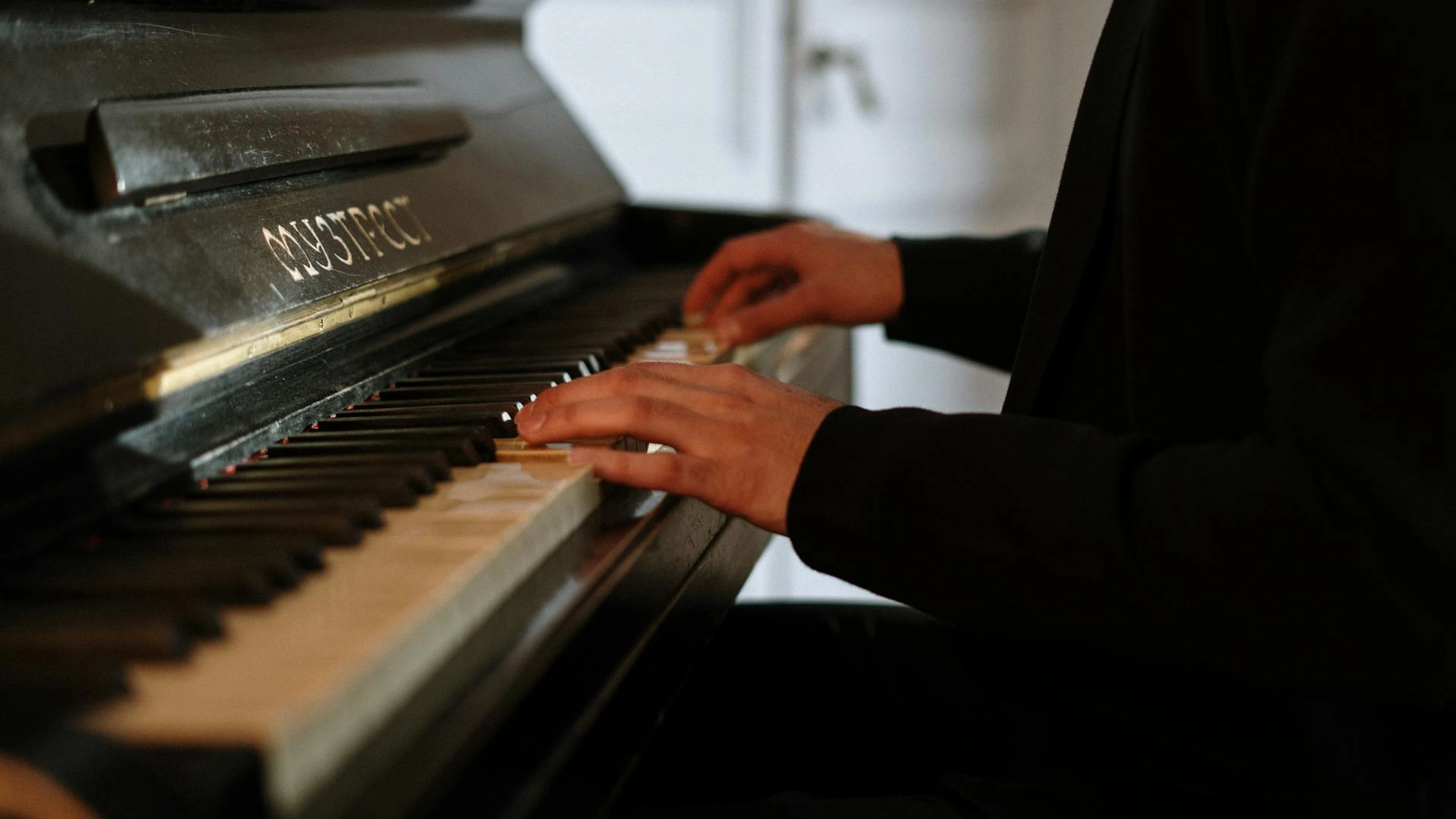
The piano's journey began in the early 1700s when Italian instrument maker Bartolomeo Cristofori sought to create a keyboard instrument that could play both soft and loud notes. His invention, the "gravicembalo col piano e forte" (harpsichord with soft and loud), solved a major limitation of the harpsichord, which could only play at one dynamic level. This revolutionary mechanism used hammers to strike strings rather than plucking them, giving players unprecedented control over volume and expression.
Over the next two centuries, piano design evolved rapidly. The fortepiano of Mozart's era gradually transformed into the more robust instruments we recognize today. Manufacturers experimented with frame materials, string tension, and hammer design. The introduction of the cast-iron frame in the 1820s was particularly significant, allowing pianos to withstand much higher string tension and produce a more powerful sound.
As pianos became more popular in homes and concert halls, two distinct evolutionary branches emerged. The grand piano retained the horizontal design of early fortepianos, with strings running parallel to the floor. This configuration allowed for longer strings and larger soundboards, producing richer tone and better action responsiveness. Meanwhile, the upright piano was developed to save space by positioning the strings and soundboard vertically.
Types of Acoustic Pianos
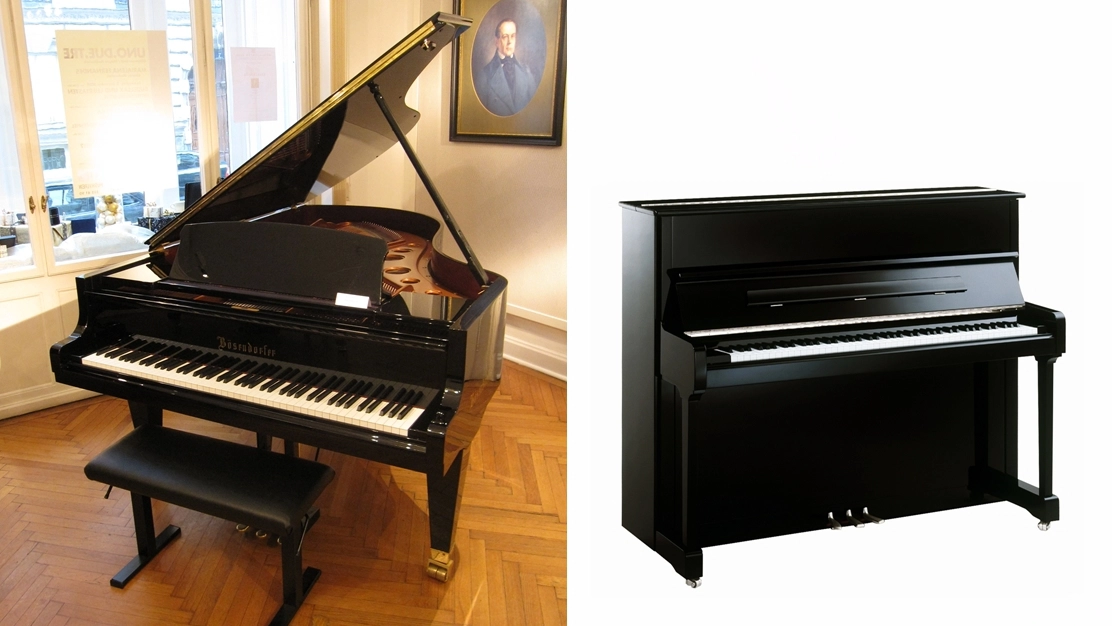
Understanding the main categories of acoustic pianos helps narrow your search considerably. Today's acoustic pianos fall into three primary types: uprights, baby grands, and full-size grands. Each serves different needs and spaces, from compact apartments to concert stages.
Upright pianos: They stand vertically and take up minimal floor space, making them ideal for homes, schools, and practice rooms. Within this category, you'll find variations in height and quality, from compact spinets to professional-grade studio uprights that can compete with smaller grands. The vertical design means slightly different action mechanics compared to grands, but modern uprights offer excellent touch and tone.
Baby grand pianos: They typically measure under six feet in length and bring the advantages of grand piano action into more manageable dimensions. They're popular choices for serious home players, teachers, and smaller performance venues. The horizontal string layout and larger soundboard compared to uprights generally produce more resonance and dynamic range.
Grand pianos: They encompass everything from parlor grands around six feet to nine-foot concert instruments. These pianos offer the ultimate in tonal complexity, dynamic range, and touch responsiveness. The longer strings and larger soundboard area create the rich, singing tone that defines piano music at its highest level.
Best Upright Pianos

Upright pianos have earned their place as the most practical choice for countless musicians. They deliver authentic acoustic sound and touch in a footprint that works in typical rooms, apartments, and studios. Modern uprights have come remarkably far in terms of quality, with the best models offering tone and responsiveness that rivals smaller grands.
Within the upright category, you'll encounter several subtypes. Console and spinet pianos represent the most compact options. Studio uprights stand taller, offering longer strings and larger soundboards for improved tone. Professional uprights can reach 52 inches, approaching the tonal quality of baby grands while maintaining space efficiency.
Best Spinet & Console Upright Pianos
Spinet and console pianos occupy the entry tier of acoustic pianos. Spinets, the most compact uprights, typically measure 36 to 40 inches tall with a simplified action mechanism called a "drop action" where the action sits below the keys. This design saves space but can feel less responsive than standard actions. Consoles stand slightly taller at 40 to 44 inches and usually feature a more conventional action design.
These compact uprights work well for beginners, casual players, or situations where space is extremely limited. They're also common in the used piano market, where you can find well-maintained examples at accessible prices. However, the compromises in string length and soundboard size do affect tonal depth and volume compared to larger uprights.
Our top recommendation in this category is the Yamaha b1. Check out its detailed review below to see why it stands out.
Best Studio Upright Pianos
Studio uprights represent the sweet spot for serious piano students, teachers, and institutions. Standing 45 to 48 inches tall, they offer significantly longer strings and larger soundboards than console pianos. This translates to richer bass response, better sustain, and more dynamic range. The taller cabinet also allows for full-size action mechanisms that closely approximate the feel of grand piano actions.
Many conservatories and music schools choose studio uprights for practice rooms because they provide authentic playing experience without the space and cost requirements of grands. They're also popular with home players who prioritize tone quality but don't have room for a grand. The additional height produces noticeably better sound projection, making these pianos suitable for small performances and recording.
Our top recommendation in this category is the Kawai K-300. Check out its detailed review below to see why it stands out.
Best Professional Upright Pianos
At the top of the upright category sit professional instruments that challenge assumptions about what vertical pianos can achieve. These uprights, typically 48 to 52 inches tall, feature premium materials, hand-crafted components, and meticulous regulation. Manufacturers like Steinway, Bösendorfer, and others produce uprights that some pianists prefer over entry-level grands.
The extra height allows for longer bass strings, which is crucial for rich, resonant low notes. These pianos often incorporate design features borrowed from concert grands, including high-quality hammers, precision actions, and carefully selected tonewoods. For advanced players living in apartments or smaller homes, a professional upright can provide the tonal complexity and touch sensitivity needed for serious practice and performance without requiring the footprint of a grand.
Our top recommendation in this category is the Steinway & Sons K-52. Check out its detailed review below to see why it stands out.
Best Baby Grand Pianos
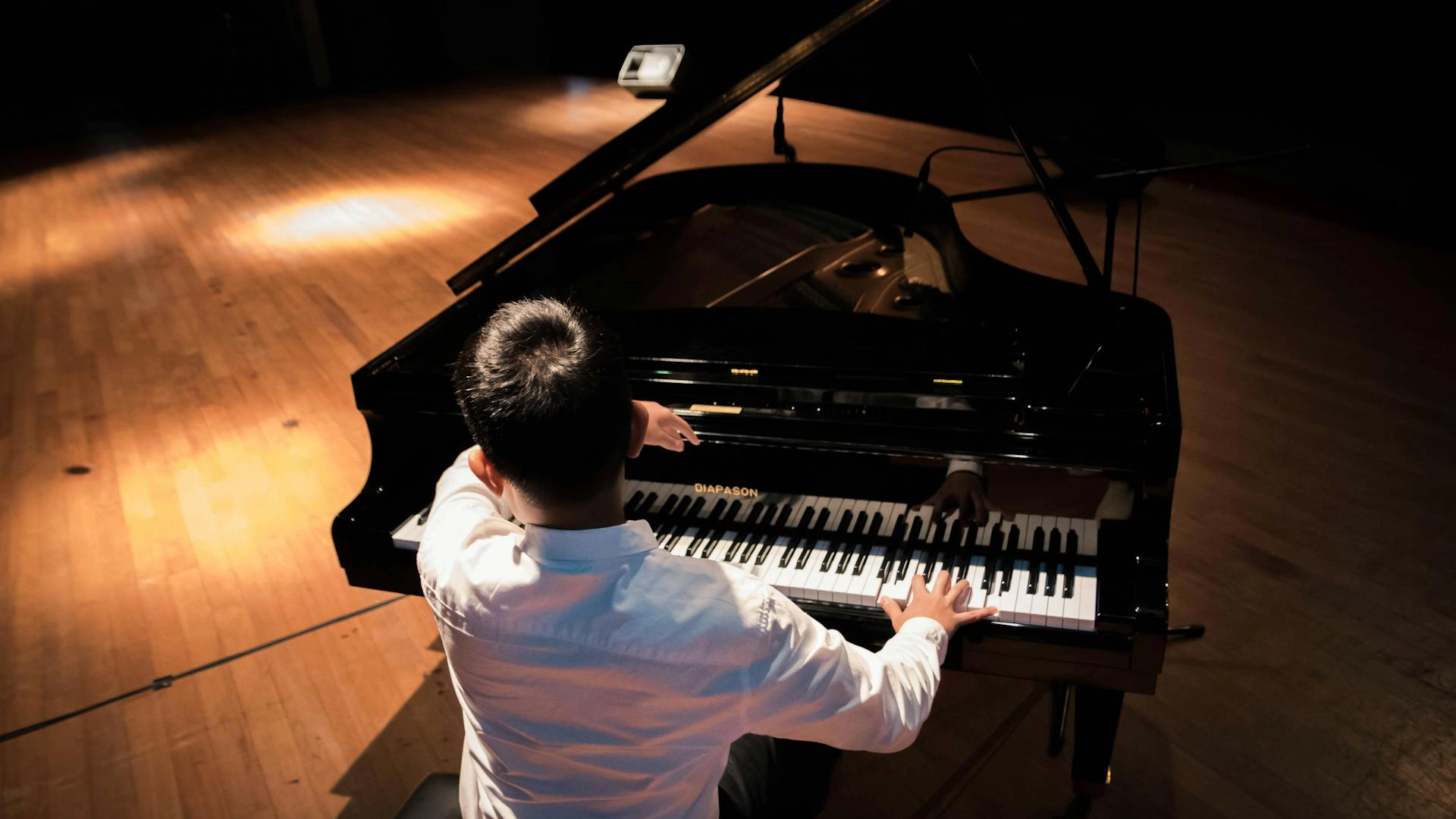
Baby grand pianos occupy a special place in the piano world. Measuring roughly 5 to 6 feet in length, they bring the essential advantages of grand piano design into dimensions that work in many homes and studios. The horizontal string layout and gravity-based action provide playing characteristics closer to concert grands than any upright can match.
The term "baby grand" sometimes carries dismissive connotations, but these instruments shouldn't be underestimated. A well-made baby grand typically offers better tone, touch, and dynamic range than all but the finest professional uprights. The longer strings and larger soundboard produce more overtones and sustain. The grand action, where hammers fall away from strings by gravity alone, allows for faster repetition and more nuanced control.
Baby grands serve various purposes. They're popular among serious amateur pianists who want grand piano feel without consuming entire rooms. Piano teachers often choose them because students can develop proper technique that transfers to larger instruments.
Best Entry-Level Baby Grand Pianos
Entry-level baby grands make grand piano ownership accessible to more players. These instruments, typically 5 to 5'3" in length, deliver the fundamental benefits of grand piano design at more approachable prices. They feature real grand actions with repeating mechanisms, horizontal soundboards, and elegant cabinet designs that make visual statements in homes.
The shorter length does mean some compromises compared to larger grands. Bass strings in particular have less length to develop full resonance, so the lowest notes may sound less powerful than on bigger instruments. However, the middle and treble registers often sound excellent, and the action responsiveness typically surpasses studio uprights. For many players, owning an entry-level grand beats renting practice time on larger instruments.
Our top recommendation in this category is the Kawai GL-10. Check out its detailed review below to see why it stands out.
Best Midrange Baby Grand Pianos
Midrange baby grands, usually 5'3" to 5'7" in length, offer noticeably better tone and volume than entry models. The additional length translates directly to longer strings, particularly in the crucial tenor and bass ranges. This produces fuller, more singing tone across the entire keyboard. These pianos also typically feature higher-quality materials and more detailed craftsmanship.
Many piano teachers and serious amateur players choose this category because these instruments support advancing technique without requiring the space and investment of larger grands. They're also popular in smaller concert venues, recording studios, and churches. The combination of genuine grand piano characteristics and manageable size makes them versatile instruments that can grow with players over many years.
Our top recommendation in this category is the Boston GP-163. Check out its detailed review below to see why it stands out.
Best High-End Baby Grand Pianos
High-end baby grands represent the pinnacle of compact grand piano design. These instruments feature premium materials, extensive hand craftsmanship, and design philosophies borrowed from concert grands. Manufacturers lavish attention on voicing, regulation, and tonal refinement that elevates these pianos into the professional category.
Despite their compact dimensions, top-tier baby grands can satisfy even demanding concert pianists for practice and smaller performances. The tonal complexity, dynamic range, and touch sensitivity approach that of mid-sized grands. Many feature specialized design elements like advanced scaling, premium hammers, and sophisticated soundboard construction. These are serious musical instruments that represent long-term investments for dedicated musicians.
Our top recommendation in this category is the Steinway & Sons Model S. Check out its detailed review below to see why it stands out.
Best Grand Pianos
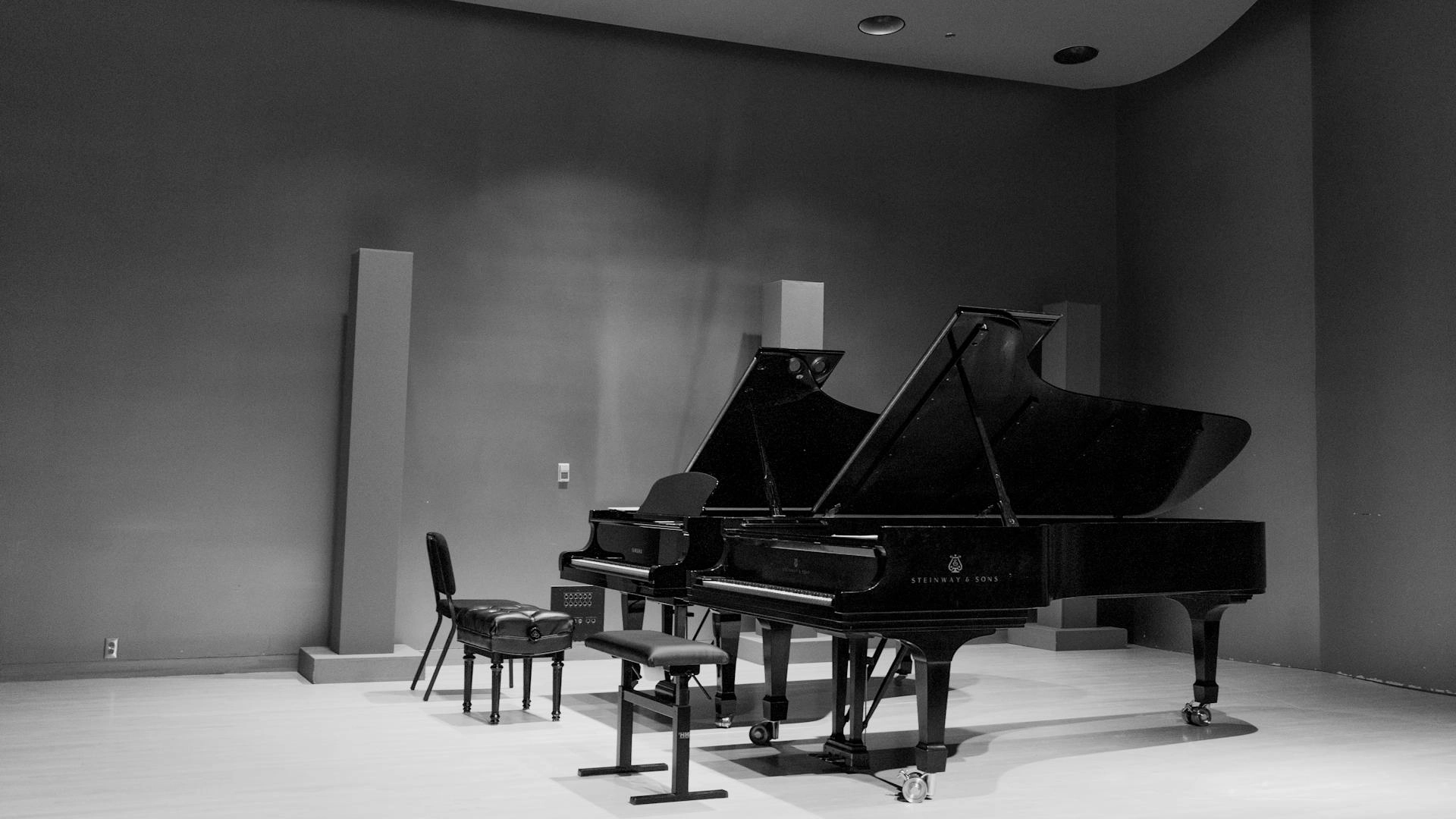
Full-size grand pianos represent the ultimate expression of piano design. Starting around 6 feet and extending to over 9 feet for concert instruments, these pianos offer unmatched tonal depth, dynamic range, and expressive capability. The extended string length and expansive soundboard area create the complex, shimmering tone that defines great piano music.
Grand pianos aren't just scaled-up baby grands. The additional length allows for more optimal string scaling, where each note's string achieves ideal tension and thickness for its pitch. This produces better intonation across the keyboard and reduces the tonal compromises necessary in shorter instruments. The larger soundboard radiates sound more efficiently, filling concert halls with less effort from the player.
These instruments primarily serve concert pianists, recording studios, conservatories, and larger performance venues. However, dedicated amateur pianists with adequate space also choose full-size grands for home use.
Best Mid-Sized Grand Pianos
Mid-sized grands, typically 6 to 7 feet long, strike an excellent balance between performance capability and practical considerations. These instruments work in many homes, teaching studios, and medium-sized performance venues. The additional string length compared to baby grands makes a noticeable difference in tonal richness, particularly in the bass and tenor registers.
Many professional pianists choose mid-sized grands for home practice because they provide authentic concert grand feel in more manageable dimensions. Recording engineers also favor them because they capture well in typical studio spaces without overwhelming the room acoustics. The combination of serious musical capability and relative practicality makes this category popular among committed pianists who have the space and resources.
Our top recommendation in this category is the Yamaha C3X. Check out its detailed review below to see why it stands out.
Best Full/Concert Grand Pianos
Concert grands, typically 7 to 9 feet long, define the standard for piano music at the highest level. These instruments grace the world's leading concert stages, conservatories, and recording studios. The exceptional string length allows for ideal scaling across the entire range, producing the complex overtones and powerful fundamentals that create truly magnificent tone.
Playing a concert grand reveals subtleties impossible on smaller instruments. The dynamic range extends from barely audible whispers to thunderous fortissimos that fill large halls. The action responds to microscopic variations in touch, allowing artists to shape phrases with incredible nuance. The sustain and decay of notes create a singing quality that smaller pianos cannot match. These are the instruments that composers and performers envision when creating and interpreting the piano repertoire.
Our top recommendation in this category is the Bösendorfer Model 280VC. Check out its detailed review below to see why it stands out.
How to Choose the Right Acoustic Piano
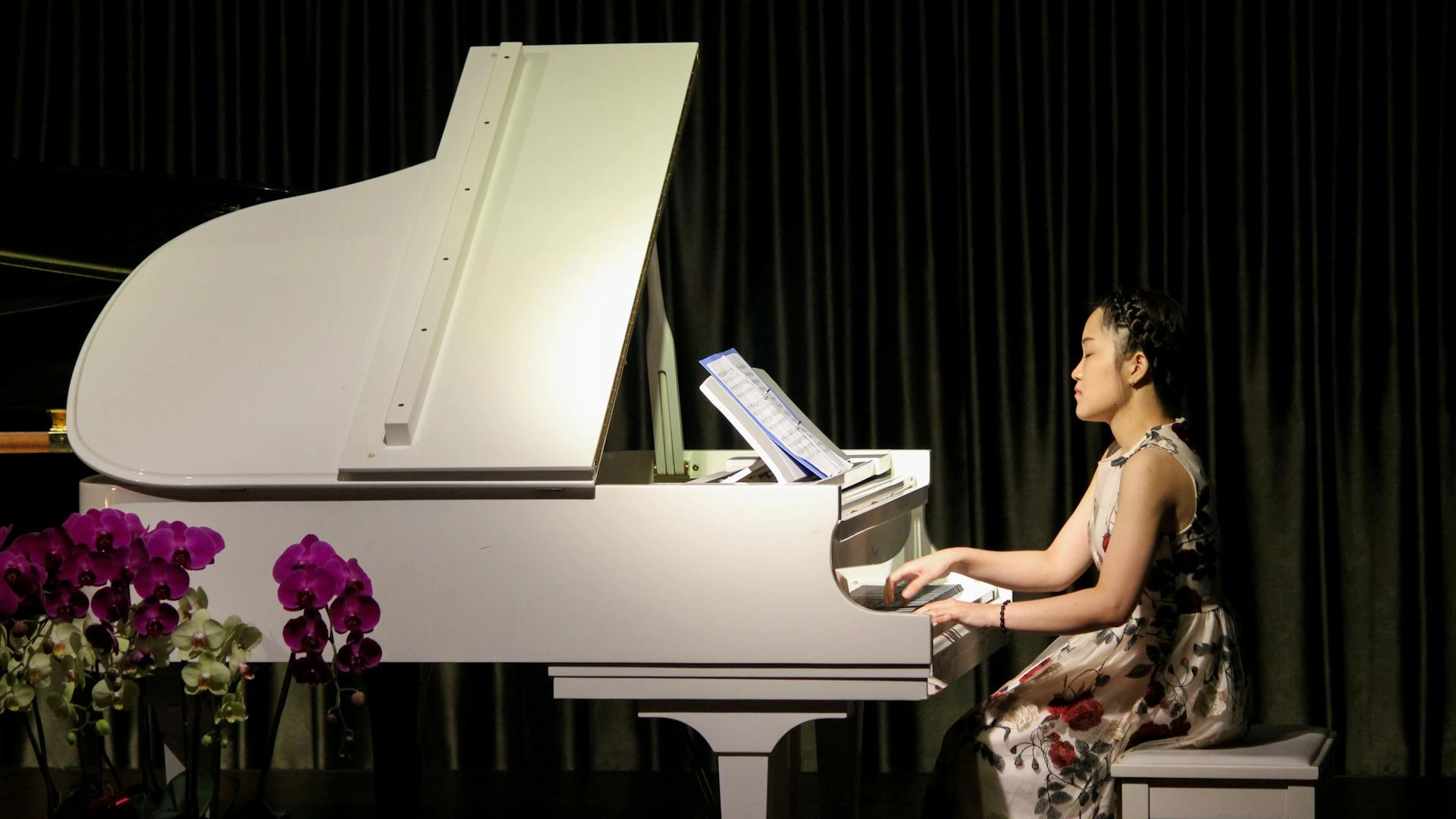
Choosing an acoustic piano involves balancing multiple factors against your specific situation. Start by honestly assessing your available space. Measure the room where the piano will live, considering not just the piano's footprint but also space for the bench, opening the lid on grands, and acoustics. A piano that's too large for its room can sound overwhelming, while even a small upright needs adequate breathing room.
Budget considerations extend beyond the purchase price. Factor in delivery and setup costs, which can be substantial for grands. Plan for regular tuning, typically two to four times yearly depending on climate and use. Consider that acoustic pianos require periodic regulation and eventually may need more extensive restoration work. However, quality pianos hold value well and can last generations with proper care.
The new versus used decision deserves careful thought. New pianos offer warranties and the satisfaction of being first owners, but used pianos can provide tremendous value. A well-maintained 20-year-old Steinway often costs less than a new mid-range instrument while offering superior tone and build quality. However, used pianos require more due diligence. Always have a qualified technician inspect any used piano before purchasing, checking for soundboard cracks, pinblock integrity, and action condition.
Your musical goals should guide your choice of piano type. Beginners can develop excellent technique on quality uprights, while advancing students benefit from the responsive actions and tonal complexity of studio uprights or baby grands. Professional pianists and serious amateurs typically need the full capabilities of larger grands.
Climate control matters more than many buyers realize. Pianos are sensitive to humidity fluctuations, which can cause tuning instability, soundboard cracks, and action problems. Maintaining stable humidity between 40-50% protects your investment. This might require a humidifier, dehumidifier, or piano-specific climate control system, adding to ownership costs but extending the instrument's life.
FAQs
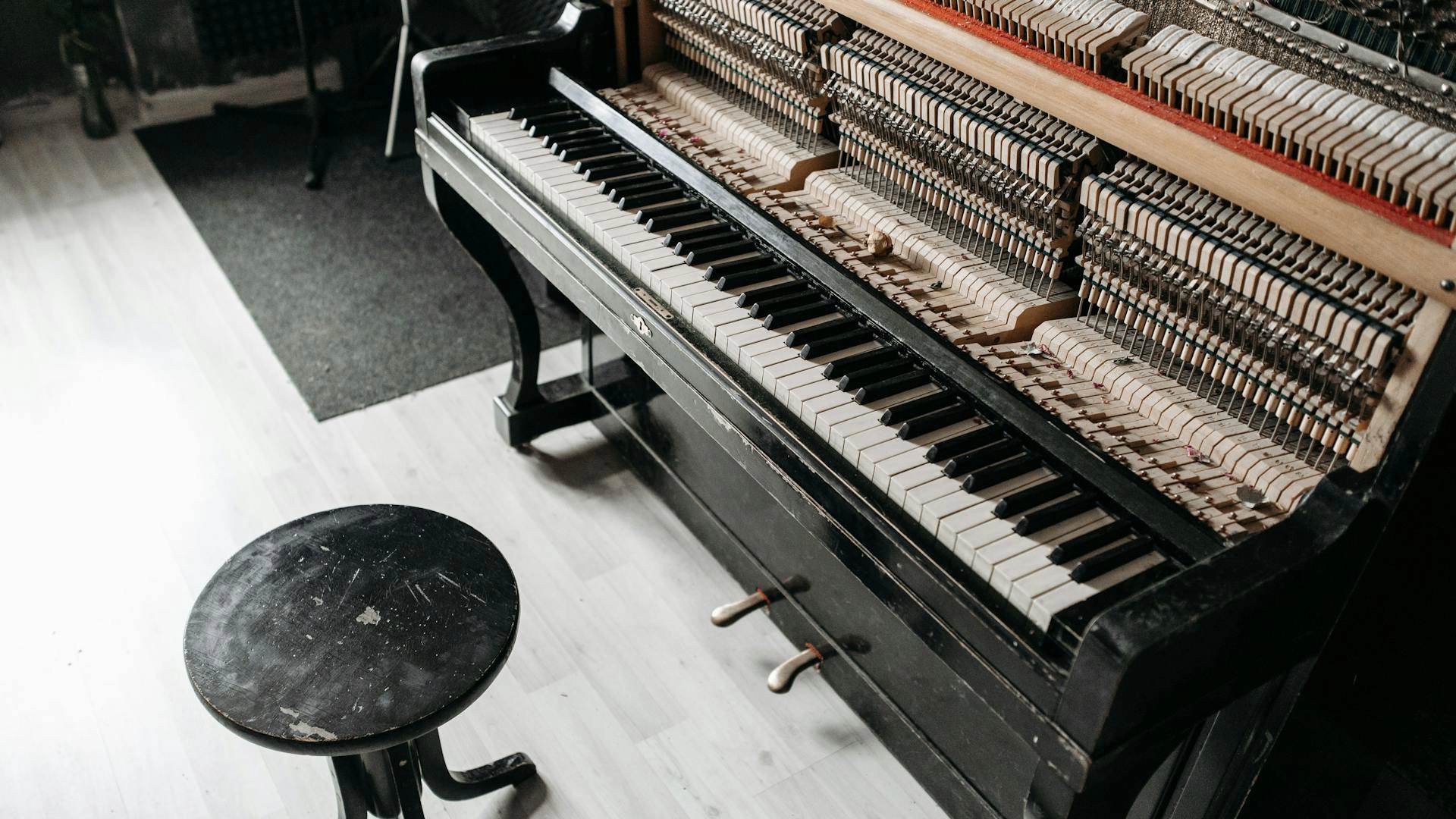
How often should I tune my acoustic piano?
Most pianos need tuning at least twice yearly to maintain proper pitch and playability. New pianos often require more frequent tuning during the first year as strings stretch and settle. If you play intensively or live in an area with significant seasonal humidity changes, quarterly tunings help maintain stability.
Are spinet pianos worth buying today?
Spinet pianos work well for casual players with severe space constraints, especially if purchased used at low cost. However, the compromised action design and limited tone make them less suitable for serious students. If space allows, a taller console or studio upright offers better value for developing proper technique.
What's the difference between console and studio uprights?
Console uprights typically measure 40-44 inches tall, while studio uprights stand 45-48 inches. The extra height in studio models allows for longer strings and larger soundboards, producing noticeably richer tone. Studio uprights also usually feature full-size actions that respond more like grand pianos, making them preferable for serious practice.
Is a baby grand better than an upright?
A quality baby grand generally offers better tone, dynamic range, and touch than uprights due to its horizontal design and grand action. However, a professional upright from makers like Steinway or Bösendorfer may exceed the performance of entry-level baby grands. The "better" choice depends on your space, budget, and specific models being compared.
Can I move a grand piano myself?
Moving a grand piano requires professional movers with specialized equipment and experience. The legs must be removed, the instrument positioned on a padded board, and the lyre detached. Improper moving can damage the soundboard, crack the rim, or harm the action. Even moving a piano within a room risks injury and damage without proper technique.
Yamaha B1-SG2 Silent Upright Piano
5.0 (2)
A Compact Gateway to Acoustic Playing




The Yamaha b1 stands just 43 inches tall, making it one of the most space-efficient acoustic pianos available. Despite its compact dimensions, Yamaha's engineering ensures the instrument delivers respectable tone quality and reliable mechanical performance that the company is known for across all their piano lines.
Design and Construction
The b1 features a traditionally crafted cabinet that fits into various home decors without dominating the room visually. The vertical design positions strings and action efficiently while maintaining structural integrity. Yamaha builds this model with attention to fundamental piano construction principles, ensuring stable tuning and consistent action response over time.
The soundboard, though smaller than studio uprights, uses quality spruce that resonates with clarity across the range. The rim and frame construction provides adequate strength to maintain proper tension on the strings. This attention to structural basics means the piano holds up well with regular use and proper maintenance.
Tone and Touch
For its size category, the b1 produces admirably balanced tone. The treble notes ring with clarity while the bass registers, though limited by shorter string length, provide adequate foundation for most musical styles. The tone lacks the depth and power of taller uprights but offers enough character for practice, casual playing, and early-stage learning.
The action responds reliably with moderate weight that doesn't tire young or beginning players. While it doesn't offer the nuanced control of larger instruments, the touch is consistent across the keyboard. Students can develop proper finger technique on this action before advancing to more sophisticated instruments.
Practical Considerations
The compact size makes placement flexible in homes, apartments, or teaching studios where space is at a premium. The piano fits through standard doorways more easily than larger instruments, simplifying delivery. Maintenance requirements remain straightforward, with the simple action design proving durable over years of regular use.
Yamaha's reputation for reliability means the b1 typically requires fewer repairs than comparably priced instruments from lesser-known manufacturers. Regular tuning maintains its performance, and the company's widespread service network ensures technicians familiar with the model are usually available.
Kawai K300-ATX2 Upright Hybrid Piano
5.0 (4)
The Serious Student's Practice Instrument

The Kawai K-300 leverages Kawai's decades of piano-making expertise to deliver an instrument that exceeds expectations for vertical pianos. Its taller cabinet allows for string lengths that produce rich, powerful tone across the entire range, while the carefully designed action provides the responsive touch that advancing pianists require.
Action and Playability
The K-300 features Kawai's Millennium III action with ABS-Carbon composite parts that resist humidity changes better than traditional wood actions. This advanced design maintains consistent feel across varying conditions while enabling faster key repetition than older upright actions. The result is an action that responds to subtle variations in touch, allowing players to develop the control needed for advanced repertoire.
The key weight balances accessibility for younger students with the resistance that builds proper finger strength. Extended practice sessions feel comfortable, and the action's responsiveness encourages dynamic exploration. Pianists transitioning from this upright to grands find the adjustment minimal compared to switching from lesser uprights.
Tonal Character
The extended string length in the K-300's 48-inch frame produces notably richer bass response than shorter uprights. The lowest octave resonates with depth and power that smaller instruments cannot match. The middle register sings with clarity, while the treble sparkles without harshness.
Kawai's tapered soundboard design maximizes vibration efficiency, allowing the piano to project surprising volume when needed while remaining controlled at softer dynamics. The tone possesses the complexity and overtone richness that makes piano music satisfying to play and hear. This tonal quality makes the instrument suitable not just for practice but for teaching demonstrations and small performances.
Build Quality and Longevity
Kawai constructs the K-300 with materials and techniques drawn from their grand piano manufacturing. The hard rock maple action parts resist wear over thousands of hours of playing. The spruce soundboard receives careful voicing to optimize resonance. The cabinet and internal bracing provide structural stability that maintains tuning and action regulation over years.
The piano's durability makes it economical for institutions that need instruments capable of withstanding multiple users daily. Home players appreciate that the instrument will maintain its performance characteristics through decades of regular use, making it a long-term investment rather than a stepping stone instrument.
See how artists use this



Steinway & Sons K-52 Upright Piano
When Space Demands Compromise but Tone Cannot

The Steinway & Sons K-52 delivers over 170 years of piano-making refinement. Steinway builds each K-52 with the same attention to detail and handcrafted quality as their concert grands, resulting in an upright that transcends typical limitations of vertical design.
Steinway Heritage and Craftsmanship
The K-52 receives extensive hand craftsmanship throughout its construction. Steinway's specialized technicians voice and regulate each instrument to exacting standards before it leaves the factory. The hammers use premium wool felt that's carefully shaped and voiced to produce Steinway's characteristic warm, singing tone.
The action incorporates design principles from Steinway grands, providing the responsive, controllable touch that pianists associate with the brand. The accelerated action geometry allows for rapid repetition and precise dynamic control. This level of action refinement remains rare in uprights, setting the K-52 apart from even other professional vertical pianos.
Tonal Excellence
The extended height allows for string lengths that approach those of baby grands, particularly in the crucial bass and tenor registers. This produces the rich, resonant low notes that many uprights struggle to deliver. The careful scaling ensures each note relates properly to its neighbors, creating smooth transitions across register breaks.
The tapered spruce soundboard responds with the complexity and overtone richness that defines Steinway tone. The instrument can whisper with delicate intimacy or ring with powerful projection. This dynamic range enables pianists to explore the full expressive palette of the piano repertoire without the compromises typical of vertical instruments.
Professional Application
Concert pianists living in apartments or traveling frequently choose the K-52 because it provides practice experience comparable to the grands they perform on. Piano teachers value it for demonstrating proper technique and tone production to students. Recording studios use it when grand pianos won't fit or when specific tonal characteristics are desired.
The instrument holds its value exceptionally well, with used Steinway uprights commanding strong prices decades after manufacture. Proper maintenance keeps these pianos performing at high levels for generations, making them genuine lifetime investments for serious musicians.
Kawai Baby Grand Piano
4.5 (3)
Grand Piano Experience in a Compact Package

The Kawai GL-10 brings Kawai's reputation for quality and value to the baby grand category. The company engineered this model to maximize performance within compact dimensions, making it popular among serious students, teachers, and home players stepping up to grand piano ownership.
Grand Action Benefits
The GL-10 features a true grand action where hammers return to rest by gravity alone. This fundamental design difference from uprights allows faster note repetition and more nuanced dynamic control. The escapement mechanism enables the subtle half-pedaling and advanced techniques that serious repertoire requires.
Kawai's action uses their composite materials technology in key components, providing durability and consistent response across humidity changes. The action regulation ensures even touch across all 88 keys, allowing pianists to develop technique without fighting mechanical inconsistencies. Students transitioning from uprights immediately notice the improved responsiveness and control.
Sound Production
The 5-foot string length produces notably better bass response than uprights while maintaining clarity in the treble. The horizontal soundboard radiates sound into the room more efficiently than vertical designs. Opening the lid reveals additional volume and projection capabilities that make the piano suitable for small performances and teaching demonstrations.
The tone possesses warmth and singing quality in the middle register where much piano music lives. While the bass doesn't match the power of larger grands due to shorter string length, the overall tonal balance works well for most playing situations. The instrument voices with the attention to detail that Kawai applies across their piano lines.
Practical Considerations
The relatively compact 5-foot length and narrow tail design help the GL-10 fit in rooms where larger grands would overwhelm. The piano works in living rooms, teaching studios, and smaller performance spaces. Despite its approachable dimensions, it makes a visual statement that enhances any room's aesthetic.
Kawai builds the GL-10 with materials and construction techniques that ensure long-term reliability. The composite action parts resist wear better than traditional materials, while the soundboard and rim construction maintain structural integrity over decades. Regular maintenance keeps the piano performing consistently through years of regular use.


Boston GP-163 Baby Grand Piano
Where Performance Meets Practicality

The Boston GP-163 benefits from Steinway's design philosophy while utilizing efficient manufacturing processes. The result is an instrument that captures much of what makes Steinway pianos special while remaining attainable for more players. Many pianists consider it the best value in its size and price category.
Steinway-Influenced Design
Boston pianos incorporate design elements from Steinway's research and development, including specific scaling, soundboard construction, and action geometry. The GP-163 uses a wide-tail design that maximizes soundboard area for its length, a feature drawn directly from Steinway grands. This expanded soundboard produces fuller tone and better projection than conventionally shaped baby grands.
The action follows Steinway's specifications for touch weight and geometry, providing playing characteristics similar to Steinway grands. This makes the GP-163 valuable for students and teachers who want an instrument that prepares pianists for the feel of professional-grade instruments. The responsive action rewards careful touch and encourages dynamic exploration.
Tonal Characteristics
The GP-163's tone combines warmth with clarity, avoiding the brightness that can make some Asian-made pianos fatiguing over long practice sessions. The bass notes resonate with unexpected depth for a 5'4" instrument, while the treble maintains singing quality without harshness. The middle register, where so much piano music lives, possesses the complexity and color that makes playing musically satisfying.
The soundboard crown and rib design optimize resonance while maintaining structural stability. This careful engineering allows the piano to produce rich tone without the excessive string tension that can create tuning instability. The result is an instrument that sounds good immediately after tuning and maintains that quality between service appointments.
Value Proposition
The Boston line provides an entry point to Steinway-influenced design and sound at notably lower cost than Steinway & Sons instruments. For many players, this makes the difference between owning a quality grand or settling for a lesser instrument. Teachers particularly value the GP-163 because students can experience grand piano characteristics that translate to any instrument they encounter later.
The piano's construction quality ensures long-term reliability with proper maintenance. The materials and manufacturing techniques create an instrument that will serve well for decades, making it a sound investment for families and institutions. Used Boston grands also hold value well, providing confidence that the purchase won't depreciate drastically.
Steinway & Sons Model S Baby Grand Piano 2 pedal
Handcrafted Excellence in Intimate Dimensions

The Steinway & Sons Model S receives the same intensive handcrafting as Steinway's concert grands. Each instrument takes nearly a year to build, with skilled craftspeople shaping, voicing, and regulating every component to Steinway's exacting standards. This attention to detail creates a musical instrument of extraordinary refinement.
Craftsmanship and Materials
Steinway selects premium materials for every component of the Model S. The soundboard uses close-grained Sitka spruce chosen for optimal resonance characteristics. The rim consists of multiple laminations of hard rock maple, bent in a single continuous piece that takes weeks to cure. The bridges use vertically laminated hard rock maple with individually fitted pins.
The action receives extensive hand regulation by Steinway's master technicians. The hammers use premium wool felt that's carefully shaped and voiced to produce Steinway's signature warm, singing tone. Each key is weighted and balanced individually, ensuring perfectly even touch across the entire keyboard. This level of craftsmanship remains unmatched in factory-produced pianos.
The Steinway Sound
Despite its compact dimensions, the Model S produces the complex, overtone-rich tone that defines Steinway pianos. The carefully scaled strings and precisely crowned soundboard create a sound that blooms and sustains beautifully. The bass notes possess surprising depth and power, while the treble sparkles with clarity and warmth.
The instrument responds to the subtlest variations in touch, allowing pianists to shape phrases with incredible nuance. The dynamic range extends from barely audible pianissimos to powerful fortissimos that fill rooms with sound. This expressiveness makes the Model S suitable not just for practice but for intimate performances and recording.
Professional Instrument in Compact Form
Many concert pianists choose the Model S for home practice because it provides an authentic Steinway playing experience in manageable dimensions. The action characteristics closely match larger Steinway grands, ensuring practice time transfers directly to concert instruments. Teachers value the Model S for demonstrating tone production and advanced technique to students.
The investment in a Steinway piano pays dividends over decades of ownership. Steinway pianos hold their value better than virtually any other piano brand, with well-maintained instruments often appreciating. The company's legendary service network ensures expert technicians remain available throughout the instrument's life. For serious pianists committed to the highest quality, the Model S delivers the ultimate compact grand piano.


Yamaha C3X Silent Piano
Concert-Quality Performance for Serious Venues

The Yamaha C3X continues Yamaha's tradition of reliable, musically satisfying grands at various price points. The company applies manufacturing precision and quality control that ensures consistent performance across individual instruments, making the C3X a dependable choice for institutions and professional players.
Enhanced Sound Projection
The additional length compared to baby grands makes a substantial difference in tonal character. The bass strings achieve lengths that produce full, resonant low notes with proper fundamental and overtone balance. The treble maintains Yamaha's characteristic clarity without brittleness. The middle register, so crucial for most piano music, sings with warmth and complexity.
Yamaha's soundboard design uses tapered thickness to optimize resonance across the frequency spectrum. The rib construction and crown shape maintain structural stability while maximizing vibration efficiency. The result is a piano that projects powerfully when needed but also responds beautifully to delicate, subtle playing.
Recording Studio Favorite
Recording engineers frequently choose the C3X because it captures well in typical studio spaces without overwhelming the room acoustics. The tone balances clarity with warmth, sitting well in mixes without extensive equalization. The consistent manufacturing quality means engineers can rely on different C3X pianos to sound similar, simplifying session planning.
The piano's dynamic range and tonal consistency across the keyboard make it suitable for various musical styles. Classical repertoire, jazz standards, pop productions, and film scoring all work well on the C3X. This versatility makes it valuable for professional studios that serve diverse clients.
Build Quality and Reliability
Yamaha's manufacturing processes ensure exceptional consistency and reliability. The precise machining and assembly mean the action maintains regulation longer than many handcrafted pianos. The materials resist environmental changes well, maintaining tuning stability and mechanical performance across varying conditions.
The piano's durability makes it economical for institutions and studios where instruments receive heavy use. Proper maintenance keeps C3X pianos performing at high levels for decades. Yamaha's worldwide service network means qualified technicians remain available throughout the instrument's life, ensuring long-term support.


Bösendorfer Model 280 vc
5.0 (2)
The Ultimate Expression of Piano Craft

The Bösendorfer Model 280VC receives intensive handcrafting in the company's Vienna facility, where skilled artisans build each instrument using techniques refined over 190 years. The Vienna Concert designation signifies the model designed specifically for concert hall performance, offering Bösendorfer's ultimate achievement.
Viennese Sound Tradition
Bösendorfer pianos produce a distinctly warm, singing tone that differs from the brighter character of some other concert grands. The bass notes resonate with exceptional depth and power, creating a foundation that supports the entire musical texture. The middle register possesses vocal quality that makes melodic lines sing. The treble maintains clarity while avoiding harshness, creating a seamlessly integrated sound across the entire range.
The extended length allows for optimal string scaling throughout the keyboard. Each note achieves ideal tension and thickness for its pitch, producing pure intonation and rich overtones. This careful scaling creates the complex, shimmering tone that defines great piano sound at its highest level.
Handcrafted Construction
Bösendorfer builds each Model 280VC almost entirely by hand, with construction taking nearly two years per instrument. The rim uses solid spruce rather than laminated maple, a traditional technique that contributes to the piano's distinctive tonal warmth. Craftspeople shape and fit each component individually, ensuring perfect alignment and optimal energy transfer.
The soundboard receives painstaking attention, with the grain orientation and thickness graduation optimized for resonance. The bridges use individually fitted pins, and the hammers undergo extensive voicing by master technicians. This level of handcrafting creates an instrument of extraordinary musical refinement that reveals new subtleties over years of playing.
Concert Hall Performance
The Model 280VC produces the volume and projection needed to fill large concert halls without amplification. The powerful bass anchors orchestral textures in concerto performances. The singing treble cuts through ensemble contexts while maintaining musical warmth. The dynamic range extends from whispered intimacy to thunderous climaxes that command attention.
Concert pianists appreciate the instrument's responsiveness to subtle touch variations, allowing them to shape phrases with incredible nuance. The action responds immediately to the slightest pressure changes, enabling the microscopic control that defines great piano playing. The sustain and decay characteristics create the singing legato lines that make piano music so compelling.
Investment and Legacy
Bösendorfer concert grands offer significant investments reserved for serious concert venues, recording studios, and dedicated collectors. The instruments maintain their performance characteristics and value over generations when properly maintained. Many pianists consider owning a Bösendorfer the ultimate achievement in piano ownership, combining both a musical instrument and a piece of cultural heritage.
The company's commitment to traditional craftsmanship ensures each instrument carries forward centuries of piano-making knowledge. For institutions and pianists who demand the absolute finest concert grand performance, the Model 280VC stands among the world's greatest pianos.
See how artists use this



Conclusion
Choosing an acoustic piano is a deeply personal decision that balances practical considerations with musical aspirations. The right instrument depends on your space, budget, playing level, and long-term goals. Whether you're drawn to the space-efficient practicality of the Yamaha b1, the serious student capabilities of the Kawai K-300, or the professional refinement of the Steinway & Sons K-52, there's an upright piano that fits your situation.
Baby grands like the Kawai GL-10 make grand piano ownership accessible, while the Boston GP-163 offers exceptional value in its category. For those seeking the ultimate in compact grand refinement, the Steinway & Sons Model S delivers handcrafted excellence. Moving up to mid-sized instruments, the Yamaha C3X provides professional performance, while the Bösendorfer Model 280VC defines concert grand excellence.
Remember that any quality acoustic piano offers a long-term investment in your musical journey. Take time to play multiple instruments before deciding. Visit piano showrooms, bring pieces you know well, and pay attention to how each instrument responds to your touch. Consider having a qualified piano technician inspect any used instrument before purchasing.
Top Ranked Grand Pianos on Equipboard


About the authors

S. Jino is an accomplished multi-instrumentalist and music producer based in Kolkata, India, distinguished by his self-taught mastery and unique blend of technical acumen and musical performance. His extensive experience was forged through hands-on dedication, starting with the full restoration of a broken guitar. Jino's capabilities span keyboards, pedals, and advanced digital production, reflecting a comprehensive skill set developed independently. As a significant contributor to the music scene, Jino regularly performs with worship bands and college ensembles. He has also established himself as a reliable and authoritative professional in freelance mixing, mastering, and original music creation. Inspired by the innovative sounds of Brian May and David Gilmour, and influenced by Kolkata's vibrant metal community, Jino is committed to the intricate art of vintage gear restoration and the continuous exploration of music and technology fusion. His current professional setup, featuring a meticulously restored nameless guitar, a Fender Player Strat, and a Boss Katana 50. Read more











.jpg)