Table of Contents

Equipboard
Equipboard is the world's largest community of artists and their gear. Read our review process.
We are reader-supported. When you buy through links on our site, we may earn an affiliate commission. Learn more.
Our Picks

Mesa/Boogie 2x12 Rectifier Compact Guitar Extension Cabinet
Best Overall Cabinet: Mesa Boogie Rectifier 2x12 delivers stage-ready power with recording studio precision. Its sophisticated design and meticulous speaker configuration make it the go-to choice for players who demand professional performance in any setting.
Read more


Best 4x12 Cabinet: The Marshall 1960A stands as rock's definitive sound machine. This cabinet shaped decades of legendary tones and continues to set the standard for players who need serious stage presence combined with recording-worthy clarity.
Read more


Best 1x12 Cabinet: The Orange PPC112 combines the portability of a small cabinet with the authoritative voice of its larger siblings. This British-voiced marvel proves that great tone doesn't require back-breaking weight or stage-consuming size.
Read more
Best Digital-Ready Cabinet: The Line 6 Powercab 212 Plus redefines what a modern guitar cabinet can do. This sophisticated hybrid combines traditional speaker response with advanced modeling technology, creating the ultimate companion for digital rigs.
Read more
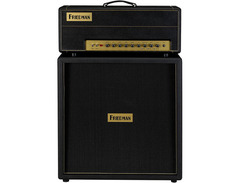
Friedman 4x12" Extension Cabinet
Best High-End Cabinet: The Friedman 4x12 Extension Cabinet represents the pinnacle of modern cabinet craftsmanship. This meticulously engineered powerhouse delivers unmatched tonal sophistication for players who demand the absolute best in both live and studio environments.
Read more
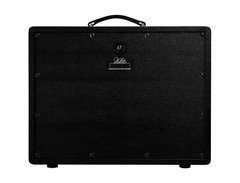
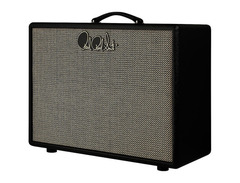
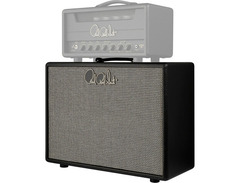
Prs Hdrx 1X12 Guitar Amp Speaker Cabinet Black
Best 2x12 Cabinet: The PRS HDRX 1x12 brings vintage character into the modern era. This cabinet perfectly balances classic tone with contemporary reliability, making it ideal for players who want timeless sounds without the maintenance headaches of actual vintage gear.
Read more
Victory V212VH Vertical Cabinet
Best Compact Cabinet: The Victory V212VH challenges the notion that vertical cabinets must sacrifice power for portability. This innovative 2x12 design packs serious punch into a space-saving footprint, making it perfect for players who need big tone in tight spaces.
Read more

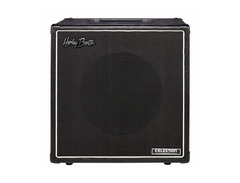
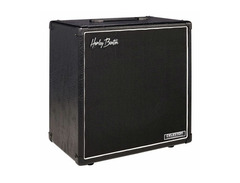
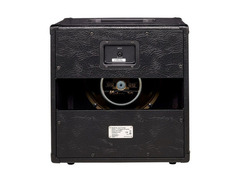
Harley Benton G112 Celestion V30
Best Budget Cabinet: The Harley Benton G112 Celestion V30 brings premium features to an accessible price point. This straightforward 1x12 design proves that great tone doesn't require emptying your bank account.
Read moreStep into any professional recording studio or peek behind the scenes at a major concert, and you'll spot one common thread - carefully chosen guitar cabinets that unlock the true potential of every amplifier they're paired with. The right cabinet transforms a good tone into something extraordinary, turning your riffs into sonic gold and your solos into stadium-filling monsters.
But here's what most players don't realize: your cabinet isn't just a box with speakers. It's a tone-sculpting powerhouse that can make or break your sound. While countless guitarists obsess over amps and pedals, the unsung hero of great tone often sits quietly in the background, ready to elevate your playing to new heights.
From the thunderous roar of a Mesa Boogie Rectifier 2x12 to the pristine clarity of a Line 6 Powercab 212 Plus, today's cabinets offer more tonal possibilities than ever before. Whether you're crafting intimate bedroom tones or need to shake the back row of an arena with a Marshall 1960A, we'll help you decode what makes these sonic machines tick and find the perfect match for your musical journey.
Key Buying Factors for a Universal Guitar Cabinet
Finding a cabinet that works seamlessly with any amplifier requires understanding several critical features. Whether you're running a boutique tube head or a modern digital modeler, these factors will determine how well your cabinet performs and how versatile it can be in different situations.
Speaker Size & Configuration

Speaker size dramatically influences your tone, with each option offering distinct advantages. 8-inch speakers deliver sharp, focused highs and quick response, making them excellent for clean tones and recording. Their tight low-end works particularly well for country leads and jazz comping where note definition is crucial.
10-inch speakers strike a unique balance, offering punchier mids than 8-inch models while maintaining excellent clarity. Many professional recording studios keep 1x10 or 2x10 cabinets specifically for cutting solos and rhythm parts that need to sit perfectly in a mix. The faster cone response compared to larger speakers helps articulate complex chord voicings and fast passages.
12-inch speakers remain the most versatile choice, delivering balanced frequency response that works across genres. Their broader frequency range handles everything from crystalline clean tones to saturated high-gain sounds. When configured in pairs or quartets, they create rich harmonics through speaker interaction.
15-inch speakers excel at producing authoritative low-end and smooth highs. While less common in guitar rigs, they're favored by players who need massive clean headroom and extended bass response. Blues players particularly appreciate how 15-inch speakers compress naturally at higher volumes.
Multiple speaker configurations each serve different needs:
- 1x12 delivers focused, direct sound perfect for small venues and recording
- 2x10 offers tight response and excellent projection for mid-sized spaces
- 2x12 provides the sweet spot between power and portability
- 4x10 creates complex harmonics with faster response than 4x12
- 4x12 moves serious air for massive stage sound
- Mixed configurations (like 1x12 + 1x10) blend different tonal characteristics
Speaker magnet types further shape your sound. Ceramic magnets offer clear highs and aggressive mids, while alnico magnets provide smoother response and natural compression. Modern neodymium magnets deliver similar tones to ceramic with significantly reduced weight, ideal for touring musicians.
Cabinet Construction & Design
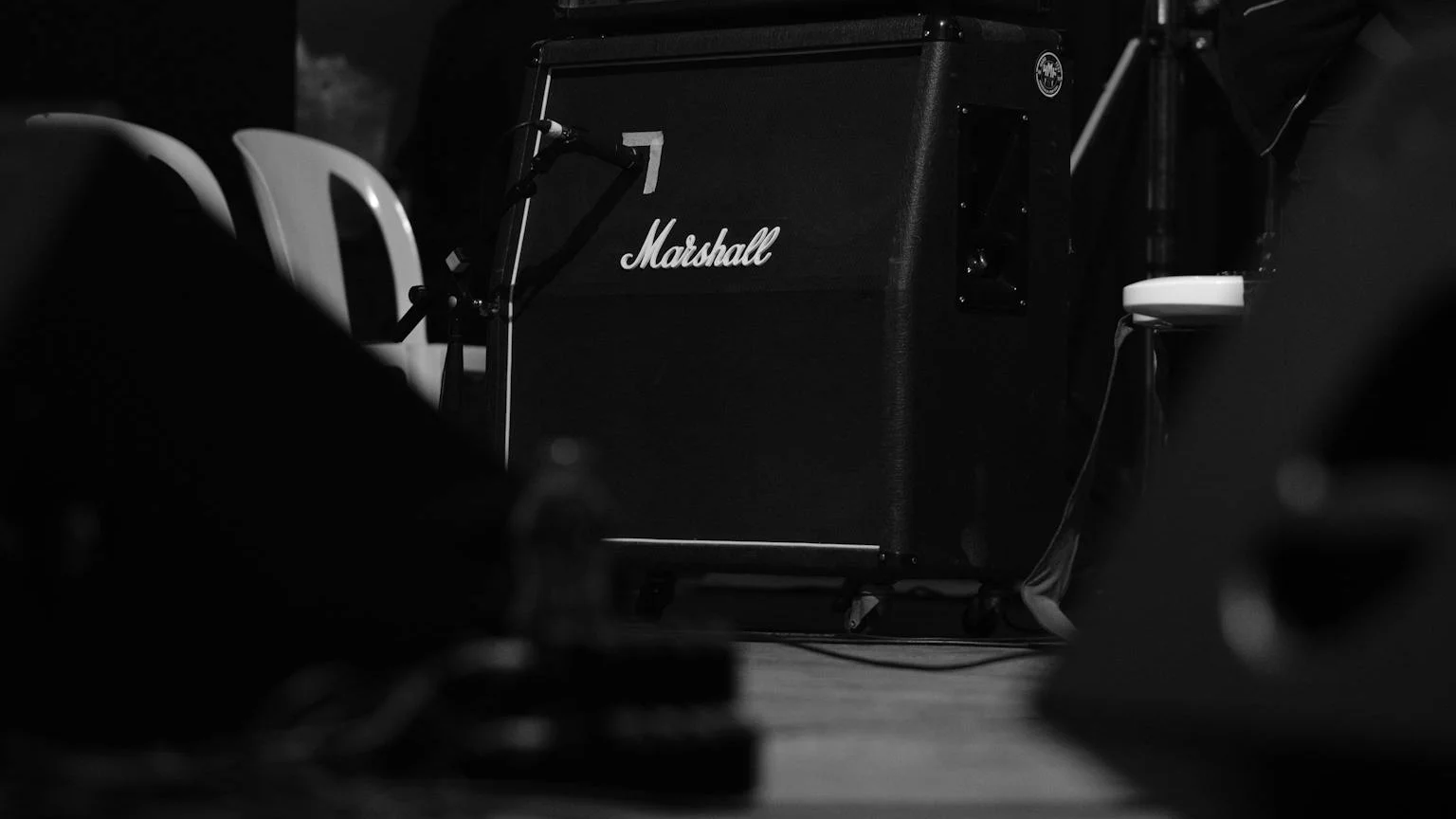
The way a cabinet is built shapes your sound before it even reaches the speakers. Traditional open-back designs create a three-dimensional soundfield by allowing sound to radiate from both front and rear. This natural dispersion adds room ambience and creates a more organic feel, particularly noticeable with clean and edge-of-breakup tones.
Closed-back cabinets focus all sound forward, delivering tighter bass response and increased projection. The enclosed air space acts like a spring, controlling speaker movement for more precise response. High-gain players often prefer this design because it maintains clarity and punch even under extreme distortion.
Modern hybrid designs offer adjustable rear panels to blend both characteristics. Some feature precisely calculated ports that enhance low-frequency response without sacrificing control. Premium cabinets often incorporate internal baffles to minimize unwanted resonances and focus specific frequencies.
Construction materials play a crucial role beyond just housing the speakers. Baltic birch, the most common choice, provides excellent rigidity and enhanced high-frequency reflection. Mahogany adds warmth to the overall tone by naturally attenuating harsh frequencies. Marine-grade plywood offers superior durability for touring while maintaining excellent acoustic properties.
Internal cabinet volume drastically affects how speakers perform. Larger enclosures allow speakers to move more freely, producing fuller low end but potentially reducing control at high volumes. Compact designs trade some low-end extension for tighter response and better projection. Some modern cabinets feature adjustable internal volumes through movable baffles or ports.
The cabinet's front baffle angle also influences your sound. Straight baffles project directly forward, while tilted designs aim the sound toward your ears for better monitoring. Some manufacturers offer switchable tilt-back mechanisms, combining traditional straight cabinets' power with the improved monitoring of angled designs.
Impedance & Power Handling
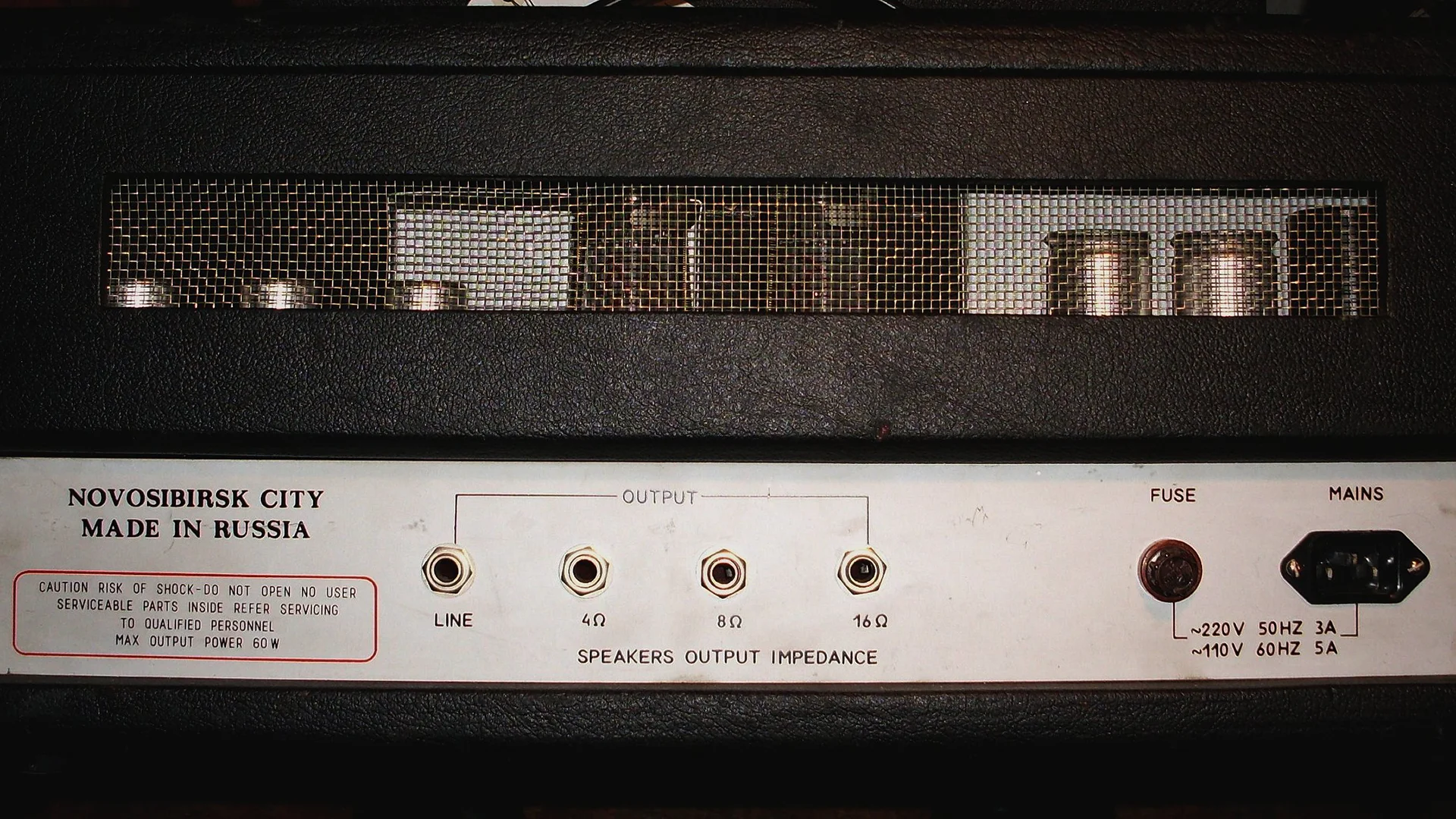
Understanding impedance and power handling might seem technical, but it's crucial for both your tone and your gear's safety. Impedance matching between your amp and cabinet determines how effectively power transfers to your speakers, directly affecting your sound and protecting your equipment.
Most guitar cabinets come in 4, 8, or 16-ohm configurations. While higher impedance isn't necessarily better, matching your amp's output impedance ensures optimal performance. Modern cabinets often feature switchable impedance settings, offering flexibility with different amps. Some professional-grade models include parallel speaker jacks for complex rigs using multiple cabinets.
Power handling involves more than just watching wattage numbers. A cabinet's power rating indicates how much continuous power it can handle without damage. However, peak power handling matters too - short bursts of high power from your amp during heavy playing can stress speakers beyond their continuous rating. Quality cabinets include thermal protection and robust voice coils to handle these demands.
Speaker efficiency also plays a vital role in your overall volume and tone. More efficient speakers produce higher volume from the same power input, but might sacrifice some low-end response. Less efficient designs often deliver richer low frequencies but need more power to achieve similar volume levels. Professional-grade cabinets typically balance these factors, using speakers selected for both efficiency and tonal quality.
The relationship between your amp's power output and cabinet's power handling deserves careful consideration. Matching a 100-watt head with a 100-watt cabinet leaves no headroom for power spikes, potentially causing speaker damage. Generally, your cabinet's power rating should exceed your amp's output by at least 20% for safe operation under all playing conditions.
Portability & Build Quality
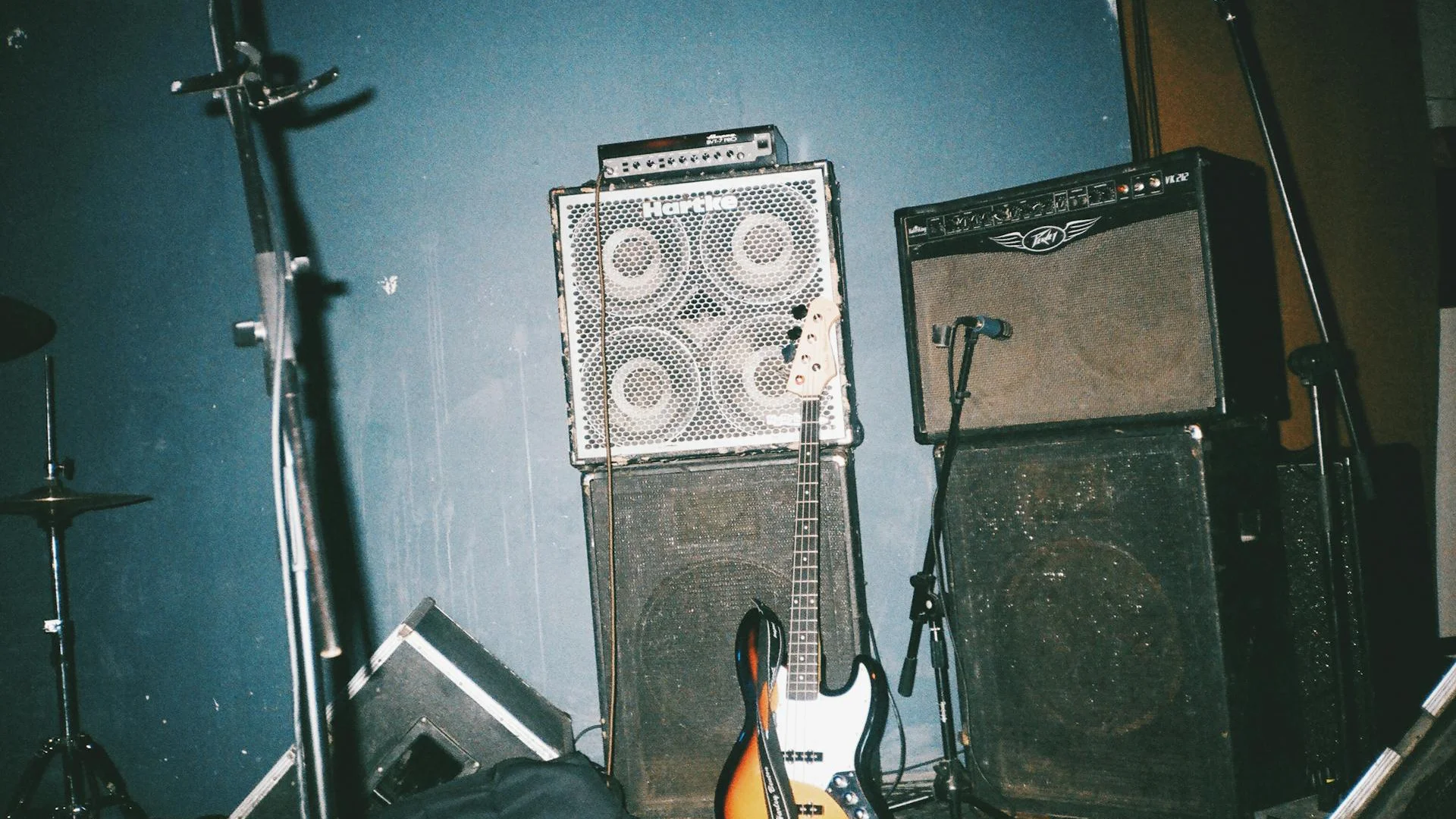
Even the best-sounding cabinet becomes a liability if it's too difficult to transport or can't withstand regular use. The ideal balance between durability and portability depends heavily on how you'll use your cabinet and where you'll take it.
Build quality starts with the framework. Corner joints take the most abuse during transport and need proper reinforcement. Professional-grade cabinets use finger-joined or dovetailed corners, significantly stronger than simple butt joints. Metal corner protectors add another layer of defense against impacts and scrapes.
Cabinet weight comes from more than just size. Traditional materials like solid pine and birch plywood create robust cabinets but can make larger formats challenging to move. Modern composite materials offer similar acoustic properties while reducing weight, though they may sacrifice some of the organic character players associate with traditional wooden cabinets.
Hardware quality directly affects both durability and usability. Heavy-duty handles positioned for balanced lifting make transportation easier and safer. Quality casters should lock securely for stability during use but roll smoothly when needed. Speaker mounting hardware needs to be robust enough to prevent unwanted vibration while allowing easy service access.
Road-ready features make a significant difference for touring musicians. Recessed jack plates protect input connections from damage. Weather-resistant covering materials resist tears and scratches better than traditional tolex. Some manufacturers offer touring editions of popular models with additional reinforcement at common wear points.
Professional cabinets often include features that enhance long-term reliability. Removable back panels provide easy access for maintenance. Separate input jacks for full-range and guitar-voiced operation extend versatility. Many include internal bracing to prevent cabinet flex, which can affect speaker performance and eventually lead to structural weakness.
Best Guitar Cabinets for Any Amp
Choosing the perfect cabinet often means balancing numerous factors, from tonal requirements to practical considerations. While there's no such thing as a universally "best" cabinet, certain models stand out for their exceptional performance across different scenarios. After evaluating dozens of cabinets through real-world use, tonal flexibility, and build quality testing, we've identified the standout options for every need and situation.
Each cabinet in our selection has earned its place by excelling in specific areas while maintaining impressive versatility. These aren't jack-of-all-trades compromises – they're professional-grade choices that focus on doing what they do exceptionally well, making them reliable options for players who demand the best from their gear.
Mesa/Boogie 2x12 Rectifier Compact Guitar Extension Cabinet
5.0 (22)
The Professional's Choice





Average Price: $852
High-end/Boutique
$200
$601+
Budget
Standard
High-end
- Exceptional sound quality across various music genres
- Compact and relatively lightweight for easier transport
- Durable build quality
- Compatible with multiple amp brands (Mesa, Soldano, Bogner)
- See 2 more
- One user noted nothing special compared to other cabs
Design and Build
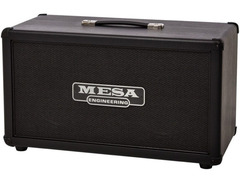
Mesa Boogie constructs this cabinet using premium marine-grade Baltic birch, selected for its superior resonant properties and exceptional durability. The multi-layer wood construction creates an acoustically ideal environment that enhances desirable frequencies while controlling unwanted resonances. A proprietary internal bracing system prevents energy loss and ensures consistent performance even during heavy low-frequency passages.
Metal corner protectors and premium hardware complement the wooden structure. The closed-back design incorporates a semi-sealed chamber that's been acoustically tuned for optimal bass response without sacrificing midrange clarity. Every joint is reinforced to eliminate vibration, while the exterior covering offers superior resistance to tears and scratches.
Speaker System
At the heart of this cabinet are two carefully matched Celestion Vintage 30 speakers. Each speaker features a custom-designed voice coil and cone assembly rated at 60 watts continuous power handling. The magnetic structure uses ceramic magnets optimized for both high efficiency and controlled power compression under sustained high-volume playing.
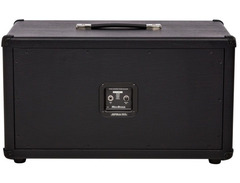
The switchable impedance system offers true 4, 8, and 16-ohm operation through high-quality selector switches. Internal wiring uses oxygen-free copper cables with premium soldered connections to maintain signal integrity. The speaker mounting system incorporates rubber gaskets that isolate the drivers from the cabinet while ensuring an airtight seal for optimal performance.
Sound Profile
Clean tones showcase remarkable headroom with crystalline highs that never become brittle. The midrange response presents a sophisticated balance between warmth and clarity, particularly evident in complex chord voicings where each note remains distinct. Low frequencies stay controlled and punchy, providing a solid foundation without overwhelming the overall mix.
Under high-gain settings, the cabinet reveals its exceptional engineering. Notes retain their fundamental character even with intense distortion, while palm-muted rhythms maintain definition and impact. The cabinet's voicing complements both modern high-gain amplifiers and vintage-style overdriven tones, showcasing remarkable versatility across musical styles.
Practical Use
Despite its professional-grade construction, thoughtful design elements make regular use and transport manageable. Spring-loaded handles are positioned for balanced lifting, while the included heavy-duty casters feature dual-locking mechanisms for stable positioning. The front-mounted control panel keeps connections easily accessible without compromising durability.
The cabinet's focused sound projection helps prevent common stage problems like excessive bleed into vocal microphones. Multiple speaker jacks support sophisticated routing options, including parallel cabinet connections and bi-amp configurations. The efficient design delivers impressive volume while maintaining clarity, reducing the need to push amplifiers into their maximum power range.
Studio Performance
In recording environments, this cabinet truly shines. The controlled low-end response requires minimal EQ correction, while the smooth high-frequency detail captures naturally in microphones. Multiple microphone positions yield usable sounds thanks to the cabinet's consistent frequency response across its entire projection pattern.
The cabinet's precise phase coherence between speakers makes it particularly suitable for both close and distant microphone techniques. It handles dynamic playing exceptionally well, maintaining clarity during quiet passages while controlling potentially problematic frequencies during high-volume sections.
See how artists use this








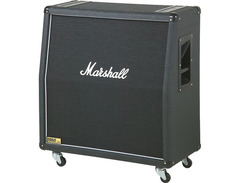
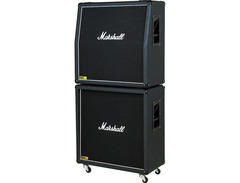
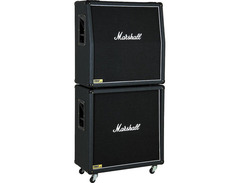
Marshall 1960A 4x12'' Cabinet
4.5 (240)
The Stadium Shaker

Average Price: $911
High-end/Boutique
$200
$601+
Budget
Standard
High-end
- Switchable between mono and stereo for versatile setups
- Exceptional sound quality across genres, from blues to metal
- Durable construction with heavy-duty birch wood
- Includes casters for easy transport
- See 6 more
- Some users report the Celestion G12T-75 speakers lack low-end and high-end definition
- Plastic components (casters sockets, corners, jack plates) may not be very durable
- Tolex covering prone to damage and tearing
- Input jack plate prone to cracking over time
- See 2 more
Design and Build
Marshall crafts the 1960A using 13-ply Baltic birch, creating a rigid structure that eliminates unwanted resonance while emphasizing the desirable harmonics that define great rock tone. The closed-back design features strategic internal bracing that reinforces the cabinet's structural integrity and contributes to its characteristic punchy response.
The exterior features Marshall's signature black Tolex covering, reinforced by heavy-duty corner protectors that can handle countless load-ins. Proprietary cabinet seam construction ensures long-term durability while maintaining optimal acoustic properties. Internal sound chambers have been carefully calculated to achieve the perfect balance between tight response and full-bodied resonance.
Speaker System
Four matched Celestion G12T-75 speakers form the heart of this cabinet, each delivering 75 watts of power handling. The speakers feature carefully engineered cone materials that balance power handling with precise response. Their arrangement creates complex harmonic interactions that contribute to the cabinet's massive sound.
The mono/stereo switching capability adds versatility, while the impedance selector allows for 4, 8, or 16-ohm operation. Premium-grade wiring harnesses use thick-gauge oxygen-free copper, ensuring maximum power transfer from your amplifier. Each speaker's mounting system incorporates specialized gaskets that optimize the seal between driver and baffle.
Sound Profile
At lower volumes, the 1960A displays remarkable clarity and definition. Clean tones possess a three-dimensional quality with detailed highs and rich harmonics. The cabinet really comes alive as volume increases, delivering the authoritative midrange punch that's essential for rock and metal rhythm playing.
High-gain tones showcase the cabinet's exceptional control. Palm-muted riffs remain tight and focused, while lead lines soar with sustain and presence. The cabinet manages high volume levels without compression, maintaining dynamic response even under aggressive playing. Multiple speakers working in unison create natural harmonics that no single-speaker cabinet can replicate.
Practical Use
Despite its considerable size, thoughtful design elements assist with transportation. Reinforced side handles provide secure grip points, while heavy-duty casters make positioning effortless. The slanted front face helps project sound toward the player, improving on-stage monitoring without compromising front-of-house sound.
The cabinet includes parallel input jacks for flexible setup options, including the ability to chain multiple cabinets. Its efficient design helps maximize amplifier headroom, while the focused projection pattern helps control stage volume. The mono/stereo switching feature proves particularly valuable for players using stereo effects or running dual amp setups.
Studio Performance
Recording engineers prize the 1960A for its consistent frequency response and predictable behavior under different microphone techniques. Close-miking captures tremendous detail, while room microphones reveal the cabinet's ability to energize a space naturally. The controlled low-end response requires minimal equalization to sit properly in a mix.
The cabinet's phase-coherent design means multiple microphones blend well without problematic cancellations. It handles dynamic playing exceptionally well, maintaining clarity during quiet passages while controlling potentially problematic frequencies during high-volume sections. The natural harmonic content adds depth to recorded tracks without requiring extensive processing.
See how artists use this



.jpeg?v=1784809643)


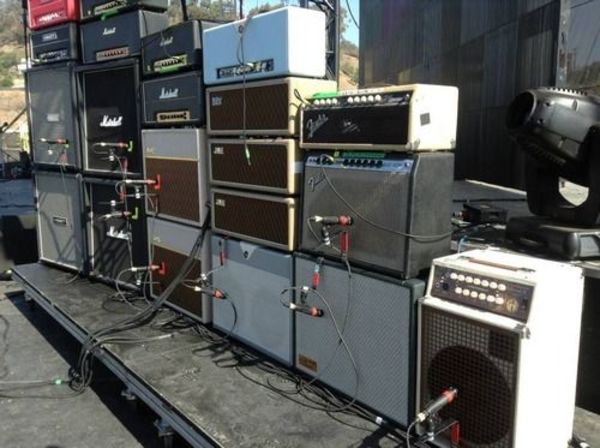


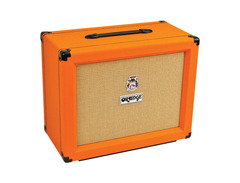
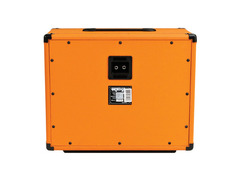
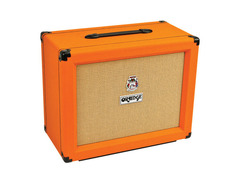
Orange PPC112
5.0 (61)
The Compact Powerhouse

Average Price: $393
Standard/Professional
$200
$601+
Budget
Standard
High-end
- Robust construction ensures durability and longevity
- Lightweight and compact for easy portability
- Tight bottom end sound due to closed-back design
- Versatile, pairs well with various amp heads for different genres
- See 6 more
- Initial harsh highs and nasally mids before speaker break-in
- Can be quite heavy, potential strain when lifting
- Speaker break-in period required for optimal sound quality
- May sound boxy compared to larger cabinets like the PPC212 in some settings
Design and Build
Orange constructs the PPC112 using high-density 13-ply Baltic birch plywood, chosen for its exceptional strength-to-weight ratio and superior acoustic properties. The cabinet features the company's signature skid runners on the base, providing protection and acoustic isolation while eliminating the need for separate stands or tilting mechanisms.
Internal construction includes strategic cross-bracing that minimizes unwanted resonance without deadening the cabinet's natural voice. The closed-back design incorporates precisely calculated internal volumes that optimize low-end response and prevent boominess. Every joint undergoes multiple quality control checks to ensure long-term durability and consistent performance.
The iconic orange basketweave vinyl covering isn't just about aesthetics - it offers superior resistance to road wear while maintaining the cabinet's professional appearance. Heavy-duty metal corner protectors extend past the tolex to prevent fraying, while recessed steel side handles provide secure grip points without adding bulk.
Speaker System
At its core, the PPC112 features a Celestion Vintage 30 speaker, specifically selected for its exceptional power handling and sophisticated voice. The speaker's 60-watt rating provides ample headroom, while its ceramic magnet structure delivers the immediacy and harmonic richness that's made it a recording studio staple.
Orange engineered a custom mounting system that creates an optimal seal between the speaker and the baffle board. High-grade oxygen-free copper wiring connects to premium connection points, ensuring maximum power transfer and minimal signal loss. The mechanical decoupling system prevents unwanted vibration transfer while maintaining precise speaker alignment.
Sound Profile
Clean tones through the PPC112 reveal exceptional detail and articulation. The cabinet reproduces complex chord voicings with remarkable clarity, while single-note lines benefit from excellent dynamic response. Medium-gain settings showcase the cabinet's British heritage, delivering warm, singing midrange that's perfect for blues and classic rock.
Under high gain, the cabinet maintains exceptional control and definition. Palm-muted rhythms stay tight and focused without becoming muddy. Lead tones cut through with authority, benefiting from the cabinet's ability to project focused mids and controlled highs. Even at substantial volume levels, the speaker maintains its composure, compressing musically without harsh breakup.
Practical Use
The PPC112's thoughtful design makes it exceptionally versatile. Its compact dimensions allow it to fit into small venues while delivering convincing full-range sound. The cabinet's efficiency helps maximize amplifier headroom, making it an excellent choice for players using lower-wattage boutique amps.
Port placement and internal acoustic treatment help control low-frequency spread, making the cabinet well-suited for stages where excessive bass can cause monitoring problems. The included side handles position the weight perfectly for single-person carrying, while the durable skid runners protect the cabinet during transport and provide stable positioning.
Studio Performance
Recording engineers appreciate the PPC112's controlled dispersion pattern, which makes microphone placement intuitive and rewarding. Close-miking captures tremendous detail, while slight off-axis positioning reveals rich harmonic complexity. The cabinet's focused projection means less room treatment is needed for great results.
Multiple microphone techniques work exceptionally well, thanks to the cabinet's phase-coherent design. It excels at capturing both pristine clean tones and saturated high-gain sounds, requiring minimal equalization to sit properly in a mix. The natural midrange focus helps guitar tracks cut through without fighting other instruments for space.
See how artists use this



.jpg)
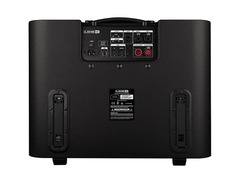
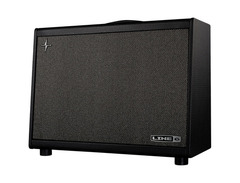
Line 6 Powercab 112 Plus
5.0 (2)
The Modern Maven




Average Price: $842
High-end/Boutique
$300
$701+
Budget
Standard
High-end
- Authentic "amp in the room" feel, especially with modelers like Helix and Quad Cortex
- Easily integrates with Line 6 products for seamless setup and control
- Consistent firmware updates and responsive support from Line 6
- Versatile with FRFR and speaker modeling capabilities, suitable for various musical styles
- See 6 more
- Sound quality and feel may not fully replace traditional tube amps for some users
- Tone can be significantly affected by the speaker's placement and angle
- Initial setup and tweaking require a learning curve to achieve desired sounds
- Some users find the speaker simulations lacking compared to real guitar cabinets
- See 1 more
Design and Build
The Powercab 212 Plus features a rugged birch plywood enclosure optimized for both traditional and modeled speaker responses. Unlike conventional cabinets, it incorporates specially designed acoustic chambers that accommodate both flat-response and guitar-voiced operations. The internal architecture includes sophisticated bracing patterns that control resonance while allowing the speakers to breathe naturally.
Line 6 reinforces every structural joint with metal bracing, ensuring road-worthy durability. The front baffle incorporates a specialized mounting system that maintains consistent acoustic properties while providing easy access for maintenance. Premium-grade hardware, including tour-grade handles and castered wheels, complements the professional build quality.
Speaker System
Two custom-designed 12-inch speakers form the heart of this cabinet, each engineered specifically for both flat response and traditional guitar tones. The speakers feature lightweight neodymium magnets that provide exceptional efficiency while reducing overall cabinet weight. Their specialized cone materials and suspension systems deliver accurate response across an extended frequency range.
The built-in power amplification system provides 250 watts per speaker, ensuring ample headroom for both traditional guitar tones and full-range applications. Sophisticated DSP systems handle speaker modeling and response curves, while high-quality A/D converters maintain signal integrity throughout the signal path.
Sound Profile
In flat response mode, the cabinet delivers exceptional accuracy, making it ideal for modelers and profilers. The frequency response remains consistent from whisper-quiet to full volume, ensuring your carefully crafted digital tones translate perfectly to the stage. Speaker modeling adds authentic character, from vintage American cleans to British high-gain responses.
Traditional guitar voicing reveals the cabinet's versatility. Clean tones possess remarkable clarity and depth, while overdriven sounds maintain excellent note separation. The cabinet excels at reproducing complex modeled rigs, maintaining the subtle characteristics that make digital modeling convincing.
Practical Use
Despite its technological sophistication, the Powercab 212 Plus remains remarkedly user-friendly. The intuitive control interface provides quick access to speaker models and response curves. Built-in preset storage allows instant recall of favorite configurations, while comprehensive I/O options support everything from simple mono rigs to complex stereo setups.
The cabinet's efficient design helps it maintain consistent tone at any volume level. Advanced DSP prevents common digital modeling issues like harsh highs or artificial-sounding response curves. Multiple mounting options and flexible positioning allow optimal sound coverage in any venue.
Studio Performance
Recording engineers appreciate the cabinet's dual personality. In flat response mode, it captures digital tones with pristine accuracy, while speaker modeling adds organic character when desired. The consistent frequency response and controlled dispersion pattern make microphone placement intuitive and rewarding.
The cabinet's sophisticated processing eliminates common recording challenges with digital rigs, such as phase issues or artificial-sounding room interactions. Direct recording options provide exceptional results, while traditional microphone techniques capture the authentic sound of speaker movement and cabinet resonance.
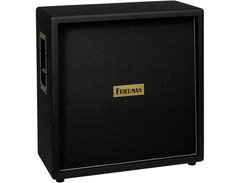
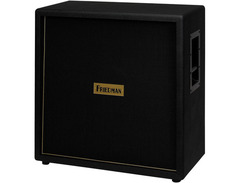
Friedman 4x12" Extension Cabinet
5.0 (2)
The Boutique Beast

Average Price: $1,410
High-end/Boutique
$200
$601+
Budget
Standard
High-end
- Compatible with a variety of amplifiers for versatile sound
- Maintains clarity and warmth even at high volumes
- Offers a mix of Greenbacks and Vintage 30s speakers for depth and detail
- Provides tonal options with great low end, midrange, and silky treble
- See 5 more
- Lacks casters, making it less portable
- Higher price point might be a concern for some
- Construction quality not as high as some competitors
- Mono output only, limiting connectivity options
Design and Build
Friedman constructs these cabinets using carefully selected Finnish birch plywood, each piece individually inspected for optimal grain structure and density. The wood undergoes specialized treatment processes to ensure stability in varying environmental conditions. Internal chambers feature precise calculations that balance low-end authority with upper harmonic clarity.
The multi-layer front baffle incorporates proprietary resonance control technologies that eliminate unwanted vibrations while enhancing desirable harmonics. Every joint receives additional reinforcement through a combination of traditional woodworking techniques and modern materials. The exterior features military-grade tolex covering that offers exceptional durability without compromising the cabinet's natural resonance.
Custom-designed steel corner protectors extend deep into the cabinet structure, providing both cosmetic and structural protection. The recessed side handles feature aerospace-grade steel backing plates that distribute weight evenly across the cabinet walls. Internal bracing patterns follow acoustic mapping data to control standing waves while maintaining the cabinet's organic voice.
Speaker System
Four hand-selected Celestion G12M-65 Creamback speakers form the foundation of this cabinet's voice. Each speaker undergoes extensive testing and matching processes to ensure perfect performance synergy. The specialized mounting system uses neoprene gaskets and precision-machined mounting rings that optimize the coupling between speakers and baffle.
The sophisticated wiring architecture features custom-made oxygen-free copper cables in a specialized configuration that minimizes interference and signal loss. Multiple impedance options (4, 8, and 16 ohms) utilize military-spec switches for reliable operation. The speaker array's physical arrangement creates complex harmonic interactions that enhance the cabinet's three-dimensional sound field.
Sound Profile
Clean tones reveal extraordinary detail and harmonic complexity. The cabinet reproduces subtle playing dynamics with uncanny accuracy, from delicate finger-picked passages to aggressive strumming. Medium-gain settings showcase remarkable mid-range articulation, with each note in complex chord voicings remaining distinct and focused.
High-gain territory is where this cabinet truly separates itself from conventional designs. Palm-muted rhythms maintain exceptional definition without sacrificing low-end impact. Lead tones soar with unprecedented sustain and harmonic development. The cabinet's sophisticated voicing adds dimensionality to high-gain tones without introducing artificial coloration.
Practical Use
Despite its professional-grade construction, thoughtful design elements make regular use practical. The integrated rolling caster system features dual-locking mechanisms and replaceable wheels. Multiple grab points with reinforced backing plates make loading and positioning manageable even for a single person.
The speaker connection panel includes parallel jacks for sophisticated routing options, while the recessed design protects connections during transport. The cabinet's efficient design helps maximize amplifier headroom while maintaining exceptional clarity at any volume level. Specialized port tuning helps control low-frequency spread in problematic venues.
Studio Performance
Recording engineers particularly value this cabinet's consistent frequency response and sophisticated harmonic structure. Close-miking captures extraordinary detail, while room microphones reveal natural space and depth. The controlled low-end response requires minimal equalization, even in less-than-ideal acoustic spaces.
Multiple microphone techniques yield exceptional results due to the cabinet's phase-coherent design. It handles dynamic playing with remarkable grace, maintaining clarity during quiet passages while controlling potentially problematic frequencies during high-volume sections. The natural harmonic content adds professional-grade depth to recorded tracks without requiring extensive processing.
See how artists use this


.jpg)




Prs Hdrx 1X12 Guitar Amp Speaker Cabinet Black
The Vintage Virtuoso

Average Price: $423
Standard/Professional
$200
$601+
Budget
Standard
High-end
- Excellent craftsmanship, fits well with various amp models
- Lightweight at only 12 kg, easy to transport
- Enhanced sound with larger membrane area
- Complements HDRX20 head for balanced sound
- See 4 more
- May have slightly excessive bass power for some users
Design and Build
PRS crafts this cabinet using a closed-back design that maximizes tonal focus without sacrificing harmonic richness. The structural design emphasizes full-spectrum sound reproduction while maintaining the focused projection that's crucial for both stage and studio use. Every construction detail serves both sound and durability, creating a cabinet that's both roadworthy and tonefully sophisticated.
The exterior showcases PRS's attention to detail, featuring a classic black covering paired with British-style salt and pepper weave grille cloth. The understated yet professional aesthetic includes the signature PRS logo, creating a look that pays homage to vintage designs while maintaining modern elegance. Every joint and seam reflects premium-grade construction techniques that ensure long-term reliability.
Speaker System
A single Celestion V-type 12-inch speaker rated at 70 watts forms the heart of this cabinet. This speaker choice brilliantly complements the cabinet's vintage-inspired voice, delivering warm, expansive tone with pristine high-frequency detail. The low-end response remains airy and natural, avoiding the boxiness that can plague some closed-back designs.
The cabinet's power handling and electrical design make it particularly compatible with the HDRX line of Hendrix-inspired tube heads. However, its sophisticated voice works beautifully with a wide range of modern and vintage-style amplifiers, showcasing exceptional versatility across different playing situations.
Sound Profile
Clean tones reveal remarkable vintage character with modern clarity. The cabinet excels at reproducing the dynamic nuances that define classic rock and blues tones, while maintaining enough precision for contemporary playing styles. Medium-gain settings showcase rich harmonic development that's perfect for expressive lead playing and complex chord work.
High-gain territory demonstrates the cabinet's modern engineering advantages. While it excels at vintage-style overdrive, it handles modern distortion with impressive clarity. The focused low-end prevents mud while maintaining the warmth that players seek from vintage-inspired designs. Lead tones cut through with authority while retaining musical smoothness.
Practical Use
Despite its vintage inspiration, the HDRX 1x12 incorporates modern convenience features that make it practical for regular use. The cabinet's size strikes an excellent balance between substantial sound and manageable footprint. Its efficient design helps maximize amplifier headroom while maintaining consistent tone across volume levels.
The closed-back design helps control stage volume and minimize feedback issues, making it particularly valuable for live performance. While it pairs exceptionally well with PRS's own amplifiers, the cabinet's versatile voice complements virtually any amp head, making it a valuable addition to any setup.
Studio Performance
Recording engineers appreciate this cabinet's ability to capture vintage tone without the inconsistencies often found in actual vintage equipment. Close-miking reveals rich detail and harmonic complexity, while room microphones capture natural space and depth. The controlled dispersion pattern makes microphone placement intuitive and rewarding.
The cabinet's focused yet full-range response requires minimal equalization to sit properly in a mix. It excels at capturing both pristine clean tones and saturated overdrive, maintaining consistent character across various gain levels. The natural midrange focus helps guitar tracks cut through without requiring excessive processing.
Victory V212VH Vertical Cabinet
5.0 (3)
The Road Warrior

Average Price: $818
High-end/Boutique
$200
$601+
Budget
Standard
High-end
Design and Build
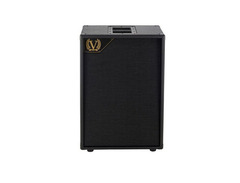
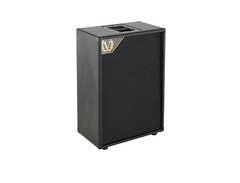
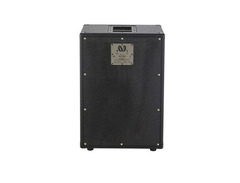
Victory constructs this vertical cabinet using a combination of redwood pine and Baltic birch, creating a structure that maximizes projection while minimizing stage footprint. At just 485 x 700 x 295 mm, the vertical orientation makes efficient use of limited space while delivering full 2x12 power. The slightly upward-angled speaker baffle ensures optimal sound projection at both ear and audience level.
The cabinet's structural integrity comes from reinforced joints and strategic internal bracing that prevents unwanted vibration. Premium tolex covering and heavy-duty corner protectors mean this cabinet can handle regular gigging without showing wear. At 21.5 kg, it strikes an excellent balance between solid construction and manageable weight.
Speaker System
Two Celestion G12T-75 speakers form the heart of this British-made cabinet. These speakers are renowned for their ability to handle high-gain tones while maintaining excellent clarity. The fixed 16-ohm impedance and 150-watt power handling make it an excellent match for the Victory Sheriff series heads it was designed to complement, though it pairs well with many other amplifiers. Heavy-gauge wiring connects everything inside, while premium connection points ensure reliable performance night after night. The vertical speaker arrangement means you hear your tone the same way your audience does, making it easier to dial in the perfect sound.
Sound Profile
Clean tones showcase remarkable depth that belies the cabinet's compact size. Unlike many vertical cabs that can sound thin or directional, this Victory design delivers full-bodied tone with excellent dispersion. The G12T-75s provide that quintessential British voice when you want it, but clean up beautifully for more modern sounds. Crank up the gain, and the cabinet really shows its character. Rock and metal rhythms stay tight and focused, with enough low-end thump to move serious air. Lead playing benefits from the vertical design's natural projection - solos cut through the mix without having to fight for space. Even at high volumes, the sound stays composed and musical.
Practical Use
On stage is where the V212VH truly shines. Its vertical design means you can fit professional-grade tone into spaces where traditional 2x12s wouldn't dream of going. The cabinet's stable footprint resists tipping, even on cramped stages. Smart design touches like the tilted baffle mean you can position it close to walls without affecting the sound. Many players find they can leave their 4x12s at home once they experience how this cabinet performs in real-world situations.
Studio Performance
Recording engineers particularly appreciate how this cabinet behaves in the studio. The focused sound pattern makes mic placement intuitive - you won't spend hours trying to find the sweet spot. Close-miking captures detailed tone without the phase issues common to vertical designs, while room mics reveal how naturally this cabinet energizes a space.
The controlled low-end means less time fighting resonance issues in smaller recording spaces. Multiple mic setups work particularly well, as the cabinet's coherent phase response allows for creative blending without fighting cancellation issues. Whether tracking high-gain metal or delicate clean passages, this cabinet delivers professional results with minimal fuss.
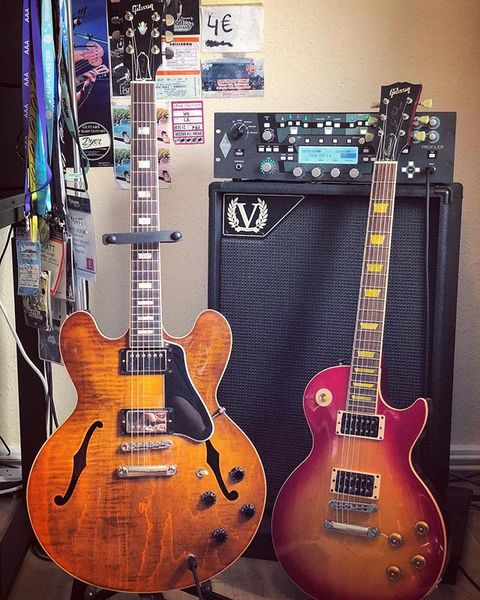
See how artists use this



.jpg)
Harley Benton G112 Celestion V30
5.0 (1)
The Budget Champion

- Offers great value, nearly the price of the Celestion V30 speaker alone
- Compatible with a wide range of instruments and musical styles
- Excellent handling of low frequencies, suitable for baritone guitars
- Solid build quality, capable of withstanding gigging
- See 3 more
- Tolex material is of lower quality, not very durable
- Aesthetic design and handle could be improved
- Lacks the option to connect multiple cabinets together
- Upper mids can be slightly pronounced, though not overly annoying
Design and Build
Harley Benton builds this cabinet using carefully selected plywood that provides both durability and favorable acoustic properties. The closed-back design helps focus the sound while providing excellent low-end response. Despite its budget-friendly nature, the cabinet features solid corner joints and internal bracing that prevent unwanted resonance. The vintage-style tolex covering not only looks professional but offers good protection against regular wear and tear.
Internal acoustic treatment helps control standing waves while maintaining the cabinet's natural voice. The front baffle thickness has been optimized for ideal speaker coupling, while the rear panel includes strategic reinforcement points that maintain structural integrity under heavy use.
Speaker System
At the heart of this cabinet sits a genuine Celestion Vintage 30 speaker, the same professional-grade driver found in many high-end cabinets. This 60-watt speaker delivers the articulate midrange and harmonically rich character that's made it a studio and stage favorite. The 8-ohm impedance makes it compatible with a wide range of amplifiers, while the power handling provides enough headroom for most playing situations. The speaker mounting system uses a rubber gasket that ensures proper acoustic isolation while maintaining an airtight seal. Quality wiring and connection points throughout the signal path preserve tone and ensure reliable operation.
Sound Profile
Clean tones reveal the Vintage 30's renowned character, with detailed upper frequencies and a present but controlled midrange. The cabinet maintains excellent clarity with complex chord voicings, while single-note lines benefit from the speaker's natural musicality. The low-end response stays tight and focused, providing a solid foundation without becoming boomy or undefined. Push it into overdrive, and the true versatility shines through - from bluesy warmth to aggressive rock tones, this cabinet handles gain stages with surprising sophistication. Even at higher volumes, the speaker maintains its composure, compressing musically without harsh breakup. The cabinet's voicing complements both vintage-style amps and modern high-gain heads.
Practical Use
For home practice and small gigs, this cabinet hits a sweet spot between volume capability and manageable size. The standard dimensions make it easy to transport and position, while the efficient design helps you achieve substantial volume without pushing your amp too hard. Despite its straightforward feature set, the cabinet includes essential extras like secure handle placement and rubber feet for stable positioning. The closed-back design helps control stage volume and minimize feedback issues, making it particularly valuable for live performance. The speaker's efficiency means you can achieve impressive volume levels without needing excessive amplifier power, helping protect both your amp and your ears.
Studio Performance
Budget gear often falls short in recording situations, but this cabinet holds its own under microphones. The Vintage 30 provides the same reliable response that engineers expect from more expensive cabinets. Close-miking captures detailed mids and controlled highs, while a bit of room mic adds natural space to the sound. The focused projection pattern makes it easy to find good microphone positions, even in less-than-ideal recording spaces. Multiple microphone setups work particularly well, as the cabinet maintains consistent phase response across different positions.
The controlled low-end means less time fighting resonance issues in smaller recording spaces, while the natural midrange focus helps guitar tracks cut through a mix without requiring excessive processing. Whether recording high-gain metal tones or delicate clean passages, this cabinet delivers professional results that belie its modest price point.
Frequently Asked Questions
How do I match cabinet impedance with my amp?
Always match your amp's output impedance with your cabinet's rating for optimal performance and safety. If your amp has switchable output impedance, set it to match your cabinet. For tube amps, never run them without a speaker load. When using multiple cabinets, remember: connecting two 16-ohm cabinets in parallel results in 8 ohms total load, while two 8-ohm cabinets give you 4 ohms. Most modern amps are protected against mismatches, but correct matching ensures the best tone and prevents potential damage.
What speaker configuration works best for different music styles?
A 1x12 cabinet typically excels for blues, jazz, and country where note definition is crucial. Rock and metal players often prefer 2x12 or 4x12 configurations for their fuller sound and enhanced low-end response. The choice between configurations often depends more on playing volume and venue size than genre - many metal players use 1x12 cabinets for practice and recording, while jazz players might prefer 4x12s for large venues.
Open-back versus closed-back: which should I choose?
Open-back cabinets produce a more room-filling, three-dimensional sound that works particularly well for blues, classic rock, and styles where natural ambience enhances the tone. Closed-back designs offer tighter bass response and more focused projection, making them popular for high-gain and modern rock styles. Some players solve this dilemma by using convertible cabinets or owning both types for different situations.
Do I need a special cabinet for my digital modeler?
While traditional guitar cabinets work with digital modelers, FRFR (Full Range, Flat Response) cabinets like the Line 6 Powercab offer advantages for digital rigs. They reproduce the full frequency range of modeled amps and cabs more accurately. However, many players prefer running modelers through traditional cabinets for their natural speaker compression and familiar feel.
How much power handling do I really need?
Your cabinet's power rating should exceed your amp's output by at least 20% to handle volume spikes safely. For a 50-watt amp, look for a cabinet rated at 60 watts or higher. Remember that clean headroom and speaker compression characteristics matter more than maximum volume - higher-powered speakers often stay cleaner at volume, while lower-powered speakers might compress earlier.
Can I mix different speakers in the same cabinet?
Yes, mixing speakers can create unique tonal blends. Common combinations include pairing a bright speaker with a darker one or combining different power handling capabilities. However, ensure all speakers have the same impedance when mixing, and consider how their efficiency ratings might affect the overall balance.
What should I look for in a gigging cabinet?
Durability, portability, and reliability are key. Look for quality hardware, sturdy handles, and reinforced corners. Consider the venue sizes you typically play - a 2x12 might be perfect for clubs while larger venues might demand a 4x12. Weight matters too - modern neodymium speakers can significantly reduce cabinet weight without sacrificing tone.
Does cabinet wood really affect tone?
Yes, though perhaps more subtly than marketing often suggests. Baltic birch is popular for its rigid yet resonant properties. Pine can add warmth, while denser woods like maple can increase note definition. However, construction quality and speaker choice typically impact tone more significantly than wood type alone.
Making Your Final Decision
Choosing the perfect guitar cabinet ultimately comes down to understanding how different designs serve different needs. While every cabinet in this guide offers exceptional quality for its intended purpose, your choice should align with your specific playing situations and tonal goals.
Consider your typical playing environment first. A massive 4x12 like the Marshall 1960A might seem appealing, but it could be overkill for apartment practice or small venues. Conversely, a compact 1x12 might leave you wanting more when playing larger stages. Modern options like the Victory V212VH bridge this gap by offering substantial power in space-saving designs.
Your amplifier choice plays a crucial role too. Digital modeling enthusiasts will find purpose-built solutions like the Line 6 Powercab 212 Plus offer advantages that traditional cabinets can't match. Meanwhile, tube amp devotees might gravitate toward classic designs that complement their amp's natural character.
Budget doesn't necessarily restrict quality. While premium cabinets like the Friedman 4x12 represent the pinnacle of cabinet design, options like the Harley Benton G112 Celestion V30 prove that great tone exists at every price point. Sometimes, the most expensive option isn't the best choice for your specific needs.
Remember that the perfect cabinet isn't about specs or brand names - it's about finding the right tool for your musical expression. Take time to consider how you'll use the cabinet, where you'll use it, and what matters most for your playing style.
Top Ranked Guitar Amplifier Cabinets on Equipboard

$729.00 - $1,099.00
5.0 (49)
5.0 (49)

-m.webp?v=1784845573)


About the authors

S. Jino is an accomplished multi-instrumentalist and music producer based in Kolkata, India, distinguished by his self-taught mastery and unique blend of technical acumen and musical performance. His extensive experience was forged through hands-on dedication, starting with the full restoration of a broken guitar. Jino's capabilities span keyboards, pedals, and advanced digital production, reflecting a comprehensive skill set developed independently. As a significant contributor to the music scene, Jino regularly performs with worship bands and college ensembles. He has also established himself as a reliable and authoritative professional in freelance mixing, mastering, and original music creation. Inspired by the innovative sounds of Brian May and David Gilmour, and influenced by Kolkata's vibrant metal community, Jino is committed to the intricate art of vintage gear restoration and the continuous exploration of music and technology fusion. His current professional setup, featuring a meticulously restored nameless guitar, a Fender Player Strat, and a Boss Katana 50. Read more