By Gear Experts
Table of Contents

Equipboard
Equipboard is the world's largest community of artists and their gear. Read our review process.
We are reader-supported. When you buy through links on our site, we may earn an affiliate commission. Learn more.
Our Picks

The Neural DSP Quad Cortex redefines digital modeling with revolutionary neural capture technology, offering unparalleled accuracy in recreating analog gear, seamless user interface design, and professional-grade sound and versatility for studio and stage use.
Read more


The Line 6 Helix remains a benchmark for reliability and versatility in the modeling amp market, offering sophisticated tone reproduction, extensive routing capabilities, and an intuitive interface that continues to evolve through regular firmware updates.
Read more

The Positive Grid Spark 2 combines advanced AI-driven practice tools, high-quality amp modeling, and a compact design, creating an interactive learning and jamming environment ideal for home practice and skill development.
Read more
The Kemper Profiler Stage offers unparalleled amp profiling technology in a rugged, stage-ready unit, delivering exact recreations of real amplifiers with studio-quality effects and seamless performance capabilities for touring and recording professionals.
Read more
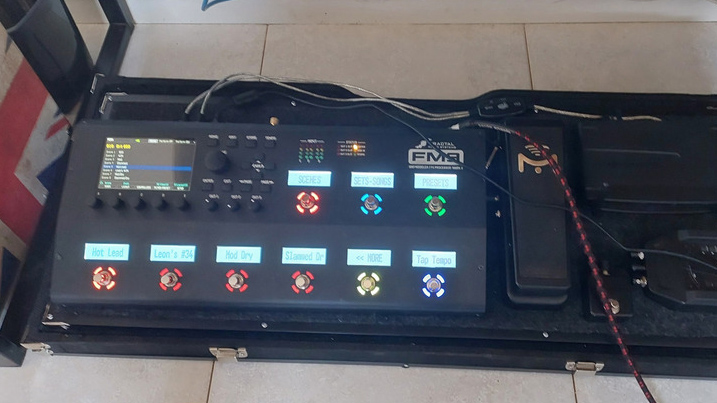
The Fractal FM9 delivers unparalleled sound quality and flexibility, combining cutting-edge amp modeling, studio-grade effects, and robust processing power into a professional-grade floor unit ideal for demanding musicians and studios.
Read more

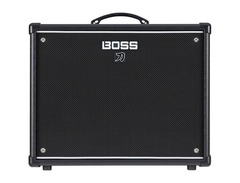
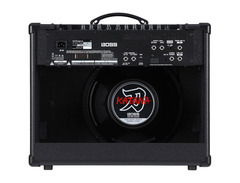
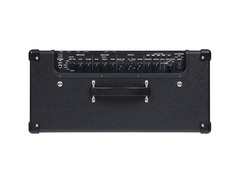
Boss Katana-100 Gen 3 100-watt 1 x 12-inch Combo Amplifier
The Boss Katana-100 Gen 3 combines professional-grade features, versatile amp voicings, and comprehensive effects in an accessible package, making it an ideal choice for developing musicians and home recording enthusiasts seeking exceptional value and performance.
Read more
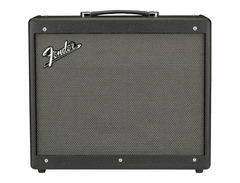
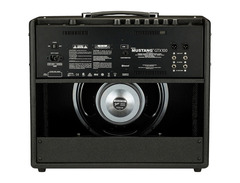
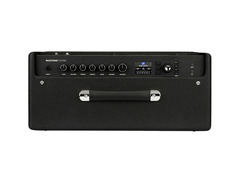
The Fender Mustang GTX100 combines authentic Fender amp tones with modern versatility, offering 40 amp models, sophisticated effects, and comprehensive digital connectivity, making it ideal for home recording, live performance, and players who need a wide tonal palette.
Read more

Yamaha THR30II Wireless Desktop Amp
The Yamaha THR30II combines cutting-edge modeling technology with a compact, living room-friendly design, delivering professional-grade tones that rival mic’d vintage amplifiers while offering modern connectivity and versatility for practice, recording, and small performances.
Read more
Vox VT20X 20W 1x8 Guitar Modeling Combo Amp
The Vox VT20X combines the warmth and dynamics of its hybrid Valvetronix tube technology with versatile digital modeling, offering a compact, feature-rich amplifier ideal for players of all levels, from beginners to recording artists.
Read moreWhy Choose a Modeling Amplifier?
Imagine having dozens of premium amplifiers at your fingertips, each perfectly mic'd and ready to play. That's exactly what a modeling amplifier offers. These digital powerhouses use advanced algorithms to recreate the sound and feel of classic tube amps, modern high-gain monsters, and everything in between. Beyond mere convenience, modeling amps bring unprecedented versatility to your setup, allowing you to switch seamlessly between pristine clean tones and face-melting distortion without changing equipment.
The benefits extend far beyond tone variety. Modern modeling amps often include built-in effects, recording interfaces, and practice tools, making them ideal for players at any skill level. Whether you're a bedroom guitarist looking to explore different styles, a recording artist seeking consistency in the studio, or a gigging musician tired of hauling heavy tube amps, there's a modeling amp designed to meet your needs.
Key Factors to Consider When Choosing a Modeling Amp

Sound Quality and Realism
At the heart of any great modeling amp is its ability to faithfully reproduce the character of traditional amplifiers. The best units capture not just the basic tone, but also the subtle nuances that make classic amps special – from the warm compression of vintage Fender cleans to the aggressive bite of a cranked Marshall. Pay particular attention to:
- The quality of amp simulations and how they respond to your playing dynamics
- Cabinet emulations and their impact on the overall sound
- The ability to fine-tune parameters for creating your perfect tone
Built-in Effects
Modern modeling amps serve as complete effects platforms, often rivaling dedicated multi-effects units. When evaluating the effects section, consider:
- The range and quality of included effects, from essential reverbs and delays to specialized modulation effects
- The number of effects you can use simultaneously
- The depth of editing capabilities for each effect
- Whether the amp receives regular firmware updates with new effects
Power and Volume
Finding the right balance between power and practicality is crucial. Consider your primary use case:
- For home practice, a 20-50 watt amp often provides plenty of headroom while maintaining neighbor-friendly volume levels
- For live performances, look for at least 100 watts of power, or consider units with direct output capabilities
- Studio users might prioritize sound quality over raw power, focusing on units with quality direct recording outputs
Connectivity Options
Modern modeling amps are connectivity powerhouses. Essential features to consider include:
- USB audio interface capabilities for direct recording
- Bluetooth connectivity for wireless audio streaming and app control
- Balanced XLR outputs for connecting to PA systems
- Effects loops for integrating external pedals
- MIDI connectivity for sophisticated control options
- Headphone outputs for silent practice
User Interface and Ease of Use
The best modeling amp is one you'll actually use to its full potential. Evaluate the interface based on:
- The learning curve required to access basic functions
- The depth of tone editing capabilities
- Whether you prefer physical knobs, touchscreens, or app-based control
- The clarity of the display and control layout
- The availability of companion apps or editing software
Portability
Consider how and where you'll use the amp:
- Desktop units might prioritize compact size over power
- Gigging musicians should balance features with practical portability
- Consider whether you need a built-in speaker or if a direct-output solution would work better
Price Range Considerations
Modeling amps span a wide price range, from budget-friendly practice amps to professional-grade units. When setting your budget, consider:
- Entry-level units ($200-500) often provide excellent value for practice and basic recording
- Mid-range options ($500-1000) offer enhanced sound quality and features
- Professional units ($1000+) provide the highest quality modeling and most extensive feature sets
- The long-term value of investing in a more capable unit that can grow with your needs
Recommended Modeling Amplifiers for 2024
The modeling amplifier market is at an interesting point now. Some of these modelers have become so good that it takes a really trained ear to discern the difference between a modelling amp the real deal. Manufacturers are pushing the boundaries of digital technology to deliver increasingly authentic and versatile solutions. From compact desktop units perfect for home practice to professional-grade processors capable of replacing entire amp rigs, there's a modeling amp for every need and budget. Our carefully curated selection represents the best options across different price points and use cases, with each offering unique strengths that set it apart from the competition.
Today's modeling amps pack remarkable processing power, sophisticated algorithms, and intuitive interfaces into increasingly compact forms. We've evaluated each unit based on sound quality, feature set, build quality, user interface, and value for money. Some units excel in pure tone authenticity, others in effects processing depth, while certain models strike an impressive balance across all features.
These recommendations reflect months of hands-on testing, gigging experience, and extensive user feedback. Each featured amp has proven its worth in real-world applications - from cramped home studios to professional recording environments and festival stages. Let's explore the standout options in today's modeling amp market, breaking down what makes each one special and identifying their ideal applications.
Modeling vs. Tube. vs. Solid State
While modeling and solid-state amps are generally divided into different categories, they’re all somewhat similar. Modeling amps are to solid-state amps as a supreme pizza is to a cheese pizza. They’re still fundamentally the same thing, there’s just more features on a modeling amp.
Basically, solid-state amps boost the signal of your guitar to an audible level without the use of vacuum tubes. Modeling amps do the same, but they also color the signal based on the parameters you set. A simplistic way to think about a modeling amp vs. a solid-state is that a modeling amp is basically a solid-state amp with a bunch of pedals jammed inside.
The difference between tube and modeling amps is a bit more complicated, but not incredibly so. The basic difference is that tube amps create power with vacuum tubes. If you’re curious about how this works, feel free to do some research because it actually is kind of interesting. But since we’re sticking with just the knowledge you need to know to decide whether or not a tube amp is right for you we’re going to gloss over it.
Tubes are generally considered to create a warmer and more organic sound, especially when distortion is used. The reason for this is that the distortion introduced into a signal by tubes (of which there are always elements present, even if the amp sounds very clean) is more harmonic than that of a solid-state amplifier. Solid-state amplifiers produce inharmonic overtones, which is why they sound more digital.
However, the sound quality of solid-state amps is constantly improving. While distortion is still kind of tricky for a solid-state amp to pull off convincingly there are a ton of great solid-state and modeling amps that have incredibly organic sounding clean tones. It’s almost to the point now where the clean tones from a solid modeling amplifier are going to be basically indistinguishable from that of a high-level tube amp.
The bad thing about tube amps is that in order to really benefit from vacuum tubes you have to push a lot of power through them, which translates into volume. This means that for anyone who lives in a shared living space, or an apartment, odds are you’re not going to benefit from the higher quality of sound you’d get from a tube amp. They also require more maintenance and care.
Hybrid Modeling Amps vs. Solid-State
To further confuse matters, there are also amplifiers known as hybrid amps. Hybrid amps have a tube preamp, which is intended to give the warmth and dynamics you’d find in a tube amp with the lower volume and higher reliability you get with a solid-state amp.
The problem here is that the amount of benefit you gain from this is really up to personal preference. You get some extra warmth from the hybrid design, but it’s not an incredibly dramatic difference when compared to the tone you can dial in with a good modeling amp.
Like any other amp, the factors that you use to make your decision shouldn’t include snake oil marketing terms. Hybrid amps do offer a more organic tone in some circumstances, but it’s more a matter of every element of the amp’s design as opposed to tubes = better tone.
Neural DSP Quad Cortex
5.0 (31)







Average Price: $1,729
High-end/Boutique
$200
$501+
Budget
Standard
High-end
- Top-tier modeling and profiling unit with sturdy build
- User-friendly interface with minimal setup required
- Portable with ample inputs and outputs
- Frequent updates adding new amps and effects
- See 5 more
- Flimsy power supply and outdated USB Type B port
- Direct monitoring feature unusable on Windows
- Some users report a 'nasal' quality in mid-range frequencies with high gain amps
- Sound quality may not match up to competitors like Fractal FM3 for some users
- See 3 more

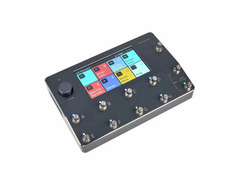
We are living in the era of AI and the Quad Cortex introduces groundbreaking neural network processing to capture amplifier and effects behavior with unprecedented accuracy. By leveraging machine learning algorithms alongside traditional modeling techniques, the Quad Cortex has established itself as a benchmark for digital tone replication in the professional space.
The Quad Cortex's distinguishing feature lies in its neural capture technology, which analyzes and recreates the behavior of analog equipment with remarkable precision. Unlike conventional modeling that relies solely on traditional digital signal processing, the neural capture system learns and replicates the subtle nonlinearities and dynamic responses that give great amps their character. This technology extends beyond simple amp modeling – users can capture the unique characteristics of their own amplifiers, pedals, and even complete signal chains.
At its core, the Quad Cortex employs quad-core SHARC DSP processors working in conjunction with Neural DSP's proprietary neural networks. This formidable processing architecture handles complex signal chains without introducing latency or artificial dynamics compression. The unit maintains pristine 24-bit/96kHz audio quality throughout the signal path, ensuring studio-grade fidelity from input to output. Advanced cabinet simulation utilizes thousands of impulse response points to create three-dimensional speaker responses that capture the full frequency spectrum and spatial characteristics of real cabinets.
The Quad Cortex's user interface centers around a stunning 7-inch multi-touch display that brings modern smartphone-like interaction to the world of audio processing. The display's rapid response and intuitive gesture control system allow for quick, precise parameter adjustments during performance. Eight capacitive rotary encoders complement the touchscreen, providing tactile control over key parameters. The thoughtfully designed footswitch matrix offers multiple modes of operation, from traditional preset switching to sophisticated scene control.
Professional-grade connectivity defines the Quad Cortex's I/O architecture. Dual instrument inputs with separate impedance circuits accommodate both guitar and bass, while balanced XLR outputs ensure pristine signal transmission to front-of-house systems. The dual effects loops enable seamless integration of external gear, and the unit's powerful matrix routing system allows for complex signal paths that would require extensive patching on traditional systems. MIDI implementation is comprehensive, supporting both standard MIDI control and sophisticated real-time parameter automation.
The Quad Cortex caters to professional musicians and serious enthusiasts who demand the absolute pinnacle of digital modeling technology. Studio owners will appreciate its vast tone library and capture capabilities, while touring musicians will value its reliability and comprehensive I/O options. It's particularly well-suited for players who need to recreate complex rigs with absolute consistency across different venues, and for those who frequently switch between multiple instruments or musical styles during performance.
Neural DSP has created a unit that excels in both sound quality and operational flexibility. The neural capture technology provides unprecedented accuracy in modeling analog gear, while the powerful processing architecture handles complex signal chains with ease. The innovative touch interface makes deep editing accessible and intuitive, and the comprehensive I/O options satisfy even the most demanding professional applications. Build quality is exceptional, featuring a military-grade aluminum chassis designed to withstand the rigors of touring.
The Quad Cortex's cutting-edge features and professional-grade construction place it in the premium price category, representing a significant investment. While the touch interface is revolutionary, some users may experience a learning curve when transitioning from traditional hardware controls. The neural capture process, while powerful, requires careful setup and experimentation to achieve optimal results.
The Quad Cortex represents a premium investment in the modeling amp market. However, its ability to capture and recreate virtually any piece of gear, combined with its professional-grade construction and future-proof architecture, provides substantial long-term value. For working professionals and serious enthusiasts, the unit's versatility and sound quality justify its position in the high-end market segment.
See how artists use this






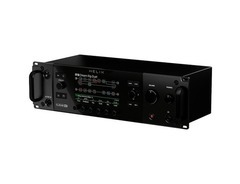
Line 6 Helix
5.0 (83)



Average Price: $1,174
High-end/Boutique
$150
$601+
Budget
Standard
High-end
- Versatile integration for pedalboards, recording, and practice
- Infinite combinations of stomp boxes, amps, cabs, and mics
- High-quality, customizable presets and effects
- Regular firmware updates adding new effects
- See 6 more
- Not true bypass, affecting tone when integrating with existing pedals
- Pronounced hiss when used in certain live settings
- Time-consuming to dial in specific tones with headphones
- Some effects (envelope filtering, pitch, distortions) perform poorly at high volumes
- See 6 more
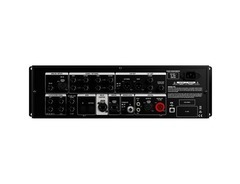
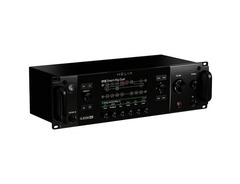
The Line 6 Helix stands as a mature, refined solution in the modeling amp marketplace, building upon Line 6's decades of experience in digital modeling technology. While not the newest flagship modeler on the market, the Helix remains a benchmark for reliability and usability in professional applications. Its dual-DSP HX modeling engine continues to evolve through regular firmware updates, demonstrating Line 6's commitment to long-term product development.
The Helix's dual-DSP HX modeling engine represents years of refinement in digital signal processing. Rather than chasing ultra-granular component modeling, Line 6 has focused on capturing the feel and response of classic amplifiers in a musical context. The modeling algorithms account for power amp behavior, speaker interaction, and microphone characteristics, creating a holistic approach to tone reproduction that translates exceptionally well in both live and studio environments.
Where the Helix truly shines is in its routing capabilities. The unit can run up to four discrete signal paths simultaneously, each with its own input source, signal chain, and output destination. This flexibility allows for complex setups that would require multiple pieces of traditional equipment – from wet/dry rigs to dual amp configurations and sophisticated stereo effects chains. The intuitive "dragand-drop" signal path editor makes creating and modifying these configurations remarkably straightforward.
Line 6's approach to user interaction emphasizes speed and reliability in live situations. The large color LCD screen provides clear visual feedback, while the unique "scribble strips" – customizable LCD displays above each footswitch – eliminate confusion during performance. Capacitive footswitches detect touches before activation, allowing for parameter previews without switching, while the dual-function footswitches and expression pedal provide immediate access to critical controls. The aluminum chassis features a slight upward angle, improving visibility and control access on dark stages.

Professional integration features abound in the Helix. The unit offers extensive MIDI implementation, supporting both traditional control messages and sophisticated real-time parameter automation. Four stereo effects loops accommodate external pedals and preamps, while the variable output options – including four discrete audio paths – allow the Helix to serve as a complete audio routing solution. The USB audio interface functionality supports both recording and virtual soundcheck capabilities, making it an invaluable tool for both studio and live applications.
The Helix finds its sweet spot among working musicians who need a reliable, versatile solution for regular performance and recording. Its intuitive interface and robust construction make it particularly suitable for touring musicians who can't afford equipment failures. Studio owners appreciate its comprehensive routing options and quality of effects, while players transitioning from traditional amp setups find its familiar control layout helps ease the digital learning curve.
The Helix excels in providing a complete solution for modern guitarists. Its combination of sophisticated modeling, extensive routing capabilities, and thoughtful user interface creates a package that's both powerful and practical. The sound quality holds up against more expensive units, while the reliability and ease of use in live situations set a standard that many competitors still struggle to match. Regular firmware updates continue to add features and refine existing capabilities, protecting users' investment.
While the Helix's modeling technology remains highly competitive, it doesn't offer the same level of component-level accuracy found in newer neural-modeling units. Some users may find the effects selection, while comprehensive, lacks some of the more esoteric options found in boutique pedals. The unit's size and weight, while justified by its capabilities, might prove challenging in space-constrained setups.
The Helix occupies a sweet spot in the professional modeler market, offering flagship features at a more accessible price point than some competitors. Its proven reliability and continued development through firmware updates make it a sound long-term investment for working musicians. When considered as a complete rig replacement solution, including its audio interface capabilities, the value proposition becomes particularly compelling.
See how artists use this




.jpg)




.jpg)
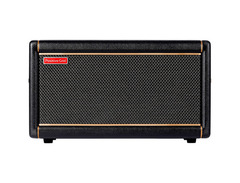
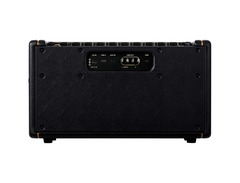
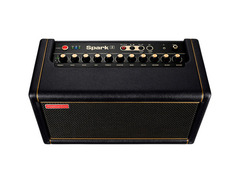
Positive Grid Spark 2
5.0 (2)

Average Price: $297
Budget/Beginner
$300
$701+
Budget
Standard
High-end
- Delivers convincing Deluxe Reverb tone, great for jazz and diverse genres
- Easily handles loud environments like a 16-piece Latin jazz orchestra
- Excellent Bluetooth streaming, doubles as a quality Bluetooth speaker
- Quick setup with user-friendly app, minimizing learning curve
- See 6 more
- Lacks a spring reverb, alternatives are subpar
- Looper functionality can be confusing or difficult to use
- App experience could be smoother, minor bugs reported
- Gig bag accessory considered overpriced
| Amp Type | solid state |
| Total Power | 50w class d |
| Speaker Size | 2 x 4" custom speakers, bass reflex port |
| Weight | 12.12 lbs. |
The original Spark had it skeptics but it more than proved that it is a capable option. The Spark 2 improves upon this by incorporating artificial intelligence and smart features into a compact desktop format. Building upon the massive success of its predecessor, this second generation introduces improved modeling technology, enhanced smart features, and a redesigned speaker system. The result is a practice tool that goes beyond traditional amp modeling to create an intelligent practice environment.
The Spark 2's distinctive feature is its artificial intelligence engine, which transcends conventional modeling capabilities. The system can analyze any audio input - whether from a streaming service or direct guitar input - and automatically generate backing tracks, create practice routines, and even transcribe guitar parts. This technology transforms the traditional practice amp into an interactive learning and jamming tool, making it particularly valuable for developing musicians.
Despite its compact size, the Spark 2 delivers impressive sound quality through its custom-designed speaker configuration. The dual speaker system, featuring improved drivers and a redesigned bass reflex port, produces fuller, more balanced sound than typical desktop amps. The modeling engine includes 33 amplifier models, drawing inspiration from classic and modern designs. Particular attention has been paid to the dynamic response of each model, ensuring natural compression and breakup characteristics that respond authentically to playing dynamics.
Where the Spark 2 truly distinguishes itself is in its suite of practice-oriented features. The Auto Chord feature can analyze streaming music in real-time, displaying chord progressions as songs play. Smart Jam creates dynamic backing tracks based on your playing style and preferred genre, while the Video Capture feature facilitates recording practice sessions with synchronized audio. These tools transform solitary practice sessions into engaging, productive learning experiences.

The amp's connectivity options reflect its modern design philosophy. Bluetooth enables seamless audio streaming and control via the Spark app, while USB connectivity facilitates direct recording to computers and mobile devices. The redesigned control panel maintains an intuitive analog-style interface for immediate tone shaping, while deeper parameters can be accessed through the companion app. Voice control capabilities add another layer of hands-free convenience during practice sessions.
The Spark 2 is ideally suited for home practice environments, particularly for players who value interactive learning features. It serves as an excellent solution for apartment-dwelling musicians who need full tone at neighbor-friendly volumes. Content creators will appreciate its video integration capabilities, while teachers can utilize its smart features to create engaging lesson content. Beginning to intermediate players will find particular value in its chord recognition and backing track capabilities.
The Spark 2's greatest achievement lies in its seamless integration of traditional amp modeling with innovative practice tools. The sound quality exceeds expectations for its size category, while the smart features provide genuine value for learning and practice. The refined hardware design shows attention to both acoustic performance and aesthetic appeal, making it a welcome addition to home environments.
While the modeling technology provides good tone, it doesn't offer the same level of depth and authenticity found in professional-grade modelers. The compact speaker system, though improved, still faces physical limitations in terms of volume and low-end response. Some advanced features require a stable internet connection and subscription service for full functionality.
The Spark 2 delivers exceptional value as a practice and learning tool, offering sophisticated technology and smart features at a competitive price point. While it may not replace a traditional amplifier for performance situations, its combination of sound quality, practice tools, and innovative features makes it a compelling investment for players focused on home practice and skill development.


Kemper Profiler Stage
5.0 (9)


Average Price: $1,492
High-end/Boutique
$200
$501+
Budget
Standard
High-end
- Inspirational feel, very small learning curve
- Superior amp profiling, near-perfect emulation
- Wireless iPad editing capabilities
- Excellent for both live and studio use, also great for bass
- See 6 more
- Some glitches in live situations, requiring updates
- Rig Manager software can be unintuitive, causing rig management issues
- Lack of Android support for software
- Limited flexibility in assigning external foot switches
- See 2 more
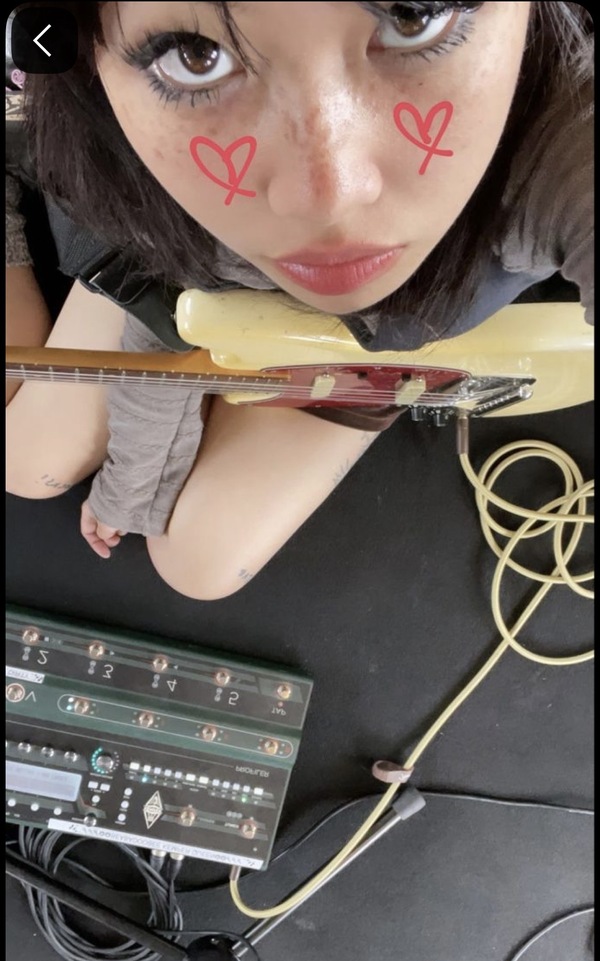
The Kemper Profiler Stage represents the evolution of the revolutionary Profiler technology into a stage-ready floor unit. What began as a radical approach to digital amp modeling has matured into an industry standard for touring professionals and studios alike. The Profiler's unique ability to capture the exact sound and feel of real amplifiers, combined with its comprehensive effects suite and intuitive floor control, creates a complete solution for the discriminating guitarist.
At the heart of the Kemper lies its distinctive profiling technology, which takes a radically different approach to amp modeling. Rather than attempting to recreate amplifier circuits through modeling algorithms, the Profiler captures the actual sonic signature of real amplifiers through a sophisticated measurement process. This results in a detailed digital fingerprint that encompasses not just the amp's frequency response, but also its dynamic behavior, power amp characteristics, and speaker cabinet resonance. The profiling process accounts for microphone choice and placement, allowing users to capture their entire signal chain exactly as they hear it.
The Profiler Stage builds upon years of refinement in Kemper's profile processing algorithms. Recent updates have introduced refinements to the power amp simulation and cabinet responses, creating even more authentic playing dynamics. The unit's "Direct Amp" technology provides a more immediate response to playing dynamics, while the "Space" control adds natural room ambience that helps profiles sit better in a mix. Most importantly, the Profiler maintains zero-latency performance even with complex signal chains, ensuring a natural playing experience.
The Stage edition transforms the Profiler into a comprehensive performance solution. Five footswitches provide immediate access to performances and presets, while the built-in expression pedal enables real-time parameter control. The morph feature allows seamless transitions between different amp settings, creating dynamic tonal shifts that would be impossible with traditional amplifiers. The large display remains visible under stage lights, while the rugged housing protects the unit's sophisticated electronics during regular transportation.

Despite its stage-oriented design, the Profiler Stage retains all the studio capabilities that made the original unit famous. The comprehensive I/O section includes balanced outputs for direct recording, while the built-in effects chain offers studio-quality processing for both live and recorded applications. The ability to store and recall complete signal chains, including detailed microphone profiles, makes it an invaluable tool for maintaining consistency across multiple recording sessions.
The Profiler Stage primarily appeals to professional musicians who need to recreate specific amp tones with absolute accuracy. It's particularly valuable for touring musicians who need to replicate their studio sound consistently across different venues. Studio owners appreciate its ability to capture their amp collection for recall on future sessions, while producers value its consistency and reliability in professional recording environments.
The Profiler Stage's greatest asset remains its unmatched ability to capture and recreate the exact sound of real amplifiers. The profiling process goes beyond simple tone matching, preserving the subtle nuances and dynamic responses that give great amps their character. The comprehensive effects section, refined over years of development, provides professional-quality processing that integrates seamlessly with the profiled amps. Build quality is exceptional, designed to withstand the rigors of professional touring.
The Profiler Stage's approach to amp simulation, while powerful, requires access to real amplifiers for creating new profiles. While the unit comes with an extensive library of factory profiles, users seeking to create their own need to have physical access to the amps they wish to capture. The interface, while functional, lacks some of the modern touches found in newer competitors.
While positioned in the premium segment of the market, the Profiler Stage's unique capabilities and professional-grade construction justify its investment for serious musicians. Its ability to capture and perfectly recreate expensive or rare amplifiers provides significant value for studios and touring musicians. The continuous firmware updates and growing profile library ensure long-term relevance.
See how artists use this


.jpg?v=1783641402)






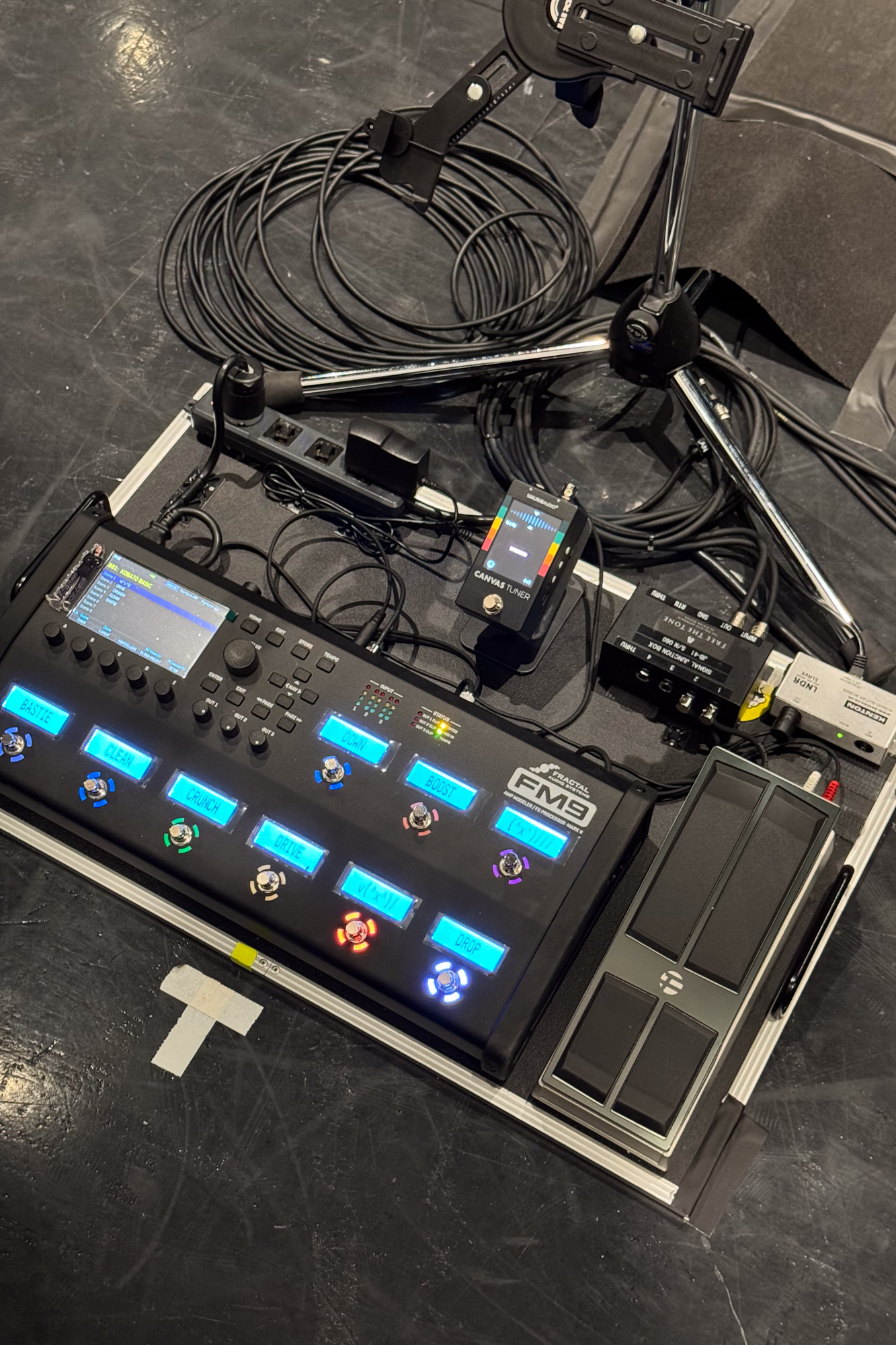
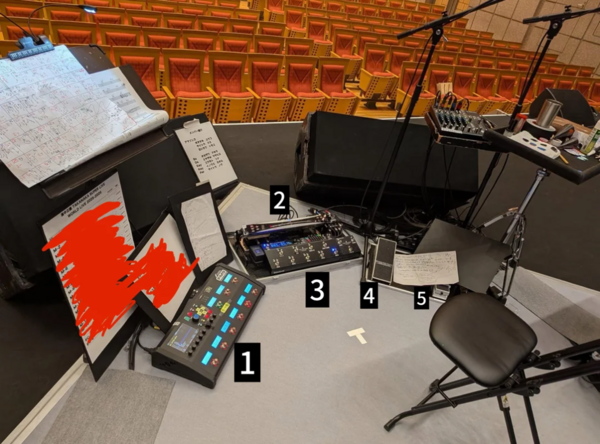
Fractal FM9
5.0 (4)

Average Price: $1,575
High-end/Boutique
$150
$601+
Budget
Standard
High-end
- Superior flexibility compared to Kemper, QC, Helix
- High-quality tones and effects
- Improved presets and cabinet IRs enhance tone
- Powerful processor handles extensive effects without strain
- See 6 more
- Pricey, especially on secondary market
- Warranty not transferable on used purchases
- Larger and heavier than expected
The FM9's modeling engine inherits the same cutting-edge algorithms found in Fractal's flagship Axe-FX III processor. Each amp model undergoes exhaustive component-level modeling, capturing the subtle behaviors of transformers, power supplies, and even circuit board layouts. This attention to detail extends to dynamic response characteristics, recreating the complex interactions between playing dynamics, power amp compression, and speaker behavior. The result is a level of realism that has made Fractal products the choice of countless professional musicians.
At the heart of the FM9 lies a sophisticated dual-processor system that delivers substantial headroom for complex signal chains. Three parallel DSP cores handle amp modeling and effects processing, allowing users to create elaborate dual-amp setups with multiple effects chains without concerns about processing limitations. This architecture maintains Fractal's commitment to zero-compromise sound quality, delivering consistent performance with imperceptible latency even in the most demanding scenarios.
The effects section represents a complete studio's worth of processing capabilities. From vintage stomp box emulations to sophisticated studio rack effects, each processor demonstrates Fractal's meticulous attention to detail. Particularly noteworthy is the reverb engine, which produces everything from subtle room ambience to massive atmospheric spaces with stunning clarity. The modulation effects showcase remarkable authenticity, while the drive section captures the nuanced compression and harmonic characteristics of classic overdrive pedals.
The FM9's I/O configuration reflects its professional focus. Balanced XLR outputs ensure clean signal transmission to front-of-house systems, while multiple effects loops facilitate integration with external equipment. The unit's MIDI implementation is comprehensive, supporting sophisticated control scenarios and real-time parameter automation. USB connectivity provides multi-channel audio interfacing for recording and re-amping, while the dedicated headphone output delivers studio-quality monitoring capabilities.
The FM9 caters to professional musicians and serious enthusiasts who demand uncompromising sound quality and reliability. It's particularly well-suited for touring musicians who need consistent, high-quality tone across different venues. Studio professionals will appreciate its depth of tone-crafting capabilities and pristine audio quality, while progressive musicians will value its ability to create complex, layered sound designs.
The FM9's primary strength lies in its exceptional sound quality and modeling accuracy. The unit's processing power allows for sophisticated signal chains without compromise, while the build quality ensures reliability in demanding professional environments. The continuous development of new models and features through firmware updates ensures the unit remains current, protecting users' investment over time.

The Fractal FM9 is the culmination of Fractal Audio's decades-long refinement of digital modeling technology, packaged in a performance-oriented floor unit. Occupying the sweet spot between Fractal's flagship Axe-FX III and the compact FM3, the FM9 delivers the company's renowned modeling quality with expanded processing power and I/O capabilities. This unit stands as a testament to Fractal's uncompromising approach to tone reproduction and professional functionality.
The FM9's depth of features and editing capabilities can present a steep learning curve for users new to advanced modeling systems. While the editing software is powerful, some users may find the interface less intuitive than newer competitors. The unit's professional focus means it lacks some of the consumer-friendly features found in more mainstream products.
While the FM9 represents a significant investment, its professional-grade construction, exceptional sound quality, and continuous feature development make it a sound long-term investment for serious musicians. When considered as a complete rig replacement solution, including its studio-quality effects and audio interface capabilities, the value proposition becomes particularly compelling.
See how artists use this









Boss Katana-100 Gen 3 100-watt 1 x 12-inch Combo Amplifier
5.0 (2)

Average Price: $425
Standard/Professional
$300
$701+
Budget
Standard
High-end
- Exceptional sound quality rivals high-end tube amps
- Offers vast tonal variety and effects
- Easy tone transfer from older Katana models
- Pushed channel is highly responsive
- See 6 more
- Intermittent connectivity issues with computers
- Bluetooth functionality requires additional purchase
- Controls can be intimidating for beginners
- Wattage selector switch feels flimsy
The third generation of Boss's wildly successful Katana series represents a bi leap in the accessible modeling amp market. Building upon the foundation that made its predecessors popular, the Katana-100 Gen 3 introduces refined amp voicings, expanded effects capabilities, and enhanced connectivity options. This latest iteration demonstrates Boss's commitment to delivering professional-grade features at a price point that remains attractive to developing musicians.
The Katana-100 Gen 3's modeling engine leverages Boss's extensive experience in both digital processing and analog circuit design. Rather than attempting to recreate specific vintage amplifiers, Boss has focused on developing original amp characters that capture the essential qualities of classic categories. The result is a series of versatile amp voices that maintain their musical quality across all volume levels, from bedroom practice to full-band performance.
Five distinct amp characters form the foundation of the Katana's sound: Clean, Crunch, Lead, Brown, and Acoustic. Each voice builds upon years of player feedback and refinement, with the Brown channel, inspired by Boss's Waza engineering philosophy, delivering particularly impressive high-gain tones. The new generation introduces subtle improvements in dynamic response and harmonic content, creating more organic playing feel and better note articulation. A key strength lies in how these voices maintain their character across all power levels, thanks to the sophisticated power amp attenuation system.
The Katana's effects implementation draws from Boss's unparalleled heritage in effects processing. The amp includes five independent effects sections that can run simultaneously: Booster, Modulation, FX, Delay, and Reverb. Each section offers multiple effect types drawn from Boss's extensive catalog, including authentic reproductions of classic Boss pedals. The Gen 3 introduces new algorithm refinements and additional effect types, while maintaining the intuitive control structure that made previous generations so popular.
Professional performance features abound in the Katana-100 Gen 3. The dual channels with expanded preset storage allow for quick switching between complex sound setups. The effects loop accommodates external pedals, while the line output with cabinet simulation enables direct recording and connection to front-of-house systems. The newly refined power attenuator allows for full amp characteristics at any volume level, from 100 watts down to 0.5 watts, making it equally suitable for bedroom practice and stage use.

The Katana-100 Gen 3 serves as an ideal solution for developing musicians seeking professional features without premium pricing. It particularly suits players transitioning from practice amps to their first performance-capable amplifier. Home recording enthusiasts will appreciate its direct recording capabilities, while gigging musicians will value its reliability and versatility across different venues. Its intuitive operation and reasonable price point make it especially attractive for music schools and teaching studios.
The Katana's greatest triumph lies in its ability to deliver professional-grade features and sound quality at an accessible price point. The amp voices offer impressive depth and responsiveness, while the effects section provides a comprehensive suite of professional-quality processing. The power attenuation system allows for authentic tone at any volume level, solving a common challenge for home practice. Build quality significantly exceeds expectations for its price range.
While the modeling technology provides excellent sound quality, it doesn't offer the same level of amp-specific authenticity found in premium modelers. The effects, though comprehensive, lack some of the deep editing capabilities available in more expensive units. The built-in speaker, while well-matched to the amp's design, doesn't deliver the same level of projection found in more expensive guitar cabinets.
The Katana-100 Gen 3 delivers exceptional value, offering professional features and sound quality at a price point typically associated with basic practice amps. Its versatility across different playing scenarios and continuous firmware update support make it a sound long-term investment for developing musicians. When compared to the cost of assembling a comparable traditional amp and effects setup, the value proposition becomes particularly compelling.
Fender Mustang GTX100
4.5 (8)


Average Price: $492
Standard/Professional
$300
$701+
Budget
Standard
High-end
- Advanced digital modelling with improved processing power
- Lightweight cabinet and Class D amplifier for easy transport
- Fender Tone App enhances control and flexibility
- Includes footswitch, offering enhanced live performance utility
- See 6 more
- Some find the amp's presets less useful than custom or downloaded ones
- Can sound too bright or lack warmth compared to traditional tube amps
- Bluetooth feature may have a delay, affecting sync with external audio
- Overabundance of tweakable options can overwhelm or distract users
- See 3 more
| Amp Type | solid state |
| Total Power | 100w |
| Speaker Size | 1 x 12" celestion g12fsd-100 special |
| Weight | 22 lbs. |
The GTX100's modeling engine demonstrates Fender's commitment to authentic tone reproduction, particularly evident in its Fender amp models. Each amplifier model captures the nuanced characteristics that have made Fender amps legendary, from the sparkling cleans of a Twin Reverb to the rich breakup of a Deluxe. The modeling extends beyond mere frequency response matching, incorporating power amp dynamics, speaker compression, and cabinet resonance that respond naturally to playing dynamics and volume changes.
The amp's architecture centers around a comprehensive collection of 40 amp models, each carefully voiced to maintain authenticity while offering practical advantages over their tube counterparts. The GTX100 introduces refined power amp modeling that better replicates the feel and response of tube amplifiers, particularly in terms of compression and harmonic content. A significant strength lies in the amp's ability to maintain consistent tonal characteristics across all volume levels, making it equally suitable for home practice, recording, and live performance.
Drawing from Fender's extensive experience in effects design, the GTX100 offers a sophisticated effects processing system. The signal chain can accommodate multiple simultaneous effects, from classic stompbox emulations to studio-quality modulation, delay, and reverb processors. Particularly noteworthy is the quality of the reverb algorithms, which capture the dimensional quality of vintage Fender spring reverbs while extending into modern ambient territory. The looper function, while basic, provides a valuable practice and performance tool.
The GTX100 embraces contemporary connectivity needs with comprehensive digital integration. Bluetooth connectivity enables wireless audio streaming and control via the Fender Tone app, while the USB interface facilitates direct recording and preset management. WiFi connectivity allows for automatic firmware updates and preset sharing through Fender's cloud platform. The color display provides clear visual feedback, while the encoder-based interface strikes a balance between traditional amp controls and digital precision.
The Mustang GTX100 caters particularly well to players who appreciate Fender's classic tones but require modern versatility. Home recording enthusiasts will value its direct recording capabilities and variety of amp models, while gigging musicians will appreciate its reliability and consistent tone at various volumes. It's especially suitable for cover band guitarists who need to recreate multiple authentic amp tones within a single performance.

The Fender Mustang GTX100 showcases Fender's sophisticated approach to digital modeling, combining their deep understanding of classic amp tones with modern processing power. This latest iteration of the Mustang series bridges the gap between Fender's revered tube amp heritage and contemporary digital convenience, offering an impressive array of authentic Fender tones alongside models of other classic amplifiers.
The GTX100's primary strength lies in its exceptional reproduction of classic Fender amp tones, complemented by convincing models of other popular amplifiers. The intuitive user interface makes complex digital features accessible to traditional amp users, while the wireless connectivity and mobile app integration provide depth for tech-savvy players. The build quality reflects Fender's manufacturing expertise, with attention to detail in both electronics and cabinet construction.
While the amp models are impressive, particularly the Fender recreations, some players may find the high-gain models less convincing than those offered by dedicated metal-focused amplifiers. The effects, though comprehensive, don't offer the same depth of parameter control found in premium modeling units. The reliance on the mobile app for deep editing might frustrate players who prefer immediate hardware control.
The Mustang GTX100 occupies an attractive middle ground in the modeling amp market, offering premium features and sound quality at a moderate price point. Its combination of authentic Fender tones, comprehensive effects processing, and modern connectivity features provides excellent value, particularly for players invested in the Fender sound aesthetic.



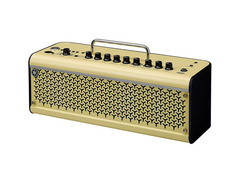
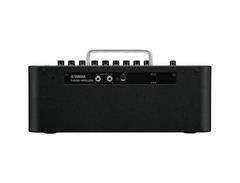
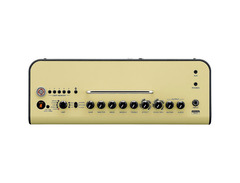
Yamaha THR30II Wireless Desktop Amp
5.0 (7)

Average Price: $543
Standard/Professional
$300
$701+
Budget
Standard
High-end
- Wireless functionality enhances mobility and convenience
- High-quality sound at both low and high volumes
- Versatile amp models and effects via the app
- Bluetooth connectivity for music playback and backing tracks
- See 6 more
- High price point
- App connectivity issues, especially with Android and Windows
- Limited to 5 presets
- Weak headphone amp can't drive higher ohm headphones
- See 3 more

The THR30II is among the best in desktop amplification engineering. It succesfully recreates the experience of a professionally mic'd tube amplifier in a living room-friendly format. This second-generation model leverages Yamaha's Virtual Circuitry Modeling (VCM) technology to capture the subtle nuances of classic amplifiers, while incorporating modern features that cater to today's musicians. The result is a sophisticated piece of equipment that bridges the gap between practice amp convenience and professional-grade tone.
The THR30II's modeling engine represents a significant leap forward in digital amp simulation. At its heart lies Yamaha's proprietary VCM technology, which simulates the entire signal chain of classic amplifiers down to individual electronic components. From power supply sag to output transformer saturation, every aspect of analog amplifier behavior is meticulously recreated. The amp offers three distinct variations of each model – modern, boutique, and classic – effectively tripling its tonal palette.
The amp's sound arsenal spans an impressive range of tones. Crystal-clear Fender-style American cleans sing with remarkable depth and clarity, while British rock tones channel the spirit of classic Marshall and Vox circuits. The high-gain territory is equally well-represented, delivering everything from classic rock crunch to modern metal precision. Specialized acoustic and bass amplifier models round out the collection, making the THR30II a truly versatile studio tool.
Yamaha's innovative approach to sound reproduction sets the THR30II apart from conventional modeling amps. The Extended Stereo Technology (EST) works in concert with dual 3.5-inch full-range speakers to create an immersive sound field that belies the amp's compact dimensions. Custom-designed speaker cones, optimized specifically for guitar frequencies, deliver exceptional clarity and presence. The sophisticated digital signal processing doesn't just create width – it builds depth, height, and dimensionality that convincingly recreates the experience of playing through a full-sized amplifier in a well-treated room.
The effects section of the THR30II rivals dedicated multi-effects units in both quality and flexibility. Drawing from Yamaha's extensive experience in professional audio, the amp offers studio-grade modulation, echo, and reverb effects that can be positioned freely in the signal chain. The modulation effects capture the organic movement of classic analog circuits, while the delay and reverb algorithms create convincing spatial effects that sit naturally in the mix. Dynamic response plays a crucial role here – effects interact with your playing in a musical way, from subtle background textures to prominent sound-shaping tools.
Modern musicians demand flexibility, and the THR30II delivers with a comprehensive suite of connectivity options. Bluetooth audio streaming provides convenient playback of backing tracks, while the Line 6 G10T wireless integration liberates players from cable constraints. The 24-bit/48kHz USB interface turns the amp into a professional-grade recording tool, complete with direct outputs featuring sophisticated cabinet simulation. This makes it equally suitable for late-night practice sessions through headphones or recording professional-quality tracks directly to a DAW.
The THR30II serves as an ideal solution for musicians who refuse to compromise on tone, even in space-constrained environments. Home recording enthusiasts will appreciate the studio-quality sounds achievable without mic'ing cabinets, while professional musicians will find it an invaluable practice tool that accurately represents their stage tone. Its versatility extends to producers seeking quick inspiration, apartment dwellers requiring full tone at neighbor-friendly volumes, and content creators needing high-quality audio for streaming and recording.
The THR30II's greatest triumph lies in its ability to deliver professional-grade tone in a compact, accessible format. The amp modeling accuracy is exceptional, creating realistic and responsive playing experiences that capture the nuanced behavior of classic amplifiers. The sophisticated stereo imaging creates an immersive sound field that makes playing feel more engaging and natural. Professional-grade recording capabilities via USB, coupled with intuitive controls and deep editing potential, make it a powerful creative tool.
Despite its impressive capabilities, the THR30II does have some constraints worth considering. The 30-watt stereo power section, while more than adequate for home use and small performances, may struggle in full-band situations. The lack of support for third-party impulse responses might limit some users' tonal options, and the reliance on the mobile app for certain advanced features could frustrate those who prefer immediate hardware control. The fixed speaker configuration, while excellent for its intended use, means there's no option to connect external cabinets for larger performances.
The THR30II occupies the premium end of the desktop modeling amp market, reflecting its sophisticated technology and comprehensive feature set. However, when considered against the cost of acquiring and maintaining the vintage amplifiers it models, plus the addition of professional recording interfaces and effects, the value proposition becomes clear. For musicians seeking a versatile, high-quality solution for practice, recording, and small performances, the THR30II represents a significant but worthwhile investment.
See how artists use this

.jpg)






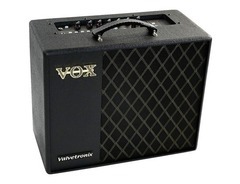
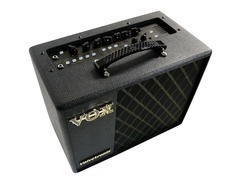
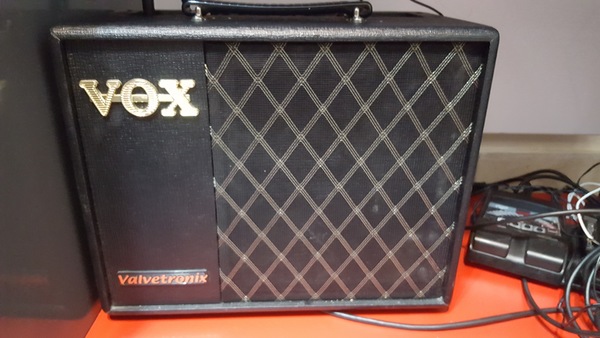
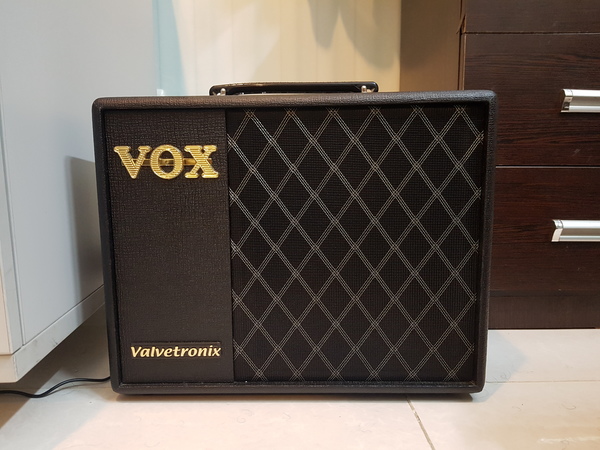
Vox VT20X 20W 1x8 Guitar Modeling Combo Amp
4.5 (29)

Average Price: $249
Budget/Beginner
$300
$701+
Budget
Standard
High-end
- Hybrid Solid State/Preamp Valve for true valve compression
- Versatile amp models and effects, precisely voiced
- Powerful for its size, suitable for small gigs and home practice
- Intuitive controls with easy-to-understand signal light system
- See 6 more
- Some units may have a humming issue, indicating possible quality control problems
- VOX/Korg customer support and problem acknowledgment could be better
- Finding and installing the VOX Tone Room software can be challenging
- The speaker size and output might seem small for some users
- See 2 more
| Amp Type | hybrid |
| Total Power | 20w |
| Speaker Size | 1 x 8" |
| Weight | 16.09 lbs. |
The Vox VT20X is a compact modeling amplifier that blends Vox’s storied heritage with cutting-edge digital technology, delivering a versatile and powerful tool for guitarists at any level. With its responsive tube-like sound, an extensive range of amp models, and onboard effects, the VT20X punches well above its weight class in both tone and functionality. Whether you’re a beginner exploring different styles or a seasoned player looking for a portable amp with rich, dynamic tone, the VT20X offers a compelling solution.
At the heart of the VT20X lies Vox’s innovative Valvetronix technology, which incorporates a 12AX7 preamp tube to bring authentic tube warmth and dynamics to a digital modeling amp. This hybrid design sets the VT20X apart from traditional solid-state modelers, allowing it to capture the complex behavior of analog circuitry while leveraging the flexibility of digital modeling.
The VT20X offers an impressive selection of 11 amp models, each meticulously crafted to emulate classic and modern amplifier tones. From the chimey cleans of Vox’s iconic AC30 to high-gain modern metal tones, the amp models provide an expansive tonal palette. Additionally, the amp allows you to customize these models with three selectable bias settings (Class A, Class AB, and bias shift), giving players control over the amp’s response and feel.
With 13 built-in effects, the VT20X provides a wide range of sonic possibilities, including delays, reverbs, and modulations. The effects are studio-quality and can be customized through the Tone Room editor software, making it easy to craft everything from subtle ambient textures to dramatic soundscapes.
A key strength of the VT20X is its dynamic response, which reacts naturally to playing dynamics, guitar volume adjustments, and pick attack. This allows the amp to feel and sound like a true tube amplifier, making it highly expressive and interactive.
The VT20X excels in delivering a wide range of tones with exceptional clarity and depth. Each amp model is rich in harmonic detail, allowing players to explore everything from sparkling cleans to roaring overdrive.
The clean settings, inspired by amps like the Vox AC30 and Fender-style designs, are vibrant and dynamic. The amp’s tube preamp adds warmth and a three-dimensional quality, making it particularly suited for genres like jazz, pop, and funk.
From classic bluesy overdrive to searing high-gain tones, the VT20X covers a wide spectrum of dirt tones. The responsiveness of the tube circuit shines here, ensuring the breakup feels natural and organic, even at lower volumes.
The onboard effects integrate seamlessly with the amp’s core sound, enhancing rather than overpowering the tone. The reverb algorithms are particularly noteworthy, delivering lush and immersive textures that complement both clean and overdriven tones.
The VT20X features a sturdy and portable design, making it an excellent choice for home practice, small gigs, or recording sessions. The control panel is intuitive, with a clean layout that includes a rotary selector for amp models, separate controls for gain and volume, and easy access to effects. The amp’s compact size and lightweight construction ensure it’s easy to transport without compromising on durability.

The Vox VT20X offers a range of modern connectivity options, enhancing its versatility for various applications. The powerful Tone Room software enables players to customize amp models, effects, and settings through a computer or smartphone, providing deep tonal control and flexibility. An aux input allows seamless playback of backing tracks, while the headphone output includes cab simulation, making silent practice feel authentic and immersive. Additionally, the VT20X functions as a USB audio interface, enabling direct recording to a DAW with studio-quality sound, making it a valuable tool for home and studio use alike.
The Vox VT20X caters to a diverse audience, making it a versatile choice for players of all levels. Beginners will appreciate its intuitive interface and wide range of tones, offering a user-friendly starting point to explore different styles. Home players will find its compact size, headphone output, and low power ideal for practice without compromising sound quality. Recording artists can leverage its USB interface and impressive tonal variety for studio projects, while gigging musicians will value its portability and versatility as a reliable backup or practice amp, especially for small venues.
The Vox VT20X is a remarkable amplifier that bridges the gap between traditional tube amps and modern digital modeling. Its hybrid Valvetronix technology delivers the warmth and dynamics of tube amps, while its modeling capabilities offer a vast array of tones that cater to virtually any musical style. Compact, versatile, and loaded with innovative features, the VT20X is an excellent choice for players seeking a high-quality practice and recording amp. For those looking to explore the best of both analog and digital worlds, the Vox VT20X is a standout option in its class.


Finding Your Perfect Modeling Amp
The modeling amplifier market in 2024 offers unprecedented choice, from affordable practice solutions to professional-grade touring rigs. While this variety ensures there's a perfect match for every player, it also emphasizes the importance of making an informed decision based on your specific needs and circumstances.
The premium segment, dominated by units like the Neural DSP Quad Cortex, Fractal FM9, and Kemper Profiler Stage, continues to push the boundaries of digital modeling technology. These flagship units offer uncompromising sound quality and feature sets that justify their investment for professional users. However, the presence of remarkably capable mid-tier options like the Line 6 Helix and Fender Mustang GTX100 demonstrates that professional-quality tone and features don't necessarily require a premium budget.
Perhaps most encouraging is the evolution of entry-level and practice-focused units. Products like the Boss Katana-100 Gen 3 and Positive Grid Spark 2 prove that modeling technology can deliver inspiring tone and useful features at accessible price points. These units provide an excellent entry point into the world of digital modeling while maintaining enough depth to satisfy advancing players.
As modeling technology continues to evolve, the distinction between digital and analog amplifiers becomes increasingly academic. Today's choice isn't about whether to adopt digital technology, but rather which digital solution best serves your musical journey. Whether you're a bedroom player, a gigging musician, or a touring professional, there's a modeling amp that can meet and exceed your expectations.
The key to making the right choice lies in honest self-assessment of your needs, careful consideration of your playing environment, and realistic evaluation of your budget. Remember that the most expensive option isn't necessarily the best for your situation – the right choice is the one that inspires you to play more and helps you achieve your musical goals.
Consider starting your search with the use cases and recommendations we've outlined, but don't be afraid to explore beyond these suggestions. The perfect modeling amp for you might be one that balances several different needs or excels in one particular area that's crucial to your playing style.
Finally, remember that any of these units will require some time investment to fully realize their potential. Be prepared to spend time learning your chosen amp's capabilities, experimenting with different settings, and developing your own unique presets. The reward will be a versatile, reliable tool that can help you achieve the tones you hear in your head and inspire you to push your playing in new directions.
Tips for Choosing the Right Modeling Amp
Assess Your Primary Use Case
Before comparing features, honestly evaluate how you'll use the amp most often. A touring professional needs road-worthy construction and reliability, while a bedroom player might prioritize features like headphone output and USB recording. Consider whether you'll be:
- Playing primarily at home or on stage
- Recording directly or mic'ing the cabinet
- Switching between multiple sounds during performance
- Requiring specialized features like MIDI control or effects loops
Consider Future Growth
While current needs are important, consider how your requirements might evolve. A slightly higher initial investment in a more capable unit often proves more economical than upgrading later. Look for:
- Expandability through firmware updates
- Support for loading impulse responses
- Additional footswitch compatibility
- Ability to add external controllers
- Comprehensive I/O options for future connectivity needs
Evaluate the Learning Curve
Different modeling amps take varying approaches to user interface design. Consider your comfort level with technology and how much time you're willing to invest in learning the system. Modern units might offer:
- Touch screen interfaces versus traditional knobs
- Mobile app integration for deeper editing
- Preset management systems
- Menu diving versus immediate access to parameters
- Computer editing software requirements
Test Real-World Scenarios
When possible, try to evaluate the amp in conditions similar to your intended use:
- Test at both high and low volumes
- Verify tone consistency across volume levels
- Check switching speed between presets
- Assess effects quality under performance conditions
- Evaluate built-in speaker performance versus direct output
Consider Support and Community
The long-term value of a modeling amp often depends on ongoing support and user community:
- Manufacturer's track record for firmware updates
- Availability of additional preset packs
- Active user communities for sharing presets and tips
- Quality of technical support
- Availability of repair services
Assess Integration Requirements
Modern modeling amps often need to work within larger systems:
- MIDI integration capabilities
- Audio interface functionality
- Mobile device connectivity
- External controller compatibility
- Effects loop implementation
Factor in Total Cost
Look beyond the initial purchase price to understand the total investment:
- Required accessories (footswitches, expression pedals)
- Subscription services for preset sharing or cloud features
- Additional software licenses
- Protective cases or power conditioning needs
- Potential backup requirements for professional use
Portability Considerations
The physical aspects of the amp can significantly impact its usability:
- Weight and size for transportation
- Power requirements and voltage switching for international use
- Durability for regular movement
- Setup time requirements
- Storage space needs
Use Cases and Recommendations
For Home Practice and Bedroom Players
If you primarily play at home and need great tone at neighbor-friendly volumes, several options stand out:
The Yamaha THR30II excels as a premium desktop solution, offering exceptional sound quality and wireless convenience in a compact package. Its stereo speaker configuration and room-filling sound make it perfect for apartment dwellers. However, if budget is a concern, the Boss Katana-100 Gen 3 provides remarkable versatility and tone quality at a more accessible price point.
For those seeking an interactive practice experience, the Positive Grid Spark 2 is unmatched. Its smart features, including auto-chord detection and backing track generation, create an engaging practice environment that's particularly valuable for developing players.
For Recording and Home Studio
Studio applications demand superior sound quality and flexible integration options. The Neural DSP Quad Cortex stands as the premium choice, offering unparalleled modeling accuracy and sophisticated audio routing options. Its neural capture technology allows you to digitize your favorite amps and pedals with remarkable precision.
The Fractal FM9 provides a professional-grade alternative with exceptional sound quality and comprehensive studio integration. For those seeking a more budget-conscious studio solution, the Fender Mustang GTX100 offers excellent direct recording capabilities and authentic Fender tones at a modest price point.
For Live Performance
Gigging musicians need reliability, sound quality, and ease of use under pressure. The Kemper Profiler Stage has established itself as an industry standard, offering unmatched profile accuracy and road-proven reliability. Its ability to capture and perfectly recreate your favorite amps makes it invaluable for maintaining consistent tone across different venues.
The Line 6 Helix provides a compelling alternative, combining excellent sound quality with an intuitive interface that's easily navigable in dark stage conditions. For club gigs and smaller venues, the Boss Katana-100 Gen 3 offers impressive versatility and reliability at a fraction of the cost of premium units.
For Professional Studios and Sound Design
Professional environments demand the highest level of sound quality and flexibility. The Neural DSP Quad Cortex and Fractal FM9 stand out in this category, offering deep editing capabilities and pristine audio quality. The Kemper Profiler Stage's profiling technology makes it particularly valuable for studios with extensive amp collections, allowing quick access to perfectly captured versions of rare or valuable amplifiers.
For Beginners on a Budget
Newcomers need a balance of features, ease of use, and value. The Boss Katana-100 Gen 3 offers an ideal entry point, combining excellent sound quality with intuitive controls and room to grow. The Positive Grid Spark 2 provides an alternative focused on learning and practice tools, though with more limited stage potential.
For Cover Band Musicians
Players needing to recreate multiple authentic amp tones within a single performance should consider the Line 6 Helix or Fender Mustang GTX100. Both offer extensive amp modeling libraries and quick preset switching capabilities. The Helix edges ahead for professional use, while the Mustang provides excellent value for local gigging.
For Touring Professionals
Professional touring demands absolute reliability and consistent tone reproduction. The Kemper Profiler Stage, Neural DSP Quad Cortex, and Fractal FM9 represent the gold standard here. Each offers distinct advantages:
- Kemper Profiler Stage for exact reproduction of specific amps
- Quad Cortex for cutting-edge modeling and intuitive interface
- FM9 for unprecedented processing power and effects flexibility
About the authors
Michael R. Pierce is the co-founder of Equipboard and a lifelong musician with over 25 years of experience as a guitarist and gear enthusiast. He blends solid music theory chops (thanks to formal training in guitar, piano, and trumpet) with real-world experience, always exploring and experimenting across genres like rock, blues, and hip-hop. Michael launched Equipboard in 2013 after graduating from The University of Texas at Austin, leveraging his unique blend of musical passion, technological acumen, and community building. His current go-to rig features a Fender American Original ‘50s Telecaster, Analogman King of Tone, Strymon Flint, and a Fender ‘57 Custom Champ. Read more
Comments
Sign Up or Log In to add comments

483
All great choices but surprised that Peavey Vypyer, Quilter, Boss Kanata, or Blackstar didn't make the cut.