By Gear Experts
Table of Contents

Equipboard
Equipboard is the world's largest community of artists and their gear. Read our review process.
We are reader-supported. When you buy through links on our site, we may earn an affiliate commission. Learn more.
Our Picks

Friedman ASC-12 500-watt Active Modeler/Profiler Monitor
The Friedman ASC-12 is a premium FRFR speaker that combines boutique amp-like warmth with flat-response accuracy, offering professional-grade sound, versatile EQ controls, and robust construction, making it ideal for serious players despite its hefty price and weight.
Read more


Headrush FRFR-112 MKII 2,500-watt 1 x 12-inch Powered Guitar Cabinet
The HeadRush FRFR-112 delivers impressive sound quality, versatile features, and professional-grade performance at a budget-friendly price, making it a top choice for gigging guitarists who value affordability and reliability.
Read more
The Fender FR-12 combines classic Fender aesthetics with modern FRFR performance, offering 1,000 watts of clear, dynamic sound in a lightweight and versatile package that appeals to both traditionalists and modern players.
Read more

The Line 6 Powercab 112 Plus is a versatile speaker combining transparent FRFR functionality with vintage cabinet modeling, offering six built-in speaker models, IR loading, and seamless integration with Line 6 products, making it ideal for guitarists seeking flexibility and authentic tone.
Read more
The Laney LFR-212 is a powerful dual-speaker FRFR solution offering immersive stereo sound, robust low-end, and versatile features, making it ideal for guitarists with complex rigs or a need for expansive soundscapes, despite its size and premium price.
Read morePicture this: You've just spent countless hours perfecting your digital guitar tones, crafting each preset with meticulous care. But when you plug into a traditional guitar cab, something's off – those pristine digital sounds you created just don't translate. Sound familiar? That's where FRFR speakers come in, and they're changing the game for guitarists everywhere.
Gone are the days when guitarists were limited to lugging around heavy tube amps and matching cabinets. The modern guitarist's rig often fits in a backpack – a modeler or profiler capable of producing countless authentic amp tones. But here's the catch: to truly unlock the potential of these digital powerhouses, you need a speaker that won't color or alter those carefully crafted sounds. Enter the FRFR speaker.
What Are FRFR Speakers?
Think of FRFR (Full Range Flat Response) speakers as the Swiss Army knife of guitar amplification. While your traditional guitar cab is like a filter that adds its own flavor to your tone, an FRFR speaker is more like a mirror – reflecting your sound exactly as it's meant to be heard. No coloration, no alterations, just pure, unfiltered tone.
Why FRFR Speakers Are Revolutionizing Guitar Tone
Imagine having the sound of a vintage Fender Twin, a modern Mesa/Boogie, and a classic Marshall Plexi all available at the touch of a button – and knowing each will sound exactly as intended. That's the magic of pairing digital modeling gear like the Line 6 Helix, Kemper Profiler, Neural DSP Quad Cortex, or Fractal Audio Axe-Fx with an FRFR speaker. See our full guide to the best modelers and profilers for excellent options to pair with an FRFR speaker.
But it's not just about variety. Today's guitarists are sound designers as much as they are musicians. Whether you're crafting crystalline clean tones for worship music, high-gain brutality for metal, or atmospheric soundscapes for ambient music, an FRFR speaker ensures your artistic vision comes through exactly as you intended.
Key Factors to Consider When Choosing an FRFR Speaker
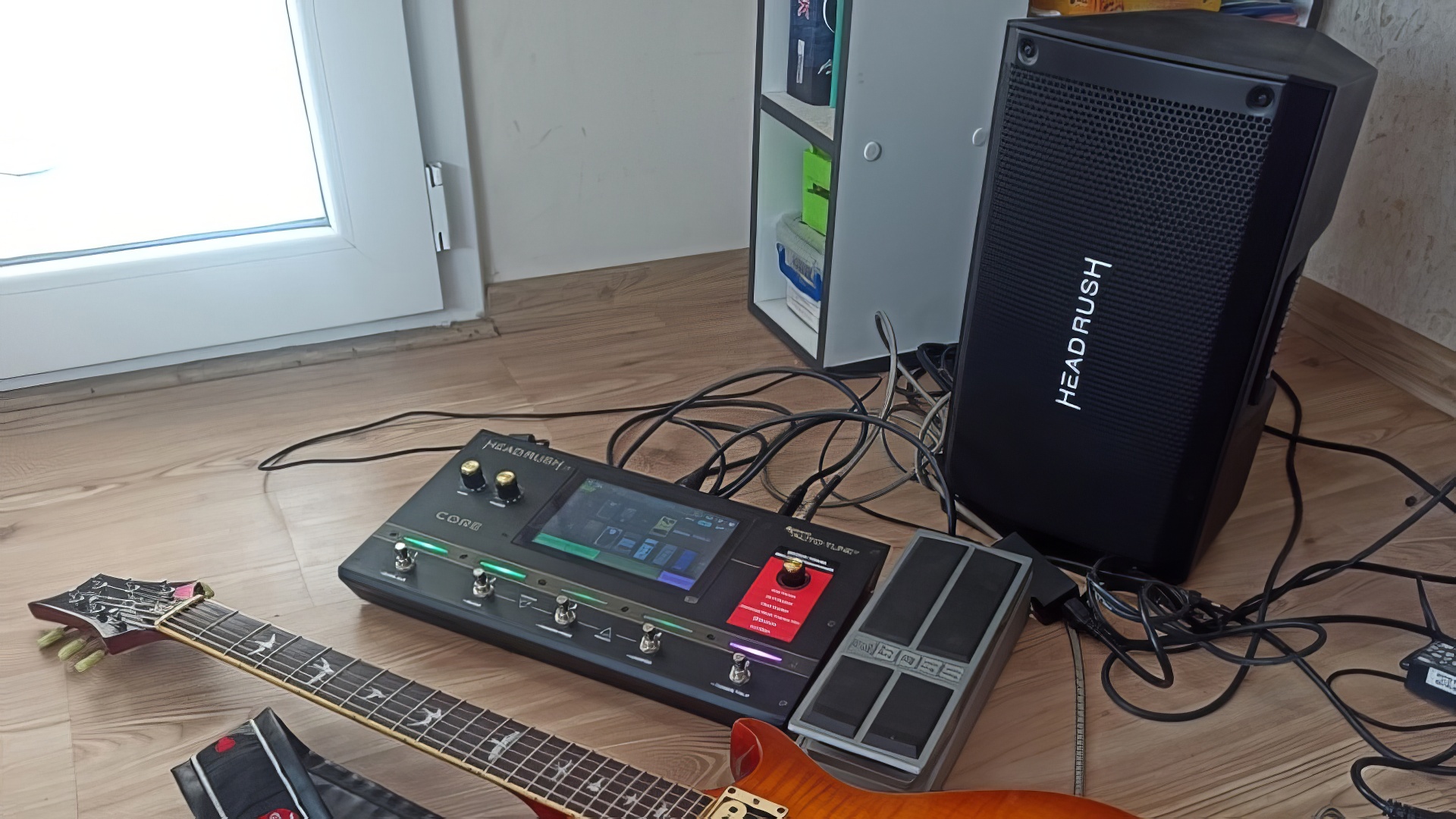
With so many FRFR speakers on the market, making the right choice can feel overwhelming. While your modeler or profiler might be doing the heavy lifting in terms of tone creation, your FRFR speaker is the crucial final link in the chain – the component that actually moves air and delivers your sound to the audience. Let's break down the essential factors that separate a great FRFR speaker from a merely good one.
Sound Quality and Frequency Response
When it comes to FRFR speakers, sound quality isn't just about volume or power – it's about accuracy and transparency. Unlike traditional guitar cabinets that might emphasize certain frequencies while reducing others, a high-quality FRFR speaker should reproduce your modeled tones with clinical precision. This is where the "Flat Response" part of FRFR becomes crucial. The speaker should handle everything from the deepest bass frequencies to the highest harmonics without adding its own character to the sound. Think of it as the difference between looking through a clear window versus a tinted one – you want the clearest possible view of your tone.
Key aspects to evaluate include:
- Frequency range coverage (typically 20Hz to 20kHz)
- Clarity and definition across all frequencies
- Ability to handle both clean and high-gain tones without unwanted coloration
- Headroom for maintaining clarity at higher volumes
Power and Volume Capabilities
Power ratings in FRFR speakers can be somewhat misleading if you don't understand how they translate to real-world usage. While traditional guitar amps might sound their best when pushed to the edge of their power handling, FRFR speakers need substantial headroom to maintain clarity and prevent unwanted compression or distortion. This is particularly important because you're often reproducing not just guitar frequencies, but full-range audio that includes deep bass and crisp highs. The key is finding the sweet spot between too little power (which can lead to strained, compressed sound) and more power than you'll ever need (which affects both price and portability).
Consider these power-related factors:
- Wattage rating: Higher isn't always better – match the power to your needs
- Home practice: 200-300 watts is typically sufficient
- Live performance: 500+ watts ensures enough headroom for stage volume
- Class D amplification: Often provides more power in a lighter package
Portability Considerations
In the real world, even the best-sounding FRFR speaker won't do you much good if it's too cumbersome to transport to gigs or practice sessions. Modern technology, particularly Class D amplification and advanced materials, has made it possible to get impressive power and sound quality from increasingly portable packages. However, there's still a balance to strike between size, weight, and performance. The key is to think about your specific needs – are you primarily playing local gigs where you can drive to the venue, or do you need something you can carry on public transport? Will you be setting up and tearing down yourself, or do you have help?
Essential portability features include:
- Weight: Modern Class D amplification has made powerful FRFR speakers increasingly lightweight
- Dimensions: Consider both the physical footprint and how it fits in your vehicle
- Handle placement: Multiple handles make transportation easier
- Mounting options: Pole mounts and angle options for versatile positioning
Build Quality and Durability
The road can be tough on equipment, and FRFR speakers need to be built to withstand not just the rigors of transport, but also the physical demands of reproducing full-range audio at high volumes. While traditional guitar cabinets might focus primarily on midrange frequencies, FRFR speakers need to handle everything from sub-bass to high treble without rattling apart. This puts unique demands on their construction. The best FRFR speakers strike a balance between durability and sound quality, using materials and construction techniques that protect the components while allowing them to perform optimally.
Look for these quality indicators:
- Cabinet construction: High-grade wood or composite materials
- Corner protection: Metal corners or robust reinforcement
- Grille design: Strong metal grilles protect the speakers
- Weather resistance: Important for outdoor performances
- Overall build quality: Solid connections and control knobs
Connectivity and Control Features
In today's complex stage and studio environments, flexibility in connectivity can make the difference between a smooth setup and a technical nightmare. Modern FRFR speakers need to interface not just with modelers and profilers, but potentially with mixers, audio interfaces, and other sound reinforcement equipment. Beyond basic inputs and outputs, control features can greatly enhance the versatility of an FRFR speaker, allowing you to adjust its response to different venues and playing situations without diving into your modeler's settings.
Essential connectivity and control features include:
- Input variety: XLR, TRS, and combo jacks for different sources
- Thru/Output options: For connecting to additional speakers or monitoring systems
- Ground lift switches: Essential for eliminating unwanted noise
- EQ controls: Basic tone shaping capabilities
- Volume controls: Independent level adjustment
Value for Money
Price tags on FRFR speakers can vary dramatically, from budget-friendly options under $500 to professional-grade systems costing thousands. However, true value isn't just about the initial purchase price – it's about how well the speaker meets your needs over time. A more expensive speaker that lasts for years of heavy use might actually be more economical than a cheaper one that needs replacement after a year or two. Additionally, features that might seem like luxuries at first could become essential as your needs evolve, making it worth considering slightly more fully-featured models even if you don't need all their capabilities immediately.
Consider these value factors:
- Long-term durability and reliability
- Warranty coverage and manufacturer support
- Feature set relative to price point
- User reviews and real-world performance
- Resale value potential
By carefully weighing these factors against your specific needs and budget, you'll be better equipped to choose an FRFR speaker that serves you well for years to come. Remember that the best choice isn't necessarily the most expensive option – it's the one that best matches your particular requirements for sound quality, portability, and reliability.
After testing dozens of FRFR speakers in real-world conditions – from bedroom practice sessions to ear-splitting metal gigs and pristine studio environments – we've narrowed down the field to these exceptional contenders. Each of these speakers has earned its place on our list by excelling in different ways, because let's face it: no two guitarists' needs are exactly alike.
Whether you're a touring professional who needs bomb-proof reliability, a home studio enthusiast seeking pristine sound quality, or a weekend warrior watching your budget, there's a perfect FRFR speaker in this lineup for you. We've put these speakers through their paces with everything from sparkly clean Fender tones to face-melting high gain, acoustic simulations to synthetic soundscapes.
What makes our selection unique is that we're not just focusing on the obvious specs and features. We've considered the details that matter in real life: How does it sound after four hours of high-volume playing? Can you carry it up three flights of stairs without cursing? Will it survive being packed into a van with enthusiastic drummers' hardware? These are the things that transform a good speaker into a great one.
Let's dive into our top picks, starting with a premium option that might just change how you think about FRFR speakers entirely...
Friedman ASC-12 500-watt Active Modeler/Profiler Monitor
5.0 (1)
The Premium Choice





Average Price: $1,311
High-end/Boutique
$300
$701+
Budget
Standard
High-end
- Offers clear, defined sound perfect for live performances
- Exceptional dynamic range without needing EQ adjustments
- Handles high volumes with no signal compression
- Consistent sound projection, regardless of listener position
- See 5 more
- Heavy and cumbersome to transport
- Lacks a protective cover for smaller gigs
- Pricey, though justified by quality
| Total Power | 500w |
| Weight | 52 lbs. |
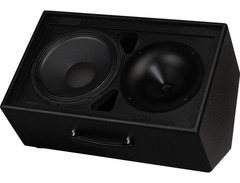
If you've ever wished your FRFR speaker could capture that magical "amp in the room" feel, the Friedman ASC-12 might just be your holy grail. Dave Friedman, known for his boutique tube amplifiers, has brought his golden ears to the FRFR world, creating a speaker that bridges the gap between digital modeling and traditional amp feel. While it carries a premium price tag, it delivers a premium experience that might make you forget you're playing through a flat-response speaker.
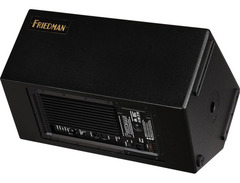
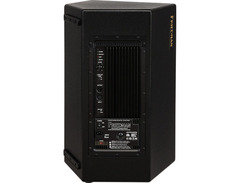
The ASC-12 comes armed with a 500W Class-G amplifier powering a custom-designed 12-inch speaker and a 1-inch compression driver. The rear panel is thoughtfully laid out with XLR and 1/4" inputs, a thru output for daisy-chaining, and ground lift switch. What sets it apart is the three-band EQ with sweepable mid-frequency control – a feature that proves invaluable for fine-tuning your sound to different venues. The robust birch plywood cabinet includes both a pole mount and kickback design, offering flexible positioning options for any stage setup. Do keep in mind the the 500W specification is for maximum output. The ASC-12 features a bi-amp design where the power is split between low-frequency (LF) and high-frequency (HF) outputs. Specifically, it delivers 270W RMS for the low frequencies and 80W RMS for the high frequencies, totaling 350W RMS under typical operating conditions, with the peak output reaching 500W during bursts. This distinction is crucial for understanding its performance capabilities.
Key Features:
- 500W Class-G amplifier
- 12-inch custom-designed speaker
- 1-inch compression driver
- XLR and 1/4" inputs with thru output
- Three-band EQ with sweepable mids
- Ground lift switch
- Birch plywood cabinet construction
- Pole mount and kickback design
- Included padded cover
Sound quality is where the ASC-12 truly shines. While maintaining the accuracy expected from an FRFR speaker, it somehow manages to deliver a more organic, amp-like response that many players find missing in other options. The 12-inch speaker moves plenty of air, creating that physical feeling guitarists love, while the compression driver ensures pristine high-end detail. Even at high volumes, the ASC-12 maintains its composure, with practically zero unwanted coloration or distortion.
The ASC-12 sits firmly in premium territory. However, its build quality, sound characteristics, and practical features justify the investment for serious players. Think of it as buying a high-end guitar amp – you're investing in professional-grade sound quality and reliability. The included padded cover (a thoughtful touch) helps protect your investment.
What truly sets the ASC-12 apart is its ability to maintain transparency while adding just a hint of "mojo" to your tone. It's as if Friedman found the sweet spot between clinical accuracy and musical warmth. The sweepable mid control is another standout feature, offering precise control over the crucial midrange frequencies that can make or break your tone in a live setting.
Whether the Friedman ASC-12 is worth its premium price tag depends on your needs and budget. For professional musicians or serious enthusiasts who demand the absolute best in sound quality and build, it's a worthy investment that could be the last FRFR speaker you'll ever need to buy. However, those with more modest requirements might want to consider some of our other top picks.
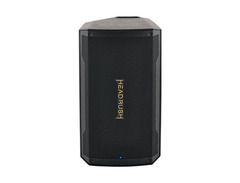
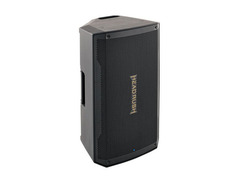
Headrush FRFR-112 MKII 2,500-watt 1 x 12-inch Powered Guitar Cabinet
5.0 (1)
Budget-Friendly Powerhouse



Average Price: $375
Standard/Professional
$200
$601+
Budget
Standard
High-end
- Crisp and clear sound, suitable for both practice and gigs
- Bluetooth feature works flawlessly and integrates well
- Adaptable to various projects and different instruments
- Capable of delivering powerful, pressure-filled sounds
- See 3 more
- Inferior build quality compared to the older version
- Volume and bass output are noticeably lower than previous models
- Reports of distortion and connectivity issues with Bluetooth
- Some units experience recurring technical failures
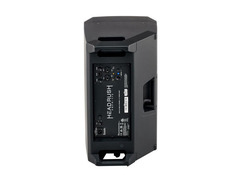
When HeadRush entered the FRFR speaker market, they had one clear mission: deliver professional-grade sound without the professional-grade price tag. The FRFR-112 accomplishes this with surprising finesse, proving that "budget-friendly" doesn't have to mean "budget-sounding." For guitarists who need reliable, powerful sound reproduction without breaking the bank, this speaker demands attention.
The FRFR-112 packs a serious punch with its 2000W peak power (1000W RMS) Class-D amplification system. HeadRush hasn't skimped on the essentials, providing a versatile I/O section and smart protection features that prevent thermal and clip damage. The lightweight yet durable molded cabinet includes both vertical and monitor positioning options, making it adaptable for various stage setups. While it might lack some premium extras, it nails the fundamentals that working musicians need.
Key Features:
- 2000W peak power (1000W continuous) Class-D amplifier
- 12-inch low-frequency driver
- 1-inch high-frequency compression driver
- XLR/TRS 1/4-inch combo inputs and XLR output
- Ground lift switch
- Contour EQ switch
- Molded plastic cabinet with protective grille
- Dual-position (vertical/monitor) design
- Built-in power surge protection
For its price point, the FRFR-112 delivers remarkably clean and articulate sound reproduction. The speaker handles high-gain tones with impressive clarity, while clean sounds remain crisp and detailed. Bass response is tight and controlled, though not quite as deep as some premium options. At high volumes, it does falter a bit with compression becoming noticeable when really pushed to its limits.
The FRFR-112 offers exceptional value. HeadRush has clearly prioritized sound quality and reliability over fancy features, resulting in a speaker that punches well above its weight class. While you might not get the premium extras found on more expensive units, you're getting professional-level sound quality at a fraction of the cost.
What sets the FRFR-112 apart is its impressive power-to-weight ratio and real-world usability. At just 36 pounds, it's one of the lighter 12-inch options available, yet it can handle the volume demands of most gig situations. The contoured handle design and balanced weight distribution make it particularly appealing for musicians who need to transport their own gear.
The HeadRush FRFR-112 is an ideal choice for guitarists who need professional-grade sound reproduction on a budget. Whether you're just starting with modeling gear or need a reliable backup for gigs, it offers remarkable value without compromising on essential features. While it may lack some premium refinements, its core performance makes it a standout in its price range.
NOTE: It's worth noting that you have the option of the FRFR-112's slightly smaller and less expensive sibling, the Headrush FRFR-108. The FRFR-108 sacrifices a little power, but is more compact and lighter, making it easier to transport. The FRFR-108 has an 8-inch woofer compared to the 12-inch woofer found in the FRFR-112, so low-frequency response is slightly inferior. Both units offer substantial power, but the FRFR-112 has a slightly higher maximum SPL and total power, making it able to achieve higher volume levels. We say go for the FRFR-112 if you need maximum power for gigging, but for home and studio use the FRFR-108 has plenty of power on tap and sounds great.
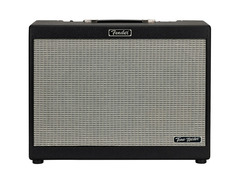
Fender Tone Master FR-12
The Classic Meets Contemporary



Average Price: $609
Standard/Professional
$300
$701+
Budget
Standard
High-end
- Excellent sound quality and amp-like feel for digital modelers
- Lightweight and portable design, easy to transport
- Effective onboard EQ and high cut controls for sound customization
- Powerful 1,000-watt output suitable for loud band settings
- See 4 more
- Some reports of ambient hiss, particularly at low volumes
- Lacks the pressure and dynamics of a traditional tube amp
- On/off switch quality perceived as low compared to older Fender models
| Total Power | 1000w |
| Weight | 27.6 lbs. |
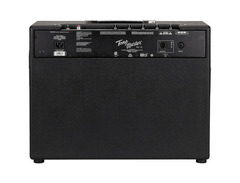
When the company that defined guitar amplification steps into the FRFR world, everyone takes notice. The Fender FR-12 brilliantly marries classic Fender aesthetics with modern FRFR technology, proving that traditional looks and cutting-edge performance can coexist beautifully.
Beneath that instantly recognizable silver sparkle grille and black Tolex exterior lies a thoroughly modern powered speaker system. The FR-12 delivers 1,000 watts of Class D power through a carefully engineered combination of a 12-inch speaker and compression driver. Fender has maintained their reputation for practical design with thoughtful features like tilt-back legs and a straightforward but effective control layout.
Key Features:
- 1,000W Class D amplification
- 12-inch speaker with compression driver
- Active 3-band EQ (±6dB at center frequencies)
- Dedicated Cut control for high-frequency attenuation
- Combi jack/XLR input
- Balanced XLR output with ground lift
- Lightweight plywood construction
- Classic Fender silver sparkle grille and black Tolex
- Built-in tilt-back legs
- Ported design for enhanced low-end response
The FR-12 delivers exceptional clarity across the frequency spectrum, with its 1,000-watt power stage providing ample headroom for dynamic performance. What sets it apart is its ability to maintain pristine sound reproduction while delivering the kind of authority typically associated with traditional guitar cabinets. From delicate nuances to full-throttle power chords, the FR-12 handles it all with remarkable precision and transparency.
Positioned in the mid-range price bracket, the FR-12 offers professional-grade features and performance at a relatively accessible price point. Its versatility as both a dedicated FRFR speaker for modeling gear and a general-purpose PA speaker adds significant value, making it an attractive option for both professional musicians and grassroots performers.
The FR-12's standout feature is its fusion of classic Fender aesthetics with modern FRFR technology. The familiar Hot Rod Deluxe-inspired looks will appeal to traditionalists, while the sophisticated power section and frequency response satisfy modern technical requirements. The lightweight design (11.5 kg/28 lbs) makes it remarkably portable for its capabilities.
The Fender FR-12 is perfect for players seeking a professional-grade FRFR solution that combines classic aesthetics with modern performance. Whether you're running a modeling floorboard like the Tone Master Pro or need a versatile powered speaker for general use, the FR-12 delivers exceptional sound quality and practical features in a familiar, road-worthy package.
See how artists use this





Line 6 Powercab 112 Plus
5.0 (2)
The Shape-Shifting Innovator


Average Price: $841
High-end/Boutique
$300
$701+
Budget
Standard
High-end
- Authentic "amp in the room" feel, especially with modelers like Helix and Quad Cortex
- Easily integrates with Line 6 products for seamless setup and control
- Consistent firmware updates and responsive support from Line 6
- Versatile with FRFR and speaker modeling capabilities, suitable for various musical styles
- See 6 more
- Sound quality and feel may not fully replace traditional tube amps for some users
- Tone can be significantly affected by the speaker's placement and angle
- Initial setup and tweaking require a learning curve to achieve desired sounds
- Some users find the speaker simulations lacking compared to real guitar cabinets
- See 1 more
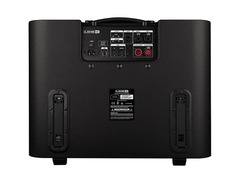
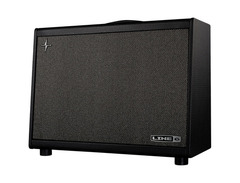
Just when you thought you understood what FRFR speakers were all about, Line 6 comes along and rewrites the rulebook. The Powercab 112 Plus is what happens when someone asks, "Why can't an FRFR speaker also be a traditional guitar cab?" It's a chameleon that can transform from a transparent FRFR monitor into an authentic-feeling guitar cabinet at the flick of a switch, making it perhaps the most versatile speaker in our lineup.
The Powercab 112 Plus is essentially two speakers in one. At its heart lies a 250W (peak) powered speaker system, but what sets it apart is its dual personality. In FRFR mode, it behaves like a traditional full-range monitor. Switch to Speaker Modeling mode, and you can access six meticulously modeled vintage speaker responses, with 128 user preset locations for storing your favorite combinations. Line 6 has packed this unit with modern amenities while keeping the interface surprisingly intuitive.
Key Features:
- 250W Class-D amplification
- Custom coaxial 12-inch speaker
- Six vintage speaker models built-in
- 128 user preset locations
- Full-color LCD display
- USB interface for firmware updates
- XLR/TRS combo inputs
- Stereo XLR outputs
- AES/EBU digital input
- IR loading capability (Third-party support)
- L6 LINK digital connection
- Dedicated mobile app control
In FRFR mode, the Powercab delivers pristine, accurate reproduction that stands toe-to-toe with dedicated FRFR speakers. But the real magic happens in Speaker Modeling mode, where each modeled speaker delivers stunningly authentic vintage tones. The "Greenback" model, in particular, captures that classic British growl with uncanny accuracy. The coaxial design ensures consistent sound dispersion, making it equally effective whether you're playing standing up or sitting down.
The Powercab 112 Plus represents solid value considering its dual functionality. You're essentially getting an FRFR speaker and six vintage cabinet simulations in one box, along with the ability to load your own IRs. For guitarists who frequently switch between traditional and modern setups, this versatility could save money in the long run.
The ability to load third-party impulse responses (IRs) sets this speaker apart from everything else in our roundup. This means you can expand beyond the built-in speaker models and load virtually any speaker cabinet simulation you can find. The L6 LINK digital connection also provides seamless integration with other Line 6 products, creating an all-digital signal path from your modeler to your speaker.
The Line 6 Powercab 112 Plus is perfect for the guitarist who wants maximum flexibility from their speaker setup. Whether you're a traditional player dipping their toes into the modeling world, or a tech-savvy musician who appreciates having options, this innovative speaker delivers. While it might not be the most powerful option in our lineup, its versatility and sound quality make it a compelling choice for both stage and studio use.
Laney LFR-212 FRFR Active Cab
5.0 (1)
The Stereo Specialist

Average Price: $1,219
High-end/Boutique
$200
$601+
Budget
Standard
High-end
- Excellent with digital rigs like Quad Cortex for an authentic amp feel
- Versatile for different venues, easy to transport and set up
- Provides clear feedback for digital rigs, enhancing playability
- Superior sound clarity for both distorted and clean tones
- See 4 more
- Larger size may not be ideal for all practice situations
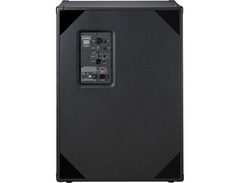
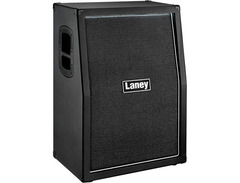
Meet the heavyweight champion of wide soundstages – the Laney LFR-212. With its unique dual-speaker configuration, this British-designed powerhouse brings something different to the FRFR world. While most manufacturers are focused on single-speaker solutions, Laney has created a stereo monster that caters to guitarists who think in panorama, perfect for those running complex stereo rigs or seeking that larger-than-life sound.
The LFR-212 approaches FRFR from a different angle, quite literally. Housing two 12-inch custom-designed speakers and a 1-inch La Voce compression driver, it's powered by a robust 800W amplification system. Laney has included sophisticated DSP processing to manage the stereo image, along with comprehensive I/O options that make it a versatile solution for complex rigs. The thoughtfully designed cabinet allows for both traditional and wedge monitor positioning, making it equally at home on large stages or in cramped rehearsal spaces.
Key Features:
- 800W Class-D amplification
- Dual 12-inch custom-designed speakers
- 1" La Voce compression driver
- Stereo XLR/TRS combo inputs
- Stereo XLR throughputs
- Selectable Cabinet emulation - FRFR, 1 x 12” or 4 x 12” options
- Multi-angle cabinet design
- Professional-grade birch plywood construction
The stereo spread of the LFR-212 is nothing short of impressive. Each speaker handles its respective channel with clarity and precision, creating an immersive sound field that traditional single-speaker FRFRs simply can't match. The bass response is particularly noteworthy – those dual 12-inch drivers move serious air, providing a solid foundation that feels more like a full PA than a guitar monitor. Even when used in mono, the speaker pair works in harmony to deliver a rich, full-bodied sound that fills the room effortlessly.
At $899, the LFR-212 sits in the upper-mid price range. However, considering you're essentially getting two professional-grade FRFR speakers in one cabinet, with premium construction, the value proposition becomes clear. It's particularly attractive for guitarists who would otherwise need to purchase and transport two separate FRFR cabinets.
The LFR-212's stereo width control is a game-changer for live sound. This dedicated knob allows you to adjust the perceived width of the stereo field, letting you dial in anything from subtle stereo enhancement to dramatic ping-pong effects. The cabinet's versatile design, with its multiple mounting options, makes it adaptable to various stage configurations, despite its substantial size.
The Laney LFR-212 is the perfect choice for guitarists who demand more than just mono sound reproduction. Whether you're running complex stereo effects, need serious stage coverage, or simply want the most immersive sound possible, this British beast delivers. While its size and weight might not suit everyone, those who can accommodate it will be rewarded with one of the most capable FRFR solutions on the market.
See how artists use this


FRFR Speakers vs. Traditional Guitar Amps

Let's settle this age-old debate that's been raging in guitar forums and music stores since modeling gear first hit the scene. While both FRFR speakers and traditional guitar amps have their place in modern music, understanding their fundamental differences will help you make better decisions about your rig.
The Traditional Guitar Amp Approach
Think of a traditional guitar amp as a master painter who always adds their own artistic touch to your work. That vintage Fender Twin? It's going to add that signature glassy sparkle to your tone. That Marshall JCM800? It's bringing its own midrange growl to the party, whether you asked for it or not. This coloration is part of their charm – it's why certain amps have become legendary.
Traditional amps excel in:
- Creating natural power amp saturation and compression
- Providing organic tactile response and feel
- Delivering that iconic "amp in the room" experience
- Simplicity of operation (plug in and play)
The FRFR Advantage
An FRFR speaker, on the other hand, is like a perfect mirror – it reflects exactly what you feed into it. When paired with modern modeling gear, this approach offers unprecedented flexibility. That Fender Twin model you're using? It'll sound like a Twin. Switch to a Marshall model? Now it sounds like a Marshall, all through the same speaker.
FRFR systems excel in:
- Faithfully reproducing modeled amps and effects
- Maintaining consistent tone at any volume
- Offering multiple amp sounds in one setup
- Providing modern connectivity options
- Taking up less space than traditional rigs
Real-World Applications
Let's break down when each approach shines:
Live Performance
- Traditional Amp: Perfect for players who stick to one core tone and build their sound around it. Think blues guitarists or classic rock players who rely on their amp's natural overdrive.
- FRFR: Ideal for players who need multiple authentic amp sounds during a set, or those using complex effects chains and stereo setups.
Recording
- Traditional Amp: Great for capturing natural power amp dynamics and room sound, especially for classic rock and blues tones.
- FRFR: Excels in modern production where consistency and flexibility are key. Perfect for home studios where volume might be an issue.
Practice
- Traditional Amp: Can be overkill for home practice, often requiring attenuators or master volume compromises.
- FRFR: Offers consistent tone at any volume level, with headphone options for silent practice.
The Hybrid Approach
Here's something interesting: many professional guitarists are now adopting a hybrid approach. They'll use traditional amps for certain songs or sounds while relying on FRFR systems with modeling for others. This "best of both worlds" strategy is becoming increasingly common, especially in professional touring rigs.
Making the Choice
Your choice between FRFR and traditional amplification should depend on several factors:
- The types of music you play
- How many different tones you need
- Your budget and space constraints
- Whether you record frequently
- Your tolerance for technical complexity
- The importance of consistency in your sound
Practical Tips for Using FRFR Speakers

Making the leap from traditional guitar cabinets to FRFR speakers is like learning a new language of tone. While these speakers can deliver unprecedented flexibility and clarity, they require a different approach to get the best results. Let's dive into the essential knowledge that will help you master your FRFR system, whether you're playing in your bedroom or headlining festivals.
Mastering Speaker Placement
Think of your FRFR speaker as a precision instrument that needs careful positioning to truly shine. Unlike traditional guitar cabs that spray sound across the floor, FRFR speakers are more like studio monitors – they need thoughtful placement to deliver their optimal performance. The right position can mean the difference between muddy, unfocused sound and crystal-clear tone that cuts through the mix perfectly.
Key positioning tips:
- Raise the speaker to ear level when possible
- Use proper speaker stands for stage performances
- Keep at least 1-2 feet of space from walls
- Angle the speaker slightly inward when using floor-monitor position
- Consider stereo placement if using two speakers
- Avoid corners that can cause bass build-up
The Volume and EQ Dance
One of the biggest challenges for guitarists transitioning to FRFR systems is managing volume and EQ effectively. Remember, you're now dealing with a full-range system that reproduces frequencies your old guitar cab never could. This means you need a more nuanced approach to gain staging and tone shaping. Start with conservative settings and adjust methodically – small changes can have a big impact on your overall sound.
Volume and EQ essentials:
- Start with modeler output at 70% for optimal headroom
- Keep speaker EQ flat initially
- Use modeler's global EQ for broad tone shaping
- Reserve speaker EQ for room correction only
- Monitor input levels to prevent digital clipping
- Create presets for different venues and situations
Stage Integration and Monitoring
The stage is where FRFR systems really show their versatility, but it's also where things can get complicated quickly. The key is understanding that your FRFR speaker is part of a larger sound system, not just a personal monitor. Building a good relationship with sound engineers and understanding basic FOH (Front of House) concepts will help you achieve consistent results night after night.
Live sound strategies:
- Run direct to FOH and use FRFR as personal monitor
- Set consistent stage volume levels
- Work with sound engineer on monitor mix
- Consider in-ear monitors for better control
- Have backup routing options ready
- Create venue-specific presets
Signal Path Optimization
Getting the cleanest signal possible to your FRFR speaker is crucial for achieving the best sound. Think of your signal chain as a highway – the wider and clearer the road, the better the traffic flows. From cables to connections, every component in your signal path affects your final tone.
Signal chain best practices:
- Invest in high-quality, balanced cables
- Keep cable runs as short as possible
- Use proper gain staging throughout
- Enable ground lift switch when needed
- Consider using a DI box for long cable runs
- Maintain clean power supply to all components
Room Acoustics and Sound Shaping
Room acoustics affect FRFR speakers differently than traditional guitar cabs. While a regular guitar cab might mask room problems with its focused frequency range, an FRFR speaker reproduces everything – including room resonances and reflections you might not want to hear. Understanding how your space impacts your sound is crucial for achieving consistent results across different venues. Take time to learn how your FRFR system behaves in various environments, and don't be afraid to experiment with different positions and EQ settings.
Room management essentials:
- Test sound with and without an audience
- Create separate presets for different room sizes
- Use acoustic treatment in home studio setups
- Avoid parallel walls when possible
- Check sound from multiple listening positions
- Consider room correction software for critical spaces
Protecting Your Investment
FRFR speakers are sophisticated pieces of technology that require proper care to maintain their performance. While they're built to be road-worthy, a little preventive maintenance goes a long way in ensuring reliability and longevity. Think of your FRFR system like a high-performance car – regular maintenance prevents expensive problems down the road.
Maintenance guidelines:
- Follow proper power-up/down sequence
- Use appropriate covers during transport
- Keep ventilation areas clean and unobstructed
- Store in climate-controlled environments when possible
- Regularly check all connections and mounting points
- Keep backup settings saved externally
Troubleshooting Like a Pro
Even the best-maintained FRFR systems can encounter issues. The key is knowing how to identify and solve common problems quickly, especially in live situations. Most issues fall into a few common categories, and having a systematic approach to troubleshooting will save you time and stress when problems arise.
Common solutions:
- Start with the simplest possible setup to isolate issues
- Check all cable connections and power sources
- Verify proper gain staging throughout the signal chain
- Test with multiple input sources if possible
- Keep a backup speaker preset with conservative settings
- Document successful solutions for future reference
Advanced Optimization Tips
Once you've mastered the basics, there are several advanced techniques that can take your FRFR experience to the next level. These approaches help you achieve more sophisticated tones and greater consistency across different playing situations.
Advanced techniques:
- Use multiple presets for different acoustic environments
- Implement subgroups for effects routing
- Create custom IR blends for unique cabinet sounds
- Develop backup patches with simplified routing
- Utilize MIDI control for complex scene changes
- Configure automated parameter morphing
This comprehensive approach to FRFR speaker management will help you get the most from your system while avoiding common pitfalls. Remember, mastering these concepts takes time and experimentation – don't be afraid to try new approaches and learn from both successes and failures.
Conclusion: Choosing Your Perfect FRFR Solution
The world of FRFR speakers has come a long way since the early days of digital modeling. What was once viewed with skepticism by traditional guitarists has evolved into a sophisticated, professional-grade solution for modern musicians. As we've seen through our detailed exploration, each speaker in our top picks brings something unique to the table, catering to different needs and preferences.
The Friedman ASC-12 stands as the premium choice for those seeking that elusive "amp in the room" feel, while the HeadRush FRFR-112 proves that excellent sound quality doesn't have to break the bank. The Laney LFR-212's innovative stereo approach offers unique possibilities for more complex rigs, while the Fender Tone Master FR-12 brilliantly bridges the gap between classic aesthetics and modern technology. The Line 6 Powercab 112 Plus, with its shape-shifting capabilities, shows us that the future of guitar amplification might be more flexible than we ever imagined.
Making Your Decision
When choosing your FRFR speaker, consider these key factors:
- Your primary playing environment (home, studio, live venues)
- Budget constraints and long-term value
- Physical requirements (weight, size, portability)
- Technical requirements (power, connectivity, features)
- Your modeling platform and integration needs
The Future of Guitar Amplification
The line between traditional amplification and FRFR systems continues to blur, with manufacturers finding innovative ways to combine the best of both worlds. Whether you're a touring professional, a home studio enthusiast, or somewhere in between, there's never been a better time to explore what FRFR speakers have to offer.
Remember, the "best" FRFR speaker isn't necessarily the most expensive or feature-packed option – it's the one that best serves your specific needs while inspiring you to play. Take time to demo different options if possible, and don't be afraid to think beyond conventional approaches to guitar amplification.
Final Thoughts
The FRFR speaker you choose becomes more than just another piece of gear – it's the final link in your tone chain, the device that actually moves air and delivers your carefully crafted sounds to the audience. Choose wisely, but also remember that any of the speakers we've reviewed can deliver professional results when used thoughtfully.
Whether you're making your first foray into the world of FRFR speakers or upgrading your existing setup, we hope this guide has helped clarify your options and pointed you toward the perfect solution for your needs. The future of guitar tone is here – it's just a matter of choosing which path you'll take to get there.
Top Ranked Speakers & Accessories on Equipboard


About the authors
Michael R. Pierce is the co-founder of Equipboard and a lifelong musician with over 25 years of experience as a guitarist and gear enthusiast. He blends solid music theory chops (thanks to formal training in guitar, piano, and trumpet) with real-world experience, always exploring and experimenting across genres like rock, blues, and hip-hop. Michael launched Equipboard in 2013 after graduating from The University of Texas at Austin, leveraging his unique blend of musical passion, technological acumen, and community building. His current go-to rig features a Fender American Original ‘50s Telecaster, Analogman King of Tone, Strymon Flint, and a Fender ‘57 Custom Champ. Read more
Comments
Sign Up or Log In to add comments

11304
It' nice to see my gear photo in the article :)
https://equipboard.com/gear_photos/24638
New in Speakers & Accessories and Combo Guitar Amplifiers

$422.00 - $449.99
in Speakers & Accessories Rank

$543.51 - $2,550.00
in Speakers & Accessories Rank

$516.33 - $2,949.00
in Speakers & Accessories Rank


$159.00 - $229.99
in Combo Guitar Amplifiers Rank