By Gear Experts
Table of Contents

Equipboard
Equipboard is the world's largest community of artists and their gear. Read our review process.
We are reader-supported. When you buy through links on our site, we may earn an affiliate commission. Learn more.
Our Picks


I don’t know about you, but microphones always kind of intimidated me when I was starting out. I never knew where I should put them in relation to my amp (or mouth, depending on whether or not I was making another attempt to convince myself I could sing), and I never knew how to pick out a mic that would suit my needs.
If you’ve ever faced a similar issue, you’re in luck! This article will give you the breakdown on condenser mics, a few tips on how to use them, as well as five great recommendations!
What is a Condenser Microphone?
Simply put, condenser microphones are sensitive microphones. They’re more sensitive to abuse (moisture, rough handling, the perils of the road, etc.), more sensitive to dynamics, and boast a more sensitive frequency response. This makes them more of a studio microphone fit for recording in a controlled environment; whereas a dynamic mic (like the Shure SM58) is more fit for live performance. However, that’s not a hard and fast rule by any means. If you’re doing an intimate acoustic show at your favorite (but probably overpriced) coffee house a condenser microphone might be a good option. On the other hand, if you’re knocking out some down and dirty blues-rock you may want to consider using a dynamic microphone.
Why Would I Need a Condenser Microphone?
A condenser mic is useful when you require accuracy above all else. You work hard to get your tone, you work hard to write a song or arrange a cover, and you spend a lot of money on gear that sounds good. A condenser microphone is your best option for reproducing the fruits of your labor faithfully.
Tips on Using A Microphone
- Don’t Cup the Mic- Cupping the mic (holding it close to your mouth with a hand around it) kills your frequency response and makes you sound like everybody’s favorite blue Muppet. Unless that’s what you’re going for, I would advise against doing this.
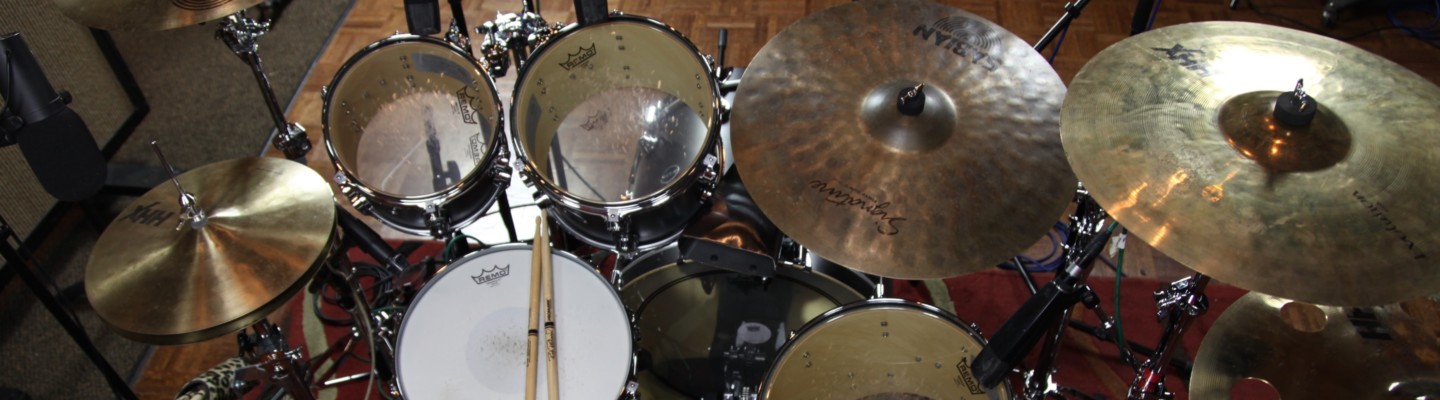
- Avoid Sound Bleed When Recording- While condenser microphones are good for guitars and vocals, drums benefit from using dynamic microphones. Because condensers are so sensitive, the sound from the various pieces of a drum kit will bleed over into the other tracks for the drum (you hear floor tom on the snare track, snare on the high-hat etc.) and you’ll have a harder time getting a crisp sound.
- Live Performance is an Exercise in Compromise- You’re never going to sound as good on stage as you do in the studio. The acoustics generally aren’t in your favor, and because of the volume you can’t use really sensitive mics that will produce a more accurate sound. So learn to live with compromise when it comes to how you sound live. Your fans would rather hear muddy vocals than microphone feedback. They’re there to see you. They want a show, not perfection.
- Invest in Quality- You can get away with a cheap guitar or bass. In fact, one of my favorite guitars ever is the Recording King Dirty 30s parlor guitar. However, if you want good results with a microphone you should be ready to shell out some cash. Reproducing a sound accurately is a very technical and labor intensive process, and if you’re gear isn’t working for you it will be working against you.
Shure SM81
5.0 (14)










Average Price: $407
High-end/Boutique
$100
$401+
Budget
Standard
High-end
- Excels in clarity and neutrality, ideal for a wide range of instruments
- Offers two high-pass filter options for versatile recording conditions
- Durable and rugged, suitable for studio and live environments
- Maintains a flat, accurate frequency response for natural sound reproduction
- See 5 more
- Low sensitivity may require quality preamps for silent sources
- Some units reportedly missing the lock for the attenuation ring
- Feedback issues in live settings at high volumes
- May be perceived as slightly dull compared to brighter SDCs
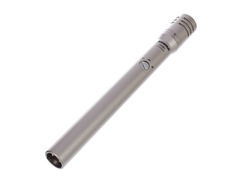
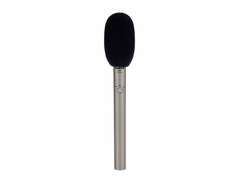
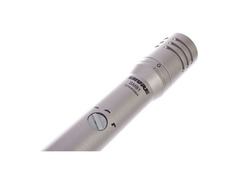
Shure has a longstanding reputation for delivering quality and the SM81 is no exception to this trend. Featuring a 0 Hz to 20 kHz frequency response, phantom powering, and an included case, this microphone is sure to be up to whatever you have to throw at it.
See how artists use this




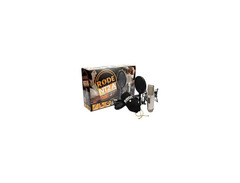
Rode NT2-A Condenser Microphone
4.5 (53)



Average Price: $358
Standard/Professional
$100
$401+
Budget
Standard
High-end
- Exceptional sound quality for vocals and instruments
- Versatile with multiple polar patterns for different recording needs
- Includes valuable accessories like shock mount, pop filter, and dust cover
- Comparably great value against higher-priced competitors
- See 6 more
- Shock mount design could be improved for better stability
- Pop filter design limits mic positioning flexibility
- Some high-frequency response may not suit all vocal types
- Exterior sleeve and some components feel cheap
While Rode may not be as well known as Shure, the company is easily as capable of providing legendary quality at a relatively affordable price. The Rode NT2A is a great example of this, and boasts a wide variety of features that will make any recording session a breeze. As an added bonus the Anniversary package comes with a few extra goodies, like a pop-protector (that big black circle thing) and an included stand.
See how artists use this




.jpg)


.png?v=1783520446)
.png?v=1783520446)
Sennheiser e 614 Small-diaphragm Condenser Microphone


Average Price: $197
Standard/Professional
$100
$401+
Budget
Standard
High-end
- Excellent high rear rejection and tight super-cardioid pattern
- Delivers natural sound, closely replicating live instrument sound
- Less bleed and feedback issues, suitable for live settings
- Versatile across various instruments including cymbals, guitars, and bass
- See 4 more
Sleek and ergonomic, the Sennheiser E614 is a great option for the musician on a budget who doesn’t want to compromise on their tone. As an added bonus, the small diaphragm design is perfectly suited to overhead drum applications.
See how artists use this



Audix ADX51 Instrument Condenser Microphone
4.5 (5)


Average Price: $248
Standard/Professional
$100
$401+
Budget
Standard
High-end
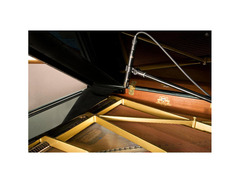
- Outperforms classic mics like Shure SM81 in shootouts
- Excellent sound quality on acoustic guitars and overheads
- Great value for the price point
- Works well with high-quality preamps (e.g., Neve 511)
- See 6 more
- Polar pattern switch is recessed, requiring a tool for adjustment
- Mic clip is stiff initially
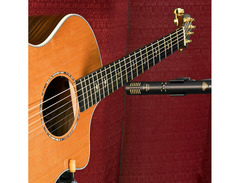
Built for musicians on a budget, the Audix ADX51 is a perfect option for anyone who wants a professional sounding recording without breaking the bank. The mic features a smooth and uniform response across its entire frequency range and features specialized low-noise circuitry.
See how artists use this





.jpg)
Audio-Technica ATM450 Condenser Instrument Microphone
4.0 (4)


Average Price: $300
Standard/Professional
$100
$401+
Budget
Standard
High-end
- Excels in tight spaces, ideal for drum kits
- Versatile use on snares, toms, hi-hats, overheads, cabs, and acoustic guitars
- Stellar sound quality with nice transient response and detailed sound
- Side address design offers discrete mounting options
- See 6 more
- Some users find the sound quality just "ok"
- May require additional gear (e.g., gates, suspension mounts) for optimal performance
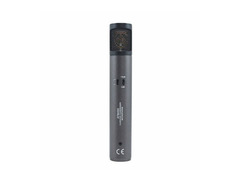
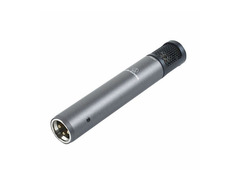
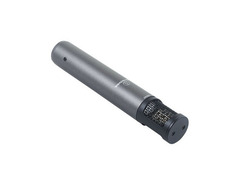
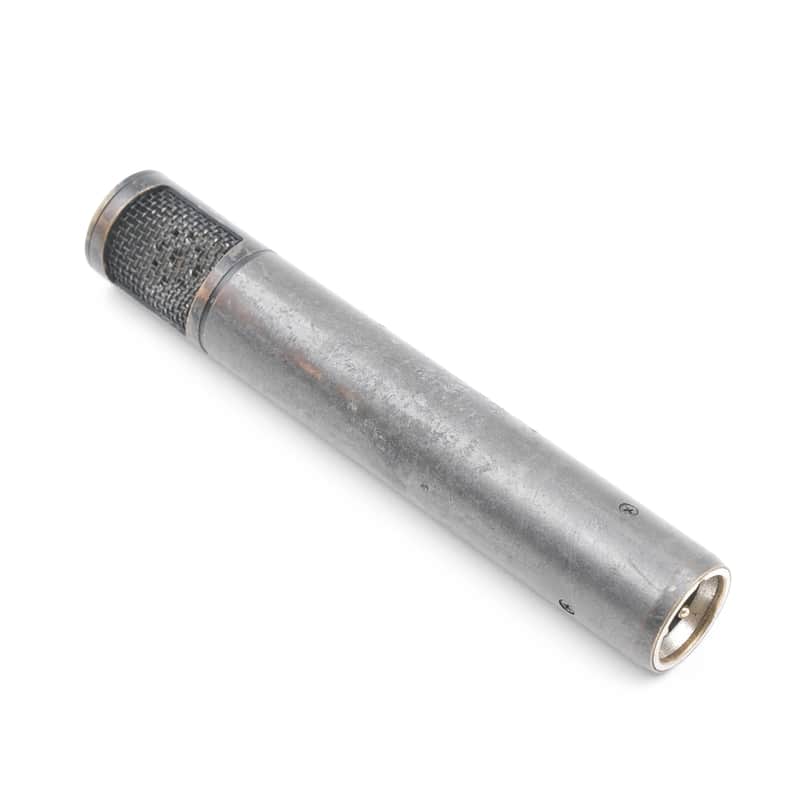
Tired of being unable to fit your mic into awkward positions? If so, look no further than the Audio-Technica ATM450 Condenser Instrument microphone. The unique side-address stick insures that you’ll never have to worry about placement again!
See how artists use this





Top Ranked Condenser Microphones on Equipboard


-m.webp?v=1783609036)


About the authors
Mason is a freelance music gear writer that contributes to Equipboard, Reverb, TuneCore, Music Aficionado, and more. He plays the guitar and mandolin and resides in Wyoming. Read more
New in Condenser Microphones

$4,222.00 - $4,999.00


$477.00 - $599.00


$159.00
in Condenser Microphones Rank